


Building Blocks
Subcategories of "Building Blocks"
- Boronic Acids & Boronic Acid Derivatives(5,778 products)
- Chiral Building Blocks(1,243 products)
- Hydrocarbon Building Blocks(6,099 products)
- Organic Building Blocks(61,038 products)
Found 205376 products of "Building Blocks"
5-Cyclopropyl-7-oxa-5-azaspiro[3.4]octane-6,8-dione
CAS:Versatile small molecule scaffold
Formula:C9H11NO3Purity:Min. 95%Molecular weight:181.19 g/molRef: 3D-JBD33609
Discontinued product2-Benzoyl-2-azabicyclo[2.1.1]hexane-1-carboxylic acid
CAS:Versatile small molecule scaffold
Formula:C13H13NO3Purity:Min. 95%Molecular weight:231.25 g/molRef: 3D-JBD33608
Discontinued product5-Methyl-7-oxa-5-azaspiro[3.4]octane-6,8-dione
CAS:Versatile small molecule scaffold
Formula:C7H9NO3Purity:Min. 95%Molecular weight:155.15 g/molRef: 3D-JBD32590
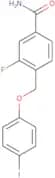
Discontinued product3-Fluoro-4-(4-iodophenoxymethyl)benzamide
CAS:Versatile small molecule scaffoldFormula:C14H11FINO2Purity:Min. 95%Molecular weight:371.14 g/molRef: 3D-JBC14709
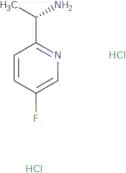
Discontinued product(S)-1-(5-Fluoropyridin-2-yl)ethanamine Dihydrochloride
CAS:Versatile small molecule scaffoldFormula:C7H9N2F·2HClPurity:Min. 95%Molecular weight:213.08 g/molRef: 3D-IYB89373
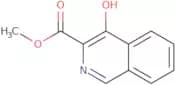
Discontinued productMethyl 4-hydroxyisoquinoline-3-carboxylate
CAS:Versatile small molecule scaffold
Formula:C11H9NO3Purity:Min. 95%Molecular weight:203.19 g/molRef: 3D-IUB14690
Discontinued product(4-Chlorophenyl)({8-methyl-8-azabicyclo[3.2.1]octan-3-yl})methanamine
CAS:Versatile small molecule scaffold
Formula:C15H21ClN2Purity:Min. 95%Molecular weight:264.79 g/molRef: 3D-ITC29319
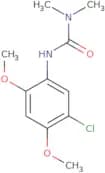
Discontinued product1-(5-Chloro-2,4-dimethoxyphenyl)-3,3-dimethylurea
CAS:Versatile small molecule scaffold
Formula:C11H15ClN2O3Purity:Min. 95%Molecular weight:258.7 g/molRef: 3D-ITC19526
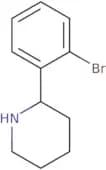
Discontinued product2-(2-Bromophenyl)piperidine
CAS:Versatile small molecule scaffold
Formula:C11H14BrNPurity:Min. 95%Molecular weight:240.14 g/mol4-(Piperazin-1-yl)isoquinoline dihydrochloride
CAS:Versatile small molecule scaffold
Formula:C13H17Cl2N3Purity:Min. 95%Molecular weight:286.2 g/molRef: 3D-ILB29289
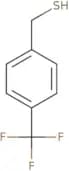
Discontinued product4-(Trifluoromethyl)benzyl mercaptan
CAS:4-(Trifluoromethyl)benzyl mercaptan is a chemical that has been used as an additive to organic solar cells. It has been shown to improve the performance of these devices by reducing interfacial recombination and increasing electron mobility. This chemical also has semiconducting properties, which have been demonstrated by its ability to be translated in an electron microscope. In addition, 4-(Trifluoromethyl)benzyl mercaptan interacts with many solvents, such as chloroform and dichloromethane, leading to changes in their properties.
Formula:C8H7F3SPurity:Min. 95%Molecular weight:192.2 g/molRef: 3D-IEA49924
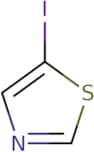
Discontinued product5-Iodo-1,3-thiazole
CAS:Versatile small molecule scaffold
Formula:C3H2INSPurity:Min. 95%Molecular weight:211.03 g/molRef: 3D-IEA30661
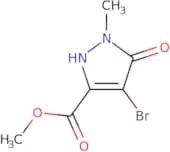
Discontinued productMethyl 4-bromo-5-hydroxy-1-methyl-1H-pyrazole-3-carboxylate
CAS:Versatile small molecule scaffold
Formula:C6H7BrN2O3Purity:Min. 95%Molecular weight:235.04 g/molRef: 3D-ICA36495
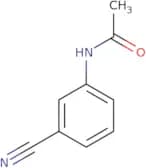
Discontinued productN-(3-Cyanophenyl)acetamide
CAS:N-(3-Cyanophenyl)acetamide is a hydrogen-bonding molecule that has been detected in the gas phase. It has also been observed to interact with water, forming hydrogen bonding interactions and solvatochromism. The equilibrium of N-(3-cyanophenyl)acetamide can be shifted by changing the solvent conditions and pH. This molecule has three conformations when it is in the gaseous phase, including a planar conformation. In addition, N-(3-cyanophenyl)acetamide can be used as a probe for determining hydrogen bonding interactions and conformations due to its ability to form hydrogen bonds with other molecules.
Formula:C9H8N2OPurity:Min. 95%Molecular weight:160.18 g/molRef: 3D-ICA20284
Discontinued product2-Phenyl-2-[(propan-2-yl)amino]acetic acid
CAS:Versatile small molecule scaffold
Formula:C11H15NO2Purity:Min. 95%Molecular weight:193.24 g/molRef: 3D-HXA09010
Discontinued product3-Bromo-5H,6H,8H-[1,2,4]triazolo[3,4-c][1,4]oxazine
CAS:Versatile small molecule scaffoldFormula:C5H6BrN3OPurity:Min. 95%Molecular weight:204.02 g/molRef: 3D-HWC64136
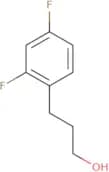
Discontinued product3-(2,4-Difluorophenyl)propan-1-ol
CAS:Versatile small molecule scaffold
Formula:C9H10F2OPurity:Min. 95%Molecular weight:172.17 g/molRef: 3D-HNB20467
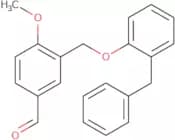
Discontinued product3-(2-Benzyl-phenoxymethyl)-4-methoxy-benzaldehyde
CAS:Versatile small molecule scaffold
Formula:C22H20O3Purity:Min. 95%Molecular weight:332.4 g/molRef: 3D-HIB73916
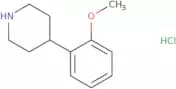
Discontinued product4-(2-Methoxyphenyl)piperidine hydrochloride
CAS:Versatile small molecule scaffold
Formula:C12H18ClNOPurity:Min. 95%Molecular weight:227.74 g/molrac-(1R,5S)-4-Oxaspiro[bicyclo[3.2.0]heptane-6,1'-cyclopentane]-7-one, cis
CAS:Versatile small molecule scaffold
Formula:C10H14O2Purity:Min. 95%Molecular weight:166.2 g/molRef: 3D-HCD80674
Discontinued product5-Methylquinoline
CAS:5-Methylquinoline is a quinoline derivative that is used in the synthesis of other quinoline derivatives. It can be synthesized from cinnamaldehyde, which can be obtained from cinnamic acid or benzaldehyde. 5-Methylquinoline has been shown to have antioxidant properties and inhibit colorectal carcinoma cells in vitro. The compound also inhibits the growth of caco-2 cells. One isomer of 5-methylquinoline, ethenyl, has been shown to cause a shift in the spectrum of light absorbed by caco-2 cells.
Formula:C10H9NPurity:Min. 95%Molecular weight:143.18 g/mol4-Methyl-1,1,3-trioxothieno[3,2-d][1,2]thiazole-5-carboxylic acid
CAS:Versatile small molecule scaffoldFormula:C7H5NO5S2Purity:Min. 95%Molecular weight:247.3 g/molRef: 3D-GEB80217
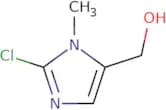
Discontinued product(2-Chloro-1-methyl-1H-imidazol-5-yl)methanol
CAS:Versatile small molecule scaffoldFormula:C5H7ClN2OPurity:Min. 95%Molecular weight:146.57 g/mol3-Azabicyclo[3.2.1]octan-6-ol hydrochlorides
CAS:Versatile small molecule scaffoldFormula:C7H14ClNOPurity:Min. 95%Molecular weight:163.6 g/molRef: 3D-FSD25297
Discontinued product1,5,5-Trimethylpyrrolidin-3-amine dihydrochloride
CAS:Versatile small molecule scaffoldFormula:C7H18Cl2N2Purity:Min. 95%Molecular weight:201.1 g/molRef: 3D-FSD25271
Discontinued product5-Methoxybicyclo[2.2.1]heptan-2-amine hydrochloride
CAS:Versatile small molecule scaffoldFormula:C8H16ClNOPurity:Min. 95%Molecular weight:177.7 g/molRef: 3D-FSD25240
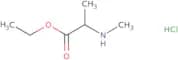
Discontinued productEthyl (2R)-2-(methylamino)propanoate hydrochloride
CAS:Versatile small molecule scaffoldFormula:C6H14ClNO2Purity:Min. 95%Molecular weight:167.6 g/molRef: 3D-FSD20274
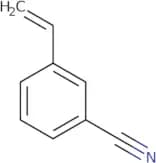
Discontinued product3-Ethenylbenzonitrile
CAS:3-Ethenylbenzonitrile is an organic compound that can be prepared by photolysis of 2-bromobenzonitrile in the presence of a nonpolar solvent. It is also synthesized by laser induced exciplex reaction between benzene and ethylene. 3-Ethenylbenzonitrile has a conformation that is dependent on the polarity of the solvent. In polar solvents, it adopts a bent structure while in nonpolar solvents, it adopts a linear structure. The molecule undergoes cyclobutane formation and then reacts with electron acceptors such as cations to form intermediates. These intermediates react with other molecules to form products.
Formula:C9H7NPurity:Min. 95%Molecular weight:129.16 g/molRef: 3D-FAA33896
Discontinued product2-(1,3-Benzothiazol-2-yl)-3-[(2,5-dimethylphenyl)amino]-3-sulfanylprop-2-enenitrile
CAS:Versatile small molecule scaffold
Formula:C18H15N3S2Purity:Min. 95%Molecular weight:337.5 g/molRef: 3D-EQA25562
Discontinued product4-({3-Oxo-2-azatricyclo[6.3.1.0,4,12]dodeca-1(11),4(12),5,7,9-pentaen-2-yl}methyl)benzohydrazide
CAS:Versatile small molecule scaffoldFormula:C19H15N3O2Purity:Min. 95%Molecular weight:317.3 g/mol2-{[4-({[(9H-Fluoren-9-yl)methoxy]carbonyl}amino)phenyl]methyl}butanoic acid
CAS:Versatile small molecule scaffold
Formula:C26H25NO4Purity:Min. 95%Molecular weight:415.5 g/molRef: 3D-EPD45030
Discontinued product1-(1H-1,2,3,4-Tetrazol-5-yl)propan-2-ol
CAS:Versatile small molecule scaffoldFormula:C4H8N4OPurity:Min. 95%Molecular weight:128.1 g/molRef: 3D-EPD43785
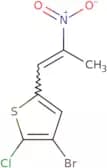
Discontinued product3-Bromo-2-chloro-5-(2-nitroprop-1-en-1-yl)thiophene
CAS:Versatile small molecule scaffoldFormula:C7H5BrClNO2SPurity:Min. 95%Molecular weight:282.54 g/molRef: 3D-EPC01906
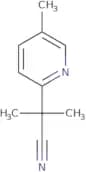
Discontinued product2-Methyl-2-(5-methylpyridin-2-yl)propanenitrile
CAS:Versatile small molecule scaffold
Formula:C10H12N2Purity:Min. 95%Molecular weight:160.22 g/molRef: 3D-EMB02197
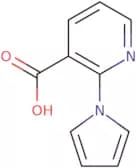
Discontinued product2-(1H-Pyrrol-1-yl)pyridine-3-carboxylic acid
CAS:Versatile small molecule scaffold
Formula:C10H8N2O2Purity:Min. 95%Molecular weight:188.18 g/molRef: 3D-EGA01405
Discontinued product4-[(4-Methoxyphenyl)methyl]azetidin-2-one
CAS:Versatile small molecule scaffoldFormula:C11H13NO2Purity:Min. 95%Molecular weight:191.23 g/molRef: 3D-EFC81230
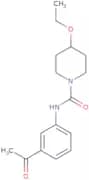
Discontinued productN-(3-Acetylphenyl)-4-ethoxypiperidine-1-carboxamide
CAS:Versatile small molecule scaffold
Formula:C16H22N2O3Purity:Min. 95%Molecular weight:290.36 g/molRef: 3D-ECC89688
Discontinued product2',3'-Dihydro-1'H-spiro[cyclopropane-1,4'-quinoline]
CAS:Versatile small molecule scaffold
Formula:C11H13NPurity:Min. 95%Molecular weight:159.23 g/molRef: 3D-ECC59829
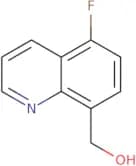
Discontinued product(5-Fluoroquinolin-8-yl)methanol
CAS:Versatile small molecule scaffold
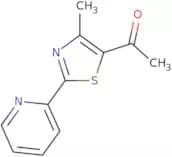
Formula:C10H8FNOPurity:Min. 95%Molecular weight:177.17 g/mol1-(4-Methyl-2-pyridin-2-yl-1,3-thiazol-5-yl)ethanone
CAS:Versatile small molecule scaffold
Formula:C11H10N2OSPurity:Min. 95%Molecular weight:218.28 g/molRef: 3D-DUA25765
Discontinued product2,6-Dichloropyridine-3-sulfonamide
CAS:Versatile small molecule scaffold
Formula:C5H4Cl2N2O2SPurity:Min. 95%Molecular weight:227.07 g/molRef: 3D-DTB62777
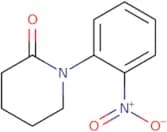
Discontinued product2-Piperidinone, 1-(2-nitrophenyl)-
CAS:Versatile small molecule scaffold
Formula:C11H12N2O3Purity:Min. 95%Molecular weight:220.22 g/molRef: 3D-DIA50992
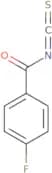
Discontinued product4-Fluorobenzoyl isothiocyanate
CAS:4-Fluorobenzoyl isothiocyanate (FBITC) is a fluorescent molecule that binds to the glutamate receptor. The binding of FBITC to the GluN2B subunit of the NMDA receptor leads to conformational changes in the receptor and decreases its ability to bind glutamate. This process has been shown using x-ray diffraction data, which also showed that FBITC was able to chelate with magnesium ions, indicating a possible allosteric modulator for these receptors.
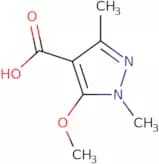
Formula:C8H4FNOSPurity:Min. 95%Molecular weight:181.19 g/mol5-Methoxy-1,3-dimethyl-1H-pyrazole-4-carboxylic acid
CAS:Versatile small molecule scaffoldFormula:C7H10N2O3Purity:Min. 95%Molecular weight:170.17 g/mol2-(5-Methyl-1H-pyrazol-1-yl)aniline
CAS:Versatile small molecule scaffold
Formula:C10H11N3Purity:Min. 95%Molecular weight:173.21 g/molRef: 3D-CWB58305
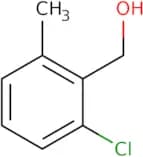
Discontinued product(2-Chloro-6-methylphenyl)methanol
CAS:Versatile small molecule scaffold
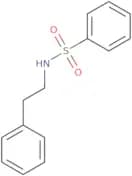
Formula:C8H9ClOPurity:Min. 95%Molecular weight:156.61 g/molN-(2-Phenylethyl)benzenesulfonamide
CAS:N-(2-Phenylethyl)benzenesulfonamide is a biodegradable and aerobic catalyst that is used in the production of nitrates. It can be recycled and has a high solubility, which allows for efficient extraction from wastewater effluents. The reactor system can be operated at an aerobic or anaerobic conditions. N-(2-Phenylethyl)benzenesulfonamide is soluble in water and can be hydrolyzed by acids or bases to release ammonia gas. The process can also be sustainable due to the use of renewable energy sources such as solar, wind, tidal, or biomass power.
Formula:C14H15NO2SPurity:Min. 95%Molecular weight:261.34 g/mol1-Oxaspiro[4.5]dec-2-en-4-one
CAS:Versatile small molecule scaffold
Formula:C9H12O2Purity:Min. 95%Molecular weight:152.19 g/molRef: 3D-BDA95195
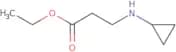
Discontinued productEthyl 3-(cyclopropylamino)propanoate
CAS:Versatile small molecule scaffold
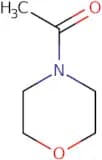
Formula:C8H15NO2Purity:Min. 95%Molecular weight:157.21 g/mol4-Acetylmorpholine
CAS:4-Acetylmorpholine is a recycled amide that is synthesized from an alkanolamine and an acylation reaction. It has been used in the dehydrating of organic compounds, such as reaction solution, and for the preparation of acrylamide. 4-Acetylmorpholine is also used as a viscosity control agent in the extraction of aromatic hydrocarbons. Its chemical structure consists of a carbonyl group and an aromatic hydrocarbon. 4-Acetylmorpholine can be synthesized by reacting acetaldehyde with ammonia or thiourea with methyl chloride or ethylene oxide.
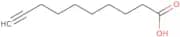
Formula:C6H3D8NO2Purity:Min. 95%Molecular weight:137.21 g/molDec-9-ynoic acid
CAS:Dec-9-ynoic acid is a synthetic fatty acid that is a precursor to several biologically important substances. It is labile and easily oxidized by air, light, or heat. Dec-9-ynoic acid has been shown to be a central metabolic intermediate for the biosynthesis of polyunsaturated fatty acids. It can also be converted into linolenic acid, which is an essential fatty acid that cannot be synthesized by humans. Dec-9-ynoic acid exists in two geometric isomers: cis and trans. The cis form exhibits kinetic properties that are different from the trans form. Dec-9-ynoic acid has been studied as a potential treatment for human diseases such as diabetes mellitus type 2, Parkinson's disease, Alzheimer's disease, schizophrenia, and depression.
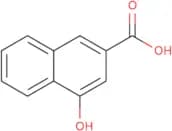
Formula:C10H16O2Purity:Min. 95%Molecular weight:168.23 g/mol4-Hydroxy-2-naphthoic acid
CAS:4-Hydroxy-2-naphthoic acid is a hydrocarbon with a carboxylic acid group. It can act as an antagonist to the hydrocarbon receptor (HCR). 4-Hydroxy-2-naphthoic acid has been shown to be effective in treating colon cancer cells in vitro, and has been shown to inhibit the growth of cancer cells in vivo. This compound is also effective at inhibiting the proliferation of human colon cancer cells (Caco2) that have been exposed to benzo(a)pyrene, an aromatic hydrocarbon found in cigarette smoke. The mechanism by which this drug inhibits cell proliferation is not fully understood but may involve inhibition of cytochrome P450 1A1 (CYP1A1), which metabolizes benzo(a)pyrene into carcinogenic intermediates. 4-Hydroxy-2-naphthoic acid has also been shown to be anisotropic and microreactor, meaning
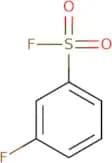
Formula:C11H8O3Purity:Min. 95%Molecular weight:188.17 g/mol3-Fluorobenzene-1-sulfonyl fluoride
CAS:3-Fluorobenzene-1-sulfonyl fluoride is a chemical compound that can be used as a catalyst to synthesize organic compounds. It is a colorless liquid, which is soluble in water and organic solvents. This catalyst has been shown to be more efficient than the traditional catalysts, such as tetraphenylphosphonium chloride, potassium fluoride or sodium borohydride. 3-Fluorobenzene-1-sulfonyl fluoride also reacts with nitro groups to produce dinitro compounds, which are valuable synthetic intermediates for the production of dyes and pharmaceuticals. The synthesis of this compound can be carried out in high yields with stoichiometric amounts of reactants.
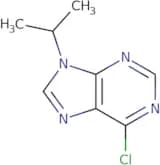
Formula:C6H4F2O2SPurity:Min. 95%Molecular weight:178.16 g/mol6-Chloro-9-(propan-2-yl)-9H-purine
CAS:6-Chloro-9-(propan-2-yl)-9H-purine is an intermediate in the synthesis of nucleoside analogues. It is obtained by the catalyzed reaction of acetonitrile and purines, which undergoes regioisomerization to form a mixture of 6-chloro-9-(propyl)- and 6-chloro-9-(butyl)purine. This intermediate can be used for the alkynylation of amino acids or peptides with alkynes. The selective formation of one regioisomer can be achieved by using a chiral catalyst or by reacting with an optically active reagent such as (+)-camphor sulfonic acid.
Formula:C8H9ClN4Purity:Min. 95%Molecular weight:196.64 g/molRef: 3D-AVA53908
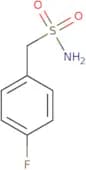
Discontinued product(4-Fluorophenyl)methanesulfonamide
CAS:Versatile small molecule scaffold
Formula:C7H8FNO2SPurity:Min. 95%Molecular weight:189.21 g/mol1-[3-(Hydroxymethyl)phenyl]ethan-1-one
CAS:Versatile small molecule scaffold
Formula:C9H10O2Purity:Min. 95%Molecular weight:150.17 g/molRef: 3D-AFA60406
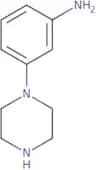
Discontinued product3-(Piperazin-1-yl)aniline
CAS:Versatile small molecule scaffold
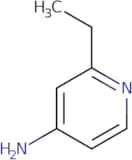
Formula:C10H15N3Purity:Min. 95%Molecular weight:177.25 g/mol2-Ethylpyridin-4-amine
CAS:2-Ethylpyridin-4-amine is a pyridine that can be synthesized from the amination of 4-nitrophenol. It can also be synthesized by acylation of 2-ethylpyridine with ethyl chloroformate followed by cyclization. This compound has shown to have high yields in reactions involving pyridines and it is often used as a precursor for other compounds.
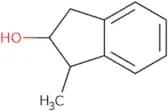
Formula:C7H10N2Purity:Min. 95%Molecular weight:122.17 g/mol1-Methyl-2,3-dihydro-1H-inden-2-ol
CAS:Versatile small molecule scaffold
Formula:C10H12OPurity:Min. 95%Molecular weight:148.2 g/molRef: 3D-ACA82313
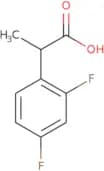
Discontinued product2-(2,4-Difluorophenyl)propanoic acid
CAS:Versatile small molecule scaffold
Formula:C9H8F2O2Purity:Min. 95%Molecular weight:186.15 g/molRef: 3D-AAC57263
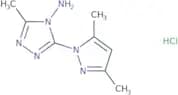
Discontinued product3-(3,5-Dimethyl-1H-pyrazol-1-yl)-5-methyl-4H-1,2,4-triazol-4-amine hydrochloride
CAS:Versatile small molecule scaffold
Formula:C8H13ClN6Purity:Min. 95%Molecular weight:228.68 g/molRef: 3D-AAA88092
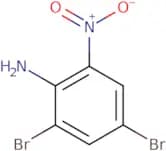
Discontinued product2,4-Dibromo-6-nitroaniline
CAS:2,4-Dibromo-6-nitroaniline is a nitro compound that has been used in the production of dyes. It is also used as a component in the synthesis of other organic compounds. 2,4-Dibromo-6-nitroaniline can be produced by electrolysis of an acid solution containing radical cations and benzene. The radical cations are formed by proton transfer from the acid to the benzene, followed by electron transfer from benzene to the electrode. This process results in the formation of nitro groups on the benzene ring, which undergoes oxidation to form 2,4-dibromo-6-nitroaniline. The cyclic voltammetry shows that this process occurs via two pathways: one with a fast rate and one with a slow rate. The mechanism for this reaction is not yet known.
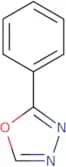
Formula:C6H4Br2N2O2Purity:Min. 95%Molecular weight:295.92 g/mol2-Phenyl-1,3,4-oxadiazole
CAS:2-Phenyl-1,3,4-oxadiazole is a 2-phenyloxazole with an oxygen atom at the 1 position. It is a white crystalline solid that is soluble in water and has antibacterial properties. This chemical can be used as a catalyst for the synthesis of organic compounds. 2-Phenyl-1,3,4-oxadiazole reacts with nitro groups to form oxime derivatives and has been shown to inhibit the growth of fungi such as Candida albicans and Aspergillus niger. 2-Phenyl-1,3,4-oxadiazole can also be used as an antifungal agent against Trichophyton rubrum.
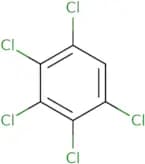
2-Phenyl-1,3,4-oxadiazole may be synthesized by reacting phenol with acetone in the presence of nitric acid or sulfuric acid. The structural formula for this compound isFormula:C8H6N2OPurity:Min. 95%Molecular weight:146.15 g/mol1,2,3,4,5-Pentachlorobenzene
CAS:1,2,3,4,5-Pentachlorobenzene is a chlorinated hydrocarbon that is used in the production of pesticides and herbicides. It is an ingredient in the manufacturing of pentachlorophenol and pentachloronitrobenzene. 1,2,3,4,5-Pentachlorobenzene has been used as a chemical intermediate or solvent for the production of other chemicals. The emissions from this chemical can be harmful to humans and animals because it has been shown to affect enzyme activities at sublethal doses. It also affects rat liver microsomes and causes DNA damage that can lead to cancer.
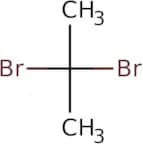
Formula:C6HCl5Purity:Min. 95%Molecular weight:250.34 g/mol2,2-Dibromopropane
CAS:2,2-Dibromopropane is a synthetic chemical that has been used as a precursor in the production of nylon. It is an activator that can be used to form covalent bonds with reactive groups on other molecules. The activation energy for the reaction with piperazine is between 104 and 106 kJ/mol. 2,2-Dibromopropane undergoes acylation reactions under certain conditions, forming reaction products such as 2,2-dibromoethyl acetate and 2,2-dibromoethanol. The molecular weight of 2,2-dibromopropane is 192.19 g/mol and its structural formula is CHBrCHBrCHBrCHBrC≡C≡C≡C≡C≡C≡CC(O)OH.
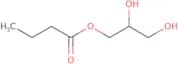
Formula:C3H6Br2Purity:Min. 95%Molecular weight:201.89 g/mol1-Monotetranoin
CAS:1-Monotetranoin is a fatty ester that is involved in the process of lipolysis, which is the breakdown of fat cells. Lipolysis occurs when an enzyme called lipase hydrolyzes triglycerides into glycerol and three fatty acids. 1-Monotetranoin has been shown to be a potent stimulator of growth factor production and cell proliferation in vivo models. It has also been shown to be effective at inhibiting angiogenic processes in vitro, including the release of growth factors from fat cells. The neutral pH optimum for 1-monotetranoin is between 7 and 8, which may be due to its hydrophobic nature.
Formula:C7H14O4Purity:Min. 95%Molecular weight:162.18 g/molRef: 3D-AAA55725
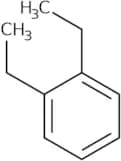
Discontinued product1,2-Diethylbenzene
CAS:1,2-Diethylbenzene is a trifluoroacetic acid derivative that is used as an acylation agent and a solid catalyst. 1,2-Diethylbenzene has been shown to increase the energy metabolism in cultured human cells. It also influences fatty acid synthesis and nmr spectra of plant families. 1,2-Diethylbenzene was found to be safe for use in sciatic nerve regeneration in Sprague-Dawley rats with axonopathy. This chemical can also be used as an analytical reagent for the separation of urine samples by liquid chromatography methods.
Formula:C10H14Purity:Min. 95%Molecular weight:134.22 g/mol1-Hydroxycyclopentane-1-carbonitrile
CAS:1-Hydroxycyclopentane-1-carbonitrile is a monomer that is hydrolyzed to form benzoin and cyanohydrins. It can be used in the production of scifinder as a monomer or dimerizer.
Formula:C6H9NOPurity:Min. 95%Molecular weight:111.14 g/mol4,5-Dihydro-1H-imidazol-2-amine hydrochloride
CAS:Please enquire for more information about 4,5-Dihydro-1H-imidazol-2-amine hydrochloride including the price, delivery time and more detailed product information at the technical inquiry form on this page
Formula:C3H7N3•HClPurity:Min. 95%Molecular weight:121.57 g/molRef: 3D-FD183639
Discontinued product4-Chloro-2-hydroxy-6-methylphenylboronic acid
CAS:Versatile small molecule scaffoldFormula:C7H8BClO3Purity:Min. 95%Molecular weight:186.4 g/mol2-Bromo-3,3,3-trifluoro-1-propene
CAS:Controlled Product2-Bromo-3,3,3-trifluoro-1-propene is a chemical compound that has been synthesized in an asymmetric reaction. The reactant is bromopropane and the product is 2,2,2-trifluoropropene. The methylene group on the propene molecule is activated by the nucleophilic attack of a fluoride ion from hydrogen fluoride to form a cavity with a highly strained bond. The kinetic study of this reaction revealed that the activation energy for the reaction is 42 kJ/mol. Palladium-catalyzed coupling reactions are catalyzed by palladium and require nonpolar solvents such as toluene or dichloromethane. This type of reaction has been shown to be exothermic with an isolated yield of 1%.
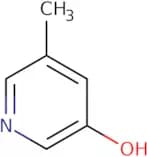
Formula:C3H2BrF3Purity:Min. 95%Color and Shape:Colorless PowderMolecular weight:174.95 g/mol3-Hydroxy-5-methylpyridine
CAS:3-Hydroxy-5-methylpyridine (3HMP) is a chemical substance that has been classified as an amine. It is a product of the metabolism of purines, which are nitrogenous bases found in DNA and RNA. 3HMP is produced by aerogenic bacteria (such as Enterobacter), and can be used to estimate the number of these bacteria present in water samples. 3HMP has been shown to have antiviral properties against influenza virus, and can be used as a biomarker for the presence of other viruses in animals. 3HMP also has mineralization properties, which have been studied extensively, particularly with regards to pancreatic disease.
Formula:C6H7NOPurity:Min. 95%Color and Shape:PowderMolecular weight:109.13 g/molRef: 3D-FH16174
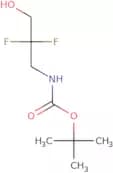
Discontinued producttert-Butyl (2,2-difluoro-3-hydroxypropyl)carbamate
CAS:Versatile small molecule scaffoldFormula:C10H13NO4Purity:Min. 95%Molecular weight:211.21 g/mol8-Bromo-2-methylimidazo[1,2-a]pyridine
CAS:Versatile small molecule scaffold
Formula:C8H7N2BrPurity:Min. 95%Molecular weight:211.05 g/mol4,5-Dihydroxy-2,3-Pentanedione
CAS:4,5-Dihydroxy-2,3-pentanedione is a carbonyl compound that is the product of the oxidation of ascorbic acid. It is used in wastewater treatment and has antimicrobial properties against infectious diseases. This compound has been shown to inhibit protein synthesis by binding to the ribosome and preventing the formation of peptide bonds between amino acids. 4,5-Dihydroxy-2,3-pentanedione has also been shown to bind to plasma proteins, which may be due to its acyl chain structure. 4,5-Dihydroxy-2,3-pentanedione can be synthesized in a catalytic mechanism that involves dehydroascorbic acid and molecular oxygen.
Formula:C5H8O4Purity:Min. 95%Color and Shape:PowderMolecular weight:132.11 g/molRef: 3D-FD180770
Discontinued productPiperyline
CAS:Piperyline is an alkanoic acid that has shown to be effective against skin cancer. It also has antimicrobial properties, which may be due to its ability to bind metal ions and form polymeric compounds. Piperyline inhibits microbial growth by inhibiting the synthesis of proteins and nucleic acids. The antimicrobial activity is related to its cationic polymerization with hydroxyl groups, which forms a structure that can inhibit microbial enzymes and disrupt microbial cell membranes. This compound also interacts with the skin's natural lipids, making it difficult for microorganisms to attach and grow on the skin. Piperyline is synthesized in organic chemistry laboratories as an amide precursor of other pharmaceuticals such as penicillin.
Formula:C16H17NO3Purity:Min. 95%Molecular weight:271.31 g/mol
![5-Cyclopropyl-7-oxa-5-azaspiro[3.4]octane-6,8-dione](/_next/image/?url=https%3A%2Fstatic.cymitquimica.com%2Fproducts%2F3D%2Fthumb-webp%2FJBD33609.webp&w=3840&q=75)

![2-Benzoyl-2-azabicyclo[2.1.1]hexane-1-carboxylic acid](/_next/image/?url=https%3A%2Fstatic.cymitquimica.com%2Fproducts%2F3D%2Fthumb-webp%2FJBD33608.webp&w=3840&q=75)
![5-Methyl-7-oxa-5-azaspiro[3.4]octane-6,8-dione](/_next/image/?url=https%3A%2Fstatic.cymitquimica.com%2Fproducts%2F3D%2Fthumb-webp%2FJBD32590.webp&w=3840&q=75)
![(4-Chlorophenyl)({8-methyl-8-azabicyclo[3.2.1]octan-3-yl})methanamine](/_next/image/?url=https%3A%2Fstatic.cymitquimica.com%2Fproducts%2F3D%2Fthumb-webp%2FITC29319.webp&w=3840&q=75)

![2-Phenyl-2-[(propan-2-yl)amino]acetic acid](/_next/image/?url=https%3A%2Fstatic.cymitquimica.com%2Fproducts%2F3D%2Fthumb-webp%2FHXA09010.webp&w=3840&q=75)
![3-Bromo-5H,6H,8H-[1,2,4]triazolo[3,4-c][1,4]oxazine](/_next/image/?url=https%3A%2Fstatic.cymitquimica.com%2Fproducts%2F3D%2Fthumb-webp%2FHWC64136.webp&w=3840&q=75)
![rac-(1R,5S)-4-Oxaspiro[bicyclo[3.2.0]heptane-6,1'-cyclopentane]-7-one, cis](/_next/image/?url=https%3A%2Fstatic.cymitquimica.com%2Fproducts%2F3D%2Fthumb-webp%2FHCD80674.webp&w=3840&q=75)

![4-Methyl-1,1,3-trioxothieno[3,2-d][1,2]thiazole-5-carboxylic acid](/_next/image/?url=https%3A%2Fstatic.cymitquimica.com%2Fproducts%2F3D%2Fthumb-webp%2FGEB80217.webp&w=3840&q=75)
![3-Azabicyclo[3.2.1]octan-6-ol hydrochlorides](/_next/image/?url=https%3A%2Fstatic.cymitquimica.com%2Fproducts%2F3D%2Fthumb-webp%2FFSD25297.webp&w=3840&q=75)
![5-Methoxybicyclo[2.2.1]heptan-2-amine hydrochloride](/_next/image/?url=https%3A%2Fstatic.cymitquimica.com%2Fproducts%2F3D%2Fthumb-webp%2FFSD25240.webp&w=3840&q=75)
![2-(1,3-Benzothiazol-2-yl)-3-[(2,5-dimethylphenyl)amino]-3-sulfanylprop-2-enenitrile](/_next/image/?url=https%3A%2Fstatic.cymitquimica.com%2Fproducts%2F3D%2Fthumb-webp%2FEQA25562.webp&w=3840&q=75)
![4-({3-Oxo-2-azatricyclo[6.3.1.0,4,12]dodeca-1(11),4(12),5,7,9-pentaen-2-yl}methyl)benzohydrazide](/_next/image/?url=https%3A%2Fstatic.cymitquimica.com%2Fproducts%2F3D%2Fthumb-webp%2FEQA25451.webp&w=3840&q=75)
![2-{[4-({[(9H-Fluoren-9-yl)methoxy]carbonyl}amino)phenyl]methyl}butanoic acid](/_next/image/?url=https%3A%2Fstatic.cymitquimica.com%2Fproducts%2F3D%2Fthumb-webp%2FEPD45030.webp&w=3840&q=75)
![4-[(4-Methoxyphenyl)methyl]azetidin-2-one](/_next/image/?url=https%3A%2Fstatic.cymitquimica.com%2Fproducts%2F3D%2Fthumb-webp%2FEFC81230.webp&w=3840&q=75)
![2',3'-Dihydro-1'H-spiro[cyclopropane-1,4'-quinoline]](/_next/image/?url=https%3A%2Fstatic.cymitquimica.com%2Fproducts%2F3D%2Fthumb-webp%2FECC59829.webp&w=3840&q=75)


![1-Oxaspiro[4.5]dec-2-en-4-one](/_next/image/?url=https%3A%2Fstatic.cymitquimica.com%2Fproducts%2F3D%2Fthumb-webp%2FBDA95195.webp&w=3840&q=75)
![1-[3-(Hydroxymethyl)phenyl]ethan-1-one](/_next/image/?url=https%3A%2Fstatic.cymitquimica.com%2Fproducts%2F3D%2Fthumb-webp%2FAFA60406.webp&w=3840&q=75)



![8-Bromo-2-methylimidazo[1,2-a]pyridine](/_next/image/?url=https%3A%2Fstatic.cymitquimica.com%2Fproducts%2F3D%2Fthumb-webp%2FUXB37475.webp&w=3840&q=75)

