Building Blocks
This section contains fundamental products for the synthesis of organic and biological compounds. Building blocks are the essential starting materials used to construct complex molecules through various chemical reactions. They play a critical role in drug discovery, material science, and chemical research. At CymitQuimica, we offer a diverse range of high-quality building blocks to support your innovative research and industrial projects, ensuring you have the essential components for successful synthesis.
Subcategories of "Building Blocks"
- Boronic Acids & Boronic Acid Derivatives(5,778 products)
- Chiral Building Blocks(1,242 products)
- Hydrocarbon Building Blocks(6,098 products)
- Organic Building Blocks(61,059 products)
Found 199580 products of "Building Blocks"
Sort by
Purity (%)
0
100
|
0
|
50
|
90
|
95
|
100
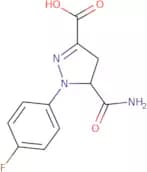
5-Carbamoyl-1-(4-fluorophenyl)-4,5-dihydro-1H-pyrazole-3-carboxylic acid
CAS:<p>Versatile small molecule scaffold</p>Formula:C11H10FN3O3Purity:Min. 95%Molecular weight:251.21 g/molRef: 3D-CWB88087
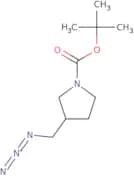
Discontinued producttert-Butyl 3-(azidomethyl)pyrrolidine-1-carboxylate
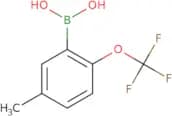
CAS:<p>Versatile small molecule scaffold</p>Formula:C10H18N4O2Purity:Min. 95%Molecular weight:226.28 g/mol5-Methyl-2-(trifluoromethoxy)phenylboronic acid
CAS:<p>Versatile small molecule scaffold</p>Formula:C8H8BF3O3Purity:Min. 95%Molecular weight:219.95 g/molRef: 3D-ETB40245
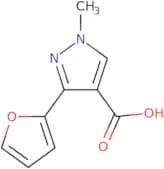
Discontinued product3-(Furan-2-yl)-1-methyl-1H-pyrazole-4-carboxylic acid
CAS:<p>Versatile small molecule scaffold</p>Formula:C9H8N2O3Purity:Min. 95%Molecular weight:192.17 g/molRef: 3D-CWB50987
Discontinued productN'-Hydroxy-4-(morpholin-4-ylmethyl)benzene-1-carboximidamide
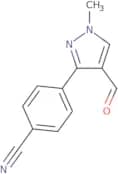
CAS:<p>Versatile small molecule scaffold</p>Formula:C12H17N3O2Purity:Min. 95%Molecular weight:235.28 g/mol4-(4-Formyl-1-methyl-1H-pyrazol-3-yl)benzonitrile
CAS:<p>Versatile small molecule scaffold</p>Formula:C12H9N3OPurity:Min. 95%Molecular weight:211.22 g/molRef: 3D-CWB50850
Discontinued product2-Chloro-N-[3-(difluoromethoxy)phenyl]acetamide
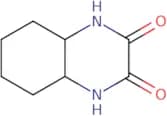
CAS:<p>Versatile small molecule scaffold</p>Formula:C9H8ClF2NO2Purity:Min. 95%Molecular weight:235.61 g/molrac-(4aR,8aS)-Decahydroquinoxaline-2,3-dione
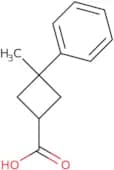
CAS:<p>Versatile small molecule scaffold</p>Formula:C8H12N2O2Purity:Min. 95%Molecular weight:168.19 g/mol3-Methyl-3-phenylcyclobutane-1-carboxylic acid
CAS:<p>Versatile small molecule scaffold</p>Formula:C12H14O2Purity:Min. 95%Molecular weight:190.2 g/molRef: 3D-CVD03637
Discontinued product1-(3-Methylbenzoyl)piperidine-2-carboxylic acid
CAS:<p>Versatile small molecule scaffold</p>Formula:C14H17NO3Purity:Min. 95%Molecular weight:247.29 g/mol1,2-Dihydro-1-oxo-2-[(pyridin-3-yl)methyl]isoquinoline-4-carboxylic acid
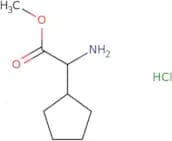
CAS:<p>Versatile small molecule scaffold</p>Formula:C16H12N2O3Purity:Min. 95%Molecular weight:280.29 g/molMethyl 2-amino-2-cyclopentylacetate hydrochloride
CAS:<p>Versatile small molecule scaffold</p>Formula:C8H16ClNO2Purity:Min. 95%Molecular weight:193.67 g/molRef: 3D-CUA58483
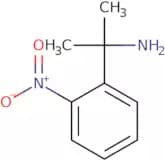
Discontinued product2-(2-Nitrophenyl)propan-2-amine
CAS:<p>Versatile small molecule scaffold</p>Formula:C9H12N2O2Purity:Min. 95%Molecular weight:180.2 g/molRef: 3D-CRA75708
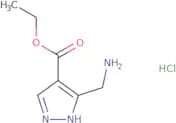
Discontinued productEthyl 3-(aminomethyl)-1H-pyrazole-4-carboxylate hydrochloride
CAS:<p>Versatile small molecule scaffold</p>Formula:C7H12ClN3O2Purity:Min. 95%Molecular weight:205.64 g/molRef: 3D-CMD25749
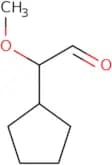
Discontinued product2-Cyclopentyl-2-methoxyacetaldehyde
CAS:<p>Versatile small molecule scaffold</p>Formula:C8H14O2Purity:Min. 95%Molecular weight:142.2 g/mol4-Isothiocyanatophenol
CAS:<p>4-Isothiocyanatophenol (4ITCP) is an anticancer agent that has been shown to inhibit the growth of cancer cells in vivo. It is a metabolite of etoposide, which is used to treat certain types of cancer. 4ITCP inhibits the growth of cancer cells by enhancing mitochondrial membrane potential and inhibiting cell proliferation. This compound also inhibits cell growth by binding to phenyl groups on proteins, including enzymes and structural proteins. 4ITCP has been shown to act as a prodrug in vivo, where it is converted into 4-nitrophenol before being activated. 4ITCP also has optical properties that can be detected using spectroscopy and fluorescence.</p>Formula:C7H5NOSPurity:Min. 95%Molecular weight:151.19 g/mol2-Chloro-N-[4-(1-pyrrolidinyl)phenyl]acetamide
CAS:<p>Versatile small molecule scaffold</p>Formula:C12H15ClN2OPurity:Min. 95%Molecular weight:238.72 g/mol6-Methyl-2,3-dihydro-1-benzothiophene-2-carboxylic acid
CAS:<p>Versatile small molecule scaffold</p>Formula:C10H10O2SPurity:Min. 95%Molecular weight:194.25 g/molRef: 3D-BBA01871
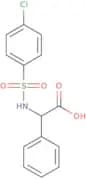
Discontinued product2-(4-Chlorobenzenesulfonamido)-2-phenylacetic acid
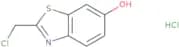
CAS:<p>Versatile small molecule scaffold</p>Formula:C14H12ClNO4SPurity:Min. 95%Molecular weight:325.8 g/mol2-(Chloromethyl)-1,3-benzothiazol-6-ol hydrochloride
CAS:Versatile small molecule scaffoldFormula:C8H7Cl2NOSPurity:Min. 95%Molecular weight:236.12 g/molRef: 3D-DXC58529
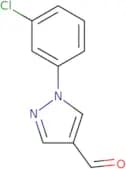
Discontinued product1-(3-Chlorophenyl)-1H-pyrazole-4-carbaldehyde
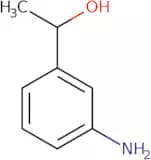
CAS:<p>1-(3-Chlorophenyl)-1H-pyrazole-4-carbaldehyde is a pesticide that acts as a selective insecticide. It is effective against the larval stage of insects, such as the cabbage moth, Plutella xylostella. This compound has been shown to have biological activity against mites and insects with hydrazine hydrochloride and cinnabarinus. 1-(3-Chlorophenyl)-1H-pyrazole-4-carbaldehyde has also been shown to be able to cyclize with hydrazine to form an insecticidal compound.</p>Formula:C10H7ClN2OPurity:Min. 95%Molecular weight:206.63 g/mol(1R)-1-(3-Aminophenyl)ethan-1-ol
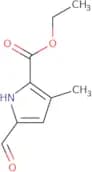
CAS:<p>Versatile small molecule scaffold</p>Formula:C8H11NOPurity:Min. 95%Molecular weight:137.18 g/molEthyl 5-formyl-3-methyl-1H-pyrrole-2-carboxylate
CAS:<p>Versatile small molecule scaffold</p>Formula:C9H11NO3Purity:Min. 95%Molecular weight:181.19 g/molRef: 3D-BBA01830
Discontinued productN-(1,3-Dioxaindan-5-yl)-2-{[5-(1H-indol-3-yl)-1,3,4-oxadiazol-2-yl]sulfanyl}acetamide
CAS:<p>Versatile small molecule scaffold</p>Formula:C19H14N4O4SPurity:Min. 95%Molecular weight:394.4 g/molRef: 3D-FQA45175
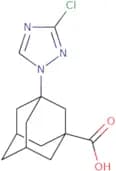
Discontinued product3-(3-Chloro-1H-1,2,4-triazol-1-yl)adamantane-1-carboxylic acid
CAS:Versatile small molecule scaffoldFormula:C13H16ClN3O2Purity:Min. 95%Molecular weight:281.74 g/molRef: 3D-ARA86955
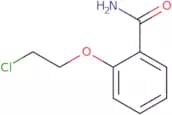
Discontinued product2-(2-Chloroethoxy)benzamide
CAS:<p>Versatile small molecule scaffold</p>Formula:C9H10ClNO2Purity:Min. 95%Molecular weight:199.63 g/molRef: 3D-EBA57913
Discontinued product2-{2-Oxa-6-azaspiro[3.3]heptan-6-yl}ethan-1-ol
CAS:<p>Versatile small molecule scaffold</p>Formula:C7H13NO2Purity:Min. 95%Molecular weight:143.18 g/mol1-(tert-Butoxy)-4-nitrobenzene
CAS:<p>Versatile small molecule scaffold</p>Formula:C10H13NO3Purity:Min. 95%Molecular weight:195.22 g/molN-(2-Azidoethyl)-2-methylpropanamide
CAS:<p>Versatile small molecule scaffold</p>Formula:C6H12N4OPurity:Min. 95%Molecular weight:156.19 g/mol5-[(2-Methoxyphenyl)(methyl)sulfamoyl]-2-methylbenzoic acid
CAS:<p>Versatile small molecule scaffold</p>Formula:C16H17NO5SPurity:Min. 95%Molecular weight:335.4 g/molRef: 3D-FQA34216
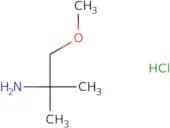
Discontinued product1-Methoxy-2-methylpropan-2-amine hydrochloride
CAS:<p>Versatile small molecule scaffold</p>Formula:C5H14ClNOPurity:Min. 95%Molecular weight:139.62 g/molRef: 3D-BKA66096
Discontinued product6-{2-Hydroxy-3-[(2-methoxyethyl)amino]propoxy}-1,2,3,4-tetrahydroquinolin-2-one
CAS:<p>Versatile small molecule scaffold</p>Formula:C15H22N2O4Purity:Min. 95%Molecular weight:294.35 g/molRef: 3D-CMC16581
Discontinued productQueuine
CAS:<p>Please enquire for more information about Queuine including the price, delivery time and more detailed product information at the technical inquiry form on this page</p>Formula:C12H15N5O3Purity:Min. 95%Molecular weight:277.28 g/molRef: 3D-FQ183375
Discontinued productMethyl 2-methoxypyrimidine-4-carboxylate
CAS:<p>Versatile small molecule scaffold</p>Formula:C7H8N2O3Purity:Min. 95%Molecular weight:168.15 g/molRef: 3D-ADA82559
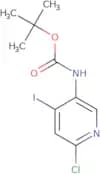
Discontinued product(6-Chloro-4-iodopyridin-3-yl)carbamic acid tert-butyl ester
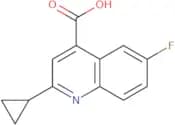
CAS:<p>Versatile small molecule scaffold</p>Formula:C10H12ClIN2O2Purity:Min. 95%Molecular weight:354.57 g/mol2-Cyclopropyl-6-fluoroquinoline-4-carboxylic acid
CAS:<p>Versatile small molecule scaffold</p>Formula:C13H10FNO2Purity:Min. 95%Molecular weight:231.22 g/molRef: 3D-AAA78458
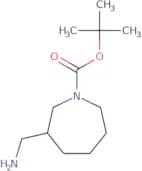
Discontinued producttert-butyl 3-(aminomethyl)azepane-1-carboxylate
CAS:<p>Versatile small molecule scaffold</p>Formula:C12H24N2O2Purity:Min. 95%Molecular weight:228.3 g/molRef: 3D-BKB14747
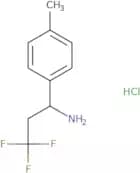
Discontinued product3,3,3-Trifluoro-1-(4-methylphenyl)propan-1-amine hydrochloride
CAS:<p>Versatile small molecule scaffold</p>Formula:C10H13ClF3NPurity:Min. 95%Molecular weight:239.66 g/molRef: 3D-DXC59859
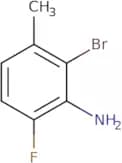
Discontinued product2-Bromo-6-fluoro-3-methylaniline
CAS:<p>Versatile small molecule scaffold</p>Formula:C7H7BrFNPurity:Min. 95%Molecular weight:204.04 g/molRef: 3D-EKC95115
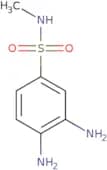
Discontinued product3,4-Diamino-N-methylbenzene-1-sulfonamide
CAS:Versatile small molecule scaffoldFormula:C7H11N3O2SPurity:Min. 95%Molecular weight:201.25 g/molRef: 3D-AFA10642
Discontinued product(2R)-3-[(Carboxymethyl)sulfanyl]-2-acetamidopropanoic acid
CAS:<p>(2R)-3-[(Carboxymethyl)sulfanyl]-2-acetamidopropanoic acid is a metabolite of the drug sulfapyridine. It is formed by conjugation with glutathione in the liver to form 3-glutathione-2-sulfapyridine, and then excreted into bile. (2R)-3-[(Carboxymethyl)sulfanyl]-2-acetamidopropanoic acid has been found to be genotoxic in mice, which may be due to its ability to form reactive metabolites that bind to DNA. This compound also possesses cytotoxic properties, which may be due to its ability to inhibit protein synthesis.</p>Formula:C7H11NO5SPurity:Min. 95%Molecular weight:221.23 g/molRef: 3D-BBA17754
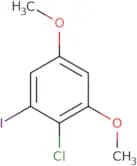
Discontinued product2-Chloro-1-iodo-3,5-dimethoxybenzene
CAS:<p>Versatile small molecule scaffold</p>Formula:C8H8ClIO2Purity:Min. 95%Molecular weight:298.5 g/molRef: 3D-FXC22420
Discontinued product4-Bromo-1-[(4-chlorophenyl)methyl]-1H-pyrazol-3-amine
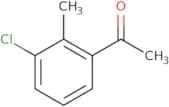
CAS:<p>Versatile small molecule scaffold</p>Formula:C10H9BrClN3Purity:Min. 95%Molecular weight:286.55 g/mol1-(3-Chloro-2-methylphenyl)ethan-1-one
CAS:<p>Versatile small molecule scaffold</p>Formula:C9H9ClOPurity:Min. 95%Molecular weight:168.62 g/molRef: 3D-CHA94243
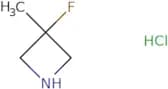
Discontinued product3-Fluoro-3-methylazetidine hydrochloride
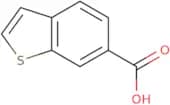
CAS:<p>Versatile small molecule scaffold</p>Formula:C4H9ClFNPurity:Min. 95%Molecular weight:125.57 g/mol1-Benzothiophene-6-carboxylic acid
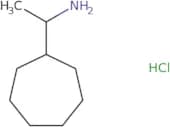
CAS:<p>1-Benzothiophene-6-carboxylic acid is a nicotinic acetylcholine receptor agonist that has been shown to have high oral bioavailability and efficacy in vivo. It binds to the α7 nicotinic acetylcholine receptor and activates the receptor, leading to increased neurotransmitter release. 1-Benzothiophene-6-carboxylic acid has been shown to be effective in vivo in models of neuropathic pain and Parkinson's disease. This drug also has a low affinity for other receptors, such as muscarinic acetylcholine receptors, which reduces the chance of adverse effects.</p>Formula:C9H6O2SPurity:Min. 95%Molecular weight:178.21 g/mol(1S)-1-Cycloheptylethan-1-amine hydrochloride
CAS:<p>Versatile small molecule scaffold</p>Formula:C9H20ClNPurity:Min. 95%Molecular weight:177.71 g/molRef: 3D-CHA85953
Discontinued productMethyl 2-{bis[(tert-butoxy)carbonyl]amino}prop-2-enoate
CAS:<p>Versatile small molecule scaffold</p>Formula:C14H23NO6Purity:Min. 95%Molecular weight:301.34 g/molBicyclo[4.1.0]heptan-7-ylmethanol
CAS:<p>Bicyclo[4.1.0]heptan-7-ylmethanol is a hydride inhibitor of lactate dehydrogenase, which is an enzyme that catalyzes the conversion of pyruvate to lactate in the liver. Bicyclo[4.1.0]heptan-7-ylmethanol has inhibitory properties against aldehyde dehydrogenase and alcohol dehydrogenase, which are enzymes involved in the metabolism of aldehydes and alcohols respectively. This substance also inhibits mitochondrial monoamine oxidase (MAO), which is an enzyme that breaks down neurotransmitters such as dopamine, norepinephrine, and serotonin. Bicyclo[4.1.0]heptan-7-ylmethanol can be used to inhibit the function of MAO in order to increase levels of these neurotransmitters in the brain, which may be helpful for conditions like depression or Parkinson</p>Formula:C8H14OPurity:Min. 95%Molecular weight:126.2 g/molRef: 3D-GAA22639
Discontinued producttert-Butyl 5-nitroisoindoline-2-carboxylate
CAS:<p>tert-Butyl 5-nitroisoindoline-2-carboxylate is a platelet inhibitor that belongs to the group of antagonists. It has been shown to inhibit human platelets and inhibit the aggregation of fibrinogen. Tert-butyl 5-nitroisoindoline-2-carboxylate has also been shown to have high potency in animal models, but it is not yet known whether it will be effective in humans. The drug has been shown to be a potent antagonist at the platelet P2Y12 receptor, which mediates platelet aggregation and activation, as well as inhibiting ADP-, collagen-, thrombin-, and epinephrine-induced aggregation. Tert-butyl 5-nitroisoindoline-2-carboxylate may also act as a surrogate for agonists or mimetics of the P2Y12 receptor.</p>Formula:C13H16N2O4Purity:Min. 95%Molecular weight:264.28 g/molRef: 3D-ARA72763
Discontinued product4-(Methylamino)oxane-4-carboxylic acid hydrochloride
CAS:<p>Versatile small molecule scaffold</p>Formula:C7H14ClNO3Purity:Min. 95%Molecular weight:195.64 g/mol3-Chloro-6-(2-methyl-1H-imidazol-1-yl)pyridazine
CAS:<p>Versatile small molecule scaffold</p>Formula:C8H7ClN4Purity:Min. 95%Molecular weight:194.62 g/molRef: 3D-ADA79266
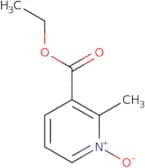
Discontinued product3-(Ethoxycarbonyl)-2-methylpyridin-1-ium-1-olate
CAS:<p>Versatile small molecule scaffold</p>Formula:C9H11NO3Purity:Min. 95%Molecular weight:181.19 g/molRef: 3D-GBA18161
Discontinued product1-{6-Oxa-3-azabicyclo[3.1.0]hexan-3-yl}ethan-1-one
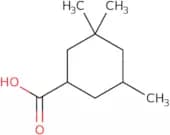
CAS:<p>Versatile small molecule scaffold</p>Formula:C6H9NO2Purity:Min. 95%Molecular weight:127.14 g/molrac-(1R,5S)-3,3,5-Trimethylcyclohexane-1-carboxylic acid
CAS:<p>Versatile small molecule scaffold</p>Formula:C10H18O2Purity:Min. 95%Molecular weight:170.25 g/molRef: 3D-GCA93345
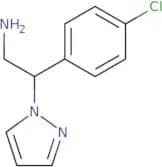
Discontinued product2-(4-Chlorophenyl)-2-(1H-pyrazol-1-yl)ethan-1-amine
CAS:<p>Versatile small molecule scaffold</p>Formula:C11H12ClN3Purity:Min. 95%Molecular weight:221.68 g/molRef: 3D-BAC10496
Discontinued product4-Amino-5-(oxolan-3-yl)-4H-1,2,4-triazole-3-thiol
CAS:<p>Versatile small molecule scaffold</p>Formula:C6H10N4OSPurity:Min. 95%Molecular weight:186.24 g/molRef: 3D-ZZB74371
Discontinued product3-Cyclopentyl-1-methyl-1H-pyrazole-4-carboxylic acid
CAS:<p>Versatile small molecule scaffold</p>Formula:C10H14N2O2Purity:Min. 95%Molecular weight:194.23 g/molRef: 3D-ZZB60657
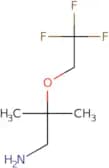
Discontinued product2-Methyl-2-(2,2,2-trifluoroethoxy)propan-1-amine
CAS:<p>Versatile small molecule scaffold</p>Formula:C6H12F3NOPurity:Min. 95%Molecular weight:171.16 g/molRef: 3D-ZZB57300
Discontinued product[2,2-Dimethyl-3-(morpholin-4-yl)propyl](methyl)amine
CAS:<p>Versatile small molecule scaffold</p>Formula:C10H22N2OPurity:Min. 95%Molecular weight:186.29 g/molRef: 3D-ZZB48201
Discontinued product3-{[(tert-Butoxy)carbonyl]amino}hex-5-ynoic acid
CAS:<p>Versatile small molecule scaffold</p>Formula:C11H17NO4Purity:Min. 95%Molecular weight:227.26 g/molRef: 3D-ZXC23909
Discontinued product(1R,8S,9s)-Bicyclo[6.1.0]non-4-yn-9-ylmethyl succinimidyl carbonate
CAS:<p>(1R,8S,9s)-Bicyclo[6.1.0]non-4-yn-9-ylmethyl succinimidyl carbonate is a novel drug that is being researched for use as an anticancer agent. It is a nanocarrier that is able to encapsulate and deliver cancer drugs to the cells of the tumor. The cyclooctyne moiety has been shown to be an effective drug carrier for various drugs and it can be used in combination with other chemotherapeutic agents or radioisotopes. This compound has been shown to be effective against a number of cancer cell lines in vitro and in vivo, including breast, prostate, lung, colon, leukemia, and melanoma cells.</p>Formula:C15H17NO5Purity:Min. 95%Color and Shape:PowderMolecular weight:291.3 g/mol2-{[(9H-Fluoren-9-yl)methoxy]carbonyl}-1,2,3,4-tetrahydroisoquinoline-4-carboxylic acid
CAS:<p>Versatile small molecule scaffold</p>Formula:C25H21NO4Purity:Min. 95%Molecular weight:399.4 g/molRef: 3D-ZXB77690
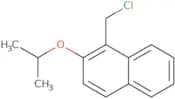
Discontinued product1-(Chloromethyl)-2-(propan-2-yloxy)naphthalene
CAS:<p>Versatile small molecule scaffold</p>Formula:C14H15ClOPurity:Min. 95%Molecular weight:234.72 g/molRef: 3D-BCA95828
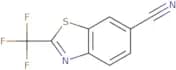
Discontinued product2-(Trifluoromethyl)-1,3-benzothiazole-6-carbonitrile
CAS:<p>2-(Trifluoromethyl)-1,3-benzothiazole-6-carbonitrile (2TFB) is a volatile chemical used in the diagnosis of infectious diseases. It is extracted from sample by solid phase microextraction and then analyzed by gas chromatography with mass spectrometry. 2TFB has been shown to be an influential compound in the synthesis of microspheres for drug delivery. The imprinting process is also influenced by this compound and can be used for the production of microspheres with different properties on demand. It has been shown that 2-TFB inhibits virus growth and can be used as a potential anti-viral agent.</p>Formula:C9H3F3N2SPurity:Min. 95%Molecular weight:228.2 g/molRef: 3D-AZB04114
Discontinued producttert-Butyl 5-bromo-3,4-dihydro-2,7-naphthyridine-2(1H)-carboxylate
CAS:<p>Versatile small molecule scaffold</p>Formula:C13H17BrN2O2Purity:Min. 95%Molecular weight:313.19 g/mol4-(Methylamino)benzene-1-sulfonamide
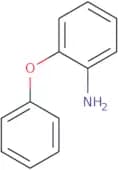
CAS:<p>Versatile small molecule scaffold</p>Formula:C7H10N2O2SPurity:Min. 95%Molecular weight:186.23 g/mol2-Phenoxyaniline
CAS:<p>2-Phenoxyaniline is a nitro compound that can be converted to the corresponding palladium complexes. It is an inhibitor of the acylation reaction, which is a type of chemical reaction in which an organic molecule reacts with an acid. The inhibition of this reaction has been shown to have an effect on heart disease, specifically by lowering cholesterol levels and reducing atherosclerosis. 2-Phenoxyaniline has also been shown to inhibit the activation energy for electron transfer reactions, making it useful as a catalyst in analytical methods. 2-Phenoxyaniline also undergoes vibrational spectroscopy when exposed to liquid chromatography and other analytical methods.</p>Formula:C12H11NOPurity:Min. 95%Color and Shape:Brown PowderMolecular weight:185.22 g/mol3-(Methoxycarbonyl)pyridine-4-carboxylic acid
CAS:<p>Versatile small molecule scaffold</p>Formula:C8H7NO4Purity:Min. 95%Molecular weight:181.15 g/mol2-Acetylbenzoic acid
CAS:<p>2-Acetylbenzoic acid is a functional molecule that contains an acetyl group. It can form hydrogen bonds with other molecules and has been shown to induce apoptosis in cells. The reaction products of 2-acetylbenzoic acid are malonic acid, acetylsalicylic acid, and 2-benzoylbenzoic acid. These three compounds are made by the addition of hydrogen or hydroxide to the molecule 2-acetylbenzoic acid. The molecule has two functional groups: a carbonyl group and an acetyl group. The chemical structure of this molecule can be seen in the figure below.<br>2-Acetylbenzoic Acid</p>Formula:C9H8O3Purity:Min. 95%Color and Shape:PowderMolecular weight:164.16 g/molRef: 3D-FA05086
Discontinued product3-Methylbenzo[b]thiophene-2-carboxylic acid
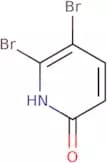
CAS:<p>3-Methylbenzo[b]thiophene-2-carboxylic acid (MBTCA) is a heterocyclic compound that is an intermediate in the synthesis of 3-methylthiophene-2-carboxylic acid, a precursor to other drugs. MBTCA is an aerobic, nonpolar compound that has shown antimicrobial activity against some bacteria and fungi. It also has been shown to have practicality as a biomolecular probe for methyl groups in organic solvents. MBTCA can be synthesized by nitration of benzene in the presence of sulfur and sulfoxides. This reaction produces nitrobenzene, which can then be oxidized by potassium permanganate or hydrogen peroxide to produce MBTCA. The most common isomer of MBTCA is 2-(3,5-dimethoxybenzylidene)tetrahydrofuran, with three methyl groups on the</p>Formula:C10H8O2SPurity:Min. 95%Molecular weight:192.23 g/mol5,6-Dibromopyridin-2-ol
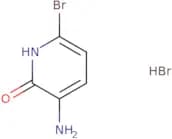
CAS:<p>Versatile small molecule scaffold</p>Formula:C5H3Br2NOPurity:Min. 95%Molecular weight:252.89 g/mol3-amino-6-bromopyridin-2-ol hydrobromide
CAS:<p>Versatile small molecule scaffold</p>Formula:C5H6Br2N2OPurity:Min. 95%Molecular weight:269.9 g/mol(2S,3R)-2-((((9H-Fluoren-9-yl)methoxy)carbonyl)amino)-3-methoxybutanoic acid
CAS:<p>Versatile small molecule scaffold</p>Formula:C20H21NO5Purity:Min. 95%Molecular weight:355.4 g/mol2-Bromo-3,3,3-trifluoro-1-propene
CAS:Controlled Product<p>2-Bromo-3,3,3-trifluoro-1-propene is a chemical compound that has been synthesized in an asymmetric reaction. The reactant is bromopropane and the product is 2,2,2-trifluoropropene. The methylene group on the propene molecule is activated by the nucleophilic attack of a fluoride ion from hydrogen fluoride to form a cavity with a highly strained bond. The kinetic study of this reaction revealed that the activation energy for the reaction is 42 kJ/mol. Palladium-catalyzed coupling reactions are catalyzed by palladium and require nonpolar solvents such as toluene or dichloromethane. This type of reaction has been shown to be exothermic with an isolated yield of 1%.</p>Formula:C3H2BrF3Purity:Min. 95%Color and Shape:Colorless PowderMolecular weight:174.95 g/mol1-[3-(Dimethylamino)propyl]-1-(4-fluorophenyl)-1,3-dihydro-3-oxo-5-isobenzofurancarbonitrile
CAS:<p>Please enquire for more information about 1-[3-(Dimethylamino)propyl]-1-(4-fluorophenyl)-1,3-dihydro-3-oxo-5-isobenzofurancarbonitrile including the price, delivery time and more detailed product information at the technical inquiry form on this page</p>Formula:C20H19FN2O2Purity:Min. 95%Molecular weight:338.38 g/molRef: 3D-FD184085
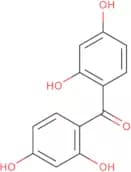
Discontinued product2,2',4,4'-tetrahydroxybenzophenone
CAS:<p>2,2',4,4'-tetrahydroxybenzophenone is a hydroxylated benzophenone that has immunomodulatory effects. It binds to the receptor in the immune system and can cause an increase in cytokine production. 2,2',4,4'-tetrahydroxybenzophenone is cytotoxic and has significant toxicity in vitro. The molecule has been shown to disrupt mitochondrial membrane potential. This may be due to its ability to form hydrogen bonds with molecules on the mitochondrial membrane. 2,2',4,4'-tetrahydroxybenzophenone also modulates transcriptional regulation of genes involved in cell proliferation and apoptosis. The drug is detectable at low levels by mass spectrometry and is not known to have any toxicological effects.END>></p>Formula:C13H10O5Purity:Min. 95%Color and Shape:Green PowderMolecular weight:246.22 g/molRef: 3D-FT55663
Discontinued product3-[5-(Aminomethyl)-1-oxo-2,3-dihydro-1H-isoindol-2-yl]piperidine-2,6-dione hydrochloride
CAS:<p>Versatile small molecule scaffold</p>Formula:C14H16ClN3O3Purity:Min. 95%Molecular weight:309.75 g/molH-Ser-Ala-Glu-Glu-Tyr-Glu-Tyr-Pro-Ser OH trifluoroacetate
CAS:<p>Please enquire for more information about H-Ser-Ala-Glu-Glu-Tyr-Glu-Tyr-Pro-Ser OH trifluoroacetate including the price, delivery time and more detailed product information at the technical inquiry form on this page</p>Formula:C47H63N9O20•(C2HF3O2)xPurity:Min. 95%Ref: 3D-FS183525
Discontinued productGivinostat hydrochloride
CAS:<p>Givinostat hydrochloride is a research chemical that has shown potential in various fields. It is a molybdenum-based compound that has been studied for its effects on dopamine release and hydrogen evolution. Givinostat hydrochloride has also been investigated as an osteoclast inhibitor, which may be beneficial in the treatment of bone-related disorders such as osteoporosis. Additionally, it has shown promise as a retinoid and calpain inhibitor, suggesting its potential use in dermatological conditions and neurodegenerative diseases. The compound contains fluorine atoms, making it suitable for imaging studies using fluorine MRI techniques. Givinostat hydrochloride has been tested on MDA-MB-231 cells and has shown inhibitory effects on their growth, indicating its potential as an anticancer agent.</p>Formula:C24H27N3O4·HClPurity:Min. 95%Molecular weight:457.95 g/mol


![2-Chloro-N-[3-(difluoromethoxy)phenyl]acetamide](/_next/image/?url=https%3A%2Fstatic.cymitquimica.com%2Fproducts%2F3D%2Fthumb-webp%2FCMA93608.webp&w=3840&q=75)

![1,2-Dihydro-1-oxo-2-[(pyridin-3-yl)methyl]isoquinoline-4-carboxylic acid](/_next/image/?url=https%3A%2Fstatic.cymitquimica.com%2Fproducts%2F3D%2Fthumb-webp%2FCUA85107.webp&w=3840&q=75)

![2-Chloro-N-[4-(1-pyrrolidinyl)phenyl]acetamide](/_next/image/?url=https%3A%2Fstatic.cymitquimica.com%2Fproducts%2F3D%2Fthumb-webp%2FBKA09715.webp&w=3840&q=75)

![N-(1,3-Dioxaindan-5-yl)-2-{[5-(1H-indol-3-yl)-1,3,4-oxadiazol-2-yl]sulfanyl}acetamide](/_next/image/?url=https%3A%2Fstatic.cymitquimica.com%2Fproducts%2F3D%2Fthumb-webp%2FFQA45175.webp&w=3840&q=75)
![2-{2-Oxa-6-azaspiro[3.3]heptan-6-yl}ethan-1-ol](/_next/image/?url=https%3A%2Fstatic.cymitquimica.com%2Fproducts%2F3D%2Fthumb-webp%2FBBA09635.webp&w=3840&q=75)


![5-[(2-Methoxyphenyl)(methyl)sulfamoyl]-2-methylbenzoic acid](/_next/image/?url=https%3A%2Fstatic.cymitquimica.com%2Fproducts%2F3D%2Fthumb-webp%2FFQA34216.webp&w=3840&q=75)
![6-{2-Hydroxy-3-[(2-methoxyethyl)amino]propoxy}-1,2,3,4-tetrahydroquinolin-2-one](/_next/image/?url=https%3A%2Fstatic.cymitquimica.com%2Fproducts%2F3D%2Fthumb-webp%2FCMC16581.webp&w=3840&q=75)


![(2R)-3-[(Carboxymethyl)sulfanyl]-2-acetamidopropanoic acid](/_next/image/?url=https%3A%2Fstatic.cymitquimica.com%2Fproducts%2F3D%2Fthumb-webp%2FBBA17754.webp&w=3840&q=75)
![4-Bromo-1-[(4-chlorophenyl)methyl]-1H-pyrazol-3-amine](/_next/image/?url=https%3A%2Fstatic.cymitquimica.com%2Fproducts%2F3D%2Fthumb-webp%2FARA75316.webp&w=3840&q=75)
![Methyl 2-{bis[(tert-butoxy)carbonyl]amino}prop-2-enoate](/_next/image/?url=https%3A%2Fstatic.cymitquimica.com%2Fproducts%2F3D%2Fthumb-webp%2FBIA33862.webp&w=3840&q=75)
![Bicyclo[4.1.0]heptan-7-ylmethanol](/_next/image/?url=https%3A%2Fstatic.cymitquimica.com%2Fproducts%2F3D%2Fthumb-webp%2FGAA22639.webp&w=3840&q=75)


![1-{6-Oxa-3-azabicyclo[3.1.0]hexan-3-yl}ethan-1-one](/_next/image/?url=https%3A%2Fstatic.cymitquimica.com%2Fproducts%2F3D%2Fthumb-webp%2FGBA86521.webp&w=3840&q=75)

amine](/_next/image/?url=https%3A%2Fstatic.cymitquimica.com%2Fproducts%2F3D%2Fthumb-webp%2FZZB48201.webp&w=3840&q=75)
![3-{[(tert-Butoxy)carbonyl]amino}hex-5-ynoic acid](/_next/image/?url=https%3A%2Fstatic.cymitquimica.com%2Fproducts%2F3D%2Fthumb-webp%2FZXC23909.webp&w=3840&q=75)
![(1R,8S,9s)-Bicyclo[6.1.0]non-4-yn-9-ylmethyl succinimidyl carbonate](/_next/image/?url=https%3A%2Fstatic.cymitquimica.com%2Fproducts%2F3D%2Fthumb-webp%2FBHC82779.webp&w=3840&q=75)
![2-{[(9H-Fluoren-9-yl)methoxy]carbonyl}-1,2,3,4-tetrahydroisoquinoline-4-carboxylic acid](/_next/image/?url=https%3A%2Fstatic.cymitquimica.com%2Fproducts%2F3D%2Fthumb-webp%2FZXB77690.webp&w=3840&q=75)




![3-Methylbenzo[b]thiophene-2-carboxylic acid](/_next/image/?url=https%3A%2Fstatic.cymitquimica.com%2Fproducts%2F3D%2Fthumb-webp%2FDAA13378.webp&w=3840&q=75)


![1-[3-(Dimethylamino)propyl]-1-(4-fluorophenyl)-1,3-dihydro-3-oxo-5-isobenzofurancarbonitrile](/_next/image/?url=https%3A%2Fstatic.cymitquimica.com%2Fproducts%2F3D%2Fthumb-webp%2FFD184085.webp&w=3840&q=75)
![3-[5-(Aminomethyl)-1-oxo-2,3-dihydro-1H-isoindol-2-yl]piperidine-2,6-dione hydrochloride](/_next/image/?url=https%3A%2Fstatic.cymitquimica.com%2Fproducts%2F3D%2Fthumb-webp%2FIWB26469.webp&w=3840&q=75)