


Building Blocks
Subcategories of "Building Blocks"
- Boronic Acids & Boronic Acid Derivatives(5,778 products)
- Chiral Building Blocks(1,243 products)
- Hydrocarbon Building Blocks(6,099 products)
- Organic Building Blocks(61,038 products)
Found 205376 products of "Building Blocks"
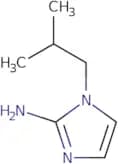
1-(2-Methylpropyl)-1H-imidazol-2-amine
CAS:Versatile small molecule scaffold
Formula:C7H13N3Purity:Min. 95%Molecular weight:139.2 g/molRef: 3D-JXB01789
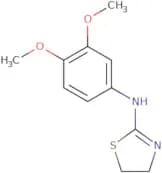
Discontinued productN-(3,4-Dimethoxyphenyl)-4,5-dihydro-1,3-thiazol-2-amine
CAS:Versatile small molecule scaffoldFormula:C11H14N2O2SPurity:Min. 95%Molecular weight:238.31 g/molRef: 3D-JGA09188
Discontinued product3-[(Furan-2-ylmethyl)sulfanyl]prop-2-enoic acid
CAS:Versatile small molecule scaffold
Formula:C8H8O3SPurity:Min. 95%Molecular weight:184.21 g/molRef: 3D-JFC43383
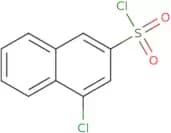
Discontinued product4-Chloronaphthalene-2-sulfonyl chloride
CAS:Versatile small molecule scaffoldFormula:C10H6Cl2O2SPurity:Min. 95%Molecular weight:261.12 g/molRef: 3D-JFC43112
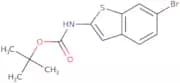
Discontinued producttert-Butyl N-(6-bromo-1-benzothiophen-2-yl)carbamate
CAS:Versatile small molecule scaffold
Formula:C13H14BrNO2SPurity:Min. 95%Molecular weight:328.23 g/molRef: 3D-JBD33689
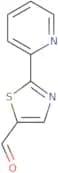
Discontinued product2-(Pyridin-2-yl)-1,3-thiazole-5-carbaldehyde
CAS:Versatile small molecule scaffoldFormula:C9H6N2OSPurity:Min. 95%Molecular weight:190.22 g/molRef: 3D-ITB31725
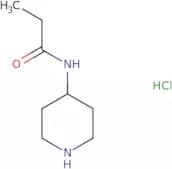
Discontinued productN-(Piperidin-4-yl)propanamide hydrochloride
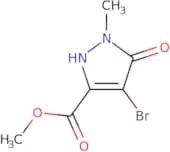
CAS:Versatile small molecule scaffoldFormula:C8H17ClN2OPurity:Min. 95%Molecular weight:192.68 g/molMethyl 4-bromo-5-hydroxy-1-methyl-1H-pyrazole-3-carboxylate
CAS:Versatile small molecule scaffold
Formula:C6H7BrN2O3Purity:Min. 95%Molecular weight:235.04 g/molRef: 3D-ICA36495
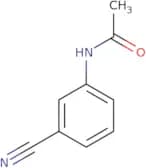
Discontinued productN-(3-Cyanophenyl)acetamide
CAS:N-(3-Cyanophenyl)acetamide is a hydrogen-bonding molecule that has been detected in the gas phase. It has also been observed to interact with water, forming hydrogen bonding interactions and solvatochromism. The equilibrium of N-(3-cyanophenyl)acetamide can be shifted by changing the solvent conditions and pH. This molecule has three conformations when it is in the gaseous phase, including a planar conformation. In addition, N-(3-cyanophenyl)acetamide can be used as a probe for determining hydrogen bonding interactions and conformations due to its ability to form hydrogen bonds with other molecules.
Formula:C9H8N2OPurity:Min. 95%Molecular weight:160.18 g/molRef: 3D-ICA20284
Discontinued product(2R,3S)-4-[(tert-Butoxy)carbonyl]-2-methylmorpholine-3-carboxylic acid
CAS:Versatile small molecule scaffold
Formula:C11H19NO5Purity:Min. 95%Molecular weight:245.27 g/mol(3R)-3-Amino-3-phenylpropanenitrile, trifluoroacetic acid
CAS:Versatile small molecule scaffold
Formula:C11H11F3N2O2Purity:Min. 95%Molecular weight:260.21 g/molRef: 3D-HXC92096
Discontinued product(1R)-1-(1H-Imidazol-2-yl)ethan-1-amine dihydrochloride
CAS:Versatile small molecule scaffold
Formula:C5H11Cl2N3Purity:Min. 95%Molecular weight:184.06 g/molRef: 3D-HXC91437
Discontinued productrac-[(2R,5S)-5-Phenyloxolan-2-yl]methanamine hydrochloride
CAS:Versatile small molecule scaffold
Formula:C11H16ClNOPurity:Min. 95%Molecular weight:213.7 g/molRef: 3D-HXC89108
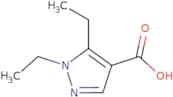
Discontinued product1,5-Diethyl-1H-pyrazole-4-carboxylic acid
CAS:Versatile small molecule scaffold
Formula:C8H12N2O2Purity:Min. 95%Molecular weight:168.19 g/molRef: 3D-HQB54198
Discontinued product[1-(1-Ethyl-3-methyl-1H-pyrazol-4-yl)propyl]amine
CAS:Versatile small molecule scaffold
Formula:C9H17N3Purity:Min. 95%Molecular weight:167.25 g/molRef: 3D-HQB46021
Discontinued product4H-pyrrolo[2,3-D]thiazole-5-carboxylic acid
CAS:Versatile small molecule scaffold
Formula:C6H4N2O2SPurity:Min. 95%Molecular weight:168.17 g/mol2-{4-[2-(Pyrrolidin-1-yl)ethoxy]phenyl}ethan-1-amine dihydrochloride
CAS:Versatile small molecule scaffold
Formula:C14H24Cl2N2OPurity:Min. 95%Molecular weight:307.3 g/molRef: 3D-HHC68177
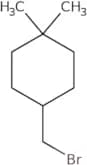
Discontinued product4-(Bromomethyl)-1,1-dimethylcyclohexane
CAS:Versatile small molecule scaffoldFormula:C9H17BrPurity:Min. 95%Molecular weight:205.13 g/molRef: 3D-HHC68120
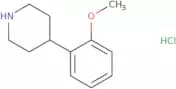
Discontinued product4-(2-Methoxyphenyl)piperidine hydrochloride
CAS:Versatile small molecule scaffold
Formula:C12H18ClNOPurity:Min. 95%Molecular weight:227.74 g/molrac-(1R,5S)-4-Oxaspiro[bicyclo[3.2.0]heptane-6,1'-cyclopentane]-7-one, cis
CAS:Versatile small molecule scaffold
Formula:C10H14O2Purity:Min. 95%Molecular weight:166.2 g/molRef: 3D-HCD80674
Discontinued product5-Methylquinoline
CAS:5-Methylquinoline is a quinoline derivative that is used in the synthesis of other quinoline derivatives. It can be synthesized from cinnamaldehyde, which can be obtained from cinnamic acid or benzaldehyde. 5-Methylquinoline has been shown to have antioxidant properties and inhibit colorectal carcinoma cells in vitro. The compound also inhibits the growth of caco-2 cells. One isomer of 5-methylquinoline, ethenyl, has been shown to cause a shift in the spectrum of light absorbed by caco-2 cells.
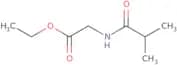
Formula:C10H9NPurity:Min. 95%Molecular weight:143.18 g/molEthyl 2-(2-methylpropanamido)acetate
CAS:Versatile small molecule scaffold
Formula:C8H15NO3Purity:Min. 95%Molecular weight:173.21 g/molRef: 3D-GBA76630
Discontinued product5-(3H-Pyrazol-3-ylidene)-1,2,4-triazolidine-3-thione
CAS:Versatile small molecule scaffold
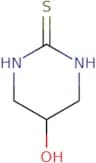
Formula:C5H5N5SPurity:Min. 95%Molecular weight:167.19 g/mol5-Hydroxy-1,3-diazinane-2-thione
CAS:Versatile small molecule scaffold
Formula:C4H8N2OSPurity:Min. 95%Molecular weight:132.19 g/molRef: 3D-FCA10770
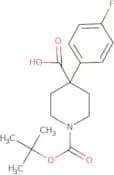
Discontinued productBoc-4-(4-fluorophenyl)-piperidine-4-carboxylic acid
CAS:Please enquire for more information about Boc-4-(4-fluorophenyl)-piperidine-4-carboxylic acid including the price, delivery time and more detailed product information at the technical inquiry form on this page
Formula:C17H22FNO4Purity:Min. 95%Molecular weight:323.36 g/mol4-Chloro-N-[2-(diethylamino)ethyl]aniline
CAS:Versatile small molecule scaffoldFormula:C12H19ClN2Purity:Min. 95%Molecular weight:226.74 g/molRef: 3D-FAA42735
Discontinued product2-(1,3-Benzothiazol-2-yl)-3-[(2,5-dimethylphenyl)amino]-3-sulfanylprop-2-enenitrile
CAS:Versatile small molecule scaffold
Formula:C18H15N3S2Purity:Min. 95%Molecular weight:337.5 g/molRef: 3D-EQA25562
Discontinued product4-({3-Oxo-2-azatricyclo[6.3.1.0,4,12]dodeca-1(11),4(12),5,7,9-pentaen-2-yl}methyl)benzohydrazide
CAS:Versatile small molecule scaffoldFormula:C19H15N3O2Purity:Min. 95%Molecular weight:317.3 g/mol2-{[4-({[(9H-Fluoren-9-yl)methoxy]carbonyl}amino)phenyl]methyl}butanoic acid
CAS:Versatile small molecule scaffold
Formula:C26H25NO4Purity:Min. 95%Molecular weight:415.5 g/molRef: 3D-EPD45030
Discontinued product1-(1H-1,2,3,4-Tetrazol-5-yl)propan-2-ol
CAS:Versatile small molecule scaffoldFormula:C4H8N4OPurity:Min. 95%Molecular weight:128.1 g/molRef: 3D-EPD43785
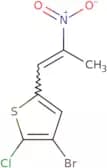
Discontinued product3-Bromo-2-chloro-5-(2-nitroprop-1-en-1-yl)thiophene
CAS:Versatile small molecule scaffoldFormula:C7H5BrClNO2SPurity:Min. 95%Molecular weight:282.54 g/molRef: 3D-EPC01906
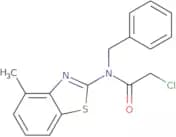
Discontinued productN-Benzyl-2-chloro-N-(4-methyl-1,3-benzothiazol-2-yl)acetamide
CAS:Versatile small molecule scaffoldFormula:C17H15ClN2OSPurity:Min. 95%Molecular weight:330.8 g/molRef: 3D-EKB31946
Discontinued product(4-Ethylcycloheptyl)methanamines
CAS:Versatile small molecule scaffold
Formula:C10H21NPurity:Min. 95%Molecular weight:155.3 g/molRef: 3D-EJC74542
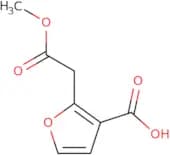
Discontinued product2-(2-Methoxy-2-oxoethyl)furan-3-carboxylic acid
CAS:Versatile small molecule scaffoldFormula:C8H8O5Purity:Min. 95%Molecular weight:184.15 g/molRef: 3D-EJC00417
Discontinued product2-Carbamoyl-2-methylbutanoic acid
CAS:Versatile small molecule scaffold
Formula:C6H11NO3Purity:Min. 95%Molecular weight:145.2 g/molRef: 3D-EJB85063
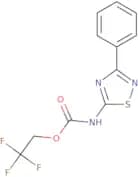
Discontinued product2,2,2-Trifluoroethyl N-(3-phenyl-1,2,4-thiadiazol-5-yl)carbamate
CAS:Versatile small molecule scaffold
Formula:C11H8F3N3O2SPurity:Min. 95%Molecular weight:303.26 g/molRef: 3D-EEC95162
Discontinued product3-[4-(1,3-Dioxolan-2-yl)oxan-4-yl]propan-1-amine
CAS:Versatile small molecule scaffoldFormula:C11H21NO3Purity:Min. 95%Molecular weight:215.29 g/molRef: 3D-EEC95155
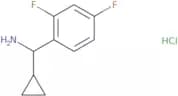
Discontinued productCyclopropyl(2,4-difluorophenyl)methanamine hydrochloride
CAS:Versatile small molecule scaffold
Formula:C10H12ClF2NPurity:Min. 95%Molecular weight:219.66 g/molRef: 3D-EEC95007
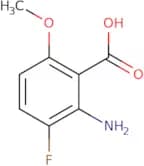
Discontinued product2-Amino-3-fluoro-6-methoxybenzoic acid
CAS:Versatile small molecule scaffoldFormula:C8H8FNO3Purity:Min. 95%Molecular weight:185.15 g/molRef: 3D-EEC94983
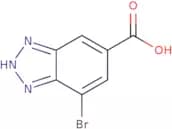
Discontinued product7-Bromo-1H-1,2,3-benzotriazole-5-carboxylic acid
CAS:Versatile small molecule scaffoldFormula:C7H4BrN3O2Purity:Min. 95%Molecular weight:242.03 g/mol4-(3-Aminophenyl)-1-methyl-1H-pyrazolo[3,4-b]pyridine-3-carboxylic acid
CAS:Versatile small molecule scaffoldFormula:C14H12N4O2Purity:Min. 95%Molecular weight:268.27 g/molRef: 3D-EEC70625
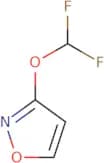
Discontinued product3-(Difluoromethoxy)-1,2-oxazole
CAS:Versatile small molecule scaffold
Formula:C4H3F2NO2Purity:Min. 95%Molecular weight:135.07 g/molRef: 3D-DXC56293
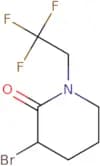
Discontinued product3-Bromo-1-(2,2,2-trifluoroethyl)piperidin-2-one
CAS:Versatile small molecule scaffold
Formula:C7H9BrF3NOPurity:Min. 95%Molecular weight:260.05 g/molRef: 3D-DHA94636
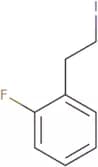
Discontinued product1-Fluoro-2-(2-iodoethyl)benzene
CAS:Versatile small molecule scaffold
Formula:C8H8FIPurity:Min. 95%Molecular weight:250.05 g/molRef: 3D-DHA68513
Discontinued product7-Oxa-1-azaspiro[3.5]nonan-2-one
CAS:Versatile small molecule scaffold
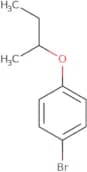
Formula:C7H11NO2Purity:Min. 95%Molecular weight:141.17 g/mol1-Bromo-4-(butan-2-yloxy)benzene
CAS:Versatile small molecule scaffold
Formula:C10H13BrOPurity:Min. 95%Molecular weight:229.11 g/molRef: 3D-DEA32360
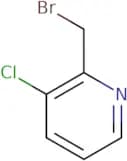
Discontinued product2-(bromomethyl)-3-chloropyridine
CAS:Versatile small molecule scaffold
Formula:C6H5BrClNPurity:Min. 95%Molecular weight:206.47 g/molRef: 3D-CZB51576
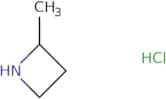
Discontinued product2-Methylazetidine hydrochloride
CAS:Versatile small molecule scaffold
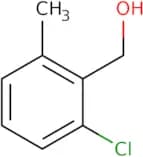
Formula:C4H10ClNPurity:Min. 95%Molecular weight:107.58 g/mol(2-Chloro-6-methylphenyl)methanol
CAS:Versatile small molecule scaffold
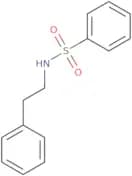
Formula:C8H9ClOPurity:Min. 95%Molecular weight:156.61 g/molN-(2-Phenylethyl)benzenesulfonamide
CAS:N-(2-Phenylethyl)benzenesulfonamide is a biodegradable and aerobic catalyst that is used in the production of nitrates. It can be recycled and has a high solubility, which allows for efficient extraction from wastewater effluents. The reactor system can be operated at an aerobic or anaerobic conditions. N-(2-Phenylethyl)benzenesulfonamide is soluble in water and can be hydrolyzed by acids or bases to release ammonia gas. The process can also be sustainable due to the use of renewable energy sources such as solar, wind, tidal, or biomass power.
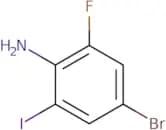
Formula:C14H15NO2SPurity:Min. 95%Molecular weight:261.34 g/mol4-Bromo-2-fluoro-6-iodoaniline
CAS:Versatile small molecule scaffold
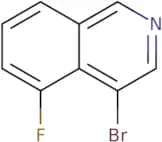
Formula:C6H4BrFINPurity:Min. 95%Molecular weight:315.91 g/mol4-Bromo-5-fluoro-isoquinoline
CAS:Versatile small molecule scaffold
Formula:C9H5BrFNPurity:Min. 95%Molecular weight:226.04 g/molRef: 3D-BPA45758
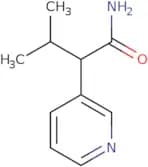
Discontinued product3-Methyl-2-(pyridin-3-yl)butanamide
CAS:Versatile small molecule scaffold
Formula:C10H14N2OPurity:Min. 95%Molecular weight:178.23 g/molRef: 3D-BFC36176
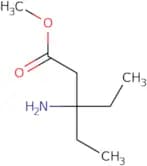
Discontinued productMethyl 3-amino-3-ethylpentanoate
CAS:Versatile small molecule scaffold
Formula:C8H17NO2Purity:Min. 95%Molecular weight:159.23 g/molRef: 3D-BFC28653
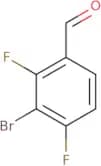
Discontinued product3-Bromo-2,4-difluorobenzaldehyde
CAS:Versatile small molecule scaffold
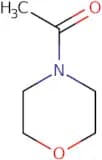
Formula:C7H3BrF2OPurity:Min. 95%Molecular weight:219.93 g/mol4-Acetylmorpholine
CAS:4-Acetylmorpholine is a recycled amide that is synthesized from an alkanolamine and an acylation reaction. It has been used in the dehydrating of organic compounds, such as reaction solution, and for the preparation of acrylamide. 4-Acetylmorpholine is also used as a viscosity control agent in the extraction of aromatic hydrocarbons. Its chemical structure consists of a carbonyl group and an aromatic hydrocarbon. 4-Acetylmorpholine can be synthesized by reacting acetaldehyde with ammonia or thiourea with methyl chloride or ethylene oxide.
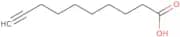
Formula:C6H3D8NO2Purity:Min. 95%Molecular weight:137.21 g/molDec-9-ynoic acid
CAS:Dec-9-ynoic acid is a synthetic fatty acid that is a precursor to several biologically important substances. It is labile and easily oxidized by air, light, or heat. Dec-9-ynoic acid has been shown to be a central metabolic intermediate for the biosynthesis of polyunsaturated fatty acids. It can also be converted into linolenic acid, which is an essential fatty acid that cannot be synthesized by humans. Dec-9-ynoic acid exists in two geometric isomers: cis and trans. The cis form exhibits kinetic properties that are different from the trans form. Dec-9-ynoic acid has been studied as a potential treatment for human diseases such as diabetes mellitus type 2, Parkinson's disease, Alzheimer's disease, schizophrenia, and depression.
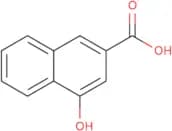
Formula:C10H16O2Purity:Min. 95%Molecular weight:168.23 g/mol4-Hydroxy-2-naphthoic acid
CAS:4-Hydroxy-2-naphthoic acid is a hydrocarbon with a carboxylic acid group. It can act as an antagonist to the hydrocarbon receptor (HCR). 4-Hydroxy-2-naphthoic acid has been shown to be effective in treating colon cancer cells in vitro, and has been shown to inhibit the growth of cancer cells in vivo. This compound is also effective at inhibiting the proliferation of human colon cancer cells (Caco2) that have been exposed to benzo(a)pyrene, an aromatic hydrocarbon found in cigarette smoke. The mechanism by which this drug inhibits cell proliferation is not fully understood but may involve inhibition of cytochrome P450 1A1 (CYP1A1), which metabolizes benzo(a)pyrene into carcinogenic intermediates. 4-Hydroxy-2-naphthoic acid has also been shown to be anisotropic and microreactor, meaning
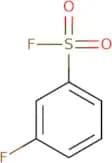
Formula:C11H8O3Purity:Min. 95%Molecular weight:188.17 g/mol3-Fluorobenzene-1-sulfonyl fluoride
CAS:3-Fluorobenzene-1-sulfonyl fluoride is a chemical compound that can be used as a catalyst to synthesize organic compounds. It is a colorless liquid, which is soluble in water and organic solvents. This catalyst has been shown to be more efficient than the traditional catalysts, such as tetraphenylphosphonium chloride, potassium fluoride or sodium borohydride. 3-Fluorobenzene-1-sulfonyl fluoride also reacts with nitro groups to produce dinitro compounds, which are valuable synthetic intermediates for the production of dyes and pharmaceuticals. The synthesis of this compound can be carried out in high yields with stoichiometric amounts of reactants.
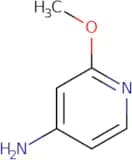
Formula:C6H4F2O2SPurity:Min. 95%Molecular weight:178.16 g/mol(4-Aminopyridin-2-yl)methanol
CAS:Versatile small molecule scaffold
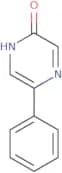
Formula:C6H8N2OPurity:Min. 95%Molecular weight:124.14 g/mol5-Phenyl-1H-pyrazin-2-one
CAS:5-Phenyl-1H-pyrazin-2-one is a potent inhibitor of tyrosine kinase, which is an enzyme that regulates the activity of cells by transferring phosphate groups from ATP to tyrosine residues. This drug binds to the ATP binding site, resulting in inhibition of the enzyme's activity and reduced cell proliferation. 5-Phenyl-1H-pyrazin-2-one has been shown to be effective in treating rheumatoid arthritis and other autoimmune diseases, with no adverse effects on bone metabolism or blood pressure. It also has no effect on platelet aggregation or erythrocytes.
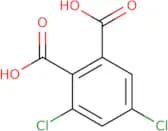
Formula:C10H8N2OPurity:Min. 95%Molecular weight:172.18 g/mol3,5-Dichlorophthalic acid
CAS:3,5-Dichlorophthalic acid is a divalent organic acid that is used as an intermediate in the production of other chemicals. 3,5-Dichlorophthalic acid is used as a regulator of plant growth and development. It can also be used to make different n-substituted compounds, such as naphthalene, phthalic anhydride, and 2,6-dichloro-pyridine.
Formula:C8H4Cl2O4Purity:Min. 95%Molecular weight:235.02 g/molRef: 3D-ABA64198
Discontinued product[2-(2-Ethoxyethoxy)ethyl](methyl)amine
CAS:Versatile small molecule scaffold
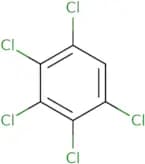
Formula:C7H17NO2Purity:Min. 95%Molecular weight:147.22 g/mol1,2,3,4,5-Pentachlorobenzene
CAS:1,2,3,4,5-Pentachlorobenzene is a chlorinated hydrocarbon that is used in the production of pesticides and herbicides. It is an ingredient in the manufacturing of pentachlorophenol and pentachloronitrobenzene. 1,2,3,4,5-Pentachlorobenzene has been used as a chemical intermediate or solvent for the production of other chemicals. The emissions from this chemical can be harmful to humans and animals because it has been shown to affect enzyme activities at sublethal doses. It also affects rat liver microsomes and causes DNA damage that can lead to cancer.
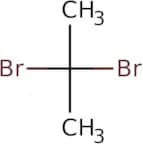
Formula:C6HCl5Purity:Min. 95%Molecular weight:250.34 g/mol2,2-Dibromopropane
CAS:2,2-Dibromopropane is a synthetic chemical that has been used as a precursor in the production of nylon. It is an activator that can be used to form covalent bonds with reactive groups on other molecules. The activation energy for the reaction with piperazine is between 104 and 106 kJ/mol. 2,2-Dibromopropane undergoes acylation reactions under certain conditions, forming reaction products such as 2,2-dibromoethyl acetate and 2,2-dibromoethanol. The molecular weight of 2,2-dibromopropane is 192.19 g/mol and its structural formula is CHBrCHBrCHBrCHBrC≡C≡C≡C≡C≡C≡CC(O)OH.
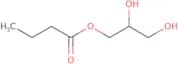
Formula:C3H6Br2Purity:Min. 95%Molecular weight:201.89 g/mol1-Monotetranoin
CAS:1-Monotetranoin is a fatty ester that is involved in the process of lipolysis, which is the breakdown of fat cells. Lipolysis occurs when an enzyme called lipase hydrolyzes triglycerides into glycerol and three fatty acids. 1-Monotetranoin has been shown to be a potent stimulator of growth factor production and cell proliferation in vivo models. It has also been shown to be effective at inhibiting angiogenic processes in vitro, including the release of growth factors from fat cells. The neutral pH optimum for 1-monotetranoin is between 7 and 8, which may be due to its hydrophobic nature.
Formula:C7H14O4Purity:Min. 95%Molecular weight:162.18 g/molRef: 3D-AAA55725
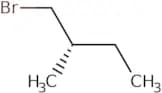
Discontinued product(S)-(+)-1-Bromo-2-methylbutane
CAS:(S)-(+)-1-Bromo-2-methylbutane is a chiral molecule with two stereoisomers, the cis and trans forms. The cis form has been observed to be the more stable of the two. It is a functional theory that these two forms are not mirror images of each other because they have different conformations. (S)-(+)-1-Bromo-2-methylbutane has been used in the synthesis of a number of important molecules. The stereoisomers can be distinguished by conformational analysis and optical microscopy. (S)-(+)-1-Bromo-2-methylbutane also has an application in biotechnology for use as a precursor for hydrazones, which are important in organic chemistry and molecular biology, such as DNA sequencing.
Formula:C5H11BrPurity:Min. 95%Molecular weight:151.04 g/mol8-Bromo-2-methylimidazo[1,2-a]pyridine
CAS:Versatile small molecule scaffold
Formula:C8H7N2BrPurity:Min. 95%Molecular weight:211.05 g/mol4,5-Dihydro-1H-imidazol-2-amine hydrochloride
CAS:Please enquire for more information about 4,5-Dihydro-1H-imidazol-2-amine hydrochloride including the price, delivery time and more detailed product information at the technical inquiry form on this page
Formula:C3H7N3•HClPurity:Min. 95%Molecular weight:121.57 g/molRef: 3D-FD183639
Discontinued product3-Hydroxy-5-methylpyridine
CAS:3-Hydroxy-5-methylpyridine (3HMP) is a chemical substance that has been classified as an amine. It is a product of the metabolism of purines, which are nitrogenous bases found in DNA and RNA. 3HMP is produced by aerogenic bacteria (such as Enterobacter), and can be used to estimate the number of these bacteria present in water samples. 3HMP has been shown to have antiviral properties against influenza virus, and can be used as a biomarker for the presence of other viruses in animals. 3HMP also has mineralization properties, which have been studied extensively, particularly with regards to pancreatic disease.
Formula:C6H7NOPurity:Min. 95%Color and Shape:PowderMolecular weight:109.13 g/molRef: 3D-FH16174
Discontinued producttert-Butyl (2,2-difluoro-3-hydroxypropyl)carbamate
CAS:Versatile small molecule scaffoldFormula:C10H13NO4Purity:Min. 95%Molecular weight:211.21 g/mol2-Bromo-3,3,3-trifluoro-1-propene
CAS:Controlled Product2-Bromo-3,3,3-trifluoro-1-propene is a chemical compound that has been synthesized in an asymmetric reaction. The reactant is bromopropane and the product is 2,2,2-trifluoropropene. The methylene group on the propene molecule is activated by the nucleophilic attack of a fluoride ion from hydrogen fluoride to form a cavity with a highly strained bond. The kinetic study of this reaction revealed that the activation energy for the reaction is 42 kJ/mol. Palladium-catalyzed coupling reactions are catalyzed by palladium and require nonpolar solvents such as toluene or dichloromethane. This type of reaction has been shown to be exothermic with an isolated yield of 1%.
Formula:C3H2BrF3Purity:Min. 95%Color and Shape:Colorless PowderMolecular weight:174.95 g/mol1-Hydroxycyclopentane-1-carbonitrile
CAS:1-Hydroxycyclopentane-1-carbonitrile is a monomer that is hydrolyzed to form benzoin and cyanohydrins. It can be used in the production of scifinder as a monomer or dimerizer.
Formula:C6H9NOPurity:Min. 95%Molecular weight:111.14 g/mol4-Chloro-2-hydroxy-6-methylphenylboronic acid
CAS:Versatile small molecule scaffoldFormula:C7H8BClO3Purity:Min. 95%Molecular weight:186.4 g/mol4,5-Dihydroxy-2,3-Pentanedione
CAS:4,5-Dihydroxy-2,3-pentanedione is a carbonyl compound that is the product of the oxidation of ascorbic acid. It is used in wastewater treatment and has antimicrobial properties against infectious diseases. This compound has been shown to inhibit protein synthesis by binding to the ribosome and preventing the formation of peptide bonds between amino acids. 4,5-Dihydroxy-2,3-pentanedione has also been shown to bind to plasma proteins, which may be due to its acyl chain structure. 4,5-Dihydroxy-2,3-pentanedione can be synthesized in a catalytic mechanism that involves dehydroascorbic acid and molecular oxygen.
Formula:C5H8O4Purity:Min. 95%Color and Shape:PowderMolecular weight:132.11 g/molRef: 3D-FD180770
Discontinued productPiperyline
CAS:Piperyline is an alkanoic acid that has shown to be effective against skin cancer. It also has antimicrobial properties, which may be due to its ability to bind metal ions and form polymeric compounds. Piperyline inhibits microbial growth by inhibiting the synthesis of proteins and nucleic acids. The antimicrobial activity is related to its cationic polymerization with hydroxyl groups, which forms a structure that can inhibit microbial enzymes and disrupt microbial cell membranes. This compound also interacts with the skin's natural lipids, making it difficult for microorganisms to attach and grow on the skin. Piperyline is synthesized in organic chemistry laboratories as an amide precursor of other pharmaceuticals such as penicillin.
Formula:C16H17NO3Purity:Min. 95%Molecular weight:271.31 g/mol

![3-[(Furan-2-ylmethyl)sulfanyl]prop-2-enoic acid](/_next/image/?url=https%3A%2Fstatic.cymitquimica.com%2Fproducts%2F3D%2Fthumb-webp%2FJFC43383.webp&w=3840&q=75)
![(2R,3S)-4-[(tert-Butoxy)carbonyl]-2-methylmorpholine-3-carboxylic acid](/_next/image/?url=https%3A%2Fstatic.cymitquimica.com%2Fproducts%2F3D%2Fthumb-webp%2FHXC93850.webp&w=3840&q=75)


![rac-[(2R,5S)-5-Phenyloxolan-2-yl]methanamine hydrochloride](/_next/image/?url=https%3A%2Fstatic.cymitquimica.com%2Fproducts%2F3D%2Fthumb-webp%2FHXC89108.webp&w=3840&q=75)
![[1-(1-Ethyl-3-methyl-1H-pyrazol-4-yl)propyl]amine](/_next/image/?url=https%3A%2Fstatic.cymitquimica.com%2Fproducts%2F3D%2Fthumb-webp%2FHQB46021.webp&w=3840&q=75)
![4H-pyrrolo[2,3-D]thiazole-5-carboxylic acid](/_next/image/?url=https%3A%2Fstatic.cymitquimica.com%2Fproducts%2F3D%2Fthumb-webp%2FHQB38672.webp&w=3840&q=75)
![2-{4-[2-(Pyrrolidin-1-yl)ethoxy]phenyl}ethan-1-amine dihydrochloride](/_next/image/?url=https%3A%2Fstatic.cymitquimica.com%2Fproducts%2F3D%2Fthumb-webp%2FHHC68177.webp&w=3840&q=75)
![rac-(1R,5S)-4-Oxaspiro[bicyclo[3.2.0]heptane-6,1'-cyclopentane]-7-one, cis](/_next/image/?url=https%3A%2Fstatic.cymitquimica.com%2Fproducts%2F3D%2Fthumb-webp%2FHCD80674.webp&w=3840&q=75)


![4-Chloro-N-[2-(diethylamino)ethyl]aniline](/_next/image/?url=https%3A%2Fstatic.cymitquimica.com%2Fproducts%2F3D%2Fthumb-webp%2FFAA42735.webp&w=3840&q=75)
![2-(1,3-Benzothiazol-2-yl)-3-[(2,5-dimethylphenyl)amino]-3-sulfanylprop-2-enenitrile](/_next/image/?url=https%3A%2Fstatic.cymitquimica.com%2Fproducts%2F3D%2Fthumb-webp%2FEQA25562.webp&w=3840&q=75)
![4-({3-Oxo-2-azatricyclo[6.3.1.0,4,12]dodeca-1(11),4(12),5,7,9-pentaen-2-yl}methyl)benzohydrazide](/_next/image/?url=https%3A%2Fstatic.cymitquimica.com%2Fproducts%2F3D%2Fthumb-webp%2FEQA25451.webp&w=3840&q=75)
![2-{[4-({[(9H-Fluoren-9-yl)methoxy]carbonyl}amino)phenyl]methyl}butanoic acid](/_next/image/?url=https%3A%2Fstatic.cymitquimica.com%2Fproducts%2F3D%2Fthumb-webp%2FEPD45030.webp&w=3840&q=75)


![3-[4-(1,3-Dioxolan-2-yl)oxan-4-yl]propan-1-amine](/_next/image/?url=https%3A%2Fstatic.cymitquimica.com%2Fproducts%2F3D%2Fthumb-webp%2FEEC95155.webp&w=3840&q=75)
![4-(3-Aminophenyl)-1-methyl-1H-pyrazolo[3,4-b]pyridine-3-carboxylic acid](/_next/image/?url=https%3A%2Fstatic.cymitquimica.com%2Fproducts%2F3D%2Fthumb-webp%2FEEC70625.webp&w=3840&q=75)
![7-Oxa-1-azaspiro[3.5]nonan-2-one](/_next/image/?url=https%3A%2Fstatic.cymitquimica.com%2Fproducts%2F3D%2Fthumb-webp%2FDHA24292.webp&w=3840&q=75)
amine](/_next/image/?url=https%3A%2Fstatic.cymitquimica.com%2Fproducts%2F3D%2Fthumb-webp%2FAAC06291.webp&w=3840&q=75)
![8-Bromo-2-methylimidazo[1,2-a]pyridine](/_next/image/?url=https%3A%2Fstatic.cymitquimica.com%2Fproducts%2F3D%2Fthumb-webp%2FUXB37475.webp&w=3840&q=75)






