


Building Blocks
Subcategories of "Building Blocks"
- Boronic Acids & Boronic Acid Derivatives(5,778 products)
- Chiral Building Blocks(1,243 products)
- Hydrocarbon Building Blocks(6,099 products)
- Organic Building Blocks(61,038 products)
Found 205373 products of "Building Blocks"
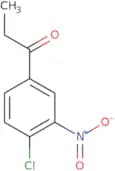
1-(4-Chloro-3-nitrophenyl)propan-1-one
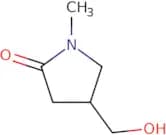
CAS:Versatile small molecule scaffoldFormula:C9H8ClNO3Purity:Min. 95%Molecular weight:213.62 g/mol4-(Hydroxymethyl)-1-methylpyrrolidin-2-one
CAS:Versatile small molecule scaffold
Formula:C6H11NO2Purity:Min. 95%Molecular weight:129.16 g/molRef: 3D-JCA88720
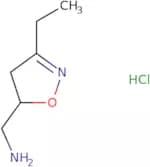
Discontinued product(3-Ethyl-4,5-dihydro-1,2-oxazol-5-yl)methanamine hydrochloride
CAS:Versatile small molecule scaffold
Formula:C6H13ClN2OPurity:Min. 95%Molecular weight:164.63 g/molRef: 3D-KXB29497
Discontinued product3-[(4-Bromo-1H-pyrazol-1-yl)methyl]aniline hydrochloride
CAS:Versatile small molecule scaffold
Formula:C10H11BrClN3Purity:Min. 95%Molecular weight:288.57 g/molRef: 3D-KXB48392
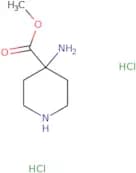
Discontinued productMethyl 4-aminopiperidine-4-carboxylate dihydrochloride
CAS:Versatile small molecule scaffoldFormula:C7H16Cl2N2O2Purity:Min. 95%Molecular weight:231.12 g/molRef: 3D-LGA31519
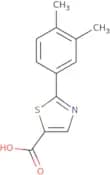
Discontinued product2-(3,4-Dimethylphenyl)-1,3-thiazole-5-carboxylic acid
CAS:Versatile small molecule scaffold
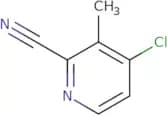
Formula:C12H11NO2SPurity:Min. 95%Molecular weight:233.29 g/mol4-chloro-3-methylpyridine-2-carbonitrile
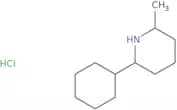
CAS:Rabeprazole is a proton pump inhibitor with antacid and anti-ulcer properties. It works by reducing the amount of acid produced in the stomach. Rabeprazole is used to treat conditions that cause excess stomach acid, such as Zollinger-Ellison syndrome and gastroesophageal reflux disease (GERD). Rabeprazole sodium is an alternative formulation of rabeprazole that has been modified to make it easier to dissolve in water.Formula:C7H5ClN2Purity:Min. 95%Molecular weight:152.58 g/mol2-Cyclohexyl-6-methylpiperidine hydrochlorides
CAS:Versatile small molecule scaffold
Formula:C12H24ClNPurity:Min. 95%Molecular weight:217.8 g/molRef: 3D-FSD25550
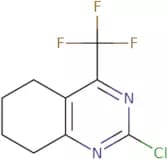
Discontinued product2-Chloro-4-trifluoromethyl-5,6,7,8-tetrahydro-quinazoline
CAS:Versatile small molecule scaffoldFormula:C9H8ClF3N2Purity:Min. 95%Molecular weight:236.62 g/molRef: 3D-LKB49400
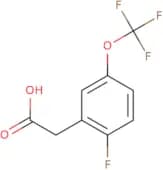
Discontinued product2-Fluoro-5-(trifluoromethoxy)phenylacetic acid
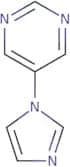
CAS:Versatile small molecule scaffoldFormula:C9H6F4O3Purity:Min. 95%Molecular weight:238.14 g/mol5-(1H-Imidazol-1-yl)pyrimidine
CAS:5-(1H-Imidazol-1-yl)pyrimidine is a centrosymmetric molecule that belongs to the class of piperidine. It has been shown to react with azides and triazoles to form 5-substituted 1,2,4-triazole derivatives. The ligands of these complexes are oriented in a specific manner, with the imidazole ring positioned at the center of the molecule. This arrangement creates hydrogen bonds between the nitrogen atom in the imidazole ring and oxygen atoms from two acetonitrile groups on either side of it. The 5-(1H-imidazol-1-yl)pyrimidine ligand is luminescent under UV light.
Formula:C7H6N4Purity:Min. 95%Molecular weight:146.15 g/molRef: 3D-ETB39495
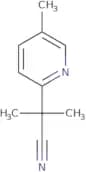
Discontinued product2-Methyl-2-(5-methylpyridin-2-yl)propanenitrile
CAS:Versatile small molecule scaffold
Formula:C10H12N2Purity:Min. 95%Molecular weight:160.22 g/molRef: 3D-EMB02197
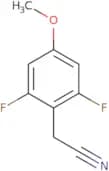
Discontinued product2,6-Difluoro-4-methoxyphenylacetonitrile
CAS:Versatile small molecule scaffold
Formula:C9H7F2NOPurity:Min. 95%Molecular weight:183.16 g/mol2-[(1-Methyl-5-phenyl-1H-imidazol-2-yl)sulfanyl]acetic acid
CAS:Versatile small molecule scaffoldFormula:C12H12N2O2SPurity:Min. 95%Molecular weight:248.3 g/molRef: 3D-MTA06714
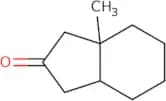
Discontinued productrac-(3aR,7aS)-3a-Methyl-octahydro-1H-inden-2-one
CAS:Versatile small molecule scaffold
Formula:C10H16OPurity:Min. 95%Molecular weight:152.23 g/molRef: 3D-NAA35129
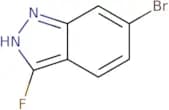
Discontinued product6-Bromo-3-fluoro-1H-indazole
CAS:Versatile small molecule scaffold
Formula:C7H4BrFN2Purity:Min. 95%Molecular weight:215.02 g/molRef: 3D-NIC05591
Discontinued product4-[(4-Methoxyphenyl)methyl]azetidin-2-one
CAS:Versatile small molecule scaffoldFormula:C11H13NO2Purity:Min. 95%Molecular weight:191.23 g/molRef: 3D-EFC81230
Discontinued product2,4-dichloro-7H-pyrrolo[2,3-d]pyrimidine-5-carbaldehyde
CAS:Versatile small molecule scaffold
Formula:C7H3Cl2N3OPurity:Min. 95%Molecular weight:216.02 g/molRef: 3D-NQC76757
Discontinued productEthyl 2-(3-nitrophenyl)acetate
CAS:Ethyl 2-(3-nitrophenyl)acetate is an organic compound. It is a chloride channel blocker that has been shown to inhibit the activity of multidrug-resistant proteins (e.g., p-glycoprotein and multidrug resistance protein). The uptake of this drug in cells is limited by its low oral bioavailability and its interaction with aluminium ions. This drug interacts with multidrug-resistance proteins, which are involved in the transport of drugs or toxins out of the cell, by competing for binding sites. Ethyl 2-(3-nitrophenyl)acetate inhibits the catalytic activity of these proteins, leading to a regression in multidrug resistance. It can also inhibit the activity of isoxazoles and alcohols.br>br>/p>
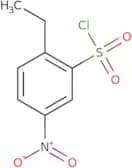
Formula:C10H11NO4Purity:Min. 95%Molecular weight:209.2 g/mol2-Ethyl-5-nitrobenzene-1-sulfonyl chloride
CAS:Versatile small molecule scaffold
Formula:C8H8ClNO4SPurity:Min. 95%Molecular weight:249.67 g/mol3-(4-Ethylphenyl)butanoic acid
CAS:Versatile small molecule scaffold
Formula:C12H16O2Purity:Min. 95%Molecular weight:192.25 g/molRef: 3D-DCA08649
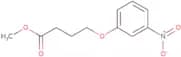
Discontinued productMethyl 4-(3-nitrophenoxy)butanoate
CAS:Controlled ProductVersatile small molecule scaffold
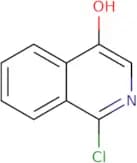
Formula:C11H13NO5Purity:Min. 95%Molecular weight:239.22 g/mol1-Chloroisoquinolin-4-ol
CAS:1-Chloroisoquinolin-4-ol is a phenylpyrimidine with anti-inflammatory properties. It is used in the treatment of sensitivity and mediated diseases, such as osteoarthritis, rheumatoid arthritis, and ankylosing spondylitis. 1-Chloroisoquinolin-4-ol inhibits the enzymatic activity of matrix metalloproteinases (MMPs), which are enzymes that break down collagen and other proteins in the body. The inhibition of MMPs by 1-chloroisoquinolin-4-ol leads to reduced inflammation and pain. This compound is also an effective inhibitor of the activities of chloride channels involved in acid secretion by cells in the stomach lining, thus inhibiting acid production. 1-Chloroisoquinolin-4-ol has been shown to have anticholesterolemic effects on liver cells due to its ability to inhibit cholesterol synthesis through inhibition of HMG CoA
Formula:C9H6ClNOPurity:Min. 95%Molecular weight:179.6 g/molRef: 3D-DAA33643
Discontinued product3-Chloro-N-[2-(4-methyl-1,3-thiazol-5-yl)-2-oxoethyl]propanamide
CAS:Versatile small molecule scaffoldFormula:C9H11ClN2O2SPurity:Min. 95%Molecular weight:246.71 g/molRef: 3D-CHC38015
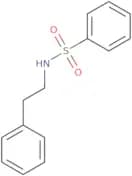
Discontinued productN-(2-Phenylethyl)benzenesulfonamide
CAS:N-(2-Phenylethyl)benzenesulfonamide is a biodegradable and aerobic catalyst that is used in the production of nitrates. It can be recycled and has a high solubility, which allows for efficient extraction from wastewater effluents. The reactor system can be operated at an aerobic or anaerobic conditions. N-(2-Phenylethyl)benzenesulfonamide is soluble in water and can be hydrolyzed by acids or bases to release ammonia gas. The process can also be sustainable due to the use of renewable energy sources such as solar, wind, tidal, or biomass power.
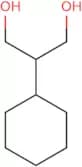
Formula:C14H15NO2SPurity:Min. 95%Molecular weight:261.34 g/mol2-Cyclohexylpropane-1,3-diol
CAS:2-Cyclohexylpropane-1,3-diol is a substrate for porcine pancreatic lipase. It is hydrolyzed by this enzyme, which is stereoselective and enantioselective. 2-Cyclohexylpropane-1,3-diol also has properties that are similar to angiotensin, a peptide that is secreted by the human body. This substance can be used as a solvent for other organic compounds in chemical reactions.
Formula:C9H18O2Purity:Min. 95%Molecular weight:158.24 g/mol1-Methyl-3-[(propan-2-yl)carbamoyl]-1H-pyrazole-5-carboxylic acid
CAS:Versatile small molecule scaffoldFormula:C9H13N3O3Purity:Min. 95%Molecular weight:211.22 g/molRef: 3D-PVA81813
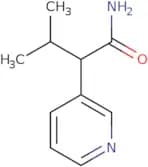
Discontinued product3-Methyl-2-(pyridin-3-yl)butanamide
CAS:Versatile small molecule scaffold
Formula:C10H14N2OPurity:Min. 95%Molecular weight:178.23 g/molRef: 3D-BFC36176
Discontinued productN'-(3-Hydroxyphenyl)-N,N-dimethylsulfamide
CAS:Versatile small molecule scaffold
Formula:C8H12N2O3SPurity:Min. 95%Molecular weight:216.26 g/molRef: 3D-PWA80729
Discontinued product(2-Cyanopyrimidin-5-yl)boronic acid
CAS:Versatile small molecule scaffold
Formula:C5H4BN3O2Purity:Min. 95%Molecular weight:148.92 g/molRef: 3D-PWB10081
Discontinued product2-Bromo-6-chloroimidazo[1,2-a]pyridine
CAS:Versatile small molecule scaffold
Formula:C7H4BrClN2Purity:Min. 95%Molecular weight:231.48 g/molRef: 3D-QHA07448
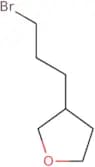
Discontinued product3-(3-Bromopropyl)oxolane
CAS:Versatile small molecule scaffold
Formula:C7H13BrOPurity:Min. 95%Molecular weight:193.08 g/molRef: 3D-ASB49655
Discontinued product(5,6,7,8-Tetrahydro-4H-cyclohepta[D]isoxazol-3-yl)methanol
CAS:Versatile small molecule scaffold
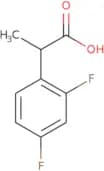
Formula:C9H13NO2Purity:Min. 95%Molecular weight:167.2 g/mol2-(2,4-Difluorophenyl)propanoic acid
CAS:Versatile small molecule scaffold
Formula:C9H8F2O2Purity:Min. 95%Molecular weight:186.15 g/molRef: 3D-AAC57263
Discontinued productAzacycloundecane
CAS:Azacycloundecane is a cycloalkane that is used as a solvent. The use of this compound in vivo models has been demonstrated to be useful in the study of drug uptake and distribution, as well as having clinical applications. Azacycloundecane is often used in detergent compositions due to its ability to solubilize fatty acids and inhibit their oxidation. This chemical has also been shown to have low energy, which makes it a suitable candidate for use in osmosis experiments. Azacycloundecane does not react with hydrogen chloride or carbonyl groups. It can be found naturally in fatty acids, amines, benzofuran derivatives, and aliphatic hydrocarbons.
Formula:C10H21NPurity:Min. 95%Molecular weight:155.28 g/molRef: 3D-AAA29442
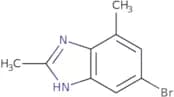
Discontinued product5-Bromo-2,7-dimethyl-1H-1,3-benzodiazole
CAS:Versatile small molecule scaffoldFormula:C9H9BrN2Purity:Min. 95%Molecular weight:225.08 g/mol3-Amino-4-methyl-N-[3-(trifluoromethyl)phenyl]benzene-1-sulfonamide
CAS:Versatile small molecule scaffoldFormula:C14H13F3N2O2SPurity:Min. 95%Molecular weight:330.33 g/molRef: 3D-QXA20922
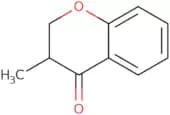
Discontinued product3-Methyl-3,4-dihydro-2H-1-benzopyran-4-one
CAS:Versatile small molecule scaffoldFormula:C10H10O2Purity:Min. 95%Molecular weight:162.18 g/mol5-bromo-4-chloro-7-methyl-7H-pyrrolo[2,3-d]pyrimidine
CAS:Versatile small molecule scaffold
Formula:C7H5BrClN3Purity:Min. 95%Molecular weight:246.5 g/molRef: 3D-RAC34330
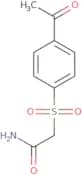
Discontinued product2-(4-Acetylbenzenesulfonyl)acetamide
CAS:Versatile small molecule scaffold
Formula:C10H11NO4SPurity:Min. 95%Molecular weight:241.27 g/molRef: 3D-RAC85436
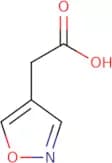
Discontinued product2-(1,2-Oxazol-4-yl)acetic acid
CAS:Versatile small molecule scaffold
Formula:C5H5NO3Purity:Min. 95%Molecular weight:127.1 g/molRef: 3D-RFA67957
Discontinued product5-(Dimethylamino)-2-fluorobenzoic acid
CAS:Versatile small molecule scaffold
Formula:C9H10FNO2Purity:Min. 95%Molecular weight:183.18 g/molRef: 3D-RFA94034
Discontinued product1-(4-Ethylphenyl)piperidin-4-one
CAS:Versatile small molecule scaffold
Formula:C13H17NOPurity:Min. 95%Molecular weight:203.28 g/mol2-(Sulfanylmethyl)-4H-pyrido[1,2-a]pyrimidin-4-one
CAS:Versatile small molecule scaffold
Formula:C9H8N2OSPurity:Min. 95%Molecular weight:192.24 g/molRef: 3D-RQB69641
Discontinued product(4-Chlorophenyl)(2-methoxyphenyl)methanamine
CAS:Versatile small molecule scaffoldFormula:C14H14ClNOPurity:Min. 95%Molecular weight:247.72 g/molRef: 3D-RQB69664
Discontinued product1-(4-Acetylpiperazin-1-yl)-2-chloropropan-1-one
CAS:Versatile small molecule scaffold
Formula:C9H15ClN2O2Purity:Min. 95%Molecular weight:218.68 g/mol6-Methyl-5-phenyl-2-sulfanyl-3H,4H-thieno[2,3-d]pyrimidin-4-one
CAS:Versatile small molecule scaffold
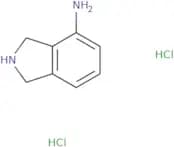
Formula:C13H10N2OS2Purity:Min. 95%Molecular weight:274.4 g/molIsoindolin-4-amine dihydrochloride
CAS:Versatile small molecule scaffold
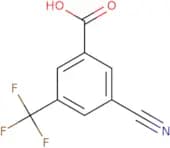
Formula:C8H10N2HClPurity:Min. 95%Molecular weight:207.1 g/mol3-Cyano-5-(trifluoromethyl)benzoic Acid
CAS:Versatile small molecule scaffold
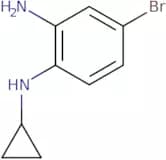
Formula:C9H4NO2F3Purity:Min. 95%Molecular weight:215.12 g/mol4-Bromo-1-N-cyclopropylbenzene-1,2-diamine
CAS:Versatile small molecule scaffoldFormula:C9H11BrN2Purity:Min. 95%Molecular weight:227.1 g/molRef: 3D-STB29141
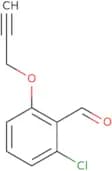
Discontinued product2-Chloro-6-(prop-2-yn-1-yloxy)benzaldehyde
CAS:Versatile small molecule scaffold
Formula:C10H7ClO2Purity:Min. 95%Molecular weight:194.61 g/mol[1-(Propan-2-yl)-1H-1,2,4-triazol-5-yl]methanamine
CAS:Versatile small molecule scaffoldFormula:C6H12N4Purity:Min. 95%Molecular weight:140.19 g/molRef: 3D-UIC24186
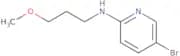
Discontinued product5-Bromo-N-(3-methoxypropyl)pyridin-2-amine
CAS:Versatile small molecule scaffoldFormula:C9H13BrN2OPurity:Min. 95%Molecular weight:245.12 g/molRef: 3D-UTB43313
Discontinued product2-(2-Hydroxy-5-methoxyphenyl)-2-oxoacetic acid
CAS:Versatile small molecule scaffoldFormula:C9H8O5Purity:Min. 95%Molecular weight:196.2 g/molRef: 3D-VDA06266
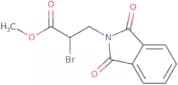
Discontinued productMethyl 2-bromo-3-(1,3-dioxo-2,3-dihydro-1H-isoindol-2-yl)propanoate
CAS:Versatile small molecule scaffoldFormula:C12H10BrNO4Purity:Min. 95%Molecular weight:312.12 g/molRef: 3D-VDA19695
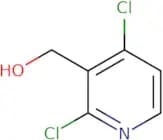
Discontinued product2,4-Dichloropyridine-3-methanol
CAS:Versatile small molecule scaffold
Formula:C6H5NOCl2Purity:Min. 95%Molecular weight:178.02 g/molRef: 3D-VMB54324
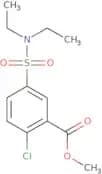
Discontinued productMethyl 2-chloro-5-(diethylsulfamoyl)benzoate
CAS:Versatile small molecule scaffold
Formula:C12H16ClNO4SPurity:Min. 95%Molecular weight:305.78 g/molRef: 3D-VNA62482
Discontinued product4-[(Benzylamino)methyl]thian-4-ol
CAS:Versatile small molecule scaffold
Formula:C13H19NOSPurity:Min. 95%Molecular weight:237.4 g/molRef: 3D-VNC88729
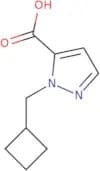
Discontinued product1-(Cyclobutylmethyl)-1H-pyrazole-5-carboxylic acid
CAS:Versatile small molecule scaffoldFormula:C9H12N2O2Purity:Min. 95%Molecular weight:180.2 g/molRef: 3D-WJC58413
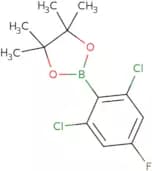
Discontinued product2-(2,6-Dichloro-4-fluorophenyl)-4,4,5,5-tetramethyl-1,3,2-dioxaborolane
CAS:Versatile small molecule scaffold
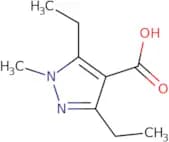
Formula:C12H14BCl2FO2Purity:Min. 95%Molecular weight:291 g/mol3,5-Diethyl-1-methyl-1H-pyrazole-4-carboxylic acid
CAS:Versatile small molecule scaffoldFormula:C9H14N2O2Purity:Min. 95%Molecular weight:182.22 g/molRef: 3D-WWB62740
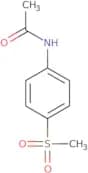
Discontinued product4'-(Methylsulfonyl)acetanilide
CAS:4'-(Methylsulfonyl)acetanilide is an organic compound that has been shown to have antibacterial and antiviral activity. It targets the benzene nucleus, and inhibits the synthesis of nucleic acids by inhibiting the enzyme ribonucleotide reductase. 4'-(Methylsulfonyl)acetanilide also inhibits viral replication, by binding to the active site of a viral protein (a DNA polymerase), which blocks the incorporation of nucleotides into the virus's DNA. In addition, 4'-(methylsulfonyl)acetanilide is an anti-helminthic agent, as it can inhibit worm motility and kill larvae in vitro. The structure-activity relationships between this molecule and other benzimidazole derivatives were analysed in order to identify new potential drugs for treating diseases caused by viruses or parasites.
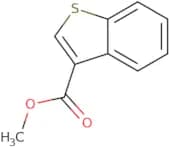
Formula:C9H11NO3SPurity:Min. 95%Molecular weight:213.26 g/molMethyl benzothiophene-3-carboxylate
CAS:Versatile small molecule scaffold
Formula:C10H8O2SPurity:Min. 95%Molecular weight:192.23 g/molMethyl 5-bromo-3-(bromomethyl)furan-2-carboxylate
CAS:Versatile small molecule scaffold
Formula:C7H6Br2O3Purity:Min. 95%Molecular weight:297.93 g/mol3-{[3-(Thiophen-3-yl)-1,2,4-oxadiazol-5-yl]methyl}thiomorpholine hydrochloride
CAS:Versatile small molecule scaffold
Formula:C11H14ClN3OS2Purity:Min. 95%Molecular weight:303.8 g/molRef: 3D-YGC02770
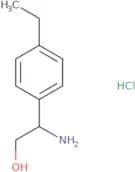
Discontinued product2-Amino-2-(4-ethylphenyl)ethan-1-ol hydrochloride
CAS:Versatile small molecule scaffold
Formula:C10H16ClNOPurity:Min. 95%Molecular weight:201.69 g/molRef: 3D-YGC02908
Discontinued product1-Hydroxycyclopentane-1-carbonitrile
CAS:1-Hydroxycyclopentane-1-carbonitrile is a monomer that is hydrolyzed to form benzoin and cyanohydrins. It can be used in the production of scifinder as a monomer or dimerizer.
Formula:C6H9NOPurity:Min. 95%Molecular weight:111.14 g/mol8-Bromo-2-methylimidazo[1,2-a]pyridine
CAS:Versatile small molecule scaffold
Formula:C8H7N2BrPurity:Min. 95%Molecular weight:211.05 g/mol4-Chloro-2-hydroxy-6-methylphenylboronic acid
CAS:Versatile small molecule scaffoldFormula:C7H8BClO3Purity:Min. 95%Molecular weight:186.4 g/mol2-Bromo-3,3,3-trifluoro-1-propene
CAS:Controlled Product2-Bromo-3,3,3-trifluoro-1-propene is a chemical compound that has been synthesized in an asymmetric reaction. The reactant is bromopropane and the product is 2,2,2-trifluoropropene. The methylene group on the propene molecule is activated by the nucleophilic attack of a fluoride ion from hydrogen fluoride to form a cavity with a highly strained bond. The kinetic study of this reaction revealed that the activation energy for the reaction is 42 kJ/mol. Palladium-catalyzed coupling reactions are catalyzed by palladium and require nonpolar solvents such as toluene or dichloromethane. This type of reaction has been shown to be exothermic with an isolated yield of 1%.
Formula:C3H2BrF3Purity:Min. 95%Color and Shape:Colorless PowderMolecular weight:174.95 g/mol3-Hydroxy-5-methylpyridine
CAS:3-Hydroxy-5-methylpyridine (3HMP) is a chemical substance that has been classified as an amine. It is a product of the metabolism of purines, which are nitrogenous bases found in DNA and RNA. 3HMP is produced by aerogenic bacteria (such as Enterobacter), and can be used to estimate the number of these bacteria present in water samples. 3HMP has been shown to have antiviral properties against influenza virus, and can be used as a biomarker for the presence of other viruses in animals. 3HMP also has mineralization properties, which have been studied extensively, particularly with regards to pancreatic disease.
Formula:C6H7NOPurity:Min. 95%Color and Shape:PowderMolecular weight:109.13 g/molRef: 3D-FH16174
Discontinued product4,5-Dihydroxy-2,3-Pentanedione
CAS:4,5-Dihydroxy-2,3-pentanedione is a carbonyl compound that is the product of the oxidation of ascorbic acid. It is used in wastewater treatment and has antimicrobial properties against infectious diseases. This compound has been shown to inhibit protein synthesis by binding to the ribosome and preventing the formation of peptide bonds between amino acids. 4,5-Dihydroxy-2,3-pentanedione has also been shown to bind to plasma proteins, which may be due to its acyl chain structure. 4,5-Dihydroxy-2,3-pentanedione can be synthesized in a catalytic mechanism that involves dehydroascorbic acid and molecular oxygen.
Formula:C5H8O4Purity:Min. 95%Color and Shape:PowderMolecular weight:132.11 g/molRef: 3D-FD180770
Discontinued productPiperyline
CAS:Piperyline is an alkanoic acid that has shown to be effective against skin cancer. It also has antimicrobial properties, which may be due to its ability to bind metal ions and form polymeric compounds. Piperyline inhibits microbial growth by inhibiting the synthesis of proteins and nucleic acids. The antimicrobial activity is related to its cationic polymerization with hydroxyl groups, which forms a structure that can inhibit microbial enzymes and disrupt microbial cell membranes. This compound also interacts with the skin's natural lipids, making it difficult for microorganisms to attach and grow on the skin. Piperyline is synthesized in organic chemistry laboratories as an amide precursor of other pharmaceuticals such as penicillin.
Formula:C16H17NO3Purity:Min. 95%Molecular weight:271.31 g/mol

![3-[(4-Bromo-1H-pyrazol-1-yl)methyl]aniline hydrochloride](/_next/image/?url=https%3A%2Fstatic.cymitquimica.com%2Fproducts%2F3D%2Fthumb-webp%2FKXB48392.webp&w=3840&q=75)
![2-[(1-Methyl-5-phenyl-1H-imidazol-2-yl)sulfanyl]acetic acid](/_next/image/?url=https%3A%2Fstatic.cymitquimica.com%2Fproducts%2F3D%2Fthumb-webp%2FMTA06714.webp&w=3840&q=75)
![4-[(4-Methoxyphenyl)methyl]azetidin-2-one](/_next/image/?url=https%3A%2Fstatic.cymitquimica.com%2Fproducts%2F3D%2Fthumb-webp%2FEFC81230.webp&w=3840&q=75)
![2,4-dichloro-7H-pyrrolo[2,3-d]pyrimidine-5-carbaldehyde](/_next/image/?url=https%3A%2Fstatic.cymitquimica.com%2Fproducts%2F3D%2Fthumb-webp%2FNQC76757.webp&w=3840&q=75)


![3-Chloro-N-[2-(4-methyl-1,3-thiazol-5-yl)-2-oxoethyl]propanamide](/_next/image/?url=https%3A%2Fstatic.cymitquimica.com%2Fproducts%2F3D%2Fthumb-webp%2FCHC38015.webp&w=3840&q=75)
![1-Methyl-3-[(propan-2-yl)carbamoyl]-1H-pyrazole-5-carboxylic acid](/_next/image/?url=https%3A%2Fstatic.cymitquimica.com%2Fproducts%2F3D%2Fthumb-webp%2FPVA81813.webp&w=3840&q=75)


![2-Bromo-6-chloroimidazo[1,2-a]pyridine](/_next/image/?url=https%3A%2Fstatic.cymitquimica.com%2Fproducts%2F3D%2Fthumb-webp%2FQHA07448.webp&w=3840&q=75)
![(5,6,7,8-Tetrahydro-4H-cyclohepta[D]isoxazol-3-yl)methanol](/_next/image/?url=https%3A%2Fstatic.cymitquimica.com%2Fproducts%2F3D%2Fthumb-webp%2FQHC96192.webp&w=3840&q=75)

![3-Amino-4-methyl-N-[3-(trifluoromethyl)phenyl]benzene-1-sulfonamide](/_next/image/?url=https%3A%2Fstatic.cymitquimica.com%2Fproducts%2F3D%2Fthumb-webp%2FQXA20922.webp&w=3840&q=75)
![5-bromo-4-chloro-7-methyl-7H-pyrrolo[2,3-d]pyrimidine](/_next/image/?url=https%3A%2Fstatic.cymitquimica.com%2Fproducts%2F3D%2Fthumb-webp%2FRAC34330.webp&w=3840&q=75)


![2-(Sulfanylmethyl)-4H-pyrido[1,2-a]pyrimidin-4-one](/_next/image/?url=https%3A%2Fstatic.cymitquimica.com%2Fproducts%2F3D%2Fthumb-webp%2FRQB69641.webp&w=3840&q=75)


![6-Methyl-5-phenyl-2-sulfanyl-3H,4H-thieno[2,3-d]pyrimidin-4-one](/_next/image/?url=https%3A%2Fstatic.cymitquimica.com%2Fproducts%2F3D%2Fthumb-webp%2FSCB76475.webp&w=3840&q=75)
![[1-(Propan-2-yl)-1H-1,2,4-triazol-5-yl]methanamine](/_next/image/?url=https%3A%2Fstatic.cymitquimica.com%2Fproducts%2F3D%2Fthumb-webp%2FUIC24186.webp&w=3840&q=75)
![4-[(Benzylamino)methyl]thian-4-ol](/_next/image/?url=https%3A%2Fstatic.cymitquimica.com%2Fproducts%2F3D%2Fthumb-webp%2FVNC88729.webp&w=3840&q=75)
![3-{[3-(Thiophen-3-yl)-1,2,4-oxadiazol-5-yl]methyl}thiomorpholine hydrochloride](/_next/image/?url=https%3A%2Fstatic.cymitquimica.com%2Fproducts%2F3D%2Fthumb-webp%2FYGC02770.webp&w=3840&q=75)

![8-Bromo-2-methylimidazo[1,2-a]pyridine](/_next/image/?url=https%3A%2Fstatic.cymitquimica.com%2Fproducts%2F3D%2Fthumb-webp%2FUXB37475.webp&w=3840&q=75)




