


Building Blocks
This section contains fundamental products for the synthesis of organic and biological compounds. Building blocks are the essential starting materials used to construct complex molecules through various chemical reactions. They play a critical role in drug discovery, material science, and chemical research. At CymitQuimica, we offer a diverse range of high-quality building blocks to support your innovative research and industrial projects, ensuring you have the essential components for successful synthesis.
Subcategories of "Building Blocks"
- Boronic Acids & Boronic Acid Derivatives(5,778 products)
- Chiral Building Blocks(1,242 products)
- Hydrocarbon Building Blocks(6,098 products)
- Organic Building Blocks(61,059 products)
Found 199580 products of "Building Blocks"
Sort by
Purity (%)
0
100
|
0
|
50
|
90
|
95
|
100
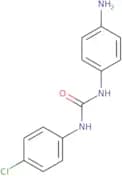
3-(4-Aminophenyl)-1-(4-chlorophenyl)urea
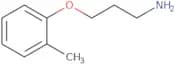
CAS:Versatile small molecule scaffoldFormula:C13H12ClN3OPurity:Min. 95%Molecular weight:261.7 g/mol3-o-Tolyloxy-propylamine
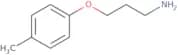
CAS:<p>Versatile small molecule scaffold</p>Formula:C10H15NOPurity:Min. 95%Molecular weight:165.24 g/mol3-p-Tolyloxy-propylamine
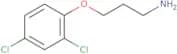
CAS:<p>Versatile small molecule scaffold</p>Formula:C10H15NOPurity:Min. 95%Molecular weight:165.23 g/mol1-(3-Aminopropoxy)-2,4-dichlorobenzene
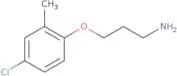
CAS:<p>Versatile small molecule scaffold</p>Formula:C9H11Cl2NOPurity:Min. 95%Molecular weight:220.09 g/mol1-(3-Aminopropoxy)-4-chloro-2-methylbenzene
CAS:Versatile small molecule scaffoldFormula:C10H14ClNOPurity:Min. 95%Molecular weight:199.68 g/mol2-Chloro-N-[2-(2,6-dimethylphenoxy)ethyl]acetamide
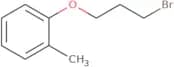
CAS:Versatile small molecule scaffoldFormula:C12H16ClNO2Purity:Min. 95%Molecular weight:241.71 g/mol1-(3-Bromopropoxy)-2-methylbenzene
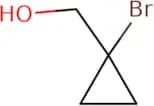
CAS:<p>Versatile small molecule scaffold</p>Formula:C10H13BrOPurity:Min. 95%Molecular weight:229.11 g/mol(1-Bromocyclopropyl)methanol
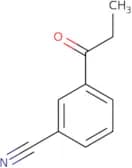
CAS:Versatile small molecule scaffoldFormula:C4H7BrOPurity:Min. 95%Molecular weight:151 g/mol3-Propanoylbenzonitrile
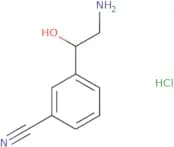
CAS:<p>Versatile small molecule scaffold</p>Formula:C10H9NOPurity:Min. 95%Molecular weight:159.18 g/mol3-(2-Amino-1-hydroxyethyl)benzonitrile hydrochloride
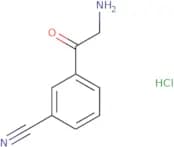
CAS:Versatile small molecule scaffoldFormula:C9H11ClN2OPurity:Min. 95%Molecular weight:198.65 g/mol3-(2-Aminoacetyl)benzonitrile hydrochloride
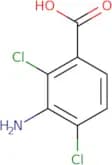
CAS:<p>Versatile small molecule scaffold</p>Formula:C9H9ClN2OPurity:Min. 95%Molecular weight:196.63 g/mol3-Amino-2,4-dichlorobenzoic acid
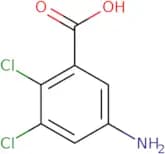
CAS:<p>3-Amino-2,4-dichlorobenzoic acid is a metabolite of malonate that inhibits the synthesis of fatty acids by inhibiting the activity of fatty acid synthetase. It has been shown to inhibit lipid accumulation in plants and may be used as an inhibitor in plant physiology experiments. 3-Amino-2,4-dichlorobenzoic acid can be applied to explants before or after treatment with test compounds to determine its inhibitory effect on fatty acid synthetase activity. 3-Amino-2,4-dichlorobenzoic acid is also a potent inhibitor of endogenous lipogenic enzymes.</p>Formula:C7H5Cl2NO2Purity:Min. 95%Molecular weight:206.03 g/mol5-Amino-2,3-dichlorobenzoic acid
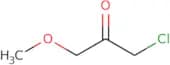
CAS:<p>Versatile small molecule scaffold</p>Formula:C7H5Cl2NO2Purity:Min. 95%Molecular weight:206.02 g/mol1-Chloro-3-methoxypropan-2-one
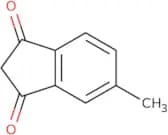
CAS:<p>Versatile small molecule scaffold</p>Formula:C4H7ClO2Purity:Min. 95%Molecular weight:122.55 g/mol5-Methyl-2,3-dihydro-1H-indene-1,3-dione
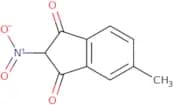
CAS:Versatile small molecule scaffoldFormula:C10H8O2Purity:Min. 95%Molecular weight:160.17 g/mol5-Methyl-2-nitro-2,3-dihydro-1H-indene-1,3-dione
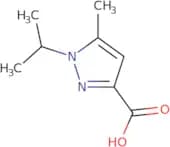
CAS:Versatile small molecule scaffoldFormula:C10H7NO4Purity:Min. 95%Molecular weight:205.17 g/mol5-Methyl-1-(propan-2-yl)-1H-pyrazole-3-carboxylic acid
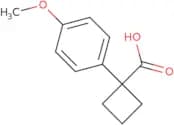
CAS:Versatile small molecule scaffoldFormula:C8H12N2O2Purity:Min. 95%Molecular weight:168.19 g/mol1-(4-Methoxyphenyl)cyclobutane-1-carboxylic acid
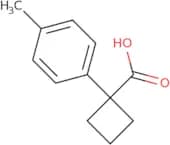
CAS:Versatile small molecule scaffoldFormula:C12H14O3Purity:Min. 95%Molecular weight:206.24 g/mol1-(4-Methylphenyl)cyclobutanecarboxylic acid
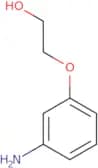
CAS:Versatile small molecule scaffoldFormula:C12H14O2Purity:Min. 95%Molecular weight:190.24 g/mol2-(3-Aminophenoxy)ethan-1-ol
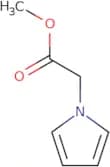
CAS:<p>2-(3-Aminophenoxy)ethan-1-ol is a nitro compound that has been synthesized from 3-aminophenol and ethyl chloroformate. The synthesis of this compound involves the use of a copper catalyst to form the nitro group. This chemical is an intermediate in the production of other nitro compounds, such as 2,4-dinitrophenol, which are used in explosives and dyes. 2-(3-Aminophenoxy)ethan-1-ol can be used as a stabilizing agent for nanoparticles because it contains amines that can bind to metal ions. It also has optical properties that can be exploited for various purposes, such as catalyzed reactions or optical studies. 2-(3-Aminophenoxy)ethan-1-ol is also useful when analyzing nitroarenes by using techniques such as chemoselective oxidation and hydrolysis.</p>Formula:C8H11NO2Purity:Min. 95%Molecular weight:153.18 g/molMethyl 2-(1H-pyrrol-1-yl)acetate
CAS:<p>Versatile small molecule scaffold</p>Formula:C7H9NO2Purity:Min. 95%Molecular weight:139.15 g/mol1-Methyl-2-{[(2-nitrophenyl)methyl]sulfanyl}-1H-imidazole
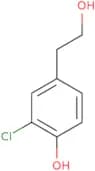
CAS:Versatile small molecule scaffoldFormula:C11H11N3O2SPurity:Min. 95%Molecular weight:249.29 g/mol2-Chloro-4-(2-hydroxyethyl)phenol
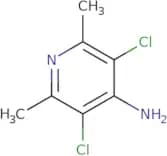
CAS:<p>Versatile small molecule scaffold</p>Formula:C8H9ClO2Purity:Min. 95%Molecular weight:172.61 g/mol3,5-dichloro-2,6-dimethylpyridin-4-amine
CAS:3,5-Dichloro-2,6-dimethylpyridin-4-amine is a phytotoxic compound that belongs to the group of heterocyclic compounds. It has been used in hydroponic cultures as a carboxyl herbicide and for the control of clopidol-resistant weeds. The symptoms induced by 3,5-dichloro-2,6-dimethylpyridin-4-amine are similar to those observed in plants treated with picolinic acid. Ingestion of this substance can lead to symptoms such as vomiting and diarrhea. The chemical is toxic and ingestion can result in death.Formula:C7H8N2Cl2Purity:Min. 95%Molecular weight:191.05 g/mol1-Bromo-3-(2-ethoxyethoxy)propane
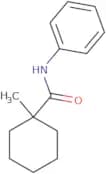
CAS:<p>Versatile small molecule scaffold</p>Formula:C7H15BrO2Purity:Min. 95%Molecular weight:211.1 g/mol1-Methyl-N-phenylcyclohexane-1-carboxamide
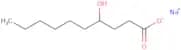
CAS:<p>Versatile small molecule scaffold</p>Formula:C14H19NOPurity:Min. 95%Molecular weight:217.31 g/molSodium 4-hydroxydecanoate
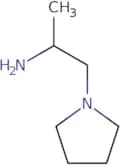
CAS:Versatile small molecule scaffoldFormula:C10H19NaO3Purity:Min. 95%Molecular weight:210.25 g/mol1-Methyl-2-pyrrolidin-1-yl-ethylamine
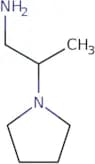
CAS:Versatile small molecule scaffoldFormula:C7H16N2Purity:Min. 95%Molecular weight:128.22 g/mol2-Pyrrolidin-1-yl-propylamine
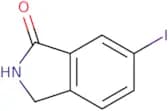
CAS:<p>Versatile small molecule scaffold</p>Formula:C7H16N2Purity:Min. 95%Molecular weight:128.22 g/mol6-Iodo-2,3-dihydro-1H-isoindol-1-one
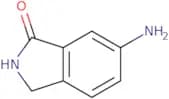
CAS:Versatile small molecule scaffoldFormula:C8H6INOPurity:Min. 95%Molecular weight:259.04 g/mol6-Aminoisoindolin-1-one
CAS:<p>Versatile small molecule scaffold</p>Formula:C8H8N2OPurity:Min. 95%Molecular weight:148.16 g/molN-Ethyl-4-oxopiperidine-1-carboxamide
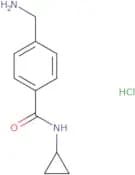
CAS:Controlled ProductVersatile small molecule scaffoldFormula:C8H14N2O2Purity:Min. 95%Molecular weight:170.21 g/mol4-(Aminomethyl)-N-cyclopropylbenzamide hydrochloride
CAS:Versatile small molecule scaffoldFormula:C11H15ClN2OPurity:Min. 95%Molecular weight:226.7 g/molN-{[3-(Aminomethyl)phenyl]methyl}acetamide hydrochloride
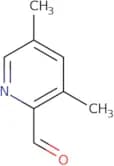
CAS:Versatile small molecule scaffoldFormula:C10H15ClN2OPurity:Min. 95%Molecular weight:214.69 g/mol3,5-Dimethylpyridine-2-carbaldehyde
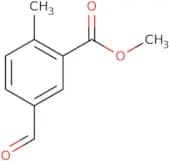
CAS:<p>Versatile small molecule scaffold</p>Formula:C8H9NOPurity:Min. 95%Molecular weight:135.16 g/molMethyl 5-formyl-2-methylbenzoate
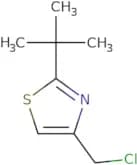
CAS:<p>Versatile small molecule scaffold</p>Formula:C10H10O3Purity:Min. 95%Molecular weight:178.18 g/mol2-tert-Butyl-4-(chloromethyl)-1,3-thiazole
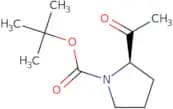
CAS:<p>Versatile small molecule scaffold</p>Formula:C8H12ClNSPurity:Min. 95%Molecular weight:189.71 g/mol(R)-Tert-butyl 2-acetylpyrrolidine-1-carboxylate
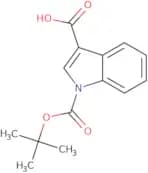
CAS:Versatile small molecule scaffoldFormula:C11H19NO3Purity:Min. 95%Molecular weight:213.28 g/mol1-(tert-Butoxycarbonyl)-1H-indole-3-carboxylic acid
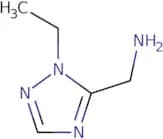
CAS:This compound is an indole carboxylic acid with a tert-butoxycarbonyl group. It has a functional group of an ester at the C3 position, which is positioned at the 2-position on the indole ring. The molecule is a heterocycle and can be found in nature. This compound is bioactive and has been shown to have an affinity for human inflammatory receptors. It can also act as a surrogate for other molecules that might be too difficult to synthesize or too expensive to produce.Formula:C14H15NO4Purity:Min. 95%Molecular weight:261.27 g/mol(1-Ethyl-1H-1,2,4-triazol-5-yl)methanamine
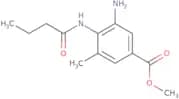
CAS:<p>Versatile small molecule scaffold</p>Formula:C5H10N4Purity:Min. 95%Molecular weight:126.16 g/molMethyl 3-amino-4-butanamido-5-methylbenzoate
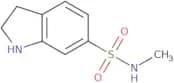
CAS:Methyl 3-amino-4-butanamido-5-methylbenzoate is a chemical compound that has been used as a pharmacological agent. It has an affinity for acidic sites on muscle and blocks angiotensin II, which causes vasodilatation of blood vessels, increases blood flow to the heart, and lowers blood pressure. Methyl 3-amino-4-butanamido-5-methylbenzoate is also a strong blocker of angiotensin receptors in the brain. This drug is usually administered in the form of its hydrochloride salt. The physicochemical properties of this compound are determined by elemental analysis and chromatographic methods. Methyl 3-amino-4-butanamido-5-methylbenzoate can be synthesized from 4-(dimethylamino) butyric acid and methyl 3-(aminomethyl) benzoate through the following reaction:Formula:C13H18N2O3Purity:Min. 95%Molecular weight:250.29 g/molN-Methyl-2,3-dihydro-1H-indole-6-sulfonamide
CAS:Versatile small molecule scaffoldFormula:C9H12N2O2SPurity:Min. 95%Molecular weight:212.27 g/mol8-(4-Iodophenoxymethyl)quinoline
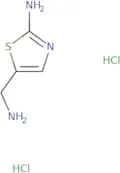
CAS:<p>Versatile small molecule scaffold</p>Formula:C16H12INOPurity:Min. 95%Molecular weight:361.18 g/mol5-(Aminomethyl)-1,3-thiazol-2-amine dihydrochloride
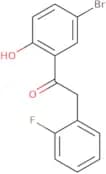
CAS:Versatile small molecule scaffoldFormula:C4H9Cl2N3SPurity:Min. 95%Molecular weight:202.11 g/mol1-(5-Bromo-2-hydroxyphenyl)-2-(2-fluorophenyl)ethan-1-one
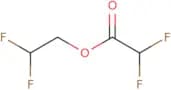
CAS:<p>Versatile small molecule scaffold</p>Formula:C14H10BrFO2Purity:Min. 95%Molecular weight:309.13 g/mol2,2-Difluoroethyl difluoroacetate
CAS:<p>Versatile small molecule scaffold</p>Formula:C4H4F4O2Purity:Min. 95%Molecular weight:160.07 g/mol3-Amino-N-2propionamide hydrochloride
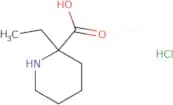
CAS:Versatile small molecule scaffoldFormula:C5H13ClN2OPurity:Min. 95%Molecular weight:152.62 g/mol2-Ethyl-2-piperidine carboxylic acid hydrochloride
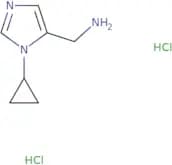
CAS:Versatile small molecule scaffoldFormula:C8H16ClNO2Purity:Min. 95%Molecular weight:193.67 g/mol1-(1-Cyclopropyl-1H-imidazol-5-yl)methanamine dihydrochloride
CAS:<p>Versatile small molecule scaffold</p>Formula:C7H13Cl2N3Purity:Min. 95%Molecular weight:210.1 g/mol3-Chloro-5-iodopyridin-4-amine
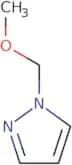
CAS:<p>Versatile small molecule scaffold</p>Formula:C5H4ClIN2Purity:Min. 95%Molecular weight:254.46 g/mol1-(Methoxymethyl)pyrazole
CAS:<p>Versatile small molecule scaffold</p>Formula:C5H8N2OPurity:Min. 95%Molecular weight:112.13 g/mol4-Bromo-N-hexylaniline
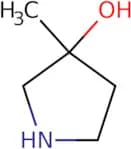
CAS:<p>Versatile small molecule scaffold</p>Formula:C12H18BrNPurity:Min. 95%Molecular weight:256.18 g/mol3-Methylpyrrolidin-3-ol
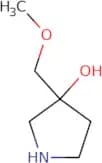
CAS:<p>Versatile small molecule scaffold</p>Formula:C5H11NO·HClPurity:Min. 95%Molecular weight:137.61 g/mol3-(Methoxymethyl)pyrrolidin-3-ol
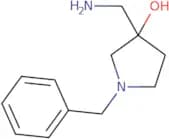
CAS:<p>Versatile small molecule scaffold</p>Formula:C6H13NO2Purity:Min. 95%Molecular weight:131.17 g/mol3-(aminomethyl)-1-benzylpyrrolidin-3-ol
CAS:Versatile small molecule scaffoldFormula:C12H18N2OPurity:Min. 95%Molecular weight:206.3 g/mol1-Benzyl-3-[(methylamino)methyl]pyrrolidin-3-ol dihydrochloride
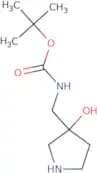
CAS:Versatile small molecule scaffoldFormula:C13H22Cl2N2OPurity:Min. 95%Molecular weight:293.23 g/mol3-(boc-aminomethyl)-3-hydroxypyrrolidine
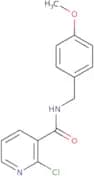
CAS:<p>Versatile small molecule scaffold</p>Formula:C10H20N2O3Purity:Min. 95%Molecular weight:216.28 g/mol2-Chloro-N-(4-methoxybenzyl)nicotinamide
CAS:<p>Versatile small molecule scaffold</p>Formula:C14H13ClN2O2Purity:Min. 95%Molecular weight:276.72 g/mol2-(Bromomethyl)-5-methylimidazo[1,2-a]pyridine hydrobromide
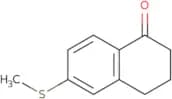
CAS:Versatile small molecule scaffoldFormula:C9H10Br2N2Purity:Min. 95%Molecular weight:306 g/mol6-(Methylsulfanyl)-1,2,3,4-tetrahydronaphthalen-1-one
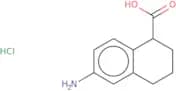
CAS:Versatile small molecule scaffoldFormula:C11H12OSPurity:Min. 95%Molecular weight:192.28 g/mol6-Amino-1,2,3,4-tetrahydronaphthalene-1-carboxylic acid hydrochloride
CAS:<p>Versatile small molecule scaffold</p>Formula:C11H14ClNO2Purity:Min. 95%Molecular weight:227.7 g/mol2-Chloro-6-[(4-chlorophenyl)sulfanyl]benzoic acid
CAS:<p>Versatile small molecule scaffold</p>Formula:C13H8Cl2O2SPurity:Min. 95%Molecular weight:299.2 g/mol7-Oxobicyclo[2.2.1]hept-5-ene-2-carboxylic acid
CAS:Versatile small molecule scaffoldFormula:C8H8O3Purity:Min. 95%Molecular weight:152.15 g/molMethyl 2-(3-methylphenoxy)propanoate
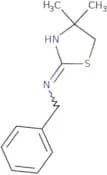
CAS:<p>Versatile small molecule scaffold</p>Formula:C11H14O3Purity:Min. 95%Molecular weight:194.23 g/molN-Benzyl-4,4-dimethyl-4,5-dihydro-1,3-thiazol-2-amine
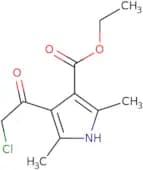
CAS:Versatile small molecule scaffoldFormula:C12H16N2SPurity:Min. 95%Molecular weight:220.34 g/molEthyl 4-(2-chloroacetyl)-2,5-dimethyl-1H-pyrrole-3-carboxylate
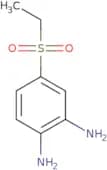
CAS:Versatile small molecule scaffoldFormula:C11H14ClNO3Purity:Min. 95%Molecular weight:243.68 g/mol4-(Ethanesulfonyl)benzene-1,2-diamine
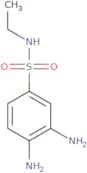
CAS:<p>Versatile small molecule scaffold</p>Formula:C8H12N2O2SPurity:Min. 95%Molecular weight:200.26 g/mol3,4-Diamino-N-ethylbenzene-1-sulfonamide
CAS:Versatile small molecule scaffoldFormula:C8H13N3O2SPurity:Min. 95%Molecular weight:215.28 g/mol2-(2-Ethoxyethoxy)acetaldehyde
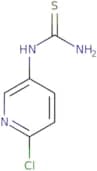
CAS:<p>Versatile small molecule scaffold</p>Formula:C6H12O3Purity:Min. 95%Molecular weight:132.16 g/mol(6-Chloropyridin-3-yl)thiourea
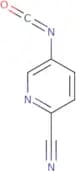
CAS:<p>Versatile small molecule scaffold</p>Formula:C6H6ClN3SPurity:Min. 95%Molecular weight:187.65 g/mol5-Isocyanatopyridine-2-carbonitrile
CAS:<p>Versatile small molecule scaffold</p>Formula:C7H3N3OPurity:Min. 95%Molecular weight:145.12 g/mol(1S,4S)-2-Thia-5-azabicyclo[2.2.1]heptane hydrochloride
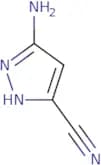
CAS:Versatile small molecule scaffoldFormula:C5H10ClNSPurity:Min. 95%Molecular weight:151.66 g/mol5-Amino-1H-pyrazole-3-carbonitrile
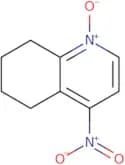
CAS:<p>5-Amino-1H-pyrazole-3-carbonitrile (APC) is a pyrazolopyrimidine compound. It is used as a starting material in organic synthesis, for example to prepare dithioesters and dithioacetals. The transformation of the APC molecule is accomplished by reacting it with either an alcohol or acid chloride.</p>Formula:C4H4N4Purity:Min. 95%Molecular weight:108.1 g/mol4-Nitro-5,6,7,8-tetrahydroquinolin-1-ium-1-olate
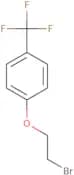
CAS:<p>Versatile small molecule scaffold</p>Formula:C9H10N2O3Purity:Min. 95%Molecular weight:194.19 g/mol1-(2-Bromoethoxy)-4-(trifluoromethyl)benzene
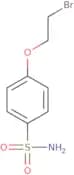
CAS:<p>Versatile small molecule scaffold</p>Formula:C9H8BrF3OPurity:Min. 95%Molecular weight:269.06 g/mol4-(2-Bromoethoxy)benzene-1-sulfonamide
CAS:Versatile small molecule scaffoldFormula:C8H10BrNO3SPurity:Min. 95%Molecular weight:280.14 g/mol(2S)-2-Amino-N,N-dimethylpropanamide hydrochloride
CAS:Versatile small molecule scaffoldFormula:C5H13ClN2OPurity:Min. 95%Molecular weight:152.62 g/mol(1S,4S)-2-Methyl-2,5-diazabicyclo[2.2.1]heptane dihydrobromide
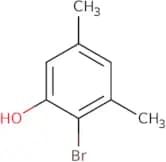
CAS:<p>Versatile small molecule scaffold</p>Formula:C6H12N2·2HBrPurity:Min. 95%Molecular weight:274 g/mol2-bromo-3,5-dimethylphenol
CAS:<p>Versatile small molecule scaffold</p>Formula:C8H9BrOPurity:Min. 95%Molecular weight:201.06 g/mol1-[(2,4-Dichlorophenyl)methyl]-1H-pyrazolo[3,4-d]pyrimidin-4-ol
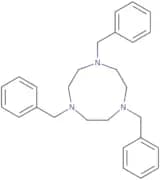
CAS:Versatile small molecule scaffoldFormula:C12H8Cl2N4OPurity:Min. 95%Molecular weight:295.12 g/mol1,4,7-Tribenzyl-1,4,7-triazonane
CAS:<p>1,4,7-Tribenzyl-1,4,7-triazonane is a crystalline compound that belongs to the group of ligands. This compound has a benzyl group in its structure and can be used as a transition metal complexing agent. The bond cleavage reaction of 1,4,7-tribenzyl-1,4,7-triazonane is catalyzed by a coordination chemical reaction with transition metals. It has been shown to form complexes with nickel and palladium. The kinetic isotope effect for this process has been reported to be large due to the presence of two hydrogen atoms in one molecule. This means that the molecule is more reactive at the site where it contains the hydrogen atom that is heavier isotopically.</p>Formula:C27H33N3Purity:Min. 95%Molecular weight:399.6 g/moltert-butyl N-[(3-methylpyrrolidin-3-yl)methyl]carbamate
CAS:Versatile small molecule scaffoldFormula:C11H22N2O2Purity:Min. 95%Molecular weight:214.3 g/mol{[4-(Bromomethyl)phenyl]methoxy}(tert-butyl)dimethylsilane
CAS:Versatile small molecule scaffoldFormula:C14H23BrOSiPurity:Min. 95%Molecular weight:315.32 g/mol2-{[(tert-Butoxy)carbonyl]amino}hexanoic acid
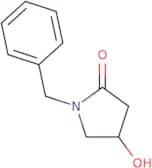
CAS:<p>Versatile small molecule scaffold</p>Formula:C11H21NO4Purity:Min. 95%Molecular weight:231.29 g/mol1-Benzyl-4-hydroxypyrrolidin-2-one
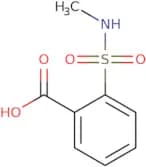
CAS:<p>Ethyl 1-benzyl-4-hydroxypyrrolidin-2-one can be synthesized in high yield by reacting benzyl amine with methanol and sodium carbonate in ethanol. This compound is a natural product found in marine organisms, such as sponges, sea cucumbers, and tunicates. It has been shown to have antibiotic properties against bacteria and fungi. The pharmaceutical industry has expressed interest in this compound because of its potential use as an anti-inflammatory agent.</p>Formula:C11H13NO2Purity:Min. 95%Molecular weight:191.23 g/mol2-(Methylsulfamoyl)benzoic acid
CAS:<p>Versatile small molecule scaffold</p>Formula:C8H9NO4SPurity:Min. 95%Molecular weight:215.23 g/mol4-{[(Pyridin-3-yl)methyl]sulfanyl}aniline
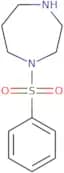
CAS:Versatile small molecule scaffoldFormula:C12H12N2SPurity:Min. 95%Molecular weight:216.3 g/mol1-(Benzenesulfonyl)-1,4-diazepane
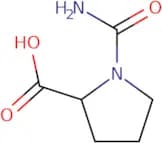
CAS:<p>Versatile small molecule scaffold</p>Formula:C11H16N2O2SPurity:Min. 95%Molecular weight:240.32 g/mol1-carbamoylpyrrolidine-2-carboxylic acid
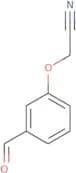
CAS:<p>1-Carbamoylpyrrolidine-2-carboxylic acid is an antimicrobial agent that belongs to the class of cyclic amino acid derivatives. It crystallizes well and has a high yield of approximately 91%. The antimicrobial activity of 1-carbamoylpyrrolidine-2-carboxylic acid is due to its ability to inhibit microbial cell parameters, such as axial rotation and hydrolysis. This compound also has the ability to bind to benzyl groups with a high affinity and inhibit microbial growth by interfering with protein synthesis. Furthermore, 1-carbamoylpyrrolidine-2-carboxylic acid is inexpensively synthesized from benzoic acid.</p>Formula:C6H10N2O3Purity:Min. 95%Molecular weight:158.16 g/mol2-(3-Formylphenoxy)acetonitrile
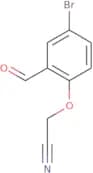
CAS:<p>Versatile small molecule scaffold</p>Formula:C9H7NO2Purity:Min. 95%Molecular weight:161.16 g/mol(4-Bromo-2-formylphenoxy)acetonitrile
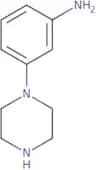
CAS:<p>Versatile small molecule scaffold</p>Formula:C9H6BrNO2Purity:Min. 95%Molecular weight:240.05 g/mol3-(Piperazin-1-yl)aniline
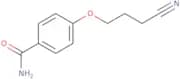
CAS:<p>Versatile small molecule scaffold</p>Formula:C10H15N3Purity:Min. 95%Molecular weight:177.25 g/mol4-(3-Cyanopropoxy)-benzamide
CAS:<p>Versatile small molecule scaffold</p>Formula:C11H12N2O2Purity:Min. 95%Molecular weight:204.22 g/mol4-[4-(Hydroxymethyl)phenoxy]butanenitrile
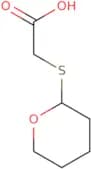
CAS:Versatile small molecule scaffoldFormula:C11H13NO2Purity:Min. 95%Molecular weight:191.23 g/mol2-(Oxan-2-ylsulfanyl)acetic acid
CAS:<p>Versatile small molecule scaffold</p>Formula:C7H12O3SPurity:Min. 95%Molecular weight:176.24 g/mol6-bromothieno[3,2-b]thiophene-2-carboxylic acid
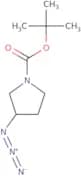
CAS:Versatile small molecule scaffoldFormula:C7H3BrO2S2Purity:Min. 95%Molecular weight:263.1 g/moltert-Butyl (3S)-3-azidopyrrolidine-1-carboxylate
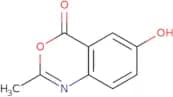
CAS:Versatile small molecule scaffoldFormula:C9H16N4O2Purity:Min. 95%Molecular weight:212.25 g/mol6-Hydroxy-2-methyl-4H-3,1-benzoxazin-4-one
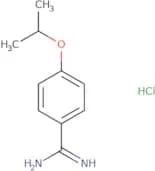
CAS:<p>Versatile small molecule scaffold</p>Formula:C9H7NO3Purity:Min. 95%Molecular weight:177.16 g/mol4-(Propan-2-yloxy)benzene-1-carboximidamide hydrochloride
CAS:Versatile small molecule scaffoldFormula:C10H15ClN2OPurity:Min. 95%Molecular weight:214.69 g/mol1-[3-(Hydroxymethyl)phenyl]ethan-1-one
CAS:<p>Versatile small molecule scaffold</p>Formula:C9H10O2Purity:Min. 95%Molecular weight:150.17 g/mol

![2-Chloro-N-[2-(2,6-dimethylphenoxy)ethyl]acetamide](/_next/image/?url=https%3A%2Fstatic.cymitquimica.com%2Fproducts%2F3D%2Fthumb-webp%2FACA91175.webp&w=3840&q=75)
![1-Methyl-2-{[(2-nitrophenyl)methyl]sulfanyl}-1H-imidazole](/_next/image/?url=https%3A%2Fstatic.cymitquimica.com%2Fproducts%2F3D%2Fthumb-webp%2FACA96881.webp&w=3840&q=75)


![N-{[3-(Aminomethyl)phenyl]methyl}acetamide hydrochloride](/_next/image/?url=https%3A%2Fstatic.cymitquimica.com%2Fproducts%2F3D%2Fthumb-webp%2FACB11291.webp&w=3840&q=75)




![1-Benzyl-3-[(methylamino)methyl]pyrrolidin-3-ol dihydrochloride](/_next/image/?url=https%3A%2Fstatic.cymitquimica.com%2Fproducts%2F3D%2Fthumb-webp%2FAFA03339.webp&w=3840&q=75)
![2-(Bromomethyl)-5-methylimidazo[1,2-a]pyridine hydrobromide](/_next/image/?url=https%3A%2Fstatic.cymitquimica.com%2Fproducts%2F3D%2Fthumb-webp%2FAFA04056.webp&w=3840&q=75)
![2-Chloro-6-[(4-chlorophenyl)sulfanyl]benzoic acid](/_next/image/?url=https%3A%2Fstatic.cymitquimica.com%2Fproducts%2F3D%2Fthumb-webp%2FAFA09145.webp&w=3840&q=75)
![7-Oxobicyclo[2.2.1]hept-5-ene-2-carboxylic acid](/_next/image/?url=https%3A%2Fstatic.cymitquimica.com%2Fproducts%2F3D%2Fthumb-webp%2FAFA09166.webp&w=3840&q=75)


![(1S,4S)-2-Thia-5-azabicyclo[2.2.1]heptane hydrochloride](/_next/image/?url=https%3A%2Fstatic.cymitquimica.com%2Fproducts%2F3D%2Fthumb-webp%2FAFA13643.webp&w=3840&q=75)

![(1S,4S)-2-Methyl-2,5-diazabicyclo[2.2.1]heptane dihydrobromide](/_next/image/?url=https%3A%2Fstatic.cymitquimica.com%2Fproducts%2F3D%2Fthumb-webp%2FAFA22462.webp&w=3840&q=75)
![1-[(2,4-Dichlorophenyl)methyl]-1H-pyrazolo[3,4-d]pyrimidin-4-ol](/_next/image/?url=https%3A%2Fstatic.cymitquimica.com%2Fproducts%2F3D%2Fthumb-webp%2FAFA24057.webp&w=3840&q=75)
![tert-butyl N-[(3-methylpyrrolidin-3-yl)methyl]carbamate](/_next/image/?url=https%3A%2Fstatic.cymitquimica.com%2Fproducts%2F3D%2Fthumb-webp%2FAFA29087.webp&w=3840&q=75)
![{[4-(Bromomethyl)phenyl]methoxy}(tert-butyl)dimethylsilane](/_next/image/?url=https%3A%2Fstatic.cymitquimica.com%2Fproducts%2F3D%2Fthumb-webp%2FAFA32020.webp&w=3840&q=75)
![2-{[(tert-Butoxy)carbonyl]amino}hexanoic acid](/_next/image/?url=https%3A%2Fstatic.cymitquimica.com%2Fproducts%2F3D%2Fthumb-webp%2FAFA34248.webp&w=3840&q=75)
![4-{[(Pyridin-3-yl)methyl]sulfanyl}aniline](/_next/image/?url=https%3A%2Fstatic.cymitquimica.com%2Fproducts%2F3D%2Fthumb-webp%2FAFA38242.webp&w=3840&q=75)
![4-[4-(Hydroxymethyl)phenoxy]butanenitrile](/_next/image/?url=https%3A%2Fstatic.cymitquimica.com%2Fproducts%2F3D%2Fthumb-webp%2FAFA43956.webp&w=3840&q=75)
![6-bromothieno[3,2-b]thiophene-2-carboxylic acid](/_next/image/?url=https%3A%2Fstatic.cymitquimica.com%2Fproducts%2F3D%2Fthumb-webp%2FAFA49306.webp&w=3840&q=75)
![1-[3-(Hydroxymethyl)phenyl]ethan-1-one](/_next/image/?url=https%3A%2Fstatic.cymitquimica.com%2Fproducts%2F3D%2Fthumb-webp%2FAFA60406.webp&w=3840&q=75)