


Building Blocks
This section contains fundamental products for the synthesis of organic and biological compounds. Building blocks are the essential starting materials used to construct complex molecules through various chemical reactions. They play a critical role in drug discovery, material science, and chemical research. At CymitQuimica, we offer a diverse range of high-quality building blocks to support your innovative research and industrial projects, ensuring you have the essential components for successful synthesis.
Subcategories of "Building Blocks"
- Boronic Acids & Boronic Acid Derivatives(5,778 products)
- Chiral Building Blocks(1,242 products)
- Hydrocarbon Building Blocks(6,098 products)
- Organic Building Blocks(61,084 products)
Found 198714 products of "Building Blocks"
Sort by
Purity (%)
0
100
|
0
|
50
|
90
|
95
|
100
2-chloro-7-methyl-7H-purine
CAS:Versatile small molecule scaffoldFormula:C6H5ClN4Purity:Min. 95%Molecular weight:168.58 g/molEthyl 2-cyclopropylidenepropanoate
CAS:<p>Versatile small molecule scaffold</p>Formula:C8H12O2Purity:Min. 95%Molecular weight:140.18 g/mol3-Cyclohexyl-5-methyl-1,2-oxazole-4-carboxylic acid
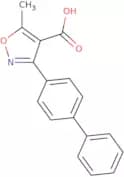
CAS:<p>Versatile small molecule scaffold</p>Formula:C11H15NO3Purity:Min. 95%Molecular weight:209.24 g/mol5-Methyl-3-(4-phenylphenyl)-1,2-oxazole-4-carboxylic acid
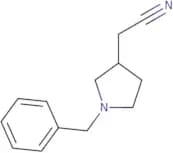
CAS:<p>Versatile small molecule scaffold</p>Formula:C17H13NO3Purity:Min. 95%Molecular weight:279.29 g/mol2-(1-Benzylpyrrolidin-3-yl)acetonitrile
CAS:Versatile small molecule scaffoldFormula:C13H16N2Purity:Min. 95%Molecular weight:200.28 g/mol2-Amino-1-(4-methoxyphenyl)ethanol
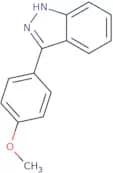
CAS:<p>2-Amino-1-(4-methoxyphenyl)ethanol is a lactam that is minimally reactive with biological systems. It has been shown to inhibit the binding of the linker molecule to calcitriol, which is a vital component of vitamin D synthesis. This compound can also be used in intra-articular injections for the treatment of arthritis and other inflammatory disorders. 2-Amino-1-(4-methoxyphenyl)ethanol has been synthesized from an endogenous amino acid precursor and conjugated with a fluorophore, enabling it to be tracked in vivo by fluorescence imaging. It has been demonstrated that 2-Amino-1-(4-methoxyphenyl)ethanol can be used as a traceless bioactive molecule in molecular modelling and simulations.</p>Formula:C9H13NO2Purity:Min. 95%Molecular weight:167.21 g/mol3-(4-Methoxy-phenyl)-1H-indazole
CAS:<p>3-(4-Methoxy-phenyl)-1H-indazole is a kinase inhibitor that inhibits the activity of terminal kinases. It has been shown to inhibit the activity of indazole derivatives and may be useful in treating diseases associated with these kinases, such as cancer. 3-(4-Methoxy-phenyl)-1H-indazole is a potent inhibitor of human caspase 9, which plays an important role in apoptosis by activating downstream proteases. It also inhibits the activation of protein kinase B, which is involved in cellular signaling pathways and cell cycle regulation.</p>Formula:C14H12N2OPurity:Min. 95%Molecular weight:224.26 g/molrac-[(1R,2R)-1-Amino-2,3-dihydro-1H-inden-2-yl]methanol
CAS:Versatile small molecule scaffoldFormula:C10H13NOPurity:Min. 95%Molecular weight:163.22 g/mol1-[(Propan-2-yl)amino]propan-2-one hydrochloride
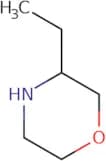
CAS:Versatile small molecule scaffoldFormula:C6H14ClNOPurity:Min. 95%Molecular weight:151.63 g/mol3-Ethylmorpholine hydrochloride
CAS:<p>3-Ethylmorpholine hydrochloride is a tryptic that is used to detect fingerprints, viruses, and tissue. It reacts with amines to form a product that can be detected by chromatography. 3-Ethylmorpholine hydrochloride has been shown to react with the transition state of the enzyme trypsin and inhibit its activity. 3-Ethylmorpholine hydrochloride is also reactive towards benzene, which may be due to its ability to form sulphone or primary amine intermediates. This would allow 3-Ethylmorpholine hydrochloride to undergo reactions with other solvents in the environment, such as cellular proteins in host cells.</p>Formula:C6H14ClNOPurity:Min. 95%Molecular weight:151.63 g/mol3-Benzylcyclobutanone
CAS:<p>3-Benzylcyclobutanone is a chiral, cyclic, sulfoxide that is synthesized via the asymmetric synthesis of 3-benzoylcyclobutanone and benzaldehyde. It can be used in the preparation of oxazolidinones, which are synthetic drugs with anti-inflammatory, analgesic and antipyretic properties. The optical purity of 3-benzylcyclobutanone has been shown to be greater than 99% by chiral GC analysis. This compound has also been synthesized using a preparative yield of 92%.</p>Formula:C11H12OPurity:Min. 95%Molecular weight:160.22 g/mol3-(3-Aminopropyl)phenol hydrochloride
CAS:<p>Versatile small molecule scaffold</p>Formula:C9H14ClNOPurity:Min. 95%Molecular weight:187.66 g/molN-Methyl-N-(2-phenylethyl)carbamoyl chloride
CAS:Versatile small molecule scaffoldFormula:C10H12ClNOPurity:Min. 95%Molecular weight:197.66 g/mol(5-Ethylpyridin-2-yl)methanamine
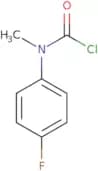
CAS:<p>Versatile small molecule scaffold</p>Formula:C8H12N2Purity:Min. 95%Molecular weight:136.19 g/molN-(4-Fluorophenyl)-N-methylcarbamoyl chloride
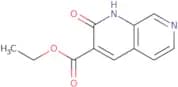
CAS:Versatile small molecule scaffoldFormula:C8H7ClFNOPurity:Min. 95%Molecular weight:187.6 g/molEthyl 2-oxo-1,2-dihydro-1,7-naphthyridine-3-carboxylate
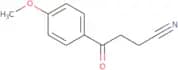
CAS:Versatile small molecule scaffoldFormula:C11H10N2O3Purity:Min. 95%Molecular weight:218.21 g/mol4-(4-Methoxyphenyl)-4-oxobutanenitrile
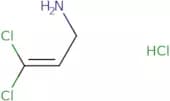
CAS:<p>Versatile small molecule scaffold</p>Formula:C11H11NO2Purity:Min. 95%Molecular weight:189.21 g/mol3,3-Dichloroprop-2-en-1-amine hydrochloride
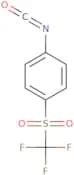
CAS:Versatile small molecule scaffoldFormula:C3H6Cl3NPurity:Min. 95%Molecular weight:162.44 g/mol4-(Trifluoromethylsulfonyl)phenylisocyanate
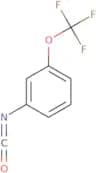
CAS:Versatile small molecule scaffoldFormula:C8H4F3NO3SPurity:Min. 95%Molecular weight:251.18 g/mol1-Isocyanato-3-(trifluoromethoxy)benzene
CAS:Versatile small molecule scaffoldFormula:C8H4F3NO2Purity:Min. 95%Molecular weight:203.12 g/mol3-(2-Bromophenyl)-2-[(2-bromophenyl)methyl]propanoic acid
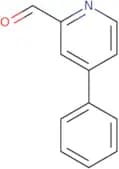
CAS:Versatile small molecule scaffoldFormula:C16H14Br2O2Purity:Min. 95%Molecular weight:398.09 g/mol4-Phenylpyridine-2-carboxaldehyde
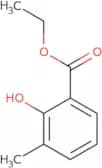
CAS:<p>4-Phenylpyridine-2-carboxaldehyde (4PA) is a crystalline compound with a molecular weight of 198.3. It has been shown to have intramolecular hydrogen bonds and intermolecular hydrogen bonds, which are responsible for the formation of the crystal structure. 4PA is most commonly found in acetone, thiourea, and other organic solvents. The diffraction data for this molecule were obtained using x-ray diffraction methods.</p>Formula:C12H9NOPurity:Min. 95%Molecular weight:183.21 g/molEthyl 2-hydroxy-3-methylbenzoate
CAS:<p>Ethyl 2-hydroxy-3-methylbenzoate is an organic compound with the chemical formula CH3COCH2CH(OH)COOH. It is a colorless liquid that is soluble in alcohol, ether, and chloroform. It has been used as a precursor to salicylic acid and other compounds with similar function. This product can be synthesized by cyclization of enol ethers with acid derivatives or by cyclization of alkyl phenols with anhydrides. Cyclization reactions are efficient, requiring only a few steps and high temperatures. Salicylic acid can also be obtained from ethyl 2-hydroxy-3-methylbenzoate via hydrolysis of the ester group, which then undergoes decarboxylation to form salicylic acid.</p>Formula:C10H12O3Purity:Min. 95%Molecular weight:180.2 g/mol2-(2-Hydroxy-ethoxy)-benzoic acid
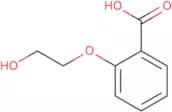
CAS:<p>2-(2-Hydroxy-ethoxy)-benzoic acid is a semicrystalline solid with a melting point at about 220°C. It has a concentration range of 0.5 to 10% and a molecular weight of 192.2 g/mol. 2-(2-Hydroxy-ethoxy)-benzoic acid has been used as an additive in polymers and copolymers, lowering the transition temperature of the polymer or copolymer. The compound has also been used as an intermediate in the synthesis of other compounds such as amorphous polymers, polycaprolactone, and polyesters. 2-(2-Hydroxy-ethoxy)-benzoic acid is an organic compound that belongs to the group of benzoic acids and can be synthesized by reacting ethylene glycol with phthalic anhydride.</p>Formula:C9H10O4Purity:Min. 95%Molecular weight:182.17 g/mol6-Methyl-1H,2H,3H-pyrazolo[1,5-a]imidazole
CAS:<p>Versatile small molecule scaffold</p>Formula:C6H9N3Purity:Min. 95%Molecular weight:123.16 g/mol2-(4-Formylphenyl)acetonitrile
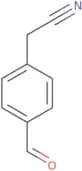
CAS:<p>2-(4-Formylphenyl)acetonitrile is a nucleophilic solvent that can react with benzyl alcohol in the liquid phase. It is used to produce benzaldehyde and toluene by hydrogenating benzyl alcohol. 2-(4-Formylphenyl)acetonitrile has a constant boiling point, which makes it useful for adsorption. It also reacts with hydrogen in the presence of a catalyst to produce benzylamine and hydrogen gas. The kinetic study of this reaction has shown that it follows first order kinetics.</p>Formula:C9H7NOPurity:Min. 95%Molecular weight:145.16 g/mol3-Bromo-1-(propan-2-yl)piperidin-2-one
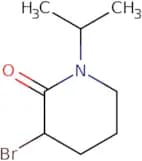
CAS:Versatile small molecule scaffoldFormula:C8H14BrNOPurity:Min. 95%Molecular weight:220.11 g/mol1-(Azidomethyl)naphthalene
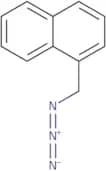
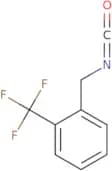
CAS:<p>Versatile small molecule scaffold</p>Formula:C11H9N3Purity:Min. 95%Molecular weight:183.21 g/mol1-(Isocyanatomethyl)-2-(trifluoromethyl)benzene
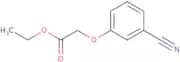
CAS:<p>Versatile small molecule scaffold</p>Formula:C9H6F3NOPurity:Min. 95%Molecular weight:201.14 g/molEthyl 2-(3-cyanophenoxy)acetate
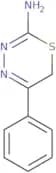
CAS:<p>Versatile small molecule scaffold</p>Formula:C11H11NO3Purity:Min. 95%Molecular weight:205.21 g/mol5-Phenyl-6H-1,3,4-thiadiazin-2-amine
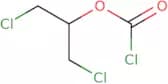
CAS:<p>Phenyl-6H-1,3,4-thiadiazin-2-amine is a bidentate ligand that has been used in analyses to study the binding of various substances. It is a phenolic compound with an azomethine group and nitrogen atoms. Phenyl-6H-1,3,4-thiadiazin-2-amine can be synthesized by reacting 1,5-diaminonaphthalene with 2,6-dihydroxyphenol. This reaction can be followed by elemental analysis and elemental identification. Phenyl-6H-1,3,4-thiadiazin-2 amine also has magnetic properties and phenolic oxygen. It displays thermogravimetric properties that can be analyzed using a TGA instrument. The electronic spectra of this substance can also be analyzed using UV/Vis spectroscopy or NMR spectroscopy. Phenyl-[H]-</p>Formula:C9H9N3SPurity:Min. 95%Molecular weight:191.26 g/mol1,3-Dichloropropan-2-yl chloroformate
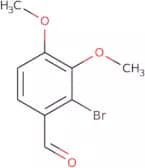
CAS:<p>Versatile small molecule scaffold</p>Formula:C4H5Cl3O2Purity:Min. 95%Molecular weight:191.44 g/mol2-Bromo-3,4-dimethoxybenzaldehyde
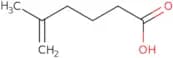
CAS:2-Bromo-3,4-dimethoxybenzaldehyde (BDMB) is a fluorescent aldehyde that can be used as an analog for 2,4-dinitrofluorobenzene. It has been shown to have cytotoxic effects on cancer cells. BDMB binds to microtubules and inhibits their polymerization and depolymerization, preventing the formation of the cytoskeleton in the cell. This leads to cell death by apoptosis. The affinity of BDMB for microtubules is much higher than its affinity for other cellular components. BDMB also has been shown to inhibit DNA synthesis in cancer cells through inhibition of RNA polymerase II transcription.Formula:C9H9BrO3Purity:Min. 95%Molecular weight:245.07 g/mol5-Methyl-5-hexenoic acid
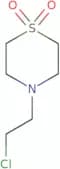
CAS:<p>5-Methyl-5-hexenoic acid is a synthetic chemical that can be used as a marker for biochemical pathways. It is synthesized from hydrochloric acid and boron trifluoride etherate, which are heated together at 130°C until all the HCI has been evaporated. 5-Methyl-5-hexenoic acid is then reacted with an amide to produce a fatty acid. Oxazolidinones are often used to synthesize this compound, although it can also be made through dehydrating and anhydrous sodium chloride. The product contains impurities and diastereomers that must be removed before it can be used in the manufacture of pharmaceuticals.</p>Formula:C7H12O2Purity:Min. 95%Molecular weight:128.17 g/mol4-(2-Chloroethyl)thiomorpholine 1,1-dioxide
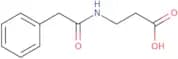
CAS:<p>Versatile small molecule scaffold</p>Formula:C6H12ClNO2SPurity:Min. 95%Molecular weight:197.68 g/mol3-(2-Phenylacetamido)propanoic acid
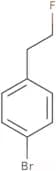
CAS:<p>Versatile small molecule scaffold</p>Formula:C11H13NO3Purity:Min. 95%Molecular weight:207.23 g/mol1-Bromo-4-(2-fluoroethyl)benzene
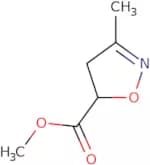
CAS:<p>Versatile small molecule scaffold</p>Formula:C8H8BrFPurity:Min. 95%Molecular weight:203.05 g/molMethyl 3-methyl-4,5-dihydro-1,2-oxazole-5-carboxylate
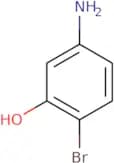
CAS:Methyl 3-methyl-4,5-dihydro-1,2-oxazole-5-carboxylate (MMDC) is a heterocyclic compound that is used as a raw material for the production of various chemicals. It can be used to produce aniline and acetaldehyde. MMDC is also used in the synthesis of other heterocyclic compounds, such as methyl 2-(3,4-dimethoxybenzoyl)-1H-imidazole-5-carboxylate. This chemical has been found to be an effective inhibitor of bacterial nitrite reductase activity.Formula:C6H9NO3Purity:Min. 95%Molecular weight:143.14 g/mol5-Amino-2-bromophenol
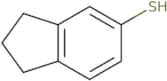
CAS:<p>Versatile small molecule scaffold</p>Formula:C6H6BrNOPurity:Min. 95%Molecular weight:188.02 g/mol2,3-Dihydro-1H-indene-5-thiol
CAS:<p>Versatile small molecule scaffold</p>Formula:C9H10SPurity:Min. 95%Molecular weight:150.24 g/molPyrido[3',2':4,5]thieno[3,2-d]pyrimidin-4(3H)-one
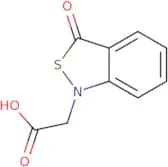
CAS:<p>Versatile small molecule scaffold</p>Formula:C9H5N3OSPurity:Min. 95%Molecular weight:203.22 g/mol2-(3-Oxo-1,3-dihydro-2,1-benzothiazol-1-yl)acetic acid
CAS:Versatile small molecule scaffoldFormula:C9H7NO3SPurity:Min. 95%Molecular weight:209.22 g/mol2-[(4-Bromophenyl)amino]ethan-1-ol
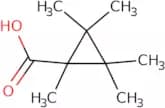
CAS:<p>Versatile small molecule scaffold</p>Formula:C8H10BrNOPurity:Min. 95%Molecular weight:216.07 g/molPentamethylcyclopropane-1-carboxylic acid
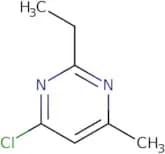
CAS:<p>Versatile small molecule scaffold</p>Formula:C9H16O2Purity:Min. 95%Molecular weight:156.22 g/mol4-Chloro-2-ethyl-6-methylpyrimidine
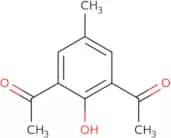
CAS:<p>Versatile small molecule scaffold</p>Formula:C7H9ClN2Purity:Min. 95%Molecular weight:156.61 g/mol1,1'-(2-Hydroxy-5-methyl-1,3-phenylene)diethanone
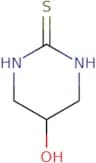
CAS:1,1'-(2-Hydroxy-5-methyl-1,3-phenylene)diethanone is a dioxime ligand that binds to metal ions in a stereochemical fashion. This compound has been shown to bind to the Fe ion and to undergo an intramolecular hydrogen transfer reaction. 1,1'-(2-Hydroxy-5-methyl-1,3-phenylene)diethanone has also been used as a macrocycle that can be assembled into supramolecular structures with metal ions. This molecule is magnetic and its magnetic properties have been studied by electrochemical methods.Formula:C11H12O3Purity:Min. 95%Molecular weight:192.21 g/mol5-Hydroxy-1,3-diazinane-2-thione
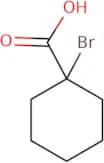
CAS:<p>Versatile small molecule scaffold</p>Formula:C4H8N2OSPurity:Min. 95%Molecular weight:132.19 g/mol1-Bromocyclohexanecarboxylic acid
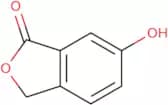
CAS:<p>1-Bromocyclohexanecarboxylic acid is a member of the class of organic compounds known as carboxylic acids. It is an oxygenated compound that contains the carboxyl group (-COOH). It has been used to synthesize a number of other organic compounds. 1-Bromocyclohexanecarboxylic acid also reacts with metal salt to form phosphine, which can be used as a reducing agent in organic reactions. The conformation and reactivity of 1-bromocyclohexane can be predicted using theory and calculations. Hydrocarbon groups are added by diisocyanate, which react with hydrocarbon catalytically to produce benzene. This reaction can be used for analgesic or carbamate production.</p>Formula:C7H11BrO2Purity:Min. 95%Molecular weight:207.06 g/mol6-Hydroxy-1,3-dihydro-2-benzofuran-1-one
CAS:<p>Versatile small molecule scaffold</p>Formula:C8H6O3Purity:Min. 95%Molecular weight:150.13 g/molBenzyl[(4-bromophenyl)methyl]amine
CAS:Versatile small molecule scaffoldFormula:C14H14BrNPurity:Min. 95%Molecular weight:276.17 g/molBenzyl[(4-methylphenyl)methyl]amine
CAS:<p>Versatile small molecule scaffold</p>Formula:C15H17NPurity:Min. 95%Molecular weight:211.3 g/mol4-[(Benzylamino)methyl]-N,N-dimethylaniline
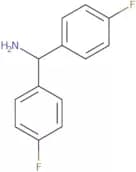
CAS:<p>Versatile small molecule scaffold</p>Formula:C16H20N2Purity:Min. 95%Molecular weight:240.34 g/molBis(4-fluorophenyl)methanamine
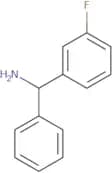
CAS:<p>Versatile small molecule scaffold</p>Formula:C13H11F2NPurity:Min. 95%Molecular weight:219.23 g/mol(3-Fluorophenyl)(phenyl)methanamine
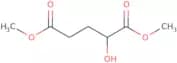
CAS:<p>Versatile small molecule scaffold</p>Formula:C13H12FNPurity:Min. 95%Molecular weight:201.24 g/mol1,5-Dimethyl (2S)-2-hydroxypentanedioate
CAS:<p>Versatile small molecule scaffold</p>Formula:C7H12O5Purity:Min. 95%Molecular weight:176.17 g/mol[1-(3,4-Dimethoxyphenyl)cyclohexyl]methanamine
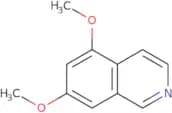
CAS:<p>Versatile small molecule scaffold</p>Formula:C15H23NO2Purity:Min. 95%Molecular weight:249.35 g/mol5,7-Dimethoxyisoquinoline
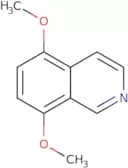
CAS:<p>Versatile small molecule scaffold</p>Formula:C11H11NO2Purity:Min. 95%Molecular weight:189.21 g/mol5,8-Dimethoxyisoquinoline
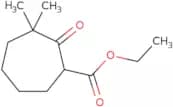
CAS:Versatile small molecule scaffoldFormula:C11H11NO2Purity:Min. 95%Molecular weight:189.21 g/molEthyl 3,3-dimethyl-2-oxocycloheptane-1-carboxylate
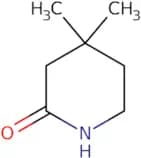
CAS:<p>Versatile small molecule scaffold</p>Formula:C12H20O3Purity:Min. 95%Molecular weight:212.28 g/mol4,4-Dimethylpiperidin-2-one
CAS:<p>Versatile small molecule scaffold</p>Formula:C7H13NOPurity:Min. 95%Molecular weight:127.18 g/mol4-Chloro-thieno[3,2-c]pyridine-7-carboxamide
CAS:<p>Versatile small molecule scaffold</p>Formula:C8H5ClN2OSPurity:Min. 95%Molecular weight:212.66 g/mol4-Chlorothieno[3,2-c]pyridine-7-carboxylic acid
CAS:<p>Versatile small molecule scaffold</p>Formula:C8H4ClNO2SPurity:Min. 95%Molecular weight:213.64 g/mol2-[(Quinazolin-4-yl)amino]acetamide
CAS:<p>Versatile small molecule scaffold</p>Formula:C10H10N4OPurity:Min. 95%Molecular weight:202.21 g/mol2-[(Quinazolin-4-yl)amino]acetic acid
CAS:<p>Versatile small molecule scaffold</p>Formula:C10H9N3O2Purity:Min. 95%Molecular weight:203.2 g/mol3-(Diethylphosphoryl)aniline
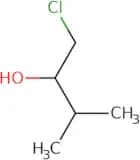
CAS:<p>Versatile small molecule scaffold</p>Formula:C10H16NOPPurity:Min. 95%Molecular weight:197.2 g/mol1-Chloro-3-methylbutan-2-ol
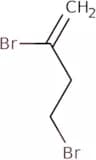
CAS:<p>Versatile small molecule scaffold</p>Formula:C5H11ClOPurity:Min. 95%Molecular weight:122.59 g/mol2,4-Dibromobut-1-ene
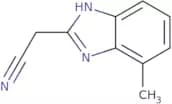
CAS:<p>2,4-Dibromobut-1-ene is a dihedral molecule that is used as an intermediate in the synthesis of other compounds. The highest serum levels are seen in infants and rationalized to protonation of the tertiary butyl group. Dehydration leads to formation of a high yield via alkylation with long-term exposure. 2,4-Dibromobut-1-ene has been shown to be an antineoplastic drug that inhibits cell growth by binding to electron deficient positions on DNA molecules. This causes nucleic acid strand breakage and inhibition of DNA synthesis, leading to cell death.</p>Formula:C4H6Br2Purity:Min. 95%Molecular weight:213.9 g/mol2-(4-methyl-1H-1,3-benzodiazol-2-yl)acetonitrile
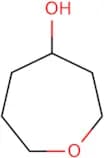
CAS:Versatile small molecule scaffoldFormula:C10H9N3Purity:Min. 95%Molecular weight:171.19 g/molOxepan-4-ol
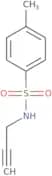
CAS:<p>Versatile small molecule scaffold</p>Formula:C6H12O2Purity:Min. 95%Molecular weight:116.16 g/mol4-Methyl-N-(prop-2-yn-1-yl)benzenesulfonamide
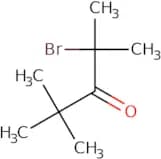
CAS:<p>4-Methyl-N-(prop-2-yn-1-yl)benzenesulfonamide is a chiral, isopropyl substituted sulfonamide that has been synthesized by a palladium-catalyzed coupling reaction. It is an example of a biomolecular catalyst that has been shown to have the ability to catalyze the formation of chlorides, terminal alkynes and formyl groups. The crystal structure of this compound has been determined by X-ray diffraction and it was found to be composed of two molecules in the asymmetric unit with one molecule being disordered. 4-Methylbenzenesulfonamide is also an alkylating agent and can react with amines and amides to form cinchona alkaloid derivatives.</p>Formula:C10H11NO2SPurity:Min. 95%Molecular weight:209.27 g/mol2-Bromo-2,4,4-trimethylpentan-3-one
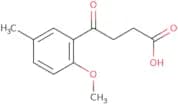
CAS:<p>Versatile small molecule scaffold</p>Formula:C8H15BrOPurity:Min. 95%Molecular weight:207.11 g/mol4-(2-Methoxy-5-methyl-phenyl)-4-oxo-butyric acid
CAS:Versatile small molecule scaffoldFormula:C12H14O4Purity:Min. 95%Molecular weight:222.24 g/mol[1-(4-Biphenylyl)ethyl]amine hydrochloride
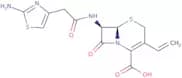
CAS:<p>Versatile small molecule scaffold</p>Formula:C14H16ClNPurity:Min. 95%Molecular weight:233.73 g/molCefdinir related compound B
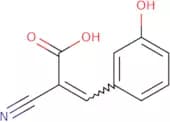
CAS:Please enquire for more information about Cefdinir related compound B including the price, delivery time and more detailed product information at the technical inquiry form on this pageFormula:C14H14N4O4S2Purity:Min. 95%Molecular weight:366.42 g/molalpha-Cyano-3-hydroxycinnamic acid
CAS:<p>alpha-Cyano-3-hydroxycinnamic acid is a mitochondrial matrix analog that has been shown to inhibit the uptake of carnitine, glutamate, and branched-chain amino acids. This compound also inhibits the activity of glyceraldehyde-3-phosphate dehydrogenase and dodecyl CoA dehydrogenase, which are enzymes involved in the production of cellular energy. alpha-Cyano-3-hydroxycinnamic acid also inhibits the synthesis of mitochondrial DNA and RNA. The compound binds to the enzyme succinate dehydrogenase, inhibiting its function. This inhibition leads to a decrease in cellular energy production and an increase in oxidative stress.</p>Formula:C10H7NO3Purity:Min. 95%Color and Shape:PowderMolecular weight:189.17 g/mol1-(2-Chlorophenyl)-2-(2H-tetrazol-2-yl)ethanone
CAS:<p>Please enquire for more information about 1-(2-Chlorophenyl)-2-(2H-tetrazol-2-yl)ethanone including the price, delivery time and more detailed product information at the technical inquiry form on this page</p>Formula:C9H7ClN4OPurity:Min. 95%Molecular weight:222.63 g/molCinidon ethyl
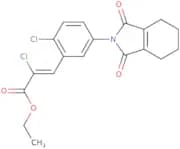
CAS:Please enquire for more information about Cinidon ethyl including the price, delivery time and more detailed product information at the technical inquiry form on this pageFormula:C19H17Cl2NO4Purity:Min. 95%Color and Shape:PowderMolecular weight:394.2 g/mol2-Chloro-10-[3-[[3-(dimethylamino)propyl]methylamino]propyl]phenothiazine dihydrochloride
CAS:<p>Please enquire for more information about 2-Chloro-10-[3-[[3-(dimethylamino)propyl]methylamino]propyl]phenothiazine dihydrochloride including the price, delivery time and more detailed product information at the technical inquiry form on this page</p>Formula:C21H28ClN3S•(HCl)2Purity:Min. 95%Molecular weight:462.91 g/mol5-Chloro-4-methylpyrimidine
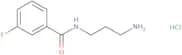
CAS:<p>Please enquire for more information about 5-Chloro-4-methylpyrimidine including the price, delivery time and more detailed product information at the technical inquiry form on this page</p>Formula:C5H5ClN2Purity:Min. 95%Molecular weight:128.56 g/molN-(3-Aminopropyl)-3-fluorobenzamide hydrochloride
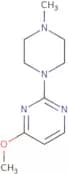
CAS:Versatile small molecule scaffoldFormula:C10H14ClFN2OPurity:Min. 95%Molecular weight:232.68 g/mol4-Methoxy-2-(4-methylpiperazin-1-yl)pyrimidine
CAS:Versatile small molecule scaffoldFormula:C10H16N4OPurity:Min. 95%Molecular weight:208.26 g/mol6-[(3-Methoxyphenyl)methyl]-4-methyl-5H,6H-[1,2]diazolo[3,4-c]pyrazol-3-amine
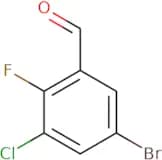
CAS:<p>Versatile small molecule scaffold</p>Formula:C13H15N5OPurity:Min. 95%Molecular weight:257.29 g/mol5-bromo-3-chloro-2-fluorobenzaldehyde
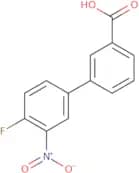
CAS:<p>Versatile small molecule scaffold</p>Formula:C7H3BrClFOPurity:Min. 95%Molecular weight:237.5 g/mol4'-Fluoro-3'-nitrobiphenyl-3-carboxylic acid
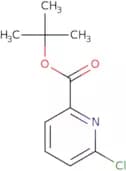
CAS:Versatile small molecule scaffoldFormula:C13H8FNO4Purity:Min. 95%Molecular weight:261.21 g/moltert-Butyl 6-chloropicolinate
CAS:<p>Versatile small molecule scaffold</p>Formula:C10H12ClNO2Purity:Min. 95%Molecular weight:213.66 g/mol2-[2-(Diphenylmethoxy)acetamido]-2-phenylacetamide
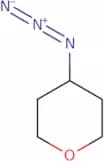
CAS:Versatile small molecule scaffoldFormula:C23H22N2O3Purity:Min. 95%Molecular weight:374.4 g/mol4-Azidooxane
CAS:Versatile small molecule scaffoldFormula:C5H9N3OPurity:Min. 95%Molecular weight:127.1 g/mol3-Amino-2-(4-methoxyphenyl)propan-1-ol hydrochloride
CAS:Versatile small molecule scaffoldFormula:C10H16ClNO2Purity:Min. 95%Molecular weight:217.69 g/mol3-Amino-2-(4-fluorophenyl)propan-1-ol hydrochloride
CAS:Versatile small molecule scaffoldFormula:C9H13ClFNOPurity:Min. 95%Molecular weight:205.66 g/mol2-Bromo-6,7-dihydrobenzo[D]thiazol-4(5H)-one
CAS:Versatile small molecule scaffoldFormula:C7H6BrNOSPurity:Min. 95%Molecular weight:232.1 g/mol1-(2-Bromo-5-methyl-1,3-thiazol-4-yl)ethan-1-one
CAS:<p>Versatile small molecule scaffold</p>Formula:C6H6BrNOSPurity:Min. 95%Molecular weight:220.09 g/mol4-Amino-2-cyclopropyl-2,3-dihydro-1H-isoindol-1-one
CAS:<p>Versatile small molecule scaffold</p>Formula:C11H12N2OPurity:Min. 95%Molecular weight:188.23 g/molEthyl 2-[3-(trifluoromethyl)phenoxy]propanoate
CAS:Versatile small molecule scaffoldFormula:C12H13F3O3Purity:Min. 95%Molecular weight:262.22 g/molMethyl 2-[3,5-dimethyl-1-(pyridin-2-yl)-1H-pyrazol-4-yl]propanoate
CAS:Versatile small molecule scaffoldFormula:C14H17N3O2Purity:Min. 95%Molecular weight:259.3 g/mol(1S)-1-[3-(Benzyloxy)phenyl]ethan-1-ol
CAS:<p>Versatile small molecule scaffold</p>Formula:C15H16O2Purity:Min. 95%Molecular weight:228.29 g/molrac-3-[(2R,6S)-2,6-Dimethylmorpholin-4-yl]propan-1-ol
CAS:Versatile small molecule scaffoldFormula:C9H19NO2Purity:Min. 95%Molecular weight:173.3 g/mol1-Phenyl-3-(piperazin-1-yl)pyrrolidin-2-one
CAS:Versatile small molecule scaffoldFormula:C14H19N3OPurity:Min. 95%Molecular weight:245.32 g/mol5-[(tert-butoxy)carbonyl]-4H,5H,6H,7H-pyrazolo[1,5-a]pyrazine-3-carboxylic acid
CAS:Versatile small molecule scaffoldFormula:C12H17N3O4Purity:Min. 95%Molecular weight:267.3 g/mol3-Isopropoxy-5-(trifluoromethyl)aniline
CAS:<p>Versatile small molecule scaffold</p>Formula:C10H12F3NOPurity:Min. 95%Molecular weight:219.21 g/molFuro[3,2-d]pyrimidin-4(3H)-one
CAS:<p>Furo[3,2-d]pyrimidin-4(3H)-one is a heterocyclic compound that has been reported to have anticoccidial properties. This compound has been shown to inhibit the growth of Eimeria tenella and Eimeria acervulina in vitro. Furo[3,2-d]pyrimidin-4(3H)-one also inhibits the synthesis of DNA in these protozoa.</p>Formula:C6H4N2O2Purity:Min. 95%Molecular weight:136.11 g/mol



![rac-[(1R,2R)-1-Amino-2,3-dihydro-1H-inden-2-yl]methanol](/_next/image/?url=https%3A%2Fstatic.cymitquimica.com%2Fproducts%2F3D%2Fthumb-webp%2FFCA27004.webp&w=3840&q=75)
![1-[(Propan-2-yl)amino]propan-2-one hydrochloride](/_next/image/?url=https%3A%2Fstatic.cymitquimica.com%2Fproducts%2F3D%2Fthumb-webp%2FFCA26840.webp&w=3840&q=75)


![3-(2-Bromophenyl)-2-[(2-bromophenyl)methyl]propanoic acid](/_next/image/?url=https%3A%2Fstatic.cymitquimica.com%2Fproducts%2F3D%2Fthumb-webp%2FFCA22323.webp&w=3840&q=75)
![6-Methyl-1H,2H,3H-pyrazolo[1,5-a]imidazole](/_next/image/?url=https%3A%2Fstatic.cymitquimica.com%2Fproducts%2F3D%2Fthumb-webp%2FFCA21175.webp&w=3840&q=75)
![Pyrido[3',2':4,5]thieno[3,2-d]pyrimidin-4(3H)-one](/_next/image/?url=https%3A%2Fstatic.cymitquimica.com%2Fproducts%2F3D%2Fthumb-webp%2FFCA11579.webp&w=3840&q=75)
![2-[(4-Bromophenyl)amino]ethan-1-ol](/_next/image/?url=https%3A%2Fstatic.cymitquimica.com%2Fproducts%2F3D%2Fthumb-webp%2FFCA11099.webp&w=3840&q=75)
![Benzyl[(4-bromophenyl)methyl]amine](/_next/image/?url=https%3A%2Fstatic.cymitquimica.com%2Fproducts%2F3D%2Fthumb-webp%2FFCA09689.webp&w=3840&q=75)
![Benzyl[(4-methylphenyl)methyl]amine](/_next/image/?url=https%3A%2Fstatic.cymitquimica.com%2Fproducts%2F3D%2Fthumb-webp%2FFCA09686.webp&w=3840&q=75)
![4-[(Benzylamino)methyl]-N,N-dimethylaniline](/_next/image/?url=https%3A%2Fstatic.cymitquimica.com%2Fproducts%2F3D%2Fthumb-webp%2FFCA09685.webp&w=3840&q=75)
![[1-(3,4-Dimethoxyphenyl)cyclohexyl]methanamine](/_next/image/?url=https%3A%2Fstatic.cymitquimica.com%2Fproducts%2F3D%2Fthumb-webp%2FFCA09270.webp&w=3840&q=75)
![4-Chloro-thieno[3,2-c]pyridine-7-carboxamide](/_next/image/?url=https%3A%2Fstatic.cymitquimica.com%2Fproducts%2F3D%2Fthumb-webp%2FFCA04049.webp&w=3840&q=75)
![4-Chlorothieno[3,2-c]pyridine-7-carboxylic acid](/_next/image/?url=https%3A%2Fstatic.cymitquimica.com%2Fproducts%2F3D%2Fthumb-webp%2FFCA04048.webp&w=3840&q=75)
![2-[(Quinazolin-4-yl)amino]acetamide](/_next/image/?url=https%3A%2Fstatic.cymitquimica.com%2Fproducts%2F3D%2Fthumb-webp%2FFCA04021.webp&w=3840&q=75)
![2-[(Quinazolin-4-yl)amino]acetic acid](/_next/image/?url=https%3A%2Fstatic.cymitquimica.com%2Fproducts%2F3D%2Fthumb-webp%2FFCA04011.webp&w=3840&q=75)
![[1-(4-Biphenylyl)ethyl]amine hydrochloride](/_next/image/?url=https%3A%2Fstatic.cymitquimica.com%2Fproducts%2F3D%2Fthumb-webp%2FFCA00532.webp&w=3840&q=75)
![2-Chloro-10-[3-[[3-(dimethylamino)propyl]methylamino]propyl]phenothiazine dihydrochloride](/_next/image/?url=https%3A%2Fstatic.cymitquimica.com%2Fproducts%2F3D%2Fthumb-webp%2FFC183794.webp&w=3840&q=75)

![6-[(3-Methoxyphenyl)methyl]-4-methyl-5H,6H-[1,2]diazolo[3,4-c]pyrazol-3-amine](/_next/image/?url=https%3A%2Fstatic.cymitquimica.com%2Fproducts%2F3D%2Fthumb-webp%2FFBC80428.webp&w=3840&q=75)
![2-[2-(Diphenylmethoxy)acetamido]-2-phenylacetamide](/_next/image/?url=https%3A%2Fstatic.cymitquimica.com%2Fproducts%2F3D%2Fthumb-webp%2FFBC77910.webp&w=3840&q=75)


![2-Bromo-6,7-dihydrobenzo[D]thiazol-4(5H)-one](/_next/image/?url=https%3A%2Fstatic.cymitquimica.com%2Fproducts%2F3D%2Fthumb-webp%2FFBC70398.webp&w=3840&q=75)


![Ethyl 2-[3-(trifluoromethyl)phenoxy]propanoate](/_next/image/?url=https%3A%2Fstatic.cymitquimica.com%2Fproducts%2F3D%2Fthumb-webp%2FFBC67340.webp&w=3840&q=75)
![Methyl 2-[3,5-dimethyl-1-(pyridin-2-yl)-1H-pyrazol-4-yl]propanoate](/_next/image/?url=https%3A%2Fstatic.cymitquimica.com%2Fproducts%2F3D%2Fthumb-webp%2FFBC67316.webp&w=3840&q=75)
![(1S)-1-[3-(Benzyloxy)phenyl]ethan-1-ol](/_next/image/?url=https%3A%2Fstatic.cymitquimica.com%2Fproducts%2F3D%2Fthumb-webp%2FFBC59141.webp&w=3840&q=75)
![rac-3-[(2R,6S)-2,6-Dimethylmorpholin-4-yl]propan-1-ol](/_next/image/?url=https%3A%2Fstatic.cymitquimica.com%2Fproducts%2F3D%2Fthumb-webp%2FFBC56571.webp&w=3840&q=75)

![5-[(tert-butoxy)carbonyl]-4H,5H,6H,7H-pyrazolo[1,5-a]pyrazine-3-carboxylic acid](/_next/image/?url=https%3A%2Fstatic.cymitquimica.com%2Fproducts%2F3D%2Fthumb-webp%2FFBC21448.webp&w=3840&q=75)

![Furo[3,2-d]pyrimidin-4(3H)-one](/_next/image/?url=https%3A%2Fstatic.cymitquimica.com%2Fproducts%2F3D%2Fthumb-webp%2FFBB25508.webp&w=3840&q=75)