Building Blocks
This section contains fundamental products for the synthesis of organic and biological compounds. Building blocks are the essential starting materials used to construct complex molecules through various chemical reactions. They play a critical role in drug discovery, material science, and chemical research. At CymitQuimica, we offer a diverse range of high-quality building blocks to support your innovative research and industrial projects, ensuring you have the essential components for successful synthesis.
Subcategories of "Building Blocks"
- Boronic Acids & Boronic Acid Derivatives(5,756 products)
- Chiral Building Blocks(1,242 products)
- Hydrocarbon Building Blocks(6,095 products)
- Organic Building Blocks(61,055 products)
Found 199650 products of "Building Blocks"
Sort by
Purity (%)
0
100
|
0
|
50
|
90
|
95
|
100
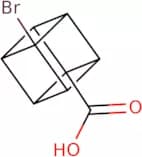
8-Bromocubane-1-carboxylic acid
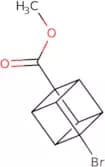
CAS:<p>Versatile small molecule scaffold</p>Formula:C9H7BrO2Purity:Min. 95%Molecular weight:227.05 g/molMethyl (1S,2R,3R,8S)-4-bromocubane-1-carboxylate
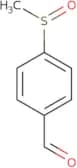
CAS:<p>Methyl (1S,2R,3R,8S)-4-bromocubane-1-carboxylate is an experimental compound that has been shown to produce efficient crystallization of various organic compounds. It is a vicinal difunctional reagent with the carbonyl group on one end and the fluorine atom at the other. It is an X-ray sensitive substance and can be used for x-ray diffraction studies. This compound is also useful for preparing carbonyl fluorides. Methyl (1S,2R,3R,8S)-4-bromocubane-1-carboxylate can be used in crystallography studies because it forms well defined crystals in space groups P21/n and P21/c.</p>Formula:C10H9BrO2Purity:Min. 95%Molecular weight:241.08 g/mol4-Methanesulfinylbenzaldehyde
CAS:<p>4-Methanesulfinylbenzaldehyde is an antiinflammatory agent that inhibits the production of prostaglandin E2 (PGE2) by inhibiting the conversion of arachidonic acid to PGE2. It also has antioxidant properties, which may be due to its ability to inhibit peroxide oxidation. 4-Methanesulfinylbenzaldehyde is used in the treatment of inflammatory skin diseases such as atopic dermatitis, acne vulgaris and psoriasis.</p>Formula:C8H8O2SPurity:Min. 95%Molecular weight:168.21 g/mol1-Methyl-2,6,7-trioxabicyclo[2.2.2]octan-4-amine
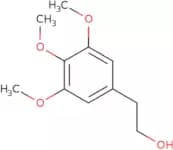
CAS:<p>Versatile small molecule scaffold</p>Formula:C6H11NO3Purity:Min. 95%Molecular weight:145.16 g/mol2-(3,4,5-Trimethoxyphenyl)ethanol
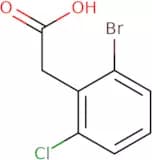
CAS:Controlled Product<p>2-(3,4,5-Trimethoxyphenyl)ethanol is a conjugate of 3,4,5-trimethoxybenzaldehyde and ethanol. It has shown in vitro antifungal activity against Candida strains and antibacterial activity against Escherichia coli and Staphylococcus aureus. 2-(3,4,5-Trimethoxyphenyl)ethanol can be used as an antifungal agent in the treatment of fungal infections. It has also been shown to act as an acetoacetate receptor for the conversion of acetoacetate into acetoacetyl CoA during fatty acid synthesis. This compound has also been used in the synthesis of mescaline.</p>Formula:C11H16O4Purity:Min. 95%Molecular weight:212.24 g/mol2-(2-Bromo-6-chlorophenyl)acetic acid
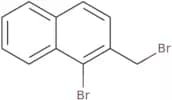
CAS:<p>Versatile small molecule scaffold</p>Formula:C8H6BrClO2Purity:Min. 95%Molecular weight:249.49 g/mol1-Bromo-2-(bromomethyl)naphthalene
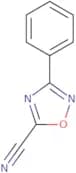
CAS:<p>1-Bromo-2-(bromomethyl)naphthalene is an organic compound that has a chiral center. It is a ligand in coordination chemistry and can be used as a starting material for the synthesis of other compounds. 1-Bromo-2-(bromomethyl)naphthalene crystallizes in the orthorhombic space group Pna21, with cell dimensions of a = 15.02 Å, b = 13.77 Å, c = 13.91 Å, α = 90°, β = 90°, γ = 90°. The molecular structure has been determined by x-ray diffraction data collected at 100 K on beamline I06 at the Advanced Photon Source synchrotron facility in Illinois. The crystal structure contains two molecules per asymmetric unit, with an approximate Z value of 2 (atoms are ordered according to their atomic numbers). One molecule is oriented parallel to</p>Formula:C11H8Br2Purity:Min. 95%Molecular weight:299.99 g/mol3-Phenyl-1,2,4-oxadiazole-5-carbonitrile
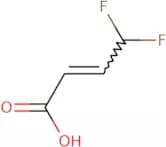
CAS:<p>Versatile small molecule scaffold</p>Formula:C9H5N3OPurity:Min. 95%Molecular weight:171.16 g/mol4,4-Difluoro-but-2-enoic acid
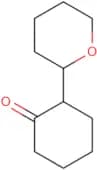
CAS:<p>Versatile small molecule scaffold</p>Formula:C4H4F2O2Purity:Min. 95%Molecular weight:122.07 g/mol2-(Oxan-2-yl)cyclohexan-1-one
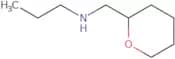
CAS:<p>Versatile small molecule scaffold</p>Formula:C11H18O2Purity:Min. 95%Molecular weight:182.3 g/mol(Oxan-2-ylmethyl)(propyl)amine
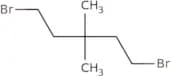
CAS:<p>Versatile small molecule scaffold</p>Formula:C9H19NOPurity:Min. 95%Molecular weight:157.25 g/mol1,5-Dibromo-3,3-dimethylpentane
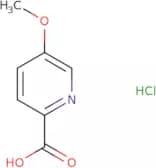
CAS:<p>Versatile small molecule scaffold</p>Formula:C7H14Br2Purity:Min. 95%Molecular weight:257.99 g/mol5-Methoxypyridine-2-carboxylic acid hydrochloride
CAS:<p>Versatile small molecule scaffold</p>Formula:C7H8ClNO3Purity:Min. 95%Molecular weight:189.59 g/mol1-[(Pyridin-3-yl)methyl]imidazolidin-2-one
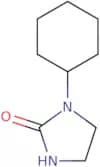
CAS:<p>Versatile small molecule scaffold</p>Formula:C9H11N3OPurity:Min. 95%Molecular weight:177.2 g/mol1-Cyclohexylimidazolidin-2-one
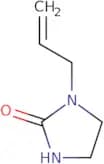
CAS:<p>Versatile small molecule scaffold</p>Formula:C9H16N2OPurity:Min. 95%Molecular weight:168.24 g/mol1-(Prop-2-en-1-yl)imidazolidin-2-one
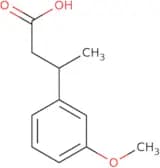
CAS:<p>Versatile small molecule scaffold</p>Formula:C6H10N2OPurity:Min. 95%Molecular weight:126.16 g/mol3-(3-Methoxyphenyl)butanoic acid
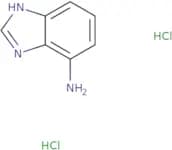
CAS:<p>Versatile small molecule scaffold</p>Formula:C11H14O3Purity:Min. 95%Molecular weight:194.23 g/mol1H-1,3-Benzodiazol-7-amine dihydrochloride
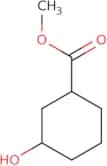
CAS:<p>Versatile small molecule scaffold</p>Formula:C7H9Cl2N3Purity:Min. 95%Molecular weight:206.07 g/molMethyl 3-hydroxycyclohexanecarboxylate
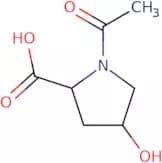
CAS:<p>Versatile small molecule scaffold</p>Formula:C8H14O3Purity:Min. 95%Molecular weight:158.19 g/mol(2R,4R)-1-Acetyl-4-hydroxypyrrolidine-2-carboxylic acid
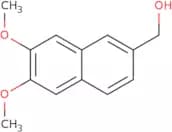
CAS:<p>Versatile small molecule scaffold</p>Formula:C7H11NO4Purity:Min. 95%Molecular weight:173.17 g/mol(6,7-Dimethoxynaphthalen-2-yl)methanol
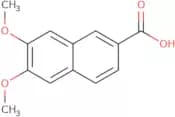
CAS:<p>Versatile small molecule scaffold</p>Formula:C13H14O3Purity:Min. 95%Molecular weight:218.25 g/mol6,7-Dimethoxynaphthalene-2-carboxylic acid
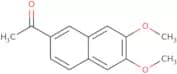
CAS:<p>Versatile small molecule scaffold</p>Formula:C13H12O4Purity:Min. 95%Molecular weight:232.23 g/mol1-(6,7-Dimethoxynaphthalen-2-yl)ethan-1-one
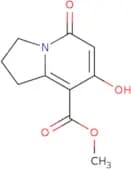
CAS:<p>Versatile small molecule scaffold</p>Formula:C14H14O3Purity:Min. 95%Molecular weight:230.26 g/molMethyl 7-hydroxy-5-oxo-1,2,3,5-tetrahydroindolizine-8-carboxylate
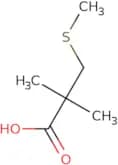
CAS:<p>Versatile small molecule scaffold</p>Formula:C10H11NO4Purity:Min. 95%Molecular weight:209.2 g/mol2,2-dimethyl-3-(methylsulfanyl)propanoic acid
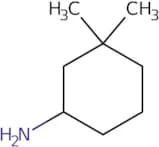
CAS:<p>Versatile small molecule scaffold</p>Formula:C6H12O2SPurity:Min. 95%Molecular weight:148.22 g/mol3,3-Dimethylcyclohexan-1-amine
CAS:<p>Versatile small molecule scaffold</p>Formula:C8H17NPurity:Min. 95%Molecular weight:127.23 g/mol4-(Benzyloxy)-3-chloro-5-methoxybenzaldehyde
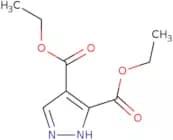
CAS:<p>Versatile small molecule scaffold</p>Formula:C15H13ClO3Purity:Min. 95%Molecular weight:276.71 g/moldiethyl 1H-pyrazole-3,4-dicarboxylate
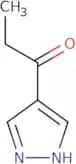
CAS:<p>Versatile small molecule scaffold</p>Formula:C9H12N2O4Purity:Min. 95%Molecular weight:212.2 g/mol1-(1H-Pyrazol-4-yl)propan-1-one
CAS:<p>Versatile small molecule scaffold</p>Formula:C6H8N2OPurity:Min. 95%Molecular weight:124.14 g/mol8-Methoxy-4,5-dihydro-1H-benzo[d]azepin-2(3H)-one
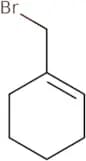
CAS:<p>Versatile small molecule scaffold</p>Formula:C11H13NO2Purity:Min. 95%Molecular weight:191.23 g/mol1-(Bromomethyl)cyclohexene
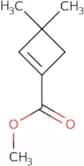
CAS:<p>1-(Bromomethyl)cyclohexene is a synthetic reagent that can be used in the preparation of homoallylic alcohols. The reaction with thionyl chloride leads to the formation of 1-(chloromethyl)cyclohexene, which has been shown to undergo rearrangements to yield cyclic alcohols. This compound is also an intermediate in the synthesis of macrocyclic compounds and can be used as a mediated agent for the synthesis of aldehydes.</p>Formula:C7H11BrPurity:Min. 95%Molecular weight:175.07 g/mol1-Cyclobutene-1-carboxylic acid, 3,3-dimethyl-, methyl ester
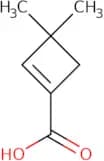
CAS:<p>Versatile small molecule scaffold</p>Formula:C8H12O2Purity:Min. 95%Molecular weight:140.18 g/mol3,3-Dimethylcyclobut-1-ene-1-carboxylic acid
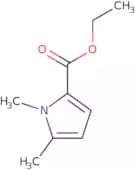
CAS:<p>Versatile small molecule scaffold</p>Formula:C7H10O2Purity:Min. 95%Molecular weight:126.16 g/molEthyl 1,5-dimethyl-1H-pyrrole-2-carboxylate
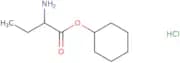
CAS:<p>Versatile small molecule scaffold</p>Formula:C9H13NO2Purity:Min. 95%Molecular weight:167.2 g/molCyclohexyl (2S)-2-aminobutanoate hydrochloride
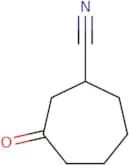
CAS:<p>Versatile small molecule scaffold</p>Formula:C10H20ClNO2Purity:Min. 95%Molecular weight:221.72 g/mol3-Oxocycloheptane-1-carbonitrile
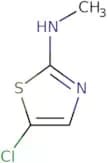
CAS:<p>Versatile small molecule scaffold</p>Formula:C8H11NOPurity:Min. 95%Molecular weight:137.18 g/mol5-Chloro-N-methyl-1,3-thiazol-2-amine
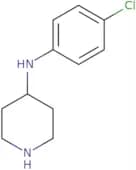
CAS:<p>Versatile small molecule scaffold</p>Formula:C4H5ClN2SPurity:Min. 95%Molecular weight:148.61 g/molN-(4-Chlorophenyl)piperidin-4-amine
CAS:Controlled Product<p>Versatile small molecule scaffold</p>Formula:C11H15ClN2Purity:Min. 95%Molecular weight:210.7 g/mol2-Chloro-4-[(methoxycarbonyl)amino]benzoic acid
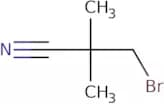
CAS:<p>Versatile small molecule scaffold</p>Formula:C9H8ClNO4Purity:Min. 95%Molecular weight:229.62 g/mol3-Bromo-2,2-dimethylpropanenitrile
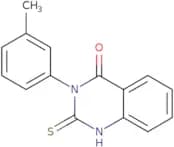
CAS:<p>Versatile small molecule scaffold</p>Formula:C5H8BrNPurity:Min. 95%Molecular weight:162.03 g/mol3-(3-Methylphenyl)-2-sulfanyl-3,4-dihydroquinazolin-4-one
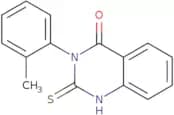
CAS:<p>Versatile small molecule scaffold</p>Formula:C15H12N2OSPurity:Min. 95%Molecular weight:268.3 g/mol3-(2-Methylphenyl)-2-sulfanyl-3,4-dihydroquinazolin-4-one
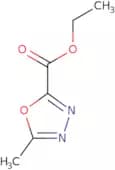
CAS:<p>Versatile small molecule scaffold</p>Formula:C15H12N2OSPurity:Min. 95%Molecular weight:268.3 g/molEthyl 5-methyl-1,3,4-oxadiazole-2-carboxylate
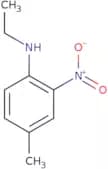
CAS:<p>Versatile small molecule scaffold</p>Formula:C6H8N2O3Purity:Min. 95%Molecular weight:156.14 g/molN-Ethyl-4-methyl-2-nitroaniline
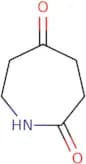
CAS:<p>Versatile small molecule scaffold</p>Formula:C9H12N2O2Purity:Min. 95%Molecular weight:180.2 g/molAzepane-2,5-dione
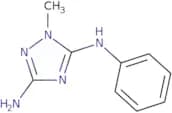
CAS:<p>Azepane-2,5-dione is a dopamine antagonist that blocks the activity of dopamine receptors by binding to them. It has been shown to antagonize the effects of dopamine in the brain and may be used for treatment of schizophrenia.</p>Formula:C6H9NO2Purity:Min. 95%Molecular weight:127.14 g/mol1-Methyl-5-N-phenyl-1H-1,2,4-triazole-3,5-diamine
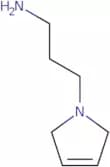
CAS:<p>Versatile small molecule scaffold</p>Formula:C9H11N5Purity:Min. 95%Molecular weight:189.22 g/mol3-(2,5-Dihydro-1H-pyrrol-1-yl)propan-1-amine
CAS:<p>Versatile small molecule scaffold</p>Formula:C7H14N2Purity:Min. 95%Molecular weight:126.2 g/mol3-Amino-3-cyclohexylpropanoic acid hydrochloride
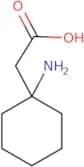
CAS:<p>Versatile small molecule scaffold</p>Purity:Min. 95%Molecular weight:207.7 g/mol(1-Aminocyclohexyl)acetic acid
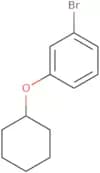
CAS:<p>(1-Aminocyclohexyl)acetic acid is a molecule that has been shown to have high cytotoxicity in the presence of hydrogen peroxide. It has been shown to be an inhibitor of β-aminoacyl-tRNA synthetase and RNA polymerase, which leads to reduced protein synthesis. The conformational properties and flipping of the cyclohexane ring have been studied using NMR spectroscopy.<br>(1-Aminocyclohexyl)acetic acid is also known as 1-aminocyclopentane carboxylic acid or ACPA.</p>Formula:C8H15NO2Purity:Min. 95%Molecular weight:157.21 g/mol1-Bromo-3-(cyclohexyloxy)benzene
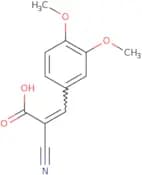
CAS:<p>Versatile small molecule scaffold</p>Formula:C12H15BrOPurity:Min. 95%Molecular weight:255.15 g/mol(2E)-2-Cyano-3-(3,4-dimethoxyphenyl)prop-2-enoic acid
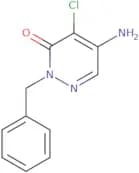
CAS:<p>Versatile small molecule scaffold</p>Formula:C12H11NO4Purity:Min. 95%Molecular weight:233.22 g/mol5-Amino-2-benzyl-4-chloro-2,3-dihydropyridazin-3-one
CAS:<p>Versatile small molecule scaffold</p>Formula:C11H10ClN3OPurity:Min. 95%Molecular weight:235.67 g/mol2-Ethyl-1-oxa-4,8-diazaspiro[4.5]decan-3-one hydrobromide
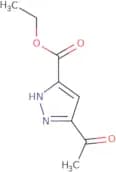
CAS:<p>Versatile small molecule scaffold</p>Formula:C9H17BrN2O2Purity:Min. 95%Molecular weight:265.15 g/mol5-Acetyl-2H-pyrazole-3-carboxylic acid ethyl ester
CAS:<p>5-Acetyl-2H-pyrazole-3-carboxylic acid ethyl ester is a potent and selective inhibitor of the enzyme carboxamide ribonucleotide transformylase (CRT). The pharmacodynamic properties of this compound are still unknown. 5-Acetyl-2H-pyrazole-3-carboxylic acid ethyl ester has been shown to inhibit tumour growth in xenograft models, but not in mice. It was also found to inhibit the proliferation of myeloproliferative cells, but not normal cells, in vitro. Further research is required to elucidate its mechanism of action and potential clinical applications.</p>Formula:C8H10N2O3Purity:Min. 95%Molecular weight:182.18 g/mol3-(2-Oxo-1,2-dihydroquinolin-3-yl)propanoic acid
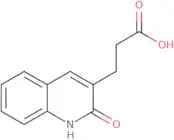
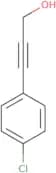
CAS:<p>Versatile small molecule scaffold</p>Formula:C12H11NO3Purity:Min. 95%Molecular weight:217.22 g/mol3-(4-Chloro-phenyl)-prop-2-yn-1-ol
CAS:<p>3-(4-Chloro-phenyl)-prop-2-yn-1-ol is a compound that can be synthesized by the reaction of 3-(4-chlorophenyl)propanal and ammonia. The reaction has been carried out in the presence of ammonium acetate, which acts as a catalyst to promote the formation of this product. This compound may be used for the synthesis of isoquinolines, which are biologically active compounds. The microwave irradiation technique is used for this synthesis to increase yields and decrease time.</p>Formula:C9H7ClOPurity:Min. 95%Molecular weight:166.6 g/mol3'-Chloro-4'-methoxyacetophenone
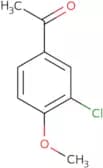
CAS:<p>3'-Chloro-4'-methoxyacetophenone (3'-CMA) is a chalcone that is used as an inhibitor of the enzyme acetylcholinesterase. It has been shown to inhibit the activity of acetylcholinesterase, which is responsible for the hydrolysis of acetylcholine. This inhibition leads to an increase in acetylcholine levels and therefore to an increase in the response time of skeletal muscle. 3'-CMA has been shown to have potentiating effects on other compounds, such as phenoxy, which are also inhibitors of acetylcholinesterase.</p>Formula:C9H9ClO2Purity:Min. 95%Molecular weight:184.62 g/molSpiro[3.4]octan-1-one
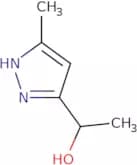
CAS:<p>Spiro[3.4]octan-1-one is an organic compound that is a 2-chloroethyl ketone. It can be prepared by the reaction of dimethyl sulfonium iodide with 2-chloroethanol. This chemical has been used as a reagent in the synthesis of polymers and pharmaceuticals.</p>Formula:C8H12OPurity:Min. 95%Molecular weight:124.18 g/mol1-(5-Methyl-1H-pyrazol-3-yl)ethan-1-ol
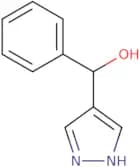
CAS:<p>Versatile small molecule scaffold</p>Formula:C6H10N2OPurity:Min. 95%Molecular weight:126.16 g/molPhenyl(1H-pyrazol-4-yl)methanol
CAS:<p>Versatile small molecule scaffold</p>Formula:C10H10N2OPurity:Min. 95%Molecular weight:174.2 g/mol6-Methoxy-3H-pyrido[2,3-b][1,4]thiazin-2-amine
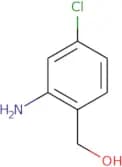
CAS:<p>Versatile small molecule scaffold</p>Formula:C8H9N3OSPurity:Min. 95%Molecular weight:195.24 g/mol(2-amino-4-chlorophenyl)methanol
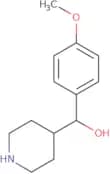
CAS:<p>Ruthenium-based catalysts can be used for the synthesis of 2-amino-4-chlorophenylmethanol. This catalyst is a sustainable, low cost, and efficient solution to many industrial chemical production problems. The catalyst utilizes magnetic nanoparticles that are inexpensive and easy to produce. It also has a short reaction time, which helps to increase efficiency. The oxidation of this compound produces hydrogen peroxide as an oxidant, which reduces the need for other oxidizing agents in the reaction.</p>Formula:C7H8ClNOPurity:Min. 95%Molecular weight:157.6 g/mol(4-Methoxyphenyl)(piperidin-4-yl)methanol
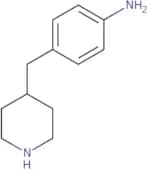
CAS:Versatile small molecule scaffoldFormula:C13H19NO2Purity:Min. 95%Molecular weight:221.29 g/mol4-(4-Aminophenylmethyl)piperidine
CAS:<p>Versatile small molecule scaffold</p>Formula:C12H18N2Purity:Min. 95%Molecular weight:190.29 g/mol4-[(2-Methoxyphenyl)methyl]piperidine hydrochloride
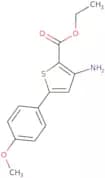
CAS:<p>Versatile small molecule scaffold</p>Formula:C13H20ClNOPurity:Min. 95%Molecular weight:241.76 g/molEthyl 3-amino-5-(4-methoxyphenyl)thiophene-2-carboxylate
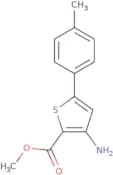
CAS:<p>Versatile small molecule scaffold</p>Formula:C14H15NO3SPurity:Min. 95%Molecular weight:277.34 g/molMethyl 3-amino-5-(4-methylphenyl)thiophene-2-carboxylate
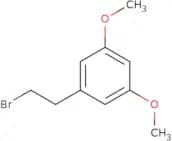
CAS:<p>Versatile small molecule scaffold</p>Formula:C13H13NO2SPurity:Min. 95%Molecular weight:247.31 g/mol1-(2-Bromoethyl)-3,5-dimethoxybenzene
CAS:<p>Versatile small molecule scaffold</p>Formula:C10H13BrO2Purity:Min. 95%Molecular weight:245.11 g/mol2-[4-(2-Aminoethyl)phenyl]acetic acid hydrochloride
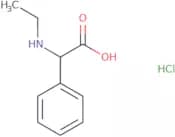
CAS:<p>Versatile small molecule scaffold</p>Formula:C10H14ClNO2Purity:Min. 95%Molecular weight:215.67 g/mol2-(Ethylamino)-2-phenylacetic acid hydrochloride
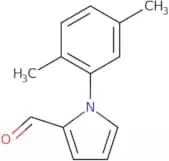
CAS:<p>Versatile small molecule scaffold</p>Formula:C10H14ClNO2Purity:Min. 95%Molecular weight:215.67 g/mol1-(2,5-Dimethylphenyl)-1H-pyrrole-2-carbaldehyde
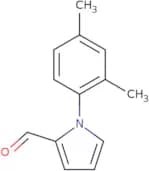
CAS:<p>Versatile small molecule scaffold</p>Formula:C13H13NOPurity:Min. 95%Molecular weight:199.25 g/mol1-(2,4-Dimethylphenyl)-1H-pyrrole-2-carbaldehyde
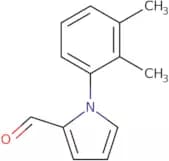
CAS:<p>Versatile small molecule scaffold</p>Formula:C13H13NOPurity:Min. 95%Molecular weight:199.25 g/mol1-(2,3-Dimethylphenyl)-1H-pyrrole-2-carbaldehyde
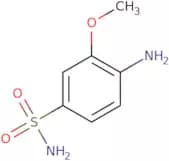
CAS:<p>Versatile small molecule scaffold</p>Formula:C13H13NOPurity:Min. 95%Molecular weight:199.25 g/mol4-Amino-3-methoxybenzene-1-sulfonamide
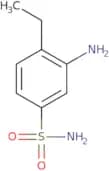
CAS:<p>Versatile small molecule scaffold</p>Formula:C7H10N2O3SPurity:Min. 95%Molecular weight:202.23 g/mol3-Amino-4-ethylbenzene-1-sulfonamide
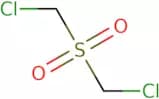
CAS:<p>Versatile small molecule scaffold</p>Formula:C8H12N2O2SPurity:Min. 95%Molecular weight:200.26 g/molChloro(chloromethanesulfonyl)methane
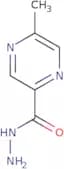
CAS:<p>Chloro(chloromethanesulfonyl)methane is a herbicide that inhibits the growth of plants by blocking the enzyme responsible for synthesizing the amino acid methionine. It is an analog of sulfometuron-methyl and metolachlor, which are also used as herbicides. Chloro(chloromethanesulfonyl)methane has been shown to be toxic to ruminants, due to its ability to block the synthesis of methionine in their gut bacteria. This drug can also produce a metabolic acidosis in some animals, which may be caused by its ability to produce sulfide from sulfur-containing amino acids.</p>Formula:C2H4Cl2O2SPurity:Min. 95%Molecular weight:163.02 g/mol5-Methylpyrazine-2-carbohydrazide
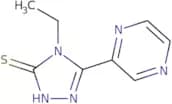
CAS:<p>5-Methylpyrazine-2-carbohydrazide is a nitro compound that has been shown to have anti-diabetic properties. It can be used as an alternative to insulin in the treatment of diabetes mellitus type 2. 5-Methylpyrazine-2-carbohydrazide has also been shown to inhibit the growth of Staphylococcus aureus, which is a bacterium responsible for causing many types of infections including pneumonia and food poisoning. 5-Methylpyrazine-2-carbohydrazide is a fluorinated chemical that contains aluminium, chlorine, and fluorine atoms. This compound is capable of forming supramolecular complexes with electron deficient species such as sulphur, selenium, or tellurium. The synthesis of 5-methylpyrazine-2-carbohydrazide requires refluxing with chloride in hydrochloric acid and protonation with sodium hydroxide.</p>Formula:C6H8N4OPurity:Min. 95%Molecular weight:152.15 g/mol4-Ethyl-5-(pyrazin-2-yl)-4H-1,2,4-triazole-3-thiol
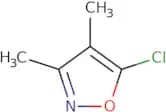
CAS:<p>Versatile small molecule scaffold</p>Formula:C8H9N5SPurity:Min. 95%Molecular weight:207.26 g/mol5-Chloro-3,4-dimethyl-1,2-oxazole
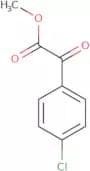
CAS:<p>Versatile small molecule scaffold</p>Formula:C5H6ClNOPurity:Min. 95%Molecular weight:131.56 g/molMethyl 2-(4-chlorophenyl)-2-oxoacetate
CAS:<p>Versatile small molecule scaffold</p>Formula:C9H7ClO3Purity:Min. 95%Molecular weight:198.6 g/mol4-Methyl-3-nitrobenzoic acid
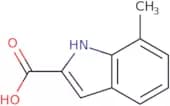
CAS:<p>4-Methyl-3-nitrobenzoic acid is a fine chemical that is used as a building block in the synthesis of complex compounds. It is often used as a reagent or speciality chemical, and it has a CAS number of 96-98-0. 4-Methyl-3-nitrobenzoic acid can be react with other chemicals to form useful intermediates or scaffolds for larger molecules. This chemical is versatile and can be used in many different reactions.</p>Formula:C8H7NO4Purity:Min. 98.0 Area-%Molecular weight:181.15 g/mol7-Methylindole-2-carboxylic acid
CAS:<p>7-Methylindole-2-carboxylic acid is a versatile building block that is used in the synthesis of complex compounds and research chemicals. It has been shown to be useful as a reagent, speciality chemical, and useful building block for the preparation of high quality materials with CAS No. 18474-60-7. 7-Methylindole-2-carboxylic acid is also an intermediate in the synthesis of some pharmaceuticals, such as amitriptyline (Tryptanol) and diazepam (Valium).</p>Formula:C10H9NO2Molecular weight:175.19 g/mol5-Methylindole
CAS:<p>5-Methylindole is a chemical that has been used as a building block in the synthesis of many complex compounds. It has been found to be useful in research due to its versatility, and it can also be used as a reaction component in the synthesis of speciality chemicals. 5-Methylindole is an intermediate for other chemical compounds, and is an important solvent for some reactions. 5-Methylindole is also used as a reagent for the production of indole derivatives.</p>Formula:C9H9NPurity:Min. 99 Area-%Molecular weight:131.18 g/molRef: 3D-M-3914
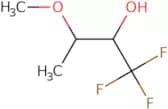
1kgTo inquire50gTo inquire100gTo inquire250gTo inquire500gTo inquire-Unit-ggTo inquire1,1,1-Trifluoro-3-methoxybutan-2-ol
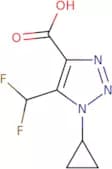
CAS:<p>Versatile small molecule scaffold</p>Formula:C5H9F3O2Purity:Min. 95%Molecular weight:158.12 g/mol1-Cyclopropyl-5-(difluoromethyl)-1H-1,2,3-triazole-4-carboxylic acid
CAS:<p>Versatile small molecule scaffold</p>Formula:C7H7F2N3O2Purity:Min. 95%Molecular weight:203.15 g/mol1-Phenyl-2-azaspiro[3.4]octane
CAS:<p>Versatile small molecule scaffold</p>Formula:C13H17NPurity:Min. 95%Molecular weight:187.28 g/mol1-(But-3-yn-1-yl)-3,3-dimethylazepane
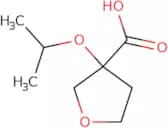
CAS:<p>Versatile small molecule scaffold</p>Formula:C12H21NPurity:Min. 95%Molecular weight:179.3 g/mol3-(Propan-2-yloxy)oxolane-3-carboxylic acid
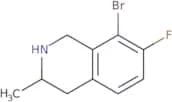
CAS:<p>Versatile small molecule scaffold</p>Formula:C8H14O4Purity:Min. 95%Molecular weight:174.19 g/mol8-Bromo-7-fluoro-3-methyl-1,2,3,4-tetrahydroisoquinoline
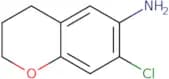
CAS:<p>Versatile small molecule scaffold</p>Formula:C10H11BrFNPurity:Min. 95%Molecular weight:244.1 g/mol7-Chloro-3,4-dihydro-2H-1-benzopyran-6-amine
CAS:<p>Versatile small molecule scaffold</p>Formula:C9H10ClNOPurity:Min. 95%Molecular weight:183.63 g/mol2-{[(9H-Fluoren-9-yl)methoxy]carbonyl}-2-azabicyclo[2.2.2]octane-6-carboxylic acid
CAS:<p>Versatile small molecule scaffold</p>Formula:C23H23NO4Purity:Min. 95%Molecular weight:377.4 g/mol3',4'-Dihydrospiro[azetidine-3,2'-[1]benzopyran]-4'-one hydrochloride
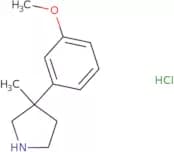
CAS:Versatile small molecule scaffoldFormula:C11H12ClNO2Purity:Min. 95%Molecular weight:225.67 g/mol3-(3-Methoxyphenyl)-3-methylpyrrolidine hydrochloride
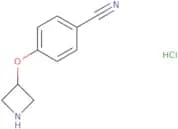
CAS:<p>Versatile small molecule scaffold</p>Formula:C12H18ClNOPurity:Min. 95%Molecular weight:227.73 g/mol4-(azetidin-3-yloxy)benzonitrile hcl
CAS:<p>Versatile small molecule scaffold</p>Formula:C10H11ClN2OPurity:Min. 95%Molecular weight:210.66 g/moltert-Butyl 3-[(2E)-3-(dimethylamino)prop-2-enoyl]azetidine-1-carboxylate
CAS:<p>Tert-butyl 3-[(2E)-3-(dimethylamino)prop-2-enoyl]azetidine-1-carboxylate (TBAC) is an inhibitor of endocannabinoid synthesis. It has been shown to be a potent and selective inhibitor of the enzyme monoacylglycerol lipase, which is responsible for the hydrolysis of the 2-arachidonoylglycerol (2AG). TBAC has been demonstrated to have proinflammatory properties, with efficacy against cellular and proinflammatory effects. This drug also inhibits lipolysis through inhibition of the enzyme phospholipase A2, thereby reducing prostaglandin production.</p>Formula:C13H22N2O3Purity:Min. 95%Molecular weight:254.33 g/mol3-(3-Fluorophenoxy)azetidine hydrochloride
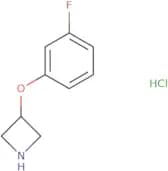
CAS:<p>Versatile small molecule scaffold</p>Formula:C9H10FNO·HClPurity:Min. 95%Molecular weight:203.64 g/mol3-(3-Chlorophenoxy)azetidine hydrochloride
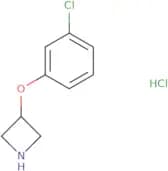
CAS:<p>Versatile small molecule scaffold</p>Formula:C9H11Cl2NOPurity:Min. 95%Molecular weight:220.09 g/mol3-(Azetidin-3-yl)pyridine dihydrochloride
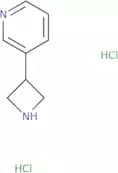
CAS:<p>Versatile small molecule scaffold</p>Formula:C8H12Cl2N2Purity:Min. 95%Molecular weight:207.1 g/mol4-(Azetidin-3-yl)pyridine dihydrochloride
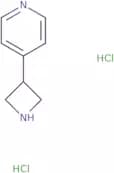
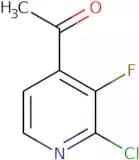
CAS:<p>Versatile small molecule scaffold</p>Formula:C8H12Cl2N2Purity:Min. 95%Molecular weight:207.1 g/mol1-(2-Chloro-3-fluoropyridin-4-yl)ethanone
CAS:<p>Versatile small molecule scaffold</p>Formula:C7H5ClFNOPurity:Min. 95%Molecular weight:173.57 g/mol

![1-Methyl-2,6,7-trioxabicyclo[2.2.2]octan-4-amine](/_next/image/?url=https%3A%2Fstatic.cymitquimica.com%2Fproducts%2F3D%2Fthumb-webp%2FMBA78752.webp&w=3840&q=75)
![1-[(Pyridin-3-yl)methyl]imidazolidin-2-one](/_next/image/?url=https%3A%2Fstatic.cymitquimica.com%2Fproducts%2F3D%2Fthumb-webp%2FMBA73290.webp&w=3840&q=75)

![8-Methoxy-4,5-dihydro-1H-benzo[d]azepin-2(3H)-one](/_next/image/?url=https%3A%2Fstatic.cymitquimica.com%2Fproducts%2F3D%2Fthumb-webp%2FMBA68206.webp&w=3840&q=75)
![2-Chloro-4-[(methoxycarbonyl)amino]benzoic acid](/_next/image/?url=https%3A%2Fstatic.cymitquimica.com%2Fproducts%2F3D%2Fthumb-webp%2FMBA65389.webp&w=3840&q=75)
![2-Ethyl-1-oxa-4,8-diazaspiro[4.5]decan-3-one hydrobromide](/_next/image/?url=https%3A%2Fstatic.cymitquimica.com%2Fproducts%2F3D%2Fthumb-webp%2FMBA62320.webp&w=3840&q=75)
![Spiro[3.4]octan-1-one](/_next/image/?url=https%3A%2Fstatic.cymitquimica.com%2Fproducts%2F3D%2Fthumb-webp%2FMBA60931.webp&w=3840&q=75)
![6-Methoxy-3H-pyrido[2,3-b][1,4]thiazin-2-amine](/_next/image/?url=https%3A%2Fstatic.cymitquimica.com%2Fproducts%2F3D%2Fthumb-webp%2FMBA59110.webp&w=3840&q=75)
![4-[(2-Methoxyphenyl)methyl]piperidine hydrochloride](/_next/image/?url=https%3A%2Fstatic.cymitquimica.com%2Fproducts%2F3D%2Fthumb-webp%2FMBA58134.webp&w=3840&q=75)
![2-[4-(2-Aminoethyl)phenyl]acetic acid hydrochloride](/_next/image/?url=https%3A%2Fstatic.cymitquimica.com%2Fproducts%2F3D%2Fthumb-webp%2FMBA56354.webp&w=3840&q=75)


![1-Phenyl-2-azaspiro[3.4]octane](/_next/image/?url=https%3A%2Fstatic.cymitquimica.com%2Fproducts%2F3D%2Fthumb-webp%2FLZC77314.webp&w=3840&q=75)
![2-{[(9H-Fluoren-9-yl)methoxy]carbonyl}-2-azabicyclo[2.2.2]octane-6-carboxylic acid](/_next/image/?url=https%3A%2Fstatic.cymitquimica.com%2Fproducts%2F3D%2Fthumb-webp%2FLZC06638.webp&w=3840&q=75)
![3',4'-Dihydrospiro[azetidine-3,2'-[1]benzopyran]-4'-one hydrochloride](/_next/image/?url=https%3A%2Fstatic.cymitquimica.com%2Fproducts%2F3D%2Fthumb-webp%2FLZB86245.webp&w=3840&q=75)
![tert-Butyl 3-[(2E)-3-(dimethylamino)prop-2-enoyl]azetidine-1-carboxylate](/_next/image/?url=https%3A%2Fstatic.cymitquimica.com%2Fproducts%2F3D%2Fthumb-webp%2FLZB86177.webp&w=3840&q=75)