Building Blocks
This section contains fundamental products for the synthesis of organic and biological compounds. Building blocks are the essential starting materials used to construct complex molecules through various chemical reactions. They play a critical role in drug discovery, material science, and chemical research. At CymitQuimica, we offer a diverse range of high-quality building blocks to support your innovative research and industrial projects, ensuring you have the essential components for successful synthesis.
Subcategories of "Building Blocks"
- Boronic Acids & Boronic Acid Derivatives(5,756 products)
- Chiral Building Blocks(1,242 products)
- Hydrocarbon Building Blocks(6,093 products)
- Organic Building Blocks(60,529 products)
Found 195536 products of "Building Blocks"
Sort by
Purity (%)
0
100
|
0
|
50
|
90
|
95
|
100
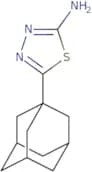
5-(Adamantan-1-yl)-1,3,4-thiadiazol-2-amine
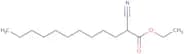
CAS:<p>Versatile small molecule scaffold</p>Formula:C12H17N3SPurity:Min. 95%Molecular weight:235.35 g/molEthyl 2-cyanododecanoate
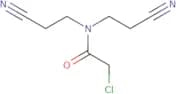
CAS:<p>Versatile small molecule scaffold</p>Formula:C15H27NO2Purity:Min. 95%Molecular weight:253.38 g/mol2-Chloro-N,N-bis(2-cyanoethyl)acetamide
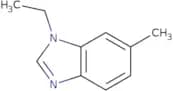
CAS:<p>Versatile small molecule scaffold</p>Formula:C8H10ClN3OPurity:Min. 95%Molecular weight:199.64 g/mol1-Ethyl-6-methyl-1H-1,3-benzodiazole
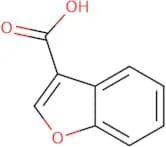
CAS:<p>Versatile small molecule scaffold</p>Formula:C10H12N2Purity:Min. 95%Molecular weight:160.22 g/molBenzofuran-3-carboxylic acid
CAS:<p>Benzofuran-3-carboxylic acid is a furan derivative with an acetyl group at the 3 position. It is used as a fungicide and has significant antifungal activity against Cryptococcus neoformans. Benzofuran-3-carboxylic acid inhibits the growth of C. neoformans by binding to its cell membrane and disrupting its function, inhibiting protein synthesis and cytoplasmic membrane function. Benzofuran-3-carboxylic acid also inhibits the production of reactive oxygen species (ROS) in cells, which may be due to its ability to inhibit phospholipase A2. This compound has been shown to have an affinity for both benzoyl derivatives and ethyl diazoacetate molecules, which can be used for molecular docking studies on the effects of this molecule on cellular functions.</p>Formula:C9H6O3Purity:Min. 95%Molecular weight:162.14 g/mol4-(Prop-2-yn-1-yloxy)aniline
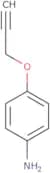
CAS:<p>4-(Prop-2-yn-1-yloxy)aniline is a monomer that is used in the production of polymers. It has been shown to have antimycobacterial and anti-influenza properties, which may be due to its function as a costimulatory molecule for T cells. 4-(Prop-2-yn-1-yloxy)aniline has shown hemolytic activity, which may be due to the presence of an alkynyl group. This compound also has photophysical properties and can be used as a nanomaterial.</p>Formula:C9H9NOPurity:Min. 95%Molecular weight:147.18 g/molrac-(1R,2S)-2-(4-Chlorophenyl)cyclopropan-1-amine hydrochloride
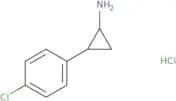
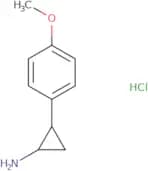
CAS:<p>Versatile small molecule scaffold</p>Formula:C9H11Cl2NPurity:Min. 95%Molecular weight:204.09 g/molrac-(1R,2S)-2-(4-Methoxyphenyl)cyclopropan-1-amine hydrochloride
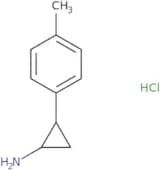
CAS:<p>Versatile small molecule scaffold</p>Formula:C10H14ClNOPurity:Min. 95%Molecular weight:199.7 g/molrac-(1R,2S)-2-(4-Methylphenyl)cyclopropan-1-amine hydrochloride
CAS:<p>Versatile small molecule scaffold</p>Formula:C10H14ClNPurity:Min. 95%Molecular weight:183.68 g/mol2-[4-(Morpholin-4-yl)phenyl]acetic acid
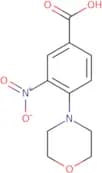
CAS:<p>Versatile small molecule scaffold</p>Formula:C12H15NO3Purity:Min. 95%Molecular weight:221.25 g/mol4-(morpholin-4-yl)-3-nitrobenzoic acid
CAS:<p>Versatile small molecule scaffold</p>Formula:C11H12N2O5Purity:Min. 95%Molecular weight:252.2 g/molThieno[2,3-b]pyridin-3-amine
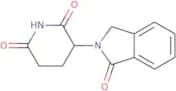
CAS:<p>Thieno[2,3-b]pyridin-3-amine is an azide that can be synthesized by the reaction of sodium azide with potassium nitrite. Thieno[2,3-b]pyridin-3-amine is a strong oxidizing agent and can react with an organic molecule to form a nitrile. The nitrile group has two resonance structures. The intramolecular version of this reaction is called the 1,3-dipolar cycloaddition and involves the formation of a five membered ring from two three membered rings. Thieno[2,3-b]pyridin-3-amine reacts with esters and carboxylates in the presence of dieckmann's reagent to form azides. The dieckmann's reagent reacts with pyridine to form nicotinic acid and ammonia water.</p>Formula:C7H6N2SPurity:Min. 95%Molecular weight:150.2 g/mol3-(1-Oxo-2,3-dihydro-1H-isoindol-2-yl)piperidine-2,6-dione
CAS:<p>3-(1-Oxo-2,3-dihydro-1H-isoindol-2-yl)piperidine-2,6-dione is a compound that inhibits the production of angiogenesis, which affects the growth and development of new blood vessels. This effect has been shown in laboratory tests on human lymphocytes and animal models for Alzheimer's disease. 3-(1-Oxo-2,3-dihydro-1H-isoindol-2-yl)piperidine-2,6-dione is metabolized to its active form by the liver and it has been shown to be safe in rats with liver microsomes. 3-(1 -Oxo - 2,3 - dihydro - 1H - isoindol - 2 - yl)piperidine - 2,6 - dione has also been found to be selective for erythropoietin receptor over the other ery</p>Formula:C13H12N2O3Purity:Min. 95%Molecular weight:244.25 g/mol2-(2-Bromoethoxy)-1,3-dichlorobenzene
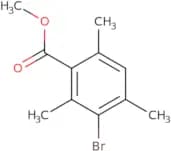
CAS:<p>Versatile small molecule scaffold</p>Formula:C8H7BrCl2OPurity:Min. 95%Molecular weight:269.95 g/molMethyl 3-bromo-2,4,6-trimethylbenzoate
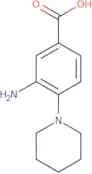
CAS:<p>Versatile small molecule scaffold</p>Formula:C11H13BrO2Purity:Min. 95%Molecular weight:257.12 g/mol3-Amino-4-piperidin-1-yl-benzoic acid
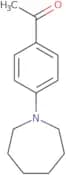
CAS:<p>Versatile small molecule scaffold</p>Formula:C12H16N2O2Purity:Min. 95%Molecular weight:220.27 g/mol1-(4-Azepan-1-ylphenyl)ethanone
CAS:<p>Versatile small molecule scaffold</p>Formula:C14H19NOPurity:Min. 95%Molecular weight:217.31 g/mol2-Phenylmalondialdehyde
CAS:<p>2-Phenylmalondialdehyde is a chemical compound that is used in the synthesis of various drugs. It is synthesized by reacting phenylacetaldehyde with hydrochloric acid, hydrogen chloride, and ferric chloride. 2-Phenylmalondialdehyde has been shown to be an effective pain model for studying the effects of proton radiation. It also has been investigated as a potential treatment for neurological diseases such as Parkinson's disease and Alzheimer's disease. This molecule reacts with dopamine to form 2-phenylethylidenehydrazine, which may have therapeutic properties for treating these diseases. The presence of two phenyl groups and a chlorine atom in the molecule allow it to bind to fatty acids, which may increase its effectiveness against neurological diseases.</p>Formula:C9H8O2Purity:Min. 95%Molecular weight:148.16 g/mol6,6-diethyl 2-oxaspiro[3.3]heptane-6,6-dicarboxylate
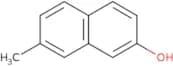
CAS:<p>Versatile small molecule scaffold</p>Formula:C12H18O5Purity:Min. 95%Molecular weight:242.27 g/mol7-Methylnaphthalen-2-ol
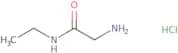
CAS:<p>Versatile small molecule scaffold</p>Formula:C11H10OPurity:Min. 95%Molecular weight:158.2 g/mol2-Amino-N-ethylacetamide hydrochloride
CAS:<p>2-Amino-N-ethylacetamide hydrochloride is a pharmaceutical formulation that belongs to the group of imidazole derivatives. It has been shown to have psychotropic and nootropic effects, in addition to being an intermediate for other drugs. 2-Amino-N-ethylacetamide hydrochloride can be used as a solvent or as an intermediate for other substances.</p>Formula:C4H11ClN2OPurity:Min. 95%Molecular weight:138.6 g/mol1-azabicyclo[2.2.2]octan-4-ylmethanol
CAS:<p>Sinensetin is an anti-inflammatory compound that belongs to the chromones class of compounds. Sinensetin has been shown to have anti-inflammatory properties at high temperatures in experimental models. The mechanism of action for sinensetin is not well understood, but it may be due to the inhibition of prostaglandin synthesis or by direct interaction with TNF-α. Sinensetin also has antioxidant and antifungal properties, which are attributed to its ability to scavenge free radicals and inhibit lipid peroxidation. Sinensetin was found in a variety of plants from China, including Acanthopanax senticosus and Eurycoma longifolia.</p>Formula:C8H15NOPurity:Min. 95%Molecular weight:141.21 g/mol1-Methyl-3-nitro-1H-1,2,4-triazole
CAS:<p>1-Methyl-3-nitro-1H-1,2,4-triazole is a potential chemical warfare agent. Its chemical formula is C6H5N3O2. It has an experimental frequency of 607.8 MHz and a vibrational constant of 0.038 (cm). This molecule has two potential energy levels for vibration:</p>Formula:C3H4N4O2Purity:Min. 95%Molecular weight:128.09 g/mol(3S,8aS)-3-Propyl-octahydropyrrolo[1,2-a]pyrazine-1,4-dione
CAS:<p>Versatile small molecule scaffold</p>Formula:C10H16N2O2Purity:Min. 95%Molecular weight:196.25 g/mol2,4-Dioxo-1,3-diazaspiro[4.5]decane-7-carboxylic acid
CAS:<p>Versatile small molecule scaffold</p>Formula:C9H12N2O4Purity:Min. 95%Molecular weight:212.2 g/mol2-[Methyl(phenyl)sulfamoyl]benzoic acid
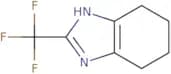
CAS:<p>Versatile small molecule scaffold</p>Formula:C14H13NO4SPurity:Min. 95%Molecular weight:291.32 g/mol2-(Trifluoromethyl)-4,5,6,7-tetrahydro-1H-1,3-benzodiazole
CAS:<p>Versatile small molecule scaffold</p>Formula:C8H9F3N2Purity:Min. 95%Molecular weight:190.17 g/mol4,5-Dihydronaphtho[2,1-d]isoxazole-3-carboxylic acid
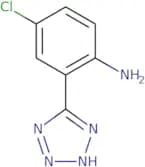
CAS:<p>Versatile small molecule scaffold</p>Formula:C12H9NO3Purity:Min. 95%Molecular weight:215.2 g/mol4-Chloro-2-(1H-1,2,3,4-tetrazol-5-yl)aniline
CAS:<p>Versatile small molecule scaffold</p>Formula:C7H6ClN5Purity:Min. 95%Molecular weight:195.61 g/mol1-(4-(Dimethylamino)phenyl)propan-1-one
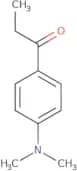
CAS:<p>1-(4-(Dimethylamino)phenyl)propan-1-one is a planar molecule with a molecular formula of C9H11NO. It has been synthesized in Australia from pyrazine and ammonium acetate. The molecule has the potential for rearrangement to form an ionic intermediate, which is similar in structure to the starting material. The mechanism of this reaction involves a transfer of hydrogen atoms from the hydroxyl group on the pyrazine to the amine group on the 1-(4-(dimethylamino)phenyl)propan-1-one. This process also results in quaternary carbon atoms that are coplanar with one another.</p>Formula:C11H15NOPurity:Min. 95%Molecular weight:177.24 g/mol5-Chloro-1-tetralone
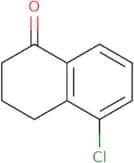
CAS:<p>5-Chloro-1-tetralone is an oxime that is used as a topical agent for the treatment of staphylococcal infections. It acts by inhibiting bacterial cell wall synthesis, preventing the formation of cross-links between the peptidoglycan chains. 5-Chloro-1-tetralone has potent antibacterial activity against many bacteria and fungi. This compound has shown to be effective against escherichia coli, pneumoniae, and imidazole derivatives. The mechanism of action is not well understood, but it may involve inhibition of protein synthesis or DNA replication by binding to enzymes involved in these processes.</p>Formula:C10H9ClOPurity:Min. 95%Molecular weight:180.63 g/mol5-Bromo-6-(trifluoromethyl)pyrimidine-2,4(1H,3H)-dione
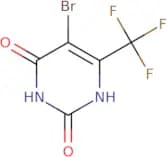
CAS:<p>Versatile small molecule scaffold</p>Formula:C5H2BrF3N2O2Purity:Min. 95%Molecular weight:258.98 g/mol3-Ethyl-1-benzofuran-2-carboxylic acid
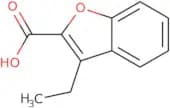
CAS:<p>Versatile small molecule scaffold</p>Formula:C11H10O3Purity:Min. 95%Molecular weight:190.19 g/mol5-Bromo-furan-2-carbonyl chloride
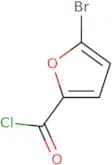
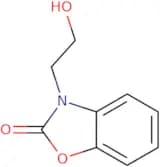
CAS:<p>5-Bromo-furan-2-carbonyl chloride is a colorless liquid that is soluble in organic solvents. It has a thionyl, polymerized odor and can be used as a feedstock for the production of amines, cyclopentadienyl, and chloride. 5-Bromo-furan-2-carbonyl chloride also has radiation damage properties and can be used in radiochemical synthesis of pyrrole. This chemical has been used to produce glycosides by reacting with diluents such as methanol and ethanol.</p>Formula:C5H2BrClO2Purity:Min. 95%Molecular weight:209.42 g/mol3-(2-Hydroxyethyl)-2,3-dihydro-1,3-benzoxazol-2-one
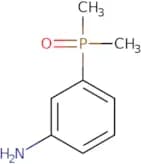
CAS:<p>Versatile small molecule scaffold</p>Formula:C9H9NO3Purity:Min. 95%Molecular weight:179.17 g/mol3-(Dimethylphosphoryl)aniline
CAS:<p>Versatile small molecule scaffold</p>Formula:C8H12NOPPurity:Min. 95%Molecular weight:169.16 g/mol1-[(2-Methylpropyl)sulfanyl]propan-2-one
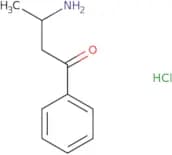
CAS:<p>Versatile small molecule scaffold</p>Formula:C7H14OSPurity:Min. 95%Molecular weight:146.25 g/mol3-Amino-1-phenylbutan-1-one hydrochloride
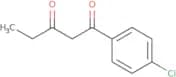
CAS:<p>Versatile small molecule scaffold</p>Formula:C10H14ClNOPurity:Min. 95%Molecular weight:199.68 g/mol1-(4-Chlorophenyl)pentane-1,3-dione
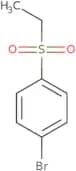
CAS:<p>Versatile small molecule scaffold</p>Formula:C11H11ClO2Purity:Min. 95%Molecular weight:210.65 g/mol1-Bromo-4-(ethylsulfonyl)benzene
CAS:<p>Versatile small molecule scaffold</p>Formula:C8H9BrO2SPurity:Min. 95%Molecular weight:249.13 g/mol1-Bromo-4-[(2-chloroethane)sulfonyl]benzene
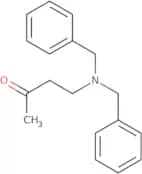
CAS:<p>Versatile small molecule scaffold</p>Formula:C8H8BrClO2SPurity:Min. 95%Molecular weight:283.57 g/mol4-(dibenzylamino)butan-2-one
CAS:<p>Versatile small molecule scaffold</p>Formula:C18H21NOPurity:Min. 95%Molecular weight:267.37 g/mol2H,3H,4H-Pyrido[1,2-a][1,3,5]triazine-2,4-dione
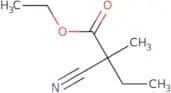
CAS:<p>Versatile small molecule scaffold</p>Formula:C7H5N3O2Purity:Min. 95%Molecular weight:163.13 g/molEthyl 2-cyano-2-methylbutanoate
CAS:<p>Versatile small molecule scaffold</p>Formula:C8H13NO2Purity:Min. 95%Molecular weight:155.19 g/mol3-{3,5-Dioxo-4-azatricyclo[5.2.1.0,2,6]dec-8-en-4-yl}propanoic acid
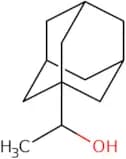
CAS:<p>Versatile small molecule scaffold</p>Formula:C12H13NO4Purity:Min. 95%Molecular weight:235.24 g/mol1-(1-Adamantyl)ethanol
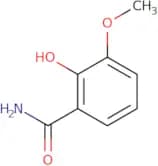
CAS:<p>1-(1-Adamantyl)ethanol is an organic solution with a viscosity of 1.06 cP at 20 °C. It has a hydrochloric acid (HCl) content of less than 0.001%. The chemical compound has been shown to be therapeutically effective in autoimmune diseases, such as multiple sclerosis, lupus erythematosus, and rheumatoid arthritis. 1-(1-Adamantyl)ethanol has been shown to inhibit the production of proinflammatory cytokines and chemokines that are associated with these diseases. This compound also inhibits the activation of T cells and B cells, which are immune cells that play important roles in these inflammatory processes. 1-(1-Adamantyl)ethanol can be taken orally in a pharmaceutical dosage form or intravenously as an infusion therapy.</p>Formula:C12H20OPurity:Min. 95%Molecular weight:180.29 g/mol2-Hydroxy-3-methoxybenzamide
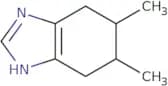
CAS:<p>2-Hydroxy-3-methoxybenzamide is an organic molecule that binds to a series of receptors in the central nervous system. It is thought to be an agonist for the D2 receptor, which mediates inhibition of dopamine release from neurons. 2-Hydroxy-3-methoxybenzamide has been synthesized and shown to have high affinity for the D2 receptor, as well as other receptors in the brain. This drug has been shown to have beneficial effects on hyperactivity in rats and could be used for the treatment of Parkinson's disease or schizophrenia.</p>Formula:C8H9NO3Purity:Min. 95%Molecular weight:167.16 g/mol5,6-Dimethyl-4,5,6,7-tetrahydro-1H-1,3-benzodiazole
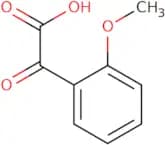
CAS:<p>Versatile small molecule scaffold</p>Formula:C9H14N2Purity:Min. 95%Molecular weight:150.22 g/mol2-(2-Methoxyphenyl)-2-oxoacetic acid
CAS:<p>Versatile small molecule scaffold</p>Formula:C9H8O4Purity:Min. 95%Molecular weight:180.16 g/molethyl 3-hydroxybicyclo[3.1.0]hexane-6-carboxylate
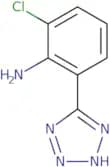
CAS:<p>Versatile small molecule scaffold</p>Formula:C9H14O3Purity:Min. 95%Molecular weight:170.21 g/mol2-Chloro-6-(2H-tetrazol-5-yl)aniline
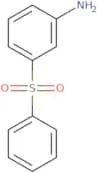
CAS:<p>Versatile small molecule scaffold</p>Formula:C7H6ClN5Purity:Min. 95%Molecular weight:195.61 g/mol3-(Benzenesulfonyl)aniline
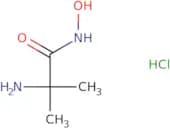
CAS:<p>Versatile small molecule scaffold</p>Formula:C12H11NO2SPurity:Min. 95%Molecular weight:233.29 g/mol2-Amino-N-hydroxy-2-methylpropanamide hydrochloride
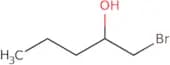
CAS:<p>Versatile small molecule scaffold</p>Formula:C4H11ClN2O2Purity:Min. 95%Molecular weight:154.59 g/mol1-Bromopentan-2-ol
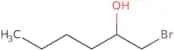
CAS:<p>1-Bromopentan-2-ol is an additive that is used in lubricating preparations, as well as a solvent in spectroscopy. It has been shown to have antimicrobial properties against fungi and bacteria. 1-Bromopentan-2-ol's antimicrobial effects are due to its ability to inhibit the growth of bacteria by binding to amine groups on proteins and preventing the formation of new cell walls. 1-Bromopentan-2-ol also has the ability to react with formaldehyde, generating formaldehyde gas which inhibits microbial growth.</p>Formula:C5H11BrOPurity:Min. 95%Molecular weight:167.04 g/mol1-Bromohexan-2-ol
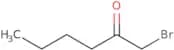
CAS:<p>1-Bromohexan-2-ol is a chiral alcohol that has been used to study the mechanisms of dehydration and stabilization. The molecule is also an epitaxial reagent. It has been shown that 1-bromohexan-2-ol dehydrates in acidic conditions to produce 1,2-dibromohexane. Furthermore, it can be used as an optical resolution agent for chiral molecules and can be used during the synthesis of ionic liquids. 1-Bromohexan-2-ol is a chiral molecule with a high degree of stereospecificity, which can be used in catalysis and bilayered supramolecular assembly.</p>Formula:C6H13BrOPurity:Min. 95%Molecular weight:181.07 g/mol1-Bromohexan-2-one
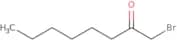
CAS:<p>1-Bromohexan-2-one is a bifunctional monomer that can be used in the synthesis of polystyrene. It has two functional groups, a carboxylic acid and an alcohol. The carboxyl group of the 1-bromohexan-2-one is activated by a strong base such as pyridine to form an ester or an amide. The alcohol group can be converted into a carbonyl group with a strong oxidizing agent such as benzoic acid, which is then reacted with ammonia to form an amine. 1-Bromohexan-2-one is also used in the synthesis of fluorescent compounds. It reacts with various heterocycles to produce fluorescence when irradiated with light at wavelengths of 350 nm or 380 nm.</p>Formula:C6H11BrOPurity:Min. 95%Molecular weight:179.05 g/mol1-Bromooctan-2-one
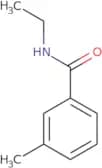
CAS:<p>1-Bromooctan-2-one (BOA) is a lipolytic enzyme inhibitor that blocks the activity of phosphatidylcholine lipase and monoacylglycerol lipase. It also inhibits transport properties and has been shown to inhibit histidine decarboxylase, which converts histidine into histamine. The nitrogen atoms in BOA are substituted with fluorine and can be converted to enantiopure derivatives by chemoenzymatic reactions. These derivatives have been shown to be more potent inhibitors of phosphatidylcholine lipase than BOA itself.</p>Formula:C8H15BrOPurity:Min. 95%Molecular weight:207.11 g/molN-Ethyl-3-methylbenzamide
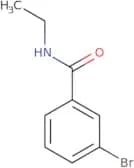
CAS:<p>N-Ethyl-m-toluamide is a chemical enhancer that is used to increase the effectiveness of insecticides and other chemicals. It is used in animal urine samples to test for the presence of drugs, such as amphetamines, cocaine, and cannabinoids. N-Ethyl-m-toluamide is also used in wastewater treatment plants to eliminate bacteria and enhance the removal of organic matter. In addition, it has been shown to be active against human liver cells. The second order rate constant was found to be 6.8 x 10^6 M^(-1) s^(-1) at 25 degrees Celsius.<br>N-Ethyl-m-toluamide can cause skin reactions in people who are exposed to it on a daily basis over an extended period of time. This chemical may also have carcinogenic effects on cells, which may be due to its ability to induce DNA mutations in vitro and promote tumor growth in vivo.</p>Formula:C10H13NOPurity:Min. 95%Molecular weight:163.22 g/mol3-Bromo-N-ethylbenzamide
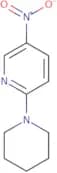
CAS:<p>Versatile small molecule scaffold</p>Formula:C9H10BrNOPurity:Min. 95%Molecular weight:228.09 g/mol5-Nitro-2-(piperidine-1-yl)pyridine
CAS:<p>5-Nitro-2-(piperidine-1-yl)pyridine is a product that is formed by the nucleophilic addition of nitric acid to 1,3-diketones. It has been used in the synthesis of phenyl and isoxazole derivatives. The reaction was rationalized using amines as nucleophiles, which attack the electrophilic carbon atom in the ketone. This product has also been shown to be an effective nucleophile for attacking other molecules, such as azides and nitrates. In the Australian outback, 5-Nitro-2-(piperidine-1-yl)pyridine can be found in soils and plants.</p>Formula:C10H13N3O2Purity:Min. 95%Molecular weight:207.23 g/mol5-Nitro-2-pyrrolidinopyridine
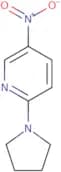
CAS:<p>Versatile small molecule scaffold</p>Formula:C9H11N3O2Purity:Min. 95%Molecular weight:193.21 g/mol1,1-Dimethylpiperidin-1-ium-4-one iodide
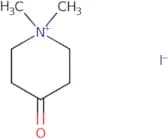
CAS:<p>1,1-Dimethylpiperidin-1-ium-4-one iodide is a high yield and efficient transaminating agent that has been used in the synthesis of acrylates. It reacts with dimethylamine to produce acrylate, which can be used to synthesize polymers. This compound is also used as a catalyst in the production of polyethylene terephthalate (PET).</p>Formula:C7H14NOIPurity:Min. 95%Molecular weight:255.1 g/mol2-(Propan-2-ylsulfanyl)propanoic acid
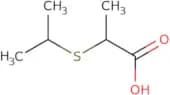
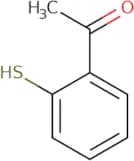
CAS:<p>Versatile small molecule scaffold</p>Formula:C6H12O2SPurity:Min. 95%Molecular weight:148.23 g/mol1-(2-Sulfanylphenyl)ethan-1-one
CAS:<p>1-(2-Sulfanylphenyl)ethan-1-one is an activating compound that has been shown to inhibit the growth of cancer cells. It has a strong inhibitory effect on malonic acid and epidermal growth factor, which are factors that stimulate cell proliferation. 1-(2-Sulfanylphenyl)ethan-1-one also inhibits the growth of tumor cells by inhibiting the synthesis of tissue extract and anticancer activity. The compound has been shown to have an inhibitory effect on skin cells and epidermal growth, as well as reducing fatty acids in tissues and sodium sulfide in blood plasma.</p>Formula:C8H8OSPurity:Min. 95%Molecular weight:152.22 g/molOctanoic acid, 8-bromo-, methyl ester
CAS:<p>Octanoic acid, 8-bromo-, methyl ester is a histone deacetylase (HDAC) inhibitor that belongs to the class of fatty esters. It has been shown to inhibit cancer cell proliferation and induce cell apoptosis in MDA-MB-231 cells by inhibiting HDAC activity. This drug also has inhibitory activities against cyclin D1 and Bcl-2 expression, which are two proteins that regulate the cell cycle. Octanoic acid, 8-bromo-, methyl ester inhibits HDAC activity by forming an amide bond with the catalytic subunit of the enzyme. This inhibition can be reversed by an aziridine in vitro. Octanoic acid, 8-bromo-, methyl ester also possesses a carbonyl group and functional groups that make it a powerful inhibitor of HDACs.</p>Formula:C9H17BrO2Purity:Min. 95%Molecular weight:237.13 g/mol2-Amino-6-isopropyl-4,5,6,7-tetrahydrothieno[2,3-c]pyridine-3-carbonitrile
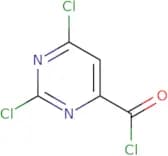
CAS:<p>Versatile small molecule scaffold</p>Formula:C11H15N3SPurity:Min. 95%Molecular weight:221.33 g/mol2,6-Dichloropyrimidine-4-carbonyl chloride
CAS:<p>2,6-Dichloropyrimidine-4-carbonyl chloride is a chemical compound that is used as an intermediate in the synthesis of different drugs. It is also used as an intermediate for the synthesis of 2,6-dichloropyrimidines. This compound is a colorless liquid with a strong odor of chloroform.</p>Formula:C5HCl3N2OPurity:Min. 95%Molecular weight:211.43 g/mol4-Oxatricyclo[5.2.2.0,2,6]undecane-3,5-dione
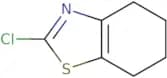
CAS:<p>Versatile small molecule scaffold</p>Formula:C10H12O3Purity:Min. 95%Molecular weight:180.2 g/mol2-Chloro-4,5,6,7-tetrahydro-1,3-benzothiazole
CAS:<p>Versatile small molecule scaffold</p>Formula:C7H8ClNSPurity:Min. 95%Molecular weight:173.66 g/mol4-Chloro-N-(2-chlorophenyl)-3-nitrobenzene-1-sulfonamide
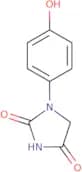
CAS:<p>Versatile small molecule scaffold</p>Formula:C12H8Cl2N2O4SPurity:Min. 95%Molecular weight:347.2 g/mol1-(4-Hydroxyphenyl)imidazolidine-2,4-dione
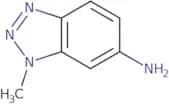
CAS:<p>1-(4-Hydroxyphenyl)imidazolidine-2,4-dione is a liquid at room temperature and pressure. It has a high yield of up to 99% and can be used in the production of styrene. The reaction time for this compound is about one hour. 1-(4-Hydroxyphenyl)imidazolidine-2,4-dione catalyses the conversion of styrene to divinylbenzene by reacting with water and base. This compound can also catalyse the conversion of hydantoin to dione when heated with an acid catalyst.</p>Formula:C9H8N2O3Purity:Min. 95%Molecular weight:192.17 g/mol1-Methyl-1H-1,2,3-benzotriazol-6-amine
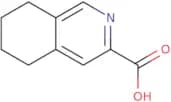
CAS:<p>Versatile small molecule scaffold</p>Formula:C7H8N4Purity:Min. 95%Molecular weight:148.17 g/mol5,6,7,8-Tetrahydroisoquinoline-3-carboxylic acid
CAS:<p>Versatile small molecule scaffold</p>Formula:C10H11NO2Purity:Min. 95%Molecular weight:177.2 g/mol2-[(Adamantan-1-yl)carbamoyl]benzoic acid
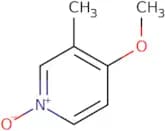
CAS:<p>Versatile small molecule scaffold</p>Formula:C18H21NO3Purity:Min. 95%Molecular weight:299.4 g/molMethyl 3-methyl-1-oxidopyridin-4-yl ether
CAS:<p>Versatile small molecule scaffold</p>Formula:C7H9NO2Purity:Min. 95%Molecular weight:139.15 g/mol3,5-Bis(propan-2-yl)phenol
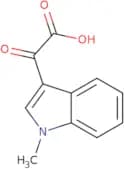
CAS:<p>3,5-Bis(propan-2-yl)phenol is an organic compound that has the chemical formula C8H12O. 3,5-Bis(propan-2-yl)phenol can be synthesized from benzene and eugenol by reacting them with a strong base in a high yield. The product is an aromatic ether with a phenyl group. 3,5-Bis(propan-2-yl)phenol is toxic to artemia at concentrations of 2%. It also reacts with triisopropylbenzene to form carvacrol.</p>Formula:C12H18OPurity:Min. 95%Molecular weight:178.27 g/molN-Methyl-3-indoleglyoxylic acid 97
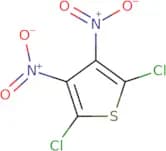
CAS:Controlled Product<p>N-Methyl-3-indoleglyoxylic acid 97 is a potent and selective inhibitor of protein kinases, including the mitogen activated protein kinase (MAPK) family. It has been shown to inhibit proliferation of cells in vitro. In addition, N-Methyl-3-indoleglyoxylic acid 97 inhibits the activation of MAPK in response to stress or cytokine stimulation. This agent has been shown to be selective for different isotypes of protein kinases and displays good selectivity for inhibition of the enzyme activity.</p>Formula:C11H9NO3Purity:Min. 95%Molecular weight:203.19 g/mol2,5-Dichloro-3,4-dinitrothiophene
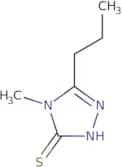
CAS:<p>2,5-Dichloro-3,4-dinitrothiophene is a crystalline solid with a tetragonal crystal system. It has been shown to form with yields of up to 45%, depending on the solvent. The crystal structure has been determined by X-ray crystallography and it was found to be monoclinic with nitro groups interacting in a manner analogous to nitro groups. Nitration of 2,5-dichloro-3,4-dinitrothiophene has been shown to produce 2,5-dichloro-3,4-dinitrobenzene and 2,5-dichloro-3,4-dinitrophenylhydrazine.</p>Formula:C4Cl2N2O4SPurity:Min. 95%Molecular weight:243.02 g/mol4-Methyl-5-propyl-4H-1,2,4-triazole-3-thiol
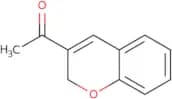
CAS:<p>Versatile small molecule scaffold</p>Formula:C6H11N3SPurity:Min. 95%Molecular weight:157.24 g/mol1-(2H-chromen-3-yl)ethanone
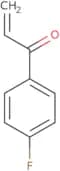
CAS:<p>Versatile small molecule scaffold</p>Formula:C11H10O2Purity:Min. 95%Molecular weight:174.19 g/mol1-(4-Fluorophenyl)prop-2-en-1-one
CAS:<p>1-(4-Fluorophenyl)prop-2-en-1-one is a chalcone that has been shown to have anticancer activity. It has been shown to stabilize the response elements of the transcriptional regulatory protein NF-κB and induce apoptosis in colorectal adenocarcinoma cells. This compound is also able to inhibit cancer growth by inhibiting tumor angiogenesis and metastasis. 1-(4-Fluorophenyl)prop-2-en-1-one binds to DNA, preventing transcription and replication, which leads to cell death. 1-(4-Fluorophenyl)prop-2-en-1-one has also been found to bind withaferin A, a molecule that has been shown to have anticancer activity.</p>Formula:C9H7FOPurity:Min. 95%Molecular weight:150.15 g/mol3-Chloro-N-[(furan-2-yl)methyl]aniline
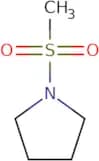
CAS:<p>Versatile small molecule scaffold</p>Formula:C11H10ClNOPurity:Min. 95%Molecular weight:207.65 g/mol1-Methanesulfonylpyrrolidine
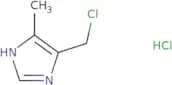
CAS:<p>Versatile small molecule scaffold</p>Formula:C5H11NO2SPurity:Min. 95%Molecular weight:149.21 g/mol5-(Chloromethyl)-4-methyl-1H-imidazole hydrochloride
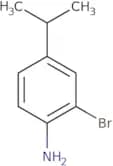
CAS:<p>Isothiourea is an imidazole derivative that acts as a competitive antagonist of histamine H2 receptors. It has been used in the synthesis of cimetidine and other histamine H2 receptor antagonists. Isothiourea inhibits the action of histamine on the H2 receptor by binding to it, thereby preventing its activation. This drug is a synthetic compound that can be made from chloroform and thionyl chloride. It may be synthesized in a two-step process starting with chloromethyl methyl (methylchloro)imidazole, which is reacted with hydrochloric acid to produce 5-(chloromethyl)-4-methyl-1H-imidazole hydrochloride.</p>Formula:C5H8Cl2N2Purity:Min. 95%Molecular weight:167.04 g/mol2-Bromo-4-isopropylaniline
CAS:<p>2-Bromo-4-isopropylaniline is a spiroindoline that was synthesized by modification of the natural product, bryostatin. The compound has shown experimental activity against encephalomyelitis in mice. However, the mechanism of action is not known. 2-Bromo-4-isopropylaniline has been found to be an activator for ethylene and can catalyze reactions involving diphosphines and ligands. It binds to phenyl substituents on the molecule and forms x-ray crystallographic structures with high resolution. Optimization of the structure may lead to more potent analogs.</p>Formula:C9H12BrNPurity:Min. 95%Molecular weight:214.11 g/molChloro[(chlorocarbonyl)disulfanyl]methanone
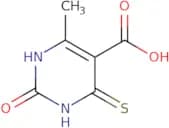
CAS:<p>Chloro[(chlorocarbonyl)disulfanyl]methanone is a chemical compound that is used in the synthesis of new organic compounds. It is a substrate for cross-coupling reactions with organometallic reagents. Chloro[(chlorocarbonyl)disulfanyl]methanone reacts to form a chloroalkyl sulfide and an alkene, which can be converted into an amide or amine. The reaction mechanism involves nucleophilic attack at the sulfur atom by the metal halide, followed by elimination of chloride ion from the intermediate sulfonium salt to form the desired product. Chloro[(chlorocarbonyl)disulfanyl]methanone has been used in the synthesis of enantiopure compounds that are difficult to obtain through other methods.</p>Formula:C2Cl2O2S2Purity:Min. 95%Molecular weight:191.1 g/mol6-Methyl-2-oxo-4-sulfanylidene-1,2,3,4-tetrahydropyrimidine-5-carboxylic acid
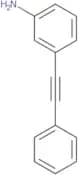
CAS:<p>Versatile small molecule scaffold</p>Formula:C6H6N2O3SPurity:Min. 95%Molecular weight:186.19 g/mol3-(phenylethynyl)aniline
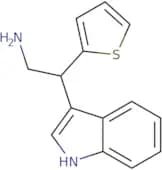
CAS:<p>3-(Phenylethynyl)aniline is a chemical compound that is insoluble in water and has a reactive crosslink. It is reactive with long-term exposure and has a gel permeation chromatography isolated yield. 3-(Phenylethynyl)aniline can be thermally decomposed to phenylethanethiol, which is an exothermic reaction. The technique of nmr spectroscopy can be used to study the reactivity of this compound. 3-(Phenylethynyl)aniline exhibits specific spectral features that can be used to identify it by nmr spectroscopy.</p>Formula:C14H11NPurity:Min. 95%Molecular weight:193.24 g/mol2-(1H-Indol-3-yl)-2-(thiophen-2-yl)ethan-1-amine
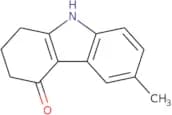
CAS:<p>Versatile small molecule scaffold</p>Formula:C14H14N2SPurity:Min. 95%Molecular weight:242.34 g/mol6-Methyl-2,3,4,9-tetrahydro-1H-carbazol-4-one
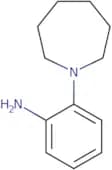
CAS:<p>Versatile small molecule scaffold</p>Formula:C13H13NOPurity:Min. 95%Molecular weight:199.25 g/mol2-Azepan-1-yl-phenylamine
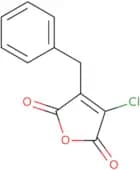
CAS:<p>Versatile small molecule scaffold</p>Formula:C12H18N2Purity:Min. 95%Molecular weight:190.28 g/mol3-Benzyl-4-chloro-2,5-dihydrofuran-2,5-dione
CAS:<p>Versatile small molecule scaffold</p>Formula:C11H7ClO3Purity:Min. 95%Molecular weight:222.62 g/mol1-Azabicyclo[2.2.2]octane-3-carbonitrile
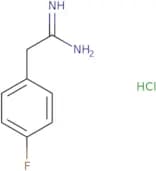
CAS:<p>1-Azabicyclo[2.2.2]octane-3-carbonitrile (1ABOC) is a hydrolyzing antihistamine that is used to treat allergies in the eye. This drug binds to histamine H1 receptors and blocks the release of histamine from mast cells, thereby preventing allergic symptoms. 1ABOC also has anti-inflammatory properties and may be useful for treating inflammatory disorders.</p>Formula:C8H12N2Purity:Min. 95%Molecular weight:136.19 g/mol2-(4-Fluorophenyl)ethanimidamide hydrochloride
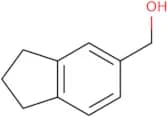
CAS:<p>Versatile small molecule scaffold</p>Formula:C8H10ClFN2Purity:Min. 95%Molecular weight:188.63 g/mol5-Hydroxymethylindane
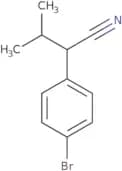
CAS:<p>Versatile small molecule scaffold</p>Formula:C10H12OPurity:Min. 95%Molecular weight:148.2 g/mol2-(4-Bromophenyl)-3-methylbutanenitrile
CAS:<p>Versatile small molecule scaffold</p>Formula:C11H12BrNPurity:Min. 95%Molecular weight:238.13 g/mol3-Methyl-2-[3-(trifluoromethyl)phenyl]butanoic acid
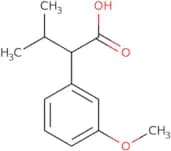
CAS:<p>Versatile small molecule scaffold</p>Formula:C12H13F3O2Purity:Min. 95%Molecular weight:246.22 g/mol2-(3-Methoxyphenyl)-3-methylbutanoic acid
CAS:<p>Versatile small molecule scaffold</p>Formula:C12H16O3Purity:Min. 95%Molecular weight:208.25 g/mol5-[(Hydroxyimino)methyl]-1,3-thiazol-2-amine
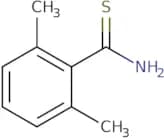
CAS:<p>Versatile small molecule scaffold</p>Formula:C4H5N3OSPurity:Min. 95%Molecular weight:143.17 g/mol2,6-Dimethyl-thiobenzamide
CAS:<p>Versatile small molecule scaffold</p>Formula:C9H11NSPurity:Min. 95%Molecular weight:165.26 g/mol

![2-[4-(Morpholin-4-yl)phenyl]acetic acid](/_next/image/?url=https%3A%2Fstatic.cymitquimica.com%2Fproducts%2F3D%2Fthumb-webp%2FBBA57757.webp&w=3840&q=75)
![Thieno[2,3-b]pyridin-3-amine](/_next/image/?url=https%3A%2Fstatic.cymitquimica.com%2Fproducts%2F3D%2Fthumb-webp%2FBBA57954.webp&w=3840&q=75)


![6,6-diethyl 2-oxaspiro[3.3]heptane-6,6-dicarboxylate](/_next/image/?url=https%3A%2Fstatic.cymitquimica.com%2Fproducts%2F3D%2Fthumb-webp%2FBBA59341.webp&w=3840&q=75)
![1-azabicyclo[2.2.2]octan-4-ylmethanol](/_next/image/?url=https%3A%2Fstatic.cymitquimica.com%2Fproducts%2F3D%2Fthumb-webp%2FBBA60858.webp&w=3840&q=75)

![(3S,8aS)-3-Propyl-octahydropyrrolo[1,2-a]pyrazine-1,4-dione](/_next/image/?url=https%3A%2Fstatic.cymitquimica.com%2Fproducts%2F3D%2Fthumb-webp%2FBBA62689.webp&w=3840&q=75)
![2,4-Dioxo-1,3-diazaspiro[4.5]decane-7-carboxylic acid](/_next/image/?url=https%3A%2Fstatic.cymitquimica.com%2Fproducts%2F3D%2Fthumb-webp%2FBBA62910.webp&w=3840&q=75)
![2-[Methyl(phenyl)sulfamoyl]benzoic acid](/_next/image/?url=https%3A%2Fstatic.cymitquimica.com%2Fproducts%2F3D%2Fthumb-webp%2FBBA63845.webp&w=3840&q=75)
![4,5-Dihydronaphtho[2,1-d]isoxazole-3-carboxylic acid](/_next/image/?url=https%3A%2Fstatic.cymitquimica.com%2Fproducts%2F3D%2Fthumb-webp%2FBBA66402.webp&w=3840&q=75)
![1-[(2-Methylpropyl)sulfanyl]propan-2-one](/_next/image/?url=https%3A%2Fstatic.cymitquimica.com%2Fproducts%2F3D%2Fthumb-webp%2FBBA72861.webp&w=3840&q=75)
![1-Bromo-4-[(2-chloroethane)sulfonyl]benzene](/_next/image/?url=https%3A%2Fstatic.cymitquimica.com%2Fproducts%2F3D%2Fthumb-webp%2FBBA73225.webp&w=3840&q=75)
![2H,3H,4H-Pyrido[1,2-a][1,3,5]triazine-2,4-dione](/_next/image/?url=https%3A%2Fstatic.cymitquimica.com%2Fproducts%2F3D%2Fthumb-webp%2FBBA73741.webp&w=3840&q=75)
![3-{3,5-Dioxo-4-azatricyclo[5.2.1.0,2,6]dec-8-en-4-yl}propanoic acid](/_next/image/?url=https%3A%2Fstatic.cymitquimica.com%2Fproducts%2F3D%2Fthumb-webp%2FBBA74997.webp&w=3840&q=75)
![ethyl 3-hydroxybicyclo[3.1.0]hexane-6-carboxylate](/_next/image/?url=https%3A%2Fstatic.cymitquimica.com%2Fproducts%2F3D%2Fthumb-webp%2FBBA78636.webp&w=3840&q=75)

![2-Amino-6-isopropyl-4,5,6,7-tetrahydrothieno[2,3-c]pyridine-3-carbonitrile](/_next/image/?url=https%3A%2Fstatic.cymitquimica.com%2Fproducts%2F3D%2Fthumb-webp%2FBBA83040.webp&w=3840&q=75)
![4-Oxatricyclo[5.2.2.0,2,6]undecane-3,5-dione](/_next/image/?url=https%3A%2Fstatic.cymitquimica.com%2Fproducts%2F3D%2Fthumb-webp%2FBBA84347.webp&w=3840&q=75)

![2-[(Adamantan-1-yl)carbamoyl]benzoic acid](/_next/image/?url=https%3A%2Fstatic.cymitquimica.com%2Fproducts%2F3D%2Fthumb-webp%2FBBA87889.webp&w=3840&q=75)

![3-Chloro-N-[(furan-2-yl)methyl]aniline](/_next/image/?url=https%3A%2Fstatic.cymitquimica.com%2Fproducts%2F3D%2Fthumb-webp%2FBCA59776.webp&w=3840&q=75)
![Chloro[(chlorocarbonyl)disulfanyl]methanone](/_next/image/?url=https%3A%2Fstatic.cymitquimica.com%2Fproducts%2F3D%2Fthumb-webp%2FBCA61588.webp&w=3840&q=75)
![1-Azabicyclo[2.2.2]octane-3-carbonitrile](/_next/image/?url=https%3A%2Fstatic.cymitquimica.com%2Fproducts%2F3D%2Fthumb-webp%2FBCA62776.webp&w=3840&q=75)
![3-Methyl-2-[3-(trifluoromethyl)phenyl]butanoic acid](/_next/image/?url=https%3A%2Fstatic.cymitquimica.com%2Fproducts%2F3D%2Fthumb-webp%2FBCA63232.webp&w=3840&q=75)
![5-[(Hydroxyimino)methyl]-1,3-thiazol-2-amine](/_next/image/?url=https%3A%2Fstatic.cymitquimica.com%2Fproducts%2F3D%2Fthumb-webp%2FBCA64050.webp&w=3840&q=75)