Building Blocks
This section contains fundamental products for the synthesis of organic and biological compounds. Building blocks are the essential starting materials used to construct complex molecules through various chemical reactions. They play a critical role in drug discovery, material science, and chemical research. At CymitQuimica, we offer a diverse range of high-quality building blocks to support your innovative research and industrial projects, ensuring you have the essential components for successful synthesis.
Subcategories of "Building Blocks"
- Boronic Acids & Boronic Acid Derivatives(5,756 products)
- Chiral Building Blocks(1,242 products)
- Hydrocarbon Building Blocks(6,095 products)
- Organic Building Blocks(61,037 products)
Found 196139 products of "Building Blocks"
Sort by
Purity (%)
0
100
|
0
|
50
|
90
|
95
|
100
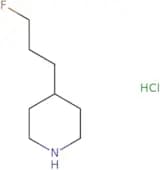
4-(3-Fluoropropyl)piperidine hydrochloride
CAS:<p>Versatile small molecule scaffold</p>Formula:C8H17ClFNPurity:Min. 95%Molecular weight:181.7 g/mol2-[4-(2-Methylpropyl)phenyl]ethan-1-amine hydrochloride
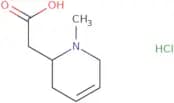
CAS:Controlled Product<p>Versatile small molecule scaffold</p>Formula:C12H20ClNPurity:Min. 95%Molecular weight:213.7 g/mol2-(1-Methyl-1,2,3,6-tetrahydropyridin-2-yl)acetic acid hydrochloride
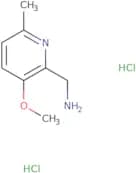
CAS:<p>Versatile small molecule scaffold</p>Formula:C8H14ClNO2Purity:Min. 95%Molecular weight:191.7 g/mol(3-Methoxy-6-methylpyridin-2-yl)methanamine dihydrochloride
CAS:<p>Versatile small molecule scaffold</p>Formula:C8H14Cl2N2OPurity:Min. 95%Molecular weight:225.1 g/mol2,4,9-Trioxa-3λ⁶-thiaspiro[5.5]undecane-3,3-dione
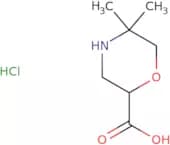
CAS:<p>Versatile small molecule scaffold</p>Formula:C7H12O5SPurity:Min. 95%Molecular weight:208.2 g/mol5,5-Dimethylmorpholine-2-carboxylic acid hydrochloride
CAS:<p>Versatile small molecule scaffold</p>Formula:C7H14ClNO3Purity:Min. 95%Molecular weight:195.6 g/mol6-(Methoxymethyl)-1-azaspiro[3.3]heptanes
CAS:<p>Versatile small molecule scaffold</p>Formula:C8H15NOPurity:Min. 95%Molecular weight:141.2 g/mol1-Oxa-7-azaspiro[4.5]dec-3-ene hydrochloride
CAS:<p>Versatile small molecule scaffold</p>Formula:C8H14ClNOPurity:Min. 95%Molecular weight:175.7 g/mol(3-Chlorocyclobutyl)methanamine hydrochlorides
CAS:<p>Versatile small molecule scaffold</p>Formula:C5H11Cl2NPurity:Min. 95%Molecular weight:156.1 g/moltert-Butyl 8-azaspiro[bicyclo[3.2.1]octane-3,2'-piperidine]-8-carboxylate
CAS:<p>Versatile small molecule scaffold</p>Formula:C16H28N2O2Purity:Min. 95%Molecular weight:280.4 g/molPropyl N-[3-(methylamino)propyl]carbamate hydrochloride
CAS:<p>Versatile small molecule scaffold</p>Formula:C8H19ClN2O2Purity:Min. 95%Molecular weight:210.7 g/mol10-Oxa-6-azaspiro[4.6]undecan-7-one
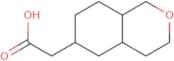
CAS:<p>Versatile small molecule scaffold</p>Formula:C9H15NO2Purity:Min. 95%Molecular weight:169.2 g/mol2-(Octahydro-1H-2-benzopyran-6-yl)acetic acids
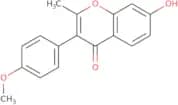
CAS:<p>Versatile small molecule scaffold</p>Formula:C11H18O3Purity:Min. 95%Molecular weight:198.3 g/mol7-Hydroxy-3-(4-methoxyphenyl)-2-methyl-4H-chromen-4-one
CAS:<p>Versatile small molecule scaffold</p>Formula:C17H14O4Purity:Min. 95%Molecular weight:282.29 g/mol1-Chloro-3-(methylsulfanyl)propane
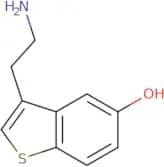
CAS:<p>1-Chloro-3-(methylsulfanyl)propane is a chiral molecule that has been shown to be present in humans, plants, and nature. It can be synthesized from isothiocyanates, which are compounds that are found in tissues of animals and plants. 1-Chloro-3-(methylsulfanyl)propane has been shown to be toxic to cancer cells by inhibiting the synthesis of DNA and RNA. This compound also activates sulforaphane, welwitindolinone, and other natural products.</p>Formula:C4H9ClSPurity:Min. 95%Molecular weight:124.63 g/mol3-(2-Aminoethyl)-1-benzothiophen-5-ol
CAS:<p>Versatile small molecule scaffold</p>Formula:C10H11NOSPurity:Min. 95%Molecular weight:193.27 g/mol4-Nitrobutyric Acid Methyl Ester
CAS:<p>4-Nitrobutyric Acid Methyl Ester is a compound that belongs to the group of nitro compounds. It is an antimycobacterial agent that inhibits the growth of Mycobacterium tuberculosis by inhibiting the synthesis of mycolic acids and cell wall components. 4-Nitrobutyric Acid Methyl Ester has been shown to be effective in vitro against Mycobacterium avium complex and in animal models against Mycobacterium bovis. This molecule was synthesized by means of a solid-phase synthesis, with a stereoselective process yielding 98% ee.</p>Formula:C5H9NO4Purity:Min. 95%Molecular weight:147.13 g/mol9-Decen-1-ol
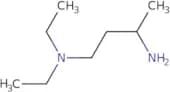
CAS:<p>9-Decen-1-ol is an acyl chain that contains a hydroxyl group. It is a chemical precursor to the synthesis of long-chain fatty acids and other biologically important lipids. 9-Decen-1-ol is also used as a solid catalyst in organic synthesis reactions, such as the reaction mechanism for hydrochloric acid and fatty acids. The expression plasmid containing the gene for 9-decen-1-ol was introduced into Escherichia coli cells using cationic surfactant to create an E. coli strain that produces this chemical compound. This synthetic pathway has been shown to be stable in both water vapor and cell culture conditions. It also binds odorants, which may contribute its odorant binding properties. Intracellular calcium concentration increases when 9-decen-1-ol binds with G protein coupled receptors, leading to cellular activation of phospholipase A2 and increased free arachidonic acid release from membrane phosph</p>Formula:C10H20OPurity:Min. 95%Molecular weight:156.27 g/mol(3-Aminobutyl)diethylamine
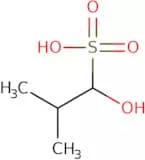
CAS:<p>Versatile small molecule scaffold</p>Formula:C8H20N2Purity:Min. 95%Molecular weight:144.26 g/molSodium 1-hydroxy-2-methylpropane-1-sulfonate
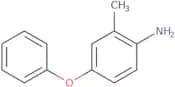
CAS:<p>Versatile small molecule scaffold</p>Formula:C4H10O4SPurity:Min. 95%Molecular weight:154.19 g/mol2-Methyl-4-phenoxyaniline
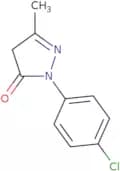
CAS:<p>Versatile small molecule scaffold</p>Formula:C13H13NOPurity:Min. 95%Molecular weight:199.25 g/mol1-(4-Chlorophenyl)-3-methyl-5-pyrazolone
CAS:<p>1-(4-Chlorophenyl)-3-methyl-5-pyrazolone is a molecule that has the ability to form hydrogen bonds. It has been shown that it is a monomer and can exist in two tautomeric forms, as an enol and keto form. The most stable form of the molecule is the keto form, which has been shown to be antipyrine. Hydrogen bonding occurs when electronegative atoms on one molecule are attracted to electropositive atoms on another molecule. Intermolecular hydrogen bonding between 1-(4-chlorophenyl)-3-methyl-5-pyrazolone molecules results in a more stable compound than would otherwise be possible. This property is of great importance in determining the function of many organic compounds.</p>Formula:C10H9ClN2OPurity:Min. 95%Molecular weight:208.65 g/mol(But-3-yn-2-yl)(butyl)amine
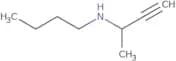
CAS:<p>Versatile small molecule scaffold</p>Formula:C8H15NPurity:Min. 95%Molecular weight:125.21 g/mol2-{[(4-Fluorophenyl)sulphonyl]amino}acetic acid
CAS:<p>Versatile small molecule scaffold</p>Formula:C8H8FNO4SPurity:Min. 95%Molecular weight:233.21 g/mol2-{[(4-Chlorophenyl)sulfonyl]amino}acetic acid
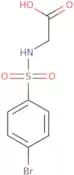
CAS:<p>Versatile small molecule scaffold</p>Formula:C8H8ClNO4SPurity:Min. 95%Molecular weight:249.67 g/mol2-(4-Bromophenylsulfonamido)acetic acid
CAS:<p>2-(4-Bromophenylsulfonamido)acetic acid is a basic organic compound that is used as a reagent in organic synthesis. This compound is the salt of 2-bromoacetic acid and 4-aminobenzenesulfonic acid, which are both carboxylic acids. The chemical formula for this compound is CHBrNO2SCH3COOH. 2-(4-Bromophenylsulfonamido)acetic acid has been shown to hydrolyze at a basic pH and undergo ester hydrolysis with methyl alcohol. It also has properties that make it useful for the synthesis of symmetrical dimers and centrosymmetric molecules.</p>Formula:C8H8BrNO4SPurity:Min. 95%Molecular weight:294.12 g/mol(4-Methoxy-benzenesulfonylamino)-acetic acid
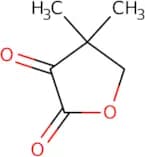
CAS:<p>Versatile small molecule scaffold</p>Formula:C9H11NO5SPurity:Min. 95%Molecular weight:245.25 g/molDihydro-4,4-dimethyl-2,3-furandione
CAS:<p>Dihydro-4,4-dimethyl-2,3-furandione is an organic compound that belongs to a class of molecules called cinchona alkaloids. It is used as a substrate for the study of enzyme reactions in the laboratory and as a model system for studying other molecules that are similar in structure. Dihydro-4,4-dimethyl-2,3-furandione has shown to be an effective inhibitor of acid formation from cinchonidine, which is a natural product derived from the bark of Cinchona species. The molecule also has asymmetric synthesis capabilities and can produce lactones with one or two ester groups.</p>Formula:C6H8O3Purity:Min. 95%Molecular weight:128.13 g/mol2-Methoxy-2-phenylacetonitrile
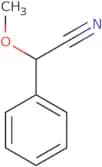
CAS:<p>2-Methoxy-2-phenylacetonitrile (2MP) is an organic solvent that is used in the synthesis of pharmaceutical drugs. It has a low toxicity and low flammability. 2MP has been shown to have cardiovascular protective effects by protecting against myocardial infarction and stroke. The mechanism of this protection is not well understood, but it may be due to its ability to deactivate reactive oxygen species or inhibit platelet aggregation. This chemical also has optical properties that allow it to be used as a fluorescent probe for metal ions, such as sodium periodate.</p>Formula:C9H9NOPurity:Min. 95%Molecular weight:147.17 g/molDecahydronaphthalene-2-carboxylic acid
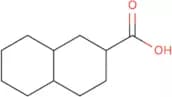
CAS:<p>Decahydronaphthalene-2-carboxylic acid is a plant cell metabolite that was first detected in the leaves of the Atriplex canescens plant. It has been shown to be a substrate for oxidative cyclization by cleavage of the carbon-carbon bond adjacent to the carboxyl group. Decahydronaphthalene-2-carboxylic acid is present in naphthenic oils, which are hydrocarbons obtained from petroleum distillation. The degradation products of decahydronaphthalene-2-carboxylic acid have been determined using analytical methods such as gas chromatography and mass spectrometry. Decahydronaphthalene-2-carboxylic acid is converted into 1-hydroxy-2-naphthoic acid, which can be further degraded by oxidation to form aromatic hydrocarbons. Decahydronaphthalene-2-carboxylic acid may</p>Formula:C11H18O2Purity:Min. 95%Molecular weight:182.26 g/mol2-Chloro-4-phenylpyrimidine
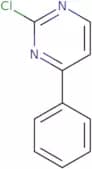
CAS:<p>2-Chloro-4-phenylpyrimidine (2CP) is a molecule that has been shown to inhibit the growth of cancer cells. The proposed mechanism is that 2CP inhibits the synthesis of DNA and RNA, which leads to cellular death. 2CP also has anti-inflammatory properties, which may be due to its ability to induce corticotropin-releasing hormone (CRH). CRH is a hormone that regulates the release of corticosteroids from the adrenal glands. This is thought to be due to its ability to inhibit the production of the enzyme anthranilic acid, which is involved in the synthesis of CRH. 2CP was synthesized by diazotization and then irradiation with UV light. It can be used as an anticancer agent against cancer cells in vitro.</p>Formula:C10H7ClN2Purity:Min. 95%Molecular weight:190.63 g/mol2-Bromophenyl Isothiocyanate
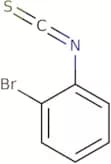
CAS:<p>2-Bromophenyl Isothiocyanate is a reactive compound that has been shown to have significant anti-inflammatory activity. It is an allylamine, a type of drug that inhibits the production of inflammatory substances such as TNF-α and interleukin-1β. It also has antioxidant properties, which may be due to its ability to scavenge free radicals. 2-Bromophenyl Isothiocyanate belongs to the group of thione compounds, which are organic compounds containing a sulfur atom bonded with a nitrogen atom. This thione is synthesized from the reaction of an alkyl halide (such as bromobenzene) with ammonia and hydrogen cyanide in the presence of an alkali metal. The stereoselective nature of this reaction mechanism may account for its high degree of anti-inflammatory activity.</p>Formula:C7H4BrNSPurity:Min. 95%Molecular weight:214.08 g/mol8-Nonen-1-ol
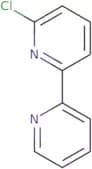
CAS:<p>8-Nonen-1-ol is a thioether with a long carbon chain. It is an active natural product that has been found in the rhizome of the plant "Eucalyptus" and has been shown to be effective against pest insects. 8-Nonen-1-ol is used as a solvent and intermediate in organic synthesis. It is also used as a reagent for dehydration reactions, such as the conversion of alcohols to ethers, or the conversion of esters to acids. The compound can be synthesized by reacting boron trifluoride etherate with long-chain fatty alcohols at temperatures below 0°C. 8-Nonen-1-ol also forms monolayers on silica gel and other solid supports. Acid catalysis can be used to break down these layers, releasing the compounds from the surface.</p>Formula:C9H18OPurity:Min. 95%Molecular weight:142.24 g/mol6-Chloro-2,2'-bipyridine
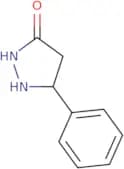
CAS:<p>6-Chloro-2,2'-bipyridine is a bipyridine derivative that can be used as an indicator for the presence of hydrochloric acid in gas. The oxidation of 6-chloro-2,2'-bipyridine and chloride ion yields 6-chloro-2,4,4'-trimethylpyridine and hydrogen ion. The emission spectrum of this compound has a strong peak at 514 nm when it is excited with light at 365 nm. This peak can be used to identify the presence of hydrochloric acid.</p>Formula:C10H7ClN2Purity:Min. 95%Molecular weight:190.63 g/mol5-Phenylpyrazolidin-3-one
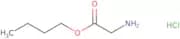
CAS:<p>5-Phenylpyrazolidin-3-one is a pyrazole compound that has a tautomeric form. It has been shown to selectively interact with anions, such as chloride anion, in the presence of hydrogen bonds. This leads to the production of a hydrogen cation and an electrophilic imine. 5-Phenylpyrazolidin-3-one is used in chemosensors for the detection of various chemicals, including formaldehyde and acetaldehyde. 5-Phenylpyrazolidin-3-one also has antitumor activity due to its ability to inhibit DNA synthesis and induce apoptosis in cancer cells.</p>Formula:C9H10N2OPurity:Min. 95%Molecular weight:162.19 g/molButyl 2-aminoacetate hydrochloride
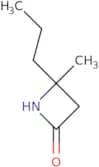
CAS:<p>Butyl 2-aminoacetate hydrochloride (BAH) is a synthetic chemical that is used in the synthesis of pharmaceuticals, pesticides, and polymers. BAH has been shown to cause acute kidney injury in rats and mice. It is also known to be involved in the synthesis of esters, which are compounds derived from an acid and an alcohol. The piperidinecarboxylic acid metabolite of BAH is well absorbed by the intestine after oral administration but does not appear to be excreted through urine or bile. A study on pancreatitis patients found that BAH can cause pancreatic inflammation when given intravenously as a supplement. This drug may also have potential for the treatment of chronic kidney disease and Alzheimer's disease due to its ability to inhibit cholesterol biosynthesis and inhibit amyloid beta protein production.</p>Formula:C6H14ClNO2Purity:Min. 95%Molecular weight:167.63 g/mol4-Methyl-4-propylazetidin-2-one
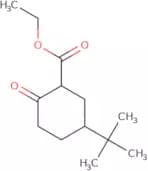
CAS:<p>Versatile small molecule scaffold</p>Formula:C7H13NOPurity:Min. 95%Molecular weight:127.2 g/molEthyl 5-tert-butyl-2-oxocyclohexane-1-carboxylate
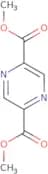
CAS:<p>Versatile small molecule scaffold</p>Formula:C13H22O3Purity:Min. 95%Molecular weight:226.31 g/molDimethyl Pyrazine-2,5-dicarboxylate
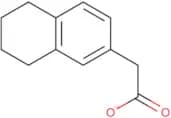
CAS:<p>Versatile small molecule scaffold</p>Formula:C8H8N2O4Purity:Min. 95%Molecular weight:196.16 g/mol(5,6,7,8-Tetrahydro-naphthalen-2-yl)-acetic acid
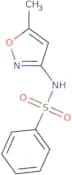
CAS:<p>Versatile small molecule scaffold</p>Formula:C12H14O2Purity:Min. 95%Molecular weight:190.24 g/molN-(5-Methyl-3-isoxazolyl)benzenesulfonamide
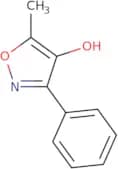
CAS:<p>Versatile small molecule scaffold</p>Formula:C10H10N2O3SPurity:Min. 95%Molecular weight:238.27 g/mol5-Methyl-3-phenyl-1,2-oxazol-4-ol
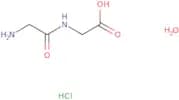
CAS:<p>Versatile small molecule scaffold</p>Formula:C10H9NO2Purity:Min. 95%Molecular weight:175.18 g/molGlycylglycine Hydrochloride Monohydrate
CAS:<p>Glycylglycine hydrochloride monohydrate is a glycine salt that can be used as a metal chelator. It has been shown to be an experimental model for the study of metal-binding proteins, and it can also be used as a model system for the study of benzalkonium chloride. Glycylglycine hydrochloride monohydrate has been shown to have thermodynamic data and biological studies. In vitro assays have been used to show its transfer reactions with other molecules, such as intermolecular hydrogen bonding and coordination geometry. Synchronous fluorescence has also been used to investigate the energy metabolism of glycylglycine hydrochloride monohydrate in solution.</p>Formula:C4H8N2O3·HCl·H2OPurity:Min. 95%Molecular weight:186.6 g/mol4-Hydroxy-3-methoxyamphetamine hydrochloride
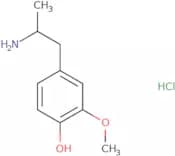
CAS:Controlled Product<p>Versatile small molecule scaffold</p>Formula:C10H16ClNO2Purity:Min. 95%Molecular weight:217.69 g/molN1-(4-Chlorophenyl)benzene-1,4-diamine
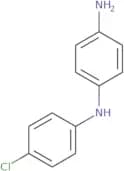
CAS:<p>Rhodella is a type of fungus that has a unique mode of growth. It is autotrophic and can grow in the absence of oxygen. Rhodella has been shown to take up galactose through a carrier-mediated facilitated transport system, which provides evidence for the existence of such a transport mechanism in unicellular organisms. The uptake process was found to be inhibited by xylose, suggesting that rhodella may use an active transport system to move galactose across the cell membrane. Autoradiography revealed that rhodella cells contain high levels of uronic acid, a type of sugar found in many plants, which supports the idea that rhodella may be closely related to plants.</p>Formula:C12H11ClN2Purity:Min. 95%Molecular weight:218.68 g/mol2,6-Diethylpyrazine
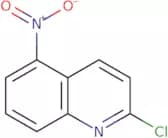
CAS:<p>Versatile small molecule scaffold</p>Formula:C8H12N2Purity:Min. 95%Molecular weight:136.19 g/mol2-Chloro-5-nitroquinoline
CAS:<p>2-Chloro-5-nitroquinoline is an oxidized aminoquinoline that is synthesized from nitric acid and benzene. It contains a nitro group, which makes it susceptible to oxidation. 2-Chloro-5-nitroquinoline is used as a solvent for rubber, plastics, and waxes. It can also be used as a solvent in the production of quinolines and other nitrogen compounds. Nitration of this compound produces 2-chloroquinoline, which can be transformed into 2-chloroquinolinium hydroxide by reaction with sodium hydroxide. The substituent on the ortho position can be determined by oleum or bromine water.</p>Formula:C9H5ClN2O2Purity:Min. 95%Molecular weight:208.6 g/molN-[Bis(methylsulfanyl)methylidene]methanesulfonamide
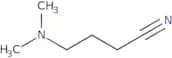
CAS:<p>Versatile small molecule scaffold</p>Formula:C4H9NO2S3Purity:Min. 95%Molecular weight:199.3 g/mol4-(Dimethylamino)butyronitrile
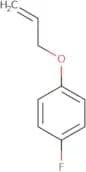
CAS:<p>Dimethylaminobutyronitrile (DMAbN) is a quaternary ammonium compound that is used in the synthesis of pharmaceuticals and agrochemicals. It is an inhibitor of aggrecan, which is a glycoprotein found in cartilage. DMAbN has been shown to inhibit the expression of receptors in osteoarthritic joints.</p>Formula:C6H12N2Purity:Min. 95%Molecular weight:112.17 g/mol1-Fluoro-4-(prop-2-en-1-yloxy)benzene
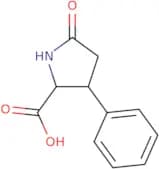
CAS:<p>Versatile small molecule scaffold</p>Formula:C9H9FOPurity:Min. 95%Molecular weight:152.16 g/molrac-(2R,3S)-5-Oxo-3-phenylpyrrolidine-2-carboxylic acid
CAS:<p>Versatile small molecule scaffold</p>Formula:C11H11NO3Purity:Min. 95%Molecular weight:205.21 g/mol1,2,3,4-Tetrahydro-1,5-naphthyridine
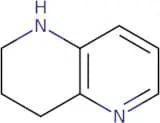
CAS:<p>1,2,3,4-Tetrahydro-1,5-naphthyridine is a mitotic inhibitor that binds to the protein cyclin. It is present in two forms: pyrrolidino and aryloxy. The pyrrolidino form is an anticancer agent that inhibits mitosis by binding to the active site of the enzyme DNA polymerase. The second form has been shown to have antitumor properties and inhibit protein synthesis in tumor cells. Tetrahydro-1,5-naphthyridine also has an anticancer effect on leukemia cells and other types of cancer cells. It has been shown to inhibit the growth of tumor cells by inhibiting protein synthesis through inhibition of enzymes such as cyclopentyl and protein inhibitor. This drug also has a tautomeric form that is an inhibitor of cyclohexane ring formation during metabolism in animals. Tetrahydro-1,5-naph</p>Formula:C8H10N2Purity:Min. 95%Molecular weight:134.18 g/mol6-Methyl-2-oxo-4-thioxo-1,2,3,4-tetrahydro-pyrimidine-5-carboxylic acid ethyl ester
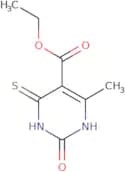
CAS:<p>Versatile small molecule scaffold</p>Formula:C8H10N2O3SPurity:Min. 95%Molecular weight:214.24 g/mol2,4-Dimethyl-6-sulfanylidene-1,6-dihydropyrimidine-5-carbonitrile
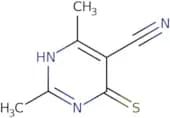
CAS:<p>Versatile small molecule scaffold</p>Formula:C7H7N3SPurity:Min. 95%Molecular weight:165.22 g/mol6-Amino-1-[(4-methylphenyl)methyl]-1,2,3,4-tetrahydropyrimidine-2,4-dione
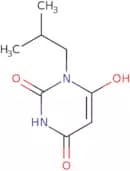
CAS:<p>Versatile small molecule scaffold</p>Formula:C12H13N3O2Purity:Min. 95%Molecular weight:231.25 g/mol1-(2-Methylpropyl)-1,3-diazinane-2,4,6-trione
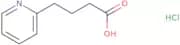
CAS:<p>Versatile small molecule scaffold</p>Formula:C8H12N2O3Purity:Min. 95%Molecular weight:184.19 g/mol4-(Pyridin-2-yl)butanoic acid hydrochloride
CAS:<p>4-(Pyridin-2-yl)butanoic acid hydrochloride (4-APB) is a potent inhibitor of ion channels, including the nicotinic acetylcholine receptor and the NMDA receptor. 4-APB is a ligand for the GABA receptors and benzodiazepine sites on GABA A receptors. It has been shown to inhibit the activity of protein kinase C and protein tyrosine kinase, which are enzymes that regulate cell growth. 4-APB has also been shown to inhibit the production of tumor necrosis factor-α (TNF-α) by inhibiting the activation of NFκβ in mouse macrophages.</p>Formula:C9H12ClNO2Purity:Min. 95%Molecular weight:201.65 g/molN-(Pyridin-2-ylmethyl)-1,3-benzothiazol-2-amine
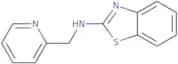
CAS:<p>Versatile small molecule scaffold</p>Formula:C13H11N3SPurity:Min. 95%Molecular weight:241.31 g/mol3-Bromo-6-chloroimidazo[1,5-a]pyridine
CAS:<p>Versatile small molecule scaffold</p>Formula:C7H4BrClN2Purity:Min. 95%Molecular weight:231.48 g/molMethyl 5-(hydroxymethyl)-4-methylpyridine-2-carboxylate
CAS:<p>Versatile small molecule scaffold</p>Formula:C9H11NO3Purity:Min. 95%Molecular weight:181.2 g/mol3-Bromoimidazo[1,5-a]pyridine
CAS:<p>3-Bromoimidazo[1,5-a]pyridine is a chemical compound that is used in the production of organic semiconductors. It has an emission wavelength of 550 nm and a quantum yield of 0.2%. 3-Bromoimidazo[1,5-a]pyridine can be produced by reacting benzene with bromine to produce the product. The reaction has a yield of about 85% as measured by weight.</p>Formula:C7H5N2BrPurity:Min. 95%Molecular weight:197.03 g/mol3,7-Dibromoimidazo[1,5-a]pyridine
CAS:<p>Versatile small molecule scaffold</p>Formula:C7H4Br2N2Purity:Min. 95%Molecular weight:275.93 g/molEthyl 6-chloroimidazo[1,5-a]pyridine-1-carboxylate
CAS:<p>Versatile small molecule scaffold</p>Formula:C10H9ClN2O2Purity:Min. 95%Molecular weight:224.64 g/mol3-bromo-5-methylpyrazolo[1,5-a]pyrimidine
CAS:<p>Versatile small molecule scaffold</p>Formula:C7H6BrN3Purity:Min. 95%Molecular weight:212.05 g/molMethyl 5-chloropyrazolo[1,5-a]pyrimidine-2-carboxylate
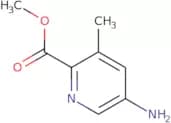
CAS:<p>Versatile small molecule scaffold</p>Formula:C8H6ClN3O2Purity:Min. 95%Molecular weight:211.6 g/molMethyl 5-amino-3-methylpyridine-2-carboxylate
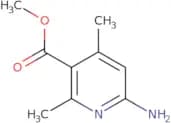
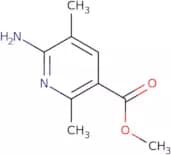
CAS:<p>Versatile small molecule scaffold</p>Formula:C8H10N2O2Purity:Min. 95%Molecular weight:166.18 g/molMethyl 6-amino-2,4-dimethylpyridine-3-carboxylate
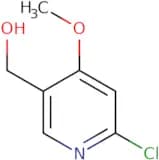
CAS:<p>Versatile small molecule scaffold</p>Formula:C9H12N2O2Purity:Min. 95%Molecular weight:180.2 g/mol2-Chloro-5-(hydroxymethyl)-4-methoxypyridine
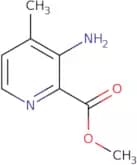
CAS:<p>Versatile small molecule scaffold</p>Formula:C7H8ClNO2Purity:Min. 95%Molecular weight:173.6 g/molMethyl 3-amino-4-methylpyridine-2-carboxylate
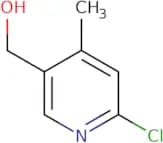
CAS:<p>Versatile small molecule scaffold</p>Formula:C8H10N2O2Purity:Min. 95%Molecular weight:166.18 g/mol(6-Chloro-4-methylpyridin-3-yl)methanol
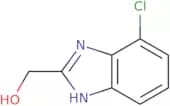
CAS:<p>Versatile small molecule scaffold</p>Formula:C7H8ClNOPurity:Min. 95%Molecular weight:157.6 g/mol(7-Chloro-1H-1,3-benzodiazol-2-yl)methanol
CAS:<p>Versatile small molecule scaffold</p>Formula:C8H7ClN2OPurity:Min. 95%Molecular weight:182.61 g/mol3-bromo-6-methylpyrazolo[1,5-a]pyrimidine
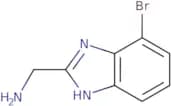
CAS:<p>Versatile small molecule scaffold</p>Formula:C7H6BrN3Purity:Min. 95%Molecular weight:212.05 g/mol(4-Bromo-1H-1,3-benzodiazol-2-yl)methanamine
CAS:<p>Versatile small molecule scaffold</p>Formula:C8H8BrN3Purity:Min. 95%Molecular weight:226.07 g/mol6-bromopyrazolo[1,5-a]pyrimidine-3-carbaldehyde
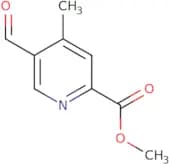
CAS:<p>Versatile small molecule scaffold</p>Formula:C7H4BrN3OPurity:Min. 95%Molecular weight:226 g/molMethyl 5-formyl-4-methylpyridine-2-carboxylate
CAS:<p>Versatile small molecule scaffold</p>Formula:C9H9NO3Purity:Min. 95%Molecular weight:179.17 g/molMethyl 6-amino-2,5-dimethylpyridine-3-carboxylate
CAS:<p>Versatile small molecule scaffold</p>Formula:C9H12N2O2Purity:Min. 95%Molecular weight:180.2 g/mol3-Bromo-7-methylimidazo[1,5-a]pyridine
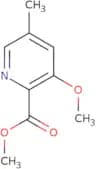
CAS:<p>Versatile small molecule scaffold</p>Formula:C8H7BrN2Purity:Min. 95%Molecular weight:211.06 g/molMethyl 3-methoxy-5-methylpicolinate
CAS:<p>Versatile small molecule scaffold</p>Formula:C9H11NO3Purity:Min. 95%Molecular weight:181.19 g/molGSK 205
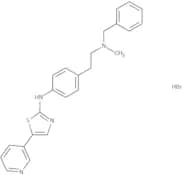
CAS:<p>GSK 205 is a histamine receptor agonist that has been shown to have analgesic properties in animal models of pain. It binds to the TRPV4 ion channel and activates it, which results in an increase in the intracellular concentration of cations and an influx of calcium. This response has been shown to be mediated by calmodulin binding and GSK 205 also stimulates pancreatic enzyme secretion by activating the cytosolic Ca2+ response element-binding protein (CREB) pathway. The CREB pathway is involved in cell proliferation and differentiation, as well as memory formation. GSK 205 has been shown to have no adverse effects on skin cells when used at physiological levels.</p>Formula:C24H25BrN4SPurity:Min. 95%Molecular weight:481.5 g/molEthyl 1H,4H,6H,7H-pyrano[4,3-b]pyrrole-2-carboxylate
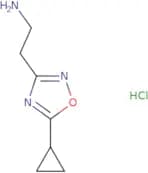
CAS:<p>Versatile small molecule scaffold</p>Formula:C10H13NO3Purity:Min. 95%Molecular weight:195.21 g/mol2-(5-Cyclopropyl-1,2,4-oxadiazol-3-yl)ethan-1-amine hydrochloride
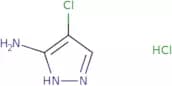
CAS:<p>Versatile small molecule scaffold</p>Formula:C7H12ClN3OPurity:Min. 95%Molecular weight:189.64 g/mol4-Chloro-1H -pyrazol-3-ylamine hydrochloride
CAS:<p>Versatile small molecule scaffold</p>Formula:C3H5Cl2N3Purity:Min. 95%Molecular weight:153.99 g/mol{[5-(3-Methoxyphenyl)-3-isoxazolyl]methyl}amine hydrochloride
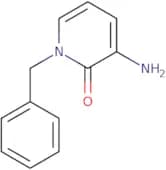
CAS:<p>Versatile small molecule scaffold</p>Formula:C11H13ClN2O2Purity:Min. 95%Molecular weight:240.68 g/mol3-Amino-1-benzyl-1,2-dihydropyridin-2-one
CAS:<p>Versatile small molecule scaffold</p>Formula:C12H12N2OPurity:Min. 95%Molecular weight:200.24 g/mol1,1-difluoro-6-azaspiro[2.5]octane hcl
CAS:<p>Versatile small molecule scaffold</p>Formula:C7H12ClF2NPurity:Min. 95%Molecular weight:183.63 g/mol1-[4-(2-Methylpropyl)phenyl]ethane-1,2-diol
CAS:<p>Versatile small molecule scaffold</p>Formula:C12H18O2Purity:Min. 95%Molecular weight:194.27 g/moltert-Butyl 3-amino-1-oxa-7-azaspiro[4.5]decane-7-carboxylate
CAS:<p>Versatile small molecule scaffold</p>Formula:C13H24N2O3Purity:Min. 95%Molecular weight:256.34 g/mol1-(Difluoromethyl)-2-oxo-1,2-dihydropyridine-3-carbaldehyde
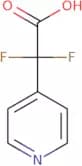
CAS:<p>Versatile small molecule scaffold</p>Formula:C7H5F2NO2Purity:Min. 95%Molecular weight:173.12 g/mol2,2-Difluoro-2-(pyridin-4-yl)acetic acid
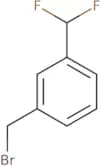
CAS:<p>Versatile small molecule scaffold</p>Formula:C7H5F2NO2Purity:Min. 95%Molecular weight:173.12 g/mol3-(Difluoromethyl)benzyl bromide
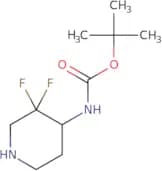
CAS:<p>Versatile small molecule scaffold</p>Formula:C8H7BrF2Purity:Min. 95%Molecular weight:221.04 g/moltert-Butyl 3,3-difluoropiperidin-4-ylcarbamate
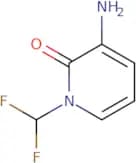
CAS:<p>Versatile small molecule scaffold</p>Formula:C10H18F2N2O2Purity:Min. 95%Molecular weight:236.3 g/mol3-Amino-1-(difluoromethyl)-1,2-dihydropyridin-2-one
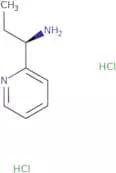
CAS:<p>Versatile small molecule scaffold</p>Formula:C6H6F2N2OPurity:Min. 95%Molecular weight:160.12 g/mol(R)-1-(Pyridin-2-yl)propan-1-amine dihydrochloride
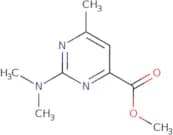
CAS:<p>Versatile small molecule scaffold</p>Formula:C8H12N2HClPurity:Min. 95%Molecular weight:209.11 g/molMethyl 2-(dimethylamino)-6-methylpyrimidine-4-carboxylate
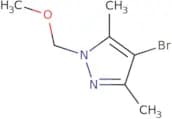
CAS:<p>Methyl 2-(dimethylamino)-6-methylpyrimidine-4-carboxylate (MDMP) is a natural compound that has been shown to have biological properties. It has a locomotor activity in mice and inhibits the growth of methicillin-resistant Staphylococcus aureus and Mycobacterium tuberculosis. MDMP is an inhibitor molecule that blocks the enzyme DNA polymerase, thereby inhibiting DNA synthesis. This drug also inhibits the production of phosphatidylcholine, which is important for maintaining cell membrane integrity.</p>Formula:C9H13N3O2Purity:Min. 95%Molecular weight:195.22 g/mol4-Bromo-1-(methoxymethyl)-3,5-dimethyl-1H-pyrazole
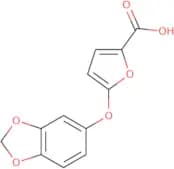
CAS:<p>Versatile small molecule scaffold</p>Formula:C7H11BrN2OPurity:Min. 95%Molecular weight:219.08 g/mol5-(1,3-Dioxaindan-5-yloxy)furan-2-carboxylic acid
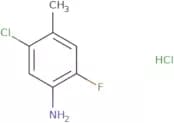
CAS:<p>Versatile small molecule scaffold</p>Formula:C12H8O6Purity:Min. 95%Molecular weight:248.19 g/mol5-Chloro-2-fluoro-4-methylaniline hydrochloride
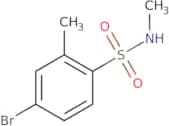
CAS:<p>Versatile small molecule scaffold</p>Formula:C7H8Cl2FNPurity:Min. 95%Molecular weight:196.05 g/mol4-Bromo-N,2-dimethylbenzene-1-sulfonamide
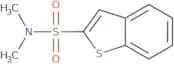
CAS:<p>Versatile small molecule scaffold</p>Formula:C8H10BrNO2SPurity:Min. 95%Molecular weight:264.14 g/molN,N-Dimethyl-1-benzothiophene-2-sulfonamide
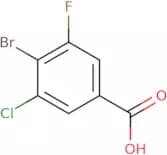
CAS:<p>Versatile small molecule scaffold</p>Formula:C10H11NO2S2Purity:Min. 95%Molecular weight:241.3 g/mol4-Bromo-3-chloro-5-fluorobenzoic acid
CAS:<p>Versatile small molecule scaffold</p>Formula:C7H3BrClFO2Purity:Min. 95%Molecular weight:253.45 g/mol

![2-[4-(2-Methylpropyl)phenyl]ethan-1-amine hydrochloride](/_next/image/?url=https%3A%2Fstatic.cymitquimica.com%2Fproducts%2F3D%2Fthumb-webp%2FMRD34461.webp&w=3840&q=75)
![2,4,9-Trioxa-3λ⁶-thiaspiro[5.5]undecane-3,3-dione](/_next/image/?url=https%3A%2Fstatic.cymitquimica.com%2Fproducts%2F3D%2Fthumb-webp%2FMRD34521.webp&w=3840&q=75)
![6-(Methoxymethyl)-1-azaspiro[3.3]heptanes](/_next/image/?url=https%3A%2Fstatic.cymitquimica.com%2Fproducts%2F3D%2Fthumb-webp%2FMRD34527.webp&w=3840&q=75)
![1-Oxa-7-azaspiro[4.5]dec-3-ene hydrochloride](/_next/image/?url=https%3A%2Fstatic.cymitquimica.com%2Fproducts%2F3D%2Fthumb-webp%2FMRD34528.webp&w=3840&q=75)

![tert-Butyl 8-azaspiro[bicyclo[3.2.1]octane-3,2'-piperidine]-8-carboxylate](/_next/image/?url=https%3A%2Fstatic.cymitquimica.com%2Fproducts%2F3D%2Fthumb-webp%2FMRD34538.webp&w=3840&q=75)
![Propyl N-[3-(methylamino)propyl]carbamate hydrochloride](/_next/image/?url=https%3A%2Fstatic.cymitquimica.com%2Fproducts%2F3D%2Fthumb-webp%2FMRD34542.webp&w=3840&q=75)
![10-Oxa-6-azaspiro[4.6]undecan-7-one](/_next/image/?url=https%3A%2Fstatic.cymitquimica.com%2Fproducts%2F3D%2Fthumb-webp%2FMRD34551.webp&w=3840&q=75)



![2-{[(4-Fluorophenyl)sulphonyl]amino}acetic acid](/_next/image/?url=https%3A%2Fstatic.cymitquimica.com%2Fproducts%2F3D%2Fthumb-webp%2FNAA02971.webp&w=3840&q=75)
![2-{[(4-Chlorophenyl)sulfonyl]amino}acetic acid](/_next/image/?url=https%3A%2Fstatic.cymitquimica.com%2Fproducts%2F3D%2Fthumb-webp%2FNAA02972.webp&w=3840&q=75)

![N-[Bis(methylsulfanyl)methylidene]methanesulfonamide](/_next/image/?url=https%3A%2Fstatic.cymitquimica.com%2Fproducts%2F3D%2Fthumb-webp%2FNAA06810.webp&w=3840&q=75)
![6-Amino-1-[(4-methylphenyl)methyl]-1,2,3,4-tetrahydropyrimidine-2,4-dione](/_next/image/?url=https%3A%2Fstatic.cymitquimica.com%2Fproducts%2F3D%2Fthumb-webp%2FNAB13705.webp&w=3840&q=75)
![3-Bromo-6-chloroimidazo[1,5-a]pyridine](/_next/image/?url=https%3A%2Fstatic.cymitquimica.com%2Fproducts%2F3D%2Fthumb-webp%2FNAC05714.webp&w=3840&q=75)
![3-Bromoimidazo[1,5-a]pyridine](/_next/image/?url=https%3A%2Fstatic.cymitquimica.com%2Fproducts%2F3D%2Fthumb-webp%2FNAC05786.webp&w=3840&q=75)
![3,7-Dibromoimidazo[1,5-a]pyridine](/_next/image/?url=https%3A%2Fstatic.cymitquimica.com%2Fproducts%2F3D%2Fthumb-webp%2FNAC05855.webp&w=3840&q=75)
![Ethyl 6-chloroimidazo[1,5-a]pyridine-1-carboxylate](/_next/image/?url=https%3A%2Fstatic.cymitquimica.com%2Fproducts%2F3D%2Fthumb-webp%2FNAC05883.webp&w=3840&q=75)
![3-bromo-5-methylpyrazolo[1,5-a]pyrimidine](/_next/image/?url=https%3A%2Fstatic.cymitquimica.com%2Fproducts%2F3D%2Fthumb-webp%2FNAC05915.webp&w=3840&q=75)
![Methyl 5-chloropyrazolo[1,5-a]pyrimidine-2-carboxylate](/_next/image/?url=https%3A%2Fstatic.cymitquimica.com%2Fproducts%2F3D%2Fthumb-webp%2FNAC05926.webp&w=3840&q=75)
![3-bromo-6-methylpyrazolo[1,5-a]pyrimidine](/_next/image/?url=https%3A%2Fstatic.cymitquimica.com%2Fproducts%2F3D%2Fthumb-webp%2FNAC06064.webp&w=3840&q=75)
![6-bromopyrazolo[1,5-a]pyrimidine-3-carbaldehyde](/_next/image/?url=https%3A%2Fstatic.cymitquimica.com%2Fproducts%2F3D%2Fthumb-webp%2FNAC06072.webp&w=3840&q=75)
![3-Bromo-7-methylimidazo[1,5-a]pyridine](/_next/image/?url=https%3A%2Fstatic.cymitquimica.com%2Fproducts%2F3D%2Fthumb-webp%2FNAC06183.webp&w=3840&q=75)
![Ethyl 1H,4H,6H,7H-pyrano[4,3-b]pyrrole-2-carboxylate](/_next/image/?url=https%3A%2Fstatic.cymitquimica.com%2Fproducts%2F3D%2Fthumb-webp%2FNAC08301.webp&w=3840&q=75)
![{[5-(3-Methoxyphenyl)-3-isoxazolyl]methyl}amine hydrochloride](/_next/image/?url=https%3A%2Fstatic.cymitquimica.com%2Fproducts%2F3D%2Fthumb-webp%2FNAC09448.webp&w=3840&q=75)
![1,1-difluoro-6-azaspiro[2.5]octane hcl](/_next/image/?url=https%3A%2Fstatic.cymitquimica.com%2Fproducts%2F3D%2Fthumb-webp%2FNAC13231.webp&w=3840&q=75)
![1-[4-(2-Methylpropyl)phenyl]ethane-1,2-diol](/_next/image/?url=https%3A%2Fstatic.cymitquimica.com%2Fproducts%2F3D%2Fthumb-webp%2FNAC16232.webp&w=3840&q=75)
![tert-Butyl 3-amino-1-oxa-7-azaspiro[4.5]decane-7-carboxylate](/_next/image/?url=https%3A%2Fstatic.cymitquimica.com%2Fproducts%2F3D%2Fthumb-webp%2FNAC17713.webp&w=3840&q=75)