Building Blocks
This section contains fundamental products for the synthesis of organic and biological compounds. Building blocks are the essential starting materials used to construct complex molecules through various chemical reactions. They play a critical role in drug discovery, material science, and chemical research. At CymitQuimica, we offer a diverse range of high-quality building blocks to support your innovative research and industrial projects, ensuring you have the essential components for successful synthesis.
Subcategories of "Building Blocks"
- Boronic Acids & Boronic Acid Derivatives(5,756 products)
- Chiral Building Blocks(1,242 products)
- Hydrocarbon Building Blocks(6,095 products)
- Organic Building Blocks(61,037 products)
Found 196139 products of "Building Blocks"
Sort by
Purity (%)
0
100
|
0
|
50
|
90
|
95
|
100
1-[1-(Morpholin-4-yl)cyclopentyl]ethan-1-amine dihydrochloride
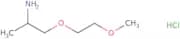
CAS:<p>Versatile small molecule scaffold</p>Formula:C11H24Cl2N2OPurity:Min. 95%Molecular weight:271.22 g/mol1-(2-Aminopropoxy)-2-methoxyethane hydrochloride
CAS:<p>Versatile small molecule scaffold</p>Formula:C6H16ClNO2Purity:Min. 95%Molecular weight:169.65 g/mol1-{[2-(1-Ethoxyethyl)-1,3-thiazol-4-yl]methyl}piperazine
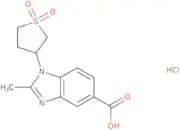
CAS:<p>Versatile small molecule scaffold</p>Formula:C12H21N3OSPurity:Min. 95%Molecular weight:255.38 g/mol2-methyl-1-(tetrahydro-1,1-dioxido-3-thienyl)-1H-Benzimidazole-5-carboxylic acid hydrochloride
CAS:<p>Versatile small molecule scaffold</p>Formula:C13H15ClN2O4SPurity:Min. 95%Molecular weight:330.79 g/mol{[(2-Bromoprop-2-en-1-yl)oxy]methyl}benzene
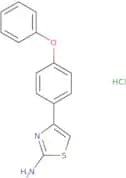
CAS:<p>Versatile small molecule scaffold</p>Formula:C10H11BrOPurity:Min. 95%Molecular weight:227.1 g/mol4-(4-Phenoxyphenyl)-1,3-thiazol-2-amine hydrochloride
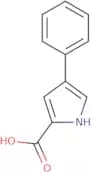
CAS:<p>Versatile small molecule scaffold</p>Formula:C15H13ClN2OSPurity:Min. 95%Molecular weight:304.8 g/mol4-Phenyl-1H-pyrrole-2-carboxylic acid
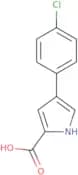
CAS:<p>Versatile small molecule scaffold</p>Formula:C11H9NO2Purity:Min. 95%Molecular weight:187.19 g/mol4-(4-Chlorophenyl)-1H-pyrrole-2-carboxylic acid
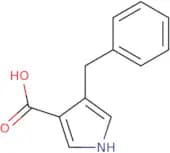
CAS:<p>Versatile small molecule scaffold</p>Formula:C11H8ClNO2Purity:Min. 95%Molecular weight:221.64 g/mol4-Benzyl-1H-pyrrole-3-carboxylic acid
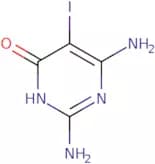
CAS:<p>Versatile small molecule scaffold</p>Formula:C12H11NO2Purity:Min. 95%Molecular weight:201.22 g/mol2,6-Diamino-5-iodo-3,4-dihydropyrimidin-4-one
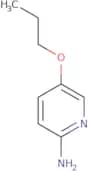
CAS:<p>Versatile small molecule scaffold</p>Formula:C4H5IN4OPurity:Min. 95%Molecular weight:252.01 g/mol5-Propoxypyridin-2-amine
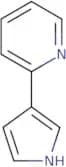
CAS:<p>Versatile small molecule scaffold</p>Formula:C8H12N2OPurity:Min. 95%Molecular weight:152.19 g/mol2-(1H-Pyrrol-3-yl)pyridine
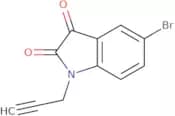
CAS:<p>Versatile small molecule scaffold</p>Formula:C9H8N2Purity:Min. 95%Molecular weight:144.17 g/mol5-Bromo-1-(prop-2-yn-1-yl)-2,3-dihydro-1H-indole-2,3-dione
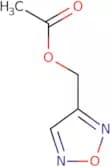
CAS:<p>Versatile small molecule scaffold</p>Formula:C11H6BrNO2Purity:Min. 95%Molecular weight:264.07 g/mol1,2,5-Oxadiazol-3-ylmethyl acetate
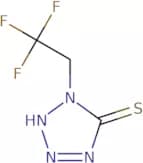
CAS:<p>Versatile small molecule scaffold</p>Formula:C5H6N2O3Purity:Min. 95%Molecular weight:142.11 g/mol1-(2,2,2-Trifluoroethyl)-1H-1,2,3,4-tetrazole-5-thiol
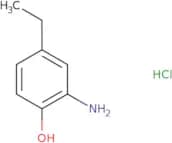
CAS:<p>Versatile small molecule scaffold</p>Formula:C3H3F3N4SPurity:Min. 95%Molecular weight:184.15 g/mol2-Amino-4-ethylphenol hydrochloride
CAS:<p>Versatile small molecule scaffold</p>Formula:C8H12ClNOPurity:Min. 95%Molecular weight:173.64 g/mol5-[(Phenylthio)methyl]-2-furoic acid
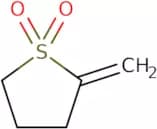
CAS:<p>Versatile small molecule scaffold</p>Formula:C12H10O3SPurity:Min. 95%Molecular weight:234.27 g/molTetrahydro-2-methylene-thiophene 1,1-dioxide
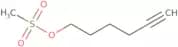
CAS:<p>Versatile small molecule scaffold</p>Formula:C5H8O2SPurity:Min. 95%Molecular weight:132.18 g/molHex-5-yn-1-yl methanesulfonate
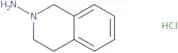
CAS:<p>Versatile small molecule scaffold</p>Formula:C7H12O3SPurity:Min. 95%Molecular weight:176.24 g/mol1,2,3,4-Tetrahydroisoquinolin-2-amine hydrochloride
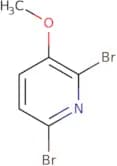
CAS:<p>Versatile small molecule scaffold</p>Formula:C9H13ClN2Purity:Min. 95%Molecular weight:184.66 g/mol2,6-Dibromo-3-methoxypyridine
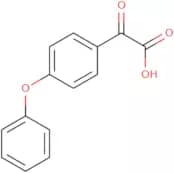
CAS:<p>2,6-Dibromo-3-methoxypyridine is an important intermediate for the synthesis of polymers and copolymers. It can be obtained by cross-coupling reactions with a variety of electrophiles such as alkyl halides and organometallic compounds. This compound can also be prepared by electrochemical synthesis in the presence of a suitable catalyst such as copper oxide or nickel oxide. The insoluble nature of 2,6-dibromo-3-methoxypyridine makes it difficult to isolate.<br>2,6-Dibromo-3-methoxypyridine is used in the preparation of thiophene, stannylated pyridines, and ethers. It has also been used in the synthesis of polymers and copolymers with a variety of monomers including styrene, vinyl acetate, acrylonitrile, methyl methacrylate, methyl ac</p>Formula:C6H5Br2NOPurity:Min. 95%Molecular weight:266.92 g/mol2-Oxo-2-(4-phenoxyphenyl)acetic acid
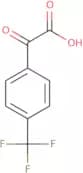
CAS:<p>Versatile small molecule scaffold</p>Formula:C14H10O4Purity:Min. 95%Molecular weight:242.23 g/mol2-Oxo-2-(4-(trifluoromethyl)phenyl)acetic acid
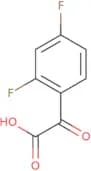
CAS:<p>Versatile small molecule scaffold</p>Formula:C9H5F3O3Purity:Min. 95%Molecular weight:218.13 g/mol2-(2,4-Difluorophenyl)-2-oxoacetic acid
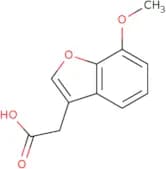
CAS:<p>Versatile small molecule scaffold</p>Formula:C8H4F2O3Purity:Min. 95%Molecular weight:186.11 g/mol2-(7-Methoxy-1-benzofuran-3-yl)acetic acid
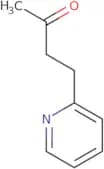
CAS:<p>Versatile small molecule scaffold</p>Formula:C11H10O4Purity:Min. 95%Molecular weight:206.19 g/mol4-(Pyridin-2-yl)butan-2-one
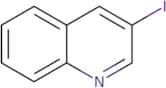
CAS:<p>Versatile small molecule scaffold</p>Formula:C9H11NOPurity:Min. 95%Molecular weight:149.19 g/mol3-Iodoquinoline
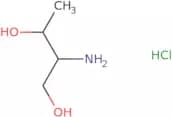
CAS:<p>3-Iodoquinoline is a quinoline derivative that has antifungal activity against opportunistic fungal organisms, such as Cryptococcus neoformans. This drug is synthesized by the reaction of terminal alkynes with azides in the presence of copper (II) chloride. 3-Iodoquinoline is an efficient method for the synthesis of cross-coupling reactions and can be scaled up to produce milligram quantities. 3-Iodoquinoline has been shown to be effective against Candida glabrata and Cryptococcus neoformans at concentrations of 1 μg/mL or less. This drug also inhibits cell growth in vitro and in vivo, which may be due to its ability to inhibit protein synthesis and DNA synthesis.</p>Formula:C9H6NIPurity:Min. 95%Molecular weight:255.05 g/mol(2R,3R)-2-Aminobutane-1,3-diol hydrochloride
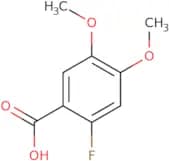
CAS:<p>Versatile small molecule scaffold</p>Formula:C4H12ClNO2Purity:Min. 95%Molecular weight:141.6 g/mol2-Fluoro-4,5-dimethoxybenzoic acid
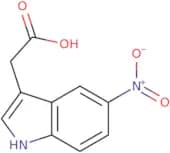
CAS:<p>2-Fluoro-4,5-dimethoxybenzoic acid is a fluorinated electrophilic side-chain oxazoline. It is synthesized by lithiation of 2,4,5-trimethoxybenzaldehyde followed by oxidation with hydrogen peroxide and reductive cleavage with sodium borohydride. The fluorination of the 2-position of the benzoic acid moiety provides a convenient method for preparing fluorinated analogues that are resistant to degradation.</p>Formula:C9H9FO4Purity:Min. 95%Molecular weight:200.16 g/mol2-(5-Nitro-1H-indol-3-yl)acetic acid
CAS:<p>Versatile small molecule scaffold</p>Formula:C10H8N2O4Purity:Min. 95%Molecular weight:220.18 g/mol4,5-Dihydrothieno[2,3-c]pyrrol-6-one
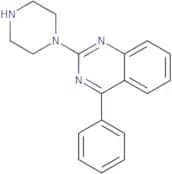
CAS:<p>4,5-Dihydrothieno[2,3-c]pyrrol-6-one is an organic compound that is used as a starting material for the synthesis of other compounds. It can be prepared by refluxing carbon tetrachloride and potassium carbonate in methanol solution with bromosuccinimide as an initiator. The yield of 4,5-dihydrothieno[2,3-c]pyrrol-6-one is about 60%.</p>Formula:C6H5NOSPurity:Min. 95%Molecular weight:139.18 g/mol4-Phenyl-2-(piperazin-1-yl)quinazoline
CAS:<p>4-Phenyl-2-(piperazin-1-yl)quinazoline is a ligand that has been shown to bind to integrin alphaIIbbeta3. It has also been shown to inhibit the activity of human platelets and potently inhibit the activity of human thrombin. The molecular docking studies have shown that this ligand interacts with the binding site on the integrin alphaIIbbeta3, which is responsible for the binding of a number of ligands. This compound has been found to be an affinity and potent inhibitor of platelet activation, which may be due to its inhibition of integrin alphaIIbbeta3.</p>Formula:C18H18N4Purity:Min. 95%Molecular weight:290.4 g/molMethyl 4-(2-cyanoeth-1-en-1-yl)benzoate
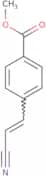
CAS:<p>Versatile small molecule scaffold</p>Formula:C11H9NO2Purity:Min. 95%Molecular weight:187.19 g/mol5-(3-Bromophenyl)imidazolidine-2,4-dione
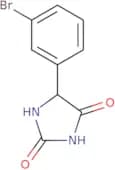
CAS:<p>Versatile small molecule scaffold</p>Formula:C9H7BrN2O2Purity:Min. 95%Molecular weight:255.07 g/mol4-(4-Oxopiperidin-1-yl)benzonitrile
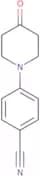
CAS:<p>Versatile small molecule scaffold</p>Formula:C12H12N2OPurity:Min. 95%Molecular weight:200.24 g/mol2-(Trifluoromethyl)-1,3-oxathiolan-5-one
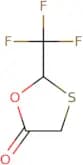
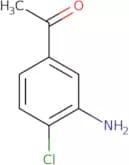
CAS:<p>Versatile small molecule scaffold</p>Formula:C4H3F3O2SPurity:Min. 95%Molecular weight:172.13 g/mol1-(3-Amino-4-chlorophenyl)ethanone
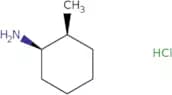
CAS:<p>Versatile small molecule scaffold</p>Formula:C8H8ClNOPurity:Min. 95%Molecular weight:169.61 g/mol(1R,2S)-2-Methyl-cyclohexylamine hydrochloride
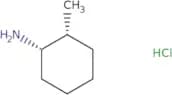
CAS:<p>Versatile small molecule scaffold</p>Formula:C7H15N·HClPurity:Min. 95%Molecular weight:149.66 g/mol(1S,2R)-2-Methylcyclohexylamine hydrochloride
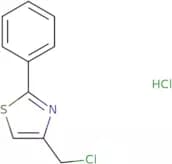
CAS:<p>Versatile small molecule scaffold</p>Formula:C7H16ClNPurity:Min. 95%Molecular weight:149.66 g/mol4-(Chloromethyl)-2-phenyl-1,3-thiazole hydrochloride
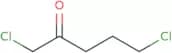
CAS:<p>Versatile small molecule scaffold</p>Formula:C10H9Cl2NSPurity:Min. 95%Molecular weight:246.16 g/mol1,5-Dichloropentan-2-one
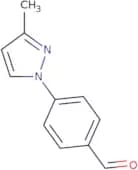
CAS:<p>Versatile small molecule scaffold</p>Formula:C5H8Cl2OPurity:Min. 95%Molecular weight:155.02 g/mol4-(3-Methyl-1H-pyrazol-1-yl)benzaldehyde
CAS:<p>Versatile small molecule scaffold</p>Formula:C11H10N2OPurity:Min. 95%Molecular weight:186.21 g/molMethyl 3-{[(benzyloxy)carbonyl](methyl)amino}-2-methylpropanoate
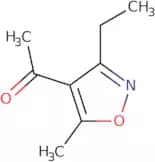
CAS:<p>Versatile small molecule scaffold</p>Formula:C14H19NO4Purity:Min. 95%Molecular weight:265.3 g/mol1-(3-Ethyl-5-methyl-1,2-oxazol-4-yl)ethan-1-one
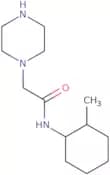
CAS:<p>Versatile small molecule scaffold</p>Formula:C8H11NO2Purity:Min. 95%Molecular weight:153.18 g/molN-(2-Methylcyclohexyl)-2-(piperazin-1-yl)acetamide
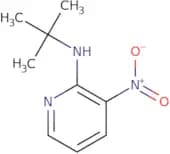
CAS:<p>Versatile small molecule scaffold</p>Formula:C13H25N3OPurity:Min. 95%Molecular weight:239.36 g/molN-tert-Butyl-3-nitropyridin-2-amine
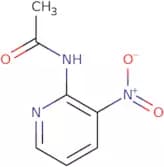
CAS:<p>Versatile small molecule scaffold</p>Formula:C9H13N3O2Purity:Min. 95%Molecular weight:195.22 g/molN-(3-Nitropyridin-2-yl)acetamide
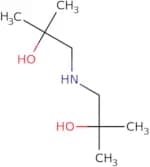
CAS:<p>Versatile small molecule scaffold</p>Formula:C7H7N3O3Purity:Min. 95%Molecular weight:181.15 g/mol1,1-Azanediylbis(2-methylpropan-2-ol)
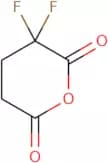
CAS:<p>Versatile small molecule scaffold</p>Formula:C8H19NO2Purity:Min. 95%Molecular weight:161.24 g/mol3,3-Difluorooxane-2,6-dione
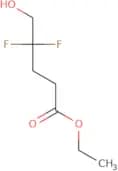
CAS:<p>Versatile small molecule scaffold</p>Formula:C5H4F2O3Purity:Min. 95%Molecular weight:150.08 g/molEthyl 4,4-difluoro-5-hydroxypentanoate
CAS:<p>Versatile small molecule scaffold</p>Formula:C7H12F2O3Purity:Min. 95%Molecular weight:182.16 g/mol9-Oxa-3-azabicyclo[4.2.1]nonan-4-one
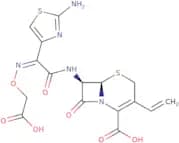
CAS:<p>Versatile small molecule scaffold</p>Formula:C7H11NO2Purity:Min. 95%Molecular weight:141.17 g/molCefixime
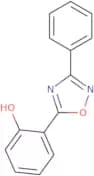
CAS:<p>Cefixime is a penicillin-binding protein inhibitor that binds to the 50S ribosomal subunit. It is used for the treatment of infectious diseases caused by bacteria. Cefixime has been shown to have an optimum concentration of 2-4 micrograms/mL in human plasma. The oral bioavailability of cefixime is approximately 30% and it has an elimination half-life of 1.5 hours. The drug is metabolized primarily through oxidation by cytochrome P450 enzymes, which are induced by other drugs, such as erythromycin and clarithromycin, or enzyme inducers such as phenobarbital, rifampin, or carbamazepine. Cefixime inhibits bacterial growth through competitive inhibition with penicillin-binding proteins (PBPs), which are required for bacterial cell wall synthesis and protein synthesis.</p>Formula:C16H15N5O7S2Purity:Min. 95%Color and Shape:PowderMolecular weight:453.45 g/mol2-(3-Phenyl-1,2,4-oxadiazol-5-yl)phenol
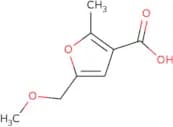
CAS:<p>2-(3-Phenyl-1,2,4-oxadiazol-5-yl)phenol is a bifunctional antibiotic that inhibits bacterial growth by binding to DNA gyrase and topoisomerase IV. It has been used in research for its potential to treat immunodeficiency, mycoses, and fungal infections. 2-(3-Phenyl-1,2,4-oxadiazol-5-yl)phenol has shown the ability to inhibit the growth of a number of fungi including Candida albicans and Cryptococcus neoformans. This drug also exhibits fluorescence under UV light.</p>Formula:C14H10N2O2Purity:Min. 95%Molecular weight:238.24 g/mol5-(Methoxymethyl)-2-methylfuran-3-carboxylic acid
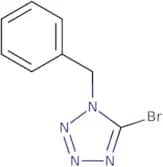
CAS:<p>Versatile small molecule scaffold</p>Formula:C8H10O4Purity:Min. 95%Molecular weight:170.16 g/mol1-Benzyl-5-bromo-1H-1,2,3,4-tetrazole
CAS:<p>1-Benzyl-5-bromo-1H-1,2,3,4-tetrazole is a boronic acid that can be used as a cross-coupling reagent. It reacts with nucleophiles such as amines and iodides to form a stable covalent bond. The compound has been shown to be an efficient cross-coupling agent for the synthesis of imines and heterocycles. 1-Benzyl-5-bromo-1H-1,2,3,4 tetrazole is also photochemically reactive and can be used in the synthesis of new functional groups.</p>Formula:C8H7BrN4Purity:Min. 95%Molecular weight:239.07 g/molMethyl 2-cyano-2-methyl-2-phenylacetate
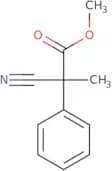
CAS:<p>Versatile small molecule scaffold</p>Formula:C11H11NO2Purity:Min. 95%Molecular weight:189.21 g/mol4,5-Dibromo-1-methyl-1H-imidazole-2-carboxaldehyde
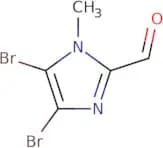
CAS:<p>Versatile small molecule scaffold</p>Formula:C5H4N2OBr2Purity:Min. 95%Molecular weight:267.91 g/mol4-Bromo-1-methyl-1H-imidazole-2-carbaldehyde
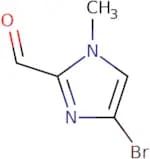
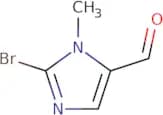
CAS:<p>Versatile small molecule scaffold</p>Formula:C5H5BrN2OPurity:Min. 95%Molecular weight:189.02 g/mol2-bromo-1-methyl-1H-imidazole-5-carbaldehyde
CAS:<p>Versatile small molecule scaffold</p>Formula:C5H5BrN2OPurity:Min. 95%Molecular weight:189 g/mol3-[4-(4-Chlorophenyl)piperazin-1-yl]propanenitrile
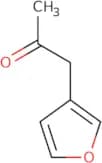
CAS:<p>Versatile small molecule scaffold</p>Formula:C13H16ClN3Purity:Min. 95%Molecular weight:249.74 g/mol1-(Furan-3-yl)propan-2-one
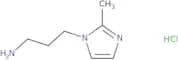
CAS:<p>Versatile small molecule scaffold</p>Formula:C7H8O2Purity:Min. 95%Molecular weight:124.14 g/mol3-(2-Methyl-1H-imidazol-1-yl)propan-1-amine hydrochloride
CAS:<p>Versatile small molecule scaffold</p>Formula:C7H14ClN3Purity:Min. 95%Molecular weight:175.66 g/mol2-[3-(Trifluoromethyl)phenyl]propan-1-amine hydrochloride
CAS:Controlled Product<p>Versatile small molecule scaffold</p>Formula:C10H13ClF3NPurity:Min. 95%Molecular weight:239.66 g/mol4-[(Ethylsulfanyl)methyl]benzoic acid
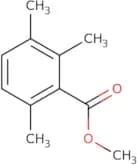
CAS:<p>Versatile small molecule scaffold</p>Formula:C10H12O2SPurity:Min. 95%Molecular weight:196.27 g/molMethyl 2,3,6-trimethylbenzoate
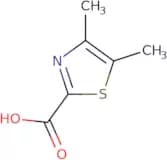
CAS:<p>Versatile small molecule scaffold</p>Formula:C11H14O2Purity:Min. 95%Molecular weight:178.23 g/mol4,5-Dimethyl-1,3-thiazole-2-carboxylic acid
CAS:<p>Versatile small molecule scaffold</p>Formula:C6H7NO2SPurity:Min. 95%Molecular weight:157.19 g/mol(Z)-2-(4-Chlorophenoxy)-N'-hydroxyethenimidamide
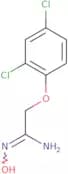
CAS:<p>Versatile small molecule scaffold</p>Formula:C8H9ClN2O2Purity:Min. 95%Color and Shape:PowderMolecular weight:200.62 g/mol2-(2,4-Dichlorophenoxy)-N'-hydroxyethanimidamide
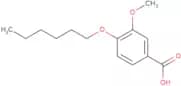
CAS:<p>Versatile small molecule scaffold</p>Formula:C8H8Cl2N2O2Purity:Min. 95%Molecular weight:235.06 g/mol4-(Hexyloxy)-3-methoxybenzoic acid
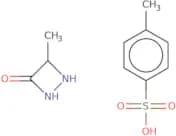
CAS:<p>Versatile small molecule scaffold</p>Formula:C14H20O4Purity:Min. 95%Molecular weight:252.31 g/mol4-Methyl-1,2-diazetidin-3-one, 4-methylbenzene-1-sulfonic acid
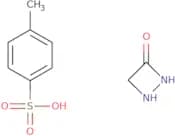
CAS:<p>Versatile small molecule scaffold</p>Formula:C10H14N2O4SPurity:Min. 95%Molecular weight:258.3 g/mol1,2-Diazetidin-3-one, 4-methylbenzene-1-sulfonic acid
CAS:<p>Metformin is a pharmaceutical agent that is used to treat type 2 diabetes and metabolic syndrome. Metformin inhibits the enzyme gluconeogenic dehydrogenase, which leads to a decrease in blood glucose levels. It also reduces insulin resistance and dyslipidemia by inhibiting the release of insulin from pancreatic beta cells. Metformin has been shown to be prophylactic for diabetic patients with cardiovascular disease, as it lowers blood pressure and reduces the risk of heart attack or stroke. The solvate form of metformin is more water-soluble than metformin hydrochloride and can be given intravenously.</p>Formula:C9H12N2O4SPurity:Min. 95%Molecular weight:244.3 g/mol2-(3-Fluoro-4-methoxyphenyl)propanoic acid
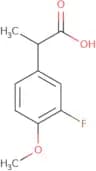
CAS:<p>Versatile small molecule scaffold</p>Formula:C10H11FO3Purity:Min. 95%Molecular weight:198.19 g/molMethyl 3-fluoro-4-hydroxyphenylacetate
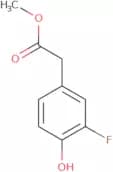
CAS:<p>Methyl 3-fluoro-4-hydroxyphenylacetate (MFHPA) is a hydrophobic drug that has been synthetized for the treatment of inflammation. It acts as a nonselective phosphodiesterase inhibitor and has been shown to be effective in experimental models of inflammation, such as carrageenan-induced paw oedema. MFHPA also inhibits fibrinolysis by preventing the conversion of plasminogen to plasmin, which may be responsible for its antiinflammatory effects. This drug has been found to reduce the severity of experimentally induced inflammation, such as carrageenan-induced paw oedema, by inhibiting fibrinolysis.</p>Formula:C9H9FO3Purity:Min. 95%Molecular weight:184.17 g/mol1-[(2-Aminoethyl)sulfanyl]-4-fluorobenzene hydrochloride
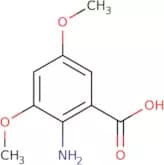
CAS:<p>Versatile small molecule scaffold</p>Formula:C8H11ClFNSPurity:Min. 95%Molecular weight:207.7 g/mol2-Amino-3,5-dimethoxybenzoic acid
CAS:<p>Versatile small molecule scaffold</p>Formula:C9H11NO4Purity:Min. 95%Molecular weight:197.19 g/mol2,5-Dibromo-4-(trifluoromethyl)-1,3-thiazole
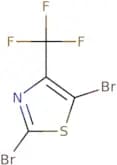
CAS:<p>Versatile small molecule scaffold</p>Formula:C4Br2F3NSPurity:Min. 95%Molecular weight:310.92 g/mol1-(2-Hydroxyphenyl)pyrrolidine-2,5-dione
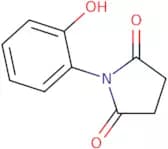
CAS:<p>Versatile small molecule scaffold</p>Formula:C10H9NO3Purity:Min. 95%Molecular weight:191.19 g/mol3-Methyl-1-(pyridin-4-yl)butan-1-one
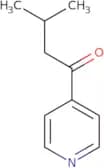
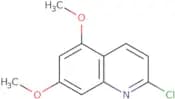
CAS:<p>Versatile small molecule scaffold</p>Formula:C10H13NOPurity:Min. 95%Molecular weight:163.22 g/mol2-Chloro-5,7-dimethoxyquinoline
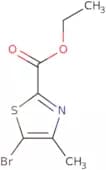
CAS:<p>Versatile small molecule scaffold</p>Formula:C11H10ClNO2Purity:Min. 95%Molecular weight:223.65 g/molEthyl 5-bromo-4-methyl-1,3-thiazole-2-carboxylate
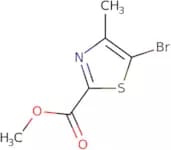
CAS:<p>Versatile small molecule scaffold</p>Formula:C7H8BrNO2SPurity:Min. 95%Molecular weight:250.12 g/molMethyl 5-bromo-4-methyl-1,3-thiazole-2-carboxylate
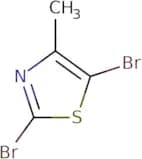
CAS:<p>Versatile small molecule scaffold</p>Formula:C6H6BrNO2SPurity:Min. 95%Molecular weight:236.09 g/mol2,5-Dibromo-4-methylthiazole
CAS:<p>2,5-Dibromo-4-methylthiazole is a methyl ester that can be used as a co-solvent in the production of solar cells. It is also an electron donor to formic acid, which is an acceptor and semiconductor. 2,5-Dibromo-4-methylthiazole absorbs light at wavelengths between 400 and 420 nm and has been shown to be dehalogenated under exposure to sunlight. This chemical has been shown to have efficiencies of up to 45% when used as a co-solvent in the production of solar cells with a high quantum yield.</p>Formula:C4H3Br2NSPurity:Min. 95%Molecular weight:256.95 g/mol5-Bromo-4-methyl-thiazol-2-ylamine hydrobromide
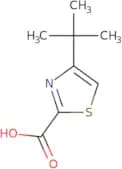
CAS:<p>Versatile small molecule scaffold</p>Formula:C4H6Br2N2SPurity:Min. 95%Molecular weight:273.98 g/mol4-tert-Butyl-1,3-thiazole-2-carboxylic acid
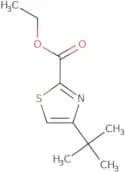
CAS:<p>Versatile small molecule scaffold</p>Formula:C8H11NO2SPurity:Min. 95%Molecular weight:185.24 g/molEthyl 4-tert-butyl-1,3-thiazole-2-carboxylate
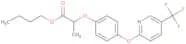
CAS:<p>Versatile small molecule scaffold</p>Formula:C10H15NO2SPurity:Min. 95%Molecular weight:213.3 g/mol(S)-Fluazifop-butyl
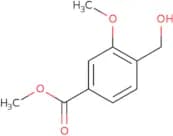
CAS:<p>Versatile small molecule scaffold</p>Formula:C19H20F3NO4Purity:Min. 95%Molecular weight:383.4 g/molMethyl 4-(hydroxymethyl)-3-methoxybenzoate
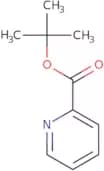
CAS:<p>Versatile small molecule scaffold</p>Formula:C10H12O4Purity:Min. 95%Molecular weight:196.2 g/moltert-Butyl pyridine-2-carboxylate
CAS:<p>Versatile small molecule scaffold</p>Formula:C10H13NO2Purity:Min. 95%Molecular weight:179.21 g/molEthyl 3-methyl-2-oxopyrrolidine-3-carboxylate
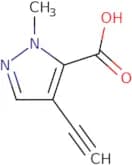
CAS:<p>Versatile small molecule scaffold</p>Formula:C8H13NO3Purity:Min. 95%Molecular weight:171.19 g/mol4-Ethynyl-1-methyl-1(H)-pyrazole-5-carboxylic acid
CAS:<p>Versatile small molecule scaffold</p>Formula:C7H6N2O2Purity:Min. 95%Molecular weight:150.13 g/molN-(4,5,6,7-Tetrahydro-1-benzothiophen-4-ylidene)hydroxylamine
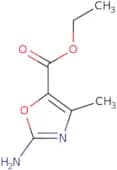
CAS:<p>Versatile small molecule scaffold</p>Formula:C8H9NOSPurity:Min. 95%Molecular weight:167.2 g/molEthyl 2-amino-4-methyl-1,3-oxazole-5-carboxylate
CAS:<p>Ethyl 2-amino-4-methyl-1,3-oxazole-5-carboxylate is a structurally active methylene compound. It is biodegradable and has been used as an effective catalyst in the laboratory. This substance is produced by the reaction of ethyl 2-aminothiazole with chloride and thiourea. Ethyl 2-amino-4-methyl-1,3-oxazole-5 carboxylate has been shown to be an effective catalyst for the synthesis of choline from acetaldehyde and ammonia, which are both commercially available compounds. The eutectic point for this compound is at -35 degrees Celsius and it has a melting point of 134 degrees Celsius.</p>Formula:C7H10N2O3Purity:Min. 95%Molecular weight:170.17 g/mol4-Chloro-1-(5-fluoro-2-hydroxyphenyl)butan-1-one
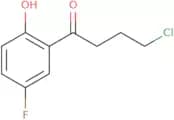
CAS:<p>Versatile small molecule scaffold</p>Formula:C10H10ClFO2Purity:Min. 95%Molecular weight:216.63 g/mol3-Chloro-[1,1'-biphenyl]-4-carbaldehyde
CAS:<p>Versatile small molecule scaffold</p>Formula:C13H9ClOPurity:Min. 95%Molecular weight:216.66 g/mol6'-Bromo-1',2'-dihydrospiro[cyclopentane-1,3'-indole]-2'-one
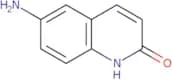
CAS:<p>Versatile small molecule scaffold</p>Formula:C12H12BrNOPurity:Min. 95%Molecular weight:266.13 g/mol6-Aminoquinolin-2-ol
CAS:<p>6-Aminoquinolin-2-ol is an antiviral drug that inhibits the transcription of viral RNA. It has been shown to inhibit the activity of human and murine cytomegalovirus by inhibiting their transcriptase activity and transactivating. 6-Aminoquinolin-2-ol also inhibits the growth of S. aureus strains, including MRSA, through its ability to inhibit bacterial efflux pumps. 6-Aminoquinolin-2-ol has long term toxicity in animals and should be used with caution in humans.</p>Formula:C9H8N2OPurity:Min. 95%Molecular weight:160.18 g/mol2-(1,1-Dioxo-1λ⁶-thiomorpholin-4-yl)acetonitrile
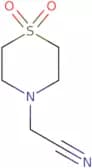
CAS:<p>Versatile small molecule scaffold</p>Formula:C6H10N2O2SPurity:Min. 95%Molecular weight:174.22 g/mol5-Methoxy-2-methylquinoline
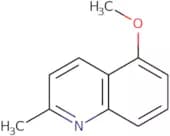
CAS:<p>5-Methoxy-2-methylquinoline is a condensation product of aniline and phenol. It is synthesized by the reaction of tio2 nanoparticles with ethanol solution in the presence of uv irradiation. The synthesis of 5-methoxy-2-methylquinoline may also be achieved through cyclization, which involves two steps: oxidation and reduction. This compound can be used for the preparation of photocatalysts, which are materials that absorb light and use it to produce chemical reactions. 5-Methoxy-2-methylquinoline has been shown to have antioxidant effects and this may be due to its ability to scavenge reactive oxygen species.</p>Formula:C11H11NOPurity:Min. 95%Molecular weight:173.21 g/moltert-Butyl 2-cyclopentylidenehydrazinecarboxylate
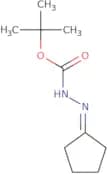
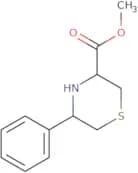
CAS:<p>tert-Butyl 2-cyclopentylidenehydrazinecarboxylate is a molecule that has been modified to be an agonist for the human liver. It has a profile of pharmacokinetic and molecular target similar to that of endogenous tyrosine kinase ligands, which are peptides and proteins involved in the regulation of metabolism, growth, and development. The pharmacokinetic profile of tert-Butyl 2-cyclopentylidenehydrazinecarboxylate can be optimized through structural modifications such as changes in hydrophobicity or lipophilicity. This optimization can increase its potency as a receptor agonist and lead to better treatment options for diseases such as type II diabetes.</p>Formula:C10H18N2O2Purity:Min. 95%Molecular weight:198.26 g/molrac-Methyl (3R,5S)-5-phenylthiomorpholine-3-carboxylate
CAS:<p>Versatile small molecule scaffold</p>Formula:C12H15NO2SPurity:Min. 95%Molecular weight:237.3 g/mol
![1-[1-(Morpholin-4-yl)cyclopentyl]ethan-1-amine dihydrochloride](/_next/image/?url=https%3A%2Fstatic.cymitquimica.com%2Fproducts%2F3D%2Fthumb-webp%2FEEC95761.webp&w=3840&q=75)

![1-{[2-(1-Ethoxyethyl)-1,3-thiazol-4-yl]methyl}piperazine](/_next/image/?url=https%3A%2Fstatic.cymitquimica.com%2Fproducts%2F3D%2Fthumb-webp%2FEEC95754.webp&w=3840&q=75)
![{[(2-Bromoprop-2-en-1-yl)oxy]methyl}benzene](/_next/image/?url=https%3A%2Fstatic.cymitquimica.com%2Fproducts%2F3D%2Fthumb-webp%2FEDA62941.webp&w=3840&q=75)
![5-[(Phenylthio)methyl]-2-furoic acid](/_next/image/?url=https%3A%2Fstatic.cymitquimica.com%2Fproducts%2F3D%2Fthumb-webp%2FEDA50496.webp&w=3840&q=75)
![4,5-Dihydrothieno[2,3-c]pyrrol-6-one](/_next/image/?url=https%3A%2Fstatic.cymitquimica.com%2Fproducts%2F3D%2Fthumb-webp%2FEDA47222.webp&w=3840&q=75)
amino}-2-methylpropanoate](/_next/image/?url=https%3A%2Fstatic.cymitquimica.com%2Fproducts%2F3D%2Fthumb-webp%2FEDA38013.webp&w=3840&q=75)
![9-Oxa-3-azabicyclo[4.2.1]nonan-4-one](/_next/image/?url=https%3A%2Fstatic.cymitquimica.com%2Fproducts%2F3D%2Fthumb-webp%2FEDA35240.webp&w=3840&q=75)
![3-[4-(4-Chlorophenyl)piperazin-1-yl]propanenitrile](/_next/image/?url=https%3A%2Fstatic.cymitquimica.com%2Fproducts%2F3D%2Fthumb-webp%2FEDA32292.webp&w=3840&q=75)
![2-[3-(Trifluoromethyl)phenyl]propan-1-amine hydrochloride](/_next/image/?url=https%3A%2Fstatic.cymitquimica.com%2Fproducts%2F3D%2Fthumb-webp%2FEDA31452.webp&w=3840&q=75)
![4-[(Ethylsulfanyl)methyl]benzoic acid](/_next/image/?url=https%3A%2Fstatic.cymitquimica.com%2Fproducts%2F3D%2Fthumb-webp%2FEDA31352.webp&w=3840&q=75)
![1-[(2-Aminoethyl)sulfanyl]-4-fluorobenzene hydrochloride](/_next/image/?url=https%3A%2Fstatic.cymitquimica.com%2Fproducts%2F3D%2Fthumb-webp%2FEDA27076.webp&w=3840&q=75)

![3-Chloro-[1,1'-biphenyl]-4-carbaldehyde](/_next/image/?url=https%3A%2Fstatic.cymitquimica.com%2Fproducts%2F3D%2Fthumb-webp%2FEDA21360.webp&w=3840&q=75)
![6'-Bromo-1',2'-dihydrospiro[cyclopentane-1,3'-indole]-2'-one](/_next/image/?url=https%3A%2Fstatic.cymitquimica.com%2Fproducts%2F3D%2Fthumb-webp%2FEDA20884.webp&w=3840&q=75)