Building Blocks
This section contains fundamental products for the synthesis of organic and biological compounds. Building blocks are the essential starting materials used to construct complex molecules through various chemical reactions. They play a critical role in drug discovery, material science, and chemical research. At CymitQuimica, we offer a diverse range of high-quality building blocks to support your innovative research and industrial projects, ensuring you have the essential components for successful synthesis.
Subcategories of "Building Blocks"
- Boronic Acids & Boronic Acid Derivatives(5,756 products)
- Chiral Building Blocks(1,242 products)
- Hydrocarbon Building Blocks(6,095 products)
- Organic Building Blocks(61,037 products)
Found 196139 products of "Building Blocks"
Sort by
Purity (%)
0
100
|
0
|
50
|
90
|
95
|
100
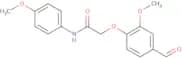
2-(4-Formyl-2-methoxy-phenoxy)- N -(4-methoxy-phenyl)-acetamide
CAS:<p>Versatile small molecule scaffold</p>Formula:C17H17NO5Purity:Min. 95%Molecular weight:315.32 g/mol3-Methylnaphtho[1,2-b]furan-2-carboxylic acid
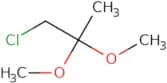
CAS:<p>Versatile small molecule scaffold</p>Formula:C14H10O3Purity:Min. 95%Molecular weight:226.23 g/mol1-Chloro-2,2-dimethoxypropane
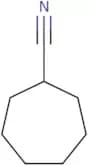
CAS:<p>Versatile small molecule scaffold</p>Formula:C5H11ClO2Purity:Min. 95%Molecular weight:138.59 g/molcycloheptanecarbonitrile
CAS:<p>Cycloheptanecarbonitrile is a homogeneous catalyst that acts as a stabilizer, coenzyme, and fatty acid. It has been shown to be an effective nutritional supplement for inflammatory bowel disease and autoimmune diseases. Cycloheptanecarbonitrile is also reactive with quinoline derivatives and aromatic hydrocarbons, which may lead to cancer. This product is used in medicines such as coenzyme q10, which aids in the production of energy.</p>Formula:C8H13NPurity:Min. 95%Molecular weight:123.2 g/mol2-(5-oxopyrrolidin-3-yl)acetic acid
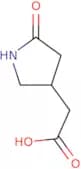
CAS:<p>2-(5-Oxopyrrolidin-3-yl)acetic acid is a succinimide monomer that can be polymerized to form polymers. It is also an isomer of hexacyclic and bicyclic compounds, which are both isomers of dimethyl glutarimide. The polymerization of 2-(5-oxopyrrolidin-3-yl)acetic acid is carried out by reacting it with other monomers such as ethylene glycol or methyl methacrylate. The polymerization reaction results in the formation of long chains of molecules called polymers. This process can be carried out in a two step process, where 2-(5-oxopyrrolidin-3-yl)acetic acid first reacts with ethylene glycol to form the desired product and then proceeds to react with methyl methacrylate to produce the desired polymer.</p>Formula:C6H9NO3Purity:Min. 95%Molecular weight:143.14 g/mol1-Benzyl-6-oxopiperidine-3-carboxylic acid
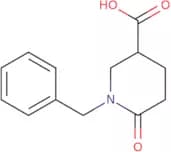
CAS:<p>1-Benzyl-6-oxopiperidine-3-carboxylic acid is a diastereomeric, intramolecular, efficient, functionalized primary amine. It is synthesized from the reaction of cyclohexanone and benzaldehyde in the presence of a base. The amine group is subsequently converted to an acid chloride with thionyl chloride and then reacted with 1,2-diaminocyclohexane. The product can be used as a precursor for other compounds.</p>Formula:C13H15NO3Purity:Min. 95%Molecular weight:233.27 g/molN-Methanesulfonyl-N-(3-nitrophenyl)methanesulfonamide
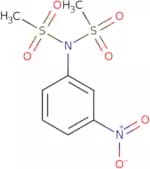
CAS:<p>Versatile small molecule scaffold</p>Formula:C8H10N2O6S2Purity:Min. 95%Molecular weight:294.3 g/molMethyl 2-(4-methoxyphenyl)-2-oxoacetate
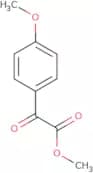
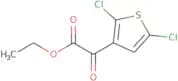
CAS:<p>Methyl 2-(4-methoxyphenyl)-2-oxoacetate is a chemical compound synthesized from the reaction of acetone, benzene, and phosphorous pentachloride. The product is an oily liquid that is soluble in ether and chloroform. It can be used as a reagent to synthesize phosphonates and phosphite esters. Methyl 2-(4-methoxyphenyl)-2-oxoacetate is also used to prepare tetronic acid by dehydration and grignard reaction with bromoanisole.</p>Formula:C10H10O4Purity:Min. 95%Molecular weight:194.18 g/molEthyl 2-(2,5-dichlorothiophen-3-yl)-2-oxoacetate
CAS:<p>This compound is a selective hydrogenation catalyst with a high degree of selectivity for the reduction of chlorinated aliphatic and aromatic compounds. The catalyst can be immobilized on different supports, such as palladium on alumina or carbon. It has been shown that the nature of the support has an effect on the catalytic activity and selectivity. This immobilized catalyst is more stable than unsupported catalysts and it can be used in batch processes.</p>Formula:C8H6Cl2O3SPurity:Min. 95%Molecular weight:253.1 g/molMethyl 4,4-dimethyl-2-oxocyclohexanecarboxylate
CAS:<p>Versatile small molecule scaffold</p>Formula:C10H16O3Purity:Min. 95%Molecular weight:184.23 g/mol1,7,7-Trimethylbicyclo[2.2.1]heptan-2-amine hydrochloride
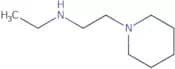
CAS:<p>Versatile small molecule scaffold</p>Formula:C10H20ClNPurity:Min. 95%Molecular weight:189.72 g/molN-Ethyl-2-piperidin-1-ylethanamine
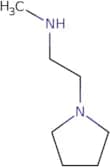
CAS:<p>Versatile small molecule scaffold</p>Formula:C9H20N2Purity:Min. 95%Molecular weight:156.27 g/molN-Methyl-N-(2-pyrrolidin-1-ylethyl)amine
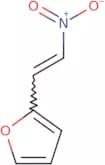
CAS:<p>N-Methyl-N-(2-pyrrolidin-1-ylethyl)amine is a selective, orally bioavailable κ-opioid receptor antagonist. It has been shown to have improved selectivity for the κ-opioid receptor over the μ- and δ-opioid receptors. NMPEA has a long duration of action, with pharmacokinetic profiles that are independent of dose. This drug is a lead compound for the treatment of pain and opioid dependence.</p>Formula:C7H16N2Purity:Min. 95%Molecular weight:128.22 g/mol2-(2-Nitroethenyl)furan
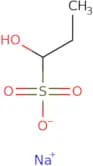
CAS:<p>2-(2-Nitroethenyl)furan is a phosphatase inhibitor that has been shown to be active against Leishmania, an intracellular parasite. This drug prevents the production of energy in the form of ATP by inhibiting the activity of phosphatases and thus disrupting cellular homeostasis. 2-(2-Nitroethenyl)furan binds to the enzyme with irreversible inhibition, which leads to clinical relevance in vitro and in vivo studies. The CD-1 mouse model has demonstrated that 2-(2-Nitroethenyl)furan inhibits bacterial growth with a prolonged half-life. In vitro assays have shown that this drug inhibits protein synthesis and is effective against resistant microorganisms.</p>Formula:C6H5NO3Purity:Min. 95%Molecular weight:139.11 g/molSodium 1-hydroxypropane-1-sulfonate
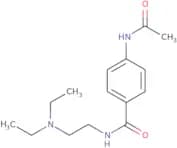
CAS:<p>Versatile small molecule scaffold</p>Formula:C3H7NaO4SPurity:Min. 95%Molecular weight:162.1 g/molN-Acetylprocainamide
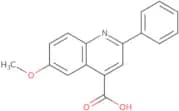
CAS:<p>N-Acetylprocainamide is a prodrug that is hydrolyzed in vivo to procainamide, its active form. Procainamide is used for the treatment of cardiac arrhythmias, but has been shown to have minimal toxicity. N-acetylprocainamide has been shown to be effective in experimental models and has minimal toxicity in long-term studies. This drug can be administered orally or intravenously and has been shown to have a low rate constant. The analytical method for this drug is chromatographic analysis.</p>Formula:C15H23N3O2Purity:Min. 95%Molecular weight:277.36 g/mol6-Methoxy-2-phenyl-quinoline-4-carboxylic acid
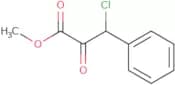
CAS:<p>Versatile small molecule scaffold</p>Formula:C17H13NO3Purity:Min. 95%Molecular weight:279.29 g/molMethyl 3-chloro-2-oxo-3-phenylpropanoate
CAS:<p>Methyl 3-chloro-2-oxo-3-phenylpropanoate is a covalent analog of paclitaxel. It has been synthesized by the chemoenzymatic reaction of acetyl chloride, chloroacetic acid, and phenylacetaldehyde in the presence of thiosemicarbazide. The yield is 80%. The product has been shown to have similar biological activity as paclitaxel. The synthesis of methyl 3-chloro-2-oxo-3-phenylpropanoate is based on nature.</p>Formula:C10H9ClO3Purity:Min. 95%Molecular weight:212.63 g/mol2-Methoxyisopropylcyanoacetate
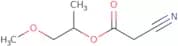
CAS:<p>Versatile small molecule scaffold</p>Formula:C7H11NO3Purity:Min. 95%Molecular weight:157.17 g/mol2-(2-Methylpropyl)pentanedioic acid
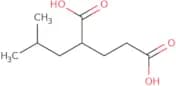
CAS:<p>Versatile small molecule scaffold</p>Formula:C9H16O4Purity:Min. 95%Molecular weight:188.22 g/molSodium dipentylcarbamodithioate
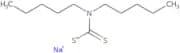
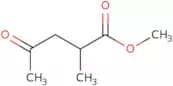
CAS:<p>Sodium dipentylcarbamodithioate is an aliphatic hydrocarbon that is used as a coupling agent in organic synthesis. It has been known to react with molybdenum, forming a product that resembles the structure of fatty acids. Sodium dipentylcarbamodithioate also reacts with glycerin to form an ester. This reaction product is a viscosity modifier and corrosion inhibitor for petroleum products. The functional groups of this compound are dithiocarbamic, which are acidic and react with fatty acids to form salts.</p>Formula:C11H22NNaS2Purity:Min. 95%Molecular weight:255.4 g/molMethyl 2-methyl-4-oxopentanoate
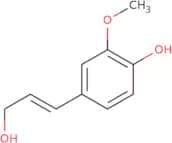
CAS:<p>Methyl 2-methyl-4-oxopentanoate is a natural product that can be prepared by enzymatic hydrolysis of methyl 2-methyl-4-oxobutanoate. It has been shown to have anti-inflammatory activities, which may be due to its ability to inhibit lipase activity in the pancreas. Methyl 2-methyl-4-oxopentanoate is an α,α′-(1,2,3,6,-tetrahydropyridyl) ester with an enantiomeric excess of 100%. This compound also has been shown to interact with lipases at physiological concentrations and kinetic parameters are known for the interaction. Methyl 2-methyl-4-oxopentanoate is able to inhibit lipase activity when it binds reversibly in a noncompetitive manner.</p>Formula:C7H12O3Purity:Min. 95%Molecular weight:144.17 g/mol(E)-Coniferol
CAS:<p>(E)-Coniferol is a coniferyl alcohol that is found in plants. It is synthesized from the coniferyl alcohol and eugenol by oxidation of the double bond with hydrogen peroxide. (E)-Coniferol has been shown to have physiological effects. It also binds to ATP-binding cassette transporter proteins and can be used as a model system for polymer compositions. (E)-Coniferol has been shown to have anti-inflammatory properties, which may be due to its ability to inhibit prostaglandin synthesis.</p>Formula:C10H12O3Purity:Min. 95%Molecular weight:180.2 g/molMethyl 3-hydroxycyclopentanecarboxylate
CAS:<p>Versatile small molecule scaffold</p>Formula:C7H12O3Purity:Min. 95%Molecular weight:144.17 g/mol3-Amino-1-{3-[methyl(phenyl)amino]propyl}thiourea
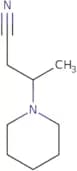
CAS:<p>Versatile small molecule scaffold</p>Formula:C11H18N4SPurity:Min. 95%Molecular weight:238.36 g/mol3-(Piperidin-1-yl)butanenitrile
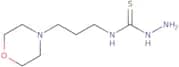
CAS:<p>Versatile small molecule scaffold</p>Formula:C9H16N2Purity:Min. 95%Molecular weight:152.24 g/mol4-(3-Morpholinopropyl)-3-thiosemicarbazide
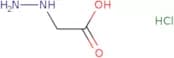
CAS:<p>4-(3-Morpholinopropyl)-3-thiosemicarbazide is a thiadiazine compound that inhibits protein glycation and glycation. It has been shown to effectively inhibit glycation in vitro and vivo with the model system. 4-(3-Morpholinopropyl)-3-thiosemicarbazide has been shown to have anti-inflammatory properties, which may be due to its ability to block the formation of advanced glycated end products (AGEs) by blocking the reaction between glucose and proteins.</p>Formula:C8H18N4OSPurity:Min. 95%Molecular weight:218.32 g/mol2-Hydrazinylacetic acid hydrochloride
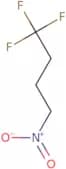
CAS:<p>2-Hydrazinylacetic acid hydrochloride is a nitro compound that is used as an intermediate in organic synthesis and as a pharmaceutical agent. This drug has antiviral activity, and has been shown to inhibit the replication of both influenza virus and human immunodeficiency virus. It also inhibits angiotensin-converting enzyme, which is involved in the regulation of blood pressure and blood volume. In addition, 2-hydrazinylacetic acid hydrochloride inhibits the production of hepatitis B virus surface antigen (HBsAg) in infected cells and inhibits the growth of cultured hepatoma cells. This drug also has anti-inflammatory properties and can be used to treat inflammatory diseases such as rheumatoid arthritis. 2-Hydrazinylacetic acid hydrochloride is absorbed by the skin when topically applied, but not through oral administration.</p>Formula:C2H7ClN2O2Purity:Min. 95%Molecular weight:126.54 g/mol1,1,1-Trifluoro-4-nitrobutane
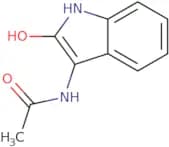
CAS:<p>Versatile small molecule scaffold</p>Formula:C4H6F3NO2Purity:Min. 95%Molecular weight:157.09 g/molN-(2-Hydroxy-1H-indol-3-yl)acetamide
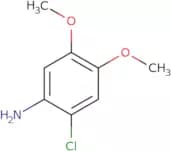
CAS:<p>Versatile small molecule scaffold</p>Formula:C10H10N2O2Purity:Min. 95%Molecular weight:190.2 g/mol2-Chloro-4,5-dimethoxyaniline
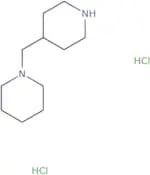
CAS:<p>2-Chloro-4,5-dimethoxyaniline is an organic compound that is a member of the class of ethers. It can be used in a variety of chemical reactions such as benzoquinone synthesis, arylation, and chlorination. 2-Chloro-4,5-dimethoxyaniline is soluble in methanol, but insoluble in water. It decomposes when heated and can react with hydrogen chloride or chlorine to form hydrogen chloride gas or chlorine gas respectively.</p>Formula:C8H10ClNO2Purity:Min. 95%Molecular weight:187.63 g/mol1-(4-Piperidinylmethyl)piperidine dihydrochloride
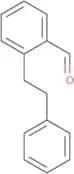
CAS:<p>Versatile small molecule scaffold</p>Formula:C11H24Cl2N2Purity:Min. 95%Molecular weight:255.23 g/mol2-phenethylbenzaldehyde
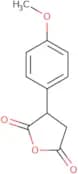
CAS:<p>2-Phenethylbenzaldehyde is a phenylaldehyde derivative that can be used as a reagent for the conversion of aldehydes to their corresponding hydroxylamines. It is also an important precursor in the synthesis of many heterocycles. 2-Phenethylbenzaldehyde can be used as an additive in perfumes and cosmetics because it has a pleasant odor and low toxicity. This substance is stable at room temperature, but decomposes at high temperatures. 2-Phenethylbenzaldehyde reacts with deuterium to produce carbenes, which are reactive intermediates that may react with other molecules to form new compounds. This compound reacts with light or ultraviolet light (UV) photons to form diazo, which may react with other molecules to form new compounds. The sensitivity of 2-phenethylbenzaldehyde is increased when it contains deuterium isotopes.</p>Formula:C15H14OPurity:Min. 95%Molecular weight:210.27 g/mol3-(4-Methoxyphenyl)oxolane-2,5-dione
CAS:<p>Versatile small molecule scaffold</p>Formula:C11H10O4Purity:Min. 95%Molecular weight:206.19 g/mol5,5-Dimethyldihydrothiophen-3(2H)-one
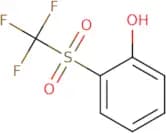
CAS:<p>Versatile small molecule scaffold</p>Formula:C6H10OSPurity:Min. 95%Molecular weight:130.21 g/mol2-Trifluoromethanesulfonylphenol
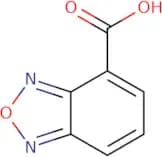
CAS:<p>Versatile small molecule scaffold</p>Formula:C7H5F3O3SPurity:Min. 95%Molecular weight:226.17 g/mol2,1,3-Benzoxadiazole-4-carboxylic acid
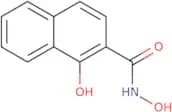
CAS:<p>Versatile small molecule scaffold</p>Formula:C7H4N2O3Purity:Min. 95%Molecular weight:164.12 g/molN,1-Dihydroxynaphthalene-2-carboxamide
CAS:<p>Versatile small molecule scaffold</p>Formula:C11H9NO3Purity:Min. 95%Molecular weight:203.19 g/mol6,6-Dimethylbicyclo[3.1.1]hept-2-ene
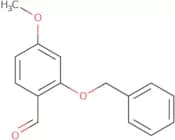
CAS:<p>6,6-Dimethylbicyclo[3.1.1]hept-2-ene is an α-pinene molecule that has been shown to have cytotoxic properties in mammalian cells and significant anticancer activity against pancreatic cancer cells. The molecular structure of 6,6-dimethylbicyclo[3.1.1]hept-2-ene includes a double bond between carbons 6 and 7, which is where the molecule gets its name from. This compound has been shown to be able to induce apoptosis in cancer cells by activating the CB2 receptor and inhibiting the activity of molecules called GPR55 and TRPV4. 6,6-Dimethylbicyclo[3.1.1]hept-2-ene also reacts with intramolecular hydrogen to form a bicyclic system with a double bond between carbons 1 and 2, which increases its cytotoxicity against cancer cells due to the</p>Formula:C9H14Purity:Min. 95%Molecular weight:122.21 g/mol2-(Benzyloxy)-4-methoxybenzenecarbaldehyde
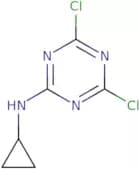
CAS:<p>2-(Benzyloxy)-4-methoxybenzenecarbaldehyde (BMB) is an anticancer agent that has been shown to induce apoptosis in cancer cells. This compound reduces the mitochondrial membrane potential, which leads to the release of cytochrome c and loss of mitochondrial membrane potential. BMB also inhibits protein synthesis and has a strong inhibitory effect on cell proliferation. In addition, it has been shown to be effective against pancreatic cancer cells. This compound may be useful for the treatment of other cancers as well, such as breast, colon, and prostate cancer.</p>Formula:C15H14O3Purity:Min. 95%Molecular weight:242.3 g/mol2-N-cyclopropylamino-4,6-dichloro triazine
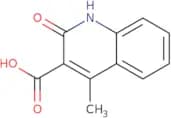
CAS:<p>2-N-Cyclopropylamino-4,6-dichloro triazine is a chlorinated triazine herbicide. It is used to control broadleaf weeds and grasses in rice fields. The toxic effects of 2-N-cyclopropylamino-4,6-dichloro triazine are related to its amination by ethanol in the presence of hydrochloric acid. This reaction takes place in the presence of water, yielding cyanuric chloride and hydrogen chloride gas. Cyanuric chloride reacts with water to form cyanuric acid and hydrogen chloride gas. Cyanuric acid is highly toxic because it inhibits the Krebs cycle in cells, which leads to cell death. The reaction time for this herbicide ranges from 8 hours to 24 hours depending on the temperature.</p>Formula:C6H8Cl2N4Purity:Min. 95%Molecular weight:207.61 g/mol2-Hydroxy-4-methylquinoline-3-carboxylic acid
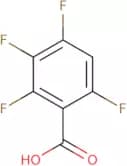
CAS:<p>2-Hydroxy-4-methylquinoline-3-carboxylic acid (HMQC) is a chloride thionyl bioactive compound that interacts with the kidneys. HMQC has been extracted from plants and is also found in human urine. The efficiency of this method for extracting HMQC depends on the amount of organic solvents used and the temperature at which it is hydrolyzed, as well as its stability. HMQC can be extracted by carbon tetrachloride (CCl) or tetrachloride (Cl), which are alkaline hydrolysis solvents. HMQC is an efficient diuretic and has shown to be an effective treatment for acute renal failure.</p>Formula:C11H9NO3Purity:Min. 95%Molecular weight:203.19 g/mol2,3,4,6-Tetrafluorobenzoic acid
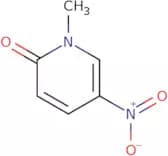
CAS:<p>2,3,4,6-Tetrafluorobenzoic acid is a synthetic chemical that is used as a growth regulator in plants. It is often found in the form of its sodium salt. 2,3,4,6-Tetrafluorobenzoic acid regulates plant growth by inhibiting the production of auxins and other hormones. This compound has been shown to inhibit the synthesis of chlorophyll and disrupt plant metabolism at high concentrations. 2,3,4,6-Tetrafluorobenzoic acid also has been shown to be an effective insecticide when applied to plants.</p>Formula:C7H2F4O2Purity:Min. 95%Molecular weight:194.08 g/mol1-Methyl-5-nitro-2-pyridone
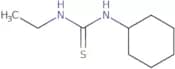
CAS:<p>Versatile small molecule scaffold</p>Formula:C6H6N2O3Purity:Min. 95%Molecular weight:154.12 g/mol1-Cyclohexyl-3-ethylthiourea
CAS:<p>Versatile small molecule scaffold</p>Formula:C9H18N2SPurity:Min. 95%Molecular weight:186.32 g/mol7-Methoxy-4,5-dihydro-1H-benzo[b][1,4]diazepin-2(3H)-one
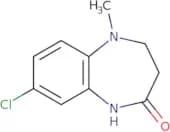
CAS:<p>Versatile small molecule scaffold</p>Formula:C10H12N2O2Purity:Min. 95%Molecular weight:192.21 g/mol8-Chloro-5-methyl-2,3,4,5-tetrahydro-1H-1,5-benzodiazepin-2-one
CAS:<p>Versatile small molecule scaffold</p>Formula:C10H11ClN2OPurity:Min. 95%Molecular weight:210.66 g/mol3-[(Adamantan-1-yl)amino]propanenitrile
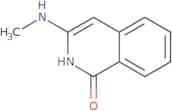
CAS:<p>Versatile small molecule scaffold</p>Formula:C13H20N2Purity:Min. 95%Molecular weight:204.31 g/mol3-(Methylamino)-1,2-dihydroisoquinolin-1-one
CAS:<p>Versatile small molecule scaffold</p>Formula:C10H10N2OPurity:Min. 95%Molecular weight:174.2 g/mol4-(Heptylsulfanyl)benzoic acid
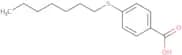
CAS:<p>Versatile small molecule scaffold</p>Formula:C14H20O2SPurity:Min. 95%Molecular weight:252.37 g/mol3-(Hydroxymethyl)cyclohexanone
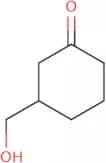
CAS:<p>Versatile small molecule scaffold</p>Formula:C7H12O2Purity:Min. 95%Molecular weight:128.17 g/mol[2,2-Dimethyl-3-(2-methylprop-1-en-1-ylidene)cyclopropyl]methanol
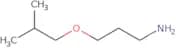
CAS:<p>Versatile small molecule scaffold</p>Formula:C10H16OPurity:Min. 95%Molecular weight:152.23 g/mol3-Isobutoxy propylamine
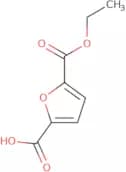
CAS:<p>Versatile small molecule scaffold</p>Formula:C7H17NOPurity:Min. 95%Molecular weight:131.22 g/mol5-(Ethoxycarbonyl)furan-2-carboxylic acid
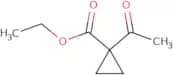
CAS:<p>Versatile small molecule scaffold</p>Formula:C8H8O5Purity:Min. 95%Molecular weight:184.15 g/molEthyl 1-acetylcyclopropane-1-carboxylate
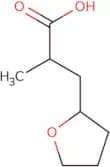
CAS:<p>Ethyl 1-acetylcyclopropane-1-carboxylate is a synthetic quinolone antibacterial agent. It has been shown to inhibit gram-positive bacteria, such as Streptococcus pyogenes, Staphylococcus aureus, and Enterococcus faecalis. The compound also inhibits the growth of other gram-positive pathogens, such as Propionibacterium acnes and Corynebacterium diphtheriae. Ethyl 1-acetylcyclopropane-1-carboxylate binds to the enzyme DNA gyrase, which is required for bacterial replication and transcription. This binding prevents DNA from unwinding during replication and transcription, which leads to cell death by inhibiting protein synthesis.</p>Formula:C8H12O3Purity:Min. 95%Molecular weight:156.18 g/mol2-Methyl-3-(oxolan-2-yl)propanoic acid
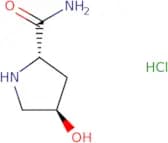
CAS:<p>Versatile small molecule scaffold</p>Formula:C8H14O3Purity:Min. 95%Molecular weight:158.19 g/mol(2S,4R)-4-Hydroxypyrrolidine-2-carboxamide hydrochloride
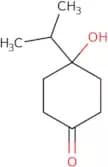
CAS:<p>Versatile small molecule scaffold</p>Formula:C5H10N2O2·HClPurity:Min. 95%Molecular weight:166.61 g/mol4-Hydroxy-4-(propan-2-yl)cyclohexan-1-one
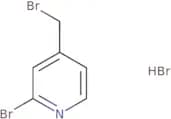
CAS:<p>Versatile small molecule scaffold</p>Formula:C9H16O2Purity:Min. 95%Molecular weight:156.22 g/mol2-bromo-4-(bromomethyl)pyridine hydrobromide
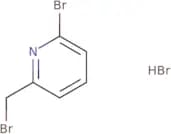
CAS:<p>Versatile small molecule scaffold</p>Formula:C6H6Br3NPurity:Min. 95%Molecular weight:331.83 g/mol2-Bromo-6-(bromomethyl)pyridine hydrobromide
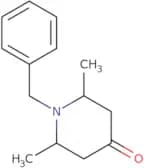
CAS:<p>Versatile small molecule scaffold</p>Formula:C6H6Br3NPurity:Min. 95%Molecular weight:331.83 g/mol1-Benzyl-2,6-dimethyl-piperidin-4-one
CAS:<p>Versatile small molecule scaffold</p>Formula:C14H19NOPurity:Min. 95%Molecular weight:217.31 g/molN-Ethyl-3,4-dimethoxyaniline
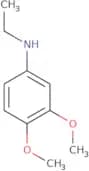
CAS:<p>Versatile small molecule scaffold</p>Formula:C10H15NO2Purity:Min. 95%Molecular weight:181.23 g/mol(2-Methylbut-3-yn-2-yl)urea
CAS:<p>Versatile small molecule scaffold</p>Formula:C6H10N2OPurity:Min. 95%Molecular weight:126.16 g/molethyl 5-ethyl-1,3-oxazole-4-carboxylate
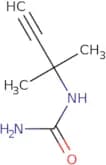
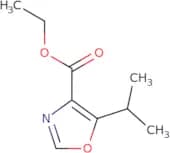
CAS:<p>Versatile small molecule scaffold</p>Formula:C8H11NO3Purity:Min. 95%Molecular weight:169.18 g/molEthyl 5-(propan-2-yl)-1,3-oxazole-4-carboxylate
CAS:<p>Versatile small molecule scaffold</p>Formula:C9H13NO3Purity:Min. 95%Molecular weight:183.2 g/mol3-bromo-5-chloro-1-benzothiophene
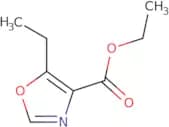
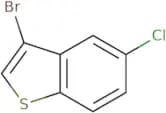
CAS:<p>Versatile small molecule scaffold</p>Formula:C8H4BrClSPurity:Min. 95%Molecular weight:247.53 g/mol1-(Carbamoylamino)cyclohexane-1-carboxylic acid
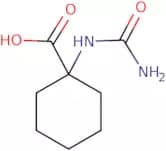
CAS:<p>Versatile small molecule scaffold</p>Formula:C8H14N2O3Purity:Min. 95%Molecular weight:186.21 g/mol4-Phenoxybut-2-ynoic acid
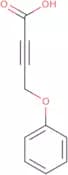
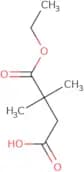
CAS:<p>Versatile small molecule scaffold</p>Formula:C10H8O3Purity:Min. 95%Molecular weight:176.17 g/mol4-Ethoxy-3,3-dimethyl-4-oxobutanoic acid
CAS:<p>Versatile small molecule scaffold</p>Formula:C8H14O4Purity:Min. 95%Molecular weight:174.19 g/moltert-Butyl N-[1-(hydrazinecarbonyl)-2-hydroxyethyl]carbamate
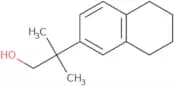
CAS:<p>The tert-butyl N-[1-(hydrazinecarbonyl)-2-hydroxyethyl]carbamate (TBHEC) is a molecule of tert-butyl with a carbonyl group. The carbonyl groups are mediated by hydrogen bonds. TBHEC has two-dimensional structure and is sandwiched between the carbonyl groups, forming a dihedral angle. One of the carbonyl groups has hydroxy group which forms a hydrogen bond with one of the hydroxy group on the other carbonyl group. The other three carbonyls of TBHEC form an equilateral triangle and are not involved in bonding.</p>Formula:C8H17N3O4Purity:Min. 95%Molecular weight:219.24 g/mol2-Methyl-2-(5,6,7,8-tetrahydronaphthalen-2-yl)propan-1-ol
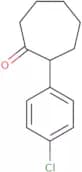
CAS:<p>Versatile small molecule scaffold</p>Formula:C14H20OPurity:Min. 95%Molecular weight:204.31 g/mol2-(4-Chlorophenyl)cycloheptan-1-one
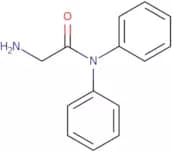
CAS:<p>Versatile small molecule scaffold</p>Formula:C13H15ClOPurity:Min. 95%Molecular weight:222.71 g/mol2-Amino-N,N-diphenylacetamide
CAS:<p>Versatile small molecule scaffold</p>Formula:C14H14N2OPurity:Min. 95%Molecular weight:226.27 g/mol3-{[5-(Propan-2-yl)-1,3,4-thiadiazol-2-yl]carbamoyl}propanoic acid
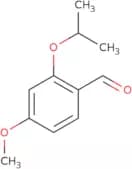
CAS:<p>Versatile small molecule scaffold</p>Formula:C9H13N3O3SPurity:Min. 95%Molecular weight:243.29 g/mol4-Methoxy-2-(propan-2-yloxy)benzaldehyde
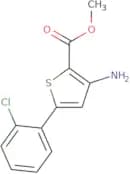
CAS:<p>4-Methoxy-2-(propan-2-yloxy)benzaldehyde is a heterobifunctional linker that can be used to connect two molecules. It inhibits the activity of HCT116 cells and has been shown to be an inhibitor of imidazoline receptors. This compound also has the ability to inhibit the E3 ubiquitin ligase and may be useful in cancer therapy.</p>Formula:C11H14O3Purity:Min. 95%Molecular weight:194.23 g/molMethyl 3-amino-5-(2-chlorophenyl)thiophene-2-carboxylate
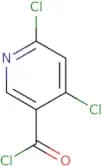
CAS:<p>Versatile small molecule scaffold</p>Formula:C12H10ClNO2SPurity:Min. 95%Molecular weight:267.73 g/mol4,6-Dichloropyridine-3-carbonyl chloride
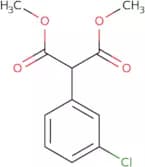
CAS:<p>Versatile small molecule scaffold</p>Formula:C6H2Cl3NOPurity:Min. 95%Molecular weight:210.4 g/mol1,3-Dimethyl 2-(3-chlorophenyl)propanedioate
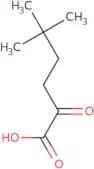
CAS:<p>Versatile small molecule scaffold</p>Formula:C11H11ClO4Purity:Min. 95%Molecular weight:242.65 g/mol5,5-Dimethyl-2-oxohexanoic acid
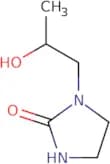
CAS:<p>Versatile small molecule scaffold</p>Formula:C8H14O3Purity:Min. 95%Color and Shape:PowderMolecular weight:158.19 g/mol1-(2-Hydroxypropyl)imidazolidin-2-one
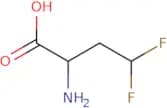
CAS:<p>Versatile small molecule scaffold</p>Formula:C6H12N2O2Purity:Min. 95%Molecular weight:144.17 g/mol2-Amino-4,4-difluorobutanoic acid
CAS:<p>2-Amino-4,4-difluorobutanoic acid is an amino acid that is the precursor to l-amino acids and δ opioid peptides. It can be synthesized in mammals by the enzyme δ aminobutyric acid (GABA) aminotransferase. This compound has been shown to have analgesic effects in animal models by acting as a δ opioid receptor agonist. 2-Amino-4,4-difluorobutanoic acid has also been shown to inhibit virus replication through inhibition of NS3 protease. Its antiviral activity is selective for influenza A virus and herpes simplex virus type 1 (HSV1). 2-Amino-4,4-difluorobutanoic acid has also been shown to be a competitive inhibitor of enkephalinase, which may contribute to its analgesic effects.</p>Formula:C4H7F2NO2Purity:Min. 95%Molecular weight:139.1 g/mol2-{3H-Imidazo[4,5-b]pyridin-2-yl}acetonitrile
CAS:<p>Versatile small molecule scaffold</p>Formula:C8H6N4Purity:Min. 95%Molecular weight:158.16 g/molN'-Hydroxy-2-{3H-imidazo[4,5-b]pyridin-2-yl}ethanimidamide
CAS:<p>Versatile small molecule scaffold</p>Formula:C8H9N5OPurity:Min. 95%Molecular weight:191.19 g/molImidazo[1,2-a]pyridin-2(3H)-one hydrobromide
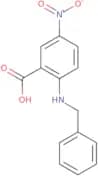
CAS:<p>Versatile small molecule scaffold</p>Formula:C7H7BrN2OPurity:Min. 95%Molecular weight:215.05 g/mol2-(Benzylamino)-5-nitrobenzoic acid
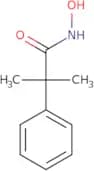
CAS:<p>2-(Benzylamino)-5-nitrobenzoic acid is a catalyst that can be used in amination reactions, which are chemical reactions between an amine and an aldehyde or ketone to form a new compound. This process is used in the synthesis of drugs, such as penicillin. 2-(Benzylamino)-5-nitrobenzoic acid has shown potential for use as a drug by selectively forming aliphatic or aromatic amines from regioselective nitrosation of amines. The isolated yield is high and the reaction does not require any harsh conditions.</p>Formula:C14H12N2O4Purity:Min. 95%Molecular weight:272.26 g/molN-Hydroxy-2-methyl-2-phenylpropanamide
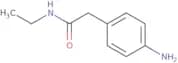
CAS:<p>Versatile small molecule scaffold</p>Formula:C10H13NO2Purity:Min. 95%Molecular weight:179.22 g/mol2-(4-Aminophenyl)-N-ethylacetamide
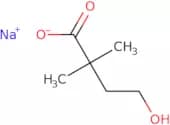
CAS:<p>Versatile small molecule scaffold</p>Formula:C10H14N2OPurity:Min. 95%Molecular weight:178.23 g/molSodium 4-hydroxy-2,2-dimethylbutanoate
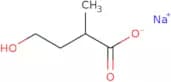
CAS:<p>Versatile small molecule scaffold</p>Formula:C6H11NaO3Purity:Min. 95%Molecular weight:154.14 g/molSodium 4-hydroxy-2-methylbutanoate
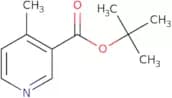
CAS:<p>Versatile small molecule scaffold</p>Formula:C5H9NaO3Purity:Min. 95%Molecular weight:140.11 g/moltert-Butyl 4-methylpyridine-3-carboxylate
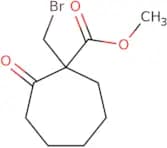
CAS:<p>Versatile small molecule scaffold</p>Formula:C11H15NO2Purity:Min. 95%Molecular weight:193.24 g/molMethyl 1-(bromomethyl)-2-oxocycloheptane-1-carboxylate
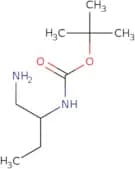
CAS:<p>Versatile small molecule scaffold</p>Formula:C10H15BrO3Purity:Min. 95%Molecular weight:263.13 g/moltert-butyl N-(1-aminobutan-2-yl)carbamate
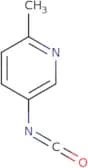
CAS:<p>Versatile small molecule scaffold</p>Formula:C9H20N2O2Purity:Min. 95%Molecular weight:188.3 g/mol5-isocyanato-2-methyl-pyridine
CAS:<p>Versatile small molecule scaffold</p>Formula:C7H6N2OPurity:Min. 95%Molecular weight:134.14 g/mol2,4-Dichloro-5-[(pyridin-2-ylmethyl)sulfamoyl]benzoic acid
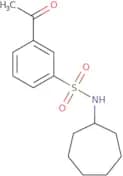
CAS:<p>Versatile small molecule scaffold</p>Formula:C13H10Cl2N2O4SPurity:Min. 95%Molecular weight:361.2 g/mol3-Acetyl-N-cycloheptylbenzene-1-sulfonamide
CAS:<p>Versatile small molecule scaffold</p>Formula:C15H21NO3SPurity:Min. 95%Molecular weight:295.4 g/mol(2E)-2-Cyano-3-[2,5-dimethyl-1-(tetrahydrofuran-2-ylmethyl)-1H-pyrrol-3-yl]acrylic acid
CAS:<p>Versatile small molecule scaffold</p>Formula:C15H18N2O3Purity:Min. 95%Molecular weight:274.31 g/mol2-Chloro-N-{3-[(2-chlorophenyl)methyl]-2,3-dihydro-1,3-thiazol-2-ylidene}acetamide
CAS:<p>Versatile small molecule scaffold</p>Formula:C12H10Cl2N2OSPurity:Min. 95%Molecular weight:301.2 g/mol4-Acetyl-N-[(2-chlorophenyl)methyl]benzene-1-sulfonamide
CAS:<p>Versatile small molecule scaffold</p>Formula:C15H14ClNO3SPurity:Min. 95%Molecular weight:323.8 g/mol2-[2-Chloro-5-(trifluoromethyl)benzenesulfonamido]acetic acid
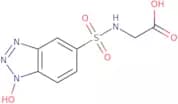
CAS:Controlled Product<p>2-[2-Chloro-5-(trifluoromethyl)benzenesulfonamido]acetic acid is a potent inhibitor of the Na+/K+ ATPase. It blocks the transport of Na+ and K+ ions across the cell membrane, which affects many cellular processes such as ion homeostasis, intracellular signaling, and protein synthesis. 2-[2-Chloro-5-(trifluoromethyl)benzenesulfonamido]acetic acid is a high purity chemical that has been used as an antibody in cell biology research, as well as to study ion channels and receptor function. This chemical is also a ligand for peptides and proteins and can be used to activate or inhibit their function. 2-[2-Chloro-5-(trifluoromethyl)benzenesulfonamido]acetic acid has CAS number 732291-51-9.</p>Formula:C9H7ClF3NO4SPurity:Min. 95%Molecular weight:317.67 g/mol2-(1-Hydroxy-1H-1,2,3-benzotriazole-5-sulfonamido)acetic acid
CAS:<p>Versatile small molecule scaffold</p>Formula:C8H8N4O5SPurity:Min. 95%Molecular weight:272.24 g/mol

![3-Methylnaphtho[1,2-b]furan-2-carboxylic acid](/_next/image/?url=https%3A%2Fstatic.cymitquimica.com%2Fproducts%2F3D%2Fthumb-webp%2FHBA73010.webp&w=3840&q=75)
![1,7,7-Trimethylbicyclo[2.2.1]heptan-2-amine hydrochloride](/_next/image/?url=https%3A%2Fstatic.cymitquimica.com%2Fproducts%2F3D%2Fthumb-webp%2FHBA76819.webp&w=3840&q=75)

![3-Amino-1-{3-[methyl(phenyl)amino]propyl}thiourea](/_next/image/?url=https%3A%2Fstatic.cymitquimica.com%2Fproducts%2F3D%2Fthumb-webp%2FHBA81312.webp&w=3840&q=75)

![6,6-Dimethylbicyclo[3.1.1]hept-2-ene](/_next/image/?url=https%3A%2Fstatic.cymitquimica.com%2Fproducts%2F3D%2Fthumb-webp%2FHBA86361.webp&w=3840&q=75)
![7-Methoxy-4,5-dihydro-1H-benzo[b][1,4]diazepin-2(3H)-one](/_next/image/?url=https%3A%2Fstatic.cymitquimica.com%2Fproducts%2F3D%2Fthumb-webp%2FHBA90019.webp&w=3840&q=75)
![3-[(Adamantan-1-yl)amino]propanenitrile](/_next/image/?url=https%3A%2Fstatic.cymitquimica.com%2Fproducts%2F3D%2Fthumb-webp%2FHBA90114.webp&w=3840&q=75)
![[2,2-Dimethyl-3-(2-methylprop-1-en-1-ylidene)cyclopropyl]methanol](/_next/image/?url=https%3A%2Fstatic.cymitquimica.com%2Fproducts%2F3D%2Fthumb-webp%2FHBA91663.webp&w=3840&q=75)
![tert-Butyl N-[1-(hydrazinecarbonyl)-2-hydroxyethyl]carbamate](/_next/image/?url=https%3A%2Fstatic.cymitquimica.com%2Fproducts%2F3D%2Fthumb-webp%2FHBA98838.webp&w=3840&q=75)
![3-{[5-(Propan-2-yl)-1,3,4-thiadiazol-2-yl]carbamoyl}propanoic acid](/_next/image/?url=https%3A%2Fstatic.cymitquimica.com%2Fproducts%2F3D%2Fthumb-webp%2FHEA81108.webp&w=3840&q=75)
![2-{3H-Imidazo[4,5-b]pyridin-2-yl}acetonitrile](/_next/image/?url=https%3A%2Fstatic.cymitquimica.com%2Fproducts%2F3D%2Fthumb-webp%2FHEA93297.webp&w=3840&q=75)
![N'-Hydroxy-2-{3H-imidazo[4,5-b]pyridin-2-yl}ethanimidamide](/_next/image/?url=https%3A%2Fstatic.cymitquimica.com%2Fproducts%2F3D%2Fthumb-webp%2FHEA93305.webp&w=3840&q=75)
![Imidazo[1,2-a]pyridin-2(3H)-one hydrobromide](/_next/image/?url=https%3A%2Fstatic.cymitquimica.com%2Fproducts%2F3D%2Fthumb-webp%2FHEA93407.webp&w=3840&q=75)
![2,4-Dichloro-5-[(pyridin-2-ylmethyl)sulfamoyl]benzoic acid](/_next/image/?url=https%3A%2Fstatic.cymitquimica.com%2Fproducts%2F3D%2Fthumb-webp%2FHEB27232.webp&w=3840&q=75)
![(2E)-2-Cyano-3-[2,5-dimethyl-1-(tetrahydrofuran-2-ylmethyl)-1H-pyrrol-3-yl]acrylic acid](/_next/image/?url=https%3A%2Fstatic.cymitquimica.com%2Fproducts%2F3D%2Fthumb-webp%2FHEB29132.webp&w=3840&q=75)
![2-Chloro-N-{3-[(2-chlorophenyl)methyl]-2,3-dihydro-1,3-thiazol-2-ylidene}acetamide](/_next/image/?url=https%3A%2Fstatic.cymitquimica.com%2Fproducts%2F3D%2Fthumb-webp%2FHEB29140.webp&w=3840&q=75)
![4-Acetyl-N-[(2-chlorophenyl)methyl]benzene-1-sulfonamide](/_next/image/?url=https%3A%2Fstatic.cymitquimica.com%2Fproducts%2F3D%2Fthumb-webp%2FHEB29149.webp&w=3840&q=75)
![2-[2-Chloro-5-(trifluoromethyl)benzenesulfonamido]acetic acid](/_next/image/?url=https%3A%2Fstatic.cymitquimica.com%2Fproducts%2F3D%2Fthumb-webp%2FHEB29151.webp&w=3840&q=75)