Building Blocks
This section contains fundamental products for the synthesis of organic and biological compounds. Building blocks are the essential starting materials used to construct complex molecules through various chemical reactions. They play a critical role in drug discovery, material science, and chemical research. At CymitQuimica, we offer a diverse range of high-quality building blocks to support your innovative research and industrial projects, ensuring you have the essential components for successful synthesis.
Subcategories of "Building Blocks"
- Boronic Acids & Boronic Acid Derivatives(5,756 products)
- Chiral Building Blocks(1,242 products)
- Hydrocarbon Building Blocks(6,095 products)
- Organic Building Blocks(60,526 products)
Found 195848 products of "Building Blocks"
Sort by
Purity (%)
0
100
|
0
|
50
|
90
|
95
|
100
3-Benzyl-4-methyl-4H-1,2,4-triazole
CAS:<p>Versatile small molecule scaffold</p>Formula:C10H11N3Purity:Min. 95%Molecular weight:173.21 g/mol(S)-1-(Pyridin-3-yl)ethanamine
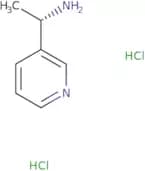
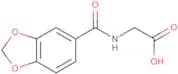
CAS:<p>(S)-1-(Pyridin-3-yl)ethanamine is a chiral, hydroxylamine derivative that acts as a catalyst for the asymmetric synthesis of pyridines. It is used in the preparation of enantiomerically pure (R)-(+)-2-hydroxy-3-pyridinecarboxylic acid and its derivatives. The catalytic enantioselective synthesis of (R)-(+)-2-hydroxy-3-pyridinecarboxylic acid has been achieved using this compound as a catalyst. This reaction can be carried out in tetrahydrofuran at room temperature with good to excellent yields.</p>Formula:C7H10N2Purity:Min. 95%Molecular weight:122.17 g/mol2-(1,3-Dioxaindan-5-ylformamido)acetic acid
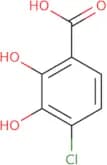
CAS:<p>Versatile small molecule scaffold</p>Formula:C10H9NO5Purity:Min. 95%Molecular weight:223.18 g/mol4-Chloro-2,3-dihydroxybenzoic acid
CAS:<p>4-Chloro-2,3-dihydroxybenzoic acid is an organic compound that is classified as a phenolic acid. It is used to treat bacterial infections, specifically those caused by pathogenic bacteria such as Pasteurella and Actinomyces. 4-Chloro-2,3-dihydroxybenzoic acid is a prodrug that can be metabolized in the body to form arginine and ornithine. This compound has antimicrobial activity against a number of different strains of microbes. It also has the ability to reduce the amount of microbial growth in the gastrointestinal tract by binding to arginine and ornithine, which are both essential for microbial metabolism.</p>Formula:C7H5ClO4Purity:Min. 95%Molecular weight:188.56 g/mol2-Methyl-2-(methylsulfanyl)propanoic acid
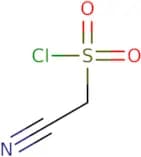
CAS:<p>Versatile small molecule scaffold</p>Formula:C5H10O2SPurity:Min. 95%Molecular weight:134.2 g/molcyanomethanesulfonyl chloride
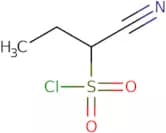
CAS:<p>Cyanomethanesulfonyl chloride is the precursor to a series of pharmaceuticals that are tyrosine kinase inhibitors. These compounds inhibit the growth and proliferation of cells by binding to the receptor tyrosine kinase, preventing it from activating and regulating other proteins. Cyanomethanesulfonyl chloride has been shown to inhibit inflammatory bowel disease in animal models. It also inhibits the production of amines and chloride, which may be responsible for its anti-inflammatory effects.</p>Formula:C2H2ClNO2SPurity:Min. 95%Molecular weight:139.6 g/mol1-Cyanopropane-1-sulfonyl chloride
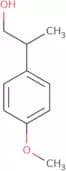
CAS:<p>Versatile small molecule scaffold</p>Formula:C4H6ClNO2SPurity:Min. 95%Molecular weight:167.61 g/mol2-(4-Methoxyphenyl)propan-1-ol
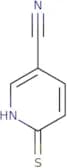
CAS:<p>Versatile small molecule scaffold</p>Formula:C10H14O2Purity:Min. 95%Molecular weight:166.22 g/mol6-Sulfanylnicotinonitrile
CAS:<p>Versatile small molecule scaffold</p>Formula:C6H4N2SPurity:Min. 95%Molecular weight:136.17 g/mol4-(Prop-2-en-1-yl)-4H-1,2,4-triazole-3-thiol
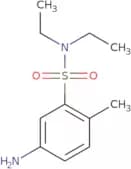
CAS:<p>Versatile small molecule scaffold</p>Formula:C5H7N3SPurity:Min. 95%Molecular weight:141.2 g/mol5-Amino-N,N-diethyl-2-methylbenzene-1-sulfonamide
CAS:<p>Versatile small molecule scaffold</p>Formula:C11H18N2O2SPurity:Min. 95%Molecular weight:242.34 g/mol4-(2,5-Dichlorophenyl)-4-oxobutanoic acid
CAS:<p>Versatile small molecule scaffold</p>Formula:C10H8Cl2O3Purity:Min. 95%Molecular weight:247.07 g/mol4-(3-Aminophenyl)-4-oxobutanoic acid
CAS:<p>Versatile small molecule scaffold</p>Formula:C10H11NO3Purity:Min. 95%Molecular weight:193.2 g/mol4-(4-Chlorophenyl)-2-methyl-4-oxobutanoic acid
CAS:<p>4-(4-Chlorophenyl)-2-methyl-4-oxobutanoic acid is a monoclinic crystalline compound that is stabilized by hydrogen bonds. The molecules of this compound are arranged in a linear fashion and form dimers through the formation of hydrogen bonds. The molecule has a conformation that resembles the geometry of triclinic crystals, but it crystallizes in the monoclinic system. The photocyclization reaction can be induced by UV light and converts 4-(4-chlorophenyl)-2-methyl-4-oxobutanoic acid to its photochemically active form.</p>Formula:C11H11ClO3Purity:Min. 95%Molecular weight:226.65 g/mol4-(4-Chlorophenyl)-3-methyl-4-oxobutyric Acid
CAS:<p>4-(4-Chlorophenyl)-3-methyl-4-oxobutyric Acid is a colorless, oily liquid that has a pungent odor. It is used in the production of butyric acid esters and as a solvent in pharmaceuticals.</p>Formula:C11H11ClO3Purity:Min. 95%Molecular weight:226.66 g/mol5-Chloro-4-(1,3-dioxo-2,3-dihydro-1H-isoindol-2-yl)-2-methoxybenzoic acid
CAS:<p>Versatile small molecule scaffold</p>Formula:C16H10ClNO5Purity:Min. 95%Molecular weight:331.7 g/molMethyl 2-(quinolin-2-yl)acetate
CAS:<p>Methyl 2-(quinolin-2-yl)acetate (MQAA) is a quinolizidine that is used as an intermediate in the synthesis of other compounds. It has been shown to cause a decrease in blood pressure by inhibiting cyclooxygenase activity and reducing the production of prostaglandins, which are responsible for vasoconstriction. MQAA also possesses esterase activity, which may be due to its methyl ester group. MQAA is converted into glycerol and methylester by esterases, which may have anti-inflammatory effects.</p>Formula:C12H11NO2Purity:Min. 95%Molecular weight:201.22 g/molThiophene-2-sulfonyl bromide
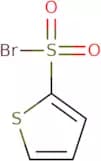
CAS:<p>Thiophene-2-sulfonyl bromide is an antimicrobial agent that is used in the treatment of skin infections. It has been shown to inhibit the growth of bacteria by binding to the thiophene ring. Thiophene-2-sulfonyl bromide binds to the c1-4 alkyl group and chloro, bromo, or fluoro substituents on the thiophene ring. The bromides on this molecule are responsible for its antimicrobial activity, as they disrupt bacterial cell membranes.</p>Formula:C4H3BrO2S2Purity:Min. 95%Molecular weight:227.1 g/mol(4-Oxocyclohexyl)acetic acid
CAS:<p>(4-Oxocyclohexyl)acetic acid is an orthogonal molecule that has achiral properties. The carboxyl group (COOH) of the molecule is on the opposite side of the translationally symmetric O-C-C bond, which allows for conformational chains to form. This means that the molecule is asymmetrical and can be rotated in two ways. The carboxyl group also has a high affinity for hydrogen bonding.</p>Formula:C8H12O3Purity:Min. 95%Molecular weight:156.18 g/molBenzyl Methyl Malnonate
CAS:<p>Benzyl Methyl Malnonate (BMM) is a polycarboxylic acid that has an inhibitory effect on the receptor binding of inorganic acids. It is used as a solid catalyst for the oxidative carbonylation of olefins and dienes. BMM can also be used to prepare heterocycles by the reaction of an active methylene with malonic acid and fluorine. The hydroxyl group on the benzyl methyl malonate molecule can undergo thermally induced oxidative carbonylation, which produces benzoic acid and formaldehyde.</p>Formula:C11H12O4Purity:Min. 95%Molecular weight:208.21 g/mol2-(2-Chloro-4-formylphenoxy)acetic acid
CAS:<p>Versatile small molecule scaffold</p>Formula:C9H7ClO4Purity:Min. 95%Molecular weight:214.6 g/molN-[4-(4-Methoxyphenyl)butan-2-ylidene]hydroxylamine
CAS:<p>Versatile small molecule scaffold</p>Formula:C11H15NO2Purity:Min. 95%Molecular weight:193.24 g/mol(3,4,5-Triiodophenyl)methanol
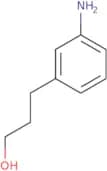
CAS:<p>Versatile small molecule scaffold</p>Formula:C7H5I3OPurity:Min. 95%Molecular weight:485.83 g/mol3-(3-Aminophenyl)propan-1-ol
CAS:<p>Versatile small molecule scaffold</p>Formula:C9H13NOPurity:Min. 95%Molecular weight:151.21 g/mol3-Iodobenzene-1-thiol
CAS:<p>Versatile small molecule scaffold</p>Formula:C6H5ISPurity:Min. 95%Molecular weight:236.08 g/mol7-Methoxy-2-oxo-1,2-dihydroquinoline-4-carboxylic acid
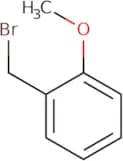
CAS:<p>Versatile small molecule scaffold</p>Formula:C11H9NO4Purity:Min. 95%Molecular weight:219.19 g/mol1-(Bromomethyl)-2-methoxybenzene
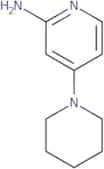
CAS:<p>Please enquire for more information about 1-(Bromomethyl)-2-methoxybenzene including the price, delivery time and more detailed product information at the technical inquiry form on this page</p>Formula:C8H9BrOPurity:Min. 95%Molecular weight:201.06 g/mol4-Piperidin-1-ylpyridin-2-amine
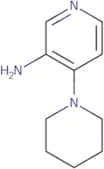
CAS:<p>Versatile small molecule scaffold</p>Formula:C10H15N3Purity:Min. 95%Molecular weight:177.25 g/mol4-(1-Piperidyl)pyridin-3-amine
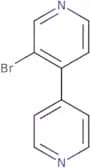
CAS:<p>Versatile small molecule scaffold</p>Formula:C10H15N3Purity:Min. 95%Molecular weight:177.24 g/mol3-Bromo-4-(pyridin-4-yl)pyridine
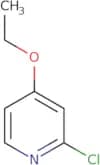
CAS:<p>Versatile small molecule scaffold</p>Formula:C10H7BrN2Purity:Min. 95%Molecular weight:235.08 g/mol2-chloro-4-ethoxypyridine
CAS:<p>Versatile small molecule scaffold</p>Formula:C7H8ClNOPurity:Min. 95%Molecular weight:157.6 g/mol6-Hydroxyquinoline-2-carbonitrile
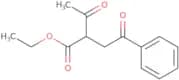
CAS:<p>6-Hydroxyquinoline-2-carbonitrile (6HQ) is a cell apoptosis activatable probe molecule. It binds to the caspase enzyme, which is an enzyme that cleaves proteins in cells and is involved in apoptosis. The binding of 6HQ to caspases causes a cascade of reactions that lead to cancer cell death by apoptosis. 6HQ has been shown to be effective against various cancer types, including pancreatic, lung, and breast cancers. This drug can also be used as a light source for optical imaging diagnosis and visualization of disulfide bonds in bioconjugates.</p>Formula:C10H6N2OPurity:Min. 95%Molecular weight:170.17 g/molEthyl 2-acetyl-4-oxo-4-phenylbutanoate
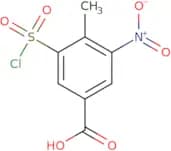
CAS:<p>Ethyl 2-acetyl-4-oxo-4-phenylbutanoate is a synthetic molecule used in organic synthesis as an intermediate. It is prepared by the cross-coupling of an aryl Grignard reagent with an azide. The reaction is catalyzed by copper and can be conducted on a solid phase, in order to avoid the use of solvents. This compound can also be used as an intermediate for the preparation of other compounds, such as amines, carbocations, and organometallic compounds. Ethyl 2-acetyl-4-oxo-4-phenylbutanoate has been shown to inhibit enzymes that are involved in carbonic acid production, including carbonic anhydrase and carboxypeptidase B. It is also possible that this compound binds to functional groups on proteins or nucleic acids.</p>Formula:C14H16O4Purity:Min. 95%Molecular weight:248.27 g/mol3-(Chlorosulfonyl)-4-methyl-5-nitrobenzoic acid
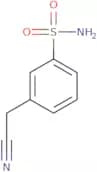
CAS:<p>Versatile small molecule scaffold</p>Formula:C8H6ClNO6SPurity:Min. 95%Molecular weight:279.65 g/mol3-(Cyanomethyl)benzene-1-sulfonamide
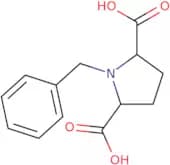
CAS:<p>Versatile small molecule scaffold</p>Formula:C8H8N2O2SPurity:Min. 95%Molecular weight:196.23 g/molrac-(2R,5S)-1-Benzylpyrrolidine-2,5-dicarboxylic acid
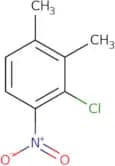
CAS:<p>Versatile small molecule scaffold</p>Formula:C13H15NO4Purity:Min. 95%Molecular weight:249.26 g/mol2-Chloro-3,4-dimethyl-1-nitrobenzene
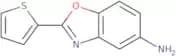
CAS:<p>Versatile small molecule scaffold</p>Formula:C8H8ClNO2Purity:Min. 95%Molecular weight:185.61 g/mol2-(Thiophen-2-yl)-1,3-benzoxazol-5-amine
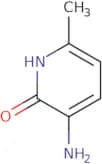
CAS:<p>Versatile small molecule scaffold</p>Formula:C11H8N2OSPurity:Min. 95%Molecular weight:216.26 g/mol3-Amino-6-methylpyridin-2-ol
CAS:<p>Versatile small molecule scaffold</p>Formula:C6H8N2OPurity:Min. 95%Molecular weight:124.14 g/mol7-Chloro-[1,2,4]triazolo[1,5-a]pyrimidine
CAS:<p>Versatile small molecule scaffold</p>Formula:C5H3ClN4Purity:Min. 95%Molecular weight:154.56 g/moltert-Butyl 2-[(3R,4S)-3-ethenylpiperidin-4-yl]acetate
CAS:<p>Versatile small molecule scaffold</p>Formula:C13H23NO2Purity:Min. 95%Molecular weight:225.3 g/mol5-(Chloromethyl)-2-phenyl-1H-imidazole hydrochloride
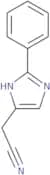
CAS:<p>Versatile small molecule scaffold</p>Formula:C10H10Cl2N2Purity:Min. 95%Molecular weight:229.1 g/mol2-(2-Phenyl-1H-imidazol-4-yl)acetonitrile
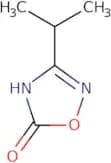
CAS:<p>Versatile small molecule scaffold</p>Formula:C11H9N3Purity:Min. 95%Molecular weight:183.21 g/mol3-(Propan-2-yl)-1,2,4-oxadiazol-5-ol
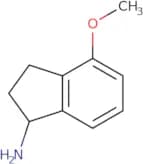
CAS:<p>Versatile small molecule scaffold</p>Formula:C5H8N2O2Purity:Min. 95%Molecular weight:128.13 g/mol4-Methoxy-1-indanamine
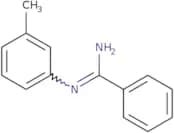
CAS:Controlled Product<p>Versatile small molecule scaffold</p>Formula:C10H13NOPurity:Min. 95%Molecular weight:163.22 g/molN-(3-Methylphenyl)benzenecarboximidamide
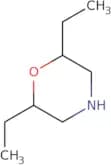
CAS:<p>Versatile small molecule scaffold</p>Formula:C14H14N2Purity:Min. 95%Molecular weight:210.27 g/mol2,6-Diethylmorpholine
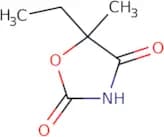
CAS:<p>Versatile small molecule scaffold</p>Formula:C8H17NOPurity:Min. 95%Molecular weight:143.23 g/mol5-ethyl-5-methyl-1,3-oxazolidine-2,4-dione
CAS:<p>The pharmacological and optical isomers of 5-ethyl-5-methyl-1,3-oxazolidine-2,4-dione are used as anesthetic agents. The optical isomers of this drug have been shown to be eliminated from the body in a quantitatively different manner. This can lead to variations in serum levels between the two isomers which may be due to the elimination process being stereoselective. The pharmacological properties of this drug have not been studied in humans; however, it has been shown to have an effect on human hematopoiesis and peripheral blood lymphocytes.</p>Formula:C6H9NO3Purity:Min. 95%Molecular weight:143.14 g/molDiphenyl-1,2-oxazol-5-amine
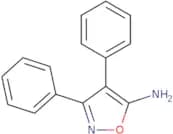
CAS:<p>Versatile small molecule scaffold</p>Formula:C15H12N2OPurity:Min. 95%Molecular weight:236.27 g/mol2,3-Diaminopropan-1-ol dihydrochloride
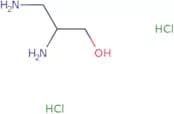
CAS:<p>Versatile small molecule scaffold</p>Formula:C3H12Cl2N2OPurity:Min. 95%Molecular weight:163.04 g/molCyclohexylmethyl isothiocyanate
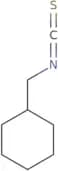
CAS:<p>Cyclohexylmethyl isothiocyanate (CHITC) is a synthetic analog of the natural product sulforaphane. CHITC activates opioid receptors, and has been shown to inhibit the detoxification enzymes responsible for the metabolism of endogenous opioids. It has also been shown to have analgesic properties in animal models of chronic pain, and is a potential treatment for gastritis.</p>Formula:C8H13NSPurity:Min. 95%Molecular weight:155.26 g/mol3-Amino-3-(1,3-thiazol-2-yl)propanoic acid
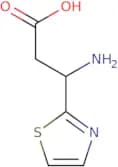
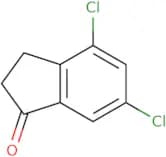
CAS:<p>Versatile small molecule scaffold</p>Formula:C6H8N2O2SPurity:Min. 95%Molecular weight:172.21 g/mol4,6-Dichloro-2,3-dihydro-1H-inden-1-one
CAS:<p>Versatile small molecule scaffold</p>Formula:C9H6Cl2OPurity:Min. 95%Molecular weight:201.05 g/molEthyl 7-oxo-5H,6H,7H-cyclopenta[C]pyridine-6-carboxylate
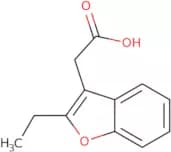
CAS:<p>Versatile small molecule scaffold</p>Formula:C11H11NO3Purity:Min. 95%Molecular weight:205.21 g/mol2-(2-Ethyl-1-benzofuran-3-yl)acetic acid
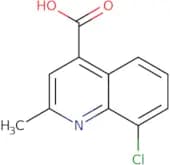
CAS:<p>Versatile small molecule scaffold</p>Formula:C12H12O3Purity:Min. 95%Molecular weight:204.22 g/mol8-Chloro-2-methyl-quinoline-4-carboxylic acid
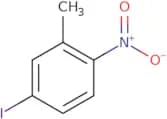
CAS:<p>Versatile small molecule scaffold</p>Formula:C11H8ClNO2Purity:Min. 95%Molecular weight:221.64 g/mol4-Iodo-2-methyl-1-nitrobenzene
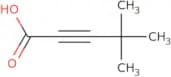
CAS:<p>4-Iodo-2-methyl-1-nitrobenzene is a prodrug that is converted to its active form, 4-iodo-2-methylbenzenesulfonamide, by hydrolysis. It has been shown to regulate the expression of genes that are involved in the regulation of cellular proliferation and cell cycle progression. The FTIR spectrum of 4-iodo-2-methylbenzenesulfonamide shows a redshift from 1730 cm−1 to 1680 cm−1, which is indicative of the photorelease of nitrosamines. This drug has been used for the treatment of cancer, in particular for chlorambucil resistant cancers. The functional groups on this compound have been shown to be efficient for chemistry with other compounds and biomolecules.</p>Formula:C7H6INO2Purity:Min. 95%Molecular weight:263.03 g/mol4,4-Dimethylpent-2-ynoic acid
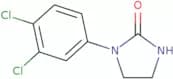
CAS:<p>Versatile small molecule scaffold</p>Formula:C7H10O2Purity:Min. 95%Molecular weight:126.15 g/mol1-(3,4-Dichlorophenyl)imidazolidin-2-one
CAS:<p>Versatile small molecule scaffold</p>Formula:C9H8Cl2N2OPurity:Min. 95%Molecular weight:231.08 g/mol4-Amino-N-[2-(diethylamino)ethyl]-2-methoxybenzamide hydrochloride
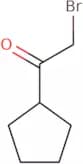
CAS:<p>Versatile small molecule scaffold</p>Formula:C14H24ClN3O2Purity:Min. 95%Molecular weight:301.81 g/mol2-bromo-1-cyclopentylethan-1-one
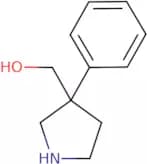
CAS:<p>2-bromo-1-cyclopentylethan-1-one is a racemic mixture of two enantiomers, 2-bromo-1-(2-methylpropyl)ethanone and 1-(2-methylpropyl)-2-(phenyl)ethanone. The compound has been shown to inhibit cell proliferation in vitro and has been used in the treatment of allergies without any observed side effects. This drug may act by inhibition of the synthesis of L-amino acids or vitamin B6, which are required for cell division. It may also have an effect on alkylating DNA, leading to inhibition of protein synthesis.</p>Formula:C7H11BrOPurity:Min. 95%Molecular weight:191.07 g/mol(3-Phenylpyrrolidin-3-yl)methanol
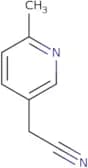
CAS:<p>Versatile small molecule scaffold</p>Formula:C11H15NOPurity:Min. 95%Molecular weight:177.24 g/mol2-(6-Methylpyridin-3-yl)acetonitrile
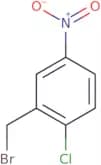
CAS:<p>Versatile small molecule scaffold</p>Formula:C8H8N2Purity:Min. 95%Molecular weight:132.16 g/mol2-(Bromomethyl)-1-chloro-4-nitrobenzene
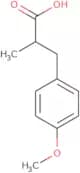
CAS:<p>Versatile small molecule scaffold</p>Formula:C7H5BrClNO2Purity:Min. 95%Molecular weight:250.48 g/mol3-(4-Methoxyphenyl)-2-methylpropanoic acid
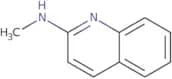
CAS:<p>Versatile small molecule scaffold</p>Formula:C11H14O3Purity:Min. 95%Molecular weight:194.23 g/molN-Methylquinolin-2-amine
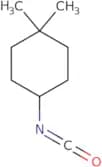
CAS:<p>N-Methylquinolin-2-amine is a quinoline derivative that binds to the fatty acid ester of amides, which are found on the surface of cells. It has high specificity for hydroxy groups and is operational in aqueous solutions. N-Methylquinolin-2-amine has been shown to have activity against Alzheimer's disease by binding to the fatty acid ester of amide and blocking the function of ligands. The reaction time can be reduced by adding hydroxy group and alkyl group to the molecule. A molecular orbital diagram shows how this compound reacts with an amide substrate. This drug can be used as a diagnostic or postoperative treatment for Alzheimer's disease.</p>Formula:C10H10N2Purity:Min. 95%Molecular weight:158.2 g/mol4-Isocyanato-1,1-dimethylcyclohexane
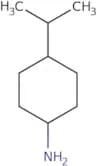
CAS:<p>Versatile small molecule scaffold</p>Formula:C9H15NOPurity:Min. 95%Molecular weight:153.22 g/mol4-Isopropylcyclohexylamine (cis- and trans- mixture)
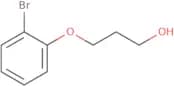
CAS:<p>4-Isopropylcyclohexylamine is an organic compound that belongs to the group of anilines. It is a colorless liquid with a camphor-like odor. 4-Isopropylcyclohexylamine has been shown to be a potent dehydrogenase in vitro and in vivo. It catalyzes the conversion of various substrates, including amines and imines, into alcohols, with or without oxidizing water. The reaction proceeds via the elimination of hydrogen cyanide as the final product. 4-Isopropylcyclohexylamine also has been shown to catalyze the oxidation of diarylamines and aminomethanes to nitrosamines and nitramines, respectively.</p>Formula:C9H19NPurity:Min. 95%Molecular weight:141.26 g/mol3-(2-Bromophenoxy)propan-1-ol
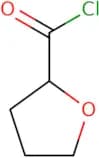
CAS:<p>Versatile small molecule scaffold</p>Formula:C9H11BrO2Purity:Min. 95%Molecular weight:231.09 g/molTetrahydrofuranyl-2-carbonyl Chloride
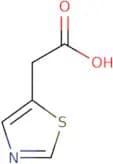
CAS:<p>Tetrahydrofuranyl-2-carbonyl Chloride is a reactive chemical that has been used in the treatment of pediatric cancer. It is a prodrug that undergoes enzymatic hydrolysis to release an active form of hydrochloric acid, which is cytotoxic and induces apoptosis in cells. Tetrahydrofuranyl-2-carbonyl Chloride binds to annexin, which triggers the activation of caspases and leads to the cleavage of poly(ADP-ribose) polymerase (PARP). This cleavage leads to mitochondrial membrane depolarization and subsequent cell death. The x-ray structures of tetrahydrofuranyl-2-carbonyl chloride show that it has an unsymmetrical carbonyl group. When it reacts with chloride ions, it forms an intermediate with a carbonyl group on one side and a bromide ion on the other. This intermediate can then react with</p>Formula:C5H7ClO2Purity:Min. 95%Molecular weight:134.56 g/mol2-(Thiazol-5-yl)acetic acid
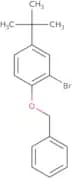
CAS:<p>2-(Thiazol-5-yl)acetic acid is an antimicrobial that is used as a fungicide. It has been shown to inhibit the growth of Fusarium and Curvularia. 2-(Thiazol-5-yl)acetic acid also has fungicidal activity against Refluxing, butanoic acid, and Oxysporum. This compound has been found to be effective against fungi in a number of different studies. 2-(Thiazol-5-yl)acetic acid inhibits the synthesis of ribosomes by inhibiting mRNA translation, leading to cell death by inhibition of protein synthesis.</p>Formula:C5H5NO2SPurity:Min. 95%Molecular weight:143.16 g/mol1-Benzyloxy-2-bromo-4-t-butylbenzene
CAS:<p>1-Benzyloxy-2-bromo-4-t-butylbenzene is a fungicide that inhibits the growth of fungi by inhibiting the synthesis of ergosterol, a component of the fungal cell membrane. It also has anti-inflammatory effects, as shown in animal models. 1-Benzyloxy-2-bromo-4-t-butylbenzene is used to control phytopathogenic fungi such as Fusarium, Rhizoctonia, and Phytophthora. This compound is not active against Gram (+) or Gram (-) bacteria.</p>Formula:C17H19BrOPurity:Min. 95%Molecular weight:319.24 g/mol2-(Methylsulfanyl)cyclohex-1-ene-1-carboxylic acid
CAS:<p>Versatile small molecule scaffold</p>Formula:C8H12O2SPurity:Min. 95%Molecular weight:172.2 g/mol1H,2H,3H,4H,5H-[1,4]Diazepino[1,2-a]indole hydrochloride
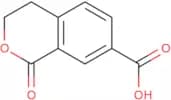
CAS:<p>Versatile small molecule scaffold</p>Formula:C12H15ClN2Purity:Min. 95%Molecular weight:222.71 g/mol1-Oxo-3,4-dihydro-1H-2-benzopyran-7-carboxylic acid
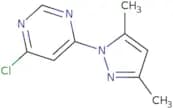
CAS:<p>Versatile small molecule scaffold</p>Formula:C10H8O4Purity:Min. 95%Molecular weight:192.17 g/mol4-Chloro-6-(3,5-dimethyl-1H-pyrazol-1-yl)pyrimidine
CAS:<p>Versatile small molecule scaffold</p>Formula:C9H9ClN4Purity:Min. 95%Molecular weight:208.65 g/mol2-Chloro-4-(3,5-dimethyl-1H-pyrazol-1-yl)pyrimidine
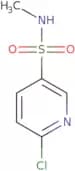
CAS:<p>2-Chloro-4-(3,5-dimethyl-1H-pyrazol-1-yl)pyrimidine is an inhibitor of DNA polymerase. It has been shown to be a potent inhibitor of the synthesis of dna and protein in bacterial cells. 2-Chloro-4-(3,5-dimethyl-1H-pyrazol-1-yl)pyrimidine forms two types of interactions with the enzyme: intermolecular interactions with the enzyme's active site, which prevents substrate binding, and intramolecular interactions with residues on the enzyme's surface, which inhibits catalysis. The crystal structure shows that hydrogen bonds form between the inhibitory molecule and amino acid residues on the enzyme's surface.</p>Formula:C9H9ClN4Purity:Min. 95%Molecular weight:208.65 g/mol6-Chloro-N-methylpyridine-3-sulfonamide
CAS:<p>Versatile small molecule scaffold</p>Formula:C6H7ClN2O2SPurity:Min. 95%Molecular weight:206.65 g/mol2,5-Dimethyl-1,4-dihydroquinolin-4-one
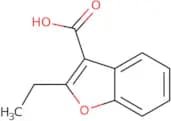
CAS:<p>Versatile small molecule scaffold</p>Formula:C11H11NOPurity:Min. 95%Molecular weight:173.21 g/mol2-Ethyl-1-benzofuran-3-carboxylic acid
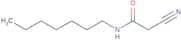
CAS:<p>Versatile small molecule scaffold</p>Formula:C11H10O3Purity:Min. 95%Molecular weight:190.19 g/mol2-Cyano-N-heptylacetamide
CAS:<p>Versatile small molecule scaffold</p>Formula:C10H18N2OPurity:Min. 95%Molecular weight:182.26 g/mol3-(4-Methoxyphenyl)cyclobutan-1-one
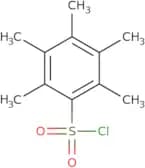
CAS:<p>Versatile small molecule scaffold</p>Formula:C11H12O2Purity:Min. 95%Molecular weight:176.21 g/molPentamethylbenzenesulfonyl chloride
CAS:<p>Pentamethylbenzenesulfonyl chloride is a halogenated organic compound that has been used in the manufacture of collagen. It has shown to be effective in the stabilization of collagen and as an anti-inflammatory agent. Pentamethylbenzenesulfonyl chloride can also be used to treat autoimmune diseases, cancer, and hyperopia. This drug is a haloalkyl that binds with proteins and other molecules through non-covalent interactions. The binding of this drug stabilizes collagen which is found in skin, cartilage, and tendons.</p>Formula:C11H15ClO2SPurity:Min. 95%Molecular weight:246.75 g/mol1-(3-Amino-4,6-dimethyl-thieno[2,3-b]pyridin-2-yl)-ethanone
CAS:<p>1-(3-Amino-4,6-dimethyl-thieno[2,3-b]pyridin-2-yl)-ethanone (AMT) is a thiosemicarbazone that inhibits the synthesis of DNA. It blocks the nucleotide incorporation into DNA by binding to the enzyme DNA polymerase and inhibiting its activity. AMT has been shown to have antimicrobial properties against a wide range of bacteria, including Staphylococcus aureus, Clostridium perfringens, Mycobacterium tuberculosis, and Mycobacterium avium complex. AMT also has inhibitory effects on mammalian cytochrome P450 enzymes.</p>Formula:C11H12N2OSPurity:Min. 95%Molecular weight:220.3 g/mol3-Amino-4,6-dimethyl-thieno[2,3-b]pyridine-2-carboxylic acid methyl ester
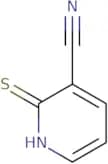
CAS:<p>3-Amino-4,6-dimethyl-thieno[2,3-b]pyridine-2-carboxylic acid methyl ester is a thienopyridine that belongs to the class of pyridinecarboxylic acids. It has been shown to have cytotoxic effects against human cells in vitro and in vivo. 3-Amino-4,6-dimethyl-thieno[2,3-b]pyridine-2-carboxylic acid methyl ester has also been shown to inhibit protein synthesis in eukaryotic cells by binding to the 30S ribosomal subunit. This drug also binds to RNA polymerase II and inhibits transcriptional activity.</p>Formula:C11H12N2O2SPurity:Min. 95%Molecular weight:236.29 g/mol2-Mercaptonicotinonitrile
CAS:<p>2-Mercaptonicotinonitrile is a synthetic sulfoxide that has inhibitory potency against nitrous. It is used in the synthesis of diazonium salts, which are used to synthesize alkylating agents. The reaction mechanism of 2-Mercaptonicotinonitrile involves condensation with iodomethane followed by alkylation, and can be carried out using silico analysis.</p>Formula:C6H4N2SPurity:Min. 95%Molecular weight:136.17 g/mol3-Aminothieno[2,3-b]pyridine-2-carbonitrile
CAS:<p>Versatile small molecule scaffold</p>Formula:C8H5N3SPurity:Min. 95%Molecular weight:175.21 g/molEthyl 3-amino-4,6-dimethylthieno[2,3-b]pyridine-2-carboxylate
CAS:<p>Ethyl 3-amino-4,6-dimethylthieno[2,3-b]pyridine-2-carboxylate is a heterocyclic compound that is used as a reagent in organic synthesis. It is a polyfunctionalized heterocycle that contains an ethyl ester and an acid ethyl ester moiety. The compound can be prepared by the reaction of thiophene with nitromethane and ethyl iodide followed by hydrolysis.</p>Formula:C12H14N2O2SPurity:Min. 95%Molecular weight:250.32 g/mol3-Amino-4,6-dimethylthieno[2,3-b]pyridine-2-carbonitrile
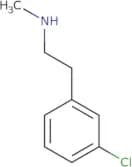
CAS:<p>3-Amino-4,6-dimethylthieno[2,3-b]pyridine-2-carbonitrile is a disulfide that has been shown to be an antimicrobial agent. It reacts with carbon disulfide and ethylenediamine to form a catalytic intermediate. This intermediate is then reacted with hydrazine and orthoformate to produce the final product. 3-Amino-4,6-dimethylthieno[2,3-b]pyridine-2-carbonitrile has been shown to have antimicrobial activity against heterocycles and cyclocondensation reactions. It also has antifungal activity against both Candida albicans and Aspergillus niger. 3-Amino-4,6-dimethylthieno[2,3-b]pyridine-2-[carbonitrile can be used in the synthesis of antif</p>Formula:C10H9N3SPurity:Min. 95%Molecular weight:203.27 g/molN-Methyl 3-chlorophenethylamine
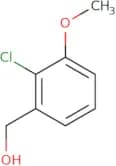
CAS:Controlled Product<p>Versatile small molecule scaffold</p>Formula:C9H12ClNPurity:Min. 95%Molecular weight:169.65 g/mol(2-Chloro-3-methoxyphenyl)methanol
CAS:<p>Versatile small molecule scaffold</p>Formula:C8H9ClO2Purity:Min. 95%Molecular weight:172.61 g/mol2-Chloro-1-(chloromethyl)-3-methoxybenzene
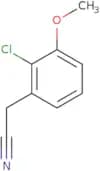
CAS:<p>Versatile small molecule scaffold</p>Formula:C8H8Cl2OPurity:Min. 95%Molecular weight:191.05 g/mol2-(2-Chloro-3-methoxyphenyl)acetonitrile
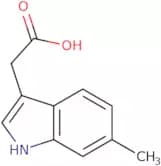
CAS:<p>Versatile small molecule scaffold</p>Formula:C9H8ClNOPurity:Min. 95%Molecular weight:181.62 g/mol2-(6-Methyl-1H-indol-3-yl)acetic acid
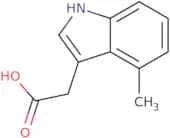
CAS:<p>Versatile small molecule scaffold</p>Formula:C11H11NO2Purity:Min. 95%Molecular weight:189.21 g/mol2-(4-Methyl-1H-indol-3-yl)acetic acid
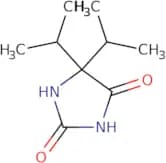
CAS:<p>2-(4-Methyl-1H-indol-3-yl)acetic acid (as indole-3-carbinol) is a phytochemical that belongs to the group of hormones. It is found in many fruits and vegetables that are rich in flavonoids, such as cauliflower, cabbage, broccoli, and Brussels sprouts. Indole-3-carbinol has been shown to optimize root formation and promote plant growth by activating signalling pathways in plants. The compound also has antiinflammatory effects by inhibiting the production of proinflammatory cytokines from macrophages and other immune cells. Indole-3-carbinol can be used as a dietary supplement for its potential benefits on human health.</p>Formula:C11H11NO2Purity:Min. 95%Molecular weight:189.21 g/mol5,5-Bis(propan-2-yl)imidazolidine-2,4-dione
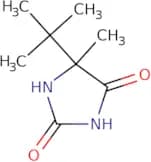
CAS:<p>5,5-Bis(propan-2-yl)imidazolidine-2,4-dione is a potent and selective antinociceptive agent. It has been shown to be effective in the treatment of chronic pain. 5,5-Bis(propan-2-yl)imidazolidine-2,4-dione has high potency and selectivity for the peripheral nervous system. It inhibits voltage dependent sodium channels which lead to decreased neuronal excitability. This drug also has anticonvulsant properties which may be due to its ability to inhibit glutamate release.</p>Formula:C9H16N2O2Purity:Min. 95%Molecular weight:184.24 g/mol5-tert-Butyl-5-methylimidazolidine-2,4-dione
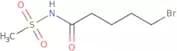
CAS:<p>Versatile small molecule scaffold</p>Formula:C8H14N2O2Purity:Min. 95%Molecular weight:170.21 g/mol5-Bromo-N-methanesulfonylpentanamide
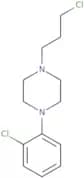
CAS:<p>Versatile small molecule scaffold</p>Formula:C6H12BrNO3SPurity:Min. 95%Molecular weight:258.14 g/mol1-(2-Chlorophenyl)-4-(3-chloropropyl)piperazine
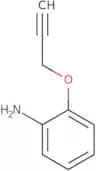
CAS:Controlled Product<p>Versatile small molecule scaffold</p>Formula:C13H18Cl2N2Purity:Min. 95%Molecular weight:273.2 g/mol2-(2-Propyn-1-yloxy)aniline
CAS:<p>Versatile small molecule scaffold</p>Formula:C9H9NOPurity:Min. 95%Molecular weight:147.17 g/mol








![N-[4-(4-Methoxyphenyl)butan-2-ylidene]hydroxylamine](/_next/image/?url=https%3A%2Fstatic.cymitquimica.com%2Fproducts%2F3D%2Fthumb-webp%2FCCA27143.webp&w=3840&q=75)



![7-Chloro-[1,2,4]triazolo[1,5-a]pyrimidine](/_next/image/?url=https%3A%2Fstatic.cymitquimica.com%2Fproducts%2F3D%2Fthumb-webp%2FCCA34191.webp&w=3840&q=75)
![tert-Butyl 2-[(3R,4S)-3-ethenylpiperidin-4-yl]acetate](/_next/image/?url=https%3A%2Fstatic.cymitquimica.com%2Fproducts%2F3D%2Fthumb-webp%2FCCA34611.webp&w=3840&q=75)
![Ethyl 7-oxo-5H,6H,7H-cyclopenta[C]pyridine-6-carboxylate](/_next/image/?url=https%3A%2Fstatic.cymitquimica.com%2Fproducts%2F3D%2Fthumb-webp%2FCCA40236.webp&w=3840&q=75)
![4-Amino-N-[2-(diethylamino)ethyl]-2-methoxybenzamide hydrochloride](/_next/image/?url=https%3A%2Fstatic.cymitquimica.com%2Fproducts%2F3D%2Fthumb-webp%2FCCA42358.webp&w=3840&q=75)
![1H,2H,3H,4H,5H-[1,4]Diazepino[1,2-a]indole hydrochloride](/_next/image/?url=https%3A%2Fstatic.cymitquimica.com%2Fproducts%2F3D%2Fthumb-webp%2FCCA46156.webp&w=3840&q=75)



![1-(3-Amino-4,6-dimethyl-thieno[2,3-b]pyridin-2-yl)-ethanone](/_next/image/?url=https%3A%2Fstatic.cymitquimica.com%2Fproducts%2F3D%2Fthumb-webp%2FCCA50542.webp&w=3840&q=75)
![3-Amino-4,6-dimethyl-thieno[2,3-b]pyridine-2-carboxylic acid methyl ester](/_next/image/?url=https%3A%2Fstatic.cymitquimica.com%2Fproducts%2F3D%2Fthumb-webp%2FCCA50544.webp&w=3840&q=75)
![3-Aminothieno[2,3-b]pyridine-2-carbonitrile](/_next/image/?url=https%3A%2Fstatic.cymitquimica.com%2Fproducts%2F3D%2Fthumb-webp%2FCCA50547.webp&w=3840&q=75)
![Ethyl 3-amino-4,6-dimethylthieno[2,3-b]pyridine-2-carboxylate](/_next/image/?url=https%3A%2Fstatic.cymitquimica.com%2Fproducts%2F3D%2Fthumb-webp%2FCCA50556.webp&w=3840&q=75)
![3-Amino-4,6-dimethylthieno[2,3-b]pyridine-2-carbonitrile](/_next/image/?url=https%3A%2Fstatic.cymitquimica.com%2Fproducts%2F3D%2Fthumb-webp%2FCCA50557.webp&w=3840&q=75)