Building Blocks
This section contains fundamental products for the synthesis of organic and biological compounds. Building blocks are the essential starting materials used to construct complex molecules through various chemical reactions. They play a critical role in drug discovery, material science, and chemical research. At CymitQuimica, we offer a diverse range of high-quality building blocks to support your innovative research and industrial projects, ensuring you have the essential components for successful synthesis.
Subcategories of "Building Blocks"
- Boronic Acids & Boronic Acid Derivatives(5,756 products)
- Chiral Building Blocks(1,242 products)
- Hydrocarbon Building Blocks(6,095 products)
- Organic Building Blocks(61,036 products)
Found 195887 products of "Building Blocks"
Sort by
Purity (%)
0
100
|
0
|
50
|
90
|
95
|
100
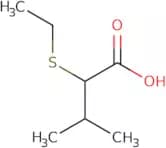
2-(Ethylsulfanyl)-3-methylbutanoic acid
CAS:<p>Versatile small molecule scaffold</p>Formula:C7H14O2SPurity:Min. 95%Molecular weight:162.25 g/mol2-(tert-Butylsulfanyl)pyridine-4-carboxylic acid
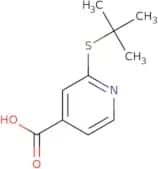
CAS:<p>Versatile small molecule scaffold</p>Formula:C10H13NO2SPurity:Min. 95%Molecular weight:211.28 g/mol2-(tert-Butylsulfanyl)-5-nitrobenzoic acid
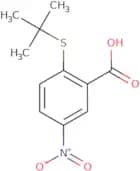
CAS:<p>Versatile small molecule scaffold</p>Formula:C11H13NO4SPurity:Min. 95%Molecular weight:255.29 g/mol4-(Butan-2-ylsulfanyl)-2-(trifluoromethyl)aniline
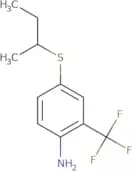
CAS:<p>Versatile small molecule scaffold</p>Formula:C11H14F3NSPurity:Min. 95%Molecular weight:249.3 g/molN-(2-Phenylethyl)-1-(propan-2-yl)piperidin-4-amine
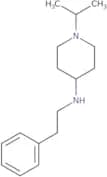
CAS:<p>Versatile small molecule scaffold</p>Formula:C16H26N2Purity:Min. 95%Molecular weight:246.4 g/mol[2-(Pyridin-2-yl)ethyl][(pyridin-3-yl)methyl]amine
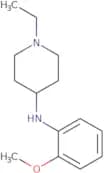
CAS:<p>Versatile small molecule scaffold</p>Formula:C13H15N3Purity:Min. 95%Molecular weight:213.28 g/mol1-Ethyl-N-(2-methoxyphenyl)piperidin-4-amine
CAS:<p>Versatile small molecule scaffold</p>Formula:C14H22N2OPurity:Min. 95%Molecular weight:234.34 g/mol3-[(Propan-2-yl)amino]benzonitrile
CAS:<p>Versatile small molecule scaffold</p>Formula:C10H12N2Purity:Min. 95%Molecular weight:160.22 g/mol2-{[4-(Aminomethyl)-2-fluorophenyl]methoxy}ethan-1-ol
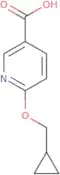
CAS:<p>Versatile small molecule scaffold</p>Formula:C10H14FNO2Purity:Min. 95%Molecular weight:199.22 g/mol6-(Cyclopropylmethoxy)pyridine-3-carboxylic acid
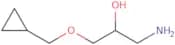
CAS:<p>Versatile small molecule scaffold</p>Formula:C10H11NO3Purity:Min. 95%Molecular weight:193.2 g/mol1-Amino-3-(cyclopropylmethoxy)propan-2-ol
CAS:<p>Versatile small molecule scaffold</p>Formula:C7H15NO2Purity:Min. 95%Molecular weight:145.2 g/mol2-Chloro-5-[(cyclopropylmethoxy)methyl]pyridine
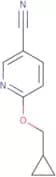
CAS:<p>Versatile small molecule scaffold</p>Formula:C10H12ClNOPurity:Min. 95%Molecular weight:197.66 g/mol6-(Cyclopropylmethoxy)nicotinonitrile
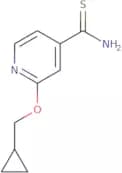
CAS:<p>Versatile small molecule scaffold</p>Formula:C10H10N2OPurity:Min. 95%Molecular weight:174.2 g/mol2-(cyclopropylmethoxy)pyridine-4-carbothioamide
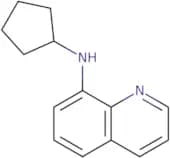
CAS:<p>Versatile small molecule scaffold</p>Formula:C10H12N2OSPurity:Min. 95%Molecular weight:208.28 g/molN-Cyclopentylquinolin-8-amine
CAS:<p>Versatile small molecule scaffold</p>Formula:C14H16N2Purity:Min. 95%Molecular weight:212.29 g/mol1-[2-(4-Ethylpiperazin-1-yl)-5-fluorophenyl]ethan-1-amine
CAS:<p>Versatile small molecule scaffold</p>Formula:C14H22FN3Purity:Min. 95%Molecular weight:251.34 g/mol3-{[(Cyclopropylmethyl)amino]methyl}phenol
CAS:<p>Versatile small molecule scaffold</p>Formula:C11H15NOPurity:Min. 95%Molecular weight:177.24 g/molMethyl 2-[(1-phenylpropyl)amino]acetate
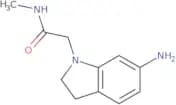
CAS:<p>Versatile small molecule scaffold</p>Formula:C12H17NO2Purity:Min. 95%Molecular weight:207.27 g/mol2-(6-Amino-2,3-dihydro-1H-indol-1-yl)-N-methylacetamide
CAS:<p>Versatile small molecule scaffold</p>Formula:C11H15N3OPurity:Min. 95%Molecular weight:205.26 g/molN-(4-{[(4-Bromophenyl)methyl]amino}phenyl)acetamide
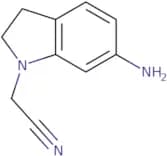
CAS:<p>N-(4-{[(4-Bromophenyl)methyl]amino}phenyl)acetamide is a fluorinated modification of an oligosaccharide. It is synthesized by reacting the amine group with the carbonyl group of the sugar and then converting to fluorine. This product has a purity of greater than 99% and can be used in glycoprotein synthesis and carbohydrate modifications.</p>Formula:C15H15BrN2OPurity:Min. 95%Molecular weight:319.2 g/mol2-(6-Amino-2,3-dihydro-1H-indol-1-yl)acetonitrile
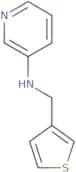
CAS:<p>Versatile small molecule scaffold</p>Formula:C10H11N3Purity:Min. 95%Molecular weight:173.21 g/molN-(Thiophen-3-ylmethyl)pyridin-3-amine
CAS:<p>Versatile small molecule scaffold</p>Formula:C10H10N2SPurity:Min. 95%Molecular weight:190.27 g/mol3-{[(Prop-2-en-1-yl)amino]methyl}benzonitrile
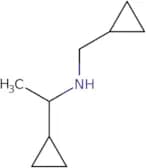
CAS:<p>Versatile small molecule scaffold</p>Formula:C11H12N2Purity:Min. 95%Molecular weight:172.23 g/mol(1-Cyclopropylethyl)(cyclopropylmethyl)amine
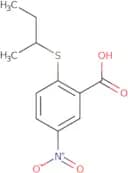
CAS:<p>Versatile small molecule scaffold</p>Formula:C9H17NPurity:Min. 95%Molecular weight:139.24 g/mol2-(Butan-2-ylsulfanyl)-5-nitrobenzoic acid
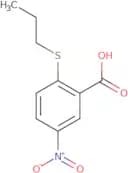
CAS:<p>Versatile small molecule scaffold</p>Formula:C11H13NO4SPurity:Min. 95%Molecular weight:255.29 g/mol5-Nitro-2-(propylsulfanyl)benzoic acid
CAS:<p>Versatile small molecule scaffold</p>Formula:C10H11NO4SPurity:Min. 95%Molecular weight:241.27 g/mol(Pyridin-2-ylmethyl)({[3-(trifluoromethyl)phenyl]methyl})amine
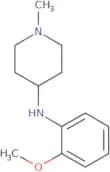
CAS:<p>Versatile small molecule scaffold</p>Formula:C14H13F3N2Purity:Min. 95%Molecular weight:266.26 g/molN-(2-Methoxyphenyl)-1-methylpiperidin-4-amine
CAS:<p>N-(2-Methoxyphenyl)-1-methylpiperidin-4-amine is a potent and selective inhibitor of the enzyme protein tyrosine phosphatase 1B (PTP1B) that is used in pharmacology, cell biology, and research. PTP1B is an enzyme that dephosphorylates the protein tyrosine residues on the cell surface. N-(2-Methoxyphenyl)-1-methylpiperidin-4-amine inhibits PTP1B, which leads to increased levels of intracellular signaling proteins such as insulin receptor substrate 1 (IRS1). This inhibitor has been shown to stimulate glucose uptake in skeletal muscle cells and increase insulin sensitivity in mice. The compound also has been shown to inhibit ion channels such as calcium channels, potassium channels, and sodium channels. N-(2-Methoxyphenyl)-1-methylpiperidin-4-amine can be</p>Formula:C13H20N2OPurity:Min. 95%Molecular weight:220.31 g/molButyl[1-(5-methylfuran-2-yl)ethyl]amine
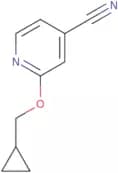
CAS:<p>Versatile small molecule scaffold</p>Formula:C11H19NOPurity:Min. 95%Molecular weight:181.27 g/mol2-(Cyclopropylmethoxy)isonicotinonitrile
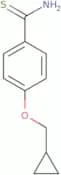
CAS:<p>Versatile small molecule scaffold</p>Formula:C10H10N2OPurity:Min. 95%Molecular weight:174.2 g/mol4-(Cyclopropylmethoxy)benzene-1-carbothioamide
CAS:<p>Versatile small molecule scaffold</p>Formula:C11H13NOSPurity:Min. 95%Molecular weight:207.29 g/mol1-[2-Fluoro-6-(morpholin-4-yl)phenyl]ethan-1-one
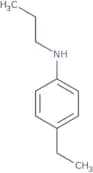
CAS:<p>Versatile small molecule scaffold</p>Formula:C12H14FNO2Purity:Min. 95%Molecular weight:223.24 g/mol4-Ethyl-N-propylaniline
CAS:<p>Versatile small molecule scaffold</p>Formula:C11H17NPurity:Min. 95%Molecular weight:163.26 g/mol3-{[(Quinolin-8-yl)amino]methyl}phenol
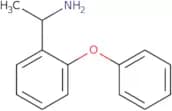
CAS:<p>Versatile small molecule scaffold</p>Formula:C16H14N2OPurity:Min. 95%Molecular weight:250.29 g/mol1-(2-Phenoxyphenyl)ethan-1-amine
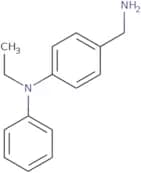
CAS:<p>Versatile small molecule scaffold</p>Formula:C14H15NOPurity:Min. 95%Molecular weight:213.27 g/mol4-(Aminomethyl)-N-ethyl-N-phenylaniline
CAS:<p>Versatile small molecule scaffold</p>Formula:C15H18N2Purity:Min. 95%Molecular weight:226.32 g/molN-[2-(2-Fluorophenyl)ethyl]cyclopentanamine
CAS:Controlled Product<p>Versatile small molecule scaffold</p>Formula:C13H18FNPurity:Min. 95%Molecular weight:207.29 g/molMethyl 2-{[(furan-2-yl)methyl]amino}acetate
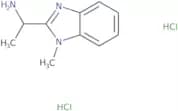
CAS:<p>Versatile small molecule scaffold</p>Formula:C8H11NO3Purity:Min. 95%Molecular weight:169.18 g/mol1-(1-Methyl-1H-1,3-benzodiazol-2-yl)ethan-1-amine dihydrochloride
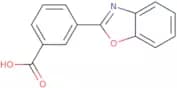
CAS:<p>Versatile small molecule scaffold</p>Formula:C10H15Cl2N3Purity:Min. 95%Molecular weight:248.15 g/mol3-(1,3-Benzoxazol-2-yl)benzoic acid
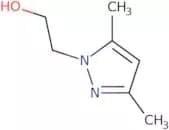
CAS:<p>Versatile small molecule scaffold</p>Formula:C14H9NO3Purity:Min. 95%Color and Shape:PowderMolecular weight:239.23 g/mol2-(3,5-Dimethyl-1H-pyrazol-1-yl)-1-ethanol
CAS:<p>2-(3,5-Dimethyl-1H-pyrazol-1-yl)-1-ethanol is an organic compound that contains both nitrogen and sulfur atoms. The synthesis of this compound is based on the rationalized method for the preparation of supramolecular compounds. This technique is a way of using intramolecular hydrogen bonding to form a covalent bond between two separate molecules. The hydroxyl group and dithiolate are ligands that bind to metal ions, forming ionic form. Due to the nmr spectra, it is likely that 2-(3,5-Dimethyl-1H-pyrazol-1-yl)-1-ethanol has a fluorescent state in which the pyrazoles are excited by light with a wavelength of 330 nm or less. The pyrazole ring can be seen in the structure below:</p>Formula:C7H12N2OPurity:Min. 95%Molecular weight:140.18 g/mol2-[(Pyrazin-2-ylmethyl)-amino]-ethanol
CAS:<p>Versatile small molecule scaffold</p>Formula:C7H11N3OPurity:Min. 95%Molecular weight:153.18 g/mol4-Chloro-5H,6H,7H-pyrimido[4,5-b][1,4]thiazin-6-one
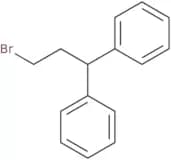
CAS:<p>Versatile small molecule scaffold</p>Formula:C6H4ClN3OSPurity:Min. 95%Molecular weight:201.63 g/mol1-Bromo-3,3-diphenylpropane
CAS:<p>1-Bromo-3,3-diphenylpropane is a chemokine receptor modulator that belongs to the class of amides. It is a ligand for the CC chemokine receptor 5 (CCR5) and has been shown to be an effective inhibitor of HIV-1 infection in human cells. 1-Bromo-3,3-diphenylpropane was discovered as an anti-HIV agent by screening agents with chemical structures similar to HIV's envelope protein gp120.</p>Formula:C15H15BrPurity:Min. 95%Molecular weight:275.19 g/molRef: 3D-VAA01768
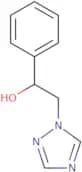
1gTo inquire5gTo inquire10gTo inquire25gTo inquire5mg210.00€50mg828.00€500mgTo inquire1-Phenyl-2-(1H-1,2,4-triazol-1-yl)ethan-1-ol
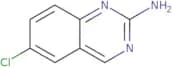
CAS:<p>1-Phenyl-2-(1H-1,2,4-triazol-1-yl)ethan-1-ol is a derivs that is an alkoxy. It has six membered ring with centrosymmetric, planar and symmetrical properties. The compound has metal complexes and hydrogen bonds that are dihedral. 1-Phenyl-2-(1H-1,2,4-triazol-1-yl)ethan-1-ol can be found in dimers and chains with various substituents.</p>Formula:C10H11N3OPurity:Min. 95%Molecular weight:189.21 g/mol6-Chloroquinazolin-2-amine
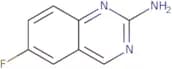
CAS:<p>Versatile small molecule scaffold</p>Formula:C8H6ClN3Purity:Min. 95%Molecular weight:179.61 g/mol2-Amino-6-fluoroquinazoline
CAS:<p>Versatile small molecule scaffold</p>Formula:C8H6FN3Purity:Min. 95%Molecular weight:163.15 g/mol1,2,4-Benzotriazin-3-amine
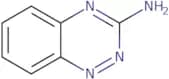
CAS:<p>1,2,4-Benzotriazin-3-amine is a cyanamide derivative that has been shown to be effective against malignant neoplasms in mice. It is also a nucleophilic compound and can interact with antimicrobial agents. 1,2,4-Benzotriazin-3-amine has been shown to be an effective dose against cancer tumors in mice. It is currently being studied as an anticancer drug for the treatment of human cancers.</p>Formula:C7H6N4Purity:Min. 95%Molecular weight:146.15 g/molDiethyl (oxiran-2-yl)phosphonate
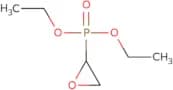
CAS:<p>Diethyl (oxiran-2-yl)phosphonate is a monomer that can be polymerized to form a copolymer. It is used in the production of methacrylic acid and acrylics, as well as in the synthesis of other methacrylate monomers. Diethyl (oxiran-2-yl)phosphonate can also be used to produce phosphorus compounds and polymers.</p>Formula:C6H13O4PPurity:Min. 95%Molecular weight:180.14 g/mol2-(6-Chloro-1H-benzimidazol-2-yl)ethanol
CAS:<p>Versatile small molecule scaffold</p>Formula:C9H9ClN2OPurity:Min. 95%Molecular weight:196.63 g/mol6-Bromo-2-hydroxy-3-methoxybenzaldehyde
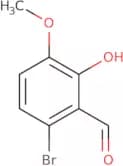
CAS:<p>6-Bromo-2-hydroxy-3-methoxybenzaldehyde is a synthetic, cytosolic, and antibacterial agent that inhibits protein synthesis. It binds to the ribosomal 30S subunit and prevents translation of mRNA into proteins. 6-Bromo-2-hydroxy-3-methoxybenzaldehyde has been shown to be active against a variety of bacteria in vivo. This compound also inhibits the growth of cancer cells by inhibiting the splicing of pre-mRNA.</p>Formula:C8H7BrO3Purity:Min. 95%Molecular weight:231.04 g/molRef: 3D-VAA03541
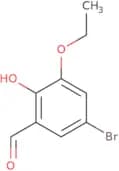
1gTo inquire5gTo inquire10gTo inquire25gTo inquire250mg229.00€500mgTo inquire2500mg888.00€5-Bromo-3-ethoxy-2-hydroxybenzaldehyde
CAS:<p>Versatile small molecule scaffold</p>Formula:C9H9BrO3Purity:Min. 95%Molecular weight:245.07 g/mol2-(Propan-2-yl)cycloheptan-1-one
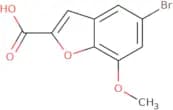
CAS:<p>Versatile small molecule scaffold</p>Formula:C10H18OPurity:Min. 95%Molecular weight:154.25 g/mol5-Bromo-7-methoxy-1-benzofuran-2-carboxylic acid
CAS:<p>Versatile small molecule scaffold</p>Formula:C10H7BrO4Purity:Min. 95%Molecular weight:271.06 g/mol2-(4-Bromo-2-formyl-6-methoxyphenoxy)acetic acid
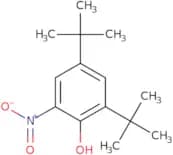
CAS:<p>Versatile small molecule scaffold</p>Formula:C10H9BrO5Purity:Min. 95%Molecular weight:289.08 g/mol2,4-Bis(tert-butyl)-6-nitrophenol
CAS:<p>2,4-Bis(tert-butyl)-6-nitrophenol is a ligand that binds to heme proteins. The binding of this ligand to the heme protein inhibits the oxidation of the iron atom. This reaction vessel has been postulated to catalyze the oxidation of benzothiazine to produce an oxidant, which can be monitored using an absorption spectroscopy. 2,4-Bis(tert-butyl)-6-nitrophenol has also been shown to inhibit cellular respiration in plants and animals by inhibiting electron transport chain complexes. Bioassays have been used to determine the inhibition potential of 2,4-Bis(tert-butyl)-6-nitrophenol on the erythrocyte membrane.</p>Formula:C14H21NO3Purity:95%NmrMolecular weight:251.33 g/mol2-Hydroxy-3-methoxy-4-nitrobenzaldehyde
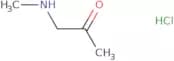
CAS:<p>2-Hydroxy-3-methoxy-4-nitrobenzaldehyde is an intermediate in the synthesis of 2-hydroxy-3,4-dihydroxypyridine and sodium nitrate. It can be obtained by reacting ethoxycarbonyl chloride with benzoic acid followed by hydrolysis of the ester. The reaction is catalyzed by benzoic acid and benzotriazole. Mosapride is a drug that belongs to the class of benzodiazepines and has been shown to have analgesic properties. This drug also has proton pump inhibitor properties and reduces gastric acid secretion.</p>Formula:C8H7NO5Purity:Min. 95%Molecular weight:197.14 g/mol1-(Methylamino)propan-2-one hydrochloride
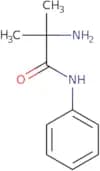
CAS:<p>Versatile small molecule scaffold</p>Formula:C4H10ClNOPurity:Min. 95%Molecular weight:123.58 g/mol2-Amino-2-methyl-N-phenylpropanamide
CAS:<p>Versatile small molecule scaffold</p>Formula:C10H14N2OPurity:Min. 95%Molecular weight:178.23 g/mol(S)-1-Mesitylethanamine ee
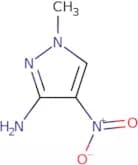
CAS:<p>(S)-1-Mesitylethanamine ee is an efficient, acidic, and stereospecific ligand that has been used in the synthesis of a range of chiral drugs. It is a chloroformate that undergoes hydrolysis to release formaldehyde, which reacts with ammonia to form (S)-1-mesitylethanamine ee. The reaction is catalyzed by acid or base. The formaldehyde may also be replaced by nitrous oxide or methylamine. The (S)-1-mesitylethanamine ee ligand has been shown to bind the metal ion in a number of complexes and show kinetic behavior in a number of reactions. This ligand has been used as a resolving agent for racemic mixtures and enantiopure compounds from natural sources such as plants and animals.br>br><br>br>br><br>If you are looking for more information on this product, please visit our website at</p>Formula:C11H17NPurity:Min. 95%Molecular weight:163.26 g/mol1-Methyl-4-nitro-1H-pyrazol-3-amine
CAS:<p>Versatile small molecule scaffold</p>Formula:C4H6N4O2Purity:Min. 95%Molecular weight:142.12 g/mol4-Methyl-2-phenyl-1H-pyrrole
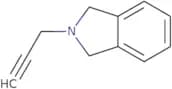
CAS:<p>Versatile small molecule scaffold</p>Formula:C11H11NPurity:Min. 95%Molecular weight:157.21 g/mol2-(Prop-2-yn-1-yl)-2,3-dihydro-1H-isoindole
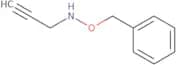
CAS:<p>Versatile small molecule scaffold</p>Formula:C11H11NPurity:Min. 95%Molecular weight:157.21 g/mol(Benzyloxy)(prop-2-yn-1-yl)amine
CAS:<p>Versatile small molecule scaffold</p>Formula:C10H11NOPurity:Min. 95%Molecular weight:161.2 g/molBenzyl(methoxy)amine
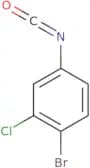
CAS:<p>Benzyl(methoxy)amine is a heterocyclic compound that has been shown to be an effective transport inhibitor for galleria mellonella. It reacts with quinoline derivatives to form amides, which have been shown to inhibit the activity of matrix metalloproteinases and are reactive towards hydrochloric acid. The reaction yield of benzyl(methoxy)amine is increased by adding imine, which is generated from the hydrolysis of benzaldehyde. This reaction can be monitored using liquid chromatography. Benzyl(methoxy)amine has also been shown to have antimicrobial effects against thp-1 cells, which are human leukemia cells, in vitro.</p>Formula:C8H11NOPurity:Min. 95%Molecular weight:137.18 g/mol1-Bromo-2-chloro-4-isocyanatobenzene
CAS:<p>Versatile small molecule scaffold</p>Formula:C7H3BrClNOPurity:Min. 95%Molecular weight:232.46 g/molSpiro[2.3]hexan-5-one
CAS:<p>Spiro[2.3]hexan-5-one is an organic compound that belongs to the class of flavonoids. It is a cyclic ketone with two hydroxyl groups in the 5 and 6 positions and one hydrogen atom in the 3 position. Spiro[2.3]hexan-5-one has been shown to have antioxidant activity as well as inhibitory effects on bacterial growth and biofilm formation. Spiro[2.3]hexan-5-one is also used for coatings, adhesives, and plastics, due to its hydrophobic properties and ability to form films at room temperature without the addition of solvents or plasticizers. Spiro[2.3]hexan-5-one can be synthesized from sodium hydroxide solution in a supercritical state or using techniques such as gas phase reactions or microwave irradiation with broadband radiation sources, which are sustainable processes that do not produce greenhouse gases or other harmful</p>Purity:Min. 95%spiro[3.3]heptane-2,6-dione
CAS:<p>Spiro[3.3]heptane-2,6-dione is an experimental compound that has a profile of optimum temperature, diameter, and irradiation. Spiro[3.3]heptane-2,6-dione is a highly crystalline compound that can be produced from bio-oil by solar intensities and light intensities. This compound reacts with quartz to produce spiro[3.3]heptane-2,6-dione or spiro[4.5]decane-2,7-dione as products.</p>Formula:C7H8O2Purity:Min. 95%Molecular weight:124.14 g/mol2-Methylbenzo[d]thiazole-5-carbaldehyde
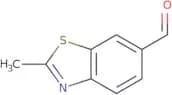
CAS:<p>Versatile small molecule scaffold</p>Formula:C9H7NOSPurity:Min. 95%Molecular weight:177.22 g/mol2-Methyl-1,3-benzothiazole-6-carbaldehyde
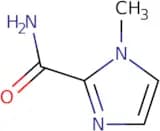
CAS:<p>Versatile small molecule scaffold</p>Formula:C9H7NOSPurity:Min. 95%Molecular weight:177.22 g/mol1-Methyl-1H-imidazole-2-carboxamide
CAS:<p>1-Methyl-1H-imidazole-2-carboxamide (1MICA) is an organic compound that has been shown to be a potent inhibitor of cellular proliferation. It is used in the deployment and validation of diagnostic tests for cardiovascular diseases. 1MICA inhibits the growth of cells by binding to DNA, preventing the synthesis of RNA and protein. This drug also has a logistic regression model as part of its basic structure. The clinical relevance of 1MICA is still being investigated, but it may have potential for use in telecommunication applications.</p>Formula:C5H7N3OPurity:Min. 95%Molecular weight:125.13 g/mol5-Iodo-3-methylisothiazole
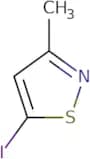
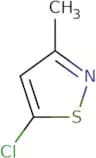
CAS:<p>5-Iodo-3-methylisothiazole is a chemical compound that is used in the synthesis of agrochemicals. It is an alkenyl amine with the chemical formula CH3CH2N2. 5-Iodo-3-methylisothiazole reacts with phosphine to form methylisothiophosphonate, which can be used as a catalyst for the dimerization of ethylene and propylene. 5-Iodo-3-methylisothiazole has been shown to be a useful catalyst for the conversion of monoxide and amines into chlorides. The high yield of this reaction offers a cheaper alternative to other methods that require more expensive catalysts, such as palladium or platinum.<br>5-Iodo-3-methylisothiazole is also an effective catalyst for the oxidation of alcohols to ketones and aldehydes. This process can be carried out using either oxygen or hydrogen peroxide as</p>Formula:C4H4INSPurity:Min. 95%Molecular weight:225.05 g/mol5-Chloro-3-methyl-isothiazole
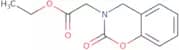
CAS:<p>Versatile small molecule scaffold</p>Formula:C4H4ClNSPurity:Min. 95%Molecular weight:133.6 g/molEthyl 2-(2-oxo-3,4-dihydro-2H-1,3-benzoxazin-3-yl)acetate
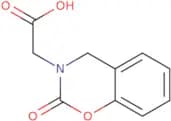
CAS:<p>Versatile small molecule scaffold</p>Formula:C12H13NO4Purity:Min. 95%Molecular weight:235.24 g/mol2-(2-Oxo-3,4-dihydro-2H-1,3-benzoxazin-3-yl)acetic acid
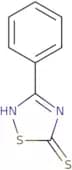
CAS:<p>Versatile small molecule scaffold</p>Formula:C10H9NO4Purity:Min. 95%Molecular weight:207.18 g/mol3-Phenyl-1,2,4-thiadiazole-5-thiol
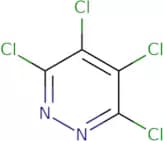
CAS:<p>Versatile small molecule scaffold</p>Formula:C8H6N2S2Purity:Min. 95%Molecular weight:194.3 g/molTetrachloropyridazine
CAS:<p>Tetrachloropyridazine is a reactive chlorine atom that is a byproduct of the production of chlorofluorocarbons. It is an intermediate in the synthesis of the pesticide DDT. The molecule is also used as a reagent in organic synthesis and in the synthesis of other compounds such as trifluoroacetic acid, nitro, and diazonium salt. Tetrachloropyridazine has been shown to be cytotoxic against cancer cells. Tetrachloropyridazine reacts with DNA at N7-position on purines, leading to its reactivity with nucleophiles such as amines and alcohols. The reaction mechanism begins with nucleophilic attack on the electron deficient nitrogen atoms, followed by elimination of hydrogen chloride and formation of a stable heterocycle.</p>Formula:C4Cl4N2Purity:Min. 95%Molecular weight:217.87 g/mol5-Chloropentanal
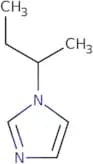
CAS:<p>5-Chloropentanal is an asymmetric synthesis of β-unsaturated aldehydes that was achieved by using a functional group. The presence of the hydroxyl group in this molecule is what gives it its enantioselectivity. This compound has been shown to be active against influenza virus and has been used as a lead compound for the development of anti-influenza compounds. 5-Chloropentanal also has the ability to react with cyanosilylation, which can be used to synthesize peptides or other biomolecules. This chemical can also be used as an intermediate in the synthesis of dimethyl fumarate, which is an effective treatment for multiple sclerosis.</p>Purity:Min. 95%1-(Butan-2-yl)-1H-imidazole
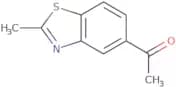
CAS:<p>Versatile small molecule scaffold</p>Formula:C7H12N2Purity:Min. 95%Molecular weight:124.18 g/mol1-(2-Methyl-1,3-benzothiazol-5-yl)ethan-1-one
CAS:<p>Versatile small molecule scaffold</p>Formula:C10H9NOSPurity:Min. 95%Molecular weight:191.25 g/mol4-Chloro-2-[(4-chlorophenyl)sulfanyl]benzoic acid
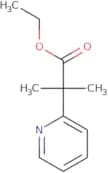
CAS:<p>Versatile small molecule scaffold</p>Formula:C13H8Cl2O2SPurity:Min. 95%Molecular weight:299.2 g/molEthyl 2-methyl-2-(pyridin-2-yl)propanoate
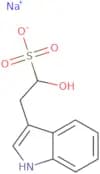
CAS:<p>Versatile small molecule scaffold</p>Formula:C11H15NO2Purity:Min. 95%Molecular weight:193.24 g/molSodium 1-Hydroxy-2-(1H-indol-3-yl)ethane-1-sulfonate
CAS:<p>Versatile small molecule scaffold</p>Formula:C10H10NO4S·NaPurity:Min. 95%Molecular weight:263.24 g/mol1-Aminocyclooctane-1-carbonitrile hydrochloride
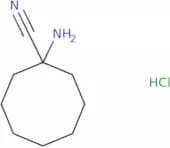
CAS:<p>Versatile small molecule scaffold</p>Formula:C9H17ClN2Purity:Min. 95%Molecular weight:188.7 g/mol4-Aminoadamantan-1-ol hydrochloride
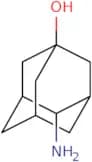
CAS:<p>4-Aminoadamantan-1-ol hydrochloride is a synthetic compound that can be synthesized by reacting methanol with hydroxylamine in the presence of a high yield salt. The salt formation and recrystallization process are required for obtaining 4-Aminoadamantan-1-ol hydrochloride. The synthesis process is patented, and the hydrogenation reduction is performed using the Raney nickel catalyst. The patent for the synthesis process has expired, and it is now commercially available.</p>Formula:C10H18ClNOPurity:Min. 95%Molecular weight:203.71 g/mol3-(Isopropylamino)propanamide
CAS:<p>Versatile small molecule scaffold</p>Formula:C6H14N2OPurity:Min. 95%Molecular weight:130.19 g/molRef: 3D-VAA10189
1gTo inquire5gTo inquire10gTo inquire25mg333.00€250mg1,242.00€500mgTo inquire2500mg1,146.00€2-(4-Chlorophenyl)acetamide
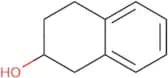
CAS:<p>2-(4-Chlorophenyl)acetamide is an imidazole that has been shown to bind the sirtuin. Sirtuins are enzymes that regulate cellular metabolism and play a role in the aging process. This drug binds to sirtuin and prevents it from binding with NAD+, which is needed for the enzyme's activity. 2-(4-Chlorophenyl)acetamide also inhibits mitogen-activated protein kinase, which plays a role in regulating cell growth and differentiation, as well as inhibiting amide hydrolysis, which leads to its anti-inflammatory effects. 2-(4-Chlorophenyl)acetamide has been shown to inhibit the activity of benzodiazepine receptors. It also has a kinetic reaction with carbonyl compounds and tetrahydrofuran, leading to its dihedral structure.</p>Formula:C8H8ClNOPurity:Min. 95%Molecular weight:169.61 g/mol(2S)-1,2,3,4-Tetrahydronaphthalen-2-ol
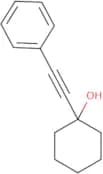
CAS:<p>Versatile small molecule scaffold</p>Formula:C10H12OPurity:Min. 95%Molecular weight:148.2 g/mol1-(Phenylethynyl)cyclohexanol
CAS:<p>Versatile small molecule scaffold</p>Formula:C14H16OPurity:Min. 95%Molecular weight:200.28 g/mol1-((1-(Benzoyloxy)propan-2-yl)oxy)propan-2-yl benzoate
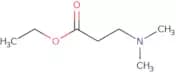
CAS:<p>1-((1-(Benzoyloxy)propan-2-yl)oxy)propan-2-yl benzoate is a synthetic compound that has been shown to inhibit the growth of bacteria by inhibiting enzyme activities in the bacterial cell. It binds to DNA polymerase and prevents the extension of the 3' end of DNA. It also inhibits other enzymes such as RNA polymerase, ribonuclease H, and DNA gyrase. 1-((1-(Benzoyloxy)propan-2-yl)oxy)propan-2-yl benzoate has been shown to be effective against E. coli, which is resistant to many antibiotics because it lacks a cytoplasmic membrane. This compound also inhibits cyclic peptide activity in bacteria, a reaction that is important for growth and replication. The mechanism for this inhibition is not known but may involve hydrophobic interactions or an electrostatic effect.</p>Formula:C20H22O5Purity:Min. 95%Molecular weight:342.4 g/molEthyl 3-(dimethylamino)propanoate
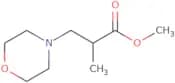
CAS:<p>Ethyl 3-(dimethylamino)propanoate is an organic compound that is soluble in organic solvents and has a boiling point of 114°C. This compound is used to extract metals such as copper, lead, nickel, and zinc from their ores. It also can be used to preconcentrate analytes in the fields of analytical chemistry, food chemistry, and environmental studies. The microextraction technique employs this solvent because it has high efficiency and low analyte loss due to its extraction properties. The solubility of this compound makes it useful for extracting analytes from inorganic samples. This solvent can be switched between being a good solvent for polar compounds and lipids by adjusting the pH level.</p>Formula:C7H15NO2Purity:Min. 95%Molecular weight:145.2 g/molMethyl 2-methyl-3-morpholin-4-ylpropanoate
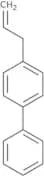
CAS:<p>Versatile small molecule scaffold</p>Formula:C9H17NO3Purity:Min. 95%Molecular weight:187.24 g/mol3-(4-Biphenyl)-1-propene
CAS:<p>Versatile small molecule scaffold</p>Formula:C15H14Purity:Min. 95%Molecular weight:194.27 g/mol3-[1-(Carboxymethyl)cyclohexyl]propanoic acid
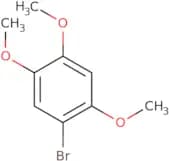
CAS:<p>Versatile small molecule scaffold</p>Formula:C11H18O4Purity:Min. 95%Molecular weight:214.26 g/mol1-Bromo-2,4,5-trimethoxybenzene
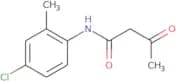
CAS:<p>1-Bromo-2,4,5-trimethoxybenzene is an organic nitrate. It can be used as a starting material for the synthesis of other compounds by alkylation and oxidative cyclization reactions. 1-Bromo-2,4,5-trimethoxybenzene has been shown to have antrodia camphorata activity in biological studies.</p>Formula:C9H11BrO3Purity:Min. 95%Molecular weight:247.09 g/mol4'-Chloro-2'-methylacetoacetanilide
CAS:<p>4'-Chloro-2'-methylacetoacetanilide (4CMA) is a synthetic organic compound that was first synthesized in 1876. It can be used as a yellow dye or as an intermediate for other dyes. 4CMA is also used to produce the red food dye erythrosine, and has been used in the synthesis of azopigments. The use of mass spectrometric techniques to identify 4CMA has allowed it to be detected in environmental samples, such as wastewater and natural water sources. These advances have led to increased interest in the compound's potential toxicity, which has been studied extensively.</p>Formula:C11H12ClNO2Purity:Min. 95%Molecular weight:225.67 g/molRef: 3D-VAA13955
10gTo inquire25gTo inquire50gTo inquire100gTo inquire250gTo inquire250mg198.00€2500mg797.00€7-Nitroisoquinolin-1(2H)-one
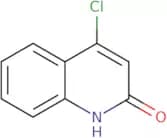
CAS:<p>7-Nitroisoquinolin-1(2H)-one is a chemical compound that can be obtained by reacting n-alkyl chloride with nitric acid. This reaction yields 7-nitroisoquinolin-1(2H)-one in a sequence of steps, which begins by the formation of nitrous acid and the nitration of an alcohol to form an alkyl nitrate. The next step involves the reaction of an alkyl nitrate with hydrochloric acid to form an alkyl chloride, followed by a second reaction with hydrochloric acid to form the final product.</p>Formula:C9H6N2O3Purity:Min. 95%Molecular weight:190.16 g/mol4-Chloroquinolin-2(1H)-one
CAS:<p>4-Chloroquinolin-2(1H)-one is a diphenyl ether with a molecular weight of 152.14. It has been shown to inhibit the growth of cancer cells in vitro and in vivo. It binds to amines that are present on the surface of collagen and nintedanib, which is used to treat pulmonary arterial hypertension, and prevents their aggregation. The compound also inhibits cross-coupling reactions between chloride ions and 5-chloro-8-hydroxyquinoline, which is used as an antihypertensive drug. 4-Chloroquinolin-2(1H)-one has been shown to have significant kinetic properties that can be studied using magnetic resonance spectroscopy (MRS). This chemical's mechanism of action is not well understood, but it has been shown to undergo tautomerization when exposed to dimethylformamide, a solvent commonly found in wastewater.</p>Formula:C9H6ClNOPurity:Min. 95%Molecular weight:179.6 g/mol6-Methylquinolin-2-amine
CAS:<p>Versatile small molecule scaffold</p>Formula:C10H10N2Purity:Min. 95%Molecular weight:158.2 g/mol5,7-Dimethylquinoline
CAS:<p>Versatile small molecule scaffold</p>Formula:C11H11NPurity:Min. 95%Molecular weight:157.21 g/mol

![[2-(Pyridin-2-yl)ethyl][(pyridin-3-yl)methyl]amine](/_next/image/?url=https%3A%2Fstatic.cymitquimica.com%2Fproducts%2F3D%2Fthumb-webp%2FUQB54207.webp&w=3840&q=75)
![3-[(Propan-2-yl)amino]benzonitrile](/_next/image/?url=https%3A%2Fstatic.cymitquimica.com%2Fproducts%2F3D%2Fthumb-webp%2FUQB54398.webp&w=3840&q=75)
![2-{[4-(Aminomethyl)-2-fluorophenyl]methoxy}ethan-1-ol](/_next/image/?url=https%3A%2Fstatic.cymitquimica.com%2Fproducts%2F3D%2Fthumb-webp%2FUQB54626.webp&w=3840&q=75)
![2-Chloro-5-[(cyclopropylmethoxy)methyl]pyridine](/_next/image/?url=https%3A%2Fstatic.cymitquimica.com%2Fproducts%2F3D%2Fthumb-webp%2FUQB54638.webp&w=3840&q=75)
![1-[2-(4-Ethylpiperazin-1-yl)-5-fluorophenyl]ethan-1-amine](/_next/image/?url=https%3A%2Fstatic.cymitquimica.com%2Fproducts%2F3D%2Fthumb-webp%2FUQB55369.webp&w=3840&q=75)
![3-{[(Cyclopropylmethyl)amino]methyl}phenol](/_next/image/?url=https%3A%2Fstatic.cymitquimica.com%2Fproducts%2F3D%2Fthumb-webp%2FUQB55383.webp&w=3840&q=75)
![Methyl 2-[(1-phenylpropyl)amino]acetate](/_next/image/?url=https%3A%2Fstatic.cymitquimica.com%2Fproducts%2F3D%2Fthumb-webp%2FUQB55460.webp&w=3840&q=75)
![N-(4-{[(4-Bromophenyl)methyl]amino}phenyl)acetamide](/_next/image/?url=https%3A%2Fstatic.cymitquimica.com%2Fproducts%2F3D%2Fthumb-webp%2FUQB55556.webp&w=3840&q=75)
![3-{[(Prop-2-en-1-yl)amino]methyl}benzonitrile](/_next/image/?url=https%3A%2Fstatic.cymitquimica.com%2Fproducts%2F3D%2Fthumb-webp%2FUQB56115.webp&w=3840&q=75)
![(Pyridin-2-ylmethyl)({[3-(trifluoromethyl)phenyl]methyl})amine](/_next/image/?url=https%3A%2Fstatic.cymitquimica.com%2Fproducts%2F3D%2Fthumb-webp%2FUQB56499.webp&w=3840&q=75)
![Butyl[1-(5-methylfuran-2-yl)ethyl]amine](/_next/image/?url=https%3A%2Fstatic.cymitquimica.com%2Fproducts%2F3D%2Fthumb-webp%2FUQB56619.webp&w=3840&q=75)
![1-[2-Fluoro-6-(morpholin-4-yl)phenyl]ethan-1-one](/_next/image/?url=https%3A%2Fstatic.cymitquimica.com%2Fproducts%2F3D%2Fthumb-webp%2FUQB56901.webp&w=3840&q=75)
![3-{[(Quinolin-8-yl)amino]methyl}phenol](/_next/image/?url=https%3A%2Fstatic.cymitquimica.com%2Fproducts%2F3D%2Fthumb-webp%2FUQB57328.webp&w=3840&q=75)
![N-[2-(2-Fluorophenyl)ethyl]cyclopentanamine](/_next/image/?url=https%3A%2Fstatic.cymitquimica.com%2Fproducts%2F3D%2Fthumb-webp%2FUQB57712.webp&w=3840&q=75)
![Methyl 2-{[(furan-2-yl)methyl]amino}acetate](/_next/image/?url=https%3A%2Fstatic.cymitquimica.com%2Fproducts%2F3D%2Fthumb-webp%2FUQB57740.webp&w=3840&q=75)
![2-[(Pyrazin-2-ylmethyl)-amino]-ethanol](/_next/image/?url=https%3A%2Fstatic.cymitquimica.com%2Fproducts%2F3D%2Fthumb-webp%2FVAA01095.webp&w=3840&q=75)
![4-Chloro-5H,6H,7H-pyrimido[4,5-b][1,4]thiazin-6-one](/_next/image/?url=https%3A%2Fstatic.cymitquimica.com%2Fproducts%2F3D%2Fthumb-webp%2FVAA01570.webp&w=3840&q=75)







![Spiro[2.3]hexan-5-one](/_next/image/?url=https%3A%2Fstatic.cymitquimica.com%2Fproducts%2F3D%2Fthumb-webp%2FVAA06122.webp&w=3840&q=75)
![spiro[3.3]heptane-2,6-dione](/_next/image/?url=https%3A%2Fstatic.cymitquimica.com%2Fproducts%2F3D%2Fthumb-webp%2FVAA06123.webp&w=3840&q=75)
![2-Methylbenzo[d]thiazole-5-carbaldehyde](/_next/image/?url=https%3A%2Fstatic.cymitquimica.com%2Fproducts%2F3D%2Fthumb-webp%2FVAA06146.webp&w=3840&q=75)

![4-Chloro-2-[(4-chlorophenyl)sulfanyl]benzoic acid](/_next/image/?url=https%3A%2Fstatic.cymitquimica.com%2Fproducts%2F3D%2Fthumb-webp%2FVAA09254.webp&w=3840&q=75)



![3-[1-(Carboxymethyl)cyclohexyl]propanoic acid](/_next/image/?url=https%3A%2Fstatic.cymitquimica.com%2Fproducts%2F3D%2Fthumb-webp%2FVAA12708.webp&w=3840&q=75)