Building Blocks
This section contains fundamental products for the synthesis of organic and biological compounds. Building blocks are the essential starting materials used to construct complex molecules through various chemical reactions. They play a critical role in drug discovery, material science, and chemical research. At CymitQuimica, we offer a diverse range of high-quality building blocks to support your innovative research and industrial projects, ensuring you have the essential components for successful synthesis.
Subcategories of "Building Blocks"
- Boronic Acids & Boronic Acid Derivatives(5,756 products)
- Chiral Building Blocks(1,242 products)
- Hydrocarbon Building Blocks(6,093 products)
- Organic Building Blocks(60,529 products)
Found 195536 products of "Building Blocks"
Sort by
Purity (%)
0
100
|
0
|
50
|
90
|
95
|
100
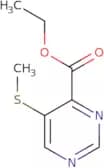
Ethyl 5-(methylsulfanyl)pyrimidine-4-carboxylate
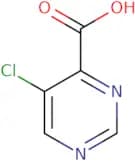
CAS:<p>Versatile small molecule scaffold</p>Formula:C8H10N2O2SPurity:Min. 95%Molecular weight:198.24 g/mol5-Chloropyrimidine-4-carboxylic acid
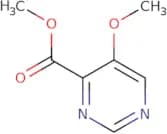
CAS:<p>5-Chloropyrimidine-4-carboxylic acid is a herbicide that is used in weed control. It has a broad spectrum of activity, which includes grasses and broadleaf weeds. This herbicide is also used in the treatment of soil contaminated with phenyl. 5-Chloropyrimidine-4-carboxylic acid inhibits the growth of weeds by inhibiting the synthesis of amino acids from their corresponding amino acid precursors.</p>Formula:C5H3ClN2O2Purity:Min. 95%Molecular weight:158.54 g/mol5-Methoxy-pyrimidine-4-carboxylic acid methyl ester
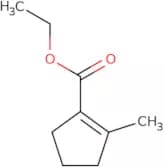
CAS:<p>Versatile small molecule scaffold</p>Formula:C7H8N2O3Purity:Min. 95%Molecular weight:168.15 g/molEthyl 2-methylcyclopent-1-ene-1-carboxylate
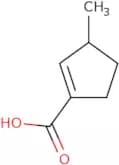
CAS:<p>Versatile small molecule scaffold</p>Formula:C9H14O2Purity:Min. 95%Molecular weight:154.21 g/mol3-Methylcyclopent-1-ene-1-carboxylic acid
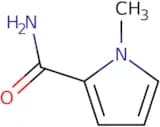
CAS:<p>Versatile small molecule scaffold</p>Formula:C7H10O2Purity:Min. 95%Molecular weight:126.15 g/mol1-methyl-1H-pyrrole-2-carboxamide
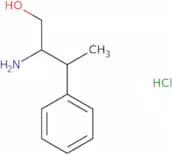
CAS:<p>1-methyl-1H-pyrrole-2-carboxamide is a heterocycle that has been shown to interact with specific DNA sequences. It is a conformational analog of the natural nucleoside guanosine, which has been shown to be a key component in the development of oligonucleotide drugs. 1-methyl-1H-pyrrole-2-carboxamide can be synthesized by the condensation of 1,2-diaminopropane and pyrrole. This compound also has magnetic properties, which allow it to be used in magnetic resonance imaging (MRI).</p>Formula:C6H8N2OPurity:Min. 95%Molecular weight:124.14 g/mol2-Amino-3-phenylbutan-1-ol hydrochloride
CAS:<p>Versatile small molecule scaffold</p>Formula:C10H16ClNOPurity:Min. 95%Molecular weight:201.69 g/mol1,2,4-Benzotriazine-3-carboxylic acid
CAS:<p>1,2,4-Benzotriazine-3-carboxylic acid is a reagent that is used in organic chemistry to produce diazonium salts. It reacts with borohydride to form tetrachloropalladate, which can be reacted with thiazoles to form the corresponding benzothiazoles. 1,2,4-Benzotriazine-3-carboxylic acid also reacts with sodium borohydride in the presence of carbonyl compounds to form the corresponding triazoles. The compound can also be alkylated using alkyl halides or tricyclic compounds.</p>Formula:C8H5N3O2Purity:Min. 95%Molecular weight:175.14 g/mol3-Fluoro-2,2-dimethylpropanoic acid
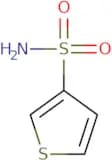
CAS:<p>Versatile small molecule scaffold</p>Formula:C5H9FO2Purity:Min. 95%Molecular weight:120.12 g/molThiophene-3-sulfonamide
CAS:<p>The thiophene-3-sulfonamide is a potent inhibitor of the enzyme carbonic anhydrase. It has been shown to inhibit the calcium ion's entry into cells, leading to a decrease in intracellular calcium ion concentration. The thiophene-3-sulfonamide has also been shown to bind to the endothelin receptor and block its function. The binding of this compound to the endothelin receptor blocks the effects of endothelin on vascular smooth muscle cells, which leads to vasodilation and increased blood flow.</p>Formula:C4H5NO2S2Purity:Min. 95%Molecular weight:163.2 g/mol3-{[5-(4-Nitrophenyl)furan-2-yl]methylidene}-2,3-dihydro-1H-indol-2-one
CAS:<p>Versatile small molecule scaffold</p>Formula:C19H12N2O4Purity:Min. 95%Molecular weight:332.3 g/mol5-Bromo-2,3-dihydro-benzo[b]thiophene 1,1-dioxide
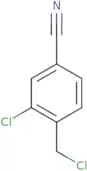
CAS:<p>Versatile small molecule scaffold</p>Formula:C8H7BrO2SPurity:Min. 95%Molecular weight:247.11 g/mol3-Chloro-4-(chloromethyl)benzonitrile
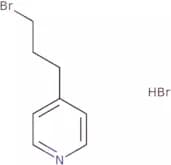
CAS:<p>Versatile small molecule scaffold</p>Formula:C8H5Cl2NPurity:Min. 95%Molecular weight:186.03 g/mol4-(3-Bromopropyl)pyridine hydrobromide
CAS:<p>Versatile small molecule scaffold</p>Formula:C8H11Br2NPurity:Min. 95%Molecular weight:280.99 g/mol2-[Methyl-[(2-methylpropan-2-yl)oxycarbonyl]amino]-3-phenyl-propanoic acid
CAS:<p>Cyclodepsipeptide is a natural product that belongs to the family of linear peptides. It is a hydrophobic amino acid with a configuration. The cyclodepsipeptide inhibits bacterial growth by binding to the active site of hydrolases, enzymes that catalyze hydrolysis reactions. Cyclodepsipeptide binds to the ester bonds present in lipids and inhibits their hydrolysis. This prevents bacterial growth and leads to cell death by depriving cells of essential building blocks for cellular functions such as protein synthesis and membrane formation.</p>Formula:C15H21NO4Purity:Min. 95%Molecular weight:279.33 g/mol(R)-(+)-1-(4-Bromophenyl)ethylamine hydrochloride
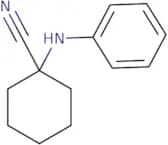
CAS:<p>Versatile small molecule scaffold</p>Formula:C8H10BrN·HClPurity:Min. 95%Molecular weight:236.54 g/mol1-Cyano-1-(phenylamino)cyclohexane
CAS:<p>1-Cyano-1-(phenylamino)cyclohexane is a ketone that can be used as a nucleophile in organic synthesis. It is catalyzed by acid and has been shown to be effective in the reduction of various carbonyl groups. The reaction mechanism is based on the formation of an imine, followed by nucleophilic attack of the ketone on the imine. 1-Cyano-1-(phenylamino)cyclohexane also has magnetic properties and can be used in techniques such as magnetic resonance imaging (MRI). It is also useful for synthesizing nanostructured materials with aliphatic amines and amines. The yield for this reaction is about 30%.</p>Formula:C13H16N2Purity:Min. 95%Molecular weight:200.28 g/mol1-(5-Methylfuran-2-yl)ethylamine
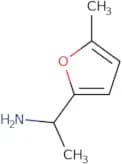
CAS:<p>Versatile small molecule scaffold</p>Formula:C7H11NOPurity:Min. 95%Molecular weight:125.17 g/mol4-Chloro-2,2-dimethylbutanenitrile
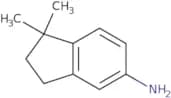
CAS:<p>Versatile small molecule scaffold</p>Formula:C6H10ClNPurity:Min. 95%Molecular weight:131.6 g/mol1,1-Dimethyl-2,3-dihydro-1H-inden-5-amine
CAS:<p>Versatile small molecule scaffold</p>Formula:C11H15NPurity:Min. 95%Molecular weight:161.24 g/mol4-(2-Aminoethylamino)-pyridine hydrochloride
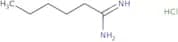
CAS:<p>Versatile small molecule scaffold</p>Formula:C7H12ClN3Purity:Min. 95%Molecular weight:173.64 g/molHexanamidine hydrochloride
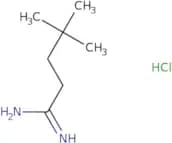
CAS:<p>Hexanamidine hydrochloride is a piperazine derivative that is used as an anti-helminthic agent. It is effective against tapeworms and other helminths, such as Ascaris, Trichuris, and Enterobius. Hexanamidine hydrochloride has been shown to have anthelmintic activity in both animals and humans, but it has not been tested in veterinary medicine. The drug inhibits the growth of parasites by interfering with their metabolism or by blocking the release of histamine. Hexanamidine hydrochloride also prevents the development of eggs in female worms and prevents fertilization in male worms. This drug binds to the surface of the worm’s body and kills it through a combination of chemical reactions that disrupts its metabolic processes or blocks its ability to absorb oxygen.</p>Formula:C6H15ClN2Purity:Min. 95%Molecular weight:150.65 g/mol4,4-Dimethylpentanimidamide hydrochloride
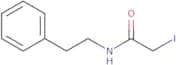
CAS:<p>Versatile small molecule scaffold</p>Formula:C7H17ClN2Purity:Min. 95%Molecular weight:164.7 g/mol2-Iodo-N-(2-phenylethyl)acetamide
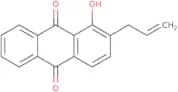
CAS:<p>Versatile small molecule scaffold</p>Formula:C10H12INOPurity:Min. 95%Molecular weight:289.11 g/molR162
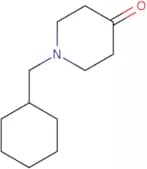
CAS:<p>R162 is a protein that has been identified as an inhibitor of glutamate dehydrogenase, an enzyme that catalyzes the conversion of glutamate to alpha-ketoglutarate. R162 also binds to basic proteins and peptides and has been shown to inhibit the activity of glutamate in vitro. R162 is currently being studied for its potential use in the treatment of cancer and autoimmune diseases.</p>Formula:C17H12O3Purity:Min. 95%Molecular weight:264.28 g/mol1-(Cyclohexylmethyl)piperidin-4-one
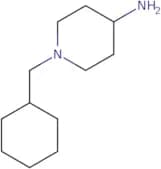
CAS:<p>Versatile small molecule scaffold</p>Formula:C12H21NOPurity:Min. 95%Molecular weight:195.3 g/mol1-Cyclohexylmethyl-piperidin-4-ylamine
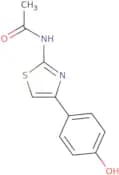
CAS:<p>Versatile small molecule scaffold</p>Formula:C12H24N2Purity:Min. 95%Molecular weight:196.33 g/molN-(4-(4-Hydroxyphenyl)thiazol-2-yl)acetamide
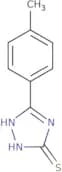
CAS:<p>Versatile small molecule scaffold</p>Formula:C11H10N2O2SPurity:Min. 95%Molecular weight:234.28 g/mol5-(4-Methylphenyl)-4H-1,2,4-triazole-3-thiol
CAS:<p>5-(4-Methylphenyl)-4H-1,2,4-triazole-3-thiol is a crystalline compound that has been shown to form cyclocondensation products with certain amino acids. It also acts as an x-ray diffraction reagent and can be used in the study of the interaction between x-rays and matter. 5-(4-Methylphenyl)-4H-1,2,4-triazole-3-thiol has been shown to react with amino acids such as L -alanine, L -serine, and L -leucine to form new compounds. This reaction is regioselective as it only occurs at the C5 position on the thiazole ring.</p>Formula:C9H9N3SPurity:Min. 95%Molecular weight:191.26 g/mol2-[4-(2-{[(tert-Butoxy)carbonyl]amino}ethyl)phenoxy]acetic acid
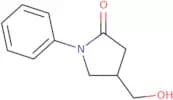
CAS:<p>Versatile small molecule scaffold</p>Formula:C15H21NO5Purity:Min. 95%Molecular weight:295.33 g/mol4-(Hydroxymethyl)-1-phenylpyrrolidin-2-one
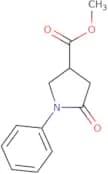
CAS:<p>Versatile small molecule scaffold</p>Formula:C11H13NO2Purity:Min. 95%Molecular weight:191.23 g/molMethyl 5-oxo-1-phenylpyrrolidine-3-carboxylate
CAS:<p>Versatile small molecule scaffold</p>Formula:C12H13NO3Purity:Min. 95%Molecular weight:219.24 g/mol3-[3-(Trifluoromethyl)phenyl]piperidine
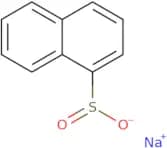
CAS:<p>Versatile small molecule scaffold</p>Formula:C12H14F3NPurity:Min. 95%Molecular weight:229.24 g/molSodium naphthalene-1-sulfinate
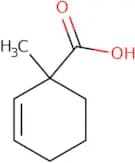
CAS:<p>Sodium naphthalene-1-sulfinate is an additive that can be used in the synthesis of pyrazoles and sulfonyl derivatives. It is a reagent for the sulfonylation of aromatic substrates, including tosylates, sulfones, and sulfoxides. Sodium naphthalene-1-sulfinate is also used as a solvent in mediated reactions. The functionalities of this compound are its ability to yield peroxides through oxidation with air or hydrogen peroxide. This compound can also be used as a synlett reagent in an advanced approach to synthesize functionalized pyrazoles.</p>Formula:C10H7NaO2SPurity:Min. 95%Molecular weight:214.22 g/mol1-Methylcyclohex-2-ene-1-carboxylic acid
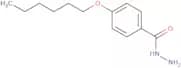
CAS:<p>Versatile small molecule scaffold</p>Formula:C8H12O2Purity:Min. 95%Molecular weight:140.18 g/mol4-(Hexyloxy)benzohydrazide
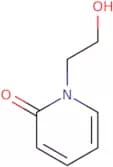
CAS:<p>4-(Hexyloxy)benzohydrazide is a chloride salt that is used as an antibacterial agent. It has been shown to be active against both Gram-positive and Gram-negative bacteria. 4-(Hexyloxy)benzohydrazide has also been shown to be effective against strains of methicillin-resistant Staphylococcus aureus (MRSA). This compound is prepared by reacting formaldehyde with hexahydrated 4-methoxybenzaldehyde in water, followed by crystallization from water or acetone. The crystals are colorless and have a melting point of 177 °C. 4-(Hexyloxy)benzohydrazide has a low solubility in water, but its solubility increases when it is mixed with other compounds such as acetaldehyde, which may contribute to its antimicrobial activity.</p>Formula:C13H20N2O2Purity:Min. 95%Molecular weight:236.32 g/mol1-(2-Hydroxyethyl)-1,2-dihydropyridin-2-one
CAS:<p>Versatile small molecule scaffold</p>Formula:C7H9NO2Purity:Min. 95%Molecular weight:139.15 g/mol2-[(6-Chloropyrazin-2-yl)oxy]ethan-1-ol
CAS:<p>Versatile small molecule scaffold</p>Formula:C6H7ClN2O2Purity:Min. 95%Molecular weight:174.58 g/mol2-(2-(2H-Benzo[d][1,2,3]triazol-2-yl)-4-methylphenoxy)acetic acid
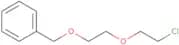
CAS:<p>Versatile small molecule scaffold</p>Formula:C15H13N3O3Purity:Min. 95%Molecular weight:283.28 g/mol((2-(2-Chloroethoxy)ethoxy)methyl)benzene
CAS:<p>Versatile small molecule scaffold</p>Formula:C11H15ClO2Purity:Min. 95%Molecular weight:214.69 g/mol[4-(2-Amino-ethyl)-phenyl]-methanol
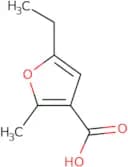
CAS:<p>Versatile small molecule scaffold</p>Formula:C9H13NOPurity:Min. 95%Molecular weight:151.21 g/mol5-Ethyl-2-methyl-furan-3-carboxylic acid
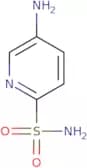
CAS:<p>Versatile small molecule scaffold</p>Formula:C8H10O3Purity:Min. 95%Molecular weight:154.16 g/mol5-Aminopyridine-2-sulfonamide
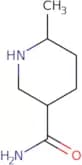
CAS:<p>5-Aminopyridine-2-sulfonamide (5APS) is an inhibitor of carbonic anhydrase. It binds to the active site of the enzyme, which is a cavity in the protein's surface, and prevents the conversion of CO2 to HCO3-. The inhibition of this process leads to a decrease in the production of bicarbonate ions and an increase in acidity. 5APS has been shown to have inhibitory properties against several isoforms of carbonic anhydrase, including those found in bacteria and erythrocytes. X-ray crystallographic studies have led to the rationalization of its binding mode within the active site. 5APS has been shown to be effective as a treatment for glaucoma by reducing intraocular pressure.</p>Formula:C5H7N3O2SPurity:Min. 95%Molecular weight:173.19 g/mol6-Methylpiperidine-3-carboxamide
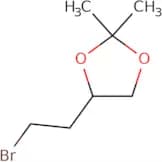
CAS:<p>Versatile small molecule scaffold</p>Formula:C7H14N2OPurity:Min. 95%Molecular weight:142.2 g/mol4-(2-Bromoethyl)-2,2-dimethyl-1,3-dioxolane
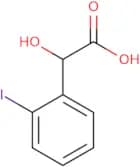
CAS:<p>Versatile small molecule scaffold</p>Formula:C7H13BrO2Purity:Min. 95%Molecular weight:209.08 g/mol2-Hydroxy-2-(2-iodophenyl)acetic acid
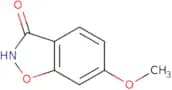
CAS:<p>2-Hydroxy-2-(2-iodophenyl)acetic acid is a diethyl ester of malonic acid. It has been shown to be a potential precursor to 2-hydroxy-2-(2-iodophenyl)acetic acid, which is an optical isomer of the drug carmofur. This compound can be obtained by decarboxylation of diethyl malonate and subsequent hydrolysis of the diester with hydrochloric acid. The optical isomer of carmofur has been shown to have antiangiogenic and anticancer properties.</p>Formula:C8H7IO3Purity:Min. 95%Molecular weight:278.04 g/mol6-Methoxy-2,3-dihydro-1,2-benzoxazol-3-one
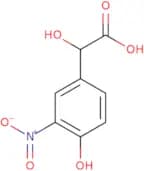
CAS:<p>Versatile small molecule scaffold</p>Formula:C8H7NO3Purity:Min. 95%Molecular weight:165.15 g/mol2-Hydroxy-2-(4-hydroxy-3-nitrophenyl)acetic acid
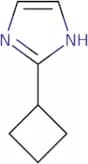
CAS:<p>Versatile small molecule scaffold</p>Formula:C8H7NO6Purity:Min. 95%Color and Shape:PowderMolecular weight:213.14 g/mol2-cyclobutyl-1h-imidazole
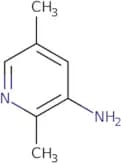
CAS:<p>Versatile small molecule scaffold</p>Formula:C7H10N2Purity:Min. 95%Molecular weight:122.17 g/mol2,5-Dimethyl-3-pyridinamine-d2
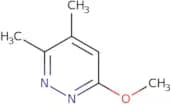
CAS:<p>Versatile small molecule scaffold</p>Formula:C7H8D2N2Purity:Min. 95%Molecular weight:124.18 g/mol6-Methoxy-3,4-dimethylpyridazine
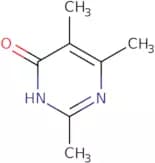
CAS:<p>Versatile small molecule scaffold</p>Formula:C7H10N2OPurity:Min. 95%Molecular weight:138.17 g/molTrimethylpyrimidin-4-ol
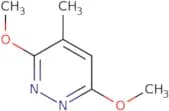
CAS:<p>Versatile small molecule scaffold</p>Formula:C7H10N2OPurity:Min. 95%Molecular weight:138.17 g/mol3,6-Dimethoxy-4-methylpyridazine
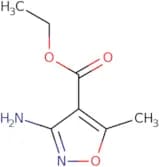
CAS:<p>Versatile small molecule scaffold</p>Formula:C7H10N2O2Purity:Min. 95%Molecular weight:154.17 g/molEthyl 3-amino-5-methyl-1,2-oxazole-4-carboxylate
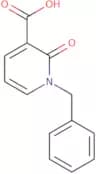
CAS:<p>Versatile small molecule scaffold</p>Formula:C7H10N2O3Purity:Min. 95%Molecular weight:170.17 g/mol1-Benzyl-2-oxo-1,2-dihydro-3-pyridinecarboxylic acid
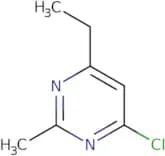
CAS:<p>Versatile small molecule scaffold</p>Formula:C13H11NO3Purity:Min. 95%Molecular weight:229.24 g/mol4-Chloro-6-ethyl-2-methylpyrimidine
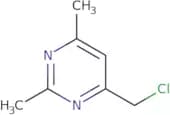
CAS:<p>4-Chloro-6-ethyl-2-methylpyrimidine is an acidic chloride that can be used as a reagent to form ketoximes and phosphoryl. It is also used to make selenium, pyrimidinyl, and nitrite. This compound has been shown to react with propyl nitrosates in the presence of a base to form yields of pyrimidinyl nitrites. The reaction is catalyzed by phosphoryl chloride.</p>Formula:C7H9ClN2Purity:Min. 95%Molecular weight:156.61 g/mol4-(Chloromethyl)-2,6-dimethylpyrimidine
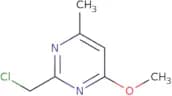
CAS:<p>Versatile small molecule scaffold</p>Formula:C7H9ClN2Purity:Min. 95%Molecular weight:156.61 g/mol2-(Chloromethyl)-4-methoxy-6-methylpyrimidine
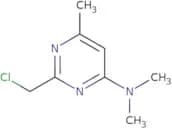
CAS:<p>Versatile small molecule scaffold</p>Formula:C7H9ClN2OPurity:Min. 95%Molecular weight:172.61 g/mol2-(Chloromethyl)-N,N,6-trimethylpyrimidin-4-amine
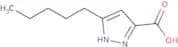
CAS:<p>Versatile small molecule scaffold</p>Formula:C8H12ClN3Purity:Min. 95%Molecular weight:185.65 g/mol5-Pentyl-1H-pyrazole-3-carboxylic acid
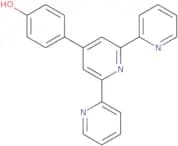
CAS:<p>5-Pentyl-1H-pyrazole-3-carboxylic acid is a gtpγs binding agent that has been used in the field of medicinal chemistry. This drug has an affinity for protein-coupled receptors and is able to inhibit the activity of these receptors by preventing their interaction with GTPγS. 5-Pentyl-1H-pyrazole-3-carboxylic acid has also been shown to be an agonist at rat spleen membranes. It binds to the pyrazole derivatives, which are involved in adipocyte differentiation and lipid metabolism.</p>Formula:C9H14N2O2Purity:Min. 95%Molecular weight:182.22 g/mol4-(2,6-Dipyridin-2-yl-1H-pyridin-4-ylidene)cyclohexa-2,5-dien-1-one
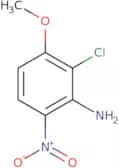
CAS:<p>Versatile small molecule scaffold</p>Formula:C21H15N3OPurity:Min. 95%Molecular weight:325.4 g/mol2-Chloro-3-methoxy-6-nitroaniline
CAS:<p>2-Chloro-3-methoxy-6-nitroaniline is a chemical compound that has been shown to have antimicrobial and anti-HIV activities. It is active against various bacteria, including methicillin resistant Staphylococcus aureus (MRSA). 2-Chloro-3-methoxy-6-nitroaniline has also been shown to have cytotoxic effects on MT4 cells, which are human lymphocytes. This drug may be useful as an HIV inhibitor because of its ability to inhibit HIV's reverse transcriptase enzyme activity.</p>Formula:C7H7ClN2O3Purity:Min. 95%Molecular weight:202.59 g/mol7-Amino-6-cyanopyrazolo[1,5-a]pyrimidine
CAS:<p>Versatile small molecule scaffold</p>Formula:C7H5N5Purity:Min. 95%Molecular weight:159.15 g/mol[4-(Hydroxymethyl)oxan-4-yl]methanol
CAS:<p>Versatile small molecule scaffold</p>Formula:C7H14O3Purity:Min. 95%Molecular weight:146.19 g/mol2-Methyl-[1,2,4]triazolo[1,5-a]pyrimidine-7-carboxylic acid
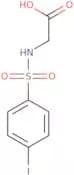
CAS:<p>Versatile small molecule scaffold</p>Formula:C7H6N4O2Purity:Min. 95%Molecular weight:178.15 g/mol2-(4-Iodobenzenesulfonamido)acetic acid
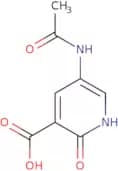
CAS:<p>Versatile small molecule scaffold</p>Formula:C8H8INO4SPurity:Min. 95%Molecular weight:341.13 g/mol5-Acetamido-2-hydroxypyridine-3-carboxylic acid
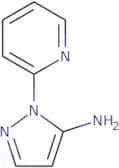
CAS:<p>Versatile small molecule scaffold</p>Formula:C8H8N2O4Purity:Min. 95%Molecular weight:196.16 g/mol1-(Pyridin-2-yl)-1H-pyrazol-5-amine
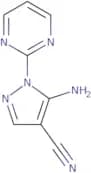
CAS:<p>Versatile small molecule scaffold</p>Formula:C8H8N4Purity:Min. 95%Molecular weight:160.18 g/mol5-Amino-1-(2-pyrimidinyl)-1H-pyrazole-4-carbonitrile
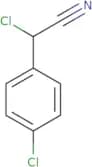
CAS:<p>Versatile small molecule scaffold</p>Formula:C8H6N6Purity:Min. 95%Molecular weight:186.17 g/mol2-Chloro-2-(4-chlorophenyl)acetonitrile
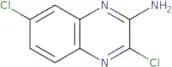
CAS:<p>Versatile small molecule scaffold</p>Formula:C8H5Cl2NPurity:Min. 95%Molecular weight:186.03 g/mol3,7-Dichloroquinoxalin-2-amine
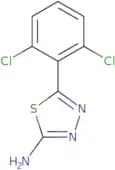
CAS:<p>Versatile small molecule scaffold</p>Formula:C8H5Cl2N3Purity:Min. 95%Molecular weight:214.05 g/mol5-(2,6-Dichlorophenyl)-1,3,4-Thiadiazol-2-Amine
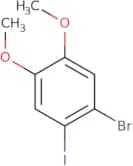
CAS:<p>Versatile small molecule scaffold</p>Formula:C8H5N3SCl2Purity:Min. 95%Molecular weight:246.11 g/mol1-Bromo-2-iodo-4,5-dimethoxybenzene
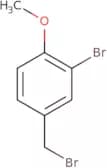
CAS:<p>Versatile small molecule scaffold</p>Formula:C8H8BrIO2Purity:Min. 95%Molecular weight:342.96 g/mol2-Bromo-4-(bromomethyl)-1-methoxybenzene
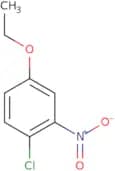
CAS:<p>Versatile small molecule scaffold</p>Formula:C8H8Br2OPurity:Min. 95%Molecular weight:279.96 g/mol1-Chloro-4-ethoxy-2-nitrobenzene
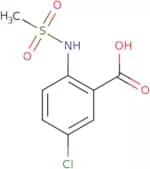
CAS:<p>Versatile small molecule scaffold</p>Formula:C8H8ClNO3Purity:Min. 95%Molecular weight:201.61 g/mol5-Chloro-2-(methylsulfonamido)benzoic acid
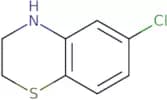
CAS:<p>Versatile small molecule scaffold</p>Formula:C8H8ClNO4SPurity:Min. 95%Molecular weight:249.67 g/mol6-Chloro-3,4-dihydro-2H-1,4-benzothiazine
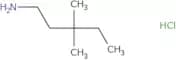
CAS:<p>6-Chloro-3,4-dihydro-2H-1,4-benzothiazine is a fungicide that is effective on fungi and bacteria. It inhibits the growth of microorganisms by binding to their ribosomes and interfering with protein synthesis. This chemical has been shown to have low toxicity in mammals. 6-Chloro-3,4-dihydro-2H-1,4-benzothiazine is used to control the growth of filamentous fungi in a variety of agricultural crops and ornamental plants. It is also used as a preservative for fresh fruit and vegetables.</p>Formula:C8H8ClNSPurity:Min. 95%Molecular weight:185.67 g/mol3,3-Dimethylpentan-1-amine hydrochloride
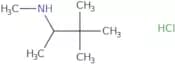
CAS:<p>Versatile small molecule scaffold</p>Formula:C7H18ClNPurity:Min. 95%Molecular weight:151.68 g/molN,3,3-Trimethyl-2-butanamine hydrochloride
CAS:<p>Versatile small molecule scaffold</p>Formula:C7H18ClNPurity:Min. 95%Molecular weight:151.68 g/mol6-Bromo-1,2,3,4-tetrahydroquinoxaline
CAS:<p>6-Bromo-1,2,3,4-tetrahydroquinoxaline is a quinoxaline derivative that has been studied for its biological activity. It has been shown to inhibit the transfer of hydrogen from NADH to coenzyme Q by transferring hydrogen from NADH to the quinoxalines. This experiment was conducted using biomolecular chemistry and molecular biology techniques. 6-Bromo-1,2,3,4-tetrahydroquinoxaline was synthesized from 1,2,3,4-tetrahydroquinoxalines and bromine. The source of these substances was not specified.</p>Formula:C8H9BrN2Purity:Min. 95%Molecular weight:213.08 g/mol[(4-Bromophenyl)methyl]thiourea
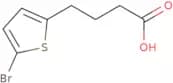
CAS:<p>Versatile small molecule scaffold</p>Formula:C8H9BrN2SPurity:Min. 95%Molecular weight:245.14 g/mol4-(5-Bromothiophen-2-yl)butanoic acid
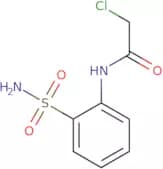
CAS:<p>Versatile small molecule scaffold</p>Formula:C8H9BrO2SPurity:Min. 95%Molecular weight:249.13 g/mol2-Chloro-N-(2-sulfamoylphenyl)acetamide
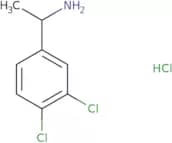
CAS:<p>Versatile small molecule scaffold</p>Formula:C8H9ClN2O3SPurity:Min. 95%Molecular weight:248.69 g/mol1-(3,4-Dichlorophenyl)ethanamine HCl
CAS:<p>Versatile small molecule scaffold</p>Formula:C8H9Cl2N·HClPurity:Min. 95%Molecular weight:226.53 g/mol3-[(Pyridin-4-yl)amino]benzoic acid
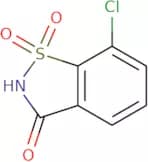
CAS:<p>Versatile small molecule scaffold</p>Formula:C12H10N2O2Purity:Min. 95%Molecular weight:214.22 g/mol7-Chloro-1,2-benzisothiazol-3(2H)-one 1,1-dioxide
CAS:<p>Versatile small molecule scaffold</p>Formula:C7H4ClNO3SPurity:Min. 95%Molecular weight:217.63 g/mol4-[4-(9H-Fluoren-9-yl)piperazin-1-yl]-4-oxobutanoic acid
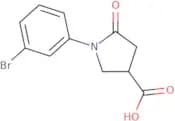
CAS:<p>Versatile small molecule scaffold</p>Formula:C21H22N2O3Purity:Min. 95%Molecular weight:350.4 g/mol1-(3-bromophenyl)-5-oxopyrrolidine-3-carboxylic acid
CAS:<p>Versatile small molecule scaffold</p>Formula:C11H10BrNO3Purity:Min. 95%Molecular weight:284.1 g/molmethyl 2,5-dicyanobenzoate
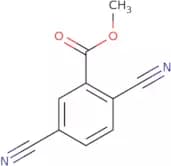
CAS:<p>Versatile small molecule scaffold</p>Formula:C10H6N2O2Purity:Min. 95%Molecular weight:186.17 g/mol(3-Ethoxy-4-methoxyphenyl)acetic acid
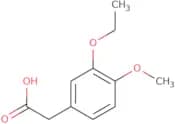
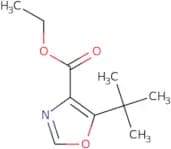
CAS:<p>Versatile small molecule scaffold</p>Formula:C11H14O4Purity:Min. 95%Molecular weight:210.23 g/molEthyl 5-tert-butyl-1,3-oxazole-4-carboxylate
CAS:<p>Versatile small molecule scaffold</p>Formula:C10H15NO3Purity:Min. 95%Molecular weight:197.23 g/mol2-[4-(4H-1,2,4-Triazol-4-yl)phenyl]ethan-1-amine
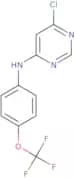
CAS:<p>Versatile small molecule scaffold</p>Formula:C10H12N4Purity:Min. 95%Molecular weight:188.23 g/mol(6-Chloro-pyrimidin-4-yl)-(4-trifluoromethoxy-phenyl)-amine
CAS:<p>Versatile small molecule scaffold</p>Formula:C11H7ClF3N3OPurity:Min. 95%Molecular weight:289.64 g/mol2-Fluoro-4-sulfamoylbenzoic acid
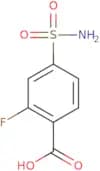
CAS:<p>Versatile small molecule scaffold</p>Formula:C7H6FNO4SPurity:Min. 95%Molecular weight:219.19 g/mol1-(3-Fluoropyridin-2-yl)-1H-pyrazol-3-amine
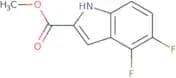
CAS:<p>Versatile small molecule scaffold</p>Formula:C8H7FN4Purity:Min. 95%Molecular weight:178.17 g/molMethyl 4,5-difluoro-1H-indole-2-carboxylate
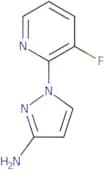
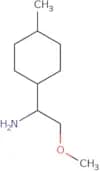
CAS:<p>Versatile small molecule scaffold</p>Formula:C10H7F2NO2Purity:Min. 95%Molecular weight:211.16 g/mol2-Methoxy-1-(4-methylcyclohexyl)ethan-1-amine
CAS:<p>Versatile small molecule scaffold</p>Formula:C10H21NOPurity:Min. 95%Molecular weight:171.28 g/mol3-Amino-1-[(1-methyl-1H-imidazol-2-yl)methyl]piperidin-2-one
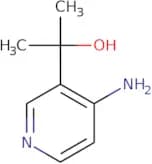
CAS:<p>Versatile small molecule scaffold</p>Formula:C10H16N4OPurity:Min. 95%Molecular weight:208.26 g/mol2-(4-Aminopyridin-3-yl)propan-2-ol
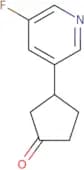
CAS:<p>Versatile small molecule scaffold</p>Formula:C8H12N2OPurity:Min. 95%Molecular weight:152.19 g/mol3-(5-Fluoropyridin-3-yl)cyclopentan-1-one
CAS:<p>Versatile small molecule scaffold</p>Formula:C10H10FNOPurity:Min. 95%Molecular weight:179.19 g/mol



![3-{[5-(4-Nitrophenyl)furan-2-yl]methylidene}-2,3-dihydro-1H-indol-2-one](/_next/image/?url=https%3A%2Fstatic.cymitquimica.com%2Fproducts%2F3D%2Fthumb-webp%2FPCA25883.webp&w=3840&q=75)
![5-Bromo-2,3-dihydro-benzo[b]thiophene 1,1-dioxide](/_next/image/?url=https%3A%2Fstatic.cymitquimica.com%2Fproducts%2F3D%2Fthumb-webp%2FPCA26076.webp&w=3840&q=75)
![2-[Methyl-[(2-methylpropan-2-yl)oxycarbonyl]amino]-3-phenyl-propanoic acid](/_next/image/?url=https%3A%2Fstatic.cymitquimica.com%2Fproducts%2F3D%2Fthumb-webp%2FPCA26383.webp&w=3840&q=75)



![2-[4-(2-{[(tert-Butoxy)carbonyl]amino}ethyl)phenoxy]acetic acid](/_next/image/?url=https%3A%2Fstatic.cymitquimica.com%2Fproducts%2F3D%2Fthumb-webp%2FPCA31833.webp&w=3840&q=75)
![3-[3-(Trifluoromethyl)phenyl]piperidine](/_next/image/?url=https%3A%2Fstatic.cymitquimica.com%2Fproducts%2F3D%2Fthumb-webp%2FPCA32145.webp&w=3840&q=75)
![2-[(6-Chloropyrazin-2-yl)oxy]ethan-1-ol](/_next/image/?url=https%3A%2Fstatic.cymitquimica.com%2Fproducts%2F3D%2Fthumb-webp%2FPCA33221.webp&w=3840&q=75)
![2-(2-(2H-Benzo[d][1,2,3]triazol-2-yl)-4-methylphenoxy)acetic acid](/_next/image/?url=https%3A%2Fstatic.cymitquimica.com%2Fproducts%2F3D%2Fthumb-webp%2FPCA34149.webp&w=3840&q=75)
![[4-(2-Amino-ethyl)-phenyl]-methanol](/_next/image/?url=https%3A%2Fstatic.cymitquimica.com%2Fproducts%2F3D%2Fthumb-webp%2FPCA35330.webp&w=3840&q=75)
![7-Amino-6-cyanopyrazolo[1,5-a]pyrimidine](/_next/image/?url=https%3A%2Fstatic.cymitquimica.com%2Fproducts%2F3D%2Fthumb-webp%2FPDA97557.webp&w=3840&q=75)
![[4-(Hydroxymethyl)oxan-4-yl]methanol](/_next/image/?url=https%3A%2Fstatic.cymitquimica.com%2Fproducts%2F3D%2Fthumb-webp%2FPDA97577.webp&w=3840&q=75)
![2-Methyl-[1,2,4]triazolo[1,5-a]pyrimidine-7-carboxylic acid](/_next/image/?url=https%3A%2Fstatic.cymitquimica.com%2Fproducts%2F3D%2Fthumb-webp%2FPDA97593.webp&w=3840&q=75)

![[(4-Bromophenyl)methyl]thiourea](/_next/image/?url=https%3A%2Fstatic.cymitquimica.com%2Fproducts%2F3D%2Fthumb-webp%2FPDA98086.webp&w=3840&q=75)
![3-[(Pyridin-4-yl)amino]benzoic acid](/_next/image/?url=https%3A%2Fstatic.cymitquimica.com%2Fproducts%2F3D%2Fthumb-webp%2FPDA99032.webp&w=3840&q=75)
![4-[4-(9H-Fluoren-9-yl)piperazin-1-yl]-4-oxobutanoic acid](/_next/image/?url=https%3A%2Fstatic.cymitquimica.com%2Fproducts%2F3D%2Fthumb-webp%2FPDB20106.webp&w=3840&q=75)
![2-[4-(4H-1,2,4-Triazol-4-yl)phenyl]ethan-1-amine](/_next/image/?url=https%3A%2Fstatic.cymitquimica.com%2Fproducts%2F3D%2Fthumb-webp%2FPDB56870.webp&w=3840&q=75)
![3-Amino-1-[(1-methyl-1H-imidazol-2-yl)methyl]piperidin-2-one](/_next/image/?url=https%3A%2Fstatic.cymitquimica.com%2Fproducts%2F3D%2Fthumb-webp%2FPDC01203.webp&w=3840&q=75)