Building Blocks
This section contains fundamental products for the synthesis of organic and biological compounds. Building blocks are the essential starting materials used to construct complex molecules through various chemical reactions. They play a critical role in drug discovery, material science, and chemical research. At CymitQuimica, we offer a diverse range of high-quality building blocks to support your innovative research and industrial projects, ensuring you have the essential components for successful synthesis.
Subcategories of "Building Blocks"
- Boronic Acids & Boronic Acid Derivatives(5,756 products)
- Chiral Building Blocks(1,242 products)
- Hydrocarbon Building Blocks(6,093 products)
- Organic Building Blocks(60,532 products)
Found 195534 products of "Building Blocks"
Sort by
Purity (%)
0
100
|
0
|
50
|
90
|
95
|
100
5-Chloro-[1,2,3,4]tetrazolo[1,5-a]pyridine
CAS:<p>Versatile small molecule scaffold</p>Formula:C5H3ClN4Purity:Min. 95%Molecular weight:154.56 g/mol6-Bromotetrazolo[1,5-a]pyridine
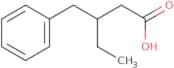
CAS:<p>Versatile small molecule scaffold</p>Formula:C5H3BrN4Purity:Min. 95%Molecular weight:199.01 g/mol3-Benzylpentanoic acid
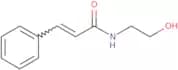
CAS:<p>Versatile small molecule scaffold</p>Formula:C12H16O2Purity:Min. 95%Molecular weight:192.25 g/mol(2E)-N-(2-Hydroxyethyl)-3-phenylprop-2-enamide
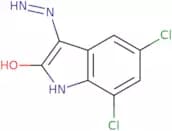
CAS:<p>Acetaminophen is a drug used to treat pain and fever. It belongs to the class of drugs called analgesics, which are also known as non-steroidal anti-inflammatory drugs (NSAIDs). Acetaminophen has been shown to be effective in the treatment of bowel disease and inflammatory bowel disease. Acetaminophen is usually given orally or intravenously, but it can also be given rectally for bowel disease. Acetaminophen is an analog of phenacetin, which was replaced in many countries because phenacetin was found to cause kidney damage. The mechanism by which acetaminophen relieves pain and reduces fever is not well understood. It may inhibit prostaglandin synthesis, block cyclooxygenase, or inhibit the production of substances that sensitize nerve endings to pain. Acetaminophen can cause allergic reactions such as skin rash, urticaria and angioedema. Acetaminophen also causes psychiatric side effects such as anxiety, mood</p>Formula:C11H13NO2Purity:Min. 95%Molecular weight:191.23 g/mol5,7-Dichloro-3-hydrazinylidene-2,3-dihydro-1H-indol-2-one
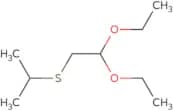
CAS:<p>Versatile small molecule scaffold</p>Formula:C8H5Cl2N3OPurity:Min. 95%Molecular weight:230.05 g/mol1,1-Diethoxy-2-(propan-2-ylsulfanyl)ethane
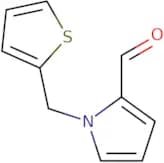
CAS:<p>Versatile small molecule scaffold</p>Formula:C9H20O2SPurity:Min. 95%Molecular weight:192.3 g/mol1-(Thiophen-2-ylmethyl)-1H-pyrrole-2-carbaldehyde
CAS:<p>Versatile small molecule scaffold</p>Formula:C10H9NOSPurity:Min. 95%Molecular weight:191.25 g/mol2-[(Ethylsulfanyl)methyl]pyridine
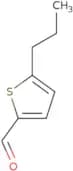
CAS:<p>Versatile small molecule scaffold</p>Formula:C8H11NSPurity:Min. 95%Molecular weight:153.25 g/mol5-Propyl-thiophene-2-carbaldehyde
CAS:<p>Versatile small molecule scaffold</p>Formula:C8H10OSPurity:Min. 95%Molecular weight:154.23 g/mol2,3-dichloropyrido[3,4-b]pyrazine
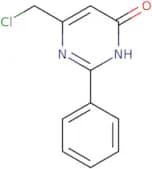
CAS:<p>Versatile small molecule scaffold</p>Formula:C7H3Cl2N3Purity:Min. 95%Molecular weight:200.02 g/mol6-(Chloromethyl)-2-phenylpyrimidin-4-ol
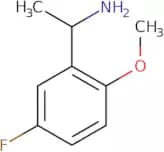
CAS:<p>Versatile small molecule scaffold</p>Formula:C11H9ClN2OPurity:Min. 95%Molecular weight:220.65 g/mol1-(5-Fluoro-2-methoxyphenyl)ethan-1-amine
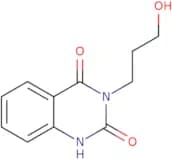
CAS:<p>Versatile small molecule scaffold</p>Formula:C9H12FNOPurity:Min. 95%Molecular weight:169.2 g/mol3-(3-Hydroxypropyl)-1,2,3,4-tetrahydroquinazoline-2,4-dione
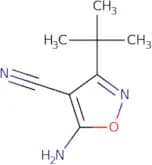
CAS:<p>Versatile small molecule scaffold</p>Formula:C11H12N2O3Purity:Min. 95%Molecular weight:220.22 g/mol5-amino-3-tert-butyl-1,2-oxazole-4-carbonitrile
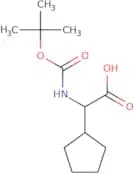
CAS:<p>Versatile small molecule scaffold</p>Formula:C8H11N3OPurity:Min. 95%Molecular weight:165.2 g/molBoc-2-Cyclopentylglycine
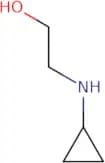
CAS:<p>Versatile small molecule scaffold</p>Formula:C12H21NO4Purity:Min. 95%Molecular weight:243.3 g/mol2-(Cyclopropylamino)ethanol
CAS:<p>Versatile small molecule scaffold</p>Formula:C5H11NOPurity:Min. 95%Molecular weight:101.15 g/mol2-[(2-Methylcyclopentyl)amino]ethan-1-ol
CAS:<p>Versatile small molecule scaffold</p>Formula:C8H17NOPurity:Min. 95%Molecular weight:143.23 g/mol6-Methylthieno[3,2-d]pyrimidine-2,4-diol
CAS:<p>Versatile small molecule scaffold</p>Formula:C7H6N2O2SPurity:Min. 95%Molecular weight:182.2 g/mol7-Methylthieno[3,2-d]pyrimidine-2,4(1H,3H)-dione
CAS:<p>Versatile small molecule scaffold</p>Formula:C7H6N2O2SPurity:Min. 95%Molecular weight:182.2 g/mol2,4-dichloro-6-methylthieno[3,2-d]pyrimidine
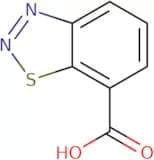
CAS:<p>Versatile small molecule scaffold</p>Formula:C7H4Cl2N2SPurity:Min. 95%Molecular weight:219.1 g/mol1,2,3-Benzothiadiazole-7-carboxylic acid
CAS:<p>Benzothiadiazole-7-carboxylic acid (BTHCA) is an activated compound that has been shown to have potent bactericidal activity. It is a member of the benzothiadiazole family of compounds, which are found in the environment and have been detected in human blood. BTHCA inhibits the enzyme hydroxycinnamoyltransferase, which leads to a decrease in shikimate production and folate levels. BTHCA also reversibly inhibits methionine synthase, leading to an accumulation of homocysteine and methionine, which are toxic substances that lead to DNA damage and cell death. This compound has been used as a pesticide for plants by blocking plant protein synthesis. Analysis of BTHCA has shown it is metabolized into p-coumaric acid, which may be responsible for its observed anti-inflammatory effects.</p>Formula:C7H4N2O2SPurity:Min. 95%Molecular weight:180.19 g/mol4-Methoxy-1,2-benzothiazole
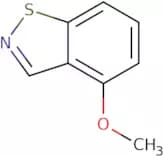
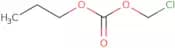
CAS:<p>Versatile small molecule scaffold</p>Formula:C8H7NOSPurity:Min. 95%Molecular weight:165.21 g/molChloromethyl propyl carbonate
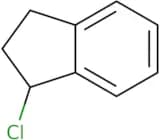
CAS:<p>Chloromethyl propyl carbonate is a pyrimidine compound that has been proposed as a potential cancer drug. It has shown high resistance to the enzymes fatty acid synthase and tenofovir and has shown antiviral properties against HIV, herpes simplex, and hepatitis B. Chloromethyl propyl carbonate inhibits the production of acyclic nucleoside phosphonates. It also inhibits fatty acid synthesis by binding to the enzyme acyl-CoA synthetase 2. Chloromethyl propyl carbonate binds to nitrogen atoms in the active site of the enzyme glutamine synthetase, thereby inhibiting its activity. The pharmacokinetic properties of chloromethyl propyl carbonate have been studied in rats and dogs; it is absorbed orally with rapid distribution into tissues, including fat, liver, kidney, lung, and brain. The drug is metabolized by carboxyesterases in the liver and excreted in urine</p>Formula:C5H9ClO3Purity:Min. 95%Molecular weight:152.57 g/mol1-Chloro-2,3-dihydro-1H-indene
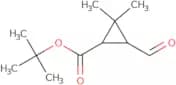
CAS:<p>1-Chloro-2,3-dihydro-1H-indene is a kinetic inhibitor. It has been shown to bind to the enzyme quinoline synthesis and to be reactive towards chloride ions. 1-Chloro-2,3-dihydro-1H-indene is used as an intermediate in the production of styrene. This monomer has high values for constant rate kinetics and exhibits a high affinity for chloride ions, which makes it a good candidate for use in polymerization reactions. The chlorine atom can be substituted with other atoms or groups, such as ethyl groups, halides, or transfer reactions. These derivatives are also known as quinoline derivatives.</p>Formula:C9H9ClPurity:Min. 95%Molecular weight:152.62 g/moltert-Butyl 3-formyl-2,2-dimethylcyclopropane-1-carboxylate
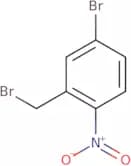
CAS:<p>Versatile small molecule scaffold</p>Formula:C11H18O3Purity:Min. 95%Molecular weight:198.26 g/mol5-Bromo-2-nitrobenzyl bromide
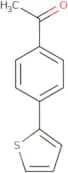
CAS:<p>Versatile small molecule scaffold</p>Formula:C7H5Br2NO2Purity:Min. 95%Molecular weight:294.93 g/mol1-(4-Thiophen-2-yl-phenyl)-ethanone
CAS:<p>Versatile small molecule scaffold</p>Formula:C12H10OSPurity:Min. 95%Molecular weight:202.27 g/mol2,2-Dimethylcyclobutan-1-ol
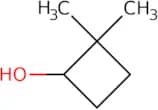
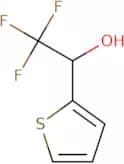
CAS:<p>2,2-Dimethylcyclobutan-1-ol is an organic compound that belongs to the class of cyclopropanes. It is a stereospecific reaction product of 2,2-dimethylcyclopropanecarboxylic acid and sodium ethoxide in ethanol. This compound can be used as a chiral synthon for the synthesis of cyclopropane derivatives. The optical activity of this compound has been shown to be dependent on the configuration at the chiral center.</p>Formula:C6H12OPurity:Min. 95%Molecular weight:100.16 g/mol2,2,2-Trifluoro-1-(thiophen-2-yl)ethanol
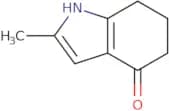
CAS:<p>Versatile small molecule scaffold</p>Formula:C6H5F3OSPurity:Min. 95%Molecular weight:182.16 g/mol1,5,6,7-Tetrahydro-2-methyl-4h-indol-4-one
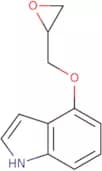
CAS:<p>Versatile small molecule scaffold</p>Formula:C9H11NOPurity:Min. 95%Molecular weight:149.19 g/mol4-(Oxiran-2-ylmethoxy)-1H-indole
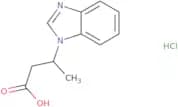
CAS:<p>Versatile small molecule scaffold</p>Formula:C11H11NO2Purity:Min. 95%Molecular weight:189.21 g/mol3-(1H-1,3-Benzodiazol-1-yl)butanoic acid hydrochloride
CAS:<p>Versatile small molecule scaffold</p>Formula:C11H13ClN2O2Purity:Min. 95%Molecular weight:240.68 g/molN-[1-Chloro-3-(hydroxyimino)propan-2-ylidene]hydroxylamine
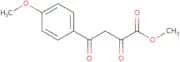
CAS:<p>Versatile small molecule scaffold</p>Formula:C3H5ClN2O2Purity:Min. 95%Molecular weight:136.54 g/molEthyl 4-(4-methoxyphenyl)-2,4-dioxobutanoate
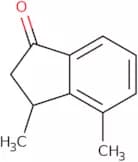
CAS:<p>Versatile small molecule scaffold</p>Formula:C13H14O5Purity:Min. 95%Molecular weight:250.25 g/mol3,4-Dimethyl-2,3-dihydro-1H-inden-1-one
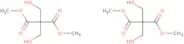
CAS:<p>Versatile small molecule scaffold</p>Formula:C11H12OPurity:Min. 95%Molecular weight:160.21 g/molDimethyl Bis(hydroxymethyl)malonate
CAS:<p>Versatile small molecule scaffold</p>Formula:C7H12O6Purity:Min. 95%Molecular weight:192.17 g/mol5-(4-Bromophenyl)-5-oxovaleric acid
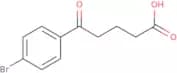
CAS:<p>5-(4-Bromophenyl)-5-oxovaleric acid is a molecule that has been synthesized to be used as a cancer drug. It is an amide derivative of the natural compound valproic acid and is being developed for the treatment of cancers, such as leukemia and melanoma. 5-(4-Bromophenyl)-5-oxovaleric acid has been shown to inhibit the function of integrin, which plays a role in cell adhesion and migration, with potential applications in wound healing. <br>The molecule has also been shown to have chemokine binding properties and may be useful in the treatment of diseases where chemokines are involved, such as HIV or AIDS. This compound also binds to CCR5 receptor and inhibits HIV entry into cells. The molecule has also been shown to antagonize survivin, an antiapoptotic protein that protects cells from undergoing apoptosis and prevents tumor suppression. The affinity of 5-(4-bromophenyl</p>Formula:C11H11BrO3Purity:Min. 95%Molecular weight:271.12 g/mol3,5-Dichloro-2-hydroxybenzene-1-sulfonamide
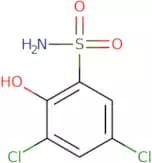
CAS:<p>3,5-Dichloro-2-hydroxybenzene-1-sulfonamide is a defoliant that was first developed in the 1950s. It is a desiccant that damages plants by blocking photosynthesis and causes leaf shedding. 3,5-Dichloro-2-hydroxybenzene-1-sulfonamide is used on cotton plants to control weeds and promote plant growth. This sulfonamide herbicide also has the ability to kill insects, such as potato beetles, which are harmful to crops.</p>Formula:C6H5Cl2NO3SPurity:Min. 95%Molecular weight:242.08 g/mol2-Hydroxy-5-methoxybenzene-1-sulfonyl chloride
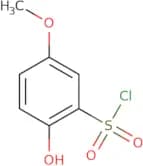
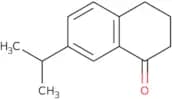
CAS:<p>Versatile small molecule scaffold</p>Formula:C7H7ClO4SPurity:Min. 95%Molecular weight:222.65 g/mol7-(Propan-2-yl)-1,2,3,4-tetrahydronaphthalen-1-one
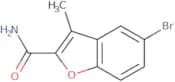
CAS:<p>Versatile small molecule scaffold</p>Formula:C13H16OPurity:Min. 95%Molecular weight:188.26 g/mol5-Bromo-3-methyl-1-benzofuran-2-carboxamide
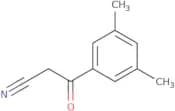
CAS:<p>Versatile small molecule scaffold</p>Formula:C10H8BrNO2Purity:Min. 95%Molecular weight:254.08 g/mol3-(3,5-Dimethylphenyl)-3-oxopropanenitrile
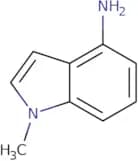
CAS:<p>Versatile small molecule scaffold</p>Formula:C11H11NOPurity:Min. 95%Molecular weight:173.21 g/mol1-Methyl-1H-indol-4-ylamine
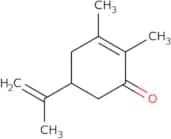
CAS:<p>1-Methyl-1H-indol-4-ylamine is a tricyclic indole with chemical properties that make it an excellent candidate for use in the synthesis of biomolecules. It is a versatile chemical with a wide range of reactivity, and its yield can be increased by using microwave irradiation. This compound has been used to synthesize novel pharmaceuticals, such as new chemotherapeutic agents.</p>Formula:C9H10N2Purity:Min. 95%Molecular weight:146.19 g/mol(5S)-2,3-Dimethyl-5-(prop-1-en-2-yl)cyclohex-2-en-1-one
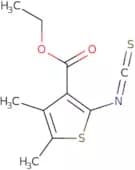
CAS:<p>Versatile small molecule scaffold</p>Formula:C11H16OPurity:Min. 95%Molecular weight:164.24 g/molEthyl 2-isothiocyanato-4,5-dimethylthiophene-3-carboxylate
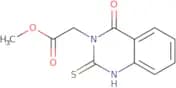
CAS:<p>Versatile small molecule scaffold</p>Formula:C10H11NO2S2Purity:Min. 95%Molecular weight:241.3 g/molMethyl 2-(4-oxo-2-sulfanyl-3,4-dihydroquinazolin-3-yl)acetate
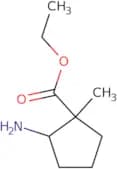
CAS:<p>Versatile small molecule scaffold</p>Formula:C11H10N2O3SPurity:Min. 95%Molecular weight:250.28 g/molEthyl 2-amino-1-methylcyclopentane-1-carboxylate
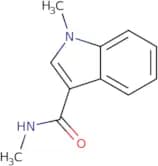
CAS:<p>Versatile small molecule scaffold</p>Formula:C9H17NO2Purity:Min. 95%Molecular weight:171.24 g/molN,1-Dimethyl-1H-indole-3-carboxamide
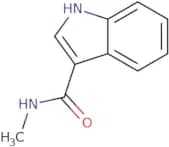
CAS:Controlled Product<p>N,1-Dimethyl-1H-indole-3-carboxamide is a bioactive compound that is derived from the natural product skeleton of isocryptolepine. It has been shown to form bonds by reacting with electrophilic compounds. N,1-Dimethyl-1H-indole-3-carboxamide is soluble in organic solvents and can be used as a reagent for chemical synthesis.</p>Formula:C11H12N2OPurity:Min. 95%Molecular weight:188.23 g/molN-Methyl-1H-indole-3-carboxamide
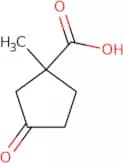
CAS:Controlled Product<p>Versatile small molecule scaffold</p>Formula:C10H10N2OPurity:Min. 95%Molecular weight:174.2 g/mol1-Methyl-3-oxocyclopentane-1-carboxylic acid
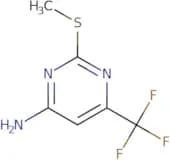
CAS:<p>Versatile small molecule scaffold</p>Formula:C7H10O3Purity:Min. 95%Molecular weight:142.15 g/mol2-(Methylsulfanyl)-6-(trifluoromethyl)-4-pyrimidinamine
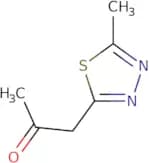
CAS:<p>Versatile small molecule scaffold</p>Formula:C6H6F3N3SPurity:Min. 95%Molecular weight:209.19 g/mol1-(5-Methyl-1,3,4-thiadiazol-2-yl)propan-2-one
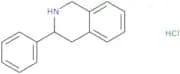
CAS:<p>Versatile small molecule scaffold</p>Formula:C6H8N2OSPurity:Min. 95%Molecular weight:156.21 g/mol3-Phenyl-1,2,3,4-tetrahydroisoquinoline hydrochloride
CAS:<p>Versatile small molecule scaffold</p>Formula:C15H16ClNPurity:Min. 95%Molecular weight:245.74 g/mol2-Amino-4-(methoxycarbonyl)benzoic acid
CAS:<p>Versatile small molecule scaffold</p>Formula:C9H9NO4Purity:Min. 95%Molecular weight:195.17 g/mol(2E)-3-(1,3-Benzoxazol-2-yl)prop-2-enoic acid
CAS:<p>Versatile small molecule scaffold</p>Formula:C10H7NO3Purity:Min. 95%Molecular weight:189.17 g/mol4-(2,3-Dimethylphenyl)-1-sulfanyl-4H,5H-[1,2,4]triazolo[4,3-a]quinazolin-5-one
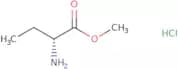
CAS:<p>Versatile small molecule scaffold</p>Formula:C17H14N4OSPurity:Min. 95%Molecular weight:322.4 g/mol(R)-2-Aminobutanoic Acid Methyl Ester Hydrochloride
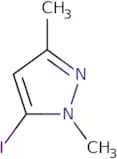
CAS:<p>Versatile small molecule scaffold</p>Formula:C5H12ClNO2Purity:Min. 95%Molecular weight:153.61 g/mol1,3-Dimethyl-5-iodopyrazole
CAS:<p>Versatile small molecule scaffold</p>Formula:C5H7IN2Purity:Min. 95%Molecular weight:222.03 g/mol8H-Indeno[1,2-d][1,3]thiazol-2-amine
CAS:<p>Versatile small molecule scaffold</p>Formula:C10H8N2SPurity:Min. 95%Molecular weight:188.25 g/molEthyl 2-(4-bromo-2-chlorophenyl)-2-hydroxy-3-(1H-1,2,4-triazol-1-yl)propanoate
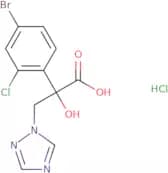
CAS:<p>Versatile small molecule scaffold</p>Formula:C13H13BrClN3O3Purity:Min. 95%Molecular weight:374.62 g/mol2-(4-Bromo-2-chlorophenyl)-2-hydroxy-3-(1H-1,2,4-triazol-1-yl)propanoic acid hydrochloride
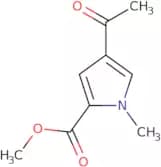
CAS:<p>Versatile small molecule scaffold</p>Formula:C11H10BrCl2N3O3Purity:Min. 95%Molecular weight:383.02 g/molMethyl 4-acetyl-1-methyl-1H-pyrrole-2-carboxylate
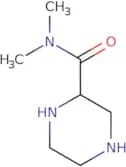
CAS:<p>Versatile small molecule scaffold</p>Formula:C9H11NO3Purity:Min. 95%Molecular weight:181.19 g/molN,N-Dimethylpiperazine-2-carboxamide
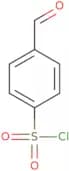
CAS:<p>Versatile small molecule scaffold</p>Formula:C7H15N3OPurity:Min. 95%Molecular weight:157.21 g/mol4-formylbenzene-1-sulfonyl chloride
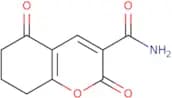
CAS:<p>4-Formylbenzene-1-sulfonyl chloride is an alkylating agent that can be used to produce amines. It is the most efficient reagent for the reductive amination of carbonyl groups, and it also reacts with nucleophiles in a nucleophilic substitution reaction. The reaction of 4-formylbenzene-1-sulfonyl chloride with potassium carbonate produces formaldehyde and potassium sulfite. This product is soluble in water and organic solvents, which makes it useful for reactions involving high boiling points. Yields are typically 50%.</p>Formula:C7H5ClO3SPurity:Min. 95%Molecular weight:204.6 g/mol2,5-Dioxo-5,6,7,8-tetrahydro-2H-chromene-3-carboxamide
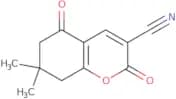
CAS:<p>2,5-Dioxo-5,6,7,8-tetrahydro-2H-chromene-3-carboxamide is a chromene that has been synthesized in the laboratory. It is stable and biologically active. This compound can be used to develop new pharmaceuticals or as an intermediate for other organic compounds.</p>Formula:C10H9NO4Purity:Min. 95%Molecular weight:207.18 g/mol7,7-Dimethyl-2,5-dioxo-5,6,7,8-tetrahydro-2H-chromene-3-carbonitrile
CAS:<p>Versatile small molecule scaffold</p>Formula:C12H11NO3Purity:Min. 95%Molecular weight:217.2 g/mol1-[4-Hydroxy-3-(piperidin-1-ylmethyl)phenyl]ethan-1-one hydrochloride
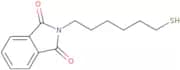
CAS:<p>Versatile small molecule scaffold</p>Formula:C14H20ClNO2Purity:Min. 95%Molecular weight:269.77 g/mol2-(6-Sulfanylhexyl)-2,3-dihydro-1H-isoindole-1,3-dione
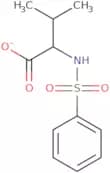
CAS:<p>Diptocarpiline is a diterpene that is found in the bark of D. dasycarpa, a tree native to Southeast Asia. It has been shown to have anticonvulsant and analgesic properties, as well as anti-inflammatory effects. Daptocarpiline also has anticancer activity against leukemia cells in culture. This compound binds to the GABA receptor and inhibits the binding of GABA, which results in increased levels of this neurotransmitter in the brain. This leads to an increase in the frequency and amplitude of spontaneous inhibitory postsynaptic currents (sIPSCs) and an increase in the duration of action potentials (APs). The mechanism of anticancer activity is not completely understood, but it may be due to its ability to induce apoptosis by inhibiting protein synthesis or by inducing reactive oxygen species (ROS).</p>Formula:C14H17NO2SPurity:Min. 95%Molecular weight:263.36 g/mol(2S)-2-Benzenesulfonamido-3-methylbutanoic acid
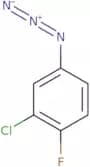
CAS:<p>Versatile small molecule scaffold</p>Formula:C11H14NO4SPurity:Min. 95%Molecular weight:256.3 g/mol4-Azido-2-chloro-1-fluorobenzene
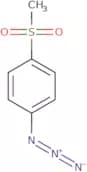
CAS:<p>4-Azido-2-chloro-1-fluorobenzene (4ACFB) is a potential immunotherapy drug for cancer. It inhibits the activity of kynurenine, which is an important pathway in tumor growth and development. 4ACFB has been shown to inhibit the proliferation of human leukemia cells in vitro and in vivo. The half maximal inhibitory concentration for 4ACFB is 10 µM. This molecule also has high potential as a lead compound for cancer therapy because it targets many pathways that are involved in tumor growth and development, such as the microenvironment, protein synthesis, DNA replication, and cell division.</p>Formula:C6H3ClFN3Purity:Min. 95%Molecular weight:171.56 g/mol1-Azido-4-methanesulfonylbenzene
CAS:<p>1-Azido-4-methanesulfonylbenzene is a 1,3-dipolar cycloaddition agent that contains a heterocyclic ring. It inhibits the activity of the enzyme COX-2 (cyclooxygenase 2), which is the target for nonsteroidal anti-inflammatory drugs. 1-Azido-4-methanesulfonylbenzene has an inhibitory potency in the vicinal assay and has been shown to be a potent COX-2 inhibitor. The inhibition of COX-2 is thought to be due to its ability to bind with specificity to the heme group in the COX active site. This binding prevents substrate access and thus prevents prostaglandin synthesis.</p>Formula:C7H7N3O2SPurity:Min. 95%Molecular weight:197.22 g/mol1-[4-(1H-1,2,3-Triazol-1-yl)phenyl]ethan-1-one
CAS:<p>Versatile small molecule scaffold</p>Formula:C10H9N3OPurity:Min. 95%Molecular weight:187.2 g/mol1-[3-(1H-1,2,3-Triazol-1-yl)phenyl]ethan-1-one
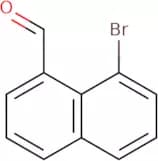
CAS:<p>Versatile small molecule scaffold</p>Formula:C10H9N3OPurity:Min. 95%Molecular weight:187.2 g/mol8-Bromonaphthalene-1-carbaldehyde
CAS:<p>8-Bromonaphthalene-1-carbaldehyde is a reactive intermediate in the synthesis of azepines. The compound has been shown to undergo reversible hydride transfer reactions with iodides and benzylic alcohols. It can be prepared by the reaction of 1,2-dibromoethane with acetophenone in the presence of sodium hydroxide. 8-Bromonaphthalene-1-carbaldehyde is also a useful synthon for the synthesis of azepines and active methylenes. 8-Bromonaphthalene-1-carbaldehyde reacts with 2,4,6-trimethylbenzenesulfonyl chloride to form 4-(2,4,6-trimethylphenyl)azepine.</p>Formula:C11H7BrOPurity:Min. 95%Molecular weight:235.08 g/mol1-(4-Methylbenzenesulfonyl)propan-2-ol
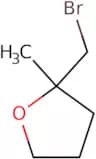
CAS:<p>Versatile small molecule scaffold</p>Formula:C10H14O3SPurity:Min. 95%Molecular weight:214.28 g/mol2-(Bromomethyl)-2-methyloxolane
CAS:<p>Versatile small molecule scaffold</p>Formula:C6H11BrOPurity:Min. 95%Molecular weight:179.05 g/mol2-Methyl-[1,2,4]triazolo[1,5-a]pyrimidin-7-ol
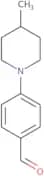
CAS:<p>Versatile small molecule scaffold</p>Formula:C6H6N4OPurity:Min. 95%Molecular weight:150.14 g/mol4-(4-Methylpiperidin-1-yl)benzaldehyde
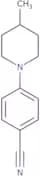
CAS:<p>Versatile small molecule scaffold</p>Formula:C13H17NOPurity:Min. 95%Molecular weight:203.28 g/mol4-(4-Methylpiperidin-1-yl)benzonitrile
CAS:<p>Versatile small molecule scaffold</p>Formula:C13H16N2Purity:Min. 95%Molecular weight:200.28 g/mol1-[3-(Methylsulfanyl)phenyl]urea
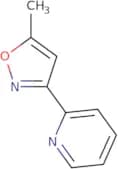
CAS:<p>Versatile small molecule scaffold</p>Formula:C8H10N2OSPurity:Min. 95%Molecular weight:182.25 g/mol2-(5-Methyl-1,2-oxazol-3-yl)pyridine
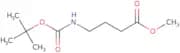
CAS:<p>Versatile small molecule scaffold</p>Formula:C9H8N2OPurity:Min. 95%Molecular weight:160.17 g/molMethyl 4-((tert-butoxycarbonyl)amino)butanoate
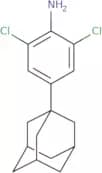
CAS:<p>Versatile small molecule scaffold</p>Formula:C10H19NO4Purity:Min. 95%Molecular weight:217.26 g/mol4-(Adamantan-1-yl)-2,6-dichloroaniline
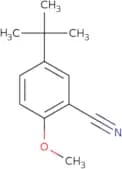
CAS:<p>Versatile small molecule scaffold</p>Formula:C16H19Cl2NPurity:Min. 95%Molecular weight:296.2 g/mol5-tert-Butyl-2-methoxybenzonitrile
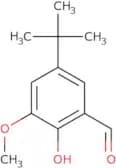
CAS:<p>Versatile small molecule scaffold</p>Formula:C12H15NOPurity:Min. 95%Molecular weight:189.25 g/mol5-tert-Butyl-2-hydroxy-3-methoxybenzaldehyde
CAS:<p>Versatile small molecule scaffold</p>Formula:C12H16O3Purity:Min. 95%Molecular weight:208.25 g/molN-{[2-(Trifluoromethyl)phenyl]methyl}cyclopentanamine
CAS:<p>Versatile small molecule scaffold</p>Formula:C13H16F3NPurity:Min. 95%Molecular weight:243.27 g/molN-[(3-Fluorophenyl)methyl]cyclopentanamine
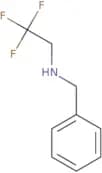
CAS:<p>Versatile small molecule scaffold</p>Formula:C12H16FNPurity:Min. 95%Molecular weight:193.26 g/molBenzyl-(2,2,2-trifluoro-ethyl)-amine
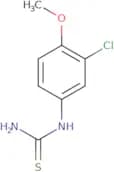
CAS:<p>Versatile small molecule scaffold</p>Formula:C9H10F3NPurity:Min. 95%Molecular weight:189.18 g/mol(3-Chloro-4-methoxyphenyl)thiourea
CAS:<p>Versatile small molecule scaffold</p>Formula:C8H9ClN2OSPurity:Min. 95%Molecular weight:216.69 g/mol4-Chloro-3-nitro-1,5-naphthyridine
CAS:<p>Versatile small molecule scaffold</p>Formula:C8H4ClN3O2Purity:Min. 95%Molecular weight:209.59 g/mol(2R,3R)-2-{[(tert-Butoxy)carbonyl]amino}-3-hydroxybutanoic acid
CAS:<p>Pf-06305591 is a benzimidazole blocker that is being developed for the treatment of epilepsy. Pf-06305591 blocks sodium channels in the central nervous system, which are involved in neuronal excitability and seizure generation. This drug has been shown to be safe and well tolerated in preclinical studies. Pf-06305591 was discovered by optimizing chemical structures of phenylimidazole blockers, which have been shown to have efficacy against seizures but with a high incidence of adverse effects. Pf-06305591 has been shown to be effective at a dose that is well tolerated, with an optimized safety profile that can be individualized according to the patient's needs.</p>Formula:C9H17NO5Purity:Min. 95%Molecular weight:219.23 g/mol4-(2,6-Dimethylmorpholin-4-yl)-3-fluoroaniline
CAS:<p>Versatile small molecule scaffold</p>Formula:C12H17FN2OPurity:Min. 95%Molecular weight:224.27 g/mol2-Cyano-N-hexadecylacetamide
CAS:<p>Versatile small molecule scaffold</p>Formula:C19H36N2OPurity:Min. 95%Molecular weight:308.5 g/mol[3-(Dimethylamino)-2,2-dimethylpropyl](methyl)amine
CAS:<p>Versatile small molecule scaffold</p>Formula:C8H20N2Purity:Min. 95%Molecular weight:144.26 g/molN-[2-(Hydroxymethyl)phenyl]cyclopropanecarboxamide
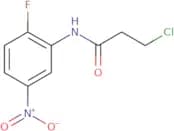
CAS:<p>Versatile small molecule scaffold</p>Formula:C11H13NO2Purity:Min. 95%Molecular weight:191.23 g/mol3-Chloro-N-(2-fluoro-5-nitrophenyl)propanamide
CAS:<p>Versatile small molecule scaffold</p>Formula:C9H8ClFN2O3Purity:Min. 95%Molecular weight:246.62 g/molBicyclo[4.1.0]heptane-3-carboxylic acid
CAS:<p>Versatile small molecule scaffold</p>Formula:C8H12O2Purity:Min. 95%Molecular weight:140.18 g/molN-(5-Bromopyrazin-2-yl)-2,2-dimethylpropanamide
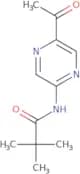
CAS:<p>Versatile small molecule scaffold</p>Formula:C9H12BrN3OPurity:Min. 95%Molecular weight:258.12 g/molN-(5-Acetylpyrazin-2-yl)-2,2-dimethylpropanamide
CAS:<p>Versatile small molecule scaffold</p>Formula:C11H15N3O2Purity:Min. 95%Molecular weight:221.26 g/molN-(4-Methyl-3-(4,4,5,5-tetramethyl-1,3,2-dioxaborolan-2-yl)phenyl)methanesulfonamide
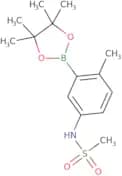
CAS:<p>Versatile small molecule scaffold</p>Formula:C14H22BNO4SPurity:Min. 95%Molecular weight:311.2 g/mol
![5-Chloro-[1,2,3,4]tetrazolo[1,5-a]pyridine](/_next/image/?url=https%3A%2Fstatic.cymitquimica.com%2Fproducts%2F3D%2Fthumb-webp%2FKBA23572.webp&w=3840&q=75)

![6-Bromotetrazolo[1,5-a]pyridine](/_next/image/?url=https%3A%2Fstatic.cymitquimica.com%2Fproducts%2F3D%2Fthumb-webp%2FKBA23574.webp&w=3840&q=75)
![2-[(Ethylsulfanyl)methyl]pyridine](/_next/image/?url=https%3A%2Fstatic.cymitquimica.com%2Fproducts%2F3D%2Fthumb-webp%2FKBA25074.webp&w=3840&q=75)
![2,3-dichloropyrido[3,4-b]pyrazine](/_next/image/?url=https%3A%2Fstatic.cymitquimica.com%2Fproducts%2F3D%2Fthumb-webp%2FKBA25199.webp&w=3840&q=75)
![2-[(2-Methylcyclopentyl)amino]ethan-1-ol](/_next/image/?url=https%3A%2Fstatic.cymitquimica.com%2Fproducts%2F3D%2Fthumb-webp%2FKBA26510.webp&w=3840&q=75)
![6-Methylthieno[3,2-d]pyrimidine-2,4-diol](/_next/image/?url=https%3A%2Fstatic.cymitquimica.com%2Fproducts%2F3D%2Fthumb-webp%2FKBA26580.webp&w=3840&q=75)
![7-Methylthieno[3,2-d]pyrimidine-2,4(1H,3H)-dione](/_next/image/?url=https%3A%2Fstatic.cymitquimica.com%2Fproducts%2F3D%2Fthumb-webp%2FKBA26581.webp&w=3840&q=75)
![2,4-dichloro-6-methylthieno[3,2-d]pyrimidine](/_next/image/?url=https%3A%2Fstatic.cymitquimica.com%2Fproducts%2F3D%2Fthumb-webp%2FKBA26582.webp&w=3840&q=75)
![N-[1-Chloro-3-(hydroxyimino)propan-2-ylidene]hydroxylamine](/_next/image/?url=https%3A%2Fstatic.cymitquimica.com%2Fproducts%2F3D%2Fthumb-webp%2FKBA32155.webp&w=3840&q=75)


![4-(2,3-Dimethylphenyl)-1-sulfanyl-4H,5H-[1,2,4]triazolo[4,3-a]quinazolin-5-one](/_next/image/?url=https%3A%2Fstatic.cymitquimica.com%2Fproducts%2F3D%2Fthumb-webp%2FKDA77241.webp&w=3840&q=75)
![8H-Indeno[1,2-d][1,3]thiazol-2-amine](/_next/image/?url=https%3A%2Fstatic.cymitquimica.com%2Fproducts%2F3D%2Fthumb-webp%2FKDA78795.webp&w=3840&q=75)

![1-[4-Hydroxy-3-(piperidin-1-ylmethyl)phenyl]ethan-1-one hydrochloride](/_next/image/?url=https%3A%2Fstatic.cymitquimica.com%2Fproducts%2F3D%2Fthumb-webp%2FKDA84313.webp&w=3840&q=75)
![1-[4-(1H-1,2,3-Triazol-1-yl)phenyl]ethan-1-one](/_next/image/?url=https%3A%2Fstatic.cymitquimica.com%2Fproducts%2F3D%2Fthumb-webp%2FKDA86290.webp&w=3840&q=75)
![1-[3-(1H-1,2,3-Triazol-1-yl)phenyl]ethan-1-one](/_next/image/?url=https%3A%2Fstatic.cymitquimica.com%2Fproducts%2F3D%2Fthumb-webp%2FKDA86297.webp&w=3840&q=75)

![2-Methyl-[1,2,4]triazolo[1,5-a]pyrimidin-7-ol](/_next/image/?url=https%3A%2Fstatic.cymitquimica.com%2Fproducts%2F3D%2Fthumb-webp%2FKDA87191.webp&w=3840&q=75)
![1-[3-(Methylsulfanyl)phenyl]urea](/_next/image/?url=https%3A%2Fstatic.cymitquimica.com%2Fproducts%2F3D%2Fthumb-webp%2FKDA87921.webp&w=3840&q=75)
![N-{[2-(Trifluoromethyl)phenyl]methyl}cyclopentanamine](/_next/image/?url=https%3A%2Fstatic.cymitquimica.com%2Fproducts%2F3D%2Fthumb-webp%2FKDA95276.webp&w=3840&q=75)
![N-[(3-Fluorophenyl)methyl]cyclopentanamine](/_next/image/?url=https%3A%2Fstatic.cymitquimica.com%2Fproducts%2F3D%2Fthumb-webp%2FKDA95278.webp&w=3840&q=75)

![(2R,3R)-2-{[(tert-Butoxy)carbonyl]amino}-3-hydroxybutanoic acid](/_next/image/?url=https%3A%2Fstatic.cymitquimica.com%2Fproducts%2F3D%2Fthumb-webp%2FKDA97933.webp&w=3840&q=75)


amine](/_next/image/?url=https%3A%2Fstatic.cymitquimica.com%2Fproducts%2F3D%2Fthumb-webp%2FKDA99644.webp&w=3840&q=75)
![N-[2-(Hydroxymethyl)phenyl]cyclopropanecarboxamide](/_next/image/?url=https%3A%2Fstatic.cymitquimica.com%2Fproducts%2F3D%2Fthumb-webp%2FKDB29054.webp&w=3840&q=75)
![Bicyclo[4.1.0]heptane-3-carboxylic acid](/_next/image/?url=https%3A%2Fstatic.cymitquimica.com%2Fproducts%2F3D%2Fthumb-webp%2FKDB31432.webp&w=3840&q=75)