Building Blocks
This section contains fundamental products for the synthesis of organic and biological compounds. Building blocks are the essential starting materials used to construct complex molecules through various chemical reactions. They play a critical role in drug discovery, material science, and chemical research. At CymitQuimica, we offer a diverse range of high-quality building blocks to support your innovative research and industrial projects, ensuring you have the essential components for successful synthesis.
Subcategories of "Building Blocks"
- Boronic Acids & Boronic Acid Derivatives(5,756 products)
- Chiral Building Blocks(1,242 products)
- Hydrocarbon Building Blocks(6,093 products)
- Organic Building Blocks(60,529 products)
Found 195534 products of "Building Blocks"
Sort by
Purity (%)
0
100
|
0
|
50
|
90
|
95
|
100
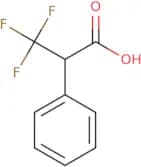
3,3,3-Trifluoro-2-phenylpropionic acid
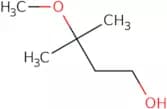
CAS:<p>3,3,3-Trifluoro-2-phenylpropionic acid (TFPA) is a chiral molecule that can be used as a derivatizing agent to identify compounds. It has antibacterial properties and may be used in the manufacture of thin films or coatings. TFPA is insoluble in water and exhibits antibacterial activity when applied to surfaces. This compound can also be used in the synthesis of perovskite solar cells, as well as for particle size measurements. TFPA reacts with alcohols and amides to form esters and amides respectively. TFPA is also reactive with phosphines such as triphenylphosphine to form phosphonium salts. TFPA has been shown to have anti-inflammatory effects in mice by inhibiting prostaglandin synthesis.</p>Formula:C9H7F3O2Purity:Min. 95%Molecular weight:204.15 g/mol3-Methoxy-3-methyl-1-butanol
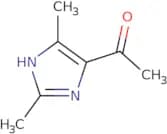
CAS:<p>3-Methoxy-3-methyl-1-butanol is a chemical with a phase equilibrium in water. It has been shown to be effective in the treatment of lung damage caused by radiation, and is also used as an antimicrobial agent in industrial processes. This chemical is used to remove particles from air streams that are contaminated with bacteria. 3-Methoxy-3-methyl-1-butanol binds to fatty acids on the surface of bacteria, which disrupts their cell membranes and inhibits their growth. The molecular weight of this chemical is 138 g/mol.</p>Formula:C6H14O2Purity:Min. 95%Molecular weight:118.17 g/mol1-(2,5-Dimethyl-1H-imidazol-4-yl)ethan-1-one
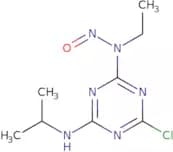
CAS:<p>Versatile small molecule scaffold</p>Formula:C7H10N2OPurity:Min. 95%Molecular weight:138.17 g/molN-Nitrosoatrazine
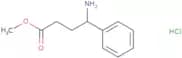
CAS:<p>N-Nitrosoatrazine is a genotoxic compound that is used as an analytical reagent in the field of toxicology. It has been shown to be clastogenic and to cause micronucleus formation in mammalian cells. The toxicity of this compound is related to its ability to induce DNA damage, which may be due to its ability to generate reactive oxygen species by nitrating tyrosine residues on proteins in the cell. N-Nitrosoatrazine also inhibits growth rate and reduces the number of ovary cells in female rats. This effect may be due to its ability to inhibit the synthesis of amines, which are required for follicle development.</p>Formula:C8H13ClN6OPurity:Min. 95%Molecular weight:244.68 g/molMethyl 4-amino-4-phenylbutanoate hydrochloride
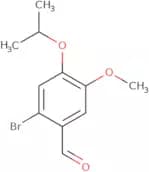
CAS:<p>Versatile small molecule scaffold</p>Formula:C11H16ClNO2Purity:Min. 95%Molecular weight:229.7 g/mol2-Bromo-4-isopropoxy-5-methoxybenzaldehyde
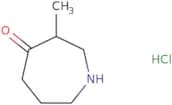
CAS:<p>Versatile small molecule scaffold</p>Formula:C11H13BrO3Purity:Min. 95%Molecular weight:273.12 g/mol3-Methylazepan-4-one Hydrochloride
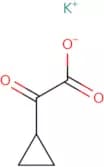
CAS:<p>Versatile small molecule scaffold</p>Formula:C7H13NO·HClPurity:Min. 95%Molecular weight:163.64 g/molPotassium 2-cyclopropyl-2-oxoacetate
CAS:<p>Versatile small molecule scaffold</p>Formula:C5H5KO3Purity:Min. 95%Molecular weight:152.19 g/molMethyl 2-oxobicyclo[2.2.1]heptane-1-carboxylate
CAS:<p>Versatile small molecule scaffold</p>Formula:C9H12O3Purity:Min. 95%Molecular weight:168.2 g/mol2,6-Dimethylbenzene-1,4-diamine dihydrochloride
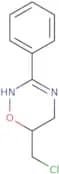
CAS:<p>Versatile small molecule scaffold</p>Formula:C8H14Cl2N2Purity:Min. 95%Molecular weight:209.11 g/mol6-(Chloromethyl)-3-phenyl-5,6-dihydro-4H-1,2,4-oxadiazine
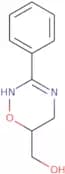
CAS:<p>Versatile small molecule scaffold</p>Formula:C10H11ClN2OPurity:Min. 95%Molecular weight:210.66 g/mol(3-Phenyl-5,6-dihydro-4H-1,2,4-oxadiazin-6-yl)methanol
CAS:<p>Versatile small molecule scaffold</p>Formula:C10H12N2O2Purity:Min. 95%Molecular weight:192.21 g/mol4-[(Oxiran-2-yl)methyl]-3-phenyl-4,5-dihydro-1,2,4-oxadiazol-5-one
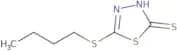
CAS:<p>Versatile small molecule scaffold</p>Formula:C11H10N2O3Purity:Min. 95%Molecular weight:218.21 g/mol5-(Butylsulfanyl)-1,3,4-thiadiazole-2-thiol
CAS:<p>Versatile small molecule scaffold</p>Formula:C6H10N2S3Purity:Min. 95%Molecular weight:206.4 g/mol1-(4-Methoxyphenyl)-2-methylpropan-2-amine
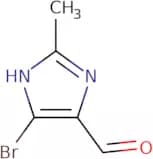
CAS:Controlled Product<p>Versatile small molecule scaffold</p>Formula:C11H17NOPurity:Min. 95%Molecular weight:179.26 g/mol4-Bromo-2-methyl-1H-imidazole-5-carbaldehyde
CAS:<p>Versatile small molecule scaffold</p>Formula:C5H5BrN2OPurity:Min. 95%Molecular weight:189.01 g/mol2-(5-Chlorothiophen-2-yl)-2-oxoacetic acid
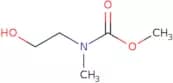
CAS:<p>Versatile small molecule scaffold</p>Formula:C6H3ClO3SPurity:Min. 95%Molecular weight:190.6 g/molMethyl N-(2-hydroxyethyl)-N-methylcarbamate
CAS:<p>Methyl N-(2-hydroxyethyl)-N-methylcarbamate (HEMC) is a diazonium salt that is synthesized by the reaction of an amide and methyl ethyl carbamate. HEMC is a potent inhibitor of phosphodiesterase type 5 (PDE5), a type of enzyme found in cells that breaks down the important signaling molecule, cyclic guanosine monophosphate (cGMP). HEMC also has an effect on fatty acid metabolism, leading to changes in the levels of polyunsaturated fatty acids. These effects are thought to be responsible for its anti-inflammatory and emphysema properties. The use of HEMC is restricted to medical purposes.<br>Methyl N-(2-hydroxyethyl)-N-methylcarbamate has been shown to inhibit PDE5 at nanomolar concentrations, with an IC50 value of 0.3 μM. This inhibition leads to increased cGMP levels</p>Formula:C5H11NO3Purity:Min. 95%Molecular weight:133.15 g/mol[1-(2-Ethoxyethyl)cyclopentyl]methanamine
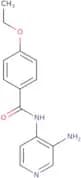
CAS:<p>Versatile small molecule scaffold</p>Formula:C10H21NOPurity:Min. 95%Molecular weight:171.28 g/molN-(3-Aminopyridin-4-yl)-4-ethoxybenzamide
CAS:<p>Versatile small molecule scaffold</p>Formula:C14H15N3O2Purity:Min. 95%Molecular weight:257.29 g/mol1-{3-[(4-Chlorophenyl)methoxy]phenyl}piperazine hydrochloride
CAS:<p>Versatile small molecule scaffold</p>Formula:C17H20Cl2N2OPurity:Min. 95%Molecular weight:339.3 g/mol4-[5-(5-Aminopentyl)-1,2,4-oxadiazol-3-yl]-2-methoxyphenol hydrochloride
CAS:<p>Versatile small molecule scaffold</p>Formula:C14H20ClN3O3Purity:Min. 95%Molecular weight:313.78 g/molN-[3-(2-Aminoethoxy)phenyl]-4-methoxybenzamide hydrochloride
CAS:<p>Versatile small molecule scaffold</p>Formula:C16H19ClN2O3Purity:Min. 95%Molecular weight:322.78 g/mol1-{3-[(4-Methylphenyl)methoxy]phenyl}piperazine hydrochloride
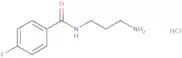
CAS:<p>Versatile small molecule scaffold</p>Formula:C18H23ClN2OPurity:Min. 95%Molecular weight:318.8 g/molN-(3-Aminopropyl)-4-fluorobenzamide hydrochloride
CAS:<p>Versatile small molecule scaffold</p>Formula:C10H14ClFN2OPurity:Min. 95%Molecular weight:232.68 g/molPotassium 3-[4-(oxolane-2-carbonyl)piperazin-1-yl]propanoate
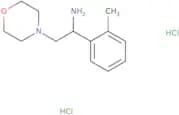
CAS:<p>Versatile small molecule scaffold</p>Formula:C12H19KN2O4Purity:Min. 95%Molecular weight:294.39 g/mol1-(2-Methylphenyl)-2-(morpholin-4-yl)ethan-1-amine dihydrochloride
CAS:<p>Versatile small molecule scaffold</p>Formula:C13H22Cl2N2OPurity:Min. 95%Molecular weight:293.23 g/mol4-(1,3-Dioxaindan-5-yl)-5-(furan-2-yl)-2-methyl-2,3-dihydro-1H-pyrazol-3-imine
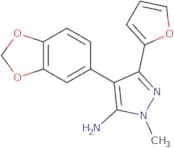
CAS:<p>Versatile small molecule scaffold</p>Formula:C15H13N3O3Purity:Min. 95%Molecular weight:283.28 g/mol1-Phenyl-4-(piperidin-3-yl)piperazine dihydrochloride
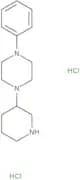
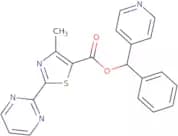
CAS:<p>Versatile small molecule scaffold</p>Formula:C15H25Cl2N3Purity:Min. 95%Molecular weight:318.3 g/molPhenyl(pyridin-4-yl)methyl 4-methyl-2-(pyrimidin-2-yl)-1,3-thiazole-5-carboxylate
CAS:<p>Versatile small molecule scaffold</p>Formula:C21H16N4O2SPurity:Min. 95%Molecular weight:388.4 g/mol2-(4-Cyclohexyl-1,3-thiazol-2-yl)ethan-1-amine dihydrochloride
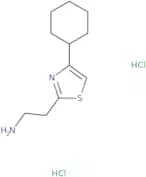
CAS:<p>Versatile small molecule scaffold</p>Formula:C11H20Cl2N2SPurity:Min. 95%Molecular weight:283.3 g/mol1-(2,3-Dihydro-1,4-benzodioxine-2-carbonyl)piperidin-4-amine hydrochloride
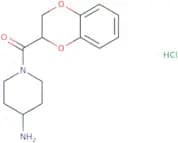
CAS:<p>Versatile small molecule scaffold</p>Formula:C14H19ClN2O3Purity:Min. 95%Molecular weight:298.76 g/mol1-(3,4-Dimethylphenyl)-2-(piperazin-1-yl)ethan-1-one dihydrochloride
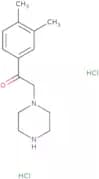
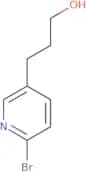
CAS:Controlled Product<p>Versatile small molecule scaffold</p>Formula:C14H22Cl2N2OPurity:Min. 95%Molecular weight:305.2 g/mol3-(6-Bromopyridin-3-yl)propan-1-ol
CAS:<p>Versatile small molecule scaffold</p>Formula:C8H10BrNOPurity:Min. 95%Molecular weight:216.08 g/mol3-Oxo-3,4-dihydro-2H-benzo[b][1,4]thiazine-6-carboxylic acid 1,1-dioxide
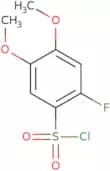
CAS:<p>Versatile small molecule scaffold</p>Formula:C9H7NO5SPurity:Min. 95%Molecular weight:241.22 g/mol2-Fluoro-4,5-dimethoxybenzene-1-sulfonyl chloride
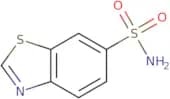
CAS:<p>Versatile small molecule scaffold</p>Formula:C8H8ClFO4SPurity:Min. 95%Molecular weight:254.66 g/mol1,3-Benzothiazole-6-sulfonamide
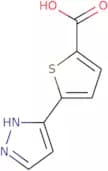
CAS:<p>Versatile small molecule scaffold</p>Formula:C7H6N2O2S2Purity:Min. 95%Molecular weight:214.3 g/mol5-(1H-Pyrazol-3-yl)thiophene-2-carboxylic acid
CAS:<p>Versatile small molecule scaffold</p>Formula:C8H6N2O2SPurity:Min. 95%Molecular weight:194.21 g/mol2-Cyano-N-{[(3,4-dichlorophenyl)carbamothioyl]amino}acetamide
CAS:<p>2-Cyano-N-[(3,4-dichlorophenyl)carbamothioyl]acetamide (CDPTA) is a biochemical that belongs to the class of antifungal drugs. It is an inhibitor of transcription activators, which are required for the production of proteins in fungal cells. CDPTA has been shown to have pleiotropic effects on bacteria and is effective against both human and animal pathogens. CDPTA also inhibits the synthesis of protein, which may be due to its ability to inhibit efflux pumps in Candida glabrata.</p>Formula:C10H8Cl2N4OSPurity:Min. 95%Molecular weight:303.17 g/molBicyclo[4.2.0]oct-2-en-7-one
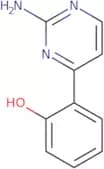
CAS:<p>Versatile small molecule scaffold</p>Formula:C8H10OPurity:Min. 95%Molecular weight:122.16 g/mol2-(2-aminopyrimidin-4-yl)phenol
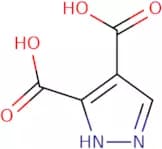
CAS:<p>2-(2-Aminopyrimidin-4-yl)phenol is an inhibitor of enzymes that catalyze the synthesis of nucleic acids. It inhibits the activity of DNA polymerase, RNA polymerase and ribonucleotide reductase. 2-(2-Aminopyrimidin-4-yl)phenol inhibits cell growth by blocking the production of nucleic acids, which are necessary for cellular division. This compound has potent inhibitory activity against tumor cells and may be useful as an antitumor agent.</p>Formula:C10H9N3OPurity:Min. 95%Molecular weight:187.19 g/mol1H-Pyrazole-3,4-dicarboxylic acid
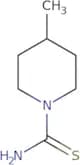
CAS:<p>1H-Pyrazole-3,4-dicarboxylic acid is an organic compound that is a white solid. It is a proton acceptor and stabilizer in ammonium formate. In the presence of amide and cyanoformate, it has been shown to inhibit neprilysin activity. 1H-Pyrazole-3,4-dicarboxylic acid also has membrane properties and can be used as a viscosity modifier for polyphosphoric acid. This compound also has some acid moieties that can modulate its solubility in organic solvents.</p>Formula:C5H4N2O4Purity:Min. 95%Molecular weight:156.1 g/mol4-Methylpiperidine-1-carbothioamide
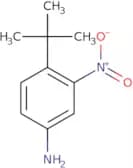
CAS:<p>Versatile small molecule scaffold</p>Formula:C7H14N2SPurity:Min. 95%Molecular weight:158.27 g/mol4-tert-Butyl-3-nitroaniline
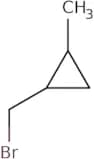
CAS:<p>Versatile small molecule scaffold</p>Formula:C10H14N2O2Purity:Min. 95%Molecular weight:194.23 g/mol1-(Bromomethyl)-2-methylcyclopropane, iastereomers
CAS:<p>Versatile small molecule scaffold</p>Formula:C5H9BrPurity:Min. 95%Molecular weight:149.03 g/molO-Tritylhydroxylamine
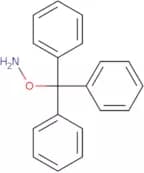
CAS:<p>O-Tritylhydroxylamine is a synthetic compound that is used as a reagent in organic synthesis. It is a hydrogen-bond donor and nitrogen nucleophile with the ability to form stable complexes with magnesium salts. O-Tritylhydroxylamine has been shown to inhibit leukemia cells by acting as an inhibitor of matrix metalloproteinase (MMP) activity, which prevents cancer cell invasion and metastasis. This compound has also been used in clinical studies for the treatment of infectious diseases such as pneumonia, tuberculosis, and malaria. The scalable synthesis of this molecule has been achieved using palladium complexes.</p>Formula:C19H17NOPurity:Min. 95%Molecular weight:275.35 g/mol5-Chloro-3-methylcatechol
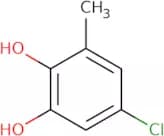
CAS:<p>5-Chloro-3-methylcatechol is a chemical that is produced as a byproduct during the chlorination of benzene. The conversion of 5-chloro-3,4-dihydroxybenzene to 5-chloro-3,4,5-trihydroxybenzene and 5,6-dichloroquinone is the first step in the production of this chemical. The second step involves the oxidation of 3,4,5-trihydroxybenzene to 3,4,5,-trihydroxyphenol by using oxygen or chlorine. This process produces 5-(chloromethyl)phenol as well as other products. The third step involves the decarboxylation of 5-(chloromethyl)phenol to produce methylcatechol. Methylcatechol can be dehydrogenated to catechol or oxidized to hydroquinone under different conditions.</p>Formula:C7H7ClO2Purity:Min. 95%Molecular weight:158.58 g/mol1-Chloro-2,4-diiodobenzene
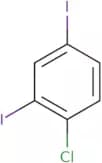
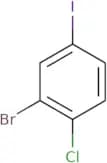
CAS:<p>Versatile small molecule scaffold</p>Formula:C6H3ClI2Purity:Min. 95%Molecular weight:364.35 g/mol2-Bromo-1-chloro-4-iodobenzene
CAS:<p>Versatile small molecule scaffold</p>Formula:C6H3BrClIPurity:Min. 95%Molecular weight:317.35 g/mol4-Chloro-7,8-dimethylquinazoline
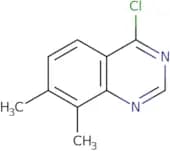
CAS:<p>Versatile small molecule scaffold</p>Formula:C10H9ClN2Purity:Min. 95%Molecular weight:192.64 g/mol5-tert-Butyl-4-hydroxybenzene-1,3-dicarbonitrile
CAS:<p>Versatile small molecule scaffold</p>Formula:C12H12N2OPurity:Min. 95%Molecular weight:200.24 g/mol2-[Methyl(2-nitrophenyl)amino]acetic acid
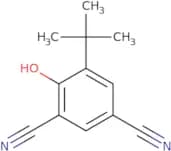
CAS:<p>Versatile small molecule scaffold</p>Formula:C9H10N2O4Purity:Min. 95%Molecular weight:210.19 g/molN-{1-Cyano-1-[(4-methoxyphenyl)methyl]ethyl}acetamide
CAS:<p>Versatile small molecule scaffold</p>Formula:C13H16N2O2Purity:Min. 95%Molecular weight:232.28 g/mol2,4-Dichloro-5-(cyclopropylsulfamoyl)benzoic acid
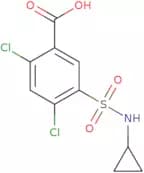
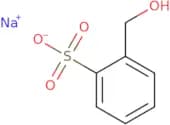
CAS:<p>Versatile small molecule scaffold</p>Formula:C10H9Cl2NO4SPurity:Min. 95%Molecular weight:310.15 g/molSodium 2-(hydroxymethyl)benzene-1-sulfonate
CAS:<p>Versatile small molecule scaffold</p>Formula:C7H7NaO4SPurity:Min. 95%Molecular weight:210.18 g/mol4-(4-Nitrophenoxy)azetidin-2-one
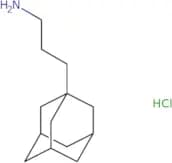
CAS:<p>Versatile small molecule scaffold</p>Formula:C9H8N2O4Purity:Min. 95%Molecular weight:208.17 g/mol3-(Adamantan-1-yl)propan-1-amine hydrochloride
CAS:<p>Versatile small molecule scaffold</p>Formula:C13H24ClNPurity:Min. 95%Molecular weight:229.79 g/mol2-(Oxolan-3-yl)cyclohexan-1-one
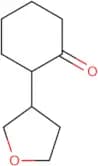
CAS:<p>Versatile small molecule scaffold</p>Formula:C10H16O2Purity:Min. 95%Molecular weight:168.23 g/mol5H,6H,7H,8H,9H-Pyrimido[4,5-d]azepine
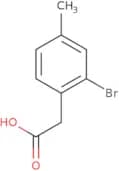
CAS:<p>Versatile small molecule scaffold</p>Formula:C8H11N3Purity:Min. 95%Molecular weight:149.19 g/mol2-(2-bromo-4-methylphenyl)acetic acid
CAS:<p>Versatile small molecule scaffold</p>Formula:C9H9BrO2Purity:Min. 95%Molecular weight:229.1 g/mol4H-Thiochromeno[4,3-d][1,3]thiazol-2-amine
CAS:<p>Versatile small molecule scaffold</p>Formula:C10H8N2S2Purity:Min. 95%Molecular weight:220.3 g/mol4H-Chromeno[4,3-d]thiazol-2-ylamine
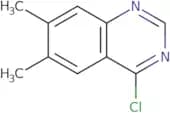
CAS:<p>Versatile small molecule scaffold</p>Formula:C10H8N2OSPurity:Min. 95%Molecular weight:204.25 g/mol4-Chloro-6,7-dimethylquinazoline
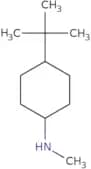
CAS:<p>Versatile small molecule scaffold</p>Formula:C10H9ClN2Purity:Min. 95%Molecular weight:192.64 g/mol4-tert-Butyl-N-methylcyclohexan-1-amine
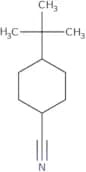
CAS:<p>Versatile small molecule scaffold</p>Formula:C11H23NPurity:Min. 95%Molecular weight:169.31 g/mol4-tert-Butylcyclohexane-1-carbonitrile
CAS:<p>4-tert-Butylcyclohexane-1-carbonitrile is a versatile chemical that can be used as a reagent in organic synthesis. It is a Grignard reagent, which is an alkoxide of magnesium that reacts with an alkyl halide to form an alcohol or an ether. The 4-tert-butylcyclohexane-1-carbonitrile can also be used for the arylation of ketones and for the stereospecific alkylation of primary amines. This compound has been shown to be effective in the deprotonation of tertiary amines and in the formation of cyclic carbonates. The nature of this molecule is chiral, giving it two possible structures: (R) and (S).</p>Formula:C11H19NPurity:Min. 95%Molecular weight:165.27 g/mol1-{6-Oxa-3-azabicyclo[3.1.0]hexan-3-yl}ethan-1-one
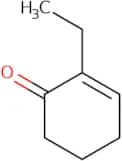
CAS:<p>Versatile small molecule scaffold</p>Formula:C6H9NO2Purity:Min. 95%Molecular weight:127.14 g/mol2-Ethylcyclohex-2-en-1-one
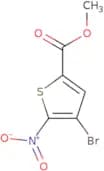
CAS:<p>2-Ethylcyclohex-2-en-1-one is an organic compound that is used as a diluent, modifier, or additive for agricultural purposes. It has been shown to be utilizable in crop plants and to have a structural formula of C8H12O. This molecule has 5 membered heteroaryl rings with 1 carbon atom and 2 oxygen atoms on each ring. The emulsifying properties of 2-Ethylcyclohex-2-en-1-one are based on its carboxylic acid group. It is also used as a nitrogen source for plants. Nitro groups can be found on the molecule, which makes it sweet tasting and causes it to be readily oxidized by air.</p>Formula:C8H12OPurity:Min. 95%Molecular weight:124.18 g/molMethyl 4-bromo-5-nitrothiophene-2-carboxylate
CAS:<p>Versatile small molecule scaffold</p>Formula:C6H4BrNO4SPurity:Min. 95%Molecular weight:266.07 g/mol7-Bromobenzo[d][1,2,3]thiadiazole
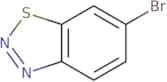
CAS:<p>Versatile small molecule scaffold</p>Formula:C6H3BrN2SPurity:Min. 95%Molecular weight:215.07 g/mol6-Bromo-1,2,3-benzothiadiazole
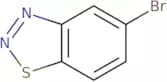
CAS:<p>Versatile small molecule scaffold</p>Formula:C6H3BrN2SPurity:Min. 95%Molecular weight:215.07 g/mol5-Bromo-1,2,3-benzothiadiazole
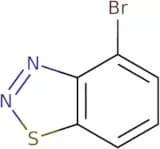
CAS:<p>Versatile small molecule scaffold</p>Formula:C6H3BrN2SPurity:Min. 95%Molecular weight:215.07 g/mol4-Bromo-1,2,3-benzothiadiazole
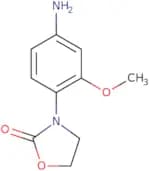
CAS:<p>4-Bromo-1,2,3-benzothiadiazole is an electron donor and ligand that is used as a reagent in organic synthesis. It reacts with an electron acceptor to form a covalent bond. 4-Bromo-1,2,3-benzothiadiazole has been detected by mass spectroscopy and can be used as a molecular weight marker. It is insoluble in water at room temperature and has low solubility in most organic solvents. 4-Bromo-1,2,3-benzothiadiazole is the monomer for the polymerization of poly(4-bromophenylsulfonate) (PBPPS), which is used to produce polymers with different properties. 4-Bromo-1,2,3-benzothiadiazole also reacts with benzene to form 2-(4'-brom</p>Formula:C6H3BrN2SPurity:Min. 95%Molecular weight:215.07 g/mol3-(4-Amino-2-methoxyphenyl)-1,3-oxazolidin-2-one
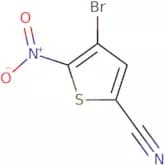
CAS:<p>Versatile small molecule scaffold</p>Formula:C10H12N2O3Purity:Min. 95%Molecular weight:208.21 g/mol4-Bromo-5-nitrothiophene-2-carbonitrile
CAS:<p>Versatile small molecule scaffold</p>Formula:C5HBrN2O2SPurity:Min. 95%Molecular weight:233.04 g/mol4-[(Dimethylamino)methyl]quinolin-3-ol dihydrochloride
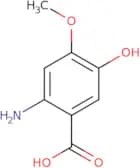
CAS:<p>Versatile small molecule scaffold</p>Formula:C12H16Cl2N2OPurity:Min. 95%Molecular weight:275.17 g/mol2-Amino-5-hydroxy-4-methoxybenzoic acid
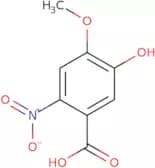
CAS:<p>Versatile small molecule scaffold</p>Formula:C8H9NO4Purity:Min. 95%Molecular weight:183.16 g/mol5-hydroxy-4-methoxy-2-nitrobenzoic acid
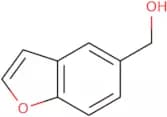
CAS:<p>5-hydroxy-4-methoxy-2-nitrobenzoic acid is a synthetic antioxidant that is synthesised from α-tocopherol. It has been shown to be an effective scavenger of hydroxyl radicals and reactive oxygen species, which are involved in the oxidative degradation of biomolecules. 5-Hydroxy-4-methoxy-2-nitrobenzoic acid can be used as an antioxidant in food and cosmetics. This compound also reacts with linoleic acid, forming a phenolic product, which has antioxidant activity.</p>Formula:C8H7NO6Purity:Min. 95%Molecular weight:213.14 g/molBenzofuran-5-ylmethanol
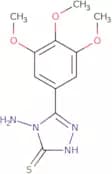
CAS:<p>Benzofuran-5-ylmethanol is an aromatic ether that finds applications in various industries such as research chemicals, medicines, and catalysts. It is used as a building block for the synthesis of compounds like oxalyl glycine, aldehyde dimers, and trifluoroacetic acid. Benzofuran-5-ylmethanol also exhibits antiviral properties and has been studied for its potential in inhibiting viral replication. Additionally, it is a precursor for the synthesis of phenylethylamine derivatives and polyunsaturated fatty acids. With its diverse range of applications, Benzofuran-5-ylmethanol serves as a valuable compound in the field of organic chemistry and industrial processes.</p>Formula:C9H8O2Purity:Min. 95%Molecular weight:148.16 g/mol4-Amino-5-(3,4,5-trimethoxyphenyl)-4H-1,2,4-triazole-3-thiol
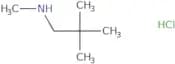
CAS:<p>Versatile small molecule scaffold</p>Formula:C11H14N4O3SPurity:Min. 95%Molecular weight:282.32 g/molN,2,2-Trimethyl-1-propanamine hydrochloride
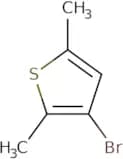
CAS:<p>Versatile small molecule scaffold</p>Formula:C6H16ClNPurity:Min. 95%Molecular weight:137.65 g/mol3-Bromo-2,5-dimethylthiophene
CAS:<p>Versatile small molecule scaffold</p>Formula:C6H7BrSPurity:Min. 95%Molecular weight:191.09 g/molEthyl bicyclo[2.2.2]octane-1-carboxylate
CAS:<p>Ethyl bicyclo[2.2.2]octane-1-carboxylate is a chelate ring that has been shown to enhance the absorption of drugs into the skin and other tissues. It is a cationic surfactant with the ability to form hydrogen bonds in intermolecular and intramolecular configurations. Ethyl bicyclo[2.2.2]octane-1-carboxylate has been used as a catalyst in the synthesis of palladium complexes, as well as an absorption enhancer for hydrophobic compounds such as pesticides, herbicides, and fungicides. The coordination geometry of ethyl bicyclo[2.2.2]octane-1-carboxylate allows it to form hydrogen bonds with nitrogen atoms in proteins and other molecules, which enhances its absorption properties when applied topically on human skin or other tissues.</p>Formula:C10H16O2Purity:Min. 95%Molecular weight:168.23 g/mol4-[(1,5-Dimethyl-3-oxo-2-phenyl-2,3-dihydro-1H-pyrazol-4-yl)sulfamoyl]benzoic acid
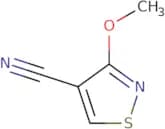
CAS:<p>Versatile small molecule scaffold</p>Formula:C18H17N3O5SPurity:Min. 95%Molecular weight:387.4 g/mol3-Methoxy-1,2-thiazole-4-carbonitrile
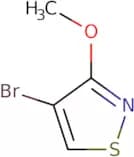
CAS:<p>Versatile small molecule scaffold</p>Formula:C5H4N2OSPurity:Min. 95%Molecular weight:140.17 g/mol4-Bromo-3-methoxy-1,2-thiazole
CAS:<p>4-Bromo-3-methoxy-1,2-thiazole is a carboxylic acid. It is a cyanating agent and can be used to form carboxamides. The dealkylation of 4-bromo-3-methoxy-1,2-thiazole gives methyl 4-(4′-bromophenyl)butanoate. Halogenation of the carbonyl group leads to the formation of 4-(4′-chlorophenyl)butanoic acid. 4-(4′-Bromophenyl)butanoic acid can be converted into an isothiazole by reacting with potassium hydroxide in methanol.</p>Formula:C4H4BrNOSPurity:Min. 95%Molecular weight:194.05 g/mol6-(2,6-Dioxopiperidin-3-yl)-5H-pyrrolo[3,4-b]pyridine-5,7(6H)-dione
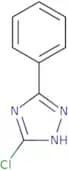
CAS:<p>Versatile small molecule scaffold</p>Formula:C12H9N3O4Purity:Min. 95%Molecular weight:259.22 g/mol3-Chloro-5-phenyl-4H-1,2,4-triazole
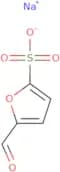
CAS:<p>Versatile small molecule scaffold</p>Formula:C8H6ClN3Purity:Min. 95%Molecular weight:179.6 g/molSodium 5-Formyl-2-furansulfonate
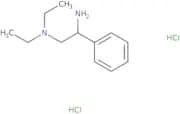
CAS:<p>Sodium 5-Formyl-2-furansulfonate is a water soluble amine that is used as an additive in the production of pharmaceuticals, agricultural chemicals, and coatings. It is an anticoagulant that has been shown to prevent blood clotting by inhibiting platelet activation. Sodium 5-Formyl-2-furansulfonate can be used as a coating on medical devices and implants to prevent clotting. One of its most promising applications is in the development of new drug delivery systems for drugs with low solubility or poor bioavailability. This chemical may also play a role in the prevention of atherosclerosis by modifying fibrinogen and dopamine, which are important for regulating blood pressure.</p>Formula:C5H3NaO5SPurity:Min. 95%Molecular weight:198.12 g/mol(2-Amino-2-phenylethyl)diethylamine dihydrochloride
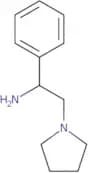
CAS:<p>Versatile small molecule scaffold</p>Formula:C12H22Cl2N2Purity:Min. 95%Molecular weight:265.2 g/mol1-Phenyl-2-(pyrrolidin-1-yl)ethan-1-amine
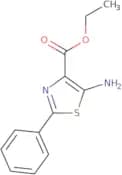
CAS:<p>Versatile small molecule scaffold</p>Formula:C12H18N2Purity:Min. 95%Molecular weight:190.28 g/molEthyl 5-amino-2-phenylthiazole-4-carboxylate
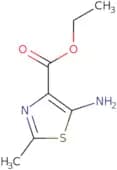
CAS:<p>Versatile small molecule scaffold</p>Formula:C12H12N2O2SPurity:Min. 95%Molecular weight:248.3 g/molEthyl 5-amino-2-methyl-1,3-thiazole-4-carboxylate
CAS:<p>Versatile small molecule scaffold</p>Formula:C7H10N2O2SPurity:Min. 95%Molecular weight:186.23 g/mol5-chloro-[1,3]thiazolo[5,4-b]pyridin-2-amine
CAS:<p>Versatile small molecule scaffold</p>Formula:C6H4ClN3SPurity:Min. 95%Molecular weight:185.6 g/mol2-Aminothiazolo[5,4-b]pyridine
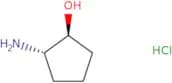
CAS:<p>2-Aminothiazolo[5,4-b]pyridine is an isothiocyanate that has potent antiproliferative and anticancer effects. It causes the inhibition of tumor growth by inhibiting the activity of enzymes such as DNA polymerase or topoisomerase II. 2-Aminothiazolo[5,4-b]pyridine also inhibits the proliferation of cancer cells and induces apoptosis. The anticancer effects are due to its ability to inhibit tumor cell growth and induce apoptosis in cancer cells.</p>Formula:C6H5N3SPurity:Min. 95%Molecular weight:151.19 g/moltrans-(1R,2R)-2-Aminocyclopentanol hydrochloride
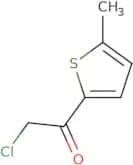
CAS:<p>Versatile small molecule scaffold</p>Formula:C5H12ClNOPurity:Min. 95%Molecular weight:137.61 g/mol2-Chloro-1-(5-methyl-thiophen-2-yl)-ethanone
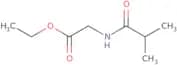
CAS:<p>Versatile small molecule scaffold</p>Formula:C7H7ClOSPurity:Min. 95%Molecular weight:174.65 g/molEthyl 2-(2-methylpropanamido)acetate
CAS:<p>Versatile small molecule scaffold</p>Formula:C8H15NO3Purity:Min. 95%Molecular weight:173.21 g/mol2-[4-(2-Aminoethyl)phenyl]ethan-1-amine dihydrochloride
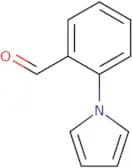
CAS:<p>Versatile small molecule scaffold</p>Formula:C10H18Cl2N2Purity:Min. 95%Molecular weight:237.2 g/mol2-Pyrrol-1-ylbenzaldehyde
CAS:<p>2-Pyrrol-1-ylbenzaldehyde is a molecule that is transformed to give the corresponding chloride and ketone. The transformation of 2-pyrrol-1-ylbenzaldehyde to the corresponding chloride and ketone is achieved by reaction with diethyl etherate, followed by treatment with acidified hydrochloric acid. This experiment was conducted in order to produce the cyclised compound intramolecularly by sequential halogenation. The synthesis of heterocycles can be achieved through olefination or pyridine ring formation.</p>Formula:C11H9NOPurity:Min. 95%Molecular weight:171.2 g/mol1-Phenylbut-3-yn-2-one
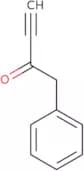
CAS:<p>Versatile small molecule scaffold</p>Formula:C10H8OPurity:Min. 95%Molecular weight:144.17 g/mol

![Methyl 2-oxobicyclo[2.2.1]heptane-1-carboxylate](/_next/image/?url=https%3A%2Fstatic.cymitquimica.com%2Fproducts%2F3D%2Fthumb-webp%2FGCA50563.webp&w=3840&q=75)

![4-[(Oxiran-2-yl)methyl]-3-phenyl-4,5-dihydro-1,2,4-oxadiazol-5-one](/_next/image/?url=https%3A%2Fstatic.cymitquimica.com%2Fproducts%2F3D%2Fthumb-webp%2FGCA49376.webp&w=3840&q=75)


![[1-(2-Ethoxyethyl)cyclopentyl]methanamine](/_next/image/?url=https%3A%2Fstatic.cymitquimica.com%2Fproducts%2F3D%2Fthumb-webp%2FGBC22910.webp&w=3840&q=75)
![1-{3-[(4-Chlorophenyl)methoxy]phenyl}piperazine hydrochloride](/_next/image/?url=https%3A%2Fstatic.cymitquimica.com%2Fproducts%2F3D%2Fthumb-webp%2FGBC19355.webp&w=3840&q=75)
![4-[5-(5-Aminopentyl)-1,2,4-oxadiazol-3-yl]-2-methoxyphenol hydrochloride](/_next/image/?url=https%3A%2Fstatic.cymitquimica.com%2Fproducts%2F3D%2Fthumb-webp%2FGBC19235.webp&w=3840&q=75)
![N-[3-(2-Aminoethoxy)phenyl]-4-methoxybenzamide hydrochloride](/_next/image/?url=https%3A%2Fstatic.cymitquimica.com%2Fproducts%2F3D%2Fthumb-webp%2FGBC18246.webp&w=3840&q=75)
![1-{3-[(4-Methylphenyl)methoxy]phenyl}piperazine hydrochloride](/_next/image/?url=https%3A%2Fstatic.cymitquimica.com%2Fproducts%2F3D%2Fthumb-webp%2FGBC18041.webp&w=3840&q=75)
![Potassium 3-[4-(oxolane-2-carbonyl)piperazin-1-yl]propanoate](/_next/image/?url=https%3A%2Fstatic.cymitquimica.com%2Fproducts%2F3D%2Fthumb-webp%2FGBC15460.webp&w=3840&q=75)
![3-Oxo-3,4-dihydro-2H-benzo[b][1,4]thiazine-6-carboxylic acid 1,1-dioxide](/_next/image/?url=https%3A%2Fstatic.cymitquimica.com%2Fproducts%2F3D%2Fthumb-webp%2FGBB81953.webp&w=3840&q=75)
![2-Cyano-N-{[(3,4-dichlorophenyl)carbamothioyl]amino}acetamide](/_next/image/?url=https%3A%2Fstatic.cymitquimica.com%2Fproducts%2F3D%2Fthumb-webp%2FGBB22254.webp&w=3840&q=75)
![Bicyclo[4.2.0]oct-2-en-7-one](/_next/image/?url=https%3A%2Fstatic.cymitquimica.com%2Fproducts%2F3D%2Fthumb-webp%2FGBA99668.webp&w=3840&q=75)
![2-[Methyl(2-nitrophenyl)amino]acetic acid](/_next/image/?url=https%3A%2Fstatic.cymitquimica.com%2Fproducts%2F3D%2Fthumb-webp%2FGBA91824.webp&w=3840&q=75)
![N-{1-Cyano-1-[(4-methoxyphenyl)methyl]ethyl}acetamide](/_next/image/?url=https%3A%2Fstatic.cymitquimica.com%2Fproducts%2F3D%2Fthumb-webp%2FGBA91539.webp&w=3840&q=75)

![5H,6H,7H,8H,9H-Pyrimido[4,5-d]azepine](/_next/image/?url=https%3A%2Fstatic.cymitquimica.com%2Fproducts%2F3D%2Fthumb-webp%2FGBA88792.webp&w=3840&q=75)
![4H-Thiochromeno[4,3-d][1,3]thiazol-2-amine](/_next/image/?url=https%3A%2Fstatic.cymitquimica.com%2Fproducts%2F3D%2Fthumb-webp%2FGBA87958.webp&w=3840&q=75)
![4H-Chromeno[4,3-d]thiazol-2-ylamine](/_next/image/?url=https%3A%2Fstatic.cymitquimica.com%2Fproducts%2F3D%2Fthumb-webp%2FGBA87768.webp&w=3840&q=75)
![1-{6-Oxa-3-azabicyclo[3.1.0]hexan-3-yl}ethan-1-one](/_next/image/?url=https%3A%2Fstatic.cymitquimica.com%2Fproducts%2F3D%2Fthumb-webp%2FGBA86521.webp&w=3840&q=75)
![7-Bromobenzo[d][1,2,3]thiadiazole](/_next/image/?url=https%3A%2Fstatic.cymitquimica.com%2Fproducts%2F3D%2Fthumb-webp%2FGBA86003.webp&w=3840&q=75)
![4-[(Dimethylamino)methyl]quinolin-3-ol dihydrochloride](/_next/image/?url=https%3A%2Fstatic.cymitquimica.com%2Fproducts%2F3D%2Fthumb-webp%2FGBA84224.webp&w=3840&q=75)
![Ethyl bicyclo[2.2.2]octane-1-carboxylate](/_next/image/?url=https%3A%2Fstatic.cymitquimica.com%2Fproducts%2F3D%2Fthumb-webp%2FGBA81812.webp&w=3840&q=75)
![4-[(1,5-Dimethyl-3-oxo-2-phenyl-2,3-dihydro-1H-pyrazol-4-yl)sulfamoyl]benzoic acid](/_next/image/?url=https%3A%2Fstatic.cymitquimica.com%2Fproducts%2F3D%2Fthumb-webp%2FGBA81670.webp&w=3840&q=75)
![6-(2,6-Dioxopiperidin-3-yl)-5H-pyrrolo[3,4-b]pyridine-5,7(6H)-dione](/_next/image/?url=https%3A%2Fstatic.cymitquimica.com%2Fproducts%2F3D%2Fthumb-webp%2FGBA80466.webp&w=3840&q=75)
![5-chloro-[1,3]thiazolo[5,4-b]pyridin-2-amine](/_next/image/?url=https%3A%2Fstatic.cymitquimica.com%2Fproducts%2F3D%2Fthumb-webp%2FGBA78471.webp&w=3840&q=75)
![2-Aminothiazolo[5,4-b]pyridine](/_next/image/?url=https%3A%2Fstatic.cymitquimica.com%2Fproducts%2F3D%2Fthumb-webp%2FGBA78470.webp&w=3840&q=75)
![2-[4-(2-Aminoethyl)phenyl]ethan-1-amine dihydrochloride](/_next/image/?url=https%3A%2Fstatic.cymitquimica.com%2Fproducts%2F3D%2Fthumb-webp%2FGBA74868.webp&w=3840&q=75)