Building Blocks
This section contains fundamental products for the synthesis of organic and biological compounds. Building blocks are the essential starting materials used to construct complex molecules through various chemical reactions. They play a critical role in drug discovery, material science, and chemical research. At CymitQuimica, we offer a diverse range of high-quality building blocks to support your innovative research and industrial projects, ensuring you have the essential components for successful synthesis.
Subcategories of "Building Blocks"
- Boronic Acids & Boronic Acid Derivatives(5,756 products)
- Chiral Building Blocks(1,242 products)
- Hydrocarbon Building Blocks(6,095 products)
- Organic Building Blocks(61,038 products)
Found 196817 products of "Building Blocks"
Sort by
Purity (%)
0
100
|
0
|
50
|
90
|
95
|
100
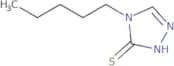
4-Pentyl-4H-1,2,4-triazole-3-thiol
CAS:<p>Versatile small molecule scaffold</p>Formula:C7H13N3SPurity:Min. 95%Molecular weight:171.27 g/mol4-Butyl-5-mercapto-4H-1,2,4-triazol-3-ol
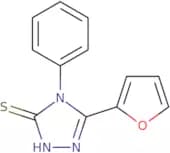
CAS:<p>Versatile small molecule scaffold</p>Formula:C6H11N3OSPurity:Min. 95%Molecular weight:173.24 g/mol5-(Furan-2-yl)-4-phenyl-4H-1,2,4-triazole-3-thiol
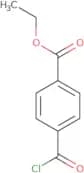
CAS:<p>Versatile small molecule scaffold</p>Formula:C12H9N3OSPurity:Min. 95%Molecular weight:243.29 g/molEthyl 4-(carbonochloridoyl)benzoate
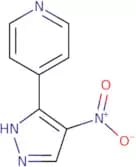
CAS:<p>Versatile small molecule scaffold</p>Formula:C10H9ClO3Purity:Min. 95%Molecular weight:212.63 g/mol4-(4-Nitro-1H-pyrazol-3-yl)pyridine
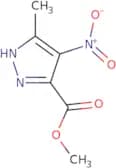
CAS:<p>Versatile small molecule scaffold</p>Formula:C8H6N4O2Purity:Min. 95%Molecular weight:190.16 g/molMethyl 5-methyl-4-nitro-1H-pyrazole-3-carboxylate
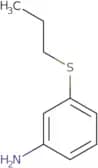
CAS:<p>Versatile small molecule scaffold</p>Formula:C6H7N3O4Purity:Min. 95%Molecular weight:185.14 g/mol3-(Propylsulfanyl)aniline
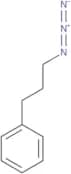
CAS:Versatile small molecule scaffoldFormula:C9H13NSPurity:Min. 95%Molecular weight:167.27 g/mol(3-Azidopropyl)benzene
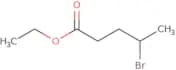
CAS:<p>Versatile small molecule scaffold</p>Formula:C9H11N3Purity:Min. 95%Molecular weight:161.2 g/molEthyl 4-bromopentanoate
CAS:<p>Ethyl 4-bromopentanoate is an organic compound that belongs to the class of compounds called ketones. It is a colorless liquid with a fruity odor. The compound is used in the synthesis of polycyclic aromatic hydrocarbons, such as tetrahydrocarbazoles and adducts with dienophiles. This active form can be synthesized by Wittig reaction using dimethyl acetylenedicarboxylate and an annulated alkyl halide as the starting materials.</p>Formula:C7H13BrO2Purity:Min. 95%Molecular weight:209.08 g/mol4-Phenylimidazolidin-2-one
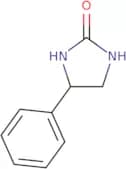
CAS:<p>4-Phenylimidazolidin-2-one is a prodrug that is converted to an active form by hydrolysis. This compound has antiviral potency and a detection time of 1 to 4 hours. 4-Phenylimidazolidin-2-one is used as an antiviral agent for the treatment of influenza A and B. It also has anticancer activity, which may be due to its ability to inhibit allosteric binding sites on proteins such as human epidermal growth factor receptor 2 (HER2) and vascular endothelial growth factor receptor 2 (VEGFR2). It has been shown to be effective against cancer cells in vitro and in vivo, including the highly aggressive tumor cell line sw620. The mechanism of action for the anticancer activity of 4-phenylimidazolidin-2-one may be through the inhibition of protein kinase C (PKC) and phospholipase C (PLC), which are</p>Formula:C9H10N2OPurity:Min. 95%Molecular weight:162.19 g/mol(z)-Ethyl 2-chloro-2-(2-(4-chlorophenyl)hydrazono)acetate
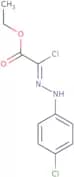
CAS:<p>(Z)-Ethyl 2-chloro-2-(2-(4-chlorophenyl)hydrazono)acetate is a cyclic molecule with a planar geometry. The molecule has a hydrogen bond between the carboxyl and amino groups, which provides stability. It also has an aromatic ring, which is planar and coplanar in shape. The monoclinic structure of the molecule results in torsion angles that are dihedral. This chemical compound is a polymer with substituents on each carbon atom.</p>Formula:C10H10Cl2N2O2Purity:Min. 95%Molecular weight:261.1 g/mol5-Methyl-N-(propan-2-yl)-1,2-oxazole-3-carboxamide
CAS:<p>Versatile small molecule scaffold</p>Formula:C8H12N2O2Purity:Min. 95%Molecular weight:168.19 g/molBenzo[d]isothiazole-3(2H)-thione 1,1-dioxide
CAS:<p>Benzo[d]isothiazole-3(2H)-thione 1,1-dioxide is a molecule that crystallizes as the sodium salt. The crystal structure was determined by x-ray diffraction and found to be orthorhombic with space group Pna2 1 . The molecular geometry was studied using experimental studies and calculated from the diffraction data. It has been shown that benzo[d]isothiazole-3(2H)-thione 1,1-doxide can form hydrogen bonds with water molecules in the crystal lattice. There are two possible geometries for this molecule: one where the hydrogen atom is above the plane of the thione ring, and one where it is below.</p>Formula:C7H5NO2S2Purity:Min. 95%Molecular weight:199.24 g/mol5-Methoxy-3,3-dimethyl-5-oxopentanoic acid
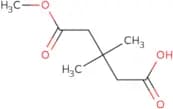
CAS:<p>Versatile small molecule scaffold</p>Formula:C8H14O4Purity:Min. 95%Molecular weight:174.19 g/mol2-Oxo-1H,2H,5H,7H,8H-pyrano[4,3-b]pyridine-3-carbonitrile
CAS:<p>Versatile small molecule scaffold</p>Formula:C9H8N2O2Purity:Min. 95%Molecular weight:176.17 g/mol1,10-Diazatricyclo[6.4.1.0,4,13]trideca-2,4,6,8(13)-tetraene
CAS:<p>Versatile small molecule scaffold</p>Formula:C11H12N2Purity:Min. 95%Molecular weight:172.23 g/mol1-(Benzylamino)butan-2-ol
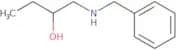
CAS:<p>Versatile small molecule scaffold</p>Formula:C11H17NOPurity:Min. 95%Molecular weight:179.26 g/mol4-(2-Chloroethyl)-1,2-dimethoxybenzene
CAS:<p>4-(2-Chloroethyl)-1,2-dimethoxybenzene is a cyanoalkyl, carboxyalkyl, and signifies. It is a residue that has high yield in the synthesis of hypotensive drugs. It is also a 6-membered cycloalkenyl with aromatic properties. The hydrogenation reaction with pectoris provides 4-(2-chloroethyl)-1,2-dimethoxybenzene with its desired structure. IVAbradine is one such drug synthesized from this chemical compound.</p>Formula:C10H13ClO2Purity:Min. 95%Molecular weight:200.66 g/mol3,6-Dichloro-2-hydroxybenzaldehyde
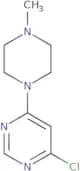
CAS:<p>Versatile small molecule scaffold</p>Formula:C7H4Cl2O2Purity:Min. 95%Molecular weight:191.01 g/mol4-Chloro-6-(4-methyl-1-piperazinyl)pyrimidine
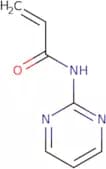
CAS:<p>Versatile small molecule scaffold</p>Formula:C9H13ClN4Purity:Min. 95%Molecular weight:212.68 g/molN-(Pyrimidin-2-yl)prop-2-enamide
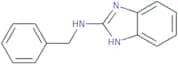
CAS:<p>Versatile small molecule scaffold</p>Formula:C7H7N3OPurity:Min. 95%Molecular weight:149.15 g/molN-Benzyl-1H-1,3-benzodiazol-2-amine
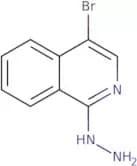
CAS:<p>N-Benzyl-1H-1,3-benzodiazol-2-amine is an antihistaminic that has been shown to be a potent inhibitor of histamine release from mast cells. It has been used in the treatment of anaphylaxis, cutaneous and mucocutaneous leishmaniasis, as well as in vitro activity against Leishmania species. This drug does not inhibit the release of histamine from basophils or eosinophils.<br> N-Benzyl-1H-1,3-benzodiazol-2-amine is a competitive inhibitor of leukotriene C4 synthase and is an antagonist at the H2 receptor. It also inhibits the activity of amastigotes and other intracellular targets.</p>Formula:C14H13N3Purity:Min. 95%Molecular weight:223.27 g/mol4-Bromo-1-hydrazinylisoquinoline
CAS:<p>Versatile small molecule scaffold</p>Formula:C9H8BrN3Purity:Min. 95%Molecular weight:238.08 g/mol5-Chloro-[1,2,4]triazolo[4,3-a]pyridine
CAS:<p>5-Chloro-[1,2,4]triazolo[4,3-a]pyridine is a functional group that is used in organic synthesis for the transformation of a variety of substrates. The product can be synthesized by cross-coupling reactions. 5-Chloro-[1,2,4]triazolo[4,3-a]pyridine can be reduced to benzyl alcohol with sodium borohydride or lithium aluminum hydride and then benzylated with benzyl chloride. This functional group is also an efficient synthetic intermediate for the synthesis of triazolopyridines. 5-Chloro-[1,2,4]triazolo[4,3-a]pyridine has been used as a biomolecular probe to study protein kinase activity and DNA replication.</p>Formula:C6H4ClN3Purity:Min. 95%Molecular weight:153.57 g/mol1H-Pyrrolo[3,2-b]Pyridine-3-Acetic Acid
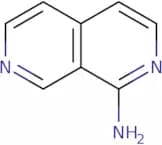
CAS:<p>Versatile small molecule scaffold</p>Formula:C9H8N2O2Purity:Min. 95%Molecular weight:176.17 g/mol2,7-Naphthyridin-1-amine
CAS:<p>2,7-Naphthyridin-1-amine is a synthesized compound that has cytotoxic and antitumor activity. It has been shown to inhibit the growth of cervical cancer cells in vitro and induce apoptosis. 2,7-Naphthyridin-1-amine also has the potential to be used as an antitumor agent for hepatic cancers. Additionally, it mediates its cytotoxic effect by inhibiting protein synthesis and inducing cell death.</p>Formula:C8H7N3Purity:Min. 95%Molecular weight:145.16 g/mol(5-Methyl-1H-benzoimidazol-2-ylsulfanyl)-acetic acid
CAS:<p>Versatile small molecule scaffold</p>Formula:C10H10N2O2SPurity:Min. 95%Molecular weight:222.27 g/mol2-(4-Methylphenyl)-3-oxobutanenitrile
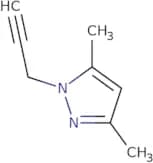
CAS:<p>Versatile small molecule scaffold</p>Formula:C11H11NOPurity:Min. 95%Molecular weight:173.21 g/mol3,5-Dimethyl-1-(prop-2-yn-1-yl)-1H-pyrazole
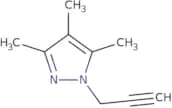
CAS:<p>Versatile small molecule scaffold</p>Formula:C8H10N2Purity:Min. 95%Molecular weight:134.18 g/mol3,4,5-Trimethyl-1-(prop-2-yn-1-yl)-1H-pyrazole
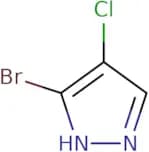
CAS:<p>Versatile small molecule scaffold</p>Formula:C9H12N2Purity:Min. 95%Molecular weight:148.2 g/mol3-Bromo-4-chloro-1H-pyrazole
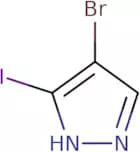
CAS:<p>Versatile small molecule scaffold</p>Formula:C3H2BrClN2Purity:Min. 95%Molecular weight:181.42 g/mol4-Bromo-3-iodo-1H-pyrazole
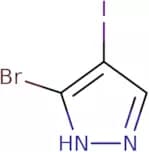
CAS:<p>Versatile small molecule scaffold</p>Formula:C3H2BrIN2Purity:Min. 95%Molecular weight:272.87 g/mol3-bromo-4-iodo-1H-pyrazole
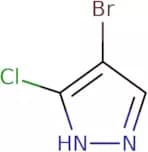
CAS:<p>Versatile small molecule scaffold</p>Formula:C3H2BrIN2Purity:Min. 95%Molecular weight:272.9 g/mol4-Bromo-3-chloro-1H-pyrazole
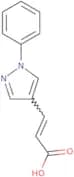
CAS:<p>Versatile small molecule scaffold</p>Formula:C3H2BrClN2Purity:Min. 95%Molecular weight:181.42 g/mol(2E)-3-(1-Phenyl-1H-pyrazol-4-yl)prop-2-enoic acid
CAS:<p>Versatile small molecule scaffold</p>Formula:C12H10N2O2Purity:Min. 95%Molecular weight:214.22 g/mol(2E)-3-(3,5-Dimethyl-1-phenyl-1H-pyrazol-4-yl)prop-2-enoic acid
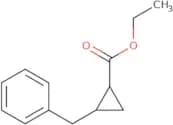
CAS:<p>Versatile small molecule scaffold</p>Formula:C14H14N2O2Purity:Min. 95%Molecular weight:242.27 g/molrac-Ethyl (1R,2R)-2-benzylcyclopropane-1-carboxylate
CAS:Versatile small molecule scaffoldFormula:C13H16O2Purity:Min. 95%Molecular weight:204.3 g/molrac-Ethyl (1R,2S)-2-benzylcyclopropane-1-carboxylate
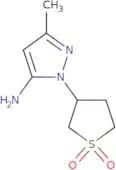
CAS:<p>Versatile small molecule scaffold</p>Formula:C13H16O2Purity:Min. 95%Molecular weight:204.3 g/mol1-(1,1-Dioxidotetrahydrothien-3-yl)-3-methyl-1H-pyrazol-5-amine
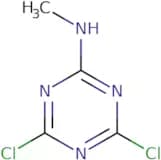
CAS:<p>Versatile small molecule scaffold</p>Formula:C8H13N3O2SPurity:Min. 95%Molecular weight:215.27 g/mol4,6-Dichloro-N-methyl-1,3,5-triazin-2-amine
CAS:<p>Versatile small molecule scaffold</p>Formula:C4H4Cl2N4Purity:Min. 95%Molecular weight:179 g/mol1,8,10-Triazatricyclo[7.4.0.0,2,7]trideca-2,4,6,8-tetraene
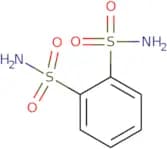
CAS:<p>1,8,10-Triazatricyclo[7.4.0.0,2,7]trideca-2,4,6,8-tetraene is a chemical compound that has been shown to have medicinal properties and is an organic solvent used in organic chemistry. It contains a benzene ring with maleimide groups on either side of the ring. This chemical has been shown to be an anesthetic and is also water-soluble. 1,8,10-Triazatricyclo[7.4.0.0,2,7]trideca-2,4,6,8-tetraene can be used as an equimolar replacement for chloroform in the synthesis of certain drugs such as diazepam and lorazepam due to its similar properties to chloroform but it does not react with water or alcohols as easily as chloroform does.</p>Formula:C10H11N3Purity:Min. 95%Molecular weight:173.21 g/molBenzene-1,2-disulfonamide
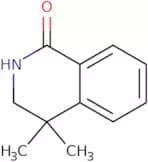
CAS:<p>Benzene-1,2-disulfonamide is a sulfonamide that inhibits bacterial enzymes. It is an inhibitor of carbonic anhydrase, a human enzyme that catalyzes the conversion of carbon dioxide and water to bicarbonate. Benzene-1,2-disulfonamide has been shown to inhibit the growth of bacteria in vitro. The compound also has been found to be effective against some types of cancer cells, including those which are resistant to platinum-based chemotherapy. Benzene-1,2-disulfonamide binds to the active site of the bacterial enzyme and blocks its activity. The drug's high potency against anaerobic bacteria may be due to its ability to bind with nitro groups on proteins such as tetrahydrofolate reductase and cytochrome c oxidase.</p>Formula:C6H8N2O4S2Purity:Min. 95%Molecular weight:236.3 g/mol4,4-Dimethyl-1,2,3,4-tetrahydroisoquinolin-1-one
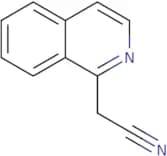
CAS:<p>Versatile small molecule scaffold</p>Formula:C11H13NOPurity:Min. 95%Molecular weight:175.23 g/mol2-(Isoquinolin-1-yl)acetonitrile
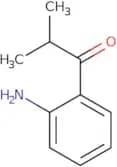
CAS:<p>2-(Isoquinolin-1-yl)acetonitrile is a white crystalline solid that is soluble in organic solvents. It can be synthesized by reacting phosphorus oxychloride and vanadium chlorides with molybdenum or by reacting a primary amine with an enamine, followed by hydrolyzing the resulting acetal. This compound can also be made from lactams using molecular oxygen and catalytic amounts of acetals and dimethylformamide.</p>Formula:C11H8N2Purity:Min. 95%Molecular weight:168.19 g/mol1-(2-Aminophenyl)-2-methylpropan-1-one
CAS:<p>Versatile small molecule scaffold</p>Formula:C10H13NOPurity:Min. 95%Molecular weight:163.22 g/mol{Amino[(3,4-dihydroxyphenyl)sulfanyl]methylidene}azanium acetate
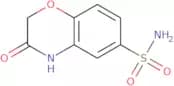
CAS:Controlled Product<p>Versatile small molecule scaffold</p>Formula:C9H12N2O4SPurity:Min. 95%Molecular weight:244.27 g/mol3-Oxo-3,4-dihydro-2H-1,4-benzoxazine-6-sulfonamide
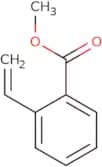
CAS:<p>Versatile small molecule scaffold</p>Formula:C8H8N2O4SPurity:Min. 95%Molecular weight:228.23 g/molMethyl 2-ethenylbenzoate
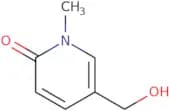
CAS:<p>Methyl 2-ethenylbenzoate is a synthetic product that is used in the synthesis of polymers. It is an organic compound that can be synthesized by electroreduction of methyl ester, bromostyrene and styrene. The yields obtained in this process are high, with a conversion rate of over 90%. Methyl 2-ethenylbenzoate can be produced by cyclic voltammetry and cyclic voltammetry. The parameters for both methods are similar, but cyclic voltammetry has greater sensitivity and selectivity. Electrolysis also plays an important role in the production of this product.</p>Formula:C10H10O2Purity:Min. 95%Molecular weight:162.19 g/mol5-(hydroxymethyl)-1-methyl-1,2-dihydropyridin-2-one
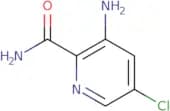
CAS:<p>Versatile small molecule scaffold</p>Formula:C7H9NO2Purity:Min. 95%Molecular weight:139.15 g/mol3-Amino-5-chloropyridine-2-carboxamide
CAS:<p>3-Amino-5-chloropyridine-2-carboxamide is a phosphoinositide (PI) analog that has been shown to inhibit the growth of cancer cells. It also inhibits the production of proteins, such as cyclin D1 and Bcl-xL, which are required for cancer cell proliferation. 3-Amino-5-chloropyridine-2-carboxamide has been shown to be effective in vivo in animal models and in vitro in human cancer cells. The compound has been shown to have no effect on normal cells, leading to a low level of toxicity. This drug can be used as an anticancer agent or as part of a combined therapy regimen with other chemotherapeutic agents.</p>Formula:C6H6ClN3OPurity:Min. 95%Molecular weight:171.58 g/molEthyl 5-chloro-4-hydroxy-8-methoxyquinoline-3-carboxylate
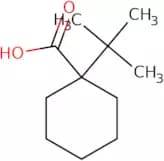
CAS:<p>Versatile small molecule scaffold</p>Formula:C13H12ClNO4Purity:Min. 95%Molecular weight:281.69 g/mol1-tert-Butylcyclohexane-1-carboxylic acid
CAS:<p>1-tert-Butylcyclohexane-1-carboxylic acid is the product of the rearrangement and carbocationization of 1-tert-butylcyclohexane. It can be used to synthesize propanoic acid. The reaction mixture is heated for a few hours, and when cooled, gaseous cyclopropane is evolved. The cyclopropane is then trapped with sodium borohydride and hydrolyzed to form 1-tert-butylcyclohexane-1-carboxylic acid. This compound can also be obtained by the carboxylation of propene with carbon dioxide in the presence of a catalyst such as platinum oxide or Raney nickel. This produces an intermediate that undergoes rearrangement and protonation reactions to produce 1-tert butylcyclohexane carboxylic acid.</p>Formula:C11H20O2Purity:Min. 95%Molecular weight:184.27 g/mol4,6-Dihydroxypyridine-2-carboxylic acid
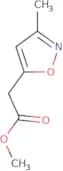
CAS:<p>Versatile small molecule scaffold</p>Formula:C6H5NO4Purity:Min. 95%Molecular weight:155.11 g/mol3-Methyl-5-isoxazoleacetic acid methyl ester
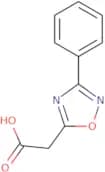
CAS:<p>Versatile small molecule scaffold</p>Formula:C7H9NO3Purity:Min. 95%Molecular weight:155.15 g/mol2-(3-Phenyl-1,2,4-oxadiazol-5-yl)acetic acid
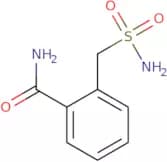
CAS:<p>Versatile small molecule scaffold</p>Formula:C10H8N2O3Purity:Min. 95%Molecular weight:204.18 g/mol2-(Sulfamoylmethyl)benzamide
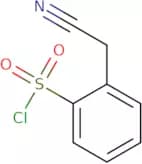
CAS:<p>Versatile small molecule scaffold</p>Formula:C8H10N2O3SPurity:Min. 95%Molecular weight:214.24 g/mol2-(Cyanomethyl)benzene-1-sulfonyl chloride
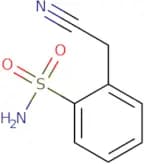
CAS:<p>Versatile small molecule scaffold</p>Formula:C8H6ClNO2SPurity:Min. 95%Molecular weight:215.66 g/mol2-(Cyanomethyl)benzene-1-sulfonamide
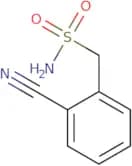
CAS:<p>Versatile small molecule scaffold</p>Formula:C8H8N2O2SPurity:Min. 95%Molecular weight:196.23 g/mol(2-Cyanophenyl)methanesulfonamide
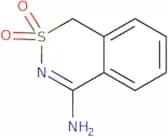
CAS:<p>Versatile small molecule scaffold</p>Formula:C8H8N2O2SPurity:Min. 95%Molecular weight:196.23 g/mol4-Imino-3,4-dihydro-1H-2,3-benzothiazine-2,2-dione
CAS:<p>Versatile small molecule scaffold</p>Formula:C8H8N2O2SPurity:Min. 95%Molecular weight:196.23 g/mol1-[2-(Methylsulfanyl)phenyl]propan-2-one
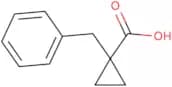
CAS:<p>Versatile small molecule scaffold</p>Formula:C10H12OSPurity:Min. 95%Molecular weight:180.27 g/mol1-benzylcyclopropane-1-carboxylic acid
CAS:<p>Versatile small molecule scaffold</p>Formula:C11H12O2Purity:Min. 95%Molecular weight:176.21 g/molEthyl 2-chloro-4-phenylbutanoate
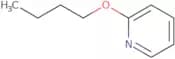
CAS:<p>Versatile small molecule scaffold</p>Formula:C12H15ClO2Purity:Min. 95%Molecular weight:226.7 g/mol2-Butoxypyridine
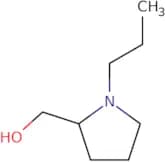
CAS:<p>2-Butoxypyridine is a hydrophobic, potent inducers of the cytochrome P450 system. It can be used as a substrate for molecular modeling studies and has been shown to react with chlorine atom in mass spectrometric studies. The reaction products are pyridine compounds that are chlorinating agents. The chlorination reaction rate can be controlled by various techniques such as temperature, solvent, and concentration.</p>Formula:C9H13NOPurity:Min. 95%Molecular weight:151.21 g/mol(1-Propylpyrrolidin-2-yl)methanol
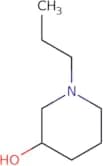
CAS:<p>Versatile small molecule scaffold</p>Formula:C8H17NOPurity:Min. 95%Molecular weight:143.23 g/mol1-Propylpiperidin-3-ol
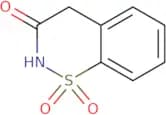
CAS:<p>Versatile small molecule scaffold</p>Formula:C8H17NOPurity:Min. 95%Molecular weight:143.23 g/mol2H-1,2-Benzothiazin-3(4H)-one, 1,1-dioxide
CAS:<p>2H-1,2-Benzothiazin-3(4H)-one, 1,1-dioxide is a benzothiazine derivative. It has been shown to inhibit the activity of the enzyme glutathione reductase and the production of reactive oxygen species in mouse erythrocytes.</p>Formula:C8H7NO3SPurity:Min. 95%Molecular weight:197.21 g/mol[(1R,2S,5R)-5-Methyl-2-(propan-2-yl)cyclohexyl]methanol
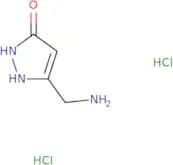
CAS:<p>Versatile small molecule scaffold</p>Formula:C11H22OPurity:Min. 95%Molecular weight:170.29 g/mol5-(Aminomethyl)-2,3-dihydro-1H-pyrazol-3-one dihydrochloride
CAS:<p>Versatile small molecule scaffold</p>Formula:C4H9Cl2N3OPurity:Min. 95%Molecular weight:186.04 g/mol2-Amino-1-(3-methoxyphenyl)ethanol
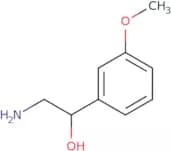
CAS:<p>Versatile small molecule scaffold</p>Formula:C9H13NO2Purity:Min. 95%Molecular weight:167.21 g/mol5-(Dimethylamino)pentan-2-ol
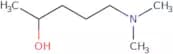
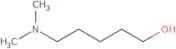
CAS:<p>Versatile small molecule scaffold</p>Formula:C7H17NOPurity:Min. 95%Molecular weight:131.22 g/mol5-(Dimethylamino)pentan-1-ol
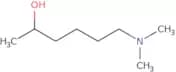
CAS:<p>Versatile small molecule scaffold</p>Formula:C7H17NOPurity:Min. 95%Molecular weight:131.22 g/mol6-(Dimethylamino)hexan-2-ol
CAS:<p>Versatile small molecule scaffold</p>Formula:C8H19NOPurity:Min. 95%Molecular weight:145.24 g/mol(Z)-3-(2-Phenylhydrazono)cyclohexanone
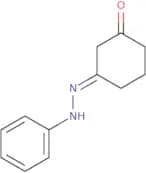
CAS:<p>The method involves refluxing ethanol with a solid acid catalyst and a condensation agent. The reaction is catalyzed by the acid catalyst, which can be either an inorganic or organic acid. The reaction time is typically 3 to 4 hours. Effective catalysts include aluminum chloride, zinc chloride, and titanium tetrachloride. Carvedilol is an effective product of this reaction because it has a high yield and a low production cost. Solid-acid catalysts are used for this synthesis because they have excellent stability in the presence of water and air and can be easily recovered from the reaction mixture.<br>The reactants are heated at reflux until the desired product is formed. This process is typically carried out using a reflux apparatus equipped with an efficient condenser and an ice bath to maintain the temperature below boiling point. The yields of the desired product are typically high, ranging from 80% to 95%.</p>Formula:C12H14N2OPurity:Min. 95%Molecular weight:202.25 g/mol5-[(2-Methylphenyl)amino]-1,3,4-thiadiazole-2-thiol
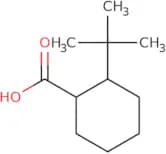
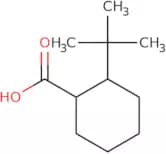
CAS:<p>Versatile small molecule scaffold</p>Formula:C9H9N3S2Purity:Min. 95%Molecular weight:223.3 g/molrac-(1R,2S)-2-tert-Butylcyclohexane-1-carboxylic acid
CAS:<p>Versatile small molecule scaffold</p>Formula:C11H20O2Purity:Min. 95%Molecular weight:184.3 g/molrac-(1R,2R)-2-tert-Butylcyclohexane-1-carboxylic acid
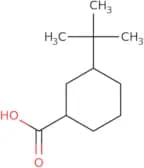
CAS:<p>Versatile small molecule scaffold</p>Formula:C11H20O2Purity:Min. 95%Molecular weight:184.27 g/molrac-(1R,3S)-3-tert-Butylcyclohexane-1-carboxylic acid
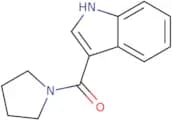
CAS:<p>Versatile small molecule scaffold</p>Formula:C11H20O2Purity:Min. 95%Molecular weight:184.3 g/mol3-(Pyrrolidine-1-carbonyl)-1H-indole
CAS:<p>Versatile small molecule scaffold</p>Formula:C13H14N2OPurity:Min. 95%Molecular weight:214.26 g/mol4-Bromo-2-(1H-1,2,3,4-tetrazol-5-yl)aniline
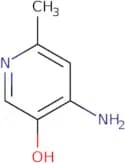
CAS:<p>Versatile small molecule scaffold</p>Formula:C7H6BrN5Purity:Min. 95%Molecular weight:240.06 g/mol4-Amino-6-methylpyridin-3-ol
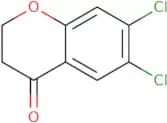
CAS:<p>Versatile small molecule scaffold</p>Formula:C6H8N2OPurity:Min. 95%Molecular weight:124.14 g/mol6,7-Dichlorochroman-4-one
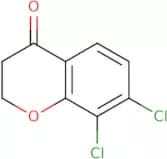
CAS:<p>Versatile small molecule scaffold</p>Formula:C9H6Cl2O2Purity:Min. 95%Molecular weight:217.05 g/mol7,8-Dichloro-3,4-dihydro-2H-1-benzopyran-4-one
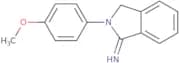
CAS:<p>Versatile small molecule scaffold</p>Formula:C9H6Cl2O2Purity:Min. 95%Molecular weight:217.05 g/mol2-(4-Methoxyphenyl)-2,3-dihydro-1H-isoindol-1-imine
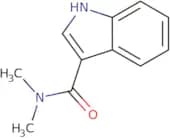
CAS:<p>Versatile small molecule scaffold</p>Formula:C15H14N2OPurity:Min. 95%Molecular weight:238.28 g/molN,N-Dimethyl-1H-indole-3-carboxamide
CAS:Controlled Product<p>Versatile small molecule scaffold</p>Formula:C11H12N2OPurity:Min. 95%Molecular weight:188.23 g/molN-[(5-Chloro-1,3-benzoxazol-2-yl)methylidene]hydroxylamine
CAS:<p>Versatile small molecule scaffold</p>Formula:C8H5ClN2O2Purity:Min. 95%Molecular weight:196.59 g/mol3-[(4-Methylphenyl)amino]propanoic acid
CAS:<p>Versatile small molecule scaffold</p>Formula:C10H13NO2Purity:Min. 95%Molecular weight:179.22 g/mol3-Amino-1-[3-(dimethylamino)propyl]thiourea
CAS:<p>Versatile small molecule scaffold</p>Formula:C6H16N4SPurity:Min. 95%Molecular weight:176.29 g/mol2-[3-(Trifluoromethyl)phenyl]-1H-imidazole
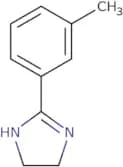
CAS:<p>Versatile small molecule scaffold</p>Formula:C10H7F3N2Purity:Min. 95%Molecular weight:212.17 g/mol2-(3-Methylphenyl)-4,5-dihydro-1H-imidazole
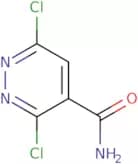
CAS:<p>Versatile small molecule scaffold</p>Formula:C10H12N2Purity:Min. 95%Molecular weight:160.22 g/mol3,6-Dichloropyridazine-4-carboxamide
CAS:<p>3,6-Dichloropyridazine-4-carboxamide is a white crystalline substance that belongs to the group of pyridazine derivatives. It has been shown to have a high primary amine content and a crystal structure. 3,6-Dichloropyridazine-4-carboxamide was synthesized by reacting an anthranilic acid with 3,6-dichloropyridazine in dimethylformamide. Mechanistic studies have shown that this reaction product is formed through an initial hydride addition to the pyrazole ring followed by hydrolysis of the methyl ester and chloride ion substitution. The result of this reaction is an anthranilic acid derivative with chlorine substitutions at positions 3 and 6 on the pyridine ring.</p>Formula:C5H3Cl2N3OPurity:Min. 95%Molecular weight:192 g/molMethyl 4,6-dimethylpyrimidine-2-carboxylate
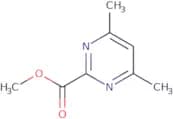
CAS:<p>Versatile small molecule scaffold</p>Formula:C8H10N2O2Purity:Min. 95%Molecular weight:166.18 g/mol5-[(Furan-2-yl)methylidene]-4,6-dihydroxy-2,5-dihydropyrimidine-2-thione
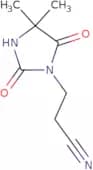
CAS:<p>Versatile small molecule scaffold</p>Formula:C9H6N2O3SPurity:Min. 95%Molecular weight:222.22 g/mol3-(4,4-Dimethyl-2,5-dioxoimidazolidin-1-yl)propanenitrile
CAS:Versatile small molecule scaffoldFormula:C8H11N3O2Purity:Min. 95%Molecular weight:181.19 g/molN1,N1-Dimethyl-N4-[(pyridin-2-yl)methyl]benzene-1,4-diamine
CAS:<p>N1,N1-Dimethyl-N4-[(pyridin-2-yl)methyl]benzene-1,4-diamine is a toolkit that can be used to inhibit the activity of monoamine oxidase and nitric oxide synthase. It has been shown to reduce the severity of stenosis in animal models. This drug is also effective against neurodegenerative diseases such as Alzheimer's disease, Parkinson's disease, multiple sclerosis, and amyotrophic lateral sclerosis. N1,N1-Dimethyl-N4-[(pyridin-2-yl)methyl]benzene-1,4-diamine is a bifunctional molecule: it acts as an oxidase inhibitor and a monoamine oxidase inhibitor. The mechanism of action for this drug is not yet known but it has been shown to prevent the formation of reactive oxygen species (ROS) which may contribute to its neuroprotective effects</p>Formula:C14H17N3Purity:Min. 95%Molecular weight:227.3 g/mol3-Methanesulfonylpyridine
CAS:<p>Versatile small molecule scaffold</p>Formula:C6H7NO2SPurity:Min. 95%Molecular weight:157.19 g/mol4-(Oxiran-2-yl)benzonitrile
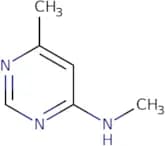
CAS:<p>Versatile small molecule scaffold</p>Formula:C9H7NOPurity:Min. 95%Molecular weight:145.16 g/molN,6-Dimethylpyrimidin-4-amine
CAS:<p>Versatile small molecule scaffold</p>Formula:C6H9N3Purity:Min. 95%Molecular weight:123.16 g/mol1-(4-Methoxyphenyl)-2-(pyridin-3-yl)ethan-1-one
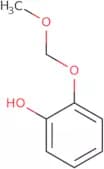
CAS:<p>Versatile small molecule scaffold</p>Formula:C14H13NO2Purity:Min. 95%Molecular weight:227.26 g/mol2-(Methoxymethoxy)phenol
CAS:<p>Versatile small molecule scaffold</p>Formula:C8H10O3Purity:Min. 95%Molecular weight:154.16 g/mol


![Benzo[d]isothiazole-3(2H)-thione 1,1-dioxide](/_next/image/?url=https%3A%2Fstatic.cymitquimica.com%2Fproducts%2F3D%2Fthumb-webp%2FCBA14803.webp&w=3840&q=75)
![2-Oxo-1H,2H,5H,7H,8H-pyrano[4,3-b]pyridine-3-carbonitrile](/_next/image/?url=https%3A%2Fstatic.cymitquimica.com%2Fproducts%2F3D%2Fthumb-webp%2FCBA15209.webp&w=3840&q=75)
![1,10-Diazatricyclo[6.4.1.0,4,13]trideca-2,4,6,8(13)-tetraene](/_next/image/?url=https%3A%2Fstatic.cymitquimica.com%2Fproducts%2F3D%2Fthumb-webp%2FCBA15893.webp&w=3840&q=75)

![5-Chloro-[1,2,4]triazolo[4,3-a]pyridine](/_next/image/?url=https%3A%2Fstatic.cymitquimica.com%2Fproducts%2F3D%2Fthumb-webp%2FCBA18713.webp&w=3840&q=75)
![1H-Pyrrolo[3,2-b]Pyridine-3-Acetic Acid](/_next/image/?url=https%3A%2Fstatic.cymitquimica.com%2Fproducts%2F3D%2Fthumb-webp%2FCBA22427.webp&w=3840&q=75)


![1,8,10-Triazatricyclo[7.4.0.0,2,7]trideca-2,4,6,8-tetraene](/_next/image/?url=https%3A%2Fstatic.cymitquimica.com%2Fproducts%2F3D%2Fthumb-webp%2FCBA28586.webp&w=3840&q=75)
![{Amino[(3,4-dihydroxyphenyl)sulfanyl]methylidene}azanium acetate](/_next/image/?url=https%3A%2Fstatic.cymitquimica.com%2Fproducts%2F3D%2Fthumb-webp%2FCBA32020.webp&w=3840&q=75)
![1-[2-(Methylsulfanyl)phenyl]propan-2-one](/_next/image/?url=https%3A%2Fstatic.cymitquimica.com%2Fproducts%2F3D%2Fthumb-webp%2FCBA35024.webp&w=3840&q=75)

![[(1R,2S,5R)-5-Methyl-2-(propan-2-yl)cyclohexyl]methanol](/_next/image/?url=https%3A%2Fstatic.cymitquimica.com%2Fproducts%2F3D%2Fthumb-webp%2FCBA37394.webp&w=3840&q=75)
![5-[(2-Methylphenyl)amino]-1,3,4-thiadiazole-2-thiol](/_next/image/?url=https%3A%2Fstatic.cymitquimica.com%2Fproducts%2F3D%2Fthumb-webp%2FCBA38597.webp&w=3840&q=75)

![N-[(5-Chloro-1,3-benzoxazol-2-yl)methylidene]hydroxylamine](/_next/image/?url=https%3A%2Fstatic.cymitquimica.com%2Fproducts%2F3D%2Fthumb-webp%2FCBA41206.webp&w=3840&q=75)
![3-[(4-Methylphenyl)amino]propanoic acid](/_next/image/?url=https%3A%2Fstatic.cymitquimica.com%2Fproducts%2F3D%2Fthumb-webp%2FCBA41859.webp&w=3840&q=75)
![3-Amino-1-[3-(dimethylamino)propyl]thiourea](/_next/image/?url=https%3A%2Fstatic.cymitquimica.com%2Fproducts%2F3D%2Fthumb-webp%2FCBA42174.webp&w=3840&q=75)
![2-[3-(Trifluoromethyl)phenyl]-1H-imidazole](/_next/image/?url=https%3A%2Fstatic.cymitquimica.com%2Fproducts%2F3D%2Fthumb-webp%2FCBA42380.webp&w=3840&q=75)
![5-[(Furan-2-yl)methylidene]-4,6-dihydroxy-2,5-dihydropyrimidine-2-thione](/_next/image/?url=https%3A%2Fstatic.cymitquimica.com%2Fproducts%2F3D%2Fthumb-webp%2FCBA43018.webp&w=3840&q=75)
![N1,N1-Dimethyl-N4-[(pyridin-2-yl)methyl]benzene-1,4-diamine](/_next/image/?url=https%3A%2Fstatic.cymitquimica.com%2Fproducts%2F3D%2Fthumb-webp%2FCCA68860.webp&w=3840&q=75)