


Building Blocks
This section contains fundamental products for the synthesis of organic and biological compounds. Building blocks are the essential starting materials used to construct complex molecules through various chemical reactions. They play a critical role in drug discovery, material science, and chemical research. At CymitQuimica, we offer a diverse range of high-quality building blocks to support your innovative research and industrial projects, ensuring you have the essential components for successful synthesis.
Subcategories of "Building Blocks"
- Boronic Acids & Boronic Acid Derivatives(5,756 products)
- Chiral Building Blocks(1,242 products)
- Hydrocarbon Building Blocks(6,095 products)
- Organic Building Blocks(61,055 products)
Found 199650 products of "Building Blocks"
Sort by
Purity (%)
0
100
|
0
|
50
|
90
|
95
|
100
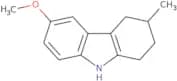
6-Methoxy-3-methyl-2,3,4,9-tetrahydro-1H-carbazole
CAS:<p>Versatile small molecule scaffold</p>Formula:C14H17NOPurity:Min. 95%Molecular weight:215.29 g/mol2-Bromo-5,7-dimethyl[1,2,4]triazolo[1,5-a]pyrimidine
CAS:<p>Please enquire for more information about 2-Bromo-5,7-dimethyl[1,2,4]triazolo[1,5-a]pyrimidine including the price, delivery time and more detailed product information at the technical inquiry form on this page</p>Formula:C7H7BrN4Purity:Min. 95%Molecular weight:227.06 g/mol[1,2,4]Triazolo[1,5-a]pyrimidin-2-ylamine
CAS:<p>[1,2,4]Triazolo[1,5-a]pyrimidin-2-ylamine is a heterocyclic compound that is used to treat hematological and inflammatory diseases. It has been shown to have a long-term effect in treating autoimmune diseases and neurodegenerative diseases. It is also an aromatic hydrocarbon that can be used as a drug for the treatment of gastroenterological conditions such as ulcers or Crohn's disease.</p>Formula:C5H5N5Purity:Min. 95%Molecular weight:135.13 g/mol2-(Prop-2-yn-1-yl)oxane
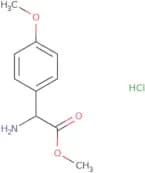
CAS:<p>Versatile small molecule scaffold</p>Formula:C8H12OPurity:Min. 95%Molecular weight:124.2 g/molmethyl 2-amino-2-(4-methoxyphenyl)acetate hydrochloride
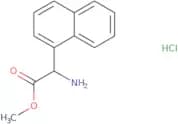
CAS:<p>Versatile small molecule scaffold</p>Formula:C10H14ClNO3Purity:Min. 95%Molecular weight:231.7 g/molMethyl 2-amino-2-(naphthalen-1-yl)acetate hydrochloride
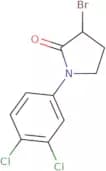
CAS:<p>Versatile small molecule scaffold</p>Formula:C13H14ClNO2Purity:Min. 95%Molecular weight:251.71 g/mol3-Bromo-1-(3,4-dichlorophenyl)pyrrolidin-2-one
CAS:<p>Versatile small molecule scaffold</p>Formula:C10H8BrCl2NOPurity:Min. 95%Molecular weight:308.98 g/mol2-Hydrazinyl-5-phenyl-1,3,4-thiadiazole
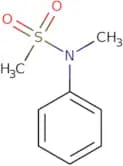
CAS:<p>Versatile small molecule scaffold</p>Formula:C8H8N4SPurity:Min. 95%Molecular weight:192.24 g/molN-Methyl-N-phenylmethanesulfonamide
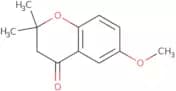
CAS:<p>N-Methyl-N-phenylmethanesulfonamide (NMPSA) is a small molecule that has been used as an anticancer agent in human cell cultures. NMPSA inhibits the growth of cancer cells by inducing apoptosis and arrest of the cell cycle, which may be due to its ability to inhibit tyrosine kinase activity. It also inhibits the production of reactive oxygen species (ROS), which are thought to play a role in tumorigenesis. NMPSA has been shown to be more potent than other anticancer drugs on a per weight basis, with an EC50 value of 0.1 μM.</p>Formula:C8H11NO2SPurity:Min. 95%Molecular weight:185.25 g/mol6-Methoxy-2,2-dimethyl-3,4-dihydro-2H-1-benzopyran-4-one
CAS:<p>Versatile small molecule scaffold</p>Formula:C12H14O3Purity:Min. 95%Molecular weight:206.24 g/mol4-Nitro-1-propyl-1H-imidazole
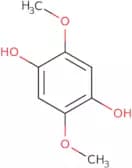
CAS:<p>Versatile small molecule scaffold</p>Formula:C6H9N3O2Purity:Min. 95%Molecular weight:155.15 g/mol2,5-Dimethoxybenzene-1,4-diol
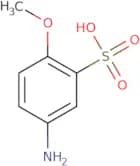
CAS:<p>2,5-Dimethoxybenzene-1,4-diol is an intermediate in the synthesis of salicylic acid. It is a reagent that is used to produce hydrogen peroxide and can be used for the determination of salicylic acid. 2,5-Dimethoxybenzene-1,4-diol can be used as a reducing agent and chelator. It also exhibits anti-fungal properties and has been shown to have anti-inflammatory effects. The mechanism by which 2,5-dimethoxybenzene-1,4-diol reduces radicals is not well understood but may involve the conversion of hydrogen peroxide into water and oxygen gas.</p>Formula:C8H10O4Purity:Min. 95%Molecular weight:170.16 g/mol4-Aminoanisole-3-sulfonic acid
CAS:<p>4-Aminoanisole-3-sulfonic acid is a nitro compound that is used as a buffer and pH stabilizer. It is synthesized by the reaction of methoxyaniline with sulfonic acids. 4-Aminoanisole-3-sulfonic acid has been shown to react with x-rays, forming an optical sensor. This chemical can also be used to synthesize other sulfonated compounds such as sulfonates and sulfites. This compound can be prepared by the addition of hydrochloric acid to zinc powder followed by the addition of hydrogen sulfate, which gives the final product in a chlorinated form.</p>Formula:C7H9NO4SPurity:Min. 95%Molecular weight:203.22 g/mol2,4-Bis(benzyloxy)benzaldehyde
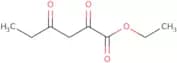
CAS:<p>2,4-Bis(benzyloxy)benzaldehyde is a prenylated aromatic compound that has been shown to have potent tyrosinase inhibitory activity. This effect was seen in murine melanoma cells and was found to be reversible. 2,4-Bis(benzyloxy)benzaldehyde also showed an inhibitory effect on the production of phytoalexins in plants. When combined with hydrochloric acid, 2,4-Bis(benzyloxy)benzaldehyde inhibits tyrosinase activity by interacting with the chloride ion on the enzyme's active site.</p>Formula:C21H18O3Purity:Min. 95%Molecular weight:318.37 g/molEthyl 2,4-dioxohexanoate
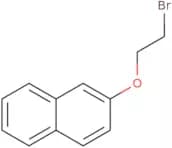
CAS:<p>Ethyl 2,4-dioxohexanoate (EDOH) is a bioactive molecule that can be used as a disinfectant. It reacts with propionyl to form an acid carboxylate, which has been shown to have antimicrobial activity against bacteria and fungi. EDOH is also used in the synthesis of heterocyclic compounds such as tebufenpyrad. The reaction yield and time depend on the solvent used. For instance, EDOH reacts better in dimethylformamide than in water or methanol. Reaction of EDOH with phenoxy leads to amide formation and subsequent cyclization to form a new ring system.</p>Formula:C8H12O4Purity:Min. 95%Molecular weight:172.18 g/mol1-(2-Bromoethoxy)naphthalene
CAS:<p>Versatile small molecule scaffold</p>Formula:C12H11BrOPurity:Min. 95%Molecular weight:251.12 g/mol2-(2-bromoethoxy)naphthalene
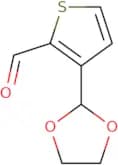
CAS:2-(2-bromoethoxy)naphthalene (2BEEN) is a white or light yellow crystalline solid. It has a molecular weight of 198.8 and an empirical formula of C14H16BrO. 2BEEN is structurally related to piperazine, but the bromine atom at the 2 position in 2BEEN provides a linkage with the ethoxy group at the 4 position, which can orient in two possible orientations. The compound exhibits cis-trans conformational torsion and dihedral angles that are similar to those found in piperazine.Formula:C12H11OBrPurity:Min. 95%Molecular weight:251.11 g/mol3-(1,3-Dioxolan-2-yl)thiophene-2-carbaldehyde
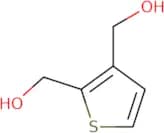
CAS:<p>Versatile small molecule scaffold</p>Formula:C8H8O3SPurity:Min. 95%Molecular weight:184.21 g/mol2,3-Thiophenedimethanol
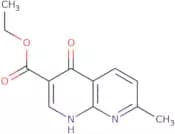
CAS:<p>Versatile small molecule scaffold</p>Formula:C6H8O2SPurity:Min. 95%Molecular weight:144.19 g/molEthyl 4-hydroxy-7-methyl-1,8-naphthyridine-3-carboxylate
CAS:<p>Versatile small molecule scaffold</p>Formula:C12H12N2O3Purity:Min. 95%Molecular weight:232.23 g/mol4-Hydroxy-7-methyl-[1,8]naphthyridine-3-carboxylic acid
CAS:4-Hydroxy-7-methyl-[1,8]naphthyridine-3-carboxylic acid is a compound that has been shown to be an antibacterial agent. It has been shown to selectively inhibit the growth of Gram-positive bacteria by binding to the bacterial cell wall. 4-Hydroxy-7-methyl-[1,8]naphthyridine-3-carboxylic acid binds to amino acids in the peptidoglycan layer of the bacterial cell wall and inhibits the crosslinking of these amino acids with divalent ions such as calcium and magnesium. This leads to changes in solvation structures and decreases in hydrogen bonding interactions, which reduces the stability of the peptidoglycan layer. The spectrum for this molecule is anharmonic, which means that it does not have a harmonic frequency but instead has many frequencies that are related by integer numbers. The molecule can exist in three different forms: two tautomers (keto formFormula:C10H8N2O3Purity:Min. 95%Molecular weight:204.18 g/mol[1,2,4]Triazolo[4,3-a]pyrazin-3-amine
CAS:<p>Versatile small molecule scaffold</p>Formula:C5H5N5Purity:Min. 95%Molecular weight:135.13 g/mol8-Aminonaphthalene-2-sulfonamide
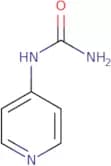
CAS:<p>Versatile small molecule scaffold</p>Formula:C10H10N2O2SPurity:Min. 95%Molecular weight:222.3 g/mol(Pyridin-4-yl)urea
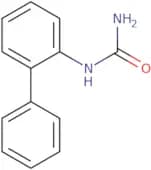
CAS:<p>(Pyridin-4-yl)urea is a ligand with affinity for the neurohormonal receptor urotensin. The binding affinity of this ligand to the urotensin receptor is in the low nanomolar range. (Pyridin-4-yl)urea binds to the urotensin receptor with a higher affinity than its natural ligands, which are small peptides. This compound has been shown to act as a potent antagonist of urotensin, inhibiting its function and blocking the release of its natural agonists, vasopressin and oxytocin. (Pyridin-4-yl)urea has also been shown to inhibit the binding of vasopressin or oxytocin to their specific receptors on cells, which may lead to an increased production of these hormones in vitro.</p>Formula:C6H7N3OPurity:Min. 95%Molecular weight:137.14 g/mol(2-Phenylphenyl)urea
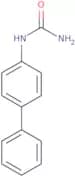
CAS:<p>Versatile small molecule scaffold</p>Formula:C13H12N2OPurity:Min. 95%Molecular weight:212.25 g/mol(4-Phenylphenyl)urea
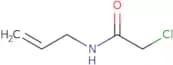
CAS:The molecular formula of 4-Phenylphenyl)urea is C8H7N3O2 and its molecular weight is 186.19 g/mol. The chemical name for 4-Phenylphenyl)urea is (4-phenylphenyl) urea. It has a melting point of 192°C, a boiling point of 334°C, and a density of 1.12 g/cm3. 4-Phenylphenyl)urea crystallizes in the orthorhombic system with space group Pbca and lattice constants a = 8.068 Å, b = 7.957 Å, c = 12.096 Å and β = 116°. It has hydrogen bonds to water molecules as well as to itself through hydrogen bonds with the amide NH groups on the urea moiety and the phenyl ring on one molecule forming hydrogen bonds with other phenyl rings on adjacent molecules.Formula:C13H12N2OPurity:Min. 95%Molecular weight:212.25 g/molN-(Chloroacetyl)allylamine
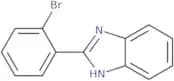
CAS:<p>Versatile small molecule scaffold</p>Formula:C5H8ClNOPurity:Min. 95%Molecular weight:133.58 g/mol2-(2-Bromophenyl)-1H-benzimidazole
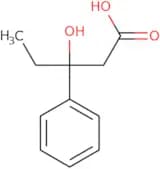
CAS:<p>2-(2-Bromophenyl)-1H-benzimidazole is a halogenated aromatic compound that has been used in electrochemical studies. It can be synthesized by the reaction of bromine with 2,4-dinitrobenzene. The compound exhibits a number of functional groups including nitro and bromo groups. One of the most notable properties of this compound is its ability to act as an efficient electrocatalyst for the reduction of chloride ions to hydrogen gas. 2-(2-Bromophenyl)-1H-benzimidazole also has potentiodynamic polarization properties and has been shown to catalyze the reduction of a number of organic compounds including propane, butane, pentane, hexane and heptane. This compound is also used in microscopy simulations to study unsymmetrical molecules.</p>Formula:C13H9BrN2Purity:Min. 95%Molecular weight:273.13 g/mol3-Hydroxy-3-phenylpentanoic acid
CAS:<p>3-Hydroxy-3-phenylpentanoic acid is a chiral compound with two stereoisomers, the L and D configurations. The L form has been shown to be an enantiomer of propiophenone, which is an ester that reacts in the presence of acetate and hydrogen chloride to form 3-hydroxy-3-phenylpentanoic acid acetate. This reaction is a condensation reaction. The D form has been shown to be an enantiomer of propiophenone, which is an ester that reacts in the presence of acetate and hydrogen chloride to form 3-hydroxy-3-phenylpentanoic acid acetate. This reaction is a condensation reaction. 3HPP can also be synthesized by asymmetric synthesis or hydrolysis.</p>Formula:C11H14O3Purity:Min. 95%Molecular weight:194.23 g/mol2-[(2-Methoxyphenyl)amino]benzoic acid
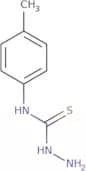
CAS:<p>Versatile small molecule scaffold</p>Formula:C14H13NO3Purity:Min. 95%Molecular weight:243.26 g/mol4-(4-Methylphenyl)-3-thiosemicarbazide
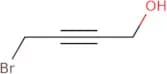
CAS:<p>4-(4-Methylphenyl)-3-thiosemicarbazide is a carbonyl compound. It has been shown to be an inhibitor of acetylcholinesterase, an enzyme that breaks down the neurotransmitter acetylcholine, which is involved in muscle contraction. This inhibition causes paralysis and death in insects. 4-(4-Methylphenyl)-3-thiosemicarbazide has also been shown to be active against gram-negative bacteria. The structure of this molecule was determined by its vibrational spectra and multinuclear NMR data. 4-(4-Methylphenyl)-3-thiosemicarbazide stabilizes the dihedral angle between two nitrogen atoms, which are necessary for formation rate.</p>Formula:C8H11N3SPurity:Min. 95%Molecular weight:181.26 g/mol4-Bromobut-2-yn-1-ol
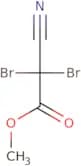
CAS:<p>4-Bromobut-2-yn-1-ol is a chemical compound belonging to the group of thyroid hormones. It is a potent thyromimetic that has been used in cancer research and genetic disease studies. 4-Bromobut-2-yn-1-ol binds to hormone receptors, thereby initiating a response in cells. This compound has been shown to induce mutations in colorectal adenocarcinoma cells, as well as gene expression changes in mutant cells. 4-Bromobut-2-yn-1-ol is also cardiotoxic, with an ID50 value of 0.06 mg/kg body weight.</p>Formula:C4H5BrOPurity:Min. 95%Molecular weight:148.99 g/molMethyl 2,2-dibromo-2-cyanoacetate
CAS:<p>Versatile small molecule scaffold</p>Formula:C4H3Br2NO2Purity:Min. 95%Molecular weight:256.88 g/mol2-(2-Oxooxolan-3-yl)acetic acid
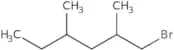
CAS:<p>Versatile small molecule scaffold</p>Formula:C6H8O4Purity:Min. 95%Molecular weight:144.1 g/mol1-Bromo-2,4-dimethylhexane
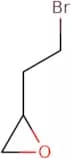
CAS:<p>Versatile small molecule scaffold</p>Formula:C8H17BrPurity:Min. 95%Molecular weight:193.12 g/mol(2-Bromoethyl)oxirane
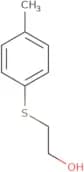
CAS:<p>(2-Bromoethyl)oxirane is an industrial chemical that is a reactive, hydroxylated amine. It is used for the synthesis of pharmaceuticals and other organic compounds. (2-Bromoethyl)oxirane has been shown to induce cancer in animals, and it has also been shown to be carcinogenic in humans. The reaction with hydroxyl groups on proteins leads to the formation of reactive oxygen species that can cause damage to DNA. This chemical may also react with dopamine, which may contribute to degenerative diseases such as Parkinson's disease.</p>Formula:C4H7BrOPurity:Min. 95%Molecular weight:151 g/mol2-(p-Tolylthio)-ethanol
CAS:<p>Versatile small molecule scaffold</p>Formula:C9H12OSPurity:Min. 95%Molecular weight:168.26 g/mol1-[(2-Bromoethyl)sulfanyl]-4-chlorobenzene
CAS:<p>Versatile small molecule scaffold</p>Formula:C8H8BrClSPurity:Min. 95%Molecular weight:251.57 g/mol4-[(2-Bromoethyl)sulfanyl]-1,2-dimethylbenzene
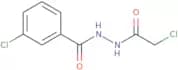
CAS:<p>Versatile small molecule scaffold</p>Formula:C10H13BrSPurity:Min. 95%Molecular weight:245.18 g/mol3-Chloro-N'-(2-chloroacetyl)benzohydrazide
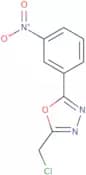
CAS:<p>Versatile small molecule scaffold</p>Formula:C9H8Cl2N2O2Purity:Min. 95%Molecular weight:247.07 g/mol2-(chloromethyl)-5-(3-nitrophenyl)-1,3,4-oxadiazole
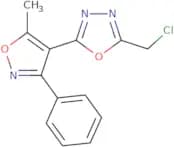
CAS:<p>Versatile small molecule scaffold</p>Formula:C9H6ClN3O3Purity:Min. 95%Molecular weight:239.62 g/mol2-(Chloromethyl)-5-(5-methyl-3-phenyl-1,2-oxazol-4-yl)-1,3,4-oxadiazole
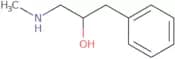
CAS:<p>Versatile small molecule scaffold</p>Formula:C13H10ClN3O2Purity:Min. 95%Molecular weight:275.69 g/mol1-(Methylamino)-3-phenylpropan-2-ol
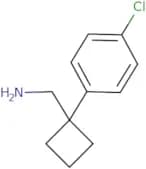
CAS:<p>Versatile small molecule scaffold</p>Formula:C10H15NOPurity:Min. 95%Molecular weight:165.23 g/mol(1-(4-Chlorophenyl)cyclobutyl)methanamine
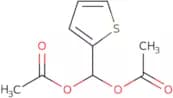
CAS:<p>Versatile small molecule scaffold</p>Formula:C11H14ClNPurity:Min. 95%Molecular weight:195.69 g/mol(Acetyloxy)(thiophen-2-yl)methyl acetate
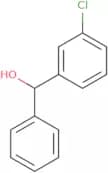
CAS:<p>Versatile small molecule scaffold</p>Formula:C9H10O4SPurity:Min. 95%Molecular weight:214.24 g/mol(3-Chlorophenyl)(phenyl)methanol
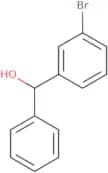
CAS:<p>(3-Chlorophenyl)(phenyl)methanol is a chiral, optically active aldehyde that is used as a reagent in the synthesis of cellulose triacetate. The optical isomers of this compound are separated by densitometric analysis and the yields are determined by measuring the amount of solutes that elute from plates. The functional groups on this compound have been shown to react with dinitrophenyl and form an intermediate that can be identified as an alcohol.</p>Formula:C13H11ClOPurity:Min. 95%Molecular weight:218.68 g/mol(3-Bromophenyl)(phenyl)methanol
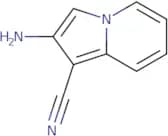
CAS:<p>Versatile small molecule scaffold</p>Formula:C13H11BrOPurity:Min. 95%Molecular weight:263.13 g/mol2-Aminoindolizine-1-carbonitrile
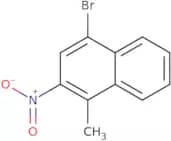
CAS:<p>2-Aminoindolizine-1-carbonitrile is an experimental substance that can form a bispyridinium ion in the presence of halides. It reacts with elemental analysis reagents and formylation agents to produce spectra, which can be used for screening purposes. This compound has been shown to react with electrophilic reagents and dimerize in the presence of a base. 2-Aminoindolizine-1-carbonitrile has antimicrobial activity against Gram negative bacteria, but not Gram positive bacteria. This antibiotic is active against Mycobacterium tuberculosis, but not against Mycobacterium avium complex.</p>Formula:C9H7N3Purity:Min. 95%Molecular weight:157.17 g/mol4-Bromo-1-methyl-2-nitronaphthalene
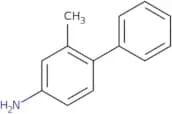
CAS:<p>Versatile small molecule scaffold</p>Formula:C11H8BrNO2Purity:Min. 95%Molecular weight:266.09 g/mol3-Methyl-4-phenylaniline
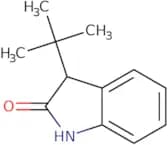
CAS:<p>Versatile small molecule scaffold</p>Formula:C13H13NPurity:Min. 95%Molecular weight:183.25 g/mol3-tert-Butyl-2,3-dihydro-1H-indol-2-one
CAS:<p>Versatile small molecule scaffold</p>Formula:C12H15NOPurity:Min. 95%Molecular weight:189.25 g/mol2-Acetamido-3-{1H-pyrrolo[2,3-b]pyridin-3-yl}propanoic acid
CAS:<p>Versatile small molecule scaffold</p>Formula:C12H13N3O3Purity:Min. 95%Molecular weight:247.25 g/molL-4-Chlorophenylalanine methyl ester hydrochloride
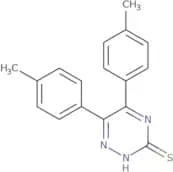
CAS:<p>Versatile small molecule scaffold</p>Formula:C14H15NO2·ClHPurity:Min. 95%Molecular weight:250.12 g/molBis(4-methylphenyl)-1,2,4-triazine-3-thiol
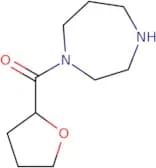
CAS:<p>Versatile small molecule scaffold</p>Formula:C17H15N3SPurity:Min. 95%Molecular weight:293.4 g/mol1-(Oxolane-2-carbonyl)-1,4-diazepane
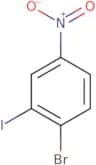
CAS:<p>Versatile small molecule scaffold</p>Formula:C10H18N2O2Purity:Min. 95%Molecular weight:198.26 g/mol4-Bromo-3-iodonitrobenzene
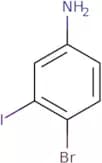
CAS:<p>4-Bromo-3-iodonitrobenzene is a pyrrole derivative that yields 4-bromo-3-iodobenzene upon treatment with palladium. It is a precursor to other products, such as 3-iodo-4-(pyrrolidinomethyl)benzoic acid and 4-(pyrrolidinomethyl)benzoic acid. This compound can be used in the synthesis of biomolecules, such as nucleosides, nucleotides, amino acids, peptides, and proteins. The synthesis of this compound involves deuterium exchange between the bromine and the hydrogen on the nitrogen atom. For example, if 4-bromo-3-iodonitrobenzene reacts with sodium methoxide in methanol it will produce 4-(methylamino)-3-(iodomethyl)aniline hydrochloride. The reaction yield of this</p>Formula:C6H3BrINO2Purity:Min. 95%Molecular weight:327.9 g/mol4-bromo-3-iodoaniline
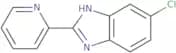
CAS:<p>4-Bromo-3-iodoaniline is a compound that can be used in cancer diagnosis. This substance has been shown to have high fluorescence properties and to emit light when exposed to radiation. The trifluoroacetic acid group makes this compound soluble in water, which is useful for medical purposes. 4-Bromo-3-iodoaniline has been shown to bind selectively to DNA and RNA, making it a potential diagnostic tool for cancer. It also shows great promise for use as a nanomaterial in biomedical imaging applications, such as optical imaging and magnetic resonance imaging (MRI).</p>Formula:C6H5BrINPurity:Min. 95%Molecular weight:297.9 g/mol6-Chloro-2-(pyridin-2-yl)-1H-1,3-benzodiazole
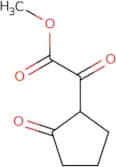
CAS:<p>Versatile small molecule scaffold</p>Formula:C12H8ClN3Purity:Min. 95%Molecular weight:229.66 g/molMethyl 2-oxo-2-(2-oxocyclopentyl)acetate
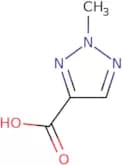
CAS:<p>Versatile small molecule scaffold</p>Formula:C8H10O4Purity:Min. 95%Molecular weight:170.16 g/mol2-Methyl-2H-1,2,3-triazole-4-carboxylic acid
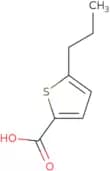
CAS:<p>Versatile small molecule scaffold</p>Formula:C4H5N3O2Purity:Min. 95%Molecular weight:127.1 g/mol5-Propyl-thiophene-2-carboxylic acid
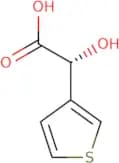
CAS:<p>5-Propyl-thiophene-2-carboxylic acid is a cyclic hydrocarbon that has been synthesized in an asymmetric synthesis. It has a monosubstituted hydrocarbon group and a heterocyclic group. The 5-propyl-thiophene-2-carboxylic acid is a liquid crystal, which means it can form three different phases, including the isotropic phase, the nematic phase, and the smectic phase. 5-Propyl-thiophene-2-carboxylic acid is also a cyclic compound and can be classified as being a heterocyclic.</p>Formula:C8H10O2SPurity:Min. 95%Molecular weight:170.23 g/mol(2R)-2-Hydroxy-2-(thiophen-3-yl)acetic acid
CAS:<p>Versatile small molecule scaffold</p>Formula:C6H6O3SPurity:Min. 95%Molecular weight:158.2 g/molN-{2-[4-(2-Chloroacetyl)phenyl]ethyl}acetamide
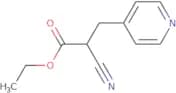
CAS:<p>Versatile small molecule scaffold</p>Formula:C12H14ClNO2Purity:Min. 95%Molecular weight:239.7 g/molEthyl 2-cyano-3-(pyridin-4-yl)propanoate
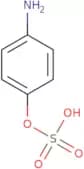
CAS:<p>Versatile small molecule scaffold</p>Formula:C11H12N2O2Purity:Min. 95%Molecular weight:204.22 g/mol4-Aminophenol sulfate(2:1)
CAS:<p>Versatile small molecule scaffold</p>Formula:C12H16N2O6SPurity:Min. 95%Color and Shape:PowderMolecular weight:316.33 g/mol2-{[(Pyridin-2-yl)methyl]amino}acetonitrile
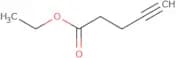
CAS:Versatile small molecule scaffoldFormula:C8H9N3Purity:Min. 95%Molecular weight:147.18 g/mol4-Pentynoic Acid Ethyl Ester
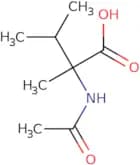
CAS:<p>4-Pentynoic acid ethyl ester (4PE) is a hematological agent that can be used to treat cancer. 4PE inhibits the growth of cancer cells by binding to the histone deacetylase enzyme, which is required for the transcription of genes that are involved in cell division and differentiation. The binding of 4PE to the enzyme causes it to become inactive, leading to inhibition of gene transcription and alteration of cellular metabolism. This results in decreased cell proliferation and an increase in apoptosis.</p>Formula:C7H10O2Purity:Min. 95%Molecular weight:126.15 g/mol2-Acetamido-2,3-dimethylbutanoic acid
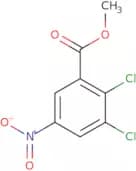
CAS:<p>Versatile small molecule scaffold</p>Formula:C8H15NO3Purity:Min. 95%Molecular weight:173.21 g/molMethyl 2,3-dichloro-5-nitrobenzoate
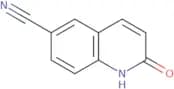
CAS:<p>Versatile small molecule scaffold</p>Formula:C8H5Cl2NO4Purity:Min. 95%Molecular weight:250.03 g/mol2-Oxo-1,2-dihydroquinoline-6-carbonitrile
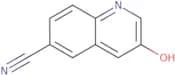
CAS:<p>Versatile small molecule scaffold</p>Formula:C10H6N2OPurity:Min. 95%Molecular weight:170.17 g/mol3-Hydroxyquinoline-6-carbonitrile
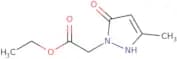
CAS:<p>Versatile small molecule scaffold</p>Formula:C10H6N2OPurity:Min. 95%Molecular weight:170.17 g/molEthyl 2-(5-hydroxy-3-methyl-1H-pyrazol-1-yl)acetate
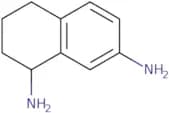
CAS:<p>Versatile small molecule scaffold</p>Formula:C8H12N2O3Purity:Min. 95%Molecular weight:184.19 g/mol1,2,3,4-Tetrahydronaphthalene-1,7-diamine
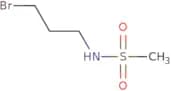
CAS:<p>Versatile small molecule scaffold</p>Formula:C10H14N2Purity:Min. 95%Molecular weight:162.23 g/molN-(3-Bromopropyl)methanesulfonamide
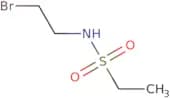
CAS:<p>Versatile small molecule scaffold</p>Formula:C4H10BrNO2SPurity:Min. 95%Molecular weight:216.1 g/molN-(2-Bromoethyl)ethane-1-sulfonamide
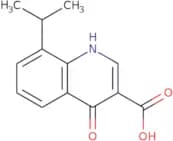
CAS:<p>Versatile small molecule scaffold</p>Formula:C4H10BrNO2SPurity:Min. 95%Molecular weight:216.1 g/mol4-Hydroxy-8-(propan-2-yl)quinoline-3-carboxylic acid
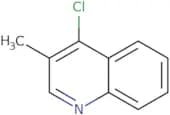
CAS:<p>4-Hydroxy-8-(propan-2-yl)quinoline-3-carboxylic acid (4HPCA) is a small molecule that binds to the epidermal growth factor receptor (EGFR). EGFR is a transmembrane protein that is found on the surface of cells. 4HPCA enhances EGFR signaling and induces cellular responses, such as cell proliferation, differentiation, and migration. Binding of 4HPCA to EGFR causes a conformational change in the receptor that activates downstream signaling pathways. This leads to the activation of genes involved in cell proliferation, differentiation, and migration. 4HPCA has been shown to inhibit tumor growth and reduce cancer markers in preclinical models of cancer.</p>Formula:C13H13NO3Purity:Min. 95%Molecular weight:231.25 g/mol4-Chloro-3-methylquinoline
CAS:<p>4-Chloro-3-methylquinoline is an intramolecular reaction that is catalyzed by a strong base. It is a reagent that reacts with azide to form the cyclized product. The mechanism of this reaction proceeds in two steps. In the first step, the methyleniminium cation intermediate is formed by intramolecular cyclization. This intermediate then reacts with the azide ion to form the desired product. 4-Chloro-3-methylquinoline can also be used as a sterically demanding methylene group when it undergoes electrophilic substitution reactions with alkyl halides and other nucleophiles.</p>Formula:C10H8ClNPurity:Min. 95%Molecular weight:177.63 g/mol4-Chloro-2,3-dimethylquinoline
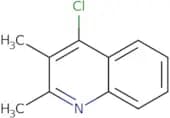
CAS:<p>Versatile small molecule scaffold</p>Formula:C11H10ClNPurity:Min. 95%Molecular weight:191.65 g/molMethyl[(2-methyl-1,3-thiazol-5-yl)methyl]amine
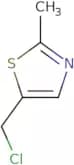
CAS:<p>Versatile small molecule scaffold</p>Formula:C6H10N2SPurity:Min. 95%Molecular weight:142.22 g/mol5-(Chloromethyl)-2-methyl-1,3-thiazole
CAS:<p>Versatile small molecule scaffold</p>Formula:C5H6ClNSPurity:Min. 95%Molecular weight:147.62 g/mol5-Bromo-3-fluoropentan-2-one
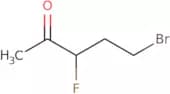
CAS:<p>Versatile small molecule scaffold</p>Formula:C5H8BrFOPurity:Min. 95%Molecular weight:183.02 g/mol3,5-Dibromopentan-2-one
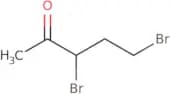
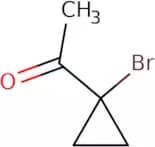
CAS:<p>Versatile small molecule scaffold</p>Formula:C5H8Br2OPurity:Min. 95%Molecular weight:243.92 g/mol1-(1-Bromocyclopropyl)ethanone
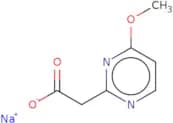
CAS:<p>Versatile small molecule scaffold</p>Formula:C5H7OBrPurity:Min. 95%Molecular weight:163.01 g/molSodium 2-(4-methoxypyrimidin-2-yl)acetate
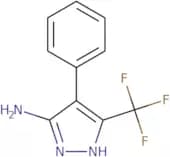
CAS:<p>Versatile small molecule scaffold</p>Formula:C7H7N2NaO3Purity:Min. 95%Molecular weight:190.1 g/mol4-Phenyl-3-(trifluoromethyl)-1H-pyrazol-5-amine
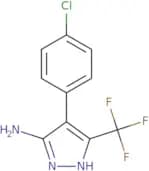
CAS:<p>Versatile small molecule scaffold</p>Formula:C10H8F3N3Purity:Min. 95%Molecular weight:227.19 g/mol4-(4-Chlorophenyl)-3-(trifluoromethyl)-1H-pyrazol-5-amine
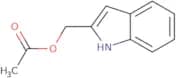
CAS:Versatile small molecule scaffoldFormula:C10H7N3F3ClPurity:Min. 95%Molecular weight:261.63 g/mol1H-Indol-2-ylmethyl acetate
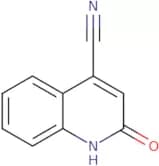
CAS:<p>Versatile small molecule scaffold</p>Formula:C11H11NO2Purity:Min. 95%Molecular weight:189.21 g/mol2-Oxo-1,2-dihydroquinoline-4-carbonitrile
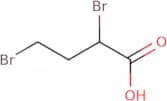
CAS:<p>Versatile small molecule scaffold</p>Formula:C10H6N2OPurity:Min. 95%Molecular weight:170.17 g/mol2,4-Dibromo-butyric acid
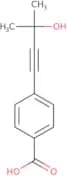
CAS:<p>2,4-Dibromo-butyric acid is an organic compound that is a dimethyl ester of 2,4-dibromobutanoic acid. It is used as a synthetic intermediate in the production of oximes and immobilized enzymes. 2,4-Dibromo-butyric acid has been shown to inhibit lipase activity and to reduce the production of proinflammatory cytokines such as tumor necrosis factor-α (TNF-α) and interleukin 1β (IL1β). The synthesis of 2,4-dibromo-butyric acid can be achieved by chemoenzymatic coupling of two molecules of bromobenzene with one molecule of ethyl acetate or with one molecule of ethoxycarbonyl chloride.</p>Formula:C4H6Br2O2Purity:Min. 95%Molecular weight:245.9 g/mol4-(3-Hydroxy-3-methylbut-1-yn-1-yl)benzoic acid
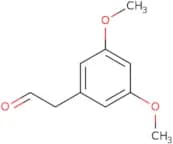
CAS:<p>Versatile small molecule scaffold</p>Formula:C12H12O3Purity:Min. 95%Molecular weight:204.22 g/mol2-(3,5-Dimethoxyphenyl)acetaldehyde
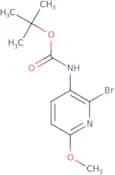
CAS:<p>Versatile small molecule scaffold</p>Formula:C10H12O3Purity:Min. 95%Molecular weight:180.2 g/moltert-Butyl N-(2-bromo-6-methoxypyridin-3-yl)carbamate
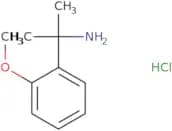
CAS:<p>Versatile small molecule scaffold</p>Formula:C11H15BrN2O3Purity:Min. 95%Molecular weight:303.15 g/mol2-(2-Methoxyphenyl)propan-2-amine hydrochloride
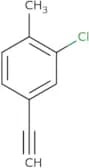
CAS:<p>Versatile small molecule scaffold</p>Formula:C10H16ClNOPurity:Min. 95%Molecular weight:201.69 g/mol2-Chloro-4-ethynyl-1-methylbenzene
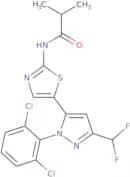
CAS:<p>Versatile small molecule scaffold</p>Formula:C9H7ClPurity:Min. 95%Molecular weight:150.6 g/molLIMKi 3
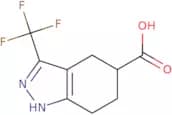
CAS:<p>LIMKi 3 is a sesquiterpene lactone that has been shown to activate the LIM kinase pathway. This pathway is involved in axonal growth, neuronal differentiation, and apoptosis. It has been shown to induce apoptosis in HL-60 cells and malignant brain cells. LIMKi 3 also inhibits HIV infection by interrupting the production of effector proteins such as tat and rev, which are necessary for viral replication. The compound has potent antitumor activity against human tumor cell lines in vitro and in vivo with no observed toxicity to normal tissues.</p>Formula:C17H14Cl2F2N4OSPurity:Min. 95%Molecular weight:431.29 g/mol3-(Trifluoromethyl)-4,5,6,7-tetrahydro-1H-indazole-5-carboxylic acid
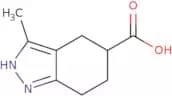
CAS:Versatile small molecule scaffoldFormula:C9H9F3N2O2Purity:Min. 95%Molecular weight:234.18 g/mol3-Methyl-4,5,6,7-tetrahydro-1H-indazole-5-carboxylic acid
CAS:<p>Versatile small molecule scaffold</p>Formula:C9H12N2O2Purity:Min. 95%Molecular weight:180.21 g/mol3-Methyl-1H,4H,5H,6H,7H-pyrazolo[4,3-b]pyridine
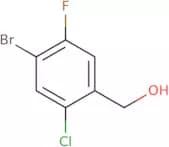
CAS:<p>Versatile small molecule scaffold</p>Formula:C7H11N3Purity:Min. 95%Molecular weight:137.18 g/mol4-bromo-2-chloro-5-fluorobenzyl alcohol
CAS:<p>Versatile small molecule scaffold</p>Formula:C7H5BrClFOPurity:Min. 95%Molecular weight:239.47 g/mol2-{5H,6H,7H,8H-[1,2,4]Triazolo[4,3-a]pyrazin-3-yl}pyridine dihydrochloride
CAS:<p>Versatile small molecule scaffold</p>Formula:C10H13Cl2N5Purity:Min. 95%Molecular weight:274.1 g/mol

![2-Bromo-5,7-dimethyl[1,2,4]triazolo[1,5-a]pyrimidine](/_next/image/?url=https%3A%2Fstatic.cymitquimica.com%2Fproducts%2F3D%2Fthumb-webp%2FNAA22338.webp&w=3840&q=75)
![[1,2,4]Triazolo[1,5-a]pyrimidin-2-ylamine](/_next/image/?url=https%3A%2Fstatic.cymitquimica.com%2Fproducts%2F3D%2Fthumb-webp%2FNAA22353.webp&w=3840&q=75)



![4-Hydroxy-7-methyl-[1,8]naphthyridine-3-carboxylic acid](/_next/image/?url=https%3A%2Fstatic.cymitquimica.com%2Fproducts%2F3D%2Fthumb-webp%2FNAA25097.webp&w=3840&q=75)
![[1,2,4]Triazolo[4,3-a]pyrazin-3-amine](/_next/image/?url=https%3A%2Fstatic.cymitquimica.com%2Fproducts%2F3D%2Fthumb-webp%2FNAA25812.webp&w=3840&q=75)
![2-[(2-Methoxyphenyl)amino]benzoic acid](/_next/image/?url=https%3A%2Fstatic.cymitquimica.com%2Fproducts%2F3D%2Fthumb-webp%2FNAA27832.webp&w=3840&q=75)
![1-[(2-Bromoethyl)sulfanyl]-4-chlorobenzene](/_next/image/?url=https%3A%2Fstatic.cymitquimica.com%2Fproducts%2F3D%2Fthumb-webp%2FNAA29031.webp&w=3840&q=75)
![4-[(2-Bromoethyl)sulfanyl]-1,2-dimethylbenzene](/_next/image/?url=https%3A%2Fstatic.cymitquimica.com%2Fproducts%2F3D%2Fthumb-webp%2FNAA29045.webp&w=3840&q=75)
![2-Acetamido-3-{1H-pyrrolo[2,3-b]pyridin-3-yl}propanoic acid](/_next/image/?url=https%3A%2Fstatic.cymitquimica.com%2Fproducts%2F3D%2Fthumb-webp%2FNCA02418.webp&w=3840&q=75)
![N-{2-[4-(2-Chloroacetyl)phenyl]ethyl}acetamide](/_next/image/?url=https%3A%2Fstatic.cymitquimica.com%2Fproducts%2F3D%2Fthumb-webp%2FNCA07741.webp&w=3840&q=75)
![2-{[(Pyridin-2-yl)methyl]amino}acetonitrile](/_next/image/?url=https%3A%2Fstatic.cymitquimica.com%2Fproducts%2F3D%2Fthumb-webp%2FNCA08629.webp&w=3840&q=75)
![Methyl[(2-methyl-1,3-thiazol-5-yl)methyl]amine](/_next/image/?url=https%3A%2Fstatic.cymitquimica.com%2Fproducts%2F3D%2Fthumb-webp%2FNCA13999.webp&w=3840&q=75)
![3-Methyl-1H,4H,5H,6H,7H-pyrazolo[4,3-b]pyridine](/_next/image/?url=https%3A%2Fstatic.cymitquimica.com%2Fproducts%2F3D%2Fthumb-webp%2FNDC24752.webp&w=3840&q=75)
![2-{5H,6H,7H,8H-[1,2,4]Triazolo[4,3-a]pyrazin-3-yl}pyridine dihydrochloride](/_next/image/?url=https%3A%2Fstatic.cymitquimica.com%2Fproducts%2F3D%2Fthumb-webp%2FNDC37574.webp&w=3840&q=75)