Building Blocks
This section contains fundamental products for the synthesis of organic and biological compounds. Building blocks are the essential starting materials used to construct complex molecules through various chemical reactions. They play a critical role in drug discovery, material science, and chemical research. At CymitQuimica, we offer a diverse range of high-quality building blocks to support your innovative research and industrial projects, ensuring you have the essential components for successful synthesis.
Subcategories of "Building Blocks"
- Boronic Acids & Boronic Acid Derivatives(5,756 products)
- Chiral Building Blocks(1,242 products)
- Hydrocarbon Building Blocks(6,093 products)
- Organic Building Blocks(60,529 products)
Found 195536 products of "Building Blocks"
Sort by
Purity (%)
0
100
|
0
|
50
|
90
|
95
|
100
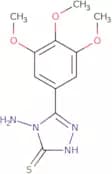
4-Amino-5-(3,4,5-trimethoxyphenyl)-4H-1,2,4-triazole-3-thiol
CAS:<p>Versatile small molecule scaffold</p>Formula:C11H14N4O3SPurity:Min. 95%Molecular weight:282.32 g/molBenzofuran-5-ylmethanol
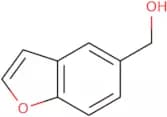
CAS:<p>Benzofuran-5-ylmethanol is an aromatic ether that finds applications in various industries such as research chemicals, medicines, and catalysts. It is used as a building block for the synthesis of compounds like oxalyl glycine, aldehyde dimers, and trifluoroacetic acid. Benzofuran-5-ylmethanol also exhibits antiviral properties and has been studied for its potential in inhibiting viral replication. Additionally, it is a precursor for the synthesis of phenylethylamine derivatives and polyunsaturated fatty acids. With its diverse range of applications, Benzofuran-5-ylmethanol serves as a valuable compound in the field of organic chemistry and industrial processes.</p>Formula:C9H8O2Purity:Min. 95%Molecular weight:148.16 g/mol5-hydroxy-4-methoxy-2-nitrobenzoic acid
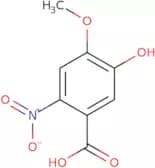
CAS:<p>5-hydroxy-4-methoxy-2-nitrobenzoic acid is a synthetic antioxidant that is synthesised from α-tocopherol. It has been shown to be an effective scavenger of hydroxyl radicals and reactive oxygen species, which are involved in the oxidative degradation of biomolecules. 5-Hydroxy-4-methoxy-2-nitrobenzoic acid can be used as an antioxidant in food and cosmetics. This compound also reacts with linoleic acid, forming a phenolic product, which has antioxidant activity.</p>Formula:C8H7NO6Purity:Min. 95%Molecular weight:213.14 g/mol2-Amino-5-hydroxy-4-methoxybenzoic acid
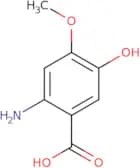
CAS:<p>Versatile small molecule scaffold</p>Formula:C8H9NO4Purity:Min. 95%Molecular weight:183.16 g/mol4-[(Dimethylamino)methyl]quinolin-3-ol dihydrochloride
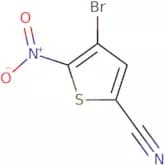
CAS:<p>Versatile small molecule scaffold</p>Formula:C12H16Cl2N2OPurity:Min. 95%Molecular weight:275.17 g/mol4-Bromo-5-nitrothiophene-2-carbonitrile
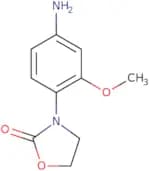
CAS:<p>Versatile small molecule scaffold</p>Formula:C5HBrN2O2SPurity:Min. 95%Molecular weight:233.04 g/mol3-(4-Amino-2-methoxyphenyl)-1,3-oxazolidin-2-one
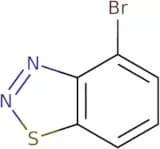
CAS:<p>Versatile small molecule scaffold</p>Formula:C10H12N2O3Purity:Min. 95%Molecular weight:208.21 g/mol4-Bromo-1,2,3-benzothiadiazole
CAS:<p>4-Bromo-1,2,3-benzothiadiazole is an electron donor and ligand that is used as a reagent in organic synthesis. It reacts with an electron acceptor to form a covalent bond. 4-Bromo-1,2,3-benzothiadiazole has been detected by mass spectroscopy and can be used as a molecular weight marker. It is insoluble in water at room temperature and has low solubility in most organic solvents. 4-Bromo-1,2,3-benzothiadiazole is the monomer for the polymerization of poly(4-bromophenylsulfonate) (PBPPS), which is used to produce polymers with different properties. 4-Bromo-1,2,3-benzothiadiazole also reacts with benzene to form 2-(4'-brom</p>Formula:C6H3BrN2SPurity:Min. 95%Molecular weight:215.07 g/mol5-Bromo-1,2,3-benzothiadiazole
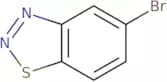
CAS:<p>Versatile small molecule scaffold</p>Formula:C6H3BrN2SPurity:Min. 95%Molecular weight:215.07 g/mol6-Bromo-1,2,3-benzothiadiazole
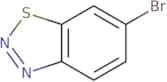
CAS:<p>Versatile small molecule scaffold</p>Formula:C6H3BrN2SPurity:Min. 95%Molecular weight:215.07 g/mol7-Bromobenzo[d][1,2,3]thiadiazole
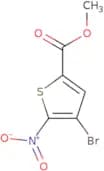
CAS:<p>Versatile small molecule scaffold</p>Formula:C6H3BrN2SPurity:Min. 95%Molecular weight:215.07 g/molMethyl 4-bromo-5-nitrothiophene-2-carboxylate
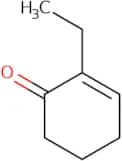
CAS:<p>Versatile small molecule scaffold</p>Formula:C6H4BrNO4SPurity:Min. 95%Molecular weight:266.07 g/mol2-Ethylcyclohex-2-en-1-one
CAS:<p>2-Ethylcyclohex-2-en-1-one is an organic compound that is used as a diluent, modifier, or additive for agricultural purposes. It has been shown to be utilizable in crop plants and to have a structural formula of C8H12O. This molecule has 5 membered heteroaryl rings with 1 carbon atom and 2 oxygen atoms on each ring. The emulsifying properties of 2-Ethylcyclohex-2-en-1-one are based on its carboxylic acid group. It is also used as a nitrogen source for plants. Nitro groups can be found on the molecule, which makes it sweet tasting and causes it to be readily oxidized by air.</p>Formula:C8H12OPurity:Min. 95%Molecular weight:124.18 g/mol1-{6-Oxa-3-azabicyclo[3.1.0]hexan-3-yl}ethan-1-one
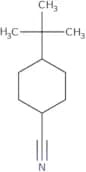
CAS:<p>Versatile small molecule scaffold</p>Formula:C6H9NO2Purity:Min. 95%Molecular weight:127.14 g/mol4-tert-Butylcyclohexane-1-carbonitrile
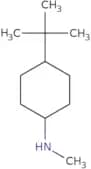
CAS:<p>4-tert-Butylcyclohexane-1-carbonitrile is a versatile chemical that can be used as a reagent in organic synthesis. It is a Grignard reagent, which is an alkoxide of magnesium that reacts with an alkyl halide to form an alcohol or an ether. The 4-tert-butylcyclohexane-1-carbonitrile can also be used for the arylation of ketones and for the stereospecific alkylation of primary amines. This compound has been shown to be effective in the deprotonation of tertiary amines and in the formation of cyclic carbonates. The nature of this molecule is chiral, giving it two possible structures: (R) and (S).</p>Formula:C11H19NPurity:Min. 95%Molecular weight:165.27 g/mol4-tert-Butyl-N-methylcyclohexan-1-amine
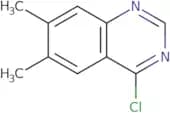
CAS:<p>Versatile small molecule scaffold</p>Formula:C11H23NPurity:Min. 95%Molecular weight:169.31 g/mol4-Chloro-6,7-dimethylquinazoline
CAS:<p>Versatile small molecule scaffold</p>Formula:C10H9ClN2Purity:Min. 95%Molecular weight:192.64 g/mol4H-Chromeno[4,3-d]thiazol-2-ylamine
CAS:<p>Versatile small molecule scaffold</p>Formula:C10H8N2OSPurity:Min. 95%Molecular weight:204.25 g/mol4H-Thiochromeno[4,3-d][1,3]thiazol-2-amine
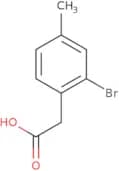
CAS:<p>Versatile small molecule scaffold</p>Formula:C10H8N2S2Purity:Min. 95%Molecular weight:220.3 g/mol2-(2-bromo-4-methylphenyl)acetic acid
CAS:<p>Versatile small molecule scaffold</p>Formula:C9H9BrO2Purity:Min. 95%Molecular weight:229.1 g/mol5H,6H,7H,8H,9H-Pyrimido[4,5-d]azepine
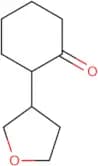
CAS:<p>Versatile small molecule scaffold</p>Formula:C8H11N3Purity:Min. 95%Molecular weight:149.19 g/mol2-(Oxolan-3-yl)cyclohexan-1-one
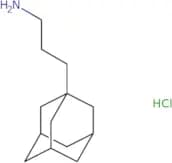
CAS:<p>Versatile small molecule scaffold</p>Formula:C10H16O2Purity:Min. 95%Molecular weight:168.23 g/mol3-(Adamantan-1-yl)propan-1-amine hydrochloride
CAS:<p>Versatile small molecule scaffold</p>Formula:C13H24ClNPurity:Min. 95%Molecular weight:229.79 g/mol4-(4-Nitrophenoxy)azetidin-2-one
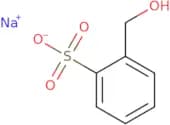
CAS:<p>Versatile small molecule scaffold</p>Formula:C9H8N2O4Purity:Min. 95%Molecular weight:208.17 g/molSodium 2-(hydroxymethyl)benzene-1-sulfonate
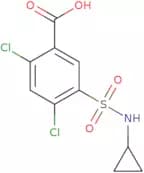
CAS:<p>Versatile small molecule scaffold</p>Formula:C7H7NaO4SPurity:Min. 95%Molecular weight:210.18 g/mol2,4-Dichloro-5-(cyclopropylsulfamoyl)benzoic acid
CAS:<p>Versatile small molecule scaffold</p>Formula:C10H9Cl2NO4SPurity:Min. 95%Molecular weight:310.15 g/molN-{1-Cyano-1-[(4-methoxyphenyl)methyl]ethyl}acetamide
CAS:<p>Versatile small molecule scaffold</p>Formula:C13H16N2O2Purity:Min. 95%Molecular weight:232.28 g/mol2-[Methyl(2-nitrophenyl)amino]acetic acid
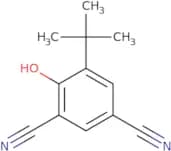
CAS:<p>Versatile small molecule scaffold</p>Formula:C9H10N2O4Purity:Min. 95%Molecular weight:210.19 g/mol5-tert-Butyl-4-hydroxybenzene-1,3-dicarbonitrile
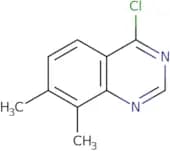
CAS:<p>Versatile small molecule scaffold</p>Formula:C12H12N2OPurity:Min. 95%Molecular weight:200.24 g/mol4-Chloro-7,8-dimethylquinazoline
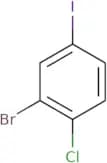
CAS:<p>Versatile small molecule scaffold</p>Formula:C10H9ClN2Purity:Min. 95%Molecular weight:192.64 g/mol2-Bromo-1-chloro-4-iodobenzene
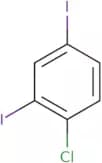
CAS:<p>Versatile small molecule scaffold</p>Formula:C6H3BrClIPurity:Min. 95%Molecular weight:317.35 g/mol1-Chloro-2,4-diiodobenzene
CAS:<p>Versatile small molecule scaffold</p>Formula:C6H3ClI2Purity:Min. 95%Molecular weight:364.35 g/mol5-Chloro-3-methylcatechol
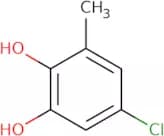
CAS:<p>5-Chloro-3-methylcatechol is a chemical that is produced as a byproduct during the chlorination of benzene. The conversion of 5-chloro-3,4-dihydroxybenzene to 5-chloro-3,4,5-trihydroxybenzene and 5,6-dichloroquinone is the first step in the production of this chemical. The second step involves the oxidation of 3,4,5-trihydroxybenzene to 3,4,5,-trihydroxyphenol by using oxygen or chlorine. This process produces 5-(chloromethyl)phenol as well as other products. The third step involves the decarboxylation of 5-(chloromethyl)phenol to produce methylcatechol. Methylcatechol can be dehydrogenated to catechol or oxidized to hydroquinone under different conditions.</p>Formula:C7H7ClO2Purity:Min. 95%Molecular weight:158.58 g/molO-Tritylhydroxylamine
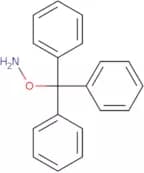
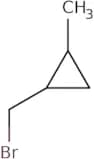
CAS:<p>O-Tritylhydroxylamine is a synthetic compound that is used as a reagent in organic synthesis. It is a hydrogen-bond donor and nitrogen nucleophile with the ability to form stable complexes with magnesium salts. O-Tritylhydroxylamine has been shown to inhibit leukemia cells by acting as an inhibitor of matrix metalloproteinase (MMP) activity, which prevents cancer cell invasion and metastasis. This compound has also been used in clinical studies for the treatment of infectious diseases such as pneumonia, tuberculosis, and malaria. The scalable synthesis of this molecule has been achieved using palladium complexes.</p>Formula:C19H17NOPurity:Min. 95%Molecular weight:275.35 g/mol1-(Bromomethyl)-2-methylcyclopropane, iastereomers
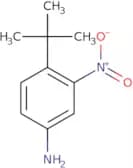
CAS:<p>Versatile small molecule scaffold</p>Formula:C5H9BrPurity:Min. 95%Molecular weight:149.03 g/mol4-tert-Butyl-3-nitroaniline
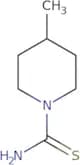
CAS:<p>Versatile small molecule scaffold</p>Formula:C10H14N2O2Purity:Min. 95%Molecular weight:194.23 g/mol4-Methylpiperidine-1-carbothioamide
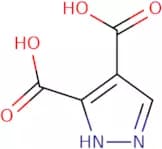
CAS:<p>Versatile small molecule scaffold</p>Formula:C7H14N2SPurity:Min. 95%Molecular weight:158.27 g/mol1H-Pyrazole-3,4-dicarboxylic acid
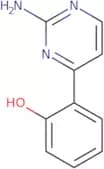
CAS:<p>1H-Pyrazole-3,4-dicarboxylic acid is an organic compound that is a white solid. It is a proton acceptor and stabilizer in ammonium formate. In the presence of amide and cyanoformate, it has been shown to inhibit neprilysin activity. 1H-Pyrazole-3,4-dicarboxylic acid also has membrane properties and can be used as a viscosity modifier for polyphosphoric acid. This compound also has some acid moieties that can modulate its solubility in organic solvents.</p>Formula:C5H4N2O4Purity:Min. 95%Molecular weight:156.1 g/mol2-(2-aminopyrimidin-4-yl)phenol
CAS:<p>2-(2-Aminopyrimidin-4-yl)phenol is an inhibitor of enzymes that catalyze the synthesis of nucleic acids. It inhibits the activity of DNA polymerase, RNA polymerase and ribonucleotide reductase. 2-(2-Aminopyrimidin-4-yl)phenol inhibits cell growth by blocking the production of nucleic acids, which are necessary for cellular division. This compound has potent inhibitory activity against tumor cells and may be useful as an antitumor agent.</p>Formula:C10H9N3OPurity:Min. 95%Molecular weight:187.19 g/molBicyclo[4.2.0]oct-2-en-7-one
CAS:<p>Versatile small molecule scaffold</p>Formula:C8H10OPurity:Min. 95%Molecular weight:122.16 g/mol2-Cyano-N-{[(3,4-dichlorophenyl)carbamothioyl]amino}acetamide
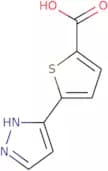
CAS:<p>2-Cyano-N-[(3,4-dichlorophenyl)carbamothioyl]acetamide (CDPTA) is a biochemical that belongs to the class of antifungal drugs. It is an inhibitor of transcription activators, which are required for the production of proteins in fungal cells. CDPTA has been shown to have pleiotropic effects on bacteria and is effective against both human and animal pathogens. CDPTA also inhibits the synthesis of protein, which may be due to its ability to inhibit efflux pumps in Candida glabrata.</p>Formula:C10H8Cl2N4OSPurity:Min. 95%Molecular weight:303.17 g/mol5-(1H-Pyrazol-3-yl)thiophene-2-carboxylic acid
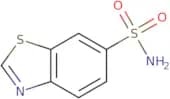
CAS:<p>Versatile small molecule scaffold</p>Formula:C8H6N2O2SPurity:Min. 95%Molecular weight:194.21 g/mol1,3-Benzothiazole-6-sulfonamide
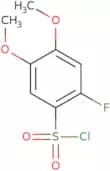
CAS:<p>Versatile small molecule scaffold</p>Formula:C7H6N2O2S2Purity:Min. 95%Molecular weight:214.3 g/mol2-Fluoro-4,5-dimethoxybenzene-1-sulfonyl chloride
CAS:<p>Versatile small molecule scaffold</p>Formula:C8H8ClFO4SPurity:Min. 95%Molecular weight:254.66 g/mol3-Oxo-3,4-dihydro-2H-benzo[b][1,4]thiazine-6-carboxylic acid 1,1-dioxide
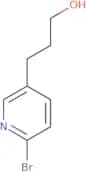
CAS:<p>Versatile small molecule scaffold</p>Formula:C9H7NO5SPurity:Min. 95%Molecular weight:241.22 g/mol3-(6-Bromopyridin-3-yl)propan-1-ol
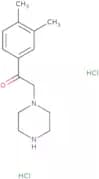
CAS:<p>Versatile small molecule scaffold</p>Formula:C8H10BrNOPurity:Min. 95%Molecular weight:216.08 g/mol1-(3,4-Dimethylphenyl)-2-(piperazin-1-yl)ethan-1-one dihydrochloride
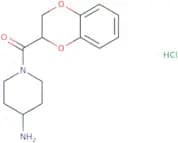
CAS:Controlled Product<p>Versatile small molecule scaffold</p>Formula:C14H22Cl2N2OPurity:Min. 95%Molecular weight:305.2 g/mol1-(2,3-Dihydro-1,4-benzodioxine-2-carbonyl)piperidin-4-amine hydrochloride
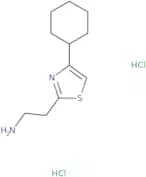
CAS:<p>Versatile small molecule scaffold</p>Formula:C14H19ClN2O3Purity:Min. 95%Molecular weight:298.76 g/mol2-(4-Cyclohexyl-1,3-thiazol-2-yl)ethan-1-amine dihydrochloride
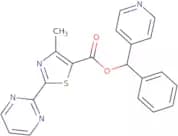
CAS:<p>Versatile small molecule scaffold</p>Formula:C11H20Cl2N2SPurity:Min. 95%Molecular weight:283.3 g/molPhenyl(pyridin-4-yl)methyl 4-methyl-2-(pyrimidin-2-yl)-1,3-thiazole-5-carboxylate
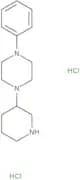
CAS:<p>Versatile small molecule scaffold</p>Formula:C21H16N4O2SPurity:Min. 95%Molecular weight:388.4 g/mol1-Phenyl-4-(piperidin-3-yl)piperazine dihydrochloride
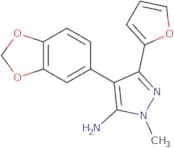
CAS:<p>Versatile small molecule scaffold</p>Formula:C15H25Cl2N3Purity:Min. 95%Molecular weight:318.3 g/mol4-(1,3-Dioxaindan-5-yl)-5-(furan-2-yl)-2-methyl-2,3-dihydro-1H-pyrazol-3-imine
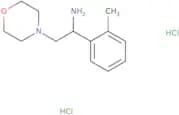
CAS:<p>Versatile small molecule scaffold</p>Formula:C15H13N3O3Purity:Min. 95%Molecular weight:283.28 g/mol1-(2-Methylphenyl)-2-(morpholin-4-yl)ethan-1-amine dihydrochloride
CAS:<p>Versatile small molecule scaffold</p>Formula:C13H22Cl2N2OPurity:Min. 95%Molecular weight:293.23 g/molPotassium 3-[4-(oxolane-2-carbonyl)piperazin-1-yl]propanoate
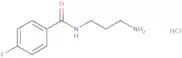
CAS:<p>Versatile small molecule scaffold</p>Formula:C12H19KN2O4Purity:Min. 95%Molecular weight:294.39 g/molN-(3-Aminopropyl)-4-fluorobenzamide hydrochloride
CAS:<p>Versatile small molecule scaffold</p>Formula:C10H14ClFN2OPurity:Min. 95%Molecular weight:232.68 g/mol1-{3-[(4-Methylphenyl)methoxy]phenyl}piperazine hydrochloride
CAS:<p>Versatile small molecule scaffold</p>Formula:C18H23ClN2OPurity:Min. 95%Molecular weight:318.8 g/molN-[3-(2-Aminoethoxy)phenyl]-4-methoxybenzamide hydrochloride
CAS:<p>Versatile small molecule scaffold</p>Formula:C16H19ClN2O3Purity:Min. 95%Molecular weight:322.78 g/mol4-[5-(5-Aminopentyl)-1,2,4-oxadiazol-3-yl]-2-methoxyphenol hydrochloride
CAS:<p>Versatile small molecule scaffold</p>Formula:C14H20ClN3O3Purity:Min. 95%Molecular weight:313.78 g/mol1-{3-[(4-Chlorophenyl)methoxy]phenyl}piperazine hydrochloride
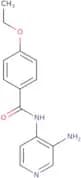
CAS:<p>Versatile small molecule scaffold</p>Formula:C17H20Cl2N2OPurity:Min. 95%Molecular weight:339.3 g/molN-(3-Aminopyridin-4-yl)-4-ethoxybenzamide
CAS:<p>Versatile small molecule scaffold</p>Formula:C14H15N3O2Purity:Min. 95%Molecular weight:257.29 g/mol[1-(2-Ethoxyethyl)cyclopentyl]methanamine
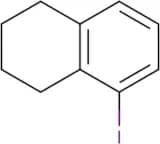
CAS:<p>Versatile small molecule scaffold</p>Formula:C10H21NOPurity:Min. 95%Molecular weight:171.28 g/mol5-Iodo-1,2,3,4-tetrahydro-naphthalene
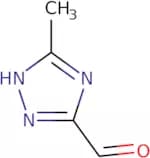
CAS:<p>Versatile small molecule scaffold</p>Formula:C10H11IPurity:Min. 95%Molecular weight:258.09 g/mol5-Methyl-4H-1,2,4-triazole-3-carbaldehyde
CAS:<p>5-Methyl-4H-1,2,4-triazole-3-carbaldehyde is a benzophenone analogue that has been shown to cause nervous system side effects in animals. It has been used as a pharmacological tool to study the effects of benzophenones on the central nervous system. 5-Methyl-4H-1,2,4-triazole-3-carbaldehyde is an amide derivative of triazolam. It is also an alprazolam and quinazoline class compound with a condensation reaction between methylamino and monoclinic acid.</p>Formula:C4H5N3OPurity:Min. 95%Molecular weight:111.1 g/mol3,4-Dichloro-5-nitropyridine
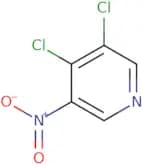
CAS:<p>Versatile small molecule scaffold</p>Formula:C5H2Cl2N2O2Purity:Min. 95%Molecular weight:192.99 g/mol6-Methyl-1H-indole-2-carbaldehyde
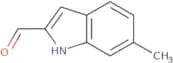
CAS:<p>Versatile small molecule scaffold</p>Formula:C10H9NOPurity:Min. 95%Molecular weight:159.18 g/mol7-chloroimidazo[1,2-c]pyrimidin-5(6h)-one
CAS:<p>Versatile small molecule scaffold</p>Formula:C6H4ClN3OPurity:Min. 95%Molecular weight:169.57 g/mol7-Chloro-1-hydroxynaphthalene
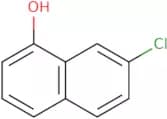
CAS:<p>7-Chloro-1-hydroxynaphthalene is a polycyclic aromatic hydrocarbon. It has been used to synthesize triazenes and solid phase polymers. 7-Chloro-1-hydroxynaphthalene is insoluble in the solvents used for most chemical reactions, but can be dissolved with tosyl chloride or arynes. It has been shown that substituents on the benzene ring have an effect on reactivity and lifetime. The substitution pattern of 7-chloro-1-hydroxynaphthalene affects its reactivity as well as other properties such as solubility, melting point, boiling point, density, and viscosity.</p>Formula:C10H7ClOPurity:Min. 95%Molecular weight:178.62 g/mol2,3,4-Triiodo-1H-pyrrole
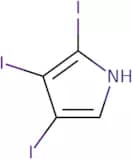
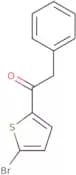
CAS:<p>2,3,4-Triiodo-1H-pyrrole is a model compound that is used to study the reactivity of the functional groups on the molecule. The functional groups include an olefinic group (double bond) and a carbonyl group (single bond). The reactivity of these functional groups depends on their position in the molecule. If they are on adjacent carbon atoms, they will have similar reactivity. This model compound is classified as a reductant because it can be reduced by glutathione and other reductants. It has been shown that 2,3,4-Triiodo-1H-pyrrole can be synthesized from salicylic acid and lead iodide in a reaction with catalytic amounts of sodium borohydride.</p>Formula:C4H2I3NPurity:Min. 95%Molecular weight:444.78 g/mol1-(5-Bromothiophen-2-yl)-2-phenylethan-1-one
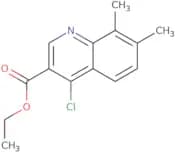
CAS:<p>Versatile small molecule scaffold</p>Formula:C12H9BrOSPurity:Min. 95%Molecular weight:281.17 g/molEthyl 4-Chloro-7,8-dimethylquinoline-3-carboxylate
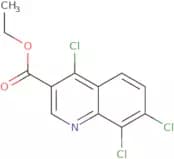
CAS:<p>Versatile small molecule scaffold</p>Formula:C14H14NO2ClPurity:Min. 95%Molecular weight:263.71 g/molEthyl 4,7,8-trichloroquinoline-3-carboxylate
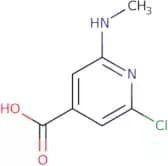
CAS:<p>Versatile small molecule scaffold</p>Formula:C12H8Cl3NO2Purity:Min. 95%Molecular weight:304.6 g/mol2-Chloro-6-(methylamino)pyridine-4-carboxylic acid
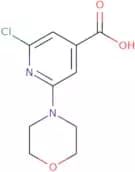
CAS:<p>Versatile small molecule scaffold</p>Formula:C7H7ClN2O2Purity:Min. 95%Molecular weight:186.59 g/mol2-Chloro-6-(morpholin-4-yl)pyridine-4-carboxylic acid
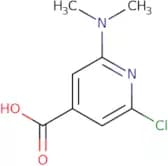
CAS:<p>Versatile small molecule scaffold</p>Formula:C10H11ClN2O3Purity:Min. 95%Molecular weight:242.66 g/mol2-Chloro-6-(dimethylamino)pyridine-4-carboxylic acid
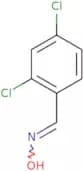
CAS:<p>Versatile small molecule scaffold</p>Formula:C8H9ClN2O2Purity:Min. 95%Molecular weight:200.62 g/mol2,4-Dichlorobenzaldoxime
CAS:<p>2,4-Dichlorobenzaldoxime is a molecule that contains two oxime groups, one of which has been stabilized by the formation of a hydrogen bond. The 2,4-dichlorobenzaldoxime isomer is centrosymmetric and can be stabilized in the solid state by dimerization.</p>Formula:C7H5Cl2NOPurity:Min. 95%Molecular weight:190.02 g/mol4-Chloro-2-ethylthieno[2,3-d]pyrimidine
CAS:<p>Versatile small molecule scaffold</p>Formula:C8H7ClN2SPurity:Min. 95%Molecular weight:198.67 g/mol4-Chloro-6-nitrothieno[2,3-d]pyrimidine
CAS:<p>Versatile small molecule scaffold</p>Formula:C6H2ClN3O2SPurity:Min. 95%Molecular weight:215.62 g/mol2-Ethyl-3H,4H-thieno[2,3-d]pyrimidin-4-one
CAS:<p>Versatile small molecule scaffold</p>Formula:C8H8N2OSPurity:Min. 95%Molecular weight:180.23 g/mol6-Bromothieno[2,3-d]pyrimidin-4(3h)-one
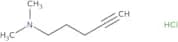
CAS:<p>Versatile small molecule scaffold</p>Formula:C6H3BrN2OSPurity:Min. 95%Molecular weight:231.07 g/molDimethyl(pent-4-yn-1-yl)amine hydrochloride
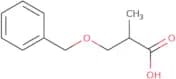
CAS:<p>Versatile small molecule scaffold</p>Formula:C7H14ClNPurity:Min. 95%Molecular weight:147.64 g/mol3-(Benzyloxy)-2-methylpropanoic acid
CAS:<p>3-(Benzyloxy)-2-methylpropanoic acid is a benzyloxymethyl derivative that reacts with formic acid to produce a hydroxypropionitrile. It is used in the industrial production of formic acid and as an intermediate in the synthesis of other organic compounds. 3-(Benzyloxy)-2-methylpropanoic acid can be reduced by sodium borohydride to give cyclopropane carboxylic acid, which can then be oxidized to cyclohexanone. The reduction reaction also results in debenzylation of the molecule, with subsequent preparation methods involving esterification or hydrolysis.</p>Formula:C11H14O3Purity:Min. 95%Molecular weight:194.23 g/molMethyl 4-(2-bromoethoxy)benzenecarboxylate
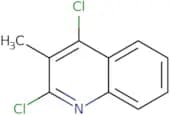
CAS:<p>Methyl 4-(2-bromoethoxy)benzenecarboxylate is a histamine receptor antagonist that has been shown to be active at the histamine H3 receptor. Methyl 4-(2-bromoethoxy)benzenecarboxylate can be used to treat depression and other disorders related to histamine, such as allergic reactions. This drug has also been shown to inhibit serotonin reuptake by acting on the serotonin transporter, thereby increasing serotonin levels in the brain. Methyl 4-(2-bromoethoxy)benzenecarboxylate is an effective drug for the treatment of depression with few side effects.</p>Formula:C10H11BrO3Purity:Min. 95%Molecular weight:259.1 g/mol2,4-dichloro-3-methylquinoline
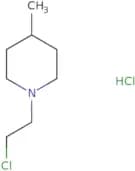
CAS:<p>Versatile small molecule scaffold</p>Formula:C10H7Cl2NPurity:Min. 95%Molecular weight:212.08 g/mol1-(2-Chloroethyl)-4-methylpiperidine hydrochloride
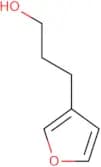
CAS:<p>Versatile small molecule scaffold</p>Formula:C8H17Cl2NPurity:Min. 95%Molecular weight:198.13 g/mol3-(Furan-3-yl)propan-1-ol
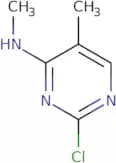
CAS:<p>Versatile small molecule scaffold</p>Formula:C7H10O2Purity:Min. 95%Molecular weight:126.15 g/mol(2-Chloro-5-methyl-pyrimidin-4-yl)-methyl-amine
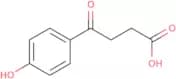
CAS:<p>Versatile small molecule scaffold</p>Formula:C6H8ClN3Purity:Min. 95%Molecular weight:157.6 g/mol4-(4-hydroxyphenyl)-4-oxobutanoic acid
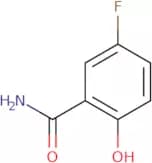
CAS:<p>Versatile small molecule scaffold</p>Formula:C10H10O4Purity:Min. 95%Molecular weight:194.18 g/mol5-Fluoro-2-hydroxybenzamide
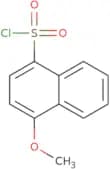
CAS:<p>Versatile small molecule scaffold</p>Formula:C7H6FNO2Purity:Min. 95%Molecular weight:155.13 g/mol4-Methoxynaphthalene-1-Sulfonyl Chloride
CAS:<p>Versatile small molecule scaffold</p>Formula:C11H9ClO3SPurity:Min. 95%Molecular weight:256.71 g/mol3-[(1-Hydroxy-2-methylpropan-2-yl)amino]-1λ⁶-thiolane-1,1-dione
CAS:<p>Versatile small molecule scaffold</p>Formula:C8H17NO3SPurity:Min. 95%Molecular weight:207.29 g/molEthyl 7-aminothieno[2,3-b]pyrazine-6-carboxylate
CAS:<p>Versatile small molecule scaffold</p>Formula:C9H9N3O2SPurity:Min. 95%Molecular weight:223.26 g/mol7-Aminothieno[2,3-b]pyrazine-6-carboxylic acid
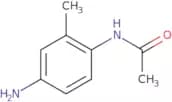
CAS:<p>7-Aminothieno[2,3-b]pyrazine-6-carboxylic acid is an organic solvent that is soluble in water. It has a nitrogen atom, two silver atoms and a fatty acid. This compound has shown to have insulin resistance properties when it was expressed in mice and rats. 7-Aminothieno[2,3-b]pyrazine-6-carboxylic acid also has the ability to inhibit the growth of bacteria. It binds to silver halide and halide ions, which are found in tissues, and can be used as a contrast agent for X-rays or MRI scans of tissues.</p>Formula:C7H5N3O2SPurity:Min. 95%Molecular weight:195.2 g/molN-(4-Amino-2-methylphenyl)acetamide
CAS:<p>4-Amino-2-methylphenylacetic acid (AMPA) is a chemical compound that has been used in the treatment of skin disorders. AMPA is not active when applied to the skin, but it can be converted to 4-amino-2-methylphenylacetamide (AMPAA), which is an effective treatment for psoriasis. This conversion can be achieved with keratinocyte cells, which are found in the outer layer of skin. The optimal conditions for this conversion include coculturing keratinocytes and thp-1 cells over a period of 48 hours. This process was demonstrated using a human keratinocyte cell line and thp-1 cells. The sensitivity of these cells to AMPA was tested by exposing them to increasing concentrations of AMPA until they were killed. The results showed that AMPA had no effect on keratinocyte cells, but at higher concentrations it had an adverse effect on thp-1 cells. It was also</p>Formula:C9H12N2OPurity:Min. 95%Molecular weight:164.21 g/mol4,6-Dimethylisothiazolo[5,4-b]pyridin-3-amine
CAS:<p>Versatile small molecule scaffold</p>Formula:C8H9N3SPurity:Min. 95%Molecular weight:179.24 g/mol2-[5-(2-Chlorophenyl)-1,3,4-oxadiazol-2-yl]benzoic acid
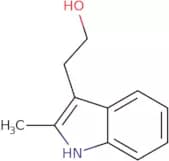
CAS:<p>Versatile small molecule scaffold</p>Formula:C15H9ClN2O3Purity:Min. 95%Molecular weight:300.69 g/mol2-(2-Methyl-1H-indol-3-yl)ethan-1-ol
CAS:<p>Versatile small molecule scaffold</p>Formula:C11H13NOPurity:Min. 95%Molecular weight:175.23 g/molBenzyl[2-(methylamino)ethyl]amine
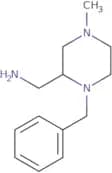
CAS:<p>Benzyl[2-(methylamino)ethyl]amine is a dopaminergic drug that has been shown to have cytotoxic effects. It has been shown to inhibit the proliferation of tumor xenografts in mice and is also known to have antitumor properties. Benzyl[2-(methylamino)ethyl]amine has also been shown to be an inhibitor of topoisomerase II, which can lead to DNA damage. The cytotoxicity of this drug may be due to its ability to inhibit bromopride-sensitive dopamine receptors in human tumor xenografts and domperidone-sensitive dopamine receptors in human tumor xenografts. This drug also inhibits the hydrolysis of metoclopramide by esterases, leading to increased levels of metoclopramide in the blood.</p>Formula:C10H16N2Purity:Min. 95%Molecular weight:164.25 g/mol(1-Benzyl-4-methylpiperazin-2-yl)methanamine
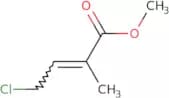
CAS:<p>Versatile small molecule scaffold</p>Formula:C13H21N3Purity:Min. 95%Molecular weight:219.33 g/molMethyl (2E)-4-chloro-2-methylbut-2-enoate
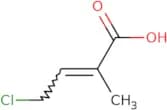
CAS:<p>Versatile small molecule scaffold</p>Formula:C6H9ClO2Purity:Min. 95%Molecular weight:148.59 g/mol(2E)-4-Chloro-2-methylbut-2-enoic acid
CAS:<p>2-Methylbutanoic acid is a chemical substance belonging to the group of organic compounds called carboxylic acids. It is an oxidized compound that reacts with hydrogen peroxide and ethylene in the presence of pyridine to produce 4-chloro-2-methylbut-2-enoic acid ethyl ester, which can then be hydrolyzed to produce 4-chloro-2-methylbutanoic acid ethyl ester. This reaction is catalyzed by lansoprazole. The industrial synthesis of 2-methylbutanoic acid ethyl ester from 2-methylbutanol and acetic acid has been successfully achieved on a large scale by reacting the former with chloromethyl peroxide.</p>Formula:C5H7ClO2Purity:Min. 95%Molecular weight:134.56 g/mol

![4-[(Dimethylamino)methyl]quinolin-3-ol dihydrochloride](/_next/image/?url=https%3A%2Fstatic.cymitquimica.com%2Fproducts%2F3D%2Fthumb-webp%2FGBA84224.webp&w=3840&q=75)
![7-Bromobenzo[d][1,2,3]thiadiazole](/_next/image/?url=https%3A%2Fstatic.cymitquimica.com%2Fproducts%2F3D%2Fthumb-webp%2FGBA86003.webp&w=3840&q=75)
![1-{6-Oxa-3-azabicyclo[3.1.0]hexan-3-yl}ethan-1-one](/_next/image/?url=https%3A%2Fstatic.cymitquimica.com%2Fproducts%2F3D%2Fthumb-webp%2FGBA86521.webp&w=3840&q=75)
![4H-Chromeno[4,3-d]thiazol-2-ylamine](/_next/image/?url=https%3A%2Fstatic.cymitquimica.com%2Fproducts%2F3D%2Fthumb-webp%2FGBA87768.webp&w=3840&q=75)
![4H-Thiochromeno[4,3-d][1,3]thiazol-2-amine](/_next/image/?url=https%3A%2Fstatic.cymitquimica.com%2Fproducts%2F3D%2Fthumb-webp%2FGBA87958.webp&w=3840&q=75)
![5H,6H,7H,8H,9H-Pyrimido[4,5-d]azepine](/_next/image/?url=https%3A%2Fstatic.cymitquimica.com%2Fproducts%2F3D%2Fthumb-webp%2FGBA88792.webp&w=3840&q=75)

![N-{1-Cyano-1-[(4-methoxyphenyl)methyl]ethyl}acetamide](/_next/image/?url=https%3A%2Fstatic.cymitquimica.com%2Fproducts%2F3D%2Fthumb-webp%2FGBA91539.webp&w=3840&q=75)
![2-[Methyl(2-nitrophenyl)amino]acetic acid](/_next/image/?url=https%3A%2Fstatic.cymitquimica.com%2Fproducts%2F3D%2Fthumb-webp%2FGBA91824.webp&w=3840&q=75)
![Bicyclo[4.2.0]oct-2-en-7-one](/_next/image/?url=https%3A%2Fstatic.cymitquimica.com%2Fproducts%2F3D%2Fthumb-webp%2FGBA99668.webp&w=3840&q=75)
![2-Cyano-N-{[(3,4-dichlorophenyl)carbamothioyl]amino}acetamide](/_next/image/?url=https%3A%2Fstatic.cymitquimica.com%2Fproducts%2F3D%2Fthumb-webp%2FGBB22254.webp&w=3840&q=75)
![3-Oxo-3,4-dihydro-2H-benzo[b][1,4]thiazine-6-carboxylic acid 1,1-dioxide](/_next/image/?url=https%3A%2Fstatic.cymitquimica.com%2Fproducts%2F3D%2Fthumb-webp%2FGBB81953.webp&w=3840&q=75)
![Potassium 3-[4-(oxolane-2-carbonyl)piperazin-1-yl]propanoate](/_next/image/?url=https%3A%2Fstatic.cymitquimica.com%2Fproducts%2F3D%2Fthumb-webp%2FGBC15460.webp&w=3840&q=75)
![1-{3-[(4-Methylphenyl)methoxy]phenyl}piperazine hydrochloride](/_next/image/?url=https%3A%2Fstatic.cymitquimica.com%2Fproducts%2F3D%2Fthumb-webp%2FGBC18041.webp&w=3840&q=75)
![N-[3-(2-Aminoethoxy)phenyl]-4-methoxybenzamide hydrochloride](/_next/image/?url=https%3A%2Fstatic.cymitquimica.com%2Fproducts%2F3D%2Fthumb-webp%2FGBC18246.webp&w=3840&q=75)
![4-[5-(5-Aminopentyl)-1,2,4-oxadiazol-3-yl]-2-methoxyphenol hydrochloride](/_next/image/?url=https%3A%2Fstatic.cymitquimica.com%2Fproducts%2F3D%2Fthumb-webp%2FGBC19235.webp&w=3840&q=75)
![1-{3-[(4-Chlorophenyl)methoxy]phenyl}piperazine hydrochloride](/_next/image/?url=https%3A%2Fstatic.cymitquimica.com%2Fproducts%2F3D%2Fthumb-webp%2FGBC19355.webp&w=3840&q=75)
![[1-(2-Ethoxyethyl)cyclopentyl]methanamine](/_next/image/?url=https%3A%2Fstatic.cymitquimica.com%2Fproducts%2F3D%2Fthumb-webp%2FGBC22910.webp&w=3840&q=75)
![7-chloroimidazo[1,2-c]pyrimidin-5(6h)-one](/_next/image/?url=https%3A%2Fstatic.cymitquimica.com%2Fproducts%2F3D%2Fthumb-webp%2FGCA81709.webp&w=3840&q=75)
![4-Chloro-2-ethylthieno[2,3-d]pyrimidine](/_next/image/?url=https%3A%2Fstatic.cymitquimica.com%2Fproducts%2F3D%2Fthumb-webp%2FGCA84411.webp&w=3840&q=75)
![4-Chloro-6-nitrothieno[2,3-d]pyrimidine](/_next/image/?url=https%3A%2Fstatic.cymitquimica.com%2Fproducts%2F3D%2Fthumb-webp%2FGCA84413.webp&w=3840&q=75)
![2-Ethyl-3H,4H-thieno[2,3-d]pyrimidin-4-one](/_next/image/?url=https%3A%2Fstatic.cymitquimica.com%2Fproducts%2F3D%2Fthumb-webp%2FGCA84439.webp&w=3840&q=75)
![6-Bromothieno[2,3-d]pyrimidin-4(3h)-one](/_next/image/?url=https%3A%2Fstatic.cymitquimica.com%2Fproducts%2F3D%2Fthumb-webp%2FGCA84440.webp&w=3840&q=75)

![3-[(1-Hydroxy-2-methylpropan-2-yl)amino]-1λ⁶-thiolane-1,1-dione](/_next/image/?url=https%3A%2Fstatic.cymitquimica.com%2Fproducts%2F3D%2Fthumb-webp%2FGCA87892.webp&w=3840&q=75)
![Ethyl 7-aminothieno[2,3-b]pyrazine-6-carboxylate](/_next/image/?url=https%3A%2Fstatic.cymitquimica.com%2Fproducts%2F3D%2Fthumb-webp%2FGCA88121.webp&w=3840&q=75)
![7-Aminothieno[2,3-b]pyrazine-6-carboxylic acid](/_next/image/?url=https%3A%2Fstatic.cymitquimica.com%2Fproducts%2F3D%2Fthumb-webp%2FGCA88131.webp&w=3840&q=75)
![4,6-Dimethylisothiazolo[5,4-b]pyridin-3-amine](/_next/image/?url=https%3A%2Fstatic.cymitquimica.com%2Fproducts%2F3D%2Fthumb-webp%2FGCA89166.webp&w=3840&q=75)
![2-[5-(2-Chlorophenyl)-1,3,4-oxadiazol-2-yl]benzoic acid](/_next/image/?url=https%3A%2Fstatic.cymitquimica.com%2Fproducts%2F3D%2Fthumb-webp%2FGCA89441.webp&w=3840&q=75)
![Benzyl[2-(methylamino)ethyl]amine](/_next/image/?url=https%3A%2Fstatic.cymitquimica.com%2Fproducts%2F3D%2Fthumb-webp%2FGCA90409.webp&w=3840&q=75)