Building Blocks
This section contains fundamental products for the synthesis of organic and biological compounds. Building blocks are the essential starting materials used to construct complex molecules through various chemical reactions. They play a critical role in drug discovery, material science, and chemical research. At CymitQuimica, we offer a diverse range of high-quality building blocks to support your innovative research and industrial projects, ensuring you have the essential components for successful synthesis.
Subcategories of "Building Blocks"
- Boronic Acids & Boronic Acid Derivatives(5,756 products)
- Chiral Building Blocks(1,242 products)
- Hydrocarbon Building Blocks(6,095 products)
- Organic Building Blocks(61,038 products)
Found 196817 products of "Building Blocks"
Sort by
Purity (%)
0
100
|
0
|
50
|
90
|
95
|
100
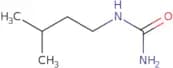
(3-Methylbutyl)urea
CAS:<p>(3-Methylbutyl)urea is a quinoline derivative that inhibits the growth of cancer cells by binding to and inhibiting the activity of the b-raf protein tyrosine kinase. This drug has been shown to inhibit the growth of muscle cells, which may be related to its ability to block programmed cell death. (3-Methylbutyl)urea also has been shown to exhibit strong anti-inflammatory properties in animal models. It is thought that this property is due to its ability to inhibit the production of TNF-α and other inflammatory mediators. (3-Methylbutyl)urea binds strongly with bile acids, forming an insoluble complex that prevents their reabsorption from the intestine. This effect can be exploited for treatment of certain autoimmune diseases by reducing bile acid levels in the intestine.</p>Formula:C6H14N2OPurity:Min. 95%Molecular weight:130.19 g/mol[1-(2-Chlorophenyl)-1H-1,2,3-triazol-5-yl]methanol
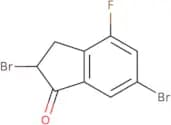
CAS:<p>Versatile small molecule scaffold</p>Formula:C9H8ClN3OPurity:Min. 95%Molecular weight:209.63 g/mol2,6-Dibromo-4-fluoro-2,3-dihydro-1H-inden-1-one
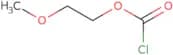
CAS:<p>Versatile small molecule scaffold</p>Formula:C9H5Br2FOPurity:Min. 95%Molecular weight:307.94 g/mol2-Methoxyethyl Chloroformate
CAS:<p>2-Methoxyethyl chloroformate is an organic chemical compound that has a hydroxyl group. It is also known as 2-Methoxyethyl acetate or MEC. This substance can be used to produce other chemicals such as pharmaceuticals, pesticides, and herbicides. 2-Methoxyethyl chloroformate is used in the synthesis of peptides and proteins, which are important for cellular functions. The compound has been shown to have antimicrobial activity against gram positive bacteria such as Staphylococcus aureus and Streptococcus pyogenes, but is not active against gram negative bacteria such as Escherichia coli.<br>2-Methoxyethyl chloroformate has also been shown to be effective in the treatment of inflammatory pain caused by protease activity (e.g., inflammation) and trigeminal neuralgia (e.g., nerve pain).</p>Formula:C4H7ClO3Purity:Min. 85 Area-%Molecular weight:138.55 g/mol3-Chloropropyl Chloroformate
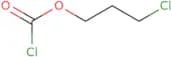
CAS:<p>3-Chloropropyl chloroformate is a chemical that is used in the laboratory to cleave C-H bonds. It has been shown to have an affinity for bromodomains, which are protein structures found in the cell nucleus. 3-Chloropropyl chloroformate has also been shown to have a high rate of reaction with carbonic anhydrase, leading to its use as a control experiment in kinetics studies. This compound reacts with chlorine gas to form chloroformates and ionizing solvents such as acetone and dichloromethane. 3-Chloropropyl chloroformate is also used in some pharmaceuticals and pesticides, including glaucoma drugs like acetazolamide and carbonic anhydrase inhibitors like ethoxzolamide.</p>Formula:C4H6Cl2O2Purity:Min. 95%Molecular weight:156.99 g/mol1-tert-Butyl-6-chloro-3-methyl-1H-pyrazolo[3,4-b]pyridine-5-carbaldehyde
CAS:<p>Versatile small molecule scaffold</p>Formula:C12H14ClN3OPurity:Min. 95%Molecular weight:251.71 g/molRETRO-2
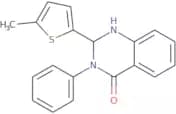
CAS:<p>RETRO-2 is a molecule that is used in the study of cancer and other diseases. RETRO-2 targets protein synthesis by interacting with mRNA, which prevents it from being translated into proteins. This inhibition can lead to cell death. RETRO-2 has been shown to inhibit the growth of leishmania cells and herpes simplex virus (HSV). It has also been shown to inhibit cervical cancer cells by inhibiting protein synthesis at the level of mRNA translation. The mechanism for RETRO-2’s effects on protein synthesis are still not fully understood.</p>Formula:C19H16N2OSPurity:Min. 95%Molecular weight:320.41 g/moltert-Butyl N-(2-methyl-3-oxobutan-2-yl)carbamate
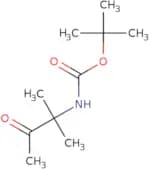
CAS:<p>Versatile small molecule scaffold</p>Formula:C10H19NO3Purity:Min. 95%Molecular weight:201.26 g/moltert-Butyl N-(4-propylpiperidin-4-yl)carbamate
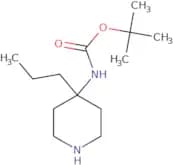
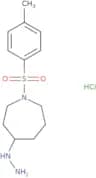
CAS:<p>Versatile small molecule scaffold</p>Formula:C13H26N2O2Purity:Min. 95%Molecular weight:242.4 g/mol4-Hydrazinyl-1-(4-methylbenzenesulfonyl)azepane hydrochloride
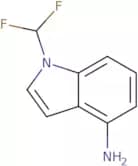
CAS:<p>Versatile small molecule scaffold</p>Formula:C13H22ClN3O2SPurity:Min. 95%Molecular weight:319.85 g/mol1-(Difluoromethyl)-1H-indol-4-amine
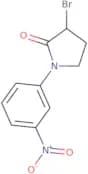
CAS:<p>Versatile small molecule scaffold</p>Formula:C9H8F2N2Purity:Min. 95%Molecular weight:182.17 g/mol3-Bromo-1-(3-nitrophenyl)pyrrolidin-2-one
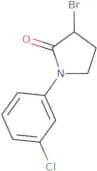
CAS:<p>Versatile small molecule scaffold</p>Formula:C10H9BrN2O3Purity:Min. 95%Molecular weight:285.09 g/mol3-Bromo-1-(3-chlorophenyl)pyrrolidin-2-one
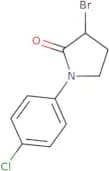
CAS:<p>Versatile small molecule scaffold</p>Formula:C10H9BrClNOPurity:Min. 95%Molecular weight:274.54 g/mol3-Bromo-1-(4-chlorophenyl)pyrrolidin-2-one
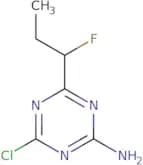
CAS:<p>Versatile small molecule scaffold</p>Formula:C10H9BrClNOPurity:Min. 95%Molecular weight:274.54 g/mol4-Chloro-6-(1-fluoropropyl)-1,3,5-triazin-2-amine
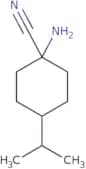
CAS:<p>Versatile small molecule scaffold</p>Formula:C6H8ClFN4Purity:Min. 95%Molecular weight:190.6 g/mol1-Amino-4-(propan-2-yl)cyclohexane-1-carbonitrile
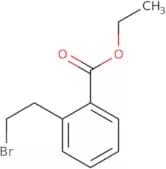
CAS:<p>Versatile small molecule scaffold</p>Formula:C10H18N2Purity:Min. 95%Molecular weight:166.26 g/molEthyl 2-(2-Bromoethyl)benzoate
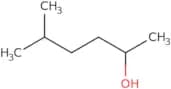
CAS:<p>Versatile small molecule scaffold</p>Formula:C11H13BrO2Purity:Min. 95%Molecular weight:257.13 g/mol5-Methyl-2-hexanol
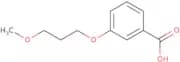
CAS:<p>5-Methyl-2-hexanol is a gas sensor that is used to detect hydrogen gas. It has been shown to be a potent inhibitor of the enzyme catalase, which is involved in the decomposition of hydrogen peroxide into water and oxygen. 5-Methyl-2-hexanol has also been found to be an effective solvent for the extraction of carotenoids from plant tissues and can be used as a chromatographic stationary phase with other solvents. 5-Methyl-2-hexanol reacts with primary alcohols, aldehydes, and ethyl esters to produce profiles that are characteristic of each substance.</p>Formula:C7H16OPurity:Min. 95%Molecular weight:116.2 g/mol3-(3-Methoxypropoxy)benzoic acid
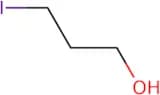
CAS:<p>Versatile small molecule scaffold</p>Formula:C11H14O4Purity:Min. 95%Molecular weight:210.23 g/mol3-Iodopropanol
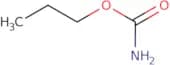
CAS:<p>3-Iodopropanol is an analog of flavonoids derivatives that can be degraded to 3-iodopropionic acid. It is used as a molecular building block in the synthesis of drugs, such as anti-influenza drugs and cancer therapeutics. The synthesis process produces a mixture of stereoisomers that can be separated by high-performance liquid chromatography. This compound has been shown to have high fluorescence properties and redox potentials. 3-Iodopropanol also has anti-inflammatory properties, which may be due to its ability to inhibit the production of prostaglandins in the prostate gland.</p>Formula:C3H7IOPurity:Min. 95%Molecular weight:185.99 g/molN-Propyl carbamate
CAS:<p>N-Propyl carbamate is a fluorescent detector that is used to detect β-aminopropionic acid. It reacts with the 3-mercaptopropionic acid present in the skin tumor cells, causing them to fluoresce. This reaction can be detected by a fluorescence detector. The method of detection of anthelmintic drugs using N-propyl carbamate has been developed using chromatographic and spectrophotometric methods for the separation and identification of carboethoxy groups. The mutant strain was found to be resistant to this drug, so it is not considered to be an effective anthelmintic drug.</p>Formula:C4H9NO2Purity:Min. 95%Molecular weight:103.12 g/molValeramide
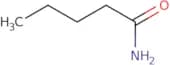
CAS:<p>Valeramide is a drug that has clinical relevance for the treatment of HIV infection. Valeramide is an intramolecular hydrogen transfer catalyst with metastable properties. It is found in hl-60 cells and red blood cells, where it may play a role in the metabolism of hydrochloric acid and acetate extract. The reaction solution can be described as follows: Valeramide + HCl → Valeric acid + Hydrochloric acid The kinetic constant for this reaction is 2.5 × 10 M/s, and the equilibrium constant can be calculated using simple kinetics equations.</p>Formula:C5H11NOPurity:Min. 95%Molecular weight:101.15 g/mol2-(tert-Butyldimethylsilyloxy)naphthalene-6-boronic acid
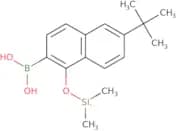
CAS:<p>2-(tert-Butyldimethylsilyloxy)naphthalene-6-boronic acid is a receptor modulator that is a boronate ester. It has estrogenic activity and may be used as an estrogen receptor modulator. 2-(tert-Butyldimethylsilyloxy)naphthalene-6-boronic acid binds to the estrogen receptor, which alters its structure and function. This leads to the activation of transcription factors that regulate gene expression. 2-(tert-Butyldimethylsilyloxy)naphthalene-6-boronic acid has been shown to inhibit proliferation of human breast cancer cells (MCF7). The phenyl group on the naphthalene ring may be responsible for this effect.</p>Formula:C16H23BO3SiPurity:Min. 95%Molecular weight:302.25 g/molMethyl 3-(thiophen-3-yl)propanoate
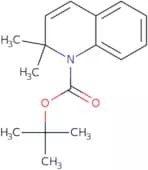
CAS:<p>Versatile small molecule scaffold</p>Formula:C8H10O2SPurity:Min. 95%Molecular weight:170.23 g/moltert-Butyl 2,2-dimethyl-1,2-dihydroquinoline-1-carboxylate
CAS:<p>Versatile small molecule scaffold</p>Formula:C16H21NO2Purity:Min. 95%Molecular weight:259.34 g/mol1-Bromo-4-methylpentane
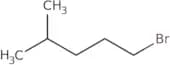
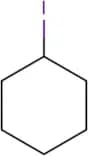
CAS:<p>1-Bromo-4-methylpentane is a long-chain, dehydrohalogenated pheromone that has been shown to inhibit the growth of Leishmania by binding to the topoisomerase enzyme. This compound is synthesized from heptadecane and chloroacetonitrile in the presence of cuprate and tetrahydrofuran. 1-Bromo-4-methylpentane has also been shown to be an alkylating agent. It reacts with chloride, converting it into chloroform. The bromine atom on the carbon adjacent to the double bond then attacks a fatty acid, adding it to the molecule. The resulting alkoxycarbonyl group then reacts with a second fatty acid molecule, yielding a new 1-bromoalkoxycarbonyl group.</p>Formula:C6H13BrPurity:Min. 95%Molecular weight:165.07 g/molIodocyclohexane
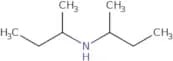
CAS:<p>Iodocyclohexane is an antimicrobial agent that has the chemical formula CHClI. It is a colorless, volatile liquid which has been shown to have some antibacterial properties. Iodocyclohexane is not toxic when applied externally to the skin and has been used in medical devices such as eye drops, ointments, and ear drops. Iodocyclohexane is also used in agriculture as a fungicide. The chemical structure of iodocyclohexane includes a hydroxyl group (-OH) and a nitrogen atom (N). These two groups make it more resistant to degradation by bacteria or fungi. The presence of these two groups also provides iodocyclohexane with biological properties such as the ability to inhibit bacterial growth and prevent the formation of resistant mutant strains.</p>Formula:C6H11IPurity:Min. 95%Molecular weight:210.06 g/molDi-sec-butylamine
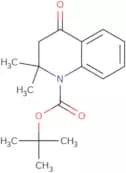
CAS:<p>Di-sec-butylamine is an organic compound that is used in the production of polyurethane. It is a colorless liquid with a fishy odor. Di-sec-butylamine can be used as an alternative to ethylene diamine for the production of polyurethanes, which are used in the manufacture of furniture, carpets and other materials. Di-sec-butylamine has been shown to have good chemical stability and is not susceptible to hydrolysis. It also has a low molecular weight and high solubility in water, which makes it suitable for use in vivo analysis of glucose levels. The synthesis of di-sec-butylamine involves the reaction between methyl chloride and ammonia, with the addition of hydrogen peroxide as a catalyst. This process yields a dibutyl amine molecule with two secondary amines and one tertiary amine group on either side of the molecule's central carbon atom.<br>The inter</p>Formula:C8H19NPurity:Min. 95%Molecular weight:129.24 g/moltert-Butyl 2,2-dimethyl-4-oxo-3,4-dihydroquinoline-1(2H)-carboxylate
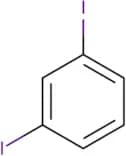
CAS:<p>Versatile small molecule scaffold</p>Formula:C16H21NO3Purity:Min. 95%Molecular weight:275.35 g/mol1,3-Diiodobenzene
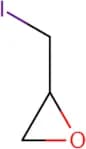
CAS:<p>1,3-Diiodobenzene is a chemical compound that is used in homogeneous catalysts. It has been shown to be an excellent catalyst for the synthesis of 1,2-diols from ketones and aldehydes. It also has asymmetric synthesis methods and can be used as a x-ray structure model system. 1,3-Diiodobenzene can be synthesized by the reaction of benzene with iodine in the presence of silver nitrate. The linear mechanism of this reaction is shown below:</p>Formula:C6H4I2Purity:Min. 95%Molecular weight:329.91 g/mol2-(Iodomethyl)oxirane
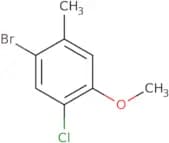
CAS:<p>2-(Iodomethyl)oxirane is a chemical compound that contains a hydroxyl group, two nitrogen atoms, and a single hydrochloric acid molecule. It is not soluble in water and is only slightly soluble in organic solvents. 2-(Iodomethyl)oxirane can be used to remove pollutants from wastewater. This chemical reacts with the carboxylic acid groups on the pollutant molecules to form an ester. The ester can then be broken down by enzymes or by heating it to produce the original hydroxy group and carboxylic acid. 2-(Iodomethyl)oxirane has been shown to react with aliphatic hydrocarbons, naphthalene, fatty acids, alkynyl groups, alkanoic acids, and carbonyl groups.</p>Formula:C3H5IOPurity:Min. 95%Molecular weight:183.98 g/mol4-Bromo-2-chloro-5-methylanisole
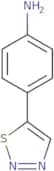
CAS:<p>Versatile small molecule scaffold</p>Formula:C8H8BrClOPurity:Min. 95%Molecular weight:235.51 g/mol4-(1,2,3-Thiadiazol-5-yl)aniline
CAS:<p>Versatile small molecule scaffold</p>Formula:C8H7N3SPurity:Min. 95%Molecular weight:177.23 g/molN,N-Dimethyl-5-[(methylamino)methyl]pyridin-2-amine
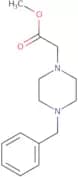
CAS:<p>Versatile small molecule scaffold</p>Formula:C9H15N3Purity:Min. 95%Molecular weight:165.24 g/molMethyl 2-(4-benzylpiperazin-1-yl)acetate
CAS:<p>Versatile small molecule scaffold</p>Formula:C14H20N2O2Purity:Min. 95%Molecular weight:248.32 g/molMethyl 2-amino-2-(3-hydroxyphenyl)acetate hydrochloride
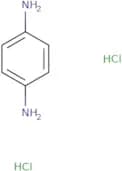
CAS:<p>Versatile small molecule scaffold</p>Formula:C9H12ClNO3Purity:Min. 95%Molecular weight:217.65 g/mol1,4-Phenylenediamine dihydrochloride
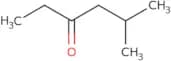
CAS:<p>1,4-Phenylenediamine dihydrochloride is a compound that is used as an excipient in pharmaceutical preparations and as a reactant in the production of biodiesel. It has been shown to have toxic effects on the respiratory system in animals and can cause mitochondrial dysfunction. In addition, 1,4-Phenylenediamine dihydrochloride has been found to be carcinogenic in animal tests and may affect protein synthesis. 1,4-Phenylenediamine dihydrochloride has also been shown to inhibit ATP levels in liver cells and increase the levels of an inorganic acid called lactic acid.</p>Formula:C6H4(NH2)2•(HCl)2Purity:Min. 95%Molecular weight:181.06 g/molEthyl isobutyl ketone
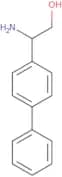
CAS:<p>Ethyl isobutyl ketone, also known as acetone, belongs to the group of aliphatic ketones. It is a colorless and volatile liquid that has a sweet odor. Ethyl isobutyl ketone can be used in the synthesis of pharmaceuticals, dyes, and perfumes. In addition to this, it has shown to have properties of a solvent in organic chemistry and as an active oxygen source in electrochemical impedance spectroscopy. This product also has functional groups such as hydroxy and carbonyl groups that are responsible for its solvency in water and its viscosity. Nitro and hydroxyl groups on the other hand are responsible for its solvency in water vapor.</p>Formula:C7H14OPurity:Min. 95%Molecular weight:114.19 g/mol2-Amino-2-(4-phenylphenyl)ethan-1-ol
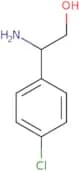
CAS:<p>Versatile small molecule scaffold</p>Formula:C14H15NOPurity:Min. 95%Molecular weight:213.27 g/molb-Amino-4-chlorobenzeneethanol
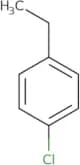
CAS:<p>Versatile small molecule scaffold</p>Formula:C8H10ClNOPurity:Min. 95%Molecular weight:171.62 g/mol1-Chloro-4-ethylbenzene
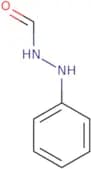
CAS:<p>1-Chloro-4-ethylbenzene is a naphthalene derivative that is used in the manufacture of dyes. It has been shown to be a potent inhibitor of hepatic enzymes, such as cytochrome P450, and can inhibit the activity of some bacterial enzymes, such as DNA gyrase. The reaction products from 1-chloro-4-ethylbenzene are chloride and energy (kinetic energy). In vitro assays have demonstrated that 1-chloro-4-ethylbenzene inhibits human liver microsomal cytochrome P450 and other enzyme activities. Clinical use includes treatment of hyperbilirubinemia in neonates with Crigler–Najjar syndrome.</p>Formula:C8H9ClPurity:Min. 95%Molecular weight:140.61 g/molN'-Phenylcarbohydrazide
CAS:<p>N'-Phenylcarbohydrazide is an anion that binds to the nitrogen atom in the ammonium ion. It can be hydrolysed by a feedback inhibition mechanism. This compound has been used as a precursor for various analogues, often those of carbonyl compounds. N'-Phenylcarbohydrazide is also used as a reagent in organic synthesis and has been shown to inhibit bacterial growth when used at high concentrations.</p>Formula:C7H8N2OPurity:Min. 95%Molecular weight:136.15 g/mol1,3-Bis[(4-nitrophenyl)amino]urea
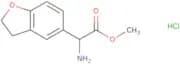
CAS:<p>Versatile small molecule scaffold</p>Formula:C13H12N6O5Purity:Min. 95%Molecular weight:332.27 g/molMethyl 2-amino-2-(2,3-dihydro-1-benzofuran-5-yl)acetate hydrochloride
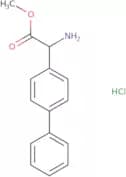
CAS:<p>Versatile small molecule scaffold</p>Formula:C11H14ClNO3Purity:Min. 95%Molecular weight:243.68 g/molMethyl 2-amino-2-(4-phenylphenyl)acetate hydrochloride
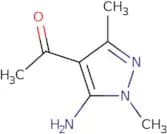
CAS:<p>Versatile small molecule scaffold</p>Formula:C15H16ClNO2Purity:Min. 95%Molecular weight:277.74 g/mol1-(5-Amino-1,3-dimethyl-1H-pyrazol-4-yl)ethan-1-one
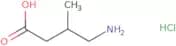
CAS:<p>Versatile small molecule scaffold</p>Formula:C7H11N3OPurity:Min. 95%Molecular weight:153.18 g/mol(3S)-4-Amino-3-methylbutanoic acid hydrochloride
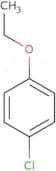
CAS:<p>Versatile small molecule scaffold</p>Formula:C5H12ClNO2Purity:Min. 95%Molecular weight:153.61 g/mol4-Chlorophenetole
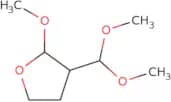
CAS:<p>4-Chlorophenetole is a colorless gas with a pungent odor that is soluble in water. It is used as an intermediate for organic synthesis, being converted to piperidine in the presence of sodium formate and hydrogen chloride. 4-Chlorophenetole can be prepared by reduction of naphthalene with sodium and ethylene or by treatment with sodium metal. 4-Chlorophenetole has been used as an insecticide but its toxicity to mammals has made it less desirable than other compounds. Its use as a fumigant has decreased due to its continued production of chlorides, which are toxic to humans.<br>4-Chlorophenetole also reacts with dipolar molecules such as chlorides and gaseous chlorine to produce a constant emission of light at visible wavelengths (λ=548 nm).</p>Formula:C8H9ClOPurity:Min. 95%Molecular weight:156.61 g/mol3-(Dimethoxymethyl)-2-methoxyoxolane
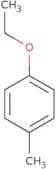
CAS:<p>3-(Dimethoxymethyl)-2-methoxyoxolane is an isomeric compound that can be oxidized to form the corresponding n-substituted decarbonyl compound. This reaction is efficient and can be catalyzed by hydrazines or pyrazole-3-carboxylic acid. The decarbonylated product can then be converted back to 3-(dimethoxymethyl)-2-methoxyoxolane through a recyclization reaction, which may result in the formation of pyrazole-3-carboxylic acid.</p>Formula:C8H16O4Purity:Min. 95%Molecular weight:176.21 g/mol1-Ethoxy-4-methylbenzene
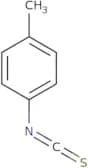
CAS:<p>1-Ethoxy-4-methylbenzene (EMB) is a chemical intermediate that can be used to produce methanesulfonate, an intermediate in the synthesis of pharmaceuticals. It is a colorless liquid with a boiling point of 119 degrees Celsius and a molecular weight of 130.11. The yield of EMB varies depending on the conditions used, but it is typically between 33% and 75%. Kinetics studies have been conducted using termini, which are dyes that react with the carbonyl group on EMB to produce fluorescent products. The kinetics can be seen through microscopy and high-performance liquid chromatography techniques. Nitrate has been shown to be a good catalyst for this reaction mechanism, which involves the formation of an alkyl radical from the splitting of water molecules and the oxidation of metoprolol by nitrate radicals. High concentrations are needed for this reaction to occur because metoprolol is unstable at low concentrations.BR></p>Formula:C9H12OPurity:Min. 95%Molecular weight:136.19 g/molp-Tolyl isothiocyanate
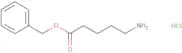
CAS:<p>p-Tolyl isothiocyanate belongs to a class of compounds called isothiocyanates. It has been shown to have antibacterial activity against Gram-negative bacteria, including Escherichia coli and Pseudomonas aeruginosa. The compound inhibits the synthesis of bacterial proteins by binding to the amino groups on their ribosomes, which prevents the attachment of tRNA molecules and blocks protein synthesis. p-Tolyl isothiocyanate can be synthesized in two steps starting from 2-chlorobenzaldehyde and 3-methylthiopropionaldehyde. This molecule has also been shown to have antiadhesive effects against Streptococcus mutans, which are bacteria that cause tooth decay.</p>Formula:CH3C6H4NCSPurity:Min. 95%Molecular weight:149.21 g/molBenzyl 5-aminopentanoate hydrochloride
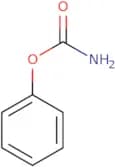
CAS:<p>Versatile small molecule scaffold</p>Formula:C12H18ClNO2Purity:Min. 95%Molecular weight:243.73 g/molPhenyl carbamate
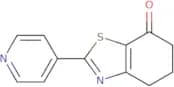
CAS:<p>Phenyl carbamate is a potent antagonist that inhibits the production of acid by reacting with an activated enzyme. It is used in pharmaceutical preparations to treat iron-deficiency anaemia and inflammatory diseases. Phenyl carbamate also has an effective dose of 3-5 mg/kg and is used in clinical development for the treatment of infectious diseases, such as tuberculosis, which are caused by Mycobacterium tuberculosis. The stereoselectivity of phenyl carbamate has been shown to be effective against inflammation because it blocks the activity of COX-2 receptors without affecting COX-1 receptors, which can result in pain reduction.</p>Formula:C7H7NO2Purity:Min. 95%Molecular weight:137.14 g/mol2-(Pyridin-4-yl)-4,5,6,7-tetrahydro-1,3-benzothiazol-7-one
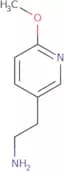
CAS:<p>Versatile small molecule scaffold</p>Formula:C12H10N2OSPurity:Min. 95%Molecular weight:230.29 g/mol2-(6-Methoxypyridin-3-yl) ethanamine
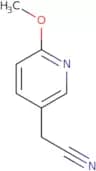
CAS:<p>Versatile small molecule scaffold</p>Formula:C8H12N2OPurity:Min. 95%Molecular weight:152.19 g/mol2-(6-Methoxypyridin-3-yl)acetonitrile
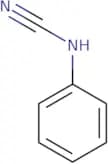
CAS:<p>Versatile small molecule scaffold</p>Formula:C8H8N2OPurity:Min. 95%Molecular weight:148.16 g/molN-Phenylcyanamide
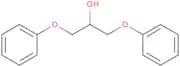
CAS:<p>N-Phenylcyanamide is a nitrogen-containing compound that has been shown to have biological properties. It binds to the mitochondria and inhibits the mitochondrial membrane potential, which is required for cell division, leading to the death of cancer cells in cervical cancer. N-Phenylcyanamide also reacts with human serum and forms a crystalline product, which has been shown to be reactive in solution. The structure of this product is determined by crystallography.</p>Formula:C7H6N2Purity:Min. 95%Molecular weight:118.14 g/mol1,3-diphenoxypropan-2-ol
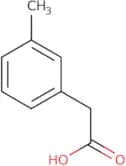
CAS:<p>1,3-Diphenoxypropan-2-ol is a synthetic compound with a chemical formula of CHClO. It is an unsaturated alkyl that has a hydroxyl group on the second carbon atom and two nitrogen atoms. The molecule can be stabilized by the presence of a hydrogen atom or an electron withdrawing group such as an ether or ester. 1,3-Diphenoxypropan-2-ol is a low energy molecule that has been shown to have photochemical properties. This compound has been used in the synthesis of vinylene compounds and reaction products that are used to study kinetic and molecular constants. 1,3-Diphenoxypropan-2-ol also has functional groups like esters or amides that can be used for gelling agents or fluorescence lifetimes respectively.</p>Formula:C15H16O3Purity:Min. 95%Molecular weight:244.29 g/molm-Tolylacetic Acid
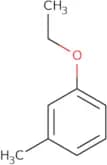
CAS:<p>m-Tolylacetic Acid is a synthetic compound that is used as an intermediate for the synthesis of epoxides. It is also found in natural compounds, such as filamentous fungus. m-Tolylacetic Acid has been shown to inhibit the growth of Candida albicans and other fungi by inhibiting the production of unsaturated ketones and active enzymes. The uptake and reaction products of this molecule have also been studied using molecular modeling techniques. The kinetic behaviour of m-tolylacetic acid chloride has been investigated using immobilized metal ion complexes and proton NMR spectroscopy.</p>Formula:C9H10O2Purity:Min. 95%Molecular weight:150.18 g/mol1-Ethoxy-3-methylbenzene
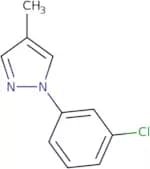
CAS:<p>1-Ethoxy-3-methylbenzene is a chemical compound that belongs to the group of alkyl halides and can be prepared by the reaction of sodium hydrogen with acetonitrile. It is an electrophilic reagent, which means it will react with nucleophiles such as water, alcohols, amines, or sulfuric acid. 1-Ethoxy-3-methylbenzene is also insoluble in water and can be used for the preparation of deuterated biphenyl.</p>Formula:C9H12OPurity:Min. 95%Molecular weight:136.19 g/mol1-(3-Chlorophenyl)-4-methyl-1H-pyrazole
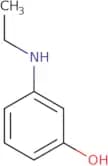
CAS:<p>Versatile small molecule scaffold</p>Formula:C10H9ClN2Purity:Min. 95%Molecular weight:192.64 g/mol3-(Ethylamino)phenol
CAS:<p>3-(Ethylamino)phenol is a phenolic compound that has low detection limits. It can be detected in the presence of other aminophenols, polyester polymers, and acrylates. 3-(Ethylamino)phenol has been used as a fluorophore for acrylate-based polymers and as an antifungal agent with sulfide to inhibit the growth of fungi. This compound also shows red shift under uv absorption or fluorescence spectroscopy, which is due to the electron withdrawing effect of the ethylamino group.</p>Formula:C8H11NOPurity:Min. 95%Molecular weight:137.18 g/mol5-Hydroxy-1,3-dioxaindane-4-carbaldehyde
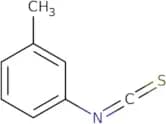
CAS:<p>Versatile small molecule scaffold</p>Formula:C8H6O4Purity:Min. 95%Molecular weight:166.13 g/molm-Tolyl Isothiocyanate
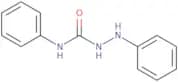
CAS:<p>m-Tolyl isothiocyanate is a reactive compound that can be used in the synthesis of other compounds, such as pharmaceuticals. It has been shown to have antimalarial activity and may be useful in the treatment of cancer. m-Tolyl isothiocyanate inhibits the growth of cancer cells by cross-coupling with anilines, which are derivatives of benzene. m-Tolyl isothiocyanate also inhibits autophagy, which is a process that helps cells survive during starvation by recycling cellular content. Autophagic inhibition leads to increased cell death.</p>Formula:C8H7NSPurity:Min. 95%Molecular weight:149.21 g/mol1,4-Diphenylsemicarbazide
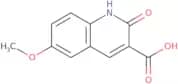
CAS:<p>1,4-Diphenylsemicarbazide (DPS) is a hydrophobic compound that is used as a calibration standard for fluorescence spectrometry. DPS is soluble in acetonitrile and has been shown to be non-toxic to plant cells. It can be extracted from plants with high concentrations of manganese. This extraction method is useful when examining the transport chain of plants.</p>Formula:C13H13N3OPurity:Min. 95%Molecular weight:227.27 g/mol2-Hydroxy-6-methoxy-quinoline-3-carboxylic acid
CAS:<p>Versatile small molecule scaffold</p>Formula:C11H9NO4Purity:Min. 95%Molecular weight:219.2 g/mol2-Sulfanylidene-1H,2H,5H,6H,7H-cyclopenta[b]pyridine-3-carbonitrile
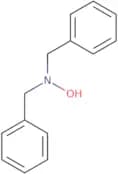
CAS:<p>Versatile small molecule scaffold</p>Formula:C9H8N2SPurity:Min. 95%Molecular weight:176.24 g/molN,N-Dibenzylhydroxylamine
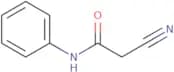
CAS:<p>N,N-Dibenzylhydroxylamine is a hydrogen-bond donor. It has viscosity and optical properties similar to those of water. The experimental solubility data for N,N-Dibenzylhydroxylamine in various solvents are given in the table below.<br>N,N-Dibenzylhydroxylamine is soluble in chloroform, hexane, and carbon tetrachloride but less soluble in ether and benzene.<br>The conjugates of N,N-dibenzylhydroxylamine are not well known.<br>Hydrogen bonding interactions with N,N-dibenzylhydroxylamine have been observed experimentally between chloride ions and hydroxyl groups of the molecule.<br>The antioxidant system of N,N-dibenzylhydroxylamine is affected by deuterium isotopes; it will be interesting to study this phenomenon more thoroughly.</p>Formula:C14H15NOPurity:Min. 95%Molecular weight:213.28 g/mol2-Cyanoacetanilide
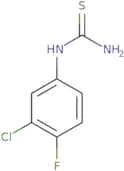
CAS:<p>2-Cyanoacetanilide belongs to the group of basic dyes. It is a reactive chemical that is used as an antimicrobial agent in textiles and leather. It has been shown to exhibit anticancer activity in laboratory tests. 2-Cyanoacetanilide undergoes nucleophilic substitutions with active methylenes, leading to the formation of reaction products such as chlorocarbonyls, alkylthios and nitro compounds. The presence of chlorine atoms on the molecule makes it a good candidate for use in monolayers because they can be easily removed by electrochemical impedance spectroscopy (EIS).</p>Formula:C9H8N2OPurity:Min. 95%Molecular weight:160.18 g/mol1-(3-Chloro-4-fluorophenyl)thiourea
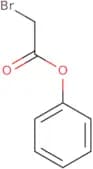
CAS:<p>1-(3-Chloro-4-fluorophenyl)thiourea (1CT) is an aromatic compound that belongs to the group of thioureas. The benzene ring in 1CT has a conformation that is similar to benzene, with a hydrogen atom located at the position of the central carbon atom. 1CT crystallizes in two polymorphs: one with a dihedral angle of 90° and another with a dihedral angle of 180°. The crystal structure for each form was determined using X-ray diffraction data. The first form has hydrogen bonds between the molecules, while the second form does not have any hydrogen bonds. Minimization studies on 1CT have been carried out using gas phase quantum chemistry calculations and molecular dynamics simulations to determine which form will be more stable at different temperatures. Validation studies were performed by comparing theoretical predictions to experimental results obtained from NMR and optical spectroscopy on both forms of 1CT.br></p>Formula:C7H6ClFN2SPurity:Min. 95%Molecular weight:204.65 g/molPhenyl Bromoacetate
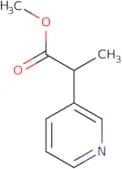
CAS:<p>Phenyl Bromoacetate is an odorless liquid that is soluble in water. It has a hydroxyl group and a carbonyl group. Phenyl Bromoacetate has been used to synthesize piperazine, which is an antipsychotic drug. Phenyl Bromoacetate also has been used as a reagent for the synthesis of organic compounds with asymmetric centers. It reacts with nucleophiles such as amines, alcohols, or thiols and forms the corresponding phenyl bromide. The reaction product is acidic due to the presence of the phenol group in its structure. Phenyl Bromoacetate can be used in analytical methods for detecting various human pathogens, such as Salmonella enterica and Escherichia coli O157:H7, as well as depressive disorders.</p>Formula:C8H7BrO2Purity:Min. 95%Molecular weight:215.05 g/molMethyl 2-(pyridin-3-yl)propanoate
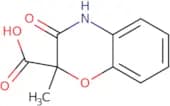
CAS:<p>Versatile small molecule scaffold</p>Formula:C9H11NO2Purity:Min. 95%Molecular weight:165.19 g/mol3,4-Dihydro-2-methyl-3-oxo-2H-1,4-benzoxazine-2-carboxylic acid
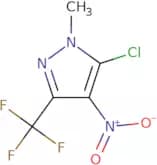
CAS:<p>Versatile small molecule scaffold</p>Formula:C10H9NO4Purity:Min. 95%Molecular weight:207.2 g/mol5-Chloro-1-methyl-4-nitro-3-(trifluoromethyl)-1H-pyrazole
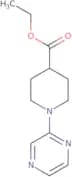
CAS:<p>Versatile small molecule scaffold</p>Formula:C5H3ClF3N3O2Purity:Min. 95%Molecular weight:229.54 g/molEthyl 1-(pyrazin-2-yl)piperidine-4-carboxylate
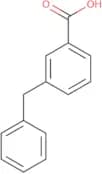
CAS:<p>Ethyl 1-(pyrazin-2-yl)piperidine-4-carboxylate is a diagnostic agent that is used to detect the transcriptional regulation of human genes. It has been shown to be active in the diagnosis of infectious diseases, such as group P2, and in human water vapor. Ethyl 1-(pyrazin-2-yl)piperidine-4-carboxylate inhibits the activity of polymerase chain reaction (PCR) by binding to DNA polymerase, thereby preventing DNA synthesis. This drug also has been shown to have carcinogenic effects in cell lines from carcinoma patients.</p>Formula:C12H17N3O2Purity:Min. 95%Molecular weight:235.28 g/mol3-Benzylbenzoic acid
CAS:<p>Versatile small molecule scaffold</p>Formula:C14H12O2Purity:Min. 95%Molecular weight:212.24 g/molBis[(3-methylphenyl)amino]methane-1-thione
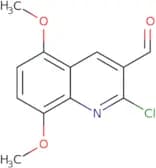
CAS:<p>Bis(3-methylphenyl)amino methane-1-thione is a molecule with a symmetry of asymmetric. It has the molecular weight of 198.2 g/mol and a melting point of 119°C. Bis(3-methylphenyl)amino methane-1-thione crystallizes in the triclinic space group P1 with cell dimensions: a=8.59Å, b=10.30Å, c=8.59Å, α=109.14°, β=110.06°, γ=90° and contains two independent molecules in the asymmetric unit (Z = 2). The molecule has two isomers: one with two methyl groups on each benzene ring and one with one methyl group on each benzene ring. The molecule also has the ability to dimerize via hydrogen bonding between its amine functionalities to form heterodimers that can be classified as dihedral</p>Formula:C15H16N2SPurity:Min. 95%Molecular weight:256.4 g/mol2-Chloro-5,8-dimethoxy-3-quinolinecarbaldehyde
CAS:<p>2-Chloro-5,8-dimethoxy-3-quinolinecarbaldehyde is a functionalized allylation product that can be synthesized from anhydrous dmf and elemental analysis. It is an allylation agent that can be used in organic synthesis. 2-Chloro-5,8-dimethoxy-3-quinolinecarbaldehyde is best used as a reagent for the introduction of allylic groups to aromatic compounds. This compound has been shown to have a high yield and high purity.</p>Formula:C12H10ClNO3Purity:Min. 95%Molecular weight:251.66 g/mol(1S)-(+)-10-Camphorsulfonic acid ethyl ester
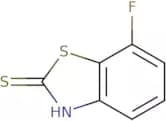
CAS:<p>Versatile small molecule scaffold</p>Formula:C12H20O4SPurity:Min. 95%Molecular weight:260.35 g/mol7-fluoro-2,3-dihydro-1,3-benzothiazole-2-thione
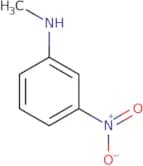
CAS:<p>Versatile small molecule scaffold</p>Formula:C7H4FNS2Purity:Min. 95%Molecular weight:185.24 g/mol3-Nitro-N-methylaniline
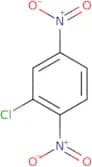
CAS:<p>3-Nitro-N-methylaniline is an organic compound that is used as a catalyst in the production of other chemicals. It has been shown to have a high affinity for metal ions, which are required for the catalytic process. 3-Nitro-N-methylaniline also has a strong affinity for organic solvents and has been used as an analog of ligands in their transfer reactions. 3-Nitro-N-methylaniline is not very toxic and does not cause any significant environmental pollution, but it may be hazardous if it coexists with other substances.</p>Formula:C7H8N2O2Purity:Min. 95%Molecular weight:152.15 g/mol2-Chloro-1,4-dinitrobenzene
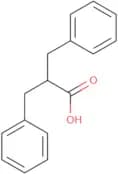
CAS:<p>Versatile small molecule scaffold</p>Formula:C6H3ClN2O4Purity:Min. 95%Molecular weight:202.55 g/mol2-Benzyl-3-phenylpropanoic acid
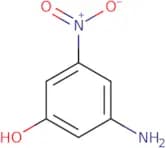
CAS:<p>2-Benzyl-3-phenylpropanoic acid is a monosubstituted benzoic acid that is used as an excipient in pharmaceutical preparations. It is also used as a buffer to maintain the pH of deionized water during sterilization procedures. 2-Benzyl-3-phenylpropanoic acid has been shown to have an inhibitory effect on fatty acids, which may be due to its structural similarity to anilino. This chemical has been shown to reduce blood pressure and insulin resistance in animals. 2-Benzyl-3-phenylpropanoic acid has antiviral potency against herpes simplex virus type 1 (HSV1) and influenza A virus (IAV). Its structural formula is shown below:</p>Formula:C16H16O2Purity:Min. 95%Molecular weight:240.3 g/mol3-Amino-5-nitrophenol
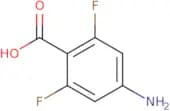
CAS:<p>Versatile small molecule scaffold</p>Formula:C6H6N2O3Purity:Min. 95%Molecular weight:154.12 g/mol4-amino-2,6-difluorobenzoic acid
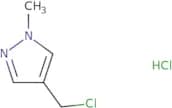
CAS:<p>4-Amino-2,6-difluorobenzoic acid is a compound that is used in the preparation of amides. It reacts with ammonia to form an amide and hydrogen fluoride. The reaction mixture can be acidified with hydrochloric acid or acetic acid to produce the desired amide. 4-Amino-2,6-difluorobenzoic acid can also be used for decarboxylating carboxylic acids to produce amides.</p>Formula:C7H5NO2F2Purity:Min. 95%Molecular weight:173.11 g/mol4-(Chloromethyl)-1-methyl-1H-pyrazole hydrochloride
CAS:<p>Versatile small molecule scaffold</p>Formula:C5H8Cl2N2Purity:Min. 95%Molecular weight:167.04 g/mol2-(1-Methyl-1H-imidazol-5-yl)acetonitrile hydrochloride
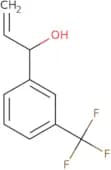
CAS:<p>Versatile small molecule scaffold</p>Formula:C6H8ClN3Purity:Min. 95%Molecular weight:157.6 g/mol1-(3-(Trifluoromethyl)phenyl)prop-2-en-1-ol
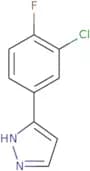
CAS:<p>Versatile small molecule scaffold</p>Formula:C10H9F3OPurity:Min. 95%Molecular weight:202.17 g/mol3-(3-Chloro-4-fluorophenyl)-1H-pyrazole
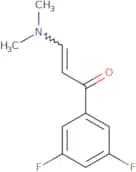
CAS:<p>Versatile small molecule scaffold</p>Formula:C9H6ClFN2Purity:Min. 95%Molecular weight:196.61 g/mol1-(3,5-Difluorophenyl)-3-(dimethylamino)prop-2-en-1-one
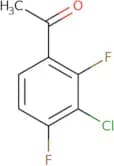
CAS:<p>Versatile small molecule scaffold</p>Formula:C11H11F2NOPurity:Min. 95%Molecular weight:211.21 g/mol1-(3-Chloro-2,4-difluorophenyl)ethan-1-one
CAS:<p>Versatile small molecule scaffold</p>Formula:C8H5ClF2OPurity:Min. 95%Molecular weight:190.57 g/mol5-Chloro-2-methyl-3-nitrobenzoic acid
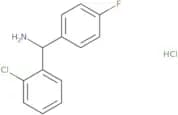
CAS:<p>Versatile small molecule scaffold</p>Formula:C8H6ClNO4Purity:Min. 95%Molecular weight:215.59 g/mol(2-Chlorophenyl)(4-fluorophenyl)methanamine hydrochloride
CAS:<p>Versatile small molecule scaffold</p>Formula:C13H12Cl2FNPurity:Min. 95%Molecular weight:272.14 g/mol4-(2-Thienyl)dihydro-2H-pyran-2,6(3H)-dione
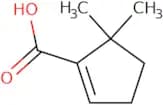
CAS:<p>Versatile small molecule scaffold</p>Formula:C9H8O3SPurity:Min. 95%Molecular weight:196.22 g/mol5,5-Dimethylcyclopent-1-ene-1-carboxylic acid
CAS:<p>Versatile small molecule scaffold</p>Formula:C8H12O2Purity:Min. 95%Molecular weight:140.18 g/molrac-tert-Butyl N-{[(3R,4S)-4-phenylpyrrolidin-3-yl]methyl}carbamate
CAS:<p>Versatile small molecule scaffold</p>Formula:C16H25ClN2O2Purity:Min. 95%Molecular weight:312.83 g/mol5,7-Dimethyl-1,2-dihydroquinolin-2-one
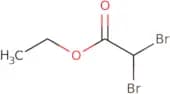
CAS:<p>Versatile small molecule scaffold</p>Formula:C11H11NOPurity:Min. 95%Molecular weight:173.21 g/molAcetic acid, dibromo-, ethyl ester
CAS:<p>Acetic acid, dibromo-, ethyl ester is a reactive molecule that can be used as a nucleophilic substituent. It has hydroxyl group and ruthenium complex. It is a particle that can be used in the production of monoclonal antibodies. Acetic acid, dibromo-, ethyl ester also has viscosity and polycarboxylic acid. This chemical reacts with β-unsaturated ketones to form polymerization initiator. Acetic acid, dibromo-, ethyl ester also has carbonyl group and monoclonal antibodies. Acetic acid, dibromo-, ethyl ester can be conjugated with ethyl bromoacetate to produce conjugates.</p>Formula:C4H6Br2O2Purity:Min. 95%Molecular weight:245.9 g/mol2-[(3-Nitrophenyl)formamido]acetic acid
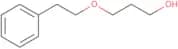
CAS:<p>2-[(3-Nitrophenyl)formamido]acetic acid (2NPA) is a modifying agent that has been used in the modification of carboxyl groups. It can react with nucleophiles to form adducts and with carbodiimides to form ureas. 2NPA reacts with amino acids, peptides, and other nitrogenous compounds at their carboxyl groups to form ester or amide bonds. The nature of the residues after modification varies depending on the nature of the carboxyl group that was modified.</p>Formula:C9H8N2O5Purity:Min. 95%Molecular weight:224.17 g/mol3-(2-Phenylethoxy)propan-1-ol
CAS:<p>Versatile small molecule scaffold</p>Formula:C11H16O2Purity:Min. 95%Molecular weight:180.24 g/mol

![[1-(2-Chlorophenyl)-1H-1,2,3-triazol-5-yl]methanol](/_next/image/?url=https%3A%2Fstatic.cymitquimica.com%2Fproducts%2F3D%2Fthumb-webp%2FEHC25444.webp&w=3840&q=75)
![1-tert-Butyl-6-chloro-3-methyl-1H-pyrazolo[3,4-b]pyridine-5-carbaldehyde](/_next/image/?url=https%3A%2Fstatic.cymitquimica.com%2Fproducts%2F3D%2Fthumb-webp%2FEHC20071.webp&w=3840&q=75)

![N,N-Dimethyl-5-[(methylamino)methyl]pyridin-2-amine](/_next/image/?url=https%3A%2Fstatic.cymitquimica.com%2Fproducts%2F3D%2Fthumb-webp%2FEHA87346.webp&w=3840&q=75)

![1,3-Bis[(4-nitrophenyl)amino]urea](/_next/image/?url=https%3A%2Fstatic.cymitquimica.com%2Fproducts%2F3D%2Fthumb-webp%2FAAA62269.webp&w=3840&q=75)

![2-Sulfanylidene-1H,2H,5H,6H,7H-cyclopenta[b]pyridine-3-carbonitrile](/_next/image/?url=https%3A%2Fstatic.cymitquimica.com%2Fproducts%2F3D%2Fthumb-webp%2FEGA38401.webp&w=3840&q=75)
![Bis[(3-methylphenyl)amino]methane-1-thione](/_next/image/?url=https%3A%2Fstatic.cymitquimica.com%2Fproducts%2F3D%2Fthumb-webp%2FAAA62051.webp&w=3840&q=75)



![rac-tert-Butyl N-{[(3R,4S)-4-phenylpyrrolidin-3-yl]methyl}carbamate](/_next/image/?url=https%3A%2Fstatic.cymitquimica.com%2Fproducts%2F3D%2Fthumb-webp%2FEGA20610.webp&w=3840&q=75)

![2-[(3-Nitrophenyl)formamido]acetic acid](/_next/image/?url=https%3A%2Fstatic.cymitquimica.com%2Fproducts%2F3D%2Fthumb-webp%2FAAA61710.webp&w=3840&q=75)