Building Blocks
This section contains fundamental products for the synthesis of organic and biological compounds. Building blocks are the essential starting materials used to construct complex molecules through various chemical reactions. They play a critical role in drug discovery, material science, and chemical research. At CymitQuimica, we offer a diverse range of high-quality building blocks to support your innovative research and industrial projects, ensuring you have the essential components for successful synthesis.
Subcategories of "Building Blocks"
- Boronic Acids & Boronic Acid Derivatives(5,756 products)
- Chiral Building Blocks(1,242 products)
- Hydrocarbon Building Blocks(6,093 products)
- Organic Building Blocks(60,534 products)
Found 195534 products of "Building Blocks"
Sort by
Purity (%)
0
100
|
0
|
50
|
90
|
95
|
100
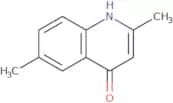
2,6-Dimethyl-4-hydroxyquinoline
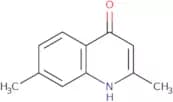
CAS:<p>2,6-Dimethyl-4-hydroxyquinoline is a phthalocyanine that has been shown to be reduced by electrochemical reactions. 2,6-Dimethyl-4-hydroxyquinoline has been shown to have redox properties in the cyclic voltammetry and square reduction process. This compound can be characterized using spectroscopy and elemental analysis. Mass spectroscopy is used to identify the molecular weight of the compound. The elemental composition of 2,6-dimethyl-4-hydroxyquinoline is C 8 H 8 N 4 O 3 . It can be synthesized from phthalonitrile and formaldehyde with a chemical reaction that yields an elemental composition of C 6 H 6 + C 8 H 8 N 4 O 3 .</p>Formula:C11H11NOPurity:Min. 95%Molecular weight:173.21 g/mol2,7-Dimethylquinolin-4-ol
CAS:<p>Versatile small molecule scaffold</p>Formula:C11H11NOPurity:Min. 95%Molecular weight:173.21 g/mol6-Chloro-4-hydroxy-2-methylquinoline
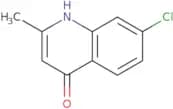
CAS:<p>6-Chloro-4-hydroxy-2-methylquinoline is a vasorelaxant that blocks potassium channels in the cell membrane. 6CHMQ has been shown to inhibit calcium and potassium channels, which are involved in the transmission of nerve impulses. It also inhibits glibenclamide binding to pancreatic beta cells, which is an action that contributes to the anti-diabetic effects of this drug. 6CHMQ has been shown to block voltage gated potassium channels and may have a role in regulating blood pressure by inhibiting the release of norepinephrine.</p>Formula:C10H8ClNOPurity:Min. 95%Molecular weight:193.63 g/mol7-Chloro-4-hydroxy-2-methylquinoline
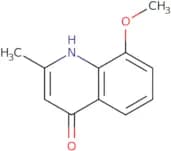
CAS:<p>Versatile small molecule scaffold</p>Formula:C10H8ClNOPurity:Min. 95%Molecular weight:193.63 g/mol8-Methoxy-2-methylquinolin-4(1H)-one
CAS:<p>Versatile small molecule scaffold</p>Formula:C11H11NO2Purity:Min. 95%Molecular weight:189.21 g/mol4-Hydroxy-6-methoxy-2-methylquinoline
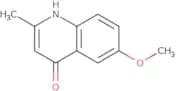
CAS:<p>4-Hydroxy-6-methoxy-2-methylquinoline is a heterocyclic compound that belongs to the quinone class of compounds. It is used as a dye in plastics and textiles, but it has also been shown to have antibacterial properties. The chemical reacts with copper ions in solution to produce hydroxyl radicals, which react with other molecules in the solution to produce reactive oxygen species such as hydrogen peroxide. These reactive oxygen species attack bacterial cells and cause cell death. 4-Hydroxy-6-methoxy-2-methylquinoline can be saponified by alkali to form 4-hydroxyquinoline, which is an analgesic drug that has been shown to have antiinflammatory activities.</p>Formula:C11H11NO2Purity:Min. 95%Molecular weight:189.21 g/mol5-(Benzoylamino)valeric Acid
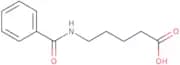
CAS:<p>Versatile small molecule scaffold</p>Formula:C12H15NO3Purity:Min. 95%Molecular weight:221.26 g/mol3-(Dimethylamino)cyclohexan-1-one hydrochloride
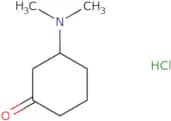
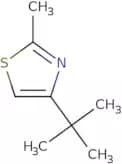
CAS:<p>Versatile small molecule scaffold</p>Formula:C8H16ClNOPurity:Min. 95%Molecular weight:177.67 g/mol4-(tert-Butyl)-2-methyl-1,3-thiazole
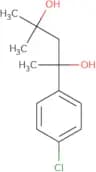
CAS:<p>4-(tert-Butyl)-2-methyl-1,3-thiazole is a catalyst that is used in carbonyl, heteroaryl and heteroaromatic arylation reactions. 4-(tert-Butyl)-2-methyl-1,3-thiazole has been shown to produce high yields of product and to be an effective catalyst for arylation reactions.</p>Formula:C8H13NSPurity:Min. 95%Molecular weight:155.26 g/mol2-(4-Chlorophenyl)-4-methylpentane-2,4-diol
CAS:Controlled Product<p>2-(4-Chlorophenyl)-4-methylpentane-2,4-diol is an analog of 2-(4-chlorophenyl)-4-methylpentane that has been shown to be a CB2 receptor agonist, which may be useful in the treatment of inflammatory bowel disease. The structure of this compound is similar to that of the natural ligand for the CB2 receptor, 2-(6′-hydroxyhexahydrocannabinol). This compound has also been shown to act as an agonist for toll-like receptor 4 (TLR4) and as a sodium citrate synthase inhibitor. This molecule can be synthesized from two molecules of acetone with a chiral catalyst by using asymmetric synthesis.</p>Formula:C12H17ClO2Purity:Min. 95%Molecular weight:228.71 g/mol2-(1-Phenylethyl)oxirane
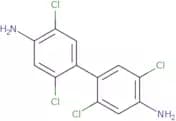
CAS:<p>Versatile small molecule scaffold</p>Formula:C10H12OPurity:Min. 95%Molecular weight:148.2 g/mol2,2',5,5'-Tetrachlorobenzidine
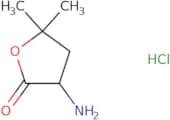
CAS:<p>2,2',5,5'-Tetrachlorobenzidine (TCB) is a diacid that has been shown to have thermal expansion properties. TCB is also hydrophobic and exhibits a fatty acid-like structure. This compound has been used in the synthesis of several other compounds such as alicyclic amides, birefringent dyes, and polarizers. TCB has also been used in the production of polymer films for optical purposes such as hydrochloric acid particle size analysis.</p>Formula:C12H8Cl4N2Purity:Min. 95%Molecular weight:322.01 g/mol3-Amino-5,5-dimethyloxolan-2-one hydrochloride
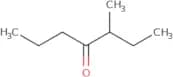
CAS:<p>Versatile small molecule scaffold</p>Formula:C6H12ClNO2Purity:Min. 95%Molecular weight:165.62 g/mol3-Methyl-4-heptanone
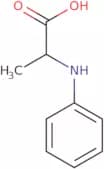
CAS:<p>3-Methyl-4-heptanone is an antibacterial agent that has been shown to have a broad spectrum of activity against bacteria. It is a reactive molecule and can form various products during the reaction with other molecules. 3-Methyl-4-heptanone has been found to be effective against Staphylococcus, Songaricum, and other genera of bacteria. 3-Methyl-4-heptanone is a fatty acid that possesses a primary alcohol group and one or more oxygenated functional groups such as hydroxyl (-OH) or alkoxy (-OCH3). 3-Methyl-4-heptanone also possesses 16 carbon atoms, which are arranged in three rings.</p>Formula:C8H16OPurity:Min. 95%Molecular weight:128.22 g/mol2-Phenylamino-propionic acid
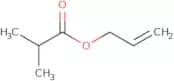
CAS:<p>2-Phenylamino-propionic acid is an analogue of acrylic acid with two methyl groups on the terminal carbon. It is a colorless liquid that can be synthesized by the reaction of acrylic acid with sodium amide in the presence of benzene. 2-Phenylamino-propionic acid has been shown to undergo homogeneous and cyclic reactions, as well as elimination and monoxide reactions. The experimental value obtained for its rate constant, k, was found to be 1.6 × 10^6 L/mol*s using acrylic acid as a substrate. This product may also be used as a catalyst for radical reactions or in catalytic pyrolysis reactions.</p>Formula:C9H11NO2Purity:Min. 95%Molecular weight:165.19 g/molProp-2-en-1-yl 2-methylpropanoate
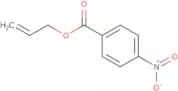
CAS:<p>Prop-2-en-1-yl 2-methylpropanoate is a hydrocarbon with two hydroxyl groups. It is a reactive, functional group that is monosubstituted by fluorine atoms. The carboxylate group of prop-2-en-1-yl 2-methylpropanoate has a divalent hydrocarbon structure and contains one reactive, functional group. Prop-2-en-1-yl 2-methylpropanoate can be found as bound form in endophytic fungi and in the leaves of plants. It can also be found as an unbound form in organic solvents and fatty acids.</p>Formula:C7H12O2Purity:Min. 95%Molecular weight:128.17 g/molAllyl 4-nitrobenzoate
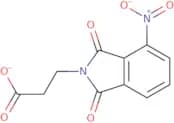
CAS:<p>Versatile small molecule scaffold</p>Formula:C10H9NO4Purity:Min. 95%Molecular weight:207.18 g/mol3-(4-Nitro-1,3-dioxo-2,3-dihydro-1H-isoindol-2-yl)propanoic acid
CAS:<p>Versatile small molecule scaffold</p>Formula:C11H7N2O6Purity:Min. 95%Molecular weight:263.18 g/mol1-bromo-4-[(methylsulfanyl)methyl]benzene
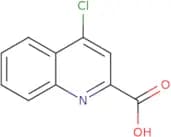
CAS:<p>Versatile small molecule scaffold</p>Formula:C8H9BrSPurity:Min. 95%Molecular weight:217.12 g/mol4-Chloroquinoline-2-carboxylic acid
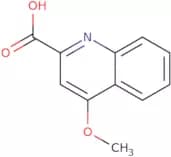
CAS:<p>Versatile small molecule scaffold</p>Formula:C10H6ClNO2Purity:Min. 95%Molecular weight:207.61 g/mol4-Methoxy-2-quinolinecarboxylic acid
CAS:<p>4-Methoxy-2-quinolinecarboxylic acid is a compound that contains a phenyl ring with two substituents, one of which is a methoxy group. It has been shown to regenerate primary alcohols from the corresponding hydroxyaldehyde under mild conditions. 4-Methoxy-2-quinolinecarboxylic acid also reacts with aldehydes to form an oxime and an acetal in the presence of base. The functional theory proposes that the molecular orbitals are formed by the overlap of atomic orbitals and may be used to explain reactions such as these. The neurotoxic effect of 4-methoxy-2-quinolinecarboxylic acid has been observed in rats after intraperitoneal injection. This compound also has been shown to catalyze the formation of bidentate ligands and chelate ligands.</p>Formula:C11H9NO3Purity:Min. 95%Molecular weight:203.19 g/mol6-Methylquinoline-2-Carboxylic Acid
CAS:<p>6-Methylquinoline-2-carboxylic acid is a chromophore that is found in the molecule isoquinoline-3-carboxylic acid. It is an antibacterial agent that has been shown to inhibit bacterial biosynthesis and growth. 6-Methylquinoline-2-Carboxylic Acid may also have potential as a chemotherapeutic agent for cancer treatment due to its ability to bind to DNA and inhibit RNA synthesis. This drug is synthesized by the condensation of quinoline derivatives with carboxylic acids, followed by reduction of the resulting imine with sodium dithionite. The product can be purified using high performance liquid chromatography, incubated with magnetic particles, and desorbed from the beads using protonation.</p>Formula:C11H9NO2Purity:Min. 95%Molecular weight:187.2 g/mol8-Nitroquinoline-2-carboxylic acid
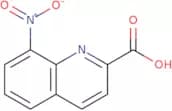
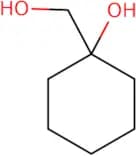
CAS:<p>8-Nitroquinoline-2-carboxylic acid is a spectrometric, inorganic compound that is structurally modified to have an electron-donating group. Modifications on the nitrogen atoms of 8-Nitroquinoline-2-carboxylic acid allow for long-term treatment. It is also used as a fluorophore and has shown to interact with metal ions and form an inorganic complex. 8-Nitroquinoline-2-carboxylic acid can be used for the detection of metal ions by mass spectrometry and microscopy. This compound has been shown to be effective in preventing nitrosamine formation and in the prevention of cancer cells from proliferating.</p>Formula:C10H6N2O4Purity:Min. 95%Molecular weight:218.17 g/mol1-(Hydroxymethyl)cyclohexan-1-ol
CAS:<p>1-(Hydroxymethyl)cyclohexan-1-ol is a ligand that binds to transition metal ions. It has been shown to bind to a variety of metals, including Cu(II), Fe(III), Zn(II), and Ni(II). 1-(Hydroxymethyl)cyclohexan-1-ol is also able to coordinate with glucokinase activators, such as 5-hydroxytryptamine (5HT), which can lead to an increase in the activity of this enzyme.</p>Formula:C7H14O2Purity:Min. 95%Molecular weight:130.18 g/molrac-(1R,3S)-3-(Hydroxymethyl)cyclohexan-1-ol
CAS:<p>Versatile small molecule scaffold</p>Formula:C7H14O2Purity:Min. 95%Molecular weight:130.2 g/mol2-Phenylimidazo[1,2-a]pyrimidine
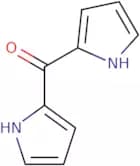
CAS:<p>2-Phenylimidazo[1,2-a]pyrimidine is an optical isomer of imidazo[1,2-a]pyrimidine. It contains a pyrazinyl group that has a nitrogen atom in the alpha position and a thiophenyl group that has a single bond to the alpha carbon. This compound is used as a diagnostic agent for Alzheimer's disease because it can be detected in the cerebrospinal fluid of patients with this disorder. The enantiomers are racemic mixtures and are typically not separated during chemical synthesis.</p>Formula:C12H9N3Purity:Min. 95%Molecular weight:195.22 g/mol2-(1H-Pyrrole-2-carbonyl)-1H-pyrrole
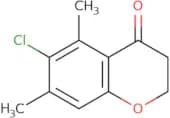
CAS:<p>2-(1H-Pyrrole-2-carbonyl)-1H-pyrrole is a chloride salt that inhibits the growth of tuberculosis by inhibiting the replication of bacterial DNA. It has also been shown to inhibit HIV replication in vitro. 2-(1H-Pyrrole-2-carbonyl)-1H-pyrrole is insoluble in water, so it can be dissolved in organic solvents such as carbon tetrachloride or chloroform. The solubility of this compound may be due to its ability to exist as a tautomeric pair. The geometric isomers of this compound are also possible due to its chiral center.</p>Formula:C9H8N2OPurity:Min. 95%Molecular weight:160.17 g/mol6-Chloro-5,7-dimethyl-3,4-dihydro-2H-1-benzopyran-4-one
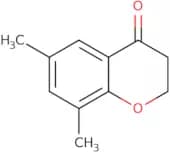
CAS:<p>Versatile small molecule scaffold</p>Formula:C11H11ClO2Purity:Min. 95%Molecular weight:210.65 g/mol6,8-Dimethyl-3,4-dihydro-2H-1-benzopyran-4-one
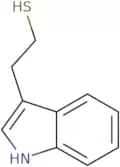
CAS:<p>Versatile small molecule scaffold</p>Formula:C11H12O2Purity:Min. 95%Molecular weight:176.21 g/mol2-(1H-Indol-3-yl)ethane-1-thiol
CAS:<p>Versatile small molecule scaffold</p>Formula:C10H11NSPurity:Min. 95%Molecular weight:177.27 g/mol3-Methyl-1-[2-(morpholin-4-yl)ethyl]thiourea
CAS:<p>Versatile small molecule scaffold</p>Formula:C8H17N3OSPurity:Min. 95%Molecular weight:203.31 g/mol2-Chloro-N-(5-isopropyl-[1,3,4]thiadiazol-2-yl)-acetamide
CAS:<p>Versatile small molecule scaffold</p>Formula:C7H10ClN3OSPurity:Min. 95%Molecular weight:219.69 g/molN-(5-Butyl-1,3,4-thiadiazol-2-yl)-2-chloroacetamide
CAS:<p>Versatile small molecule scaffold</p>Formula:C8H12ClN3OSPurity:Min. 95%Molecular weight:233.72 g/mol2-Chloro-N-[5-(2-methylpropyl)-1,3,4-thiadiazol-2-yl]acetamide
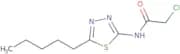
CAS:<p>Versatile small molecule scaffold</p>Formula:C8H12ClN3OSPurity:Min. 95%Molecular weight:233.72 g/mol2-Chloro-N-(5-pentyl-1,3,4-thiadiazol-2-yl)acetamide
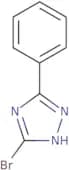
CAS:<p>Versatile small molecule scaffold</p>Formula:C9H14ClN3OSPurity:Min. 95%Molecular weight:247.75 g/mol3-Bromo-5-phenyl-1H-1,2,4-triazole
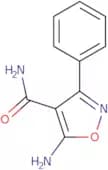
CAS:<p>Versatile small molecule scaffold</p>Formula:C8H6BrN3Purity:Min. 95%Molecular weight:224.1 g/mol5-Amino-3-phenyl-1,2-oxazole-4-carboxamide
CAS:<p>5-Amino-3-phenyl-1,2-oxazole-4-carboxamide (5APOC) is a mitochondria membrane permeable compound that inhibits the growth of cancer cells. 5APOC binds to annexin v, which is a protein found in the outer cell membrane. The binding causes depolarization of the mitochondrial membrane and induces apoptosis. 5APOC also inhibits the growth of colon cancer cells by inhibiting the activity of cytotoxic agents and inducing apoptosis. This drug has been shown to be effective against human colon cancer cells in vitro and in vivo.</p>Formula:C10H9N3O2Purity:Min. 95%Molecular weight:203.2 g/mol2-Cyclopropylglycine
CAS:<p>2-Cyclopropylglycine is a cyclic amino acid that is synthesized from threonine. It is an important intermediate in the biosynthesis of the aminoacyl-tRNA synthetases. The synthesis of 2-cyclopropylglycine begins with the conversion of threonine to homoserine by a series of reactions called the threonine deaminase pathway. Homoserine is converted to 3-hydroxy-2-methylvaleric acid by hydroxymethylglutaryl-CoA synthase and then to 2-cyclopropylglycine by cyclopropane carboxylic acid reductase, which reduces it to 2-cyclopropylmalonic acid, which is then converted to 2-cyclopropylglycine. This compound binds borohydride and forms an unstable complex with phenolic compounds. The affinity for these substrates depends on the pyrroline ring structure, with</p>Formula:C5H9NO2Purity:Min. 95%Molecular weight:115.13 g/mol3-Cyclopropylalanine
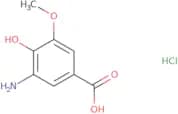
CAS:<p>3-Cyclopropylalanine (3-CPA) is a synthetic amino acid that is used as an enzyme inhibitor for the treatment of metabolic disorders and cancer. 3-CPA inhibits the activity of ns3 protease, which is involved in the production of malonic acid from succinate. The hydrogenated form of 3-CPA has been shown to inhibit protease activity, especially in diagnostic agents. 3-CPA can also be used as a catalyst for chemical reactions and when synthesized as a stable complex with enantiomers, it can be used as a diagnostic agent.</p>Formula:C6H11NO2Purity:Min. 95%Molecular weight:129.16 g/mol3-Amino-4-hydroxy-5-methoxy-benzoic acid, hydrochloride
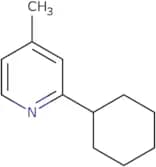
CAS:<p>Versatile small molecule scaffold</p>Formula:C8H10ClNO4Purity:Min. 95%Molecular weight:219.62 g/mol2-Cyclohexyl-4-methylpyridine
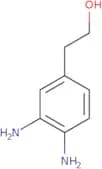
CAS:<p>Versatile small molecule scaffold</p>Formula:C12H17NPurity:Min. 95%Molecular weight:175.27 g/mol2-(3,4-Diaminophenyl)ethan-1-ol
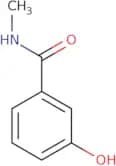
CAS:<p>Versatile small molecule scaffold</p>Formula:C8H12N2OPurity:Min. 95%Molecular weight:152.19 g/mol3-Hydroxy-N-methylbenzamide
CAS:<p>Versatile small molecule scaffold</p>Formula:C8H9NO2Purity:Min. 95%Molecular weight:151.16 g/molN-Ethyl-3-hydroxybenzamide
CAS:<p>Versatile small molecule scaffold</p>Formula:C9H11NO2Purity:Min. 95%Molecular weight:165.19 g/mol3-Hydroxy-N-(2-hydroxyethyl)benzamide
CAS:<p>Versatile small molecule scaffold</p>Formula:C9H11NO3Purity:Min. 95%Molecular weight:181.19 g/mol3-Hydroxy-N,N-dimethylbenzamide
CAS:<p>Versatile small molecule scaffold</p>Formula:C9H11NO2Purity:Min. 95%Molecular weight:165.19 g/molN,N-Diethyl-3-hydroxybenzamide
CAS:<p>Versatile small molecule scaffold</p>Formula:C11H15NO2Purity:Min. 95%Molecular weight:193.24 g/mol3-[(Morpholin-4-yl)carbonyl]phenol
CAS:<p>Versatile small molecule scaffold</p>Formula:C11H13NO3Purity:Min. 95%Molecular weight:207.23 g/mol4,6-Dichloro-1,2-dihydro-1,3,5-triazin-2-one
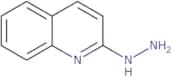
CAS:<p>Versatile small molecule scaffold</p>Formula:C3HCl2N3OPurity:Min. 95%Molecular weight:165.96 g/mol2-Hydrazinoquinoline
CAS:<p>2-Hydrazinoquinoline is a metal chelate that can be used as an analytical method to detect the presence of metals in urine samples. It is also used for the detection of methyl ethyl trifluoroacetic acid and other organic compounds. 2-Hydrazinoquinoline reacts with metal ions to form metal complexes, which are detected by spectroscopy or x-ray diffraction data. The reaction mechanism is not well understood, but it has been shown that reactive intermediates are involved.</p>Formula:C9H9N3Purity:Min. 95%Molecular weight:159.19 g/mol2-(Acetyloxy)-2-methylpropanoic acid
CAS:<p>Versatile small molecule scaffold</p>Formula:C6H10O4Purity:Min. 95%Molecular weight:146.14 g/molSpiro[2.5]octan-6-one
CAS:<p>Spiro[2.5]octan-6-one is a cyclopropanated biphenylene that reacts with diazomethane to form the chloride, resulting in an electron-rich spiro compound. The chloride is converted to the corresponding electron-deficient biphenylene by treatment with lead tetraacetate and cyclopropanes. The resulting biphenylenes can be reacted with an excess of cyclohexane in the presence of a catalytic amount of oriented Ni(0) to form the vinylcyclopropanes. This reaction can be used for the synthesis of dimers by reacting two vinylcyclopropanes together.</p>Formula:C8H12OPurity:Min. 95%Color and Shape:Clear LiquidMolecular weight:124.18 g/mol5-Chloro-2-(1H-pyrrol-1-yl)aniline
CAS:<p>Versatile small molecule scaffold</p>Formula:C10H9ClN2Purity:Min. 95%Molecular weight:192.64 g/mol2-(2,4-Dimethylbenzoyl)furan
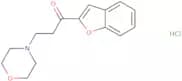
CAS:<p>Versatile small molecule scaffold</p>Formula:C13H12O2Purity:Min. 95%Molecular weight:200.23 g/mol1-(1-Benzofuran-2-yl)-3-(morpholin-4-yl)propan-1-one hydrochloride
CAS:<p>Versatile small molecule scaffold</p>Formula:C15H18ClNO3Purity:Min. 95%Molecular weight:295.76 g/molN-[(4-Methylphenyl)methyl]aniline
CAS:<p>Versatile small molecule scaffold</p>Formula:C14H15NPurity:Min. 95%Molecular weight:197.27 g/mol1-Acetylpiperidine-3-carboxamide
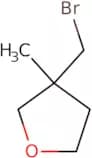
CAS:<p>Versatile small molecule scaffold</p>Formula:C8H14N2O2Purity:Min. 95%Molecular weight:170.21 g/mol3-(Bromomethyl)-3-methyloxolane
CAS:<p>Versatile small molecule scaffold</p>Formula:C6H11BrOPurity:Min. 95%Molecular weight:179.05 g/mol3,3-Dimethylbutane-1,2,4-triol
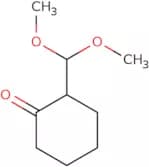
CAS:<p>3,3-Dimethylbutane-1,2,4-triol is a triol that is used as an intermediate in the synthesis of polyvinyl chloride. It is also a plasticizer and an intermediate for the production of neopentyl glycol. 3,3-Dimethylbutane-1,2,4-triol can be hydrogenated to form 1,2-dimethoxyethane at temperatures ranging from 40° C to 100° C and pressures ranging from atmospheric pressure to 100 psi. This compound can also be chlorinated to form 1,2-dichloroethane under catalytic conditions at temperatures ranging from 50° C to 120°C and pressures ranging from atmospheric pressure to 5 psi. 3,3-Dimethylbutane-1,2,4-triol can also be solvolyzed with solvents such as ethanol or diethylether under pressures up to 200 psi.</p>Formula:C6H14O3Purity:Min. 95%Molecular weight:134.17 g/mol2-(Dimethoxymethyl)cyclohexan-1-one
CAS:<p>2-(Dimethoxymethyl)cyclohexan-1-one is a cyclohexanone derivative that has the axial geometry. It is an isomer of 2-(dimethoxy)methylcyclohexanone, which has the same chemical formula and molecular weight but a different geometry (planar). The two compounds have similar spectra, with the exception that 2-(dimethoxymethyl)cyclohexan-1-one has a single proton resonance at δ = 4.71 ppm, whereas 2-(dimethoxy)methylcyclohexanone has two proton resonances at δ = 4.71 ppm and δ = 3.07 ppm. The presence of this single resonance suggests that the molecule is in the axial conformation.</p>Formula:C9H16O3Purity:Min. 95%Molecular weight:172.22 g/mol2-(Dimethoxymethyl)cyclopentan-1-one
CAS:<p>Versatile small molecule scaffold</p>Formula:C8H14O3Purity:Min. 95%Molecular weight:158.19 g/molEthyl 2-(cyclopent-2-en-1-yl)acetate
CAS:<p>Versatile small molecule scaffold</p>Formula:C9H14O2Purity:Min. 95%Molecular weight:154.21 g/mol3-[3-(4-Methoxyphenyl)oxirane-2-carbonyl]-1H-indole
CAS:<p>Versatile small molecule scaffold</p>Formula:C18H15NO3Purity:Min. 95%Molecular weight:293.3 g/mol4-(4-Propoxyphenyl)-1,3-thiazol-2-amine
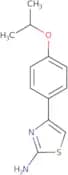
CAS:<p>Versatile small molecule scaffold</p>Formula:C12H14N2OSPurity:Min. 95%Molecular weight:234.32 g/mol4-(4-Isopropoxy-phenyl)-thiazol-2-ylamine
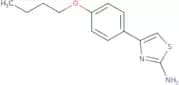
CAS:<p>Versatile small molecule scaffold</p>Formula:C12H14N2OSPurity:Min. 95%Molecular weight:234.32 g/mol4-(4-Butoxyphenyl)-1,3-thiazol-2-amine
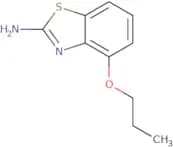
CAS:<p>Versatile small molecule scaffold</p>Formula:C13H16N2OSPurity:Min. 95%Molecular weight:248.35 g/mol4-Propoxy-1,3-benzothiazol-2-amine
CAS:<p>Versatile small molecule scaffold</p>Formula:C10H12N2OSPurity:Min. 95%Molecular weight:208.28 g/molBenzyl[2-(diethylamino)ethyl]amine
CAS:<p>Versatile small molecule scaffold</p>Formula:C13H22N2Purity:Min. 95%Molecular weight:206.33 g/mol3,4-dihydro-2H-1-benzothiopyran-4-amine hydrochloride
CAS:<p>Versatile small molecule scaffold</p>Formula:C9H11NS·HClPurity:Min. 95%Molecular weight:201.71 g/mol5-Bromo-2,3-dihydro-1H-indole hydrochloride
CAS:<p>5-Bromo-2,3-dihydro-1H-indole hydrochloride is an indoline that is used in the transformation of compounds. It is a precursor to other compounds such as 2,3-dichloroindole and 5-bromoindole.</p>Formula:C8H9BrClNPurity:Min. 95%Molecular weight:234.52 g/molIndoline-6-carbonitrile hydrochloride
CAS:<p>Versatile small molecule scaffold</p>Formula:C9H9ClN2Purity:Min. 95%Molecular weight:180.63 g/mol2,3-Dihydro-1H-indole-7-carboxylic acid
CAS:<p>Versatile small molecule scaffold</p>Formula:C9H9NO2Purity:Min. 95%Molecular weight:163.17 g/mol5-Amino-3-bromo-1-methyl-1,2-dihydropyridin-2-one
CAS:<p>Versatile small molecule scaffold</p>Formula:C6H7BrN2OPurity:Min. 95%Molecular weight:203.04 g/mol1-Oxo-1H-isochromene-4-carboxylic acid
CAS:<p>Versatile small molecule scaffold</p>Formula:C10H6O4Purity:Min. 95%Molecular weight:190.15 g/molN-(1,3-Thiazol-4-ylmethyl)aniline
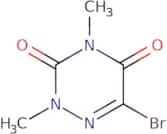
CAS:<p>Versatile small molecule scaffold</p>Formula:C10H10N2SPurity:Min. 95%Molecular weight:190.27 g/mol6-Bromo-2,4-dimethyl-2,3,4,5-tetrahydro-1,2,4-triazine-3,5-dione
CAS:<p>Versatile small molecule scaffold</p>Formula:C5H6BrN3O2Purity:Min. 95%Molecular weight:220.02 g/mol7,7,9,9-Tetramethyl-1,3,8-triazaspiro[4.5]decane-2,4-dione
CAS:<p>Versatile small molecule scaffold</p>Formula:C11H19N3O2Purity:Min. 95%Molecular weight:225.29 g/mol6-(Benzylamino)pyridine-3-carbonitrile
CAS:<p>Versatile small molecule scaffold</p>Formula:C13H11N3Purity:Min. 95%Molecular weight:209.25 g/mol2-(2,4,6-Trimethoxyphenyl)ethan-1-amine
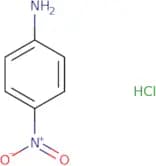
CAS:Controlled Product<p>Versatile small molecule scaffold</p>Formula:C11H17NO3Purity:Min. 95%Molecular weight:211.26 g/mol4-Nitroaniline Hydrochloride
CAS:<p>4-Nitroaniline Hydrochloride is a synthetic substrate that has been shown to inhibit the serine protease activity of human neutrophils. It is a potent inhibitor of the inflammatory response in k562 cells and is also an inhibitor of hydrolysis reactions catalyzed by p-hydroxybenzoic acid. The inhibition of these enzymes may be due to a kinetic or chemical reaction with hydrogen chloride, which acts as a catalyst. 4-Nitroaniline Hydrochloride has not been tested in clinical trials, but it has been shown to have an inhibitory effect on inflammatory diseases in animal models.</p>Formula:C6H6N2O2·HClPurity:Min. 95%Molecular weight:174.58 g/mol2-Hydroxy-3-methyl-2-phenylbutanoic acid
CAS:<p>Versatile small molecule scaffold</p>Formula:C11H14O3Purity:Min. 95%Molecular weight:194.23 g/mol5-(2-Methoxy-ethyl)-[1,3,4]thiadiazol-2-ylamine
CAS:<p>Versatile small molecule scaffold</p>Formula:C5H9N3OSPurity:Min. 95%Molecular weight:159.21 g/mol1-Chloro-4-{[(chloromethyl)sulfanyl]methyl}benzene
CAS:<p>Versatile small molecule scaffold</p>Formula:C8H8Cl2SPurity:Min. 95%Molecular weight:207.12 g/molSodium 3-methylbenzene-1-sulfinate
CAS:<p>Versatile small molecule scaffold</p>Formula:C7H7NaO2SPurity:Min. 95%Molecular weight:178.19 g/mol1-Bromo-5,5-dimethylhexane
CAS:<p>Versatile small molecule scaffold</p>Formula:C8H17BrPurity:Min. 95%Molecular weight:193.12 g/mol6,6-Dimethylheptanoic acid
CAS:<p>6,6-Dimethylheptanoic acid is a polybasic fatty acid that is used as an antifungal agent. It has been shown to inhibit the growth of various yeast and fungi in laboratory studies. 6,6-Dimethylheptanoic acid has also been shown to have anticancer properties due to its ability to cause tumor cell apoptosis. This compound may be used for coatings or treatments on surfaces, such as skin or teeth, and can be used in the production of polymers with antimicrobial activities. 6,6-Dimethylheptanoic acid has been shown to have anti-inflammatory properties and may be useful for the treatment of nociceptive pain.</p>Formula:C9H18O2Purity:Min. 95%Molecular weight:158.24 g/mol2-Methyl-2-(propan-2-yl)cyclopropane-1-carboxylic acid
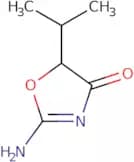
CAS:<p>Versatile small molecule scaffold</p>Formula:C8H14O2Purity:Min. 95%Molecular weight:142.2 g/mol4(5H)-Oxazolone, 2-amino-5-(1-methylethyl)-
CAS:<p>Versatile small molecule scaffold</p>Formula:C6H10N2O2Purity:Min. 95%Molecular weight:142.16 g/mol4-Methyl-isothiazole-5-carboxylic acid
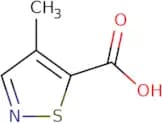
CAS:<p>Versatile small molecule scaffold</p>Formula:C5H5NO2SPurity:Min. 95%Molecular weight:143.16 g/molIsothiazole-5-carboxylic acid methyl ester
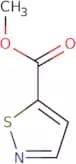
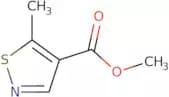
CAS:<p>Versatile small molecule scaffold</p>Formula:C5H5NO2SPurity:Min. 95%Molecular weight:143.16 g/molMethyl 5-methyl-1,2-thiazole-4-carboxylate
CAS:<p>Versatile small molecule scaffold</p>Formula:C6H7NO2SPurity:Min. 95%Molecular weight:157.19 g/mol3-Methylisothiazole-4-carboxylic acid
CAS:<p>3-Methylisothiazole-4-carboxylic acid is an amino acid that has shown anti-tumor activity. It has been shown to inhibit the growth of leukemia cells in mice and to prevent the proliferation of human cancer cells in vitro. 3-Methylisothiazole-4-carboxylic acid is a competitive inhibitor of benzoylamino, which is a key enzyme involved in the synthesis of DNA. The compound inhibits DNA replication by binding to nucleic acids at the site where they are synthesized, blocking the formation of base pairs. This drug also has immunosuppressive properties and can be used as an adjuvant therapy for hypersensitivity reactions such as asthma and allergies.</p>Formula:C5H5NO2SPurity:Min. 95%Molecular weight:143.16 g/mol3-(2,4-Dimethylphenoxy)propanoic acid
CAS:<p>Versatile small molecule scaffold</p>Formula:C11H14O3Purity:Min. 95%Molecular weight:194.23 g/mol3-Amino-2,2,4-trimethylpentan-1-ol
CAS:<p>Versatile small molecule scaffold</p>Formula:C8H19NOPurity:Min. 95%Molecular weight:145.24 g/molN-Phenylcyclobutanecarboxamide
CAS:<p>N-Phenylcyclobutanecarboxamide is a sulfone that is used as a chemotherapy agent. It has been shown to be effective in the treatment of peritoneal carcinomatosis and pancreatic cancer. This drug inhibits the growth of cancer cells by interfering with DNA synthesis and protein synthesis, which prevents cell division. N-Phenylcyclobutanecarboxamide also causes tumor cells to die by causing them to undergo apoptosis.</p>Formula:C11H13NOPurity:Min. 95%Molecular weight:175.23 g/mol3-Amino-1H,4H,5H-pyrazolo[3,4-d]pyrimidin-4-one
CAS:<p>Versatile small molecule scaffold</p>Formula:C5H5N5OPurity:Min. 95%Molecular weight:151.1 g/mol3,4-Dimethyl-6H,7H-[1,2]oxazolo[3,4-d]pyridazin-7-one
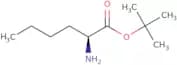
CAS:<p>Versatile small molecule scaffold</p>Formula:C7H7N3O2Purity:Min. 95%Molecular weight:165.15 g/moltert-butyl (2S)-2-aminohexanoate
CAS:<p>Tert-butyl (2S)-2-aminohexanoate is an intermediate that is used in the synthesis of glycine by the reaction of benzyl bromide and tert-butyl amine. The stereospecifically incorporated tert-butyl group has a high degree of enantioselectivity, which makes this intermediate useful in the synthesis of glycine. Tert-butyl (2S)-2-aminohexanoate can be synthesized using lithium diisopropylamide and a tertiary amine as an alkylating agent.</p>Formula:C10H21NO2Purity:Min. 95%Molecular weight:187.3 g/moliso-Butyrylglycine
CAS:<p>Iso-butyrlglycine is an intermediate in the metabolism of amino acids. It has been used as a diagnostic marker for the detection of dehydrogenase deficiency and other diseases. Iso-butyrlglycine is also used to assess the activity index of enzymes such as fatty acid synthase, which are involved in energy metabolism.</p>Formula:C6H11NO3Purity:Min. 95%Molecular weight:145.16 g/mol2-Phenyl-1,3-oxazole-4,5-dicarboxylic acid
CAS:<p>Versatile small molecule scaffold</p>Formula:C11H7NO5Purity:Min. 95%Molecular weight:233.18 g/mol



![1-bromo-4-[(methylsulfanyl)methyl]benzene](/_next/image/?url=https%3A%2Fstatic.cymitquimica.com%2Fproducts%2F3D%2Fthumb-webp%2FQAA73307.webp&w=3840&q=75)


![2-Phenylimidazo[1,2-a]pyrimidine](/_next/image/?url=https%3A%2Fstatic.cymitquimica.com%2Fproducts%2F3D%2Fthumb-webp%2FQAA76447.webp&w=3840&q=75)
![3-Methyl-1-[2-(morpholin-4-yl)ethyl]thiourea](/_next/image/?url=https%3A%2Fstatic.cymitquimica.com%2Fproducts%2F3D%2Fthumb-webp%2FQAA77599.webp&w=3840&q=75)
![2-Chloro-N-(5-isopropyl-[1,3,4]thiadiazol-2-yl)-acetamide](/_next/image/?url=https%3A%2Fstatic.cymitquimica.com%2Fproducts%2F3D%2Fthumb-webp%2FQAA77741.webp&w=3840&q=75)

![2-Chloro-N-[5-(2-methylpropyl)-1,3,4-thiadiazol-2-yl]acetamide](/_next/image/?url=https%3A%2Fstatic.cymitquimica.com%2Fproducts%2F3D%2Fthumb-webp%2FQAA77746.webp&w=3840&q=75)




![3-[(Morpholin-4-yl)carbonyl]phenol](/_next/image/?url=https%3A%2Fstatic.cymitquimica.com%2Fproducts%2F3D%2Fthumb-webp%2FQAA78905.webp&w=3840&q=75)


![Spiro[2.5]octan-6-one](/_next/image/?url=https%3A%2Fstatic.cymitquimica.com%2Fproducts%2F3D%2Fthumb-webp%2FQAA81121.webp&w=3840&q=75)


![N-[(4-Methylphenyl)methyl]aniline](/_next/image/?url=https%3A%2Fstatic.cymitquimica.com%2Fproducts%2F3D%2Fthumb-webp%2FQAA81864.webp&w=3840&q=75)




![3-[3-(4-Methoxyphenyl)oxirane-2-carbonyl]-1H-indole](/_next/image/?url=https%3A%2Fstatic.cymitquimica.com%2Fproducts%2F3D%2Fthumb-webp%2FQAA84958.webp&w=3840&q=75)

![Benzyl[2-(diethylamino)ethyl]amine](/_next/image/?url=https%3A%2Fstatic.cymitquimica.com%2Fproducts%2F3D%2Fthumb-webp%2FQAA85537.webp&w=3840&q=75)


![7,7,9,9-Tetramethyl-1,3,8-triazaspiro[4.5]decane-2,4-dione](/_next/image/?url=https%3A%2Fstatic.cymitquimica.com%2Fproducts%2F3D%2Fthumb-webp%2FQAA87154.webp&w=3840&q=75)



![5-(2-Methoxy-ethyl)-[1,3,4]thiadiazol-2-ylamine](/_next/image/?url=https%3A%2Fstatic.cymitquimica.com%2Fproducts%2F3D%2Fthumb-webp%2FQAA88490.webp&w=3840&q=75)
![1-Chloro-4-{[(chloromethyl)sulfanyl]methyl}benzene](/_next/image/?url=https%3A%2Fstatic.cymitquimica.com%2Fproducts%2F3D%2Fthumb-webp%2FQAA89425.webp&w=3840&q=75)




![3-Amino-1H,4H,5H-pyrazolo[3,4-d]pyrimidin-4-one](/_next/image/?url=https%3A%2Fstatic.cymitquimica.com%2Fproducts%2F3D%2Fthumb-webp%2FQAA90868.webp&w=3840&q=75)
![3,4-Dimethyl-6H,7H-[1,2]oxazolo[3,4-d]pyridazin-7-one](/_next/image/?url=https%3A%2Fstatic.cymitquimica.com%2Fproducts%2F3D%2Fthumb-webp%2FQAA91116.webp&w=3840&q=75)