Building Blocks
This section contains fundamental products for the synthesis of organic and biological compounds. Building blocks are the essential starting materials used to construct complex molecules through various chemical reactions. They play a critical role in drug discovery, material science, and chemical research. At CymitQuimica, we offer a diverse range of high-quality building blocks to support your innovative research and industrial projects, ensuring you have the essential components for successful synthesis.
Subcategories of "Building Blocks"
- Boronic Acids & Boronic Acid Derivatives(5,756 products)
- Chiral Building Blocks(1,242 products)
- Hydrocarbon Building Blocks(6,093 products)
- Organic Building Blocks(60,525 products)
Found 195536 products of "Building Blocks"
Sort by
Purity (%)
0
100
|
0
|
50
|
90
|
95
|
100
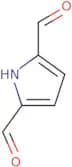
1H-Pyrrole-2,5-dicarbaldehyde
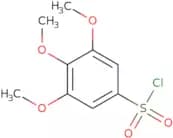
CAS:<p>1H-Pyrrole-2,5-dicarbaldehyde is a molecule that has been shown to have antibacterial properties. It binds to the amine nitrogen of the protein and forms an imine intermediate. This intermediate will react with other molecules to form a condensation product. The condensation product is then hydrolyzed by water or ammonium hydroxide to release 1H-pyrrole-2,5-dicarbaldehyde.<br>1H-Pyrrole-2,5-dicarbaldehyde has been shown to be effective against bacteria such as Staphylococcus aureus and Pseudomonas aeruginosa in bioassays. X-ray diffraction data supports the idea that this molecule has an intramolecular hydrogen bond between the carbonyl group and the nitrogen atom. This reactive molecule also has mononuclear nitrogen atoms that can bind to anions such as chloride ions and nitrate ions, which are</p>Formula:C6H5NO2Purity:Min. 95%Molecular weight:123.11 g/mol3,4,5-Trimethoxybenzene-1-sulfonyl chloride
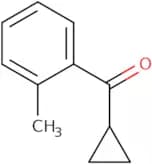
CAS:<p>Versatile small molecule scaffold</p>Formula:C9H11ClO5SPurity:Min. 95%Molecular weight:266.7 g/mol2-Methylphenyl cyclopropyl ketone
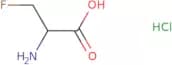
CAS:<p>Versatile small molecule scaffold</p>Formula:C11H12OPurity:Min. 95%Molecular weight:160.22 g/mol(2S)-2-Amino-3-fluoropropanoic acid hydrochloride
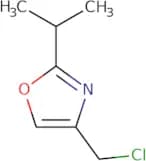
CAS:<p>Versatile small molecule scaffold</p>Formula:C3H7ClFNO2Purity:Min. 95%Molecular weight:143.54 g/mol4-(Chloromethyl)-2-(propan-2-yl)-1,3-oxazole
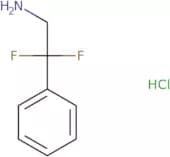
CAS:<p>Versatile small molecule scaffold</p>Formula:C7H10ClNOPurity:Min. 95%Molecular weight:159.61 g/mol2,2-Difluoro-2-phenylethanamine HCl
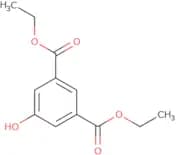
CAS:<p>Versatile small molecule scaffold</p>Formula:C8H9F2N·HClPurity:Min. 95%Molecular weight:193.62 g/mol1,3-Diethyl 5-hydroxybenzene-1,3-dicarboxylate
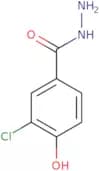
CAS:<p>1,3-Diethyl 5-hydroxybenzene-1,3-dicarboxylate is a ligand that binds to transition metal ions and has been shown to have a constant fluorescence emission. The ligand can be used as a fluorescent probe for the study of hydrogen bonding and transport properties in solids. 1,3-Diethyl 5-hydroxybenzene-1,3-dicarboxylate has also been shown to have functional theory applications and is soluble in chlorides.</p>Formula:C12H14O5Purity:Min. 95%Molecular weight:238.24 g/mol3-Chloro-4-hydroxybenzohydrazide
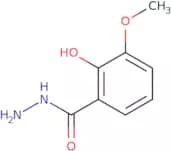
CAS:<p>Versatile small molecule scaffold</p>Formula:C7H7ClN2O2Purity:Min. 95%Molecular weight:186.59 g/mol2-Hydroxy-3-methoxybenzohydrazide
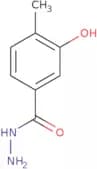
CAS:<p>2-Hydroxy-3-methoxybenzohydrazide is a magnetic material that has linear, assembled, and magnetization properties. It is a ligand that binds to metal ions and forms a stable complex. The magnetic property of this compound was determined by measuring its susceptibility to an external magnetic field. The magnitude of this susceptibility depends on the orientation of the molecule in the external magnetic field and can be used to identify the type of molecular interactions occurring between the compound and the metal ion.</p>Formula:C8H10N2O3Purity:Min. 95%Molecular weight:182.18 g/mol3-Hydroxy-4-methylbenzohydrazide
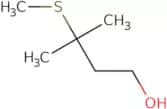
CAS:<p>Versatile small molecule scaffold</p>Formula:C8H10N2O2Purity:Min. 95%Molecular weight:166.18 g/mol3-Methyl-3-(methylsulfanyl)butan-1-ol
CAS:<p>3-Methyl-3-(methylsulfanyl)butan-1-ol is a metabolite of felinine, which is an amino acid that is only found in cats. It has been shown to be a urinary protein in laboratory mice and to have a physiological effect on the animals. The major metabolic pathway of 3-methyl-3-(methylsulfanyl)butan-1-ol is via the enzyme hplc analysis, which converts it into 3-mercapto-3-methyl-1-butanol. 3MSB has also been shown to be an intermediate in the synthesis of amines, such as serotonin and dopamine.</p>Formula:C6H14OSPurity:Min. 95%Molecular weight:134.24 g/mol5-Isopropyl-1,3-oxazole-4-carboxylic acid
CAS:<p>Versatile small molecule scaffold</p>Formula:C7H9NO3Purity:Min. 95%Molecular weight:155.15 g/mol4-Isopropylphenyl isothiocyanate
CAS:<p>4-Isopropylphenyl isothiocyanate (4IPI) is a potent inhibitor of leukotriene biosynthesis. It inhibits the enzyme 5-lipoxygenase, which converts arachidonic acid to leukotrienes. 4IPI has been shown to inhibit the production of leukotrienes in animals. This compound has also been shown to be an effective inhibitor of benzothiazole and benzoxazole synthesis in vitro.<br>4IPI is used for research purposes and has not been approved for use as a medication in humans.</p>Formula:C10H11NSPurity:Min. 95%Molecular weight:177.27 g/mol6-Chloro-N-methylpyridin-2-amine
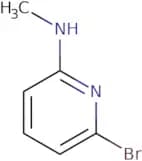
CAS:<p>Chloramine-T is an organic solvent that can be used as a dehydrohalogenating agent in the synthesis of medicines. It is also used in the production of dichloropyridine, which are medicines. The average particle diameter of chloramine-T is about 1.5 micrometers. This agent has been shown to react with alkali metals and alicyclic compounds, such as benzene and cyclohexane. Chloramine-T has also been shown to react with aromatic hydrocarbons, such as phenol and aniline, forming a product known as chlorophenols. Chloramine-T is soluble in hydrocarbon solvents including aliphatic hydrocarbons (such as hexane) and synthetic solvents (such as tetrahydrofuran).</p>Formula:C6H7ClN2Purity:Min. 95%Molecular weight:142.59 g/mol6-Bromo-2-methylaminopyridine
CAS:<p>Versatile small molecule scaffold</p>Formula:C6H7BrN2Purity:Min. 95%Molecular weight:187.04 g/mol3,4-Dihydroxy-5-methoxybenzonitrile
CAS:<p>Versatile small molecule scaffold</p>Formula:C8H7NO3Purity:Min. 95%Molecular weight:165.15 g/mol2-Oxo-1,3-oxazolidine-4-carboxylic acid
CAS:<p>2-Oxo-1,3-oxazolidine-4-carboxylic acid is a chemical compound that belongs to the group of organic solvents. It is a racemic mixture of two stereoisomers that are mirror images of one another. This compound has been shown to have antifungal properties, inhibiting the growth of Talaromyces and Curvularia. 2-Oxo-1,3-oxazolidine-4-carboxylic acid has also been shown to be effective against Achromobacter and Racemizea species and to inhibit the growth of Pseudomonas aeruginosa. The conformation of this molecule is an acidic pseudopeptide with a sulfur atom at C2.</p>Formula:C4H5NO4Purity:Min. 95%Molecular weight:131.09 g/mol2-Amino-5-chloropyrimidin-4-ol
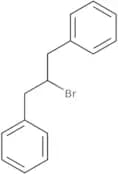
CAS:<p>Versatile small molecule scaffold</p>Formula:C4H4ClN3OPurity:Min. 95%Molecular weight:145.55 g/mol(2-Bromo-3-phenylpropyl)benzene
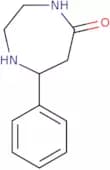
CAS:<p>Versatile small molecule scaffold</p>Formula:C15H15BrPurity:Min. 95%Molecular weight:275.18 g/mol7-Phenyl-1,4-diazepan-5-one
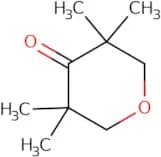
CAS:<p>Versatile small molecule scaffold</p>Formula:C11H14N2OPurity:Min. 95%Molecular weight:190.24 g/mol3,3,5,5-Tetramethyloxan-4-one
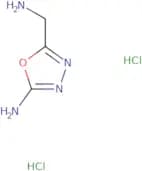
CAS:<p>Versatile small molecule scaffold</p>Formula:C9H16O2Purity:Min. 95%Molecular weight:156.22 g/mol5-(Aminomethyl)-1,3,4-oxadiazol-2-amine dihydrochloride
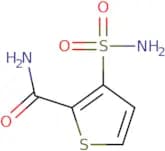
CAS:<p>Versatile small molecule scaffold</p>Formula:C3H8Cl2N4OPurity:Min. 95%Molecular weight:187.03 g/mol3-Sulfamoylthiophene-2-carboxamide
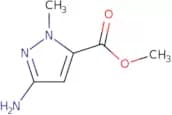
CAS:<p>Versatile small molecule scaffold</p>Formula:C5H6N2O3S2Purity:Min. 95%Molecular weight:206.2 g/molmethyl 3-amino-1-methyl-1H-pyrazole-5-carboxylate
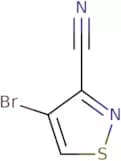
CAS:<p>Versatile small molecule scaffold</p>Formula:C6H9N3O2Purity:Min. 95%Molecular weight:155.15 g/mol4-Bromo-1,2-thiazole-3-carbonitrile
CAS:<p>Versatile small molecule scaffold</p>Formula:C4HBrN2SPurity:Min. 95%Molecular weight:189.04 g/mol2-Bromo-3-methoxyprop-1-ene
CAS:<p>Versatile small molecule scaffold</p>Formula:C4H7BrOPurity:Min. 95%Molecular weight:151 g/mol1-(2-Fluorophenyl)-1H-pyrrole
CAS:<p>1-(2-Fluorophenyl)-1H-pyrrole is a nucleophilic aromatic amine that reacts with chloride to form the 1-(2-fluorophenyl)pyrrole chloride. It has been used in the synthesis of benzoxazines and alcohols. The product yield is high and it is reusable. It also reacts with choline chloride to form the 1-(2-chlorophenyl)-1H-pyrrole chloride, which can be hydrolyzed into choline and fluorine. This compound can also be used in the preparation of a choline eutectic mixture, which is a liquid mixture of chloroform and ether that freezes at -26°C.</p>Formula:C10H8FNPurity:Min. 95%Molecular weight:161.18 g/molHex-5-en-2-yl methanesulfonate
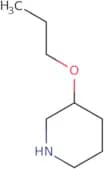
CAS:<p>Versatile small molecule scaffold</p>Formula:C7H16O4SPurity:Min. 95%Molecular weight:196.27 g/mol3-Propoxy-piperidine
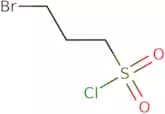
CAS:<p>Versatile small molecule scaffold</p>Formula:C8H17NOPurity:Min. 95%Molecular weight:143.23 g/mol3-Bromopropane-1-sulfonyl chloride
CAS:<p>Versatile small molecule scaffold</p>Formula:C3H6BrClO2SPurity:Min. 95%Molecular weight:221.5 g/mol4-Bromo-5-hydrazinyl-2,3-dihydropyridazin-3-one
CAS:<p>Versatile small molecule scaffold</p>Formula:C4H5BrN4OPurity:Min. 95%Molecular weight:205.01 g/mol3-thiomorpholinone 1,1-dioxide
CAS:<p>Versatile small molecule scaffold</p>Formula:C4H7NO3SPurity:Min. 95%Molecular weight:149.17 g/mol1-Ethyl-2-methyl-4-nitro-1H-imidazole
CAS:<p>Versatile small molecule scaffold</p>Formula:C6H9N3O2Purity:Min. 95%Molecular weight:155.15 g/mol3-(3-Oxo-2,3-dihydro-1,2-benzothiazol-2-yl)propanoic acid
CAS:<p>Versatile small molecule scaffold</p>Formula:C10H9NO3SPurity:Min. 95%Molecular weight:223.25 g/mol4-(3-Oxo-2,3-dihydro-1,2-benzothiazol-2-yl)butanoic acid
CAS:<p>Versatile small molecule scaffold</p>Formula:C11H11NO3SPurity:Min. 95%Molecular weight:237.28 g/mol1-(4-Propoxyphenyl)-2,5-dihydro-1H-pyrrole-2,5-dione
CAS:<p>Versatile small molecule scaffold</p>Formula:C13H13NO3Purity:Min. 95%Molecular weight:231.25 g/mol(5-Cyanofuran-2-yl)methyl acetate
CAS:<p>Versatile small molecule scaffold</p>Formula:C8H7NO3Purity:Min. 95%Molecular weight:165.15 g/mol5-(Hydroxymethyl)furan-2-carbonitrile
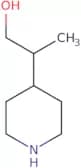
CAS:<p>Ammonium hydroxide reacts with 5-hydroxymethylfurfural in the presence of a catalyst to produce 5-(hydroxymethyl)furan-2-carbonitrile. The reaction is catalyzed by copper and zinc oxide at high temperature, and the product is obtained as a mixture of cis and trans isomers. The yield of the reaction can be increased by using an excess of ammonia as the nitrogen source. Kinetic experiments have shown that the rate determining step for this reaction is hydration. Furfural oxidation takes place in aerobic conditions in the presence of a refluxing solution of ammonium chloride.</p>Formula:C6H5NO2Purity:Min. 95%Molecular weight:123.11 g/mol2-(Piperidin-4-yl)propan-1-ol
CAS:<p>Versatile small molecule scaffold</p>Formula:C8H17NOPurity:Min. 95%Molecular weight:143.23 g/mol2-(2-(Piperidin-4-yl)ethyl)isothiazolidine 1,1-dioxide hydrochloride
CAS:<p>Versatile small molecule scaffold</p>Formula:C10H21ClN2O2SPurity:Min. 95%Molecular weight:268.8 g/mol1-Boc-4-(2-iodoethyl)piperidine
CAS:<p>Versatile small molecule scaffold</p>Formula:C12H22INO2Purity:Min. 95%Molecular weight:339.21 g/mol5-Amino-3-tert-butylisothiazole
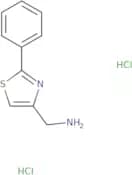
CAS:<p>Versatile small molecule scaffold</p>Formula:C7H12N2SPurity:Min. 95%Molecular weight:156.25 g/mol(2-Phenyl-1,3-thiazol-4-yl)methanamine dihydrochloride
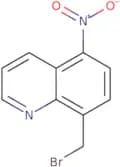
CAS:<p>Versatile small molecule scaffold</p>Formula:C10H12Cl2N2SPurity:Min. 95%Molecular weight:263.19 g/mol8-(Bromomethyl)-5-nitroquinoline
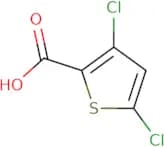
CAS:<p>Versatile small molecule scaffold</p>Formula:C10H7BrN2O2Purity:Min. 95%Molecular weight:267.08 g/mol3,5-Dichlorothiophene-2-carboxylic acid
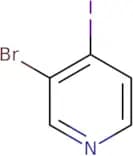
CAS:<p>Versatile small molecule scaffold</p>Formula:C5H2Cl2O2SPurity:Min. 95%Molecular weight:197.03 g/mol3-Bromo-4-iodopyridine
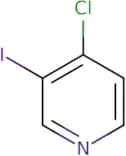
CAS:<p>3-Bromo-4-iodopyridine is a molecule that regulates the positioning of molecules. It has two different isomers, which have different conformational and intramolecular hydrogen bonding properties. 3-Bromo-4-iodopyridine is synthesized by reacting 3-bromopyridine with iodine monochloride in the presence of sodium hydroxide. This reaction produces a mixture of the two isomers, which can be separated using fractional crystallization or chromatography. 3-Bromo-4-iodopyridine has been shown to stabilize low efficiency solar cells.</p>Formula:C5H3BrINPurity:Min. 95%Molecular weight:283.89 g/mol4-Chloro-3-iodopyridine
CAS:<p>4-Chloro-3-iodopyridine is a heterocyclic compound that has been used in the synthesis of tripeptides. 4-Chloro-3-iodopyridine can be synthesized by the cross-coupling of an unsymmetrical quinoline derivative and an iodide. This reaction is catalyzed by copper and produces a mixture of regioisomers. The isolated yield obtained from this synthesis was low, with only 3% being the desired product. The synthesis of 4-chloro-3-iodopyridine was also shown to have high yields when using anthracene as a starting material and halopyridines as coupling partners.</p>Formula:C5H3ClINPurity:Min. 95%Molecular weight:239.44 g/mol1-Cyano-N-methylmethanesulfonamide
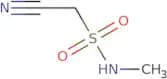
CAS:<p>Versatile small molecule scaffold</p>Formula:C3H6N2O2SPurity:Min. 95%Molecular weight:134.16 g/mol7-Methoxy-1H,2H,3H,4H-cyclopenta[b]indole
CAS:<p>Versatile small molecule scaffold</p>Formula:C12H13NOPurity:Min. 95%Molecular weight:187.24 g/mol4-Methyl-1,3-thiazole-5-carbohydrazide
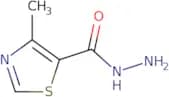
CAS:<p>4-Methyl-1,3-thiazole-5-carbohydrazide (MTZ) is a crystalline solid that has been shown to be stable in water and other polar solvents. It has been used as a precursor for the synthesis of sulfonyl chloride compounds. MTZ can be prepared by reacting benzenesulfonyl chloride with methyl iodide in the presence of potassium carbonate. This reaction results in an intermolecular S2 substitution on the benzene ring, which is stabilized by hydrogen bonding. MTZ reacts with Cl and Br to form chlorides and bromides respectively.</p>Formula:C5H7N3OSPurity:Min. 95%Molecular weight:157.2 g/mol4-Amino-6-methylpyrimidine-2-thiole
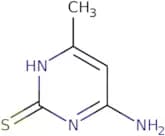
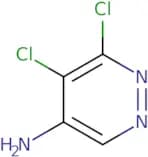
CAS:<p>4-Amino-6-methylpyrimidine-2-thiole is a macrocyclic, polyhedra ligand that interacts with the extracellular domain of lipase. It has been shown to be bacteriostatic against Staphylococcus aureus and other bacteria. 4-Amino-6-methylpyrimidine-2-thiole can bind to the active site of the lipase and inhibit its function by preventing the release of fatty acids from chylomicrons and triglycerides. This drug also inhibits bacterial growth by binding to nucleobases, which are essential for DNA synthesis and transcription.</p>Formula:C5H7N3SPurity:Min. 95%Molecular weight:141.19 g/mol5,6-dichloropyridazin-4-amine
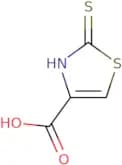
CAS:<p>5,6-Dichloropyridazin-4-amine is an aminopyridazine that has been synthesized and studied as a potential therapeutic agent. It is a quinone with an azide group. The synthesis of 5,6-dichloropyridazin-4-amine can be achieved by reacting pyridazine with sulfuric acid, followed by the addition of chlorine and then ammonia. This reaction produces a mixture of the desired product, 5,6-dichloropyridazin-4-amine and other products such as 5,6-dichloroquinoxaline. This compound has shown to have antihypertensive activity in rats and may also have some medicinal properties due to its ability to inhibit the synthesis of betaines.</p>Formula:C4H3Cl2N3Purity:Min. 95%Molecular weight:164 g/mol2-Sulfanyl-1,3-thiazole-4-carboxylic acid
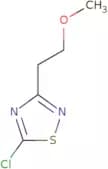
CAS:<p>2-Sulfanyl-1,3-thiazole-4-carboxylic acid is a receptor binding compound that has been shown to bind to the prostaglandin E4 (EP4) receptor. This compound is an analog of prostaglandin F2α and has been shown to inhibit the binding of subtype EP4 receptors in a receptor binding assay. The structure activity relationship (SAR) of 2-sulfanyl-1,3-thiazole-4-carboxylic acid has been evaluated and optimized for maximum binding affinity with the EP4 receptor. These changes were found to be most effective in lowering blood pressure in rats.</p>Formula:C4H3NO2S2Purity:Min. 95%Molecular weight:161.2 g/mol5-Chloro-3-(2-methoxyethyl)-1,2,4-thiadiazole
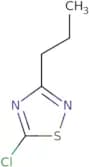
CAS:<p>Versatile small molecule scaffold</p>Formula:C5H7ClN2OSPurity:Min. 95%Molecular weight:178.64 g/mol5-Chloro-3-propyl-1,2,4-thiadiazole
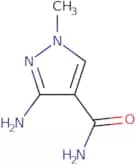
CAS:<p>Versatile small molecule scaffold</p>Formula:C5H7ClN2SPurity:Min. 95%Molecular weight:162.64 g/mol3-Amino-1-methyl-1H-pyrazole-4-carboxamide
CAS:<p>Versatile small molecule scaffold</p>Formula:C5H8N4OPurity:Min. 95%Molecular weight:140.15 g/mol7-Methyl-2-phenylimidazo[1,2-a]pyridin-3-amine
CAS:<p>Versatile small molecule scaffold</p>Formula:C14H13N3Purity:Min. 95%Molecular weight:223.27 g/mol2-Phenylimidazo[1,2-a]pyrimidin-3-amine
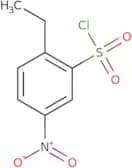
CAS:<p>Versatile small molecule scaffold</p>Formula:C12H10N4Purity:Min. 95%Molecular weight:210.23 g/mol2-Ethyl-5-nitrobenzene-1-sulfonyl chloride
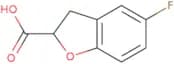
CAS:<p>Versatile small molecule scaffold</p>Formula:C8H8ClNO4SPurity:Min. 95%Molecular weight:249.67 g/mol5-Fluoro-2,3-dihydro-1-benzofuran-2-carboxylic acid
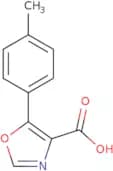
CAS:<p>Versatile small molecule scaffold</p>Formula:C9H7FO3Purity:Min. 95%Molecular weight:182.15 g/mol5-(4-Methylphenyl)-1,3-oxazole-4-carboxylic acid
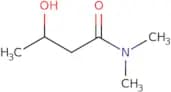
CAS:<p>Versatile small molecule scaffold</p>Formula:C11H9NO3Purity:Min. 95%Molecular weight:203.19 g/mol(3R)-3-Hydroxy-N,N-dimethylbutanamide
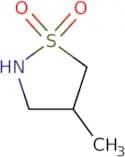
CAS:<p>Versatile small molecule scaffold</p>Formula:C6H13NO2Purity:Min. 95%Molecular weight:131.17 g/mol4-Methylisothiazolidine 1,1-dioxide
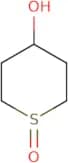
CAS:<p>Versatile small molecule scaffold</p>Formula:C4H9NO2SPurity:Min. 95%Molecular weight:135.19 g/molTetrahydro-2H-thiopyran-4-ol 1-oxide
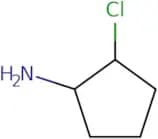
CAS:<p>Versatile small molecule scaffold</p>Formula:C5H10O2SPurity:Min. 95%Molecular weight:134.2 g/mol2-Chlorocyclopentan-1-amine hydrochloride
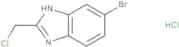
CAS:<p>Versatile small molecule scaffold</p>Formula:C5H10ClNPurity:Min. 95%Molecular weight:119.59 g/mol5-Bromo-2-(chloromethyl)-1H-1,3-benzodiazole hydrochloride
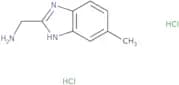
CAS:<p>Versatile small molecule scaffold</p>Formula:C8H7BrCl2N2Purity:Min. 95%Molecular weight:281.96 g/mol(5-Methyl-1H-1,3-benzodiazol-2-yl)methanamine dihydrochloride
CAS:<p>Versatile small molecule scaffold</p>Formula:C9H13Cl2N3Purity:Min. 95%Molecular weight:234.12 g/mol1-(3-Bromoprop-1-en-2-yl)-4-chlorobenzene
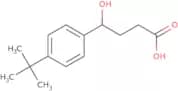
CAS:<p>Versatile small molecule scaffold</p>Formula:C9H8BrClPurity:Min. 95%Molecular weight:231.51 g/mol4-(4-tert-Butylphenyl)-4-hydroxybutanoic acid
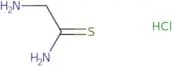
CAS:<p>Versatile small molecule scaffold</p>Formula:C14H20O3Purity:Min. 95%Molecular weight:236.31 g/mol2-Aminoethanethioamide hydrochloride
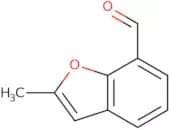
CAS:<p>Versatile small molecule scaffold</p>Formula:C2H7ClN2SPurity:Min. 95%Molecular weight:126.61 g/mol2-Methyl-1-benzofuran-7-carbaldehyde
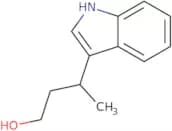
CAS:<p>Versatile small molecule scaffold</p>Formula:C10H8O2Purity:Min. 95%Molecular weight:160.17 g/mol3-(1H-Indol-3-yl)butan-1-ol
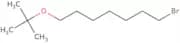
CAS:<p>Versatile small molecule scaffold</p>Formula:C12H15NOPurity:Min. 95%Molecular weight:189.25 g/mol1-Bromo-7-(tert-butoxy)heptane
CAS:<p>Versatile small molecule scaffold</p>Formula:C11H23BrOPurity:Min. 95%Molecular weight:251.2 g/mol7-Chloro-1,3-dimethyl-1H-pyrazolo[4,3-d]pyrimidine
CAS:<p>Versatile small molecule scaffold</p>Formula:C7H7ClN4Purity:Min. 95%Molecular weight:182.61 g/mol7-Chloro-1,3,5-trimethyl-1H-pyrazolo[4,3-d]pyrimidine
CAS:<p>Versatile small molecule scaffold</p>Formula:C8H9ClN4Purity:Min. 95%Molecular weight:196.64 g/mol3-Methyl-1-(2,2,2-trifluoroethyl)-1H-pyrazole-5-carboxylic acid
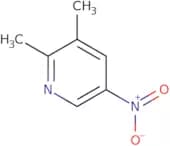
CAS:<p>Versatile small molecule scaffold</p>Formula:C7H7F3N2O2Purity:Min. 95%Molecular weight:208.14 g/mol2,3-Dimethyl-5-nitropyridine
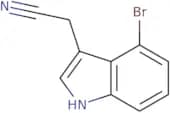
CAS:<p>Versatile small molecule scaffold</p>Formula:C7H8N2O2Purity:Min. 95%Molecular weight:152.15 g/mol2-(4-Bromo-1H-indol-3-yl)acetonitrile
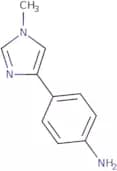
CAS:<p>2-(4-Bromo-1H-indol-3-yl)acetonitrile is an organic compound that contains a cyano group, which is a functional group consisting of three carbon atoms and one nitrogen atom. This molecule has an indole ring system with two hydrogen bonds. The acetonitrile chain is four carbons long, while the cyano group is only one carbon long.</p>Formula:C10H7BrN2Purity:Min. 95%Molecular weight:235.08 g/mol4-(1-Methyl-1H-imidazol-4-yl)aniline
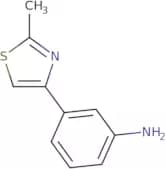
CAS:<p>Versatile small molecule scaffold</p>Formula:C10H11N3Purity:Min. 95%Molecular weight:173.21 g/mol3-(2-Methyl-1,3-thiazol-4-yl)aniline
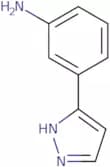
CAS:<p>Versatile small molecule scaffold</p>Formula:C10H10N2SPurity:Min. 95%Molecular weight:190.27 g/mol3-(1H-Pyrazol-3-yl)aniline
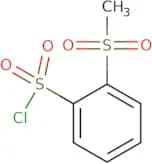
CAS:<p>3-(1H-Pyrazol-3-yl)aniline is a protonated form of fentanyl that interacts with the opioid receptors in the body. It is used as an analgesic, but also has a high risk for abuse and addiction. The drug is not considered to be a controlled substance according to the Controlled Substances Act. 3-(1H-Pyrazol-3-yl)aniline is a synthetic compound that does not have any major side effects other than respiratory depression, which can be reversed with naloxone. This drug has been found to have long lasting effects, making it suitable for chronic pain management. 3-(1H-Pyrazol-3-yl)aniline binds to the endocyclic nitrogen atom on the phenyl ring of fentanyl and causes ionization in water, which may lead to its long lasting effects. 3-(1H-Pyrazol-3-yl)aniline can be administered</p>Formula:C9H9N3Purity:Min. 95%Molecular weight:159.19 g/mol2-Methylsulfonylbenzenesulfonyl chloride
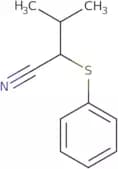
CAS:<p>Versatile small molecule scaffold</p>Formula:C7H7ClO4S2Purity:Min. 95%Molecular weight:254.71 g/mol3-Methyl-2-(phenylsulfanyl)butanenitrile
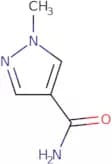
CAS:<p>Versatile small molecule scaffold</p>Formula:C11H13NSPurity:Min. 95%Molecular weight:191.29 g/mol1-Methyl-1H-pyrazole-4-carboxamide
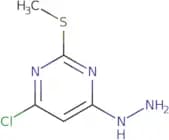
CAS:<p>1-Methyl-1H-pyrazole-4-carboxamide is a potent and selective activator of constitutive androstane receptor (CAR) which is involved in the regulation of gene transcription. 1-Methyl-1H-pyrazole-4-carboxamide has been shown to be cytotoxic, inducing apoptosis and inhibiting cancer cell proliferation in vitro. 1-Methyl-1H-pyrazole-4-carboxamide also induces the expression of hormone receptors such as the androgen receptor, estrogen receptor, progesterone receptor, glucocorticoid receptor, mineralocorticoid receptor, and peroxisome proliferator activated receptor (PPAR).</p>Formula:C5H7N3OPurity:Min. 95%Molecular weight:125.13 g/mol4-Chloro-6-hydrazino-2-(methylsulfanyl)pyrimidine
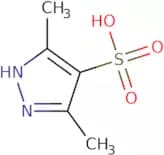
CAS:<p>Versatile small molecule scaffold</p>Formula:C5H7ClN4SPurity:Min. 95%Molecular weight:190.65 g/mol3,5-Dimethyl-1H-pyrazole-4-sulfonic acid
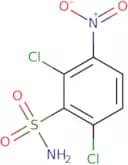
CAS:<p>Versatile small molecule scaffold</p>Formula:C5H8N2O3SPurity:Min. 95%Molecular weight:176.2 g/mol2,6-Dichloro-3-nitrobenzene-1-sulfonamide
CAS:<p>Versatile small molecule scaffold</p>Formula:C6H4Cl2N2O4SPurity:Min. 95%Molecular weight:271.08 g/mol5,7-Dichloro-6-methyl-[1,2,4]triazolo[1,5-a]pyrimidine
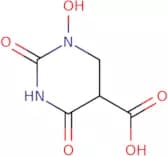
CAS:<p>Versatile small molecule scaffold</p>Formula:C6H4Cl2N4Purity:Min. 95%Molecular weight:203.03 g/mol1-Hydroxy-2,4-dioxo-1,2,3,4-tetrahydropyrimidine-5-carboxylic acid
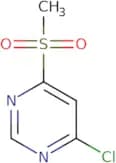
CAS:<p>Versatile small molecule scaffold</p>Formula:C5H6N2O5Purity:Min. 95%Molecular weight:174.11 g/mol4-Chloro-6-(methylsulfonyl)pyrimidine
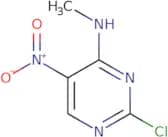
CAS:<p>4-Chloro-6-(methylsulfonyl)pyrimidine is a nucleophilic pyrimidine compound that reacts with nucleophiles to form four different products. This product preferentially reacts with the pyridazine ring, forming 4-chloro-6-(methylsulfonyl)pyridazine. It also reacts with the chloro group and forms 6-chloropyrimidine. Reaction with methylsulfonyl group yields 6-(methylsulfonyl)pyrimidine, while reaction with the pyrimidine ring yields 4-(methylsulfonyl)pyrimidine.</p>Formula:C5H5ClN2O2SPurity:Min. 95%Molecular weight:192.62 g/mol2-Chloro-N-methyl-5-nitropyrimidin-4-amine
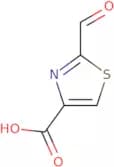
CAS:<p>Versatile small molecule scaffold</p>Formula:C5H5ClN4O2Purity:Min. 95%Molecular weight:188.57 g/mol2-Formyl-1,3-thiazole-4-carboxylic acid
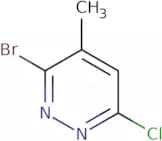
CAS:<p>Versatile small molecule scaffold</p>Formula:C5H3NO3SPurity:Min. 95%Molecular weight:157.15 g/mol3-Bromo-6-chloro-4-methylpyridazine
CAS:<p>Versatile small molecule scaffold</p>Formula:C5H4BrClN2Purity:Min. 95%Molecular weight:207.45 g/molN-[(3-Bromothiophen-2-yl)methylidene]hydroxylamine
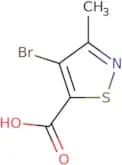
CAS:<p>Versatile small molecule scaffold</p>Formula:C5H4BrNOSPurity:Min. 95%Molecular weight:206.06 g/mol4-Bromo-3-methyl-isothiazole-5-carboxylic acid
CAS:<p>Versatile small molecule scaffold</p>Formula:C5H4BrNO2SPurity:Min. 95%Molecular weight:222.06 g/mol3,5-Dichloro-2-methylpyrazine
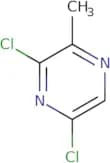
CAS:<p>Versatile small molecule scaffold</p>Formula:C5H4Cl2N2Purity:Min. 95%Molecular weight:163.01 g/mol2,4-Dibromo-5-chlorophenol
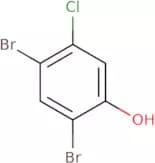
CAS:<p>Versatile small molecule scaffold</p>Formula:C6H3Br2ClOPurity:Min. 95%Molecular weight:286.35 g/mol1-(4-Cyano-benzyl)-piperazine
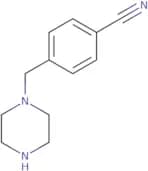
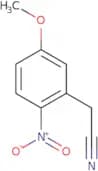
CAS:Controlled Product<p>Versatile small molecule scaffold</p>Formula:C12H15N3Purity:Min. 95%Molecular weight:201.27 g/mol(5-Methoxy-2-nitro-phenyl)-acetonitrile
CAS:<p>5-Methoxy-2-nitro-phenyl)-acetonitrile is an analog of β-unsaturated ketones and has been synthesized from phenylmagnesium bromide, amido acid, and α-(chloromethyl)benzene. The reaction was stereoselective with the formation of a single diastereomer. 5-Methoxy-2-nitro-phenyl)-acetonitrile is a chiral compound with two asymmetric carbon atoms. The synthesis of this compound was efficient, requiring only four steps to complete the entire process.</p>Formula:C9H8N2O3Purity:Min. 95%Molecular weight:192.17 g/mol5-Chloro-2,3-dihydro-1,3,4-thiadiazol-2-one
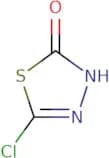
CAS:<p>Versatile small molecule scaffold</p>Formula:C2HClN2OSPurity:Min. 95%Molecular weight:136.56 g/mol











![7-Methoxy-1H,2H,3H,4H-cyclopenta[b]indole](/_next/image/?url=https%3A%2Fstatic.cymitquimica.com%2Fproducts%2F3D%2Fthumb-webp%2FPDA16957.webp&w=3840&q=75)
![7-Methyl-2-phenylimidazo[1,2-a]pyridin-3-amine](/_next/image/?url=https%3A%2Fstatic.cymitquimica.com%2Fproducts%2F3D%2Fthumb-webp%2FPDA18545.webp&w=3840&q=75)
![2-Phenylimidazo[1,2-a]pyrimidin-3-amine](/_next/image/?url=https%3A%2Fstatic.cymitquimica.com%2Fproducts%2F3D%2Fthumb-webp%2FPDA18548.webp&w=3840&q=75)

![7-Chloro-1,3-dimethyl-1H-pyrazolo[4,3-d]pyrimidine](/_next/image/?url=https%3A%2Fstatic.cymitquimica.com%2Fproducts%2F3D%2Fthumb-webp%2FPDA23918.webp&w=3840&q=75)
![7-Chloro-1,3,5-trimethyl-1H-pyrazolo[4,3-d]pyrimidine](/_next/image/?url=https%3A%2Fstatic.cymitquimica.com%2Fproducts%2F3D%2Fthumb-webp%2FPDA23922.webp&w=3840&q=75)

![5,7-Dichloro-6-methyl-[1,2,4]triazolo[1,5-a]pyrimidine](/_next/image/?url=https%3A%2Fstatic.cymitquimica.com%2Fproducts%2F3D%2Fthumb-webp%2FPDA28122.webp&w=3840&q=75)
![N-[(3-Bromothiophen-2-yl)methylidene]hydroxylamine](/_next/image/?url=https%3A%2Fstatic.cymitquimica.com%2Fproducts%2F3D%2Fthumb-webp%2FPDA28398.webp&w=3840&q=75)