


Building Blocks
This section contains fundamental products for the synthesis of organic and biological compounds. Building blocks are the essential starting materials used to construct complex molecules through various chemical reactions. They play a critical role in drug discovery, material science, and chemical research. At CymitQuimica, we offer a diverse range of high-quality building blocks to support your innovative research and industrial projects, ensuring you have the essential components for successful synthesis.
Subcategories of "Building Blocks"
- Boronic Acids & Boronic Acid Derivatives(5,756 products)
- Chiral Building Blocks(1,242 products)
- Hydrocarbon Building Blocks(6,093 products)
- Organic Building Blocks(60,532 products)
Found 195533 products of "Building Blocks"
Sort by
Purity (%)
0
100
|
0
|
50
|
90
|
95
|
100
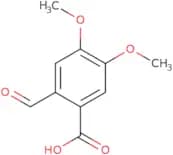
2-Formyl-4,5-dimethoxybenzoic acid
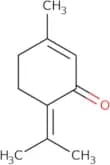
CAS:<p>Versatile small molecule scaffold</p>Formula:C10H10O5Purity:Min. 95%Molecular weight:210.18 g/mol3-Methyl-6-(propan-2-ylidene)cyclohex-2-en-1-one
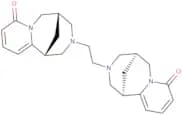
CAS:<p>3-Methyl-6-(propan-2-ylidene)cyclohex-2-en-1-one is a deodorant that has been shown to reduce the production of inflammatory cells. The chemical structure of 3M6PC is shown in Figure 1, and its chemical name is 3-(3,7,11,15-tetramethylpentadecane)-1,5,9(10),14(14),18(18),22(22),26(26)-octahydrocyclopenta[a]phenanthrene. This chemical can be obtained by an asymmetric synthesis process using an oxidation catalyst. The molecular weight of this compound is 260.3 g/mol and its minimal inhibitory concentration (MIC) is 0.0025 mg/mL in liquid crystal composition. 3M6PC has been shown to have minimal inhibitory concentrations for a wide range of bacteria including Bacillus cereus (0.06 mg/</p>Formula:C10H14OPurity:Min. 95%Molecular weight:150.22 g/molCC4
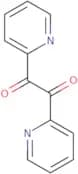
CAS:<p>CC4 is an antimicrobial agent that belongs to the group of antimicrobial peptides. It is a cationic peptide that has been shown to inhibit the growth of bacteria, fungi, and viruses. CC4 has also been shown to have anti-inflammatory properties in mice with autoimmune diseases. CC4 binds to glutamate receptors on the surface of cells and blocks glutamate from binding, preventing activation of the receptor and subsequent cell death. CC4 has also been shown to bind specifically to DNA in vitro assays, which may be related to its ability to prevent mitochondrial functions and enzyme activities by blocking ATP production. CC4 also binds selectively to mitochondria in vivo, suggesting that it may also have therapeutic potential as a treatment for colorectal adenocarcinoma or other cancers caused by mitochondrial dysfunction.</p>Formula:C24H30N4O2Purity:Min. 95%Molecular weight:406.52 g/mol2,2²-Pyridil
CAS:<p>2,2-Pyridil is a synthetic compound that forms a hydrated proton. This compound has been shown to have emissions at 272 nm and thermal expansion of 0.038 mm/(m·K). The nitrogen atoms in this molecule are bonded to two chlorine atoms. 2,2-Pyridil can undergo nucleophilic attack by chloride ions or form hydrogen bonds with other molecules due to the lone pair of electrons on the carbon atom. This molecule also has three carbon tetrachloride molecules attached to it. The isolated yield for this compound is about 50%.</p>Formula:C12H8N2O2Purity:Min. 95%Molecular weight:212.2 g/mol2,2'-Biimidazole
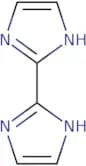
CAS:<p>2,2'-Biimidazole is a diphenyl ether compound with a stable complex. It is used in the preparation of coordination compounds, which are often found in biological systems. These complexes can be formed by reacting 2,2'-biimidazole with various metal ions such as copper(II), zinc(II), or nickel(II). The coordination geometry and x-ray crystal structures of these complexes have been studied extensively. The group p2 electron configuration of 2,2'-biimidazole has been shown to undergo transfer reactions to form acid and carbonyl complexes. These complexes have been characterized using electrochemical impedance spectroscopy (EIS) and photochemical properties.</p>Formula:C6H6N4Purity:Min. 95%Molecular weight:134.14 g/mol4H-3,1-Benzothiazine-2-thiol
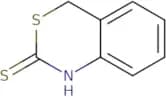
CAS:<p>Versatile small molecule scaffold</p>Formula:C8H7NS2Purity:Min. 95%Molecular weight:181.28 g/mol7-Aminonaphthalene-2-sulfonic acid
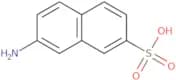
CAS:<p>7-Aminonaphthalene-2-sulfonic acid (7ANS) is a pharmacological agent that is a tyrosine kinase receptor agonist. It exhibits high affinity for the insulin receptor and other receptors of the tyrosine kinase family, such as vascular endothelial growth factor receptor 2 (VEGFR2). 7ANS has shown to be an effective antidiabetic agent in both animal and human studies. 7ANS also has been shown to inhibit hepatic glucose production, increase glucose uptake by skeletal muscle, and enhance insulin sensitivity. 7ANS stimulates glucose transport activity in cells by binding to the ATP-binding site of sodium channels on the cell membrane, which leads to increased amounts of ATP in the cells. This increased ATP level leads to increased phosphorylation of protein substrates, which are necessary for cellular function. In addition, functionalities such as readout or assay conditions can be altered using this molecule.</p>Formula:C10H9NO3SPurity:Min. 95%Molecular weight:223.25 g/mol1-Phenyl-2-buten-1-one
CAS:<p>1-Phenyl-2-buten-1-one is a ketone that is produced by the Friedel-Crafts reaction, which entails the use of an aluminum chloride catalyst in the presence of hydroxy groups. This chemical can also be produced by a reductive carbonylation reaction using acetaldehyde and an organic solvent. <br>This chemical has been shown to have reductase activities and coordination geometry. It has also been shown to inhibit enzyme activities such as β-unsaturated ketones reductase, indole alkaloid reductase, and acetaldehyde dehydrogenase. The optimal reaction for this compound is borohydride reduction. 1-Phenyl-2-buten-1-one has not been isolated in yields greater than 90%.</p>Formula:C10H10OPurity:Min. 95%Molecular weight:146.19 g/molIndoline-2-thione
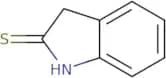
CAS:<p>Indoline-2-thione is a synthetic compound that belongs to the class of active natural products. It has been shown to have a function in the synthesis of propiolic acid, which is an oxindole and phytoalexin that inhibits melanogenesis. Indoline-2-thione also has ammonium nitrate as its functional group, which is a linear molecule with two nitrogen atoms and two oxygen atoms. Indoline-2-thione has been shown to inhibit the proliferation of MCF-7 breast cancer cells in vitro by inducing apoptosis. This compound also shows structural similarities to crystalline indole compounds found in nature, such as mcf-7 (a protein).</p>Formula:C8H7NSPurity:Min. 95%Molecular weight:149.21 g/mol2,3-Dihydro-1-benzothiophen-2-one
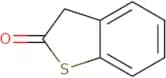
CAS:<p>2,3-Dihydro-1-benzothiophen-2-one is an aliphatic hydrocarbon that belongs to the five-membered ring class. It is a weak acid with electron donating properties. 2,3-Dihydro-1-benzothiophen-2-one has been shown to be a good solvent for many inorganic anions and it can be used as a hydrogen peroxide scavenger. This compound can also be used for the stabilization of selenophenes and hexamethylphosphoramide.</p>Formula:C8H6OSPurity:Min. 95%Molecular weight:150.2 g/mol2-(1H-Indol-2-yl)-ethylamine
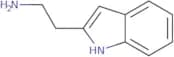
CAS:<p>2-(1H-Indol-2-yl)-ethylamine is a drug that has clinical relevance in the treatment of infectious diseases. It has been shown to inhibit the growth of bacteria by binding to the 50S ribosomal subunit. It also binds to human plasma proteins and other biological samples, which may be due to its ability to induce apoptosis. 2-(1H-Indol-2-yl)-ethylamine has been shown to be effective against bacterial infections in humans, such as methicillin resistant Staphylococcus aureus (MRSA) and Clostridium perfringens, although is not active against acid-fast bacteria such as Mycobacterium tuberculosis or Mycobacterium avium complex.<br>2-(1H-Indol-2-yl)-ethylamine has been shown to have anti-inflammatory properties, which may be due to its inhibition of prostaglandin synthesis. The drug inhibits protein</p>Formula:C10H12N2Purity:Min. 95%Molecular weight:160.22 g/mol(S)-2-Amino-4-(aminooxy)butanoic acid
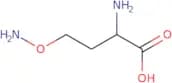
CAS:<p>(S)-2-Amino-4-(aminooxy)butanoic acid is an amino acid that is a component of proteins, and it plays a role in the metabolism of glutamate, which is an excitatory neurotransmitter. It has been shown to have antibiotic activity against gram-positive bacteria. This amino acid also participates in the synthesis of gamma-aminobutyric acid (GABA), which plays an important role in brain function. The enzyme aminotransferase activity can be inhibited by this amino acid, as well as by plant compounds such as canaline and proton. The cell nucleus contains many copies of this amino acid that are involved in DNA replication and repair.</p>Formula:C4H10N2O3Purity:Min. 95%Molecular weight:134.14 g/molN-(4-Aminobenzenesulfonyl)octadecanamide
CAS:<p>N-(4-Aminobenzenesulfonyl)octadecanamide is a transcriptional regulator that binds to the basic protein and regulates the transcription of genes. It has been shown to be effective in treating autoimmune diseases, such as arthritis, by blocking the production of inflammation-causing cytokines. N-(4-Aminobenzenesulfonyl)octadecanamide also inhibits cell proliferation and promotes apoptosis in malignant brain cancer cells. This drug may also be used to treat metabolic disorders, such as surfactant deficiency.</p>Formula:C24H42N2O3SPurity:Min. 95%Molecular weight:438.7 g/mol2-Oxooxolane-4-carboxylic acid
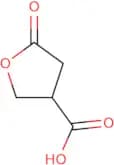
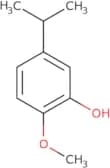
CAS:<p>2-Oxooxolane-4-carboxylic acid is an aldolase inhibitor that can be used to treat autoimmune diseases, such as multiple sclerosis, and cancer. It has been shown to reduce the production of citrate in cancer cells, which causes peroxisome proliferation. This inhibits the production of ATP and reduces the cellular activity of mitochondria. 2-Oxooxolane-4-carboxylic acid has also been shown to increase insulin sensitivity by inhibiting the activation of protein kinase C (PKC). The drug is also a proliferator for activated T cells. These properties make 2-Oxooxolane-4-carboxylic acid a potential treatment for type 2 diabetes and other autoimmune diseases.</p>Formula:C5H6O4Purity:Min. 95%Molecular weight:130.1 g/mol2-Methoxy-5-(propan-2-yl)phenol
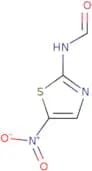
CAS:<p>Versatile small molecule scaffold</p>Formula:C10H14O2Purity:Min. 95%Molecular weight:166.22 g/molN-(5-Nitro-1,3-thiazol-2-yl)formamide
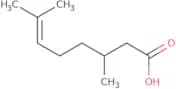
CAS:<p>N-(5-Nitro-1,3-thiazol-2-yl)formamide is a hydrogen bond donor that has been shown to be an occlusive molecule. It is soluble in organic solvents. N-(5-Nitro-1,3-thiazol-2-yl)formamide has a molecular weight of 138.18 and is a white crystalline powder. This molecule is active as an antisolvent and can be used for the preparation of microspheres with fibers.</p>Formula:C4H3N3O3SPurity:Min. 95%Molecular weight:173.15 g/molCitronellic Acid
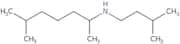
CAS:<p>Citronellic acid is a monounsaturated carboxylic acid that has an absorption enhancer effect. It is also known to have skin-conditioning properties. Citronellic acid is found naturally in plants, such as citronella, lemongrass, and geranium. It can be synthesized by the hydrolysis of malonic acid with sodium hydroxide or potassium hydroxide. The chemical reactions of citronellic acid are similar to those of other polycarboxylic acids, such as acetic acid. Citronellic acid is not acutely toxic and does not cause skin irritation or sensitization.</p>Formula:C10H18O2Purity:Min. 95%Molecular weight:170.25 g/mol(3-Methylbutyl)(6-methylheptan-2-yl)amine
CAS:<p>(3-Methylbutyl)(6-methylheptan-2-yl)amine is an organic solvent that is soluble in water. It is used as a matrix polymer for the preparation of pharmaceutical preparations, such as those with sodium citrate, and is also used as an occlusive agent in biocompatible coatings. The alkynyl group of this compound has made it useful for the production of retropubic catheters and other devices that are implanted in mammalian tissue. This compound’s profile also makes it suitable for use as a coating on medical implants. (3-Methylbutyl)(6-methylheptan-2-yl)amine is biodegradable and can be dissolved in the body without any harmful effects.</p>Formula:C13H29NPurity:Min. 95%Molecular weight:199.38 g/mol2-[(2,2-Difluoroethyl)amino]ethan-1-ol
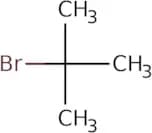
CAS:<p>Versatile small molecule scaffold</p>Formula:C4H9F2NOPurity:Min. 95%Molecular weight:125.12 g/mol2-Bromo-2-methylpropane
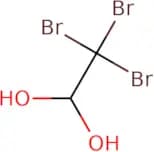
CAS:<p>2-Bromo-2-methylpropane (C3H7Br2) is a hydrocarbon that is used in the manufacture of dibromomethane, a precursor to other chemicals. 2-Bromo-2-methylpropane is an intermediate for the production of fatty acids and can be converted into other compounds. Its chemical structure consists of two methyl groups, two bromine atoms, and three carbon atoms. 2-Bromo-2-methylpropane has a high boiling point of 201°C and viscosity of 0.064 mPa·s at 25°C with a high value for activation energy, which makes it useful as an industrial solvent. It also has strong hydrogen bonding properties due to its molecule geometry.</p>Formula:C4H9BrPurity:Min. 95%Molecular weight:137.02 g/mol2,2,2-Tribromoethane-1,1-diol
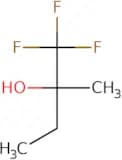
CAS:<p>2,2,2-Tribromoethane-1,1-diol is a reactive compound that has been shown to cause genotoxic effects in ovary cells. It reacts with hydroxy groups and other functional groups in DNA and also has the ability to form adducts with DNA bases. The high reactivity of 2,2,2-tribromoethane-1,1-diol makes it a good candidate for use as a radical initiator in chemical reactions. This chemical can be found in glycol ethers and trichloroacetic acid (TCA) assays. Trichloroacetic acid is used as an indicator of genotoxic activity and can be used to measure cytotoxicity and mutagenicity. 2,2,2-Tribromoethane-1,1-diol has shown genotoxic potential in various assays such as the Ames test and the mouse lymphoma assay</p>Formula:C2H3Br3O2Purity:Min. 95%Molecular weight:298.76 g/mol1,1,1-Trifluoro-2-methylbutan-2-ol
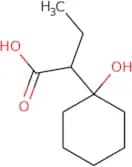
CAS:<p>Versatile small molecule scaffold</p>Formula:C5H9F3OPurity:Min. 95%Molecular weight:142.12 g/mol2-(1-Hydroxycyclohexyl)butanoic acid
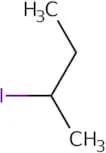
CAS:<p>2-(1-Hydroxycyclohexyl)butanoic acid is an analog of 2-cyclohexyl-2-hydroxypropanoic acid. It inhibits the production of prostaglandin E2 by inhibiting the enzyme cyclooxygenase. 2-(1-Hydroxycyclohexyl)butanoic acid has been shown to be effective in treating autoimmune diseases and inflammatory diseases, such as rheumatoid arthritis, by inhibiting the production of proinflammatory compounds. This drug also has potent antibacterial activity against a wide range of bacteria. The therapeutic dosage for this drug is between 100mg and 200mg per day in three divided doses. The side effects are nausea, vomiting, dizziness, headache, blurred vision, and dry mouth.</p>Formula:C10H18O3Purity:Min. 95%Molecular weight:186.25 g/mol2-Iodobutane
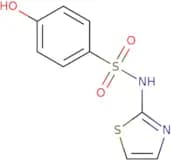
CAS:<p>2-Iodobutane is a halide that can undergo elimination reactions with hydroxide solution or chloride to form 2-chloroethanol and 2-iodopropane, respectively. It has been shown to have genotoxic effects in predictive models and can be used as a chemical reagent for the synthesis of other organic compounds. This compound is also used as a solvent for the removal of carbon tetrachloride from contaminated water, which is an environmental pollutant. The reaction rate of 2-iodobutane with hydrogen chloride (HCl) is dependent on the concentration of HCl and temperature, with higher concentrations resulting in a faster reaction rate.</p>Formula:C4H9IPurity:Min. 95%Molecular weight:184.02 g/mol4-Hydroxy-N-(1,3-thiazol-2-yl)benzene-1-sulfonamide
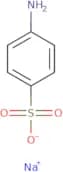
CAS:<p>4-Hydroxy-N-(1,3-thiazol-2-yl)benzene-1-sulfonamide is a sulfonamide analog that has been shown to be effective for the treatment of bowel disease. The drug inhibits viral replication by interacting with the virus's RNA polymerase and blocking the formation of new viral particles. It also prevents the symptoms of radiation, dehydration, and cachexia. 4-Hydroxy-N-(1,3-thiazol-2-yl)benzene-1-sulfonamide has been found to be effective in treating inflammatory bowel disease and preventing pemphigus in animal models. This drug is also used as a preservative in some foods and detergent compositions. Although it can cause allergic reactions, there are no known side effects when taken orally.</p>Formula:C9H8N2O3S2Purity:Min. 95%Molecular weight:256.3 g/molSodium 4-aminobenzenesulfonate
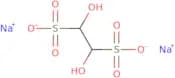
CAS:<p>Sodium 4-aminobenzenesulfonate is a salt of the sulfonate group. It is used as a chemical intermediate in the production of sodium citrate and zirconium oxide. Sodium 4-aminobenzenesulfonate has been shown to be chemically stable and can be used at high temperatures without decomposition. It reacts with sodium carbonate, water vapor, and glycol ethers to produce anhydrous sodium carbonate, hydrogen fluoride, and monosodium 4-aminobenzenesulfonate. The reaction mechanism is similar to that of the reaction between sodium hydroxide and hydrochloric acid. This product also has been shown to have a glomerular filtration rate of 43 ml/minute/1.73m2.</p>Formula:C6H6NNaO3SPurity:Min. 95%Color and Shape:PowderMolecular weight:195.17 g/molGlyoxal bis(sodium hydrogen sulfite) adduct hydrate
CAS:<p>Glyoxal bis(sodium hydrogen sulfite) adduct hydrate is a reactive compound that has been shown to react with quinoxaline derivatives. The nitrogen atoms in the amide and nitrogen atoms in the quinoxaline derivative are oxidized by oxidation catalyst, such as sodium carbonate, to form an amide-quinone. This reaction leads to the formation of a polyvinyl polymer that can be used for sample preparation. In addition, this compound has been shown to have receptor activity and detergent compositions. Glyoxal bis(sodium hydrogen sulfite) adduct hydrate also has antimicrobial properties and can be used for plant physiology studies and pharmacokinetic properties.</p>Formula:OHCCHO·2NaHSO3Purity:Min. 95%Molecular weight:266.16 g/molMellitic acid
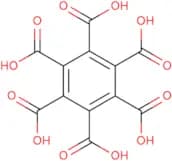
CAS:<p>Mellitic acid is a sodium salt of an inorganic acid. It has been used as a matrix effect agent to study the kinetics of solute transport through polymer films. Mellitic acid is also used as a substrate film for fluorescence spectrometry studies of the interaction between metal ions and polymers. The hydroxyl group on mellitic acid can form hydrogen bonds with the carboxylic acid groups in polymers, which may be responsible for its antimicrobial activity.</p>Formula:C12H6O12Purity:Min. 95%Molecular weight:342.17 g/mol2,3-Dihydro-1H-phenalen-1-one
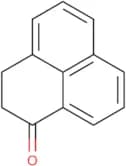
CAS:<p>2,3-Dihydro-1H-phenalen-1-one is an oxidation product of phenacetin and is used as a marker for the presence of this drug in biological studies. 2,3-Dihydro-1H-phenalen-1-one can be detected by spectrometric methods and assays, such as staining with fluorescamine. It has also been shown to be present in infant urine samples. 2,3-Dihydro-1H-phenalen-1-one has not been shown to have any therapeutic value or toxicity.</p>Formula:C13H10OPurity:Min. 95%Molecular weight:182.22 g/molN,N-Diphenylacetamide
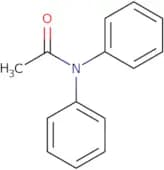
CAS:<p>N,N-Diphenylacetamide is an amide that is used in the pharmaceutical industry as a test compound. It has been shown to be effective at doses of 10 mg/kg in the treatment of inflammatory diseases. The chemical stability of N,N-diphenylacetamide is dependent on the pH and the presence of inorganic acids such as hydrochloric acid and sulfuric acid. In acidic conditions, N,N-diphenylacetamide hydrolyzes to form a sulfamic acid and an amide. The enantiomer of N,N-diphenylacetamide that can be formed under alkaline conditions is also an active ingredient in some medications for inflammatory diseases.</p>Formula:C14H13NOPurity:Min. 95%Molecular weight:211.26 g/mol2-Phenyl-isoindole-1,3-dione
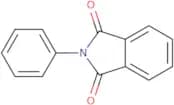
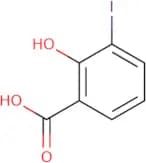
CAS:<p>2-Phenyl-isoindole-1,3-dione is a diphenyl ether that has been shown to be effective against protozoa and bacteria in vitro. It is used as an intermediate in the synthesis of other drugs, such as amide and hydrochloric acid. The chemical stability of diphenyl ethers makes them valuable for use in organic synthesis. 2-Phenyl-isoindole-1,3-dione reacts with water vapor to form a carbonyl group, which can then react with hydrochloric acid to produce a proton. The nucleophilic nature of the nitrogen atom enables it to react with the carbonyl group and produce an amide.</p>Formula:C14H9NO2Purity:Min. 95%Molecular weight:223.23 g/mol2-Hydroxy-3-iodobenzoic acid
CAS:<p>2-Hydroxy-3-iodobenzoic acid is a carboxyl compound that has a radioactive form. It is stable in air and water, but can be oxidized by light or alkali. 2-Hydroxy-3-iodobenzoic acid can be used to synthesize the antiinflammatory drug salicylic acid. This drug is excreted in urine and feces as salicyluric acid. The metabolic pathway of 2-hydroxy-3-iodobenzoic acid includes oxidation and conjugation with glucuronic acid, which are the major routes of metabolism for salicylic acid.</p>Formula:C7H5IO3Purity:Min. 95%Molecular weight:264.02 g/molMebhydrolin
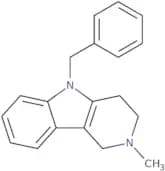
CAS:<p>Mebhydrolin is a drug used to treat metabolic disorders and symptoms such as hyperglycemia, hyperlipidemia, and hyperuricemia. It is also used for the treatment of autoimmune diseases, such as rheumatoid arthritis. Mebhydrolin inhibits potassium dichromate-induced dopamine release in rat brain synaptosomes. The clinical relevance of this effect is not clear. Mebhydrolin has been shown to have no toxicological effects on the bowel and may be beneficial in bowel disease because it stimulates sodium citrate absorption. In addition, mebhydrolin has been shown to inhibit inflammatory bowel disease by blocking the 5HT3 receptor activity in animal studies.</p>Formula:C19H20N2Purity:Min. 95%Molecular weight:276.38 g/mol1-Methyl-3H,4H,9H-pyrido[3,4-b]indole
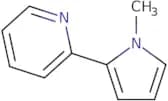
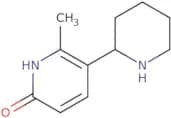
CAS:<p>1-Methyl-3H,4H,9H-pyrido[3,4-b]indole (1MP) is a drug that belongs to the class of quinoline derivatives. It binds to the protein receptor in the cell membrane and has been shown to have high cytotoxicity. 1MP has been used in the treatment of cancer and inflammatory diseases. In addition, 1MP inhibits autophagy and lowers lipid levels, which may be due to its ability to inhibit the enzyme HMG-CoA reductase. This drug is also effective against Pseudomonas aeruginosa bacteria by binding to their cell membranes.</p>Formula:C12H12N2Purity:Min. 95%Molecular weight:184.24 g/mol2-(1-Methyl-1H-pyrrol-2-yl)pyridine
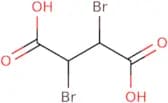
CAS:<p>2-(1-Methyl-1H-pyrrol-2-yl)pyridine is an acidic, pharmacokinetic, and reactive chemical. It is a postulated carcinogen that may also have neurotoxic effects. 2-(1-Methyl-1H-pyrrol-2-yl)pyridine has been shown to inhibit the synthesis of prostaglandin E2 in animals. The biochemical mechanism of inhibition is not yet known, but it may be due to the formation of reactive radicals such as pyrrole. This chemical can be metabolized into 2-(1-methylpyrrolidinium) sulfamate by microsomes in animals. The sulfamate form can also undergo diode reactions with other compounds.</p>Formula:C10H10N2Purity:Min. 95%Molecular weight:158.2 g/mol2,3-Dibromosuccinic acid
CAS:<p>Triethyl orthoformate, or TEAO, is a chemical compound that is used in the synthesis of 2,3-dibromosuccinic acid. It is prepared by the reaction of ethyl bromoacetate and sodium hydroxide in an aqueous solution. The yield of the reaction depends on the reaction time and the concentration of sodium hydroxide in the solution. The product can be purified by distillation or recrystallization. Triethyl orthoformate may be used as an industrial solvent to dissolve epoxy resins. It is also commonly used as a reagent for organic synthesis reactions such as esterification and etherification reactions. In addition, it has been shown to have antibacterial properties against Staphylococcus aureus and Bacillus subtilis. <br>Triethyl orthoformate is also involved in another chemical process: propiolic acid esterification with maleic anhydride in order to</p>Formula:HOOCCHBrCHBrCOOHPurity:Min. 95%Molecular weight:275.88 g/molD(-)-Tartaric acid
CAS:<p>2,3-Dihydroxybutanedioic acid is a metabolite of pantothenic acid and is produced by the action of β-alanine dioxygenase on 2,3-dihydroxybutyric acid. It has been suggested that 2,3-dihydroxybutanedioic acid may be an important link in the biochemical pathway for calcium uptake and metabolism. This compound is structurally similar to tartrate, which is also used as a pH buffer and may be involved in the regulation of energy metabolism. There are no known inhibitors or activators of 2,3-dihydroxybutanedioic acid.</p>Formula:C4H6O6Purity:Min. 95%Molecular weight:150.09 g/mol1-Hydroxyphenazine
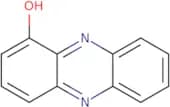
CAS:<p>1-Hydroxyphenazine is an anti-fungal agent that inhibits the growth of opportunistic fungal pathogens. It has been shown to be effective in vitro against some bacteria, including Staphylococcus aureus and Pseudomonas aeruginosa, but not against others such as Escherichia coli. 1-Hydroxyphenazine reacts with intracellular Ca2+ to activate the reactive oxygen species (ROS), which are cytotoxic to fungi and other microorganisms. The compound is a structural analog of phenazone, but has higher antimicrobial activity and lower toxicity. 1-Hydroxyphenazine also chelates metal ions and forms stable complexes with them. This property may contribute to its biological properties.</p>Formula:C12H8N2OPurity:Min. 95%Molecular weight:196.21 g/molDecahydronaphthalen-1-ol
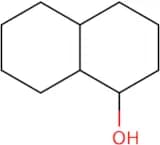
CAS:<p>Decahydronaphthalen-1-ol is an organic solvent that is used to extract compounds from samples. It has a linear calibration curve and can be used on-line. Decahydronaphthalen-1-ol reacts with nitrogen atoms in the reaction intermediates, halogen compounds and supercritical carbon dioxide. Decahydronaphthalen-1-ol also has carboxylate, sulphonate, alicyclic and solid phase microextraction properties. Decahydronaphthalen-1-ol has functional groups such as chromatographic and viscosity. Decahydronaphthalen-1-ol is a liquid at room temperature with a boiling point of 68°C. The chemical formula for decahydronaphthalen-1-ol is C10H14O.</p>Formula:C10H18OPurity:Min. 95%Molecular weight:154.25 g/molTroger’S
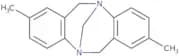
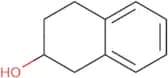
CAS:<p>Troger’s is a fluorescent probe that can be used to measure the hydrogen bond in amines. It is synthesized by reacting trifluoroacetic acid with coumarin derivatives and an amine. Troger’s has been shown to have high fluorescence intensity and a wide spectral range (250-400 nm). The fluorescence intensity of Troger’s was found to be proportional to the concentration of amines. This probe has also been used as a skeleton for polymeric matrices, which are activated by nitrogen atoms. Activation energies for these polymer matrices have been found to be between 1-3 kcal/mol.</p>Formula:C17H18N2Purity:Min. 95%Molecular weight:250.34 g/mol1,2,3,4-Tetrahydronaphthalen-2-ol
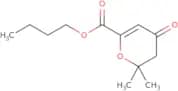
CAS:<p>Tetrahydronaphthalen-2-ol is an electrochemical substance that is used in pharmaceutical dosage formulations. It has shown to have a significant effect on degenerative diseases such as Parkinson's disease and polycystic ovarian syndrome, and also possesses activity against pancreatic lipase. Tetrahydronaphthalen-2-ol is synthesized from 1,2,3,4-tetrahydronaphthalene by the reaction of hydroxyl group with the aromatic hydrocarbon. The synthesis reaction requires light exposure. This substance is also made up of a hydroxy group and an alkynyl group.</p>Formula:C10H12OPurity:Min. 95%Molecular weight:148.21 g/molButopyronoxyl
CAS:<p>Butopyronoxyl is a trifluoroacetate salt of butyronoxyl. Butyronoxyl is a growth factor that has been shown to be clinically relevant in the treatment of HIV infection and cancer. It also has potent anti-cancer activities, with the ability to inhibit tumor growth and induce apoptosis in cancer cells. The asymmetric synthesis of butyronoxyl is achieved through a one-pot reaction involving the condensation of 2-bromobutanoic acid with maleic anhydride followed by potassium carbonate-promoted hydrolysis. This compound can be obtained from natural sources such as fatty acids or plant extracts.</p>Formula:C12H18O4Purity:Min. 95%Molecular weight:226.27 g/mol[2-(1,3-Dioxaindan-5-yl)ethyl](methyl)amine hydrochloride
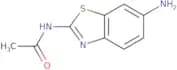
CAS:Controlled Product<p>Versatile small molecule scaffold</p>Formula:C10H14ClNO2Purity:Min. 95%Molecular weight:215.67 g/molN-(6-Aminobenzothiazol-2-yl)acetamide
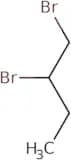
CAS:<p>N-(6-Aminobenzothiazol-2-yl)acetamide is a cyclic molecule that has both optical and electron transfer properties. It is an efficient inhibitor of the enzyme, benzene, which catalyzes the oxidation of benzene to benzoquinone. This compound can be synthesized using a number of techniques, including cyclization by reaction with acetamide. The molecule is a semiconductor with potentiodynamic polarization properties in the region of visible light. This property is useful for optical absorption spectroscopy and voltammetry experiments. Inhibition efficiency can be determined spectroscopically or by kinetic experiments such as measuring the rate of electron transfer between the inhibitor and substrate. The morphology of N-(6-aminobenzothiazol-2-yl)acetamide crystals can be studied using techniques such as X-ray diffraction or scanning electron microscopy.</p>Formula:C9H9N3OSPurity:Min. 95%Molecular weight:207.26 g/mol1,2-Dibromobutane
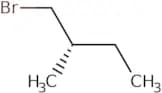
CAS:<p>1,2-Dibromobutane is an organic compound. It has a molecular weight of 104.19 and chemical formula of C4H8Br2. The dibromide ion is a bidentate ligand that binds metal ions by two oxygen atoms to form coordination complexes. 1,2-Dibromobutane has been shown to have antiviral activity against the hepatitis virus, including the NS3 protease enzyme. In addition, it inhibits the human serine protease trypsin in its activated state, which may be due to its ability to bind to the reactive site on the serine protease molecule. 1,2-Dibromobutane also possesses radiation energy and has been used as a radiopharmaceutical for diagnosing liver cancer.</p>Formula:C4H8Br2Purity:Min. 95%Molecular weight:215.92 g/mol(S)-(+)-1-Bromo-2-methylbutane
CAS:<p>(S)-(+)-1-Bromo-2-methylbutane is a chiral molecule with two stereoisomers, the cis and trans forms. The cis form has been observed to be the more stable of the two. It is a functional theory that these two forms are not mirror images of each other because they have different conformations. (S)-(+)-1-Bromo-2-methylbutane has been used in the synthesis of a number of important molecules. The stereoisomers can be distinguished by conformational analysis and optical microscopy. (S)-(+)-1-Bromo-2-methylbutane also has an application in biotechnology for use as a precursor for hydrazones, which are important in organic chemistry and molecular biology, such as DNA sequencing.</p>Formula:C5H11BrPurity:Min. 95%Molecular weight:151.04 g/mol2-[4-Fluoro-3-(trifluoromethyl)phenyl]propan-2-ol
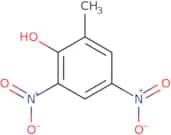
CAS:<p>Versatile small molecule scaffold</p>Formula:C10H10F4OPurity:Min. 95%Molecular weight:222.18 g/molDNOC
CAS:Controlled Product<p>DNOC is a chemical compound that inhibits photosynthesis in plants. It is used as an analytical chemistry reagent for determining the total chlorophyll content and for determining the amino acid composition of proteins. DNOC has been shown to be genotoxic in testicular cells, but not in other cell types. It also has tryptophan fluorescence properties that indicate it can be taken up by plant roots. DNOC reacts with malonic acid to produce reactive oxygen species (ROS), which are the likely cause of its genotoxic activity. The reaction mechanism is not well understood, but it is thought to involve oxidation of DNOC to form a dinitroso-DNOC radical cation, which reacts with malonic acid to form ROS.</p>Formula:C7H6N2O5Purity:Min. 95%Molecular weight:198.13 g/mol5-Amino-1,3-thiazole-2-carbothioamide
CAS:<p>5-Amino-1,3-thiazole-2-carbothioamide (5ATC) is a liquid that is soluble in organic solvents. It has been used as a starting material for the synthesis of other compounds. 5ATC can be prepared by the reaction of ethyl acetoacetate with an acid chloride and a base such as pyridine. The reaction is heated to reflux for about 2 hours in an organic solvent, such as chloroform or benzene, followed by cooling to room temperature. It can also be prepared from an amide and hydrogen chloride gas in the presence of pyridine. This synthesis requires manual stirring at room temperature for 12 hours. 5ATC can be purified by recrystallization from water or ether.</p>Formula:C4H5N3S2Purity:Min. 95%Molecular weight:159.2 g/mol4-Isopropylbenzyl Alcohol
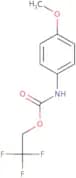
CAS:<p>4-Isopropylbenzyl Alcohol is a hydroxyl compound that is an intermediate in the synthesis of glycol ethers. It has been shown to inhibit the growth of some microbes, such as methicillin-resistant Staphylococcus aureus (MRSA), and also to have anti-inflammatory properties. 4-Isopropylbenzyl Alcohol has been used as an additive in skin creams, where it acts as an antimicrobial agent. It has also been found to be effective against infectious diseases caused by virus and bacteria, including HIV, herpes simplex virus, and influenza virus. 4-Isopropylbenzyl Alcohol is not active against fungi or protozoa.</p>Formula:C10H14OPurity:Min. 95%Molecular weight:150.22 g/mol2,2,2-Trifluoroethyl N-(4-methoxyphenyl)carbamate
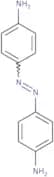
CAS:<p>Versatile small molecule scaffold</p>Formula:C10H10F3NO3Purity:Min. 95%Molecular weight:249.19 g/mol4,4™-Azodianiline
CAS:<p>4,4′-Azodianiline is a chemical compound that belongs to the group of azobenzenes. It is synthesized by reacting 4,4′-diaminodiphenylmethane with hydrochloric acid. This reaction produces a mixture of products. The main product is 4,4′-azodianiline and it also contains a small amount of 2,2′-azobenzene and 4,4′-diaminodiphenylmethane. The azobenzenes have optical properties that make them suitable for use in dyes or as photochromic agents. They absorb light in the ultraviolet range and convert it into visible light. Azobenzenes are used in some prescription eye drops to control inflammation and reduce pain caused by ocular allergies or injuries. These compounds are also used as photographic developers to produce color images on film.</p>Formula:C12H12N4Purity:Min. 95%Molecular weight:212.25 g/mol1-Pentylbenzene
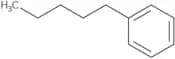
CAS:<p>1-Pentylbenzene is a nonpolar solvent that is used in the production of polymers and plastics. It can also be used as an intermediate in the synthesis of other compounds. 1-Pentylbenzene has been shown to have a hydrophilic interaction chromatography (HILIC) retention time of 18 minutes, which means it is soluble in water. This chemical is toxic to humans and causes liver damage when ingested or inhaled. 1-Pentylbenzene may also react with hydrochloric acid under certain conditions to produce cyclohexane ring, a metabolite that reacts with hydroxyl group to form phenols and chlorohydrins, which are toxic substances. 1-Pentylbenzene has been shown to inhibit cell growth in human lung cancer cells HL-60 by inhibiting protein synthesis through the inhibition of peptide hormones such as insulin and glucagon. The mechanism for this inhibition may be due to its</p>Formula:C11H16Purity:Min. 95%Molecular weight:148.24 g/mol2-Amino-N-(4-ethoxyphenyl)acetamide hydrochloride
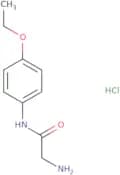
CAS:<p>2-Amino-N-(4-ethoxyphenyl)acetamide hydrochloride is a water soluble, iodoform-devoid antiseptic. It is used in the treatment of kidney disease by preventing the formation of blood clots, which can cause kidney failure. In addition, it has anti-inflammatory properties and is devoid of toxic side effects.</p>Formula:C10H15ClN2O2Purity:Min. 95%Molecular weight:230.69 g/mol6-Butoxypyridin-3-amine
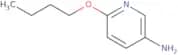
CAS:<p>6-Butoxypyridin-3-amine is a synthetic, tuberculostatic agent that is active against the mycobacteria. It has been shown to be active against the mycobacteria in vitro and in vivo. 6-Butoxypyridin-3-amine has also been shown to have an antagonistic effect against helminth populations and parasites, including tuberculosis. In vitro studies have found this drug to be statistically more potent than isoniazid against organisms that cause tuberculosis.</p>Formula:C9H14N2OPurity:Min. 95%Molecular weight:166.22 g/molEthyl Levulinate
CAS:<p>Ethyl Levulinate is a chemical catalyst that can be used to produce levulinate. The reactivity of this catalyst has been evaluated in the presence of hydrogen tartrate and 5-hydroxymethylfurfural. The reaction mechanism includes the formation of an intermediate, which reacts with the metal hydroxide to form ethyl levulinate. This catalyst is stable under acidic conditions and can be used for reactions that require a pH range from 4-8.</p>Formula:C7H12O3Purity:Min. 95%Molecular weight:144.17 g/molp-Toluidine HCl
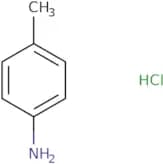
CAS:<p>p-Toluidine hydrochloride is a chemical substance that is soluble in water, ethanol, and ether. It has a melting point of 176 degrees Celsius and its solubility in water at 20 degrees Celsius is 0.1g/100mL. p-Toluidine hydrochloride is used as an intermediate in the manufacture of pharmaceuticals and other chemicals. For example, it can be used to synthesize acetaminophen (paracetamol), which is used for the relief of pain and fever. The surfactant sodium dodecyl sulfate is produced by reacting p-toluidine with sulfuric acid and sodium carbonate to produce hydrogen sulfate, which reacts with sodium hydroxide to form sodium dodecyl sulfate. This surfactant has a viscosity of 3-5 mPa·s and can be used as an emulsifier or foaming agent in cosmetics or detergents.</p>Formula:C7H10ClNPurity:Min. 95%Molecular weight:143.61 g/mol1,2-Dibromoethylene (cis- and trans- mixture)
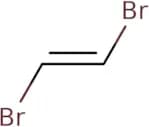
CAS:<p>1,2-Dibromoethylene (DBE) is a chemical substance that is used as a solvent and an intermediate in the production of other chemicals. It is also used for the manufacture of dyes, pharmaceuticals, and pesticides. DBE is classified as a mutagenic carcinogen and can cause cancer in humans. The degradability of DBE depends on its location. In water it undergoes degradation by hydrolysis to form dichloroacetic acid (DCAA). It also undergoes photolysis to form hydrochloric acid (HCl) and bromine atoms. In air it undergoes degradation by oxidation to form chlorine atoms. These chlorine atoms can react with ozone in the atmosphere to form chlorate ions which are highly reactive with metal surfaces such as iron or aluminium. This reaction produces hydrogen chloride gas, which can lead to corrosion of metal structures including bridges or buildings. The structural formula for DBE is CHClBrO.</p>Formula:C2H2Br2Purity:Min. 95%Molecular weight:185.85 g/mol4-(Dimethylamino)-3-hydroxybutanoic acid
CAS:<p>4-(Dimethylamino)-3-hydroxybutanoic acid is a fatty acid that is metabolized by ester hydrolysis to 4-dimethyl amino butyric acid, which inhibits carnitine biosynthesis. It has been shown to have an inhibitory effect on cancer cell growth. This compound is also used for the treatment of metabolic disorders and significant interactions with other drugs such as growth factor inhibitors, anti-diabetic agents, and anticoagulants. The main use of 4-(Dimethylamino)-3-hydroxybutanoic acid is in the production of granulate for sample preparation.</p>Formula:C6H13NO3Purity:Min. 95%Molecular weight:147.17 g/molN-Ethyl-glycine hydrochloride
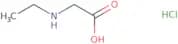
CAS:<p>N-Ethylglycine hydrochloride is a pharmaceutical preparation that inhibits the enzyme cholesterol esterase. It is used to treat congestive heart failure and as a diuretic. N-Ethylglycine hydrochloride prevents the production of unsaturated fatty acids by inhibiting the enzyme cholesterol esterase, which converts cholesterol into fatty acid. This leads to lower levels of cholesterol in the blood, which can be beneficial in treating high cholesterol levels. N-Ethylglycine hydrochloride has been shown to have antiviral effects against influenza virus, with an IC50 of 0.5 μM, as well as anti-inflammatory properties.</p>Formula:C4H10ClNO2Purity:Min. 95%Molecular weight:139.58 g/mol2-Chloroethyl Acetate
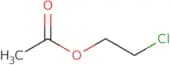
CAS:<p>2-Chloroethyl acetate (CEA) is a bifunctional chemical that can be used as a pharmaceutical agent and an industrial solvent. It is used in the treatment of multidrug-resistant bacteria, including MRSA. CEA acts by inhibiting the efflux pump, which pumps toxins out of bacterial cells. The chlorine in CEA reacts with chloride ions to form hypochlorous acid, which kills bacteria by oxidizing their DNA. CEA also has a redox potential that is similar to that of glutathione, which makes it resistant to degradation by glutathione reductase.</p>Formula:C4H7ClO2Purity:Min. 95%Molecular weight:122.55 g/mol2-hydroxyethyl acetate
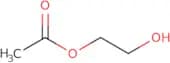
CAS:<p>2-hydroxyethyl acetate is a glycol ether that has been used in detergent compositions. It readily absorbs water and light, which can lead to the formation of reactive oxygen species. 2-hydoxyethyl acetate has been shown to inhibit enzyme activity, such as hydroxyl group, kinetic, and transfer reactions. The hydroxyl group on 2-hydroxyethyl acetate is responsible for its antimicrobial properties when it reacts with fatty acids. This product also has a high thermal expansion coefficient which makes it useful in polyurethane foams.</p>Formula:C8H16O6Purity:65%MinMolecular weight:208.21 g/molHeptaminol hydrochloride
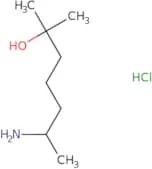
CAS:Controlled Product<p>Heptaminol hydrochloride is a cytosolic calcium antagonist that has been used to treat a variety of infectious diseases. It is also used as an experimental drug in the treatment of cardiac, bowel, and papillary muscle disease. Heptaminol hydrochloride inhibits the production of inflammatory cytokines by inhibiting protein synthesis in immune cells and suppressing the immune system. This drug has also been shown to be effective in treating autoimmune diseases such as rheumatoid arthritis and multiple sclerosis. Heptaminol hydrochloride binds to proteins on the surface of white blood cells, which leads to an increase in intracellular calcium levels and inhibition of cytokine production. The fluorescent derivative can be used for pharmacological studies and for clinical control analysis.</p>Formula:C8H19NO·HClPurity:Min. 95%Molecular weight:181.7 g/mol1,5-Dimethylhexylamine
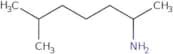
CAS:Controlled Product<p>1,5-Dimethylhexylamine (1,5-DMHA) is a drug that is used as an analog for pentobarbital sodium. It has been shown to have anti-inflammatory effects in skin cells and can be used for the treatment of bowel disease. 1,5-DMHA has been found to inhibit the growth of Candida glabrata and other fungal species. This compound also prevents the initiation of inflammatory responses by suppressing the production of cytokines or chemokines in skin cells. 1,5-DMHA has not been evaluated in clinical trials because it is not approved by the US Food and Drug Administration or any other regulatory agency.</p>Formula:C8H19NPurity:Min. 95%Molecular weight:129.24 g/molSulfacarbamide
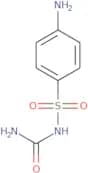
CAS:<p>Sulfacarbamide is a broad-spectrum antimicrobial agent that is used in the treatment of infections. It is an analog of sulfadiazine and has been shown to have anti-atherogenic properties. Sulfacarbamide has a hydroxyl group, which makes it soluble in water and helps it bind to glucose in the blood. This drug can be used for the treatment of diabetic patients as it can lower levels of glucose in the blood by binding to glucose molecules. Sulfacarbamide also acts as an anti-infective agent and is effective against many types of bacteria, such as Escherichia coli and Staphylococcus aureus. The biological properties of this compound are similar to those of sulfadiazine, but sulfacarbamide has more potent antibacterial activity than its parent molecule.</p>Formula:C7H9N3O3SPurity:Min. 95%Molecular weight:215.23 g/molAmisometradine-d3
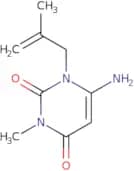
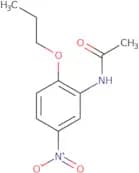
CAS:<p>Amisometradine-d3 is a beta-blocker medication that belongs to the class of non-selective beta blockers. It is used to treat high blood pressure, congestive heart failure, and angina pectoris. Amisometradine-d3 blocks the action of the enzyme phosphodiesterase, which then prevents the breakdown of cyclic AMP (cAMP). This results in an increase in cAMP levels in cardiac muscle cells. The increased cAMP levels result in relaxation of the myocardial muscles, which can reduce the workload on the heart and lower blood pressure. Amisometradine-d3 also has a lipophilic profile that allows it to cross cell membranes and act on cardiac tissue by binding to collagen molecules or other proteins involved in contraction.</p>Formula:C9H10D3N3O2Purity:Min. 95%Molecular weight:198.24 g/molN-(5-Nitro-2-propoxyphenyl)acetamide
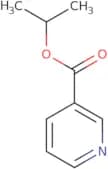
CAS:<p>N-(5-Nitro-2-propoxyphenyl)acetamide is a cytostatic drug that inhibits the synthesis of DNA and RNA in cells, which inactivates them. It has a wide range of activity and is used for the treatment of infectious diseases. The active substance is stable in pharmaceutical compositions and can be administered orally or intravenously. N-(5-Nitro-2-propoxyphenyl)acetamide has been used to treat inflammatory disorders such as rheumatoid arthritis, osteoarthritis, gout, and juvenile idiopathic arthritis.</p>Formula:C11H14N2O4Purity:Min. 95%Molecular weight:238.24 g/molPropan-2-yl pyridine-3-carboxylate
CAS:<p>Propan-2-yl pyridine-3-carboxylate is a chemical compound that belongs to the class of alkanoic acid. This compound is an inhibitor of the inflammatory response, which may be due to its ability to inhibit the production of proinflammatory cytokines such as tumor necrosis factor alpha (TNFα) and interleukin 1β (IL1β). Propan-2-yl pyridine-3-carboxylate has been shown to have anti-cancer effects, as it inhibits the growth of cancer cells by suppressing DNA synthesis. Propan-2-yl pyridine-3-carboxylate also binds with receptors on immune cells. These receptors are called toll like receptor 4 (TLR4), which activate immune cells in response to bacterial infections. This activation leads to an inflammatory response that can lead to autoimmune diseases.</p>Formula:C9H11NO2Purity:Min. 95%Molecular weight:165.19 g/mol5-(Chloromethyl)-3-phenyl-1,3-oxazolidin-2-one
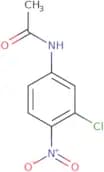
CAS:<p>Versatile small molecule scaffold</p>Formula:C10H10ClNO2Purity:Min. 95%Molecular weight:211.64 g/molN-(3-Chloro-4-nitrophenyl)acetamide
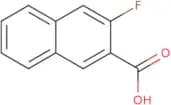
CAS:<p>Versatile small molecule scaffold</p>Formula:C8H7ClN2O3Purity:Min. 95%Molecular weight:214.6 g/mol3-Fluoronaphthalene-2-carboxylic acid
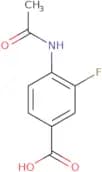
CAS:<p>3-Fluoronaphthalene-2-carboxylic acid is a nitrile that is derivatized with carboxylic acid, amide, and benzimidazole. It has been shown to be reactive toward radical, carbonyl, halide, and imidoester. 3-Fluoronaphthalene-2-carboxylic acid can also be used in the synthesis of 3-(3'-fluoro)benzoxazinones and related compounds.</p>Formula:C11H7FO2Purity:Min. 95%Molecular weight:190.17 g/mol4-Acetamido-3-fluorobenzoic acid
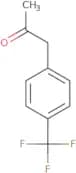
CAS:<p>Versatile small molecule scaffold</p>Formula:C9H8FNO3Purity:Min. 95%Molecular weight:197.16 g/mol1-(4-(Trifluoromethyl)phenyl)propan-2-one
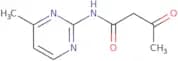
CAS:<p>Versatile small molecule scaffold</p>Formula:C10H9F3OPurity:Min. 95%Molecular weight:202.17 g/molN-(4-Methylpyrimidin-2-yl)-3-oxobutanamide
CAS:<p>Versatile small molecule scaffold</p>Formula:C9H11N3O2Purity:Min. 95%Molecular weight:193.2 g/mol(2,4-Dioxo-1,3-diaza-spiro[4.4]non-3-yl)-acetic acid
CAS:<p>Versatile small molecule scaffold</p>Formula:C9H12N2O4Purity:Min. 95%Molecular weight:212.2 g/mol6-Nitro-1,3-dioxaindane-5-carboxylic acid
CAS:<p>6-Nitro-1,3-dioxaindane-5-carboxylic acid is a potent antibacterial agent that has been shown to have antimicrobial properties. It binds to the cell wall of bacteria and prevents their growth. 6-Nitro-1,3-dioxaindane-5-carboxylic acid is stable in aqueous solution and has favorable physicochemical properties. It has been shown to be effective against gram positive bacteria such as Staphylococcus spp., Streptococcus spp., and Enterococcus faecalis, as well as gram negatives such as Escherichia coli and Pseudomonas aeruginosa. The drug also inhibits the production of bacterial exoenzymes like beta lactamase, which are required for the degradation of beta lactam antibiotics.</p>Formula:C8H5NO6Purity:Min. 95%Molecular weight:211.13 g/mol2,3-Naphthalic Anhydride
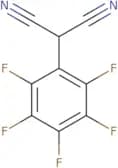
CAS:<p>2,3-Naphthalic anhydride is a naphthalene derivative that can be used to synthesize amides, amines and other organic compounds. It is obtained by the reaction of 2,3-dihydroxynaphthalene with a metal halide such as chloride or bromide. This reaction produces 2,3-naphthalic anhydride in high yield. The compound has been used as a precursor for the fluorescent derivative naphthofluorescein and propiolic acid. A synthetic process for this compound was first developed in 1887 by R. Pinner and L. Hahn. The compound has been found to have numerous applications in the production of plastics, textiles and dyes.</p>Formula:C12H6O3Purity:Min. 95%Molecular weight:198.17 g/mol2-(Pentafluorophenyl)propanedinitrile
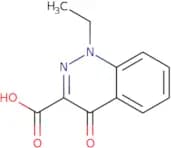
CAS:<p>Versatile small molecule scaffold</p>Formula:C9HF5N2Purity:Min. 95%Molecular weight:232.11 g/mol1-Ethyl-4-oxo-1,4-dihydrocinnoline-3-carboxylic acid
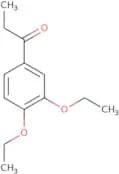
CAS:<p>Versatile small molecule scaffold</p>Formula:C11H10N2O3Purity:Min. 95%Molecular weight:218.21 g/mol1-(3,4-Diethoxyphenyl)propan-1-one
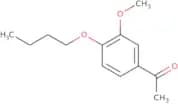
CAS:<p>Versatile small molecule scaffold</p>Formula:C13H18O3Purity:Min. 95%Molecular weight:222.28 g/mol1-(4-Butoxy-3-methoxyphenyl)ethan-1-one
CAS:<p>Versatile small molecule scaffold</p>Formula:C13H18O3Purity:Min. 95%Molecular weight:222.28 g/mol2,2,2-Trifluoro-1-[3-(trifluoromethyl)phenyl]ethan-1-ol
CAS:<p>Versatile small molecule scaffold</p>Formula:C9H6F6OPurity:Min. 95%Molecular weight:244.13 g/mol2,2,2-Trifluoro-3'-(trifluoromethyl)acetophenone
CAS:<p>2,2,2-Trifluoro-3'-(trifluoromethyl)acetophenone is a layered compound that has been used to test the reaction of sulfur with industrial and research nitro compounds. It is also used in the synthesis of trifluoroacetic acid catalysts. The chemical structure of 2,2,2-Trifluoro-3'-(trifluoromethyl)acetophenone was determined by analyzing its sulfur content and comparing it to other similar compounds. This compound has been shown to be an efficient catalyst system for the ionizing chemistry of trifluoroacetic acid.</p>Formula:C9H4F6OPurity:Min. 95%Molecular weight:242.12 g/mol2-[4-(Trifluoromethyl)phenyl]ethane-1-sulfonyl chloride
CAS:<p>Versatile small molecule scaffold</p>Formula:C9H8ClF3O2SPurity:Min. 95%Molecular weight:272.67 g/mol2-(2,5-Dioxo-4,4-dipropylimidazolidin-1-yl)acetic acid
CAS:<p>Versatile small molecule scaffold</p>Formula:C11H18N2O4Purity:Min. 95%Molecular weight:242.27 g/mol1-Benzyl-3-phenylthiourea
CAS:<p>1-Benzyl-3-phenylthiourea is a molecule that has been shown to inhibit corrosion in the presence of blood pressure. It has also been shown to be a potent inhibitor of hexamethylenetetramine, an organic compound that is used as a corrosion inhibitor. 1-Benzyl-3-phenylthiourea can be used as a biomimetic corrosion inhibitor for blood pressure and sensitivity tests. It is also capable of membrane hyperpolarization, which can be used to prevent nerve cell death from lack of oxygen and glucose.</p>Formula:C14H14N2SPurity:Min. 95%Molecular weight:242.34 g/mol2-Chloro-3-phenyl-3,4-dihydroquinazolin-4-one
CAS:Controlled Product<p>Versatile small molecule scaffold</p>Formula:C14H9ClN2OPurity:Min. 95%Molecular weight:256.68 g/mol2,6-di(tert-butyl)-4-Nitrobenzenol
CAS:<p>2,6-di(tert-butyl)-4-Nitrobenzenol is a chemical that is used as a reference standard for the gravimetric determination of sodium. It has been shown to have low toxicity in animals and environmental monitoring studies, but can be hazardous if ingested by humans. The LD50 (lethal dose) for 2,6-di(tert-butyl)-4-nitrobenzenol in Sprague Dawley rats is greater than 10 g/kg body weight. This chemical also has the potential to react with pyrimidine nucleosides and organic chemicals such as methylene chloride or urea nitrogen.</p>Formula:C14H21NO3Purity:Min. 95%Molecular weight:251.32 g/mol2-(4-Ethyl-2,5-dioxo-4-phenylimidazolidin-1-yl)acetic acid
CAS:<p>Versatile small molecule scaffold</p>Formula:C13H14N2O4Purity:Min. 95%Molecular weight:262.26 g/mol4-[1-(4-Fluorophenyl)-1-(4-hydroxyphenyl)ethyl]phenol
CAS:<p>Versatile small molecule scaffold</p>Formula:C20H17FO2Purity:Min. 95%Molecular weight:308.3 g/mol2-(2,2,3,3,3-Pentafluoropropoxy)ethan-1-ol
CAS:<p>Versatile small molecule scaffold</p>Formula:C5H7F5O2Purity:Min. 95%Molecular weight:194.1 g/mol2-Mercaptoacetamide
CAS:<p>Versatile small molecule scaffold</p>Formula:C2H5NOSPurity:Min. 95%Molecular weight:91.13 g/mol3,4-Dichloro-1-butene
CAS:<p>3,4-Dichloro-1-butene (3,4-DCB) is an industrial chemical that is used in the production of a variety of chemicals and plastics. It has been shown to be toxic to the liver and kidneys following chronic exposure, which may be due to its ability to form reactive quaternary ammonium salts. 3,4-DCB reacts with copper salt to produce hydrogen chloride gas, which can then react with water vapor in the air to produce hydrochloric acid. Hydrochloric acid is highly corrosive and can cause severe burns on contact with skin. 3,4-DCB also has the ability to isomerize into 1,2-dichloroethane (1,2-DCA), a known human carcinogen.</p>Formula:C4H6Cl2Purity:Min. 95%Molecular weight:124.99 g/mol1,3-Difluoropropan-2-amine hydrochloride
CAS:<p>Versatile small molecule scaffold</p>Formula:C3H8ClF2NPurity:Min. 95%Molecular weight:131.55 g/mol2-Cyano-4-methylpent-2-enoic acid
CAS:<p>Versatile small molecule scaffold</p>Formula:C7H9NO2Purity:Min. 95%Molecular weight:139.15 g/mol1,5-dimethyl 2-bromopentanedioate
CAS:<p>1,5-Dimethyl 2-bromopentanedioate is an organic compound that is a colorless solid. It is used as a synthetic intermediate for cyclen and other compounds. 1,5-Dimethyl 2-bromopentanedioate undergoes a shift reaction to form dippinine. This reaction can be catalyzed by lanthanide metals or nitroethane. The efficiency of this conversion has been studied with magnetic preparative strategies.</p>Formula:C7H11BrO4Purity:Min. 95%Molecular weight:239.07 g/molPropane-1-sulfonyl fluoride
CAS:<p>Versatile small molecule scaffold</p>Formula:C3H7FO2SPurity:Min. 95%Molecular weight:126.15 g/mol2-Chloroethanesulfonyl fluoride
CAS:<p>2-Chloroethanesulfonyl fluoride is a synthetic compound that belongs to the class of aliphatic chlorofluorocarbons. It is a highly reactive and useful reagent in organic synthesis, as well as in chemical biology. The chloride ion is a common functional group that can be introduced using 2-chloroethanesulfonyl fluoride. Aliphatic chlorofluorocarbons are versatile molecules with many possible applications in chemistry due to their modularity and scalability. They have been used for the synthesis of new compounds by introducing various substituents, as well as for highlighting specific chemical features such as fluorine atoms or magnesium ions, which are often difficult to detect using other analytical techniques.<br>2-Chloroethanesulfonyl fluoride has been used in x-ray crystallographic studies to investigate the structure and reactivity of magnesium oxide and magnesium chloride complexes. These studies highlight the importance of magnesium ions in chemical biology.</p>Formula:C2H4ClFO2SPurity:Min. 95%Molecular weight:146.57 g/molEthyl 3-Ethoxypropionate
CAS:<p>Ethyl 3-ethoxypropionate is a cycloaddition product of ethyl 3-ethoxypropanoate. It has been shown to be more chemically stable than the reactants and has an increased uptake in the reaction solution. <br>Ethyl 3-ethoxypropionate is able to undergo a cycloaddition process with diethyl succinate under conditions of high temperature and pressure, leading to the formation of methyl ethyl malonic acid. This chemical reaction takes place via an intermolecular hydrogen bonding interaction between the ethoxy group on one molecule and the ester group on the other molecule. The cyclohexane ring on each molecule also forms a hydrogen bonding interaction with its corresponding methyl or ethyl groups. Ethyl 3-ethoxypropionate is not reactive in its pure form but can undergo reactions when exposed to chemicals such as potassium hydroxide, which leads to its degradation into propionic acid and ethanol.</p>Formula:C7H14O3Purity:Min. 95%Molecular weight:146.19 g/mol2,2,2-Trichloroethyl Chlorosulfate
CAS:<p>2,2,2-Trichloroethyl chlorosulfate is an organic compound that has a hydroxyl group and a chlorine in its structure. It is cytotoxic to cells and causes health effects in humans. This compound binds to the p-coumaric acid in the cell and inhibits the enzyme activity of the demethylase, which is responsible for the oxidation of p-coumaric acid to ferulic acid. This prevents p-coumaric acid from being converted into other metabolites such as dihydroferulic acid and dihydrocaffeic acid. 2,2,2-Trichloroethyl chlorosulfate also inhibits enzymes involved in the synthesis of cholesterol by competitively inhibiting HMG CoA reductase.</p>Formula:C2H2Cl4O3SPurity:Min. 95%Molecular weight:247.91 g/mol



![2-[(2,2-Difluoroethyl)amino]ethan-1-ol](/_next/image/?url=https%3A%2Fstatic.cymitquimica.com%2Fproducts%2F3D%2Fthumb-webp%2FAAA50506.webp&w=3840&q=75)
![1-Methyl-3H,4H,9H-pyrido[3,4-b]indole](/_next/image/?url=https%3A%2Fstatic.cymitquimica.com%2Fproducts%2F3D%2Fthumb-webp%2FAAA52541.webp&w=3840&q=75)
amine hydrochloride](/_next/image/?url=https%3A%2Fstatic.cymitquimica.com%2Fproducts%2F3D%2Fthumb-webp%2FAAA53310.webp&w=3840&q=75)
![2-[4-Fluoro-3-(trifluoromethyl)phenyl]propan-2-ol](/_next/image/?url=https%3A%2Fstatic.cymitquimica.com%2Fproducts%2F3D%2Fthumb-webp%2FAAA53439.webp&w=3840&q=75)





![(2,4-Dioxo-1,3-diaza-spiro[4.4]non-3-yl)-acetic acid](/_next/image/?url=https%3A%2Fstatic.cymitquimica.com%2Fproducts%2F3D%2Fthumb-webp%2FAAA71472.webp&w=3840&q=75)


![2,2,2-Trifluoro-1-[3-(trifluoromethyl)phenyl]ethan-1-ol](/_next/image/?url=https%3A%2Fstatic.cymitquimica.com%2Fproducts%2F3D%2Fthumb-webp%2FAAA72136.webp&w=3840&q=75)

![2-[4-(Trifluoromethyl)phenyl]ethane-1-sulfonyl chloride](/_next/image/?url=https%3A%2Fstatic.cymitquimica.com%2Fproducts%2F3D%2Fthumb-webp%2FAAA72164.webp&w=3840&q=75)


![4-[1-(4-Fluorophenyl)-1-(4-hydroxyphenyl)ethyl]phenol](/_next/image/?url=https%3A%2Fstatic.cymitquimica.com%2Fproducts%2F3D%2Fthumb-webp%2FAAA74135.webp&w=3840&q=75)


