Building Blocks
This section contains fundamental products for the synthesis of organic and biological compounds. Building blocks are the essential starting materials used to construct complex molecules through various chemical reactions. They play a critical role in drug discovery, material science, and chemical research. At CymitQuimica, we offer a diverse range of high-quality building blocks to support your innovative research and industrial projects, ensuring you have the essential components for successful synthesis.
Subcategories of "Building Blocks"
- Boronic Acids & Boronic Acid Derivatives(5,756 products)
- Chiral Building Blocks(1,242 products)
- Hydrocarbon Building Blocks(6,093 products)
- Organic Building Blocks(60,532 products)
Found 195533 products of "Building Blocks"
Sort by
Purity (%)
0
100
|
0
|
50
|
90
|
95
|
100
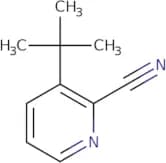
3-tert-Butylpyridine-2-carbonitrile
CAS:<p>Versatile small molecule scaffold</p>Formula:C10H12N2Purity:Min. 95%Molecular weight:160.22 g/mol[6-(1H-Pyrazol-1-yl)pyridin-2-yl]methanamine
CAS:<p>Versatile small molecule scaffold</p>Formula:C9H10N4Purity:Min. 95%Molecular weight:174.2 g/mol[6-(Difluoromethyl)pyridin-2-yl]methanamine
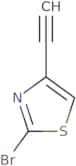
CAS:<p>Versatile small molecule scaffold</p>Formula:C7H8F2N2Purity:Min. 95%Molecular weight:158.15 g/mol2-Bromo-4-ethynylthiazole
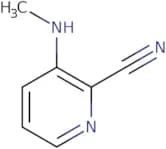
CAS:<p>Versatile small molecule scaffold</p>Formula:C5H2BrNSPurity:Min. 95%Molecular weight:188.04 g/mol3-(Methylamino)pyridine-2-carbonitrile
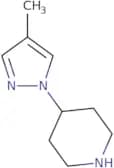
CAS:<p>Versatile small molecule scaffold</p>Formula:C7H7N3Purity:Min. 95%Molecular weight:133.15 g/mol4-(4-Methyl-1H-pyrazol-1-yl)piperidine
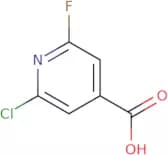
CAS:<p>Versatile small molecule scaffold</p>Formula:C9H15N3Purity:Min. 95%Molecular weight:165.24 g/mol2-Chloro-6-fluoropyridine-4-carboxylic acid
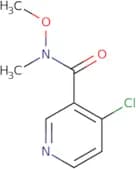
CAS:<p>Versatile small molecule scaffold</p>Formula:C6H3ClFNO2Purity:Min. 95%Molecular weight:175.54 g/mol4-Chloro-N-methoxy-N-methylpyridine-3-carboxamide
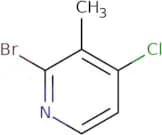
CAS:<p>Versatile small molecule scaffold</p>Formula:C8H9ClN2O2Purity:Min. 95%Molecular weight:200.62 g/mol2-bromo-4-chloro-3-methylpyridine
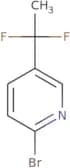
CAS:<p>Versatile small molecule scaffold</p>Formula:C6H5BrClNPurity:Min. 95%Molecular weight:206.47 g/mol2-bromo-5-(1,1-difluoroethyl)pyridine
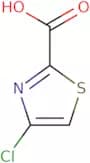
CAS:<p>Versatile small molecule scaffold</p>Formula:C7H6BrF2NPurity:Min. 95%Molecular weight:222 g/mol4-Chloro-1,3-thiazole-2-carboxylic acid
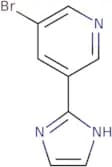
CAS:<p>Versatile small molecule scaffold</p>Formula:C4H2ClNO2SPurity:Min. 95%Molecular weight:163.58 g/mol3-Bromo-5-(1H-imidazol-2-yl)pyridine
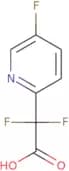
CAS:<p>Versatile small molecule scaffold</p>Formula:C8H6BrN3Purity:Min. 95%Molecular weight:224.06 g/mol2,2-Difluoro-2-(5-fluoropyridin-2-yl)acetic acid
CAS:<p>Versatile small molecule scaffold</p>Formula:C7H4F3NO2Purity:Min. 95%Molecular weight:191.11 g/mol4-(Trifluoromethyl)-1H-pyrrolo[2,3-c]pyridine
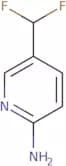
CAS:<p>Versatile small molecule scaffold</p>Formula:C8H5F3N2Purity:Min. 95%Molecular weight:186.13 g/mol5-(Difluoromethyl)-2-pyridinamine
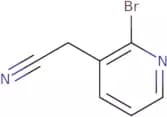
CAS:<p>Versatile small molecule scaffold</p>Formula:C6H6N2F2Purity:Min. 95%Molecular weight:144.12 g/mol2-(2-Bromopyridin-3-yl)acetonitrile
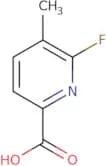
CAS:<p>Versatile small molecule scaffold</p>Formula:C7H5BrN2Purity:Min. 95%Molecular weight:197.04 g/mol6-Fluoro-5-methylpyridine-2-carboxylic acid
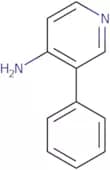
CAS:<p>Versatile small molecule scaffold</p>Formula:C7H6FNO2Purity:Min. 95%Molecular weight:155.13 g/mol4-Amino-3-phenylpyridine
CAS:<p>Versatile small molecule scaffold</p>Formula:C11H10N2Purity:Min. 95%Molecular weight:170.21 g/mol4-Chloro-5H,6H,7H-pyrimido[4,5-b][1,4]oxazin-6-one
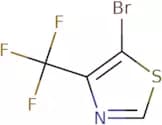
CAS:<p>Versatile small molecule scaffold</p>Formula:C6H4ClN3O2Purity:Min. 95%Molecular weight:185.57 g/mol5-Bromo-4-(trifluoromethyl)-1,3-thiazole
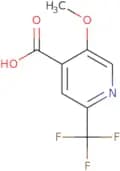
CAS:<p>Versatile small molecule scaffold</p>Formula:C4HBrF3NSPurity:Min. 95%Molecular weight:232.02 g/mol5-Methoxy-2-(trifluoromethyl)pyridine-4-carboxylic acid
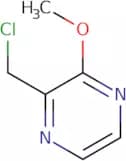
CAS:<p>Versatile small molecule scaffold</p>Formula:C8H6F3NO3Purity:Min. 95%Molecular weight:221.13 g/mol2-(Chloromethyl)-3-methoxypyrazine
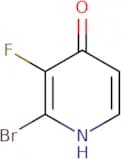
CAS:<p>Versatile small molecule scaffold</p>Formula:C6H7ClN2OPurity:Min. 95%Molecular weight:158.58 g/mol2-Bromo-3-fluoro-4-hydroxypyridine
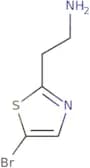
CAS:<p>2-Bromo-3-fluoro-4-hydroxypyridine is a heterocyclic compound that belongs to the group of nitrogen containing heterocycles. It has low melting and boiling points, which makes it useful as a solvent in organic chemistry. In addition, 2-bromo-3-fluoro-4-hydroxypyridine is used in the synthesis of other nitrogen containing heterocycles. The assembly of this compound is dependent on formate and difluoromethoxy groups.</p>Formula:C5H3BrFNOPurity:Min. 95%Molecular weight:191.99 g/mol2-(5-Bromo-1,3-thiazol-2-yl)ethan-1-amine
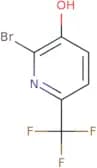
CAS:<p>Versatile small molecule scaffold</p>Formula:C5H7BrN2SPurity:Min. 95%Molecular weight:207.09 g/mol2-Bromo-6-(trifluoromethyl)-3-pyridinol
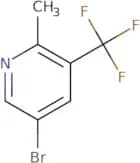
CAS:<p>Versatile small molecule scaffold</p>Formula:C6H3BrF3NOPurity:Min. 95%Molecular weight:241.99 g/mol5-Bromo-2-methyl-3-(trifluoromethyl)pyridine
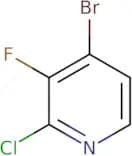
CAS:<p>5-Bromo-2-methyl-3-(trifluoromethyl)pyridine is an organic compound with the formula (CHBr)CFCF. It is a bromonitrile derivative of pyridine, and has been used as a precursor to other chemical compounds. The synthesis of 5-bromo-2-methyl-3-(trifluoromethyl)pyridine starts by reacting diethyl malonate with diazotation in the presence of an alkaline environment. This reaction produces 5,5'-dibromo-1,1'-diethylmalonic acid diethylester which can be hydrolyzed to produce 5,5'-dibromo-1,1'-diethylmalonic acid diethyl ester. The product may then be reacted with methyl iodide in the presence of an acidic environment to produce 5-bromo-2-methyl-</p>Formula:C7H5BrF3NPurity:Min. 95%Molecular weight:240.02 g/mol4-Bromo-2-chloro-3-fluoropyridine
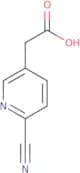
CAS:<p>Versatile small molecule scaffold</p>Formula:C5H2BrClFNPurity:Min. 95%Molecular weight:210.43 g/mol2-(6-Cyanopyridin-3-yl)acetic acid
CAS:<p>Versatile small molecule scaffold</p>Formula:C8H6N2O2Purity:Min. 95%Molecular weight:162.15 g/mol7-Bromobenzo[d]oxazol-2-amine
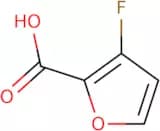
CAS:<p>Versatile small molecule scaffold</p>Formula:C7H5BrN2OPurity:Min. 95%Molecular weight:213.03 g/mol3-Fluorofuran-2-carboxylic acid
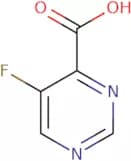
CAS:<p>Versatile small molecule scaffold</p>Formula:C5H3FO3Purity:Min. 95%Molecular weight:130.07 g/mol5-fluoropyrimidine-4-carboxylic acid
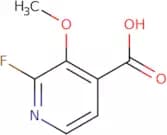
CAS:<p>Versatile small molecule scaffold</p>Formula:C5H3FN2O2Purity:Min. 95%Molecular weight:142.09 g/mol2-Fluoro-3-methoxypyridine-4-carboxylic acid
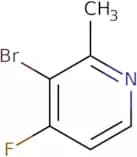
CAS:<p>Versatile small molecule scaffold</p>Formula:C7H6FNO3Purity:Min. 95%Molecular weight:171.13 g/mol3-Bromo-4-fluoro-2-methylpyridine
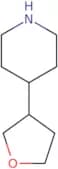
CAS:<p>Versatile small molecule scaffold</p>Formula:C6H5BrFNPurity:Min. 95%Molecular weight:190.01 g/mol4-(Oxolan-3-yl)piperidine
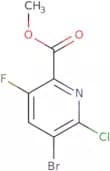
CAS:<p>Versatile small molecule scaffold</p>Formula:C9H17NOPurity:Min. 95%Molecular weight:155.24 g/molMethyl 5-bromo-6-chloro-3-fluoropyridine-2-carboxylate
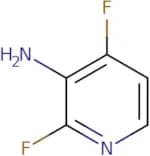
CAS:<p>Versatile small molecule scaffold</p>Formula:C7H4BrClFNO2Purity:Min. 95%Molecular weight:268.47 g/mol2,4-Difluoropyridin-3-amine
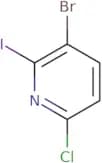
CAS:<p>Versatile small molecule scaffold</p>Formula:C5H4F2N2Purity:Min. 95%Molecular weight:130.1 g/mol3-Bromo-6-chloro-2-iodopyridine
CAS:<p>Versatile small molecule scaffold</p>Formula:C5H2BrClINPurity:Min. 95%Molecular weight:318.34 g/mol2,6-dichloro-[1,3]oxazolo[4,5-b]pyridine
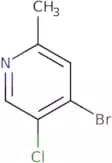
CAS:<p>Versatile small molecule scaffold</p>Formula:C6H2Cl2N2OPurity:Min. 95%Molecular weight:189 g/mol4-Bromo-5-chloro-2-methylpyridine
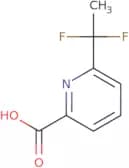
CAS:<p>Versatile small molecule scaffold</p>Formula:C6H5BrClNPurity:Min. 95%Molecular weight:206.47 g/mol6-(1,1-Difluoroethyl)pyridine-2-carboxylic Acid
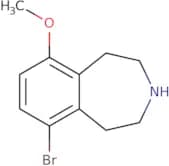
CAS:<p>Versatile small molecule scaffold</p>Formula:C8H7NO2F2Purity:Min. 95%Molecular weight:187.14 g/mol6-Bromo-9-methoxy-2,3,4,5-tetrahydro-1H-3-benzazepine
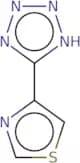
CAS:<p>Versatile small molecule scaffold</p>Formula:C11H14BrNOPurity:Min. 95%Molecular weight:256.14 g/mol5-(1,3-Thiazol-4-yl)-1H-1,2,3,4-tetrazole
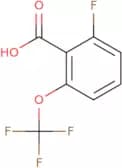
CAS:<p>Versatile small molecule scaffold</p>Formula:C4H3N5SPurity:Min. 95%Molecular weight:153.2 g/mol2-Fluoro-6-(trifluoromethoxy)benzoic acid
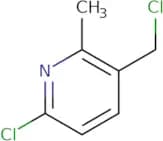
CAS:<p>Versatile small molecule scaffold</p>Formula:C8H4F4O3Purity:Min. 95%Molecular weight:224.11 g/mol6-Chloro-3-(chloromethyl)-2-methylpyridine
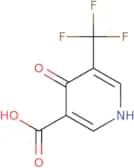
CAS:<p>Versatile small molecule scaffold</p>Formula:C7H7Cl2NPurity:Min. 95%Molecular weight:176.04 g/mol4-Hydroxy-5-(trifluoromethyl)pyridine-3-carboxylic acid
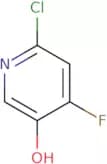
CAS:<p>Versatile small molecule scaffold</p>Formula:C7H4F3NO3Purity:Min. 95%Molecular weight:207.11 g/mol6-Chloro-4-fluoropyridin-3-ol
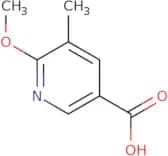
CAS:<p>Versatile small molecule scaffold</p>Formula:C5H3ClFNOPurity:Min. 95%Molecular weight:147.53 g/mol6-Methoxy-5-Methylnicotinic Acid
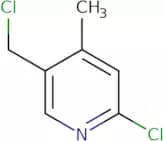
CAS:<p>Versatile small molecule scaffold</p>Formula:C8H9NO3Purity:Min. 95%Molecular weight:167.16 g/mol2-Chloro-5-(chloromethyl)-4-methylpyridine
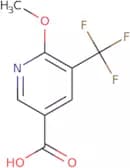
CAS:<p>Versatile small molecule scaffold</p>Formula:C7H7Cl2NPurity:Min. 95%Molecular weight:176.04 g/mol6-Methoxy-5-(trifluoromethyl)nicotinic acid
CAS:<p>Versatile small molecule scaffold</p>Formula:C8H6F3NO3Purity:Min. 95%Molecular weight:221.13 g/mol1-[(5-Chloropyridin-2-yl)methyl]piperazine
CAS:<p>Versatile small molecule scaffold</p>Formula:C10H14ClN3Purity:Min. 95%Molecular weight:211.69 g/mol5H,7H,8H-Pyrano[4,3-b]pyridine-2-carboxylic acid
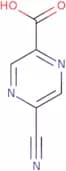
CAS:<p>Versatile small molecule scaffold</p>Formula:C9H9NO3Purity:Min. 95%Molecular weight:179.2 g/mol5-Cyanopyrazine-2-carboxylic acid
CAS:<p>Versatile small molecule scaffold</p>Formula:C6H3N3O2Purity:Min. 95%Molecular weight:149.11 g/mol5-chloro-1,6-dihydro-1-methyl-7h-pyrazolo[4,3-d]pyrimidin-7-one
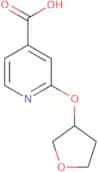
CAS:<p>Versatile small molecule scaffold</p>Formula:C6H5ClN4OPurity:Min. 95%Molecular weight:184.58 g/mol2-(Oxolan-3-yloxy)pyridine-4-carboxylic acid
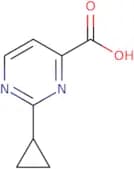
CAS:<p>Versatile small molecule scaffold</p>Formula:C10H11NO4Purity:Min. 95%Molecular weight:209.2 g/mol2-Cyclopropylpyrimidine-4-carboxylic acid
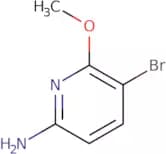
CAS:<p>Versatile small molecule scaffold</p>Formula:C8H8N2O2Purity:Min. 95%Molecular weight:164.16 g/mol5-Bromo-6-methoxypyridin-2-amine
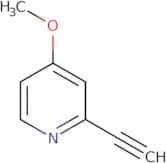
CAS:<p>Versatile small molecule scaffold</p>Formula:C6H7BrN2OPurity:Min. 95%Molecular weight:203.04 g/mol2-Ethynyl-4-methoxypyridine
CAS:<p>2-Ethynyl-4-methoxypyridine is a pyridyl compound that can be prepared by the electrolysis of an azide in the presence of copper foil. It is a strong reducing agent and can be used to reduce other substances, such as carbonyls, to formic acid. 2-Ethynyl-4-methoxypyridine has been shown to catalyze the reduction of triazolyl compounds. This reaction proceeds through an electrochemical process in which 2-ethynyl-4-methoxypyridine reduces the triple bond. The nature of this reaction is photoreduction, in which a photon or electron from light or another source initiates the process.</p>Formula:C8H7NOPurity:Min. 95%Molecular weight:133.15 g/mol2-(Bromomethyl)-1,3-oxazole-4-carboxylic acid
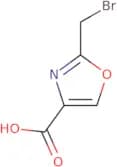
CAS:<p>Versatile small molecule scaffold</p>Formula:C5H4BrNO3Purity:Min. 95%Molecular weight:205.99 g/mol5-Bromo-pyrazine-2-carbaldehyde
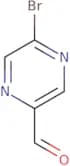
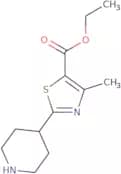
CAS:<p>Versatile small molecule scaffold</p>Formula:C5H3N2OBrPurity:Min. 95%Molecular weight:186.99 g/molEthyl 4-methyl-2-(piperidin-4-yl)-1,3-thiazole-5-carboxylate
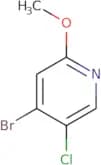
CAS:<p>Versatile small molecule scaffold</p>Formula:C12H18N2O2SPurity:Min. 95%Molecular weight:254.35 g/mol4-Bromo-5-chloro-2-methoxypyridine
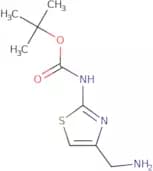
CAS:<p>Versatile small molecule scaffold</p>Formula:C6H5BrClNOPurity:Min. 95%Molecular weight:222.47 g/moltert-Butyl (4-(aminomethyl)thiazol-2-yl)carbamate
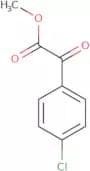
CAS:<p>Versatile small molecule scaffold</p>Formula:C9H15N3O2SPurity:Min. 95%Molecular weight:229.3 g/molMethyl 2-(4-chlorophenyl)-2-oxoacetate
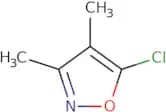
CAS:<p>Versatile small molecule scaffold</p>Formula:C9H7ClO3Purity:Min. 95%Molecular weight:198.6 g/mol5-Chloro-3,4-dimethyl-1,2-oxazole
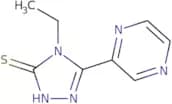
CAS:<p>Versatile small molecule scaffold</p>Formula:C5H6ClNOPurity:Min. 95%Molecular weight:131.56 g/mol4-Ethyl-5-(pyrazin-2-yl)-4H-1,2,4-triazole-3-thiol
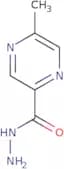
CAS:<p>Versatile small molecule scaffold</p>Formula:C8H9N5SPurity:Min. 95%Molecular weight:207.26 g/mol5-Methylpyrazine-2-carbohydrazide
CAS:<p>5-Methylpyrazine-2-carbohydrazide is a nitro compound that has been shown to have anti-diabetic properties. It can be used as an alternative to insulin in the treatment of diabetes mellitus type 2. 5-Methylpyrazine-2-carbohydrazide has also been shown to inhibit the growth of Staphylococcus aureus, which is a bacterium responsible for causing many types of infections including pneumonia and food poisoning. 5-Methylpyrazine-2-carbohydrazide is a fluorinated chemical that contains aluminium, chlorine, and fluorine atoms. This compound is capable of forming supramolecular complexes with electron deficient species such as sulphur, selenium, or tellurium. The synthesis of 5-methylpyrazine-2-carbohydrazide requires refluxing with chloride in hydrochloric acid and protonation with sodium hydroxide.</p>Formula:C6H8N4OPurity:Min. 95%Molecular weight:152.15 g/molChloro(chloromethanesulfonyl)methane
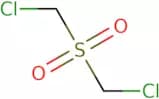
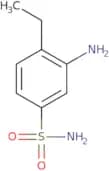
CAS:<p>Chloro(chloromethanesulfonyl)methane is a herbicide that inhibits the growth of plants by blocking the enzyme responsible for synthesizing the amino acid methionine. It is an analog of sulfometuron-methyl and metolachlor, which are also used as herbicides. Chloro(chloromethanesulfonyl)methane has been shown to be toxic to ruminants, due to its ability to block the synthesis of methionine in their gut bacteria. This drug can also produce a metabolic acidosis in some animals, which may be caused by its ability to produce sulfide from sulfur-containing amino acids.</p>Formula:C2H4Cl2O2SPurity:Min. 95%Molecular weight:163.02 g/mol3-Amino-4-ethylbenzene-1-sulfonamide
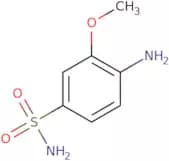
CAS:<p>Versatile small molecule scaffold</p>Formula:C8H12N2O2SPurity:Min. 95%Molecular weight:200.26 g/mol4-Amino-3-methoxybenzene-1-sulfonamide
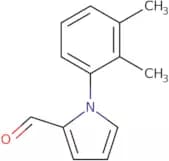
CAS:<p>Versatile small molecule scaffold</p>Formula:C7H10N2O3SPurity:Min. 95%Molecular weight:202.23 g/mol1-(2,3-Dimethylphenyl)-1H-pyrrole-2-carbaldehyde
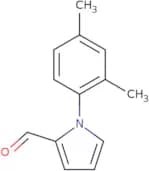
CAS:<p>Versatile small molecule scaffold</p>Formula:C13H13NOPurity:Min. 95%Molecular weight:199.25 g/mol1-(2,4-Dimethylphenyl)-1H-pyrrole-2-carbaldehyde
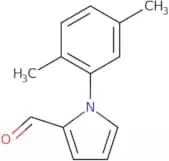
CAS:<p>Versatile small molecule scaffold</p>Formula:C13H13NOPurity:Min. 95%Molecular weight:199.25 g/mol1-(2,5-Dimethylphenyl)-1H-pyrrole-2-carbaldehyde
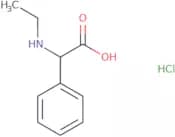
CAS:<p>Versatile small molecule scaffold</p>Formula:C13H13NOPurity:Min. 95%Molecular weight:199.25 g/mol2-(Ethylamino)-2-phenylacetic acid hydrochloride
CAS:<p>Versatile small molecule scaffold</p>Formula:C10H14ClNO2Purity:Min. 95%Molecular weight:215.67 g/mol2-[4-(2-Aminoethyl)phenyl]acetic acid hydrochloride
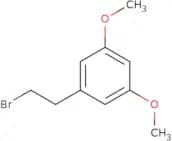
CAS:<p>Versatile small molecule scaffold</p>Formula:C10H14ClNO2Purity:Min. 95%Molecular weight:215.67 g/mol1-(2-Bromoethyl)-3,5-dimethoxybenzene
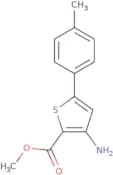
CAS:<p>Versatile small molecule scaffold</p>Formula:C10H13BrO2Purity:Min. 95%Molecular weight:245.11 g/molMethyl 3-amino-5-(4-methylphenyl)thiophene-2-carboxylate
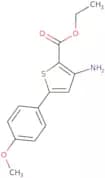
CAS:<p>Versatile small molecule scaffold</p>Formula:C13H13NO2SPurity:Min. 95%Molecular weight:247.31 g/molEthyl 3-amino-5-(4-methoxyphenyl)thiophene-2-carboxylate
CAS:<p>Versatile small molecule scaffold</p>Formula:C14H15NO3SPurity:Min. 95%Molecular weight:277.34 g/mol4-[(2-Methoxyphenyl)methyl]piperidine hydrochloride
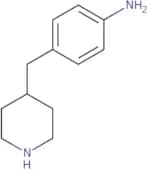
CAS:<p>Versatile small molecule scaffold</p>Formula:C13H20ClNOPurity:Min. 95%Molecular weight:241.76 g/mol4-(4-Aminophenylmethyl)piperidine
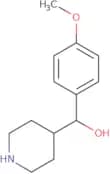
CAS:<p>Versatile small molecule scaffold</p>Formula:C12H18N2Purity:Min. 95%Molecular weight:190.29 g/mol(4-Methoxyphenyl)(piperidin-4-yl)methanol
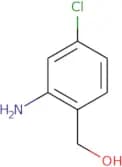
CAS:<p>Versatile small molecule scaffold</p>Formula:C13H19NO2Purity:Min. 95%Molecular weight:221.29 g/mol(2-amino-4-chlorophenyl)methanol
CAS:<p>Ruthenium-based catalysts can be used for the synthesis of 2-amino-4-chlorophenylmethanol. This catalyst is a sustainable, low cost, and efficient solution to many industrial chemical production problems. The catalyst utilizes magnetic nanoparticles that are inexpensive and easy to produce. It also has a short reaction time, which helps to increase efficiency. The oxidation of this compound produces hydrogen peroxide as an oxidant, which reduces the need for other oxidizing agents in the reaction.</p>Formula:C7H8ClNOPurity:Min. 95%Molecular weight:157.6 g/mol6-Methoxy-3H-pyrido[2,3-b][1,4]thiazin-2-amine
CAS:<p>Versatile small molecule scaffold</p>Formula:C8H9N3OSPurity:Min. 95%Molecular weight:195.24 g/molPhenyl(1H-pyrazol-4-yl)methanol
CAS:<p>Versatile small molecule scaffold</p>Formula:C10H10N2OPurity:Min. 95%Molecular weight:174.2 g/mol1-(5-Methyl-1H-pyrazol-3-yl)ethan-1-ol
CAS:<p>Versatile small molecule scaffold</p>Formula:C6H10N2OPurity:Min. 95%Molecular weight:126.16 g/molSpiro[3.4]octan-1-one
CAS:<p>Spiro[3.4]octan-1-one is an organic compound that is a 2-chloroethyl ketone. It can be prepared by the reaction of dimethyl sulfonium iodide with 2-chloroethanol. This chemical has been used as a reagent in the synthesis of polymers and pharmaceuticals.</p>Formula:C8H12OPurity:Min. 95%Molecular weight:124.18 g/mol3'-Chloro-4'-methoxyacetophenone
CAS:<p>3'-Chloro-4'-methoxyacetophenone (3'-CMA) is a chalcone that is used as an inhibitor of the enzyme acetylcholinesterase. It has been shown to inhibit the activity of acetylcholinesterase, which is responsible for the hydrolysis of acetylcholine. This inhibition leads to an increase in acetylcholine levels and therefore to an increase in the response time of skeletal muscle. 3'-CMA has been shown to have potentiating effects on other compounds, such as phenoxy, which are also inhibitors of acetylcholinesterase.</p>Formula:C9H9ClO2Purity:Min. 95%Molecular weight:184.62 g/mol3-(4-Chloro-phenyl)-prop-2-yn-1-ol
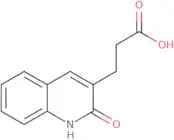
CAS:<p>3-(4-Chloro-phenyl)-prop-2-yn-1-ol is a compound that can be synthesized by the reaction of 3-(4-chlorophenyl)propanal and ammonia. The reaction has been carried out in the presence of ammonium acetate, which acts as a catalyst to promote the formation of this product. This compound may be used for the synthesis of isoquinolines, which are biologically active compounds. The microwave irradiation technique is used for this synthesis to increase yields and decrease time.</p>Formula:C9H7ClOPurity:Min. 95%Molecular weight:166.6 g/mol3-(2-Oxo-1,2-dihydroquinolin-3-yl)propanoic acid
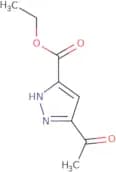
CAS:<p>Versatile small molecule scaffold</p>Formula:C12H11NO3Purity:Min. 95%Molecular weight:217.22 g/mol5-Acetyl-2H-pyrazole-3-carboxylic acid ethyl ester
CAS:<p>5-Acetyl-2H-pyrazole-3-carboxylic acid ethyl ester is a potent and selective inhibitor of the enzyme carboxamide ribonucleotide transformylase (CRT). The pharmacodynamic properties of this compound are still unknown. 5-Acetyl-2H-pyrazole-3-carboxylic acid ethyl ester has been shown to inhibit tumour growth in xenograft models, but not in mice. It was also found to inhibit the proliferation of myeloproliferative cells, but not normal cells, in vitro. Further research is required to elucidate its mechanism of action and potential clinical applications.</p>Formula:C8H10N2O3Purity:Min. 95%Molecular weight:182.18 g/mol2-Ethyl-1-oxa-4,8-diazaspiro[4.5]decan-3-one hydrobromide
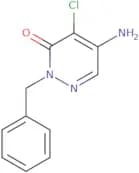
CAS:<p>Versatile small molecule scaffold</p>Formula:C9H17BrN2O2Purity:Min. 95%Molecular weight:265.15 g/mol5-Amino-2-benzyl-4-chloro-2,3-dihydropyridazin-3-one
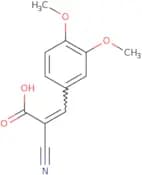
CAS:<p>Versatile small molecule scaffold</p>Formula:C11H10ClN3OPurity:Min. 95%Molecular weight:235.67 g/mol(2E)-2-Cyano-3-(3,4-dimethoxyphenyl)prop-2-enoic acid
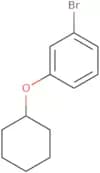
CAS:<p>Versatile small molecule scaffold</p>Formula:C12H11NO4Purity:Min. 95%Molecular weight:233.22 g/mol1-Bromo-3-(cyclohexyloxy)benzene
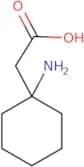
CAS:<p>Versatile small molecule scaffold</p>Formula:C12H15BrOPurity:Min. 95%Molecular weight:255.15 g/mol(1-Aminocyclohexyl)acetic acid
CAS:<p>(1-Aminocyclohexyl)acetic acid is a molecule that has been shown to have high cytotoxicity in the presence of hydrogen peroxide. It has been shown to be an inhibitor of β-aminoacyl-tRNA synthetase and RNA polymerase, which leads to reduced protein synthesis. The conformational properties and flipping of the cyclohexane ring have been studied using NMR spectroscopy.<br>(1-Aminocyclohexyl)acetic acid is also known as 1-aminocyclopentane carboxylic acid or ACPA.</p>Formula:C8H15NO2Purity:Min. 95%Molecular weight:157.21 g/mol3-Amino-3-cyclohexylpropanoic acid hydrochloride
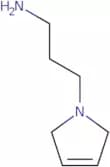
CAS:<p>Versatile small molecule scaffold</p>Purity:Min. 95%Molecular weight:207.7 g/mol3-(2,5-Dihydro-1H-pyrrol-1-yl)propan-1-amine
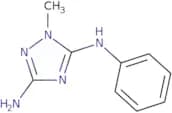
CAS:<p>Versatile small molecule scaffold</p>Formula:C7H14N2Purity:Min. 95%Molecular weight:126.2 g/mol1-Methyl-5-N-phenyl-1H-1,2,4-triazole-3,5-diamine
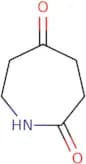
CAS:<p>Versatile small molecule scaffold</p>Formula:C9H11N5Purity:Min. 95%Molecular weight:189.22 g/molAzepane-2,5-dione
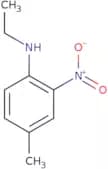
CAS:<p>Azepane-2,5-dione is a dopamine antagonist that blocks the activity of dopamine receptors by binding to them. It has been shown to antagonize the effects of dopamine in the brain and may be used for treatment of schizophrenia.</p>Formula:C6H9NO2Purity:Min. 95%Molecular weight:127.14 g/molN-Ethyl-4-methyl-2-nitroaniline
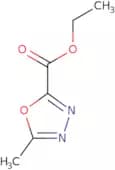
CAS:<p>Versatile small molecule scaffold</p>Formula:C9H12N2O2Purity:Min. 95%Molecular weight:180.2 g/molEthyl 5-methyl-1,3,4-oxadiazole-2-carboxylate
CAS:<p>Versatile small molecule scaffold</p>Formula:C6H8N2O3Purity:Min. 95%Molecular weight:156.14 g/mol

![[6-(1H-Pyrazol-1-yl)pyridin-2-yl]methanamine](/_next/image/?url=https%3A%2Fstatic.cymitquimica.com%2Fproducts%2F3D%2Fthumb-webp%2FLYB51925.webp&w=3840&q=75)
![[6-(Difluoromethyl)pyridin-2-yl]methanamine](/_next/image/?url=https%3A%2Fstatic.cymitquimica.com%2Fproducts%2F3D%2Fthumb-webp%2FLYB51939.webp&w=3840&q=75)
![4-(Trifluoromethyl)-1H-pyrrolo[2,3-c]pyridine](/_next/image/?url=https%3A%2Fstatic.cymitquimica.com%2Fproducts%2F3D%2Fthumb-webp%2FLYB52188.webp&w=3840&q=75)
![4-Chloro-5H,6H,7H-pyrimido[4,5-b][1,4]oxazin-6-one](/_next/image/?url=https%3A%2Fstatic.cymitquimica.com%2Fproducts%2F3D%2Fthumb-webp%2FLYB52467.webp&w=3840&q=75)
![7-Bromobenzo[d]oxazol-2-amine](/_next/image/?url=https%3A%2Fstatic.cymitquimica.com%2Fproducts%2F3D%2Fthumb-webp%2FLYB52707.webp&w=3840&q=75)
![2,6-dichloro-[1,3]oxazolo[4,5-b]pyridine](/_next/image/?url=https%3A%2Fstatic.cymitquimica.com%2Fproducts%2F3D%2Fthumb-webp%2FLYB52907.webp&w=3840&q=75)
![1-[(5-Chloropyridin-2-yl)methyl]piperazine](/_next/image/?url=https%3A%2Fstatic.cymitquimica.com%2Fproducts%2F3D%2Fthumb-webp%2FLYB53237.webp&w=3840&q=75)
![5H,7H,8H-Pyrano[4,3-b]pyridine-2-carboxylic acid](/_next/image/?url=https%3A%2Fstatic.cymitquimica.com%2Fproducts%2F3D%2Fthumb-webp%2FLYB53295.webp&w=3840&q=75)
![5-chloro-1,6-dihydro-1-methyl-7h-pyrazolo[4,3-d]pyrimidin-7-one](/_next/image/?url=https%3A%2Fstatic.cymitquimica.com%2Fproducts%2F3D%2Fthumb-webp%2FLYB53331.webp&w=3840&q=75)
![2-[4-(2-Aminoethyl)phenyl]acetic acid hydrochloride](/_next/image/?url=https%3A%2Fstatic.cymitquimica.com%2Fproducts%2F3D%2Fthumb-webp%2FMBA56354.webp&w=3840&q=75)
![4-[(2-Methoxyphenyl)methyl]piperidine hydrochloride](/_next/image/?url=https%3A%2Fstatic.cymitquimica.com%2Fproducts%2F3D%2Fthumb-webp%2FMBA58134.webp&w=3840&q=75)
![6-Methoxy-3H-pyrido[2,3-b][1,4]thiazin-2-amine](/_next/image/?url=https%3A%2Fstatic.cymitquimica.com%2Fproducts%2F3D%2Fthumb-webp%2FMBA59110.webp&w=3840&q=75)
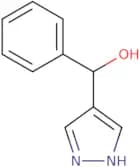
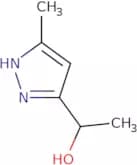
![Spiro[3.4]octan-1-one](/_next/image/?url=https%3A%2Fstatic.cymitquimica.com%2Fproducts%2F3D%2Fthumb-webp%2FMBA60931.webp&w=3840&q=75)
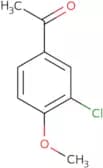
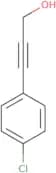
![2-Ethyl-1-oxa-4,8-diazaspiro[4.5]decan-3-one hydrobromide](/_next/image/?url=https%3A%2Fstatic.cymitquimica.com%2Fproducts%2F3D%2Fthumb-webp%2FMBA62320.webp&w=3840&q=75)