Building Blocks
This section contains fundamental products for the synthesis of organic and biological compounds. Building blocks are the essential starting materials used to construct complex molecules through various chemical reactions. They play a critical role in drug discovery, material science, and chemical research. At CymitQuimica, we offer a diverse range of high-quality building blocks to support your innovative research and industrial projects, ensuring you have the essential components for successful synthesis.
Subcategories of "Building Blocks"
- Boronic Acids & Boronic Acid Derivatives(5,756 products)
- Chiral Building Blocks(1,242 products)
- Hydrocarbon Building Blocks(6,095 products)
- Organic Building Blocks(61,055 products)
Found 199650 products of "Building Blocks"
Sort by
Purity (%)
0
100
|
0
|
50
|
90
|
95
|
100
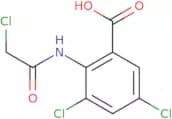
3,5-Dichloro-2-(2-chloroacetamido)benzoic acid
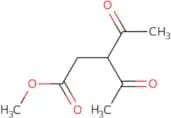
CAS:<p>Versatile small molecule scaffold</p>Formula:C9H6Cl3NO3Purity:Min. 95%Molecular weight:282.5 g/molMethyl 3-acetyl-4-oxopentanoate
CAS:<p>Methyl 3-acetyl-4-oxopentanoate is a synthetic porphyrin precursor. It is an isomer of hematoporphyrin, which has been shown to be an effective photosensitizer for the treatment of psoriasis. Methyl 3-acetyl-4-oxopentanoate has also been shown to have degradative properties, and can be used to synthesize pyrrole compounds. This synthetic porphyrin precursor can also be used in the production of other porphyrins such as protoporphyrins and porphyrins.</p>Formula:C8H12O4Purity:Min. 95%Molecular weight:172.18 g/mol5-Butylpyrimidin-2-amine
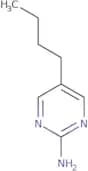
CAS:<p>Versatile small molecule scaffold</p>Formula:C8H13N3Purity:Min. 95%Molecular weight:151.21 g/mol5-Ethoxypyrimidin-2-amine
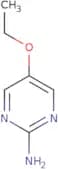
CAS:<p>Versatile small molecule scaffold</p>Formula:C6H9N3OPurity:Min. 95%Molecular weight:139.16 g/mol2-(4-Methyl-1,4-diazepan-1-yl)ethanamine
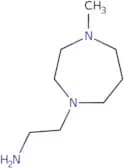
CAS:<p>Versatile small molecule scaffold</p>Formula:C8H19N3Purity:Min. 95%Molecular weight:157.26 g/mol2-{[(tert-Butoxy)carbonyl]amino}-2-(3-hydroxyphenyl)acetic acid
CAS:<p>Versatile small molecule scaffold</p>Formula:C13H17NO5Purity:Min. 95%Molecular weight:267.28 g/mol3,3-Dimethylhex-5-enal
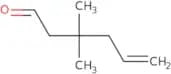
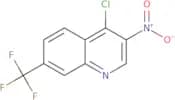
CAS:<p>Versatile small molecule scaffold</p>Formula:C8H14OPurity:Min. 95%Molecular weight:126.2 g/mol4-Chloro-3-nitro-7-(trifluoromethyl)quinoline
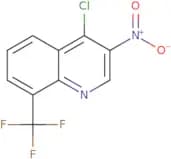
CAS:<p>Versatile small molecule scaffold</p>Formula:C10H4ClF3N2O2Purity:Min. 95%Molecular weight:276.6 g/mol4-Chloro-3-nitro-8-(trifluoromethyl)quinoline
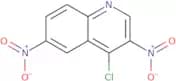
CAS:<p>Versatile small molecule scaffold</p>Formula:C10H4ClF3N2O2Purity:Min. 95%Molecular weight:276.6 g/mol4-Chloro-3,6-dinitroquinoline
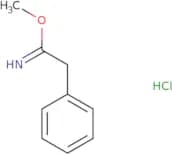
CAS:<p>Versatile small molecule scaffold</p>Formula:C9H4ClN3O4Purity:Min. 95%Molecular weight:253.6 g/molMethyl 2-phenylethanecarboximidate hydrochloride
CAS:<p>Methyl 2-phenylethanecarboximidate hydrochloride is a dorzolamide hydrochloride prodrug that has been shown to have biological activity. It binds to the 2-adrenergic receptor and stimulates a conformational change in the receptor, leading to increased intracellular cyclic AMP levels. Methyl 2-phenylethanecarboximidate hydrochloride has been shown to inhibit the production of ICOTINIB HCl, an inhibitor of cell factor and cox-2. This drug also has been shown to have cardiac effects, including increasing heart rate and reducing the time interval between heartbeats. Methyl 2-phenylethanecarboximidate hydrochloride may be used as an optical sensor for measuring pH or as an electrochemical impedance spectroscopy agent for determining benzalkonium chloride concentrations.</p>Formula:C9H12ClNOPurity:Min. 95%Molecular weight:185.65 g/molMethyl 2-oxo-1,2-dihydroquinoline-4-carboxylate
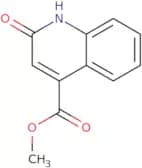
CAS:<p>Versatile small molecule scaffold</p>Formula:C11H9NO3Purity:Min. 95%Molecular weight:203.19 g/molmethyl 5-bromo-2-methoxy-4-methylbenzoate
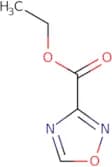
CAS:<p>Versatile small molecule scaffold</p>Formula:C10H11BrO3Purity:Min. 95%Molecular weight:259.1 g/molEthyl 1,2,4-oxadiazole-3-carboxylate
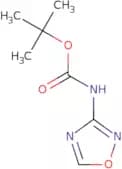
CAS:<p>Versatile small molecule scaffold</p>Formula:C5H6N2O3Purity:Min. 95%Molecular weight:142.11 g/moltert-Butyl N-(1,2,4-oxadiazol-3-yl)carbamate
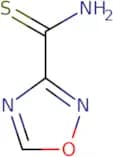
CAS:<p>Versatile small molecule scaffold</p>Formula:C7H11N3O3Purity:Min. 95%Molecular weight:185.18 g/mol1,2,4-Oxadiazole-3-carbothioamide
CAS:<p>Versatile small molecule scaffold</p>Formula:C3H3N3OSPurity:Min. 95%Molecular weight:129.14 g/mol1,3-Dihydro-5-hydroxy-2H-benzimidazol-2-one
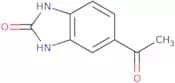
CAS:<p>Versatile small molecule scaffold</p>Formula:C7H6N2O2Purity:Min. 95%Molecular weight:150.13 g/mol5-acetyl-2,3-dihydro-1H-1,3-benzodiazol-2-one
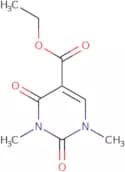
CAS:<p>Versatile small molecule scaffold</p>Formula:C9H8N2O2Purity:Min. 95%Molecular weight:176.18 g/molEthyl 1,3-dimethyl-2,4-dioxo-1,2,3,4-tetrahydropyrimidine-5-carboxylate
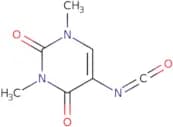
CAS:<p>Versatile small molecule scaffold</p>Formula:C9H12N2O4Purity:Min. 95%Molecular weight:212.2 g/mol5-Isocyanato-1,3-dimethylpyrimidine-2,4(1H,3H)-dione
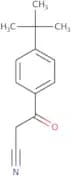
CAS:<p>Versatile small molecule scaffold</p>Formula:C7H7N3O3Purity:Min. 95%Molecular weight:181.15 g/mol3-(4-(tert-Butyl)phenyl)-3-oxopropanenitrile
CAS:<p>Versatile small molecule scaffold</p>Formula:C13H15NOPurity:Min. 95%Molecular weight:201.26 g/mol8-Oxabicyclo[3.2.1]octan-2-one
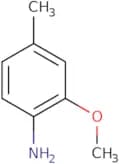
CAS:8-Oxabicyclo[3.2.1]octan-2-one (8OBA) is a β-unsaturated ketone with an oxime group at the 8 position. It can be prepared by cyclization of 2,5-diketones with a phosphonate ester in the presence of a base. The syntheses of various ketones have been accomplished using this process, including β-unsaturated ketones and oxophosphonates. This compound is also used as a building block for synthesis of furan derivatives, such as 2,5-furandione and 3,6-dihydro-4H-pyran.Formula:C7H10O2Purity:Min. 95%Molecular weight:126.15 g/mol2-Methoxy-4-methylaniline
CAS:<p>Versatile small molecule scaffold</p>Formula:C8H11NOPurity:Min. 95%Molecular weight:137.18 g/mol2-[(2-Chlorophenyl)formamido]-3-(1H-indol-3-yl)propanoic acid
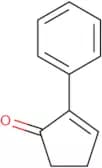
CAS:<p>Versatile small molecule scaffold</p>Formula:C18H15ClN2O3Purity:Min. 95%Molecular weight:342.8 g/mol2-Phenylcyclopent-2-en-1-one
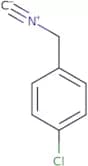
CAS:<p>2-Phenylcyclopent-2-en-1-one is a cyclic ketone that can be used in the preparation of 2-phenylcyclopentanones by deoxygenation. The compound can also be converted to cyclopentenones by treatment with alcohols, olefins, or esters. It is also useful for the synthesis of the vinyl ethers and cycloadditions. The reduction of this molecule produces cyclohexanol. Treatment with methanol produces 1,4-benzodiazepine derivatives. Finally, it can be used for annulation reactions as well.</p>Formula:C11H10OPurity:Min. 95%Molecular weight:158.2 g/mol1-Chloro-4-(isocyanomethyl)benzene
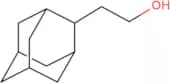
CAS:<p>1-Chloro-4-(isocyanomethyl)benzene is a heterocyclic compound that belongs to the morpholine family. It is activated by electron withdrawing groups such as nitro, chloro, and cyano groups. The functionalities of this molecule are amines, nitro, and chloro. 1-Chloro-4-(isocyanomethyl)benzene has been shown to be an inhibitor of pyrrole synthesis in biochemical studies. In addition, it has been shown to be a competitive inhibitor of xanthate oxidation in cyclic biochemical reactions.</p>Formula:C8H6ClNPurity:Min. 95%Molecular weight:151.59 g/mol2-(Adamantan-2-yl)ethan-1-ol
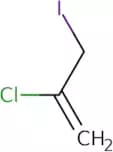
CAS:<p>Versatile small molecule scaffold</p>Formula:C12H20OPurity:Min. 95%Molecular weight:180.29 g/mol2-Chloro-3-iodoprop-1-ene
CAS:<p>2-Chloro-3-iodoprop-1-ene is a synthetic chemical that is used as a reagent in organic synthesis. It has been shown to react with alkyl halides, acyl halides, and anilines to produce β-chloro ketones, α,β-unsaturated esters, and chloroamidines respectively. The reaction with chloride ions produces 2-chloroethyl chloroacetate. This compound can also be used to cross-couple aromatic rings using palladium catalysts. 2-Chloro-3-iodopropane is a precursor to polyphosphoric acid (PPA), which is used in the production of fertilizers.</p>Formula:C3H4ClIPurity:Min. 95%Molecular weight:202.42 g/molrac-(1R,6R)-6-Methylcyclohex-3-en-1-amine hydrochloride
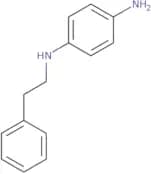
CAS:<p>Versatile small molecule scaffold</p>Formula:C7H14ClNPurity:Min. 95%Molecular weight:147.6 g/mol1-N-(2-Phenylethyl)benzene-1,4-diamine
CAS:<p>Versatile small molecule scaffold</p>Formula:C14H16N2Purity:Min. 95%Molecular weight:212.29 g/mol4-[(3-methylphenyl)amino]-4,5-dihydrothiophene-1,1-dione
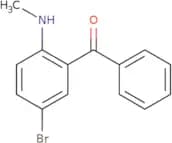
CAS:<p>Versatile small molecule scaffold</p>Formula:C11H13NO2SPurity:Min. 95%Molecular weight:223.29 g/mol(5-Bromo-2-methylamino-phenyl)-phenyl-methanone
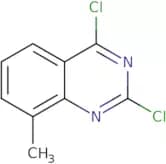
CAS:<p>Versatile small molecule scaffold</p>Formula:C14H12BrNOPurity:Min. 95%Molecular weight:290.15 g/mol2,4-Dichloro-8-methylquinazoline
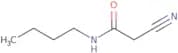
CAS:<p>Versatile small molecule scaffold</p>Formula:C9H6Cl2N2Purity:Min. 95%Molecular weight:213.06 g/molN-Butyl-2-cyanoacetamide
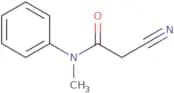
CAS:<p>N-Butyl-2-cyanoacetamide is a chemical compound that is used to express nature and functionalized. The chemical formula for N-Butyl-2-cyanoacetamide is CH3CONHC(CN)COOCH3. It has a melting point of -80 degrees Celsius, a boiling point of 150 degrees Celsius, and a density of 1.08 grams per cubic centimeter.</p>Formula:C7H12N2OPurity:Min. 95%Molecular weight:140.18 g/mol2-Cyano-N-methyl-N-phenylacetamide
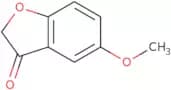
CAS:<p>2-Cyano-N-methyl-N-phenylacetamide is a diazo compound that is used as a ligand for the β-lactams. It can be prepared by reacting methylcyanamide with phenylacetic acid in the presence of nitrous acid. 2-Cyano-N-methyl-N-phenylacetamide reacts with carbonyl groups to form an oxime, which can be hydrolyzed to produce an amine. This reaction occurs intramolecularly and catalysed by copper or silver salts. The houben–hoesch reaction of 2,4,6,8 tetramethylpiperidine with 2-cyano N -methyl N -phenyl acetamide yields the piperidine derivative 1-(2 cyanoethyl)-2-(2 methoxyethoxy)ethylamine.</p>Formula:C10H10N2OPurity:Min. 95%Molecular weight:174.2 g/mol5-Methoxy-1-benzofuran-3(2H)-one
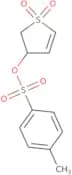
CAS:<p>Versatile small molecule scaffold</p>Formula:C9H8O3Purity:Min. 95%Molecular weight:164.16 g/mol1,1-Dioxo-2,3-dihydro-1λ⁶-thiophen-3-yl 4-methylbenzene-1-sulfonate
CAS:<p>Versatile small molecule scaffold</p>Formula:C11H12O5S2Purity:Min. 95%Molecular weight:288.3 g/mol1,3-dimethyl (1R,3S)-cyclopentane-1,3-dicarboxylate
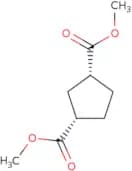
CAS:<p>Versatile small molecule scaffold</p>Formula:C9H14O4Purity:Min. 95%Molecular weight:186.21 g/mol[1-(Hydroxymethyl)-2,2-dimethylcyclopropyl]methanol
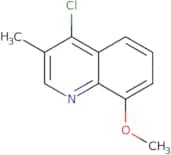
CAS:<p>Versatile small molecule scaffold</p>Formula:C7H14O2Purity:Min. 95%Molecular weight:130.18 g/mol4-Chloro-8-methoxy-3-methylquinoline
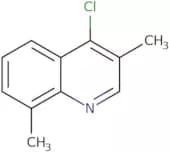
CAS:<p>Versatile small molecule scaffold</p>Formula:C11H10ClNOPurity:Min. 95%Molecular weight:207.65 g/mol4-Chloro-3,8-dimethylquinoline
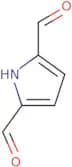
CAS:<p>Versatile small molecule scaffold</p>Formula:C11H10ClNPurity:Min. 95%Molecular weight:191.65 g/mol1H-Pyrrole-2,5-dicarbaldehyde
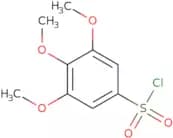
CAS:<p>1H-Pyrrole-2,5-dicarbaldehyde is a molecule that has been shown to have antibacterial properties. It binds to the amine nitrogen of the protein and forms an imine intermediate. This intermediate will react with other molecules to form a condensation product. The condensation product is then hydrolyzed by water or ammonium hydroxide to release 1H-pyrrole-2,5-dicarbaldehyde.<br>1H-Pyrrole-2,5-dicarbaldehyde has been shown to be effective against bacteria such as Staphylococcus aureus and Pseudomonas aeruginosa in bioassays. X-ray diffraction data supports the idea that this molecule has an intramolecular hydrogen bond between the carbonyl group and the nitrogen atom. This reactive molecule also has mononuclear nitrogen atoms that can bind to anions such as chloride ions and nitrate ions, which are</p>Formula:C6H5NO2Purity:Min. 95%Molecular weight:123.11 g/mol3,4,5-Trimethoxybenzene-1-sulfonyl chloride
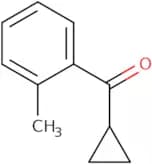
CAS:<p>Versatile small molecule scaffold</p>Formula:C9H11ClO5SPurity:Min. 95%Molecular weight:266.7 g/mol2-Methylphenyl cyclopropyl ketone
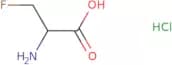
CAS:Versatile small molecule scaffoldFormula:C11H12OPurity:Min. 95%Molecular weight:160.22 g/mol(2S)-2-Amino-3-fluoropropanoic acid hydrochloride
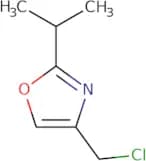
CAS:<p>Versatile small molecule scaffold</p>Formula:C3H7ClFNO2Purity:Min. 95%Molecular weight:143.54 g/mol4-(Chloromethyl)-2-(propan-2-yl)-1,3-oxazole
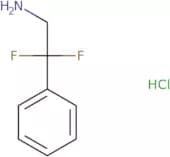
CAS:<p>Versatile small molecule scaffold</p>Formula:C7H10ClNOPurity:Min. 95%Molecular weight:159.61 g/mol2,2-Difluoro-2-phenylethanamine HCl
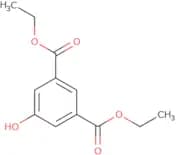
CAS:<p>Versatile small molecule scaffold</p>Formula:C8H9F2N·HClPurity:Min. 95%Molecular weight:193.62 g/mol1,3-Diethyl 5-hydroxybenzene-1,3-dicarboxylate
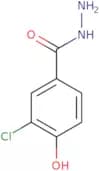
CAS:<p>1,3-Diethyl 5-hydroxybenzene-1,3-dicarboxylate is a ligand that binds to transition metal ions and has been shown to have a constant fluorescence emission. The ligand can be used as a fluorescent probe for the study of hydrogen bonding and transport properties in solids. 1,3-Diethyl 5-hydroxybenzene-1,3-dicarboxylate has also been shown to have functional theory applications and is soluble in chlorides.</p>Formula:C12H14O5Purity:Min. 95%Molecular weight:238.24 g/mol3-Chloro-4-hydroxybenzohydrazide
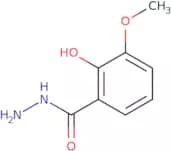
CAS:<p>Versatile small molecule scaffold</p>Formula:C7H7ClN2O2Purity:Min. 95%Molecular weight:186.59 g/mol2-Hydroxy-3-methoxybenzohydrazide
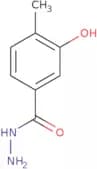
CAS:<p>2-Hydroxy-3-methoxybenzohydrazide is a magnetic material that has linear, assembled, and magnetization properties. It is a ligand that binds to metal ions and forms a stable complex. The magnetic property of this compound was determined by measuring its susceptibility to an external magnetic field. The magnitude of this susceptibility depends on the orientation of the molecule in the external magnetic field and can be used to identify the type of molecular interactions occurring between the compound and the metal ion.</p>Formula:C8H10N2O3Purity:Min. 95%Molecular weight:182.18 g/mol3-Hydroxy-4-methylbenzohydrazide
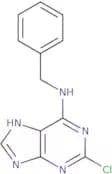
CAS:<p>Versatile small molecule scaffold</p>Formula:C8H10N2O2Purity:Min. 95%Molecular weight:166.18 g/molN-Benzyl-2-chloro-9H-purin-6-amine
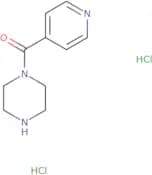
CAS:<p>Versatile small molecule scaffold</p>Formula:C12H10ClN5Purity:Min. 95%Molecular weight:259.69 g/mol1-(Pyridine-4-carbonyl)piperazine dihydrochloride
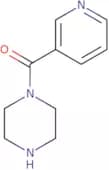
CAS:<p>Versatile small molecule scaffold</p>Formula:C10H15Cl2N3OPurity:Min. 95%Molecular weight:264.15 g/molPiperazin-1-yl-pyridin-3-yl-methanone dihydrochloride
CAS:<p>Versatile small molecule scaffold</p>Formula:C10H15Cl2N3OPurity:Min. 95%Molecular weight:264.15 g/mol2-pyridin-4-ylacetamide
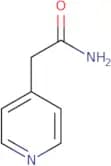
CAS:<p>2-pyridin-4-ylacetamide is a chiral inorganic compound that can be synthesized by reacting 4-hydroxypyridine with 2,2'-diaminodiethylamine. The crystal structure of this compound has been determined using x-ray diffraction techniques. The molecule adopts a conformation that is twisted about the central C=N bond, which is typical for pyridines. It also has a significant amide proton resonance, which causes it to have an intense conformational dependence on the temperature and solvent.</p>Formula:C7H8N2OPurity:Min. 95%Molecular weight:136.15 g/mol2-[2,2,3,3-Tetrafluoro-1-(hydroxymethyl)cyclobutyl]ethan-1-ol
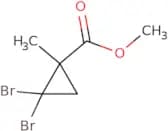
CAS:<p>Versatile small molecule scaffold</p>Formula:C7H10F4O2Purity:Min. 95%Molecular weight:202.15 g/molMethyl 2,2-dibromo-1-methylcyclopropane-1-carboxylate
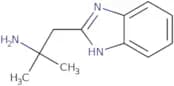
CAS:<p>Versatile small molecule scaffold</p>Formula:C6H8Br2O2Purity:Min. 95%Molecular weight:271.93 g/mol1-(1H-1,3-Benzodiazol-2-yl)-2-methylpropan-2-amine
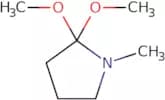
CAS:<p>Versatile small molecule scaffold</p>Formula:C11H15N3Purity:Min. 95%Molecular weight:189.26 g/mol2,2-Dimethoxy-1-methylpyrrolidine
CAS:<p>Versatile small molecule scaffold</p>Formula:C7H15NO2Purity:Min. 95%Color and Shape:Clear LiquidMolecular weight:145.2 g/mol(2-chloro-4-methylphenyl)methanol
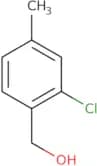
CAS:<p>Versatile small molecule scaffold</p>Formula:C8H9OClPurity:Min. 95%Molecular weight:156.6 g/mol4-Methoxy-3-nitrophenyl acetate
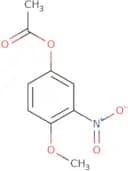
CAS:<p>Versatile small molecule scaffold</p>Formula:C9H9NO5Purity:Min. 95%Molecular weight:211.17 g/mol1,2-Oxazolidine hydrochloride
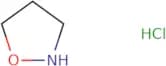
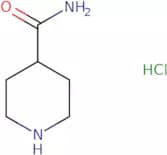
CAS:<p>1,2-Oxazolidine hydrochloride (1,2-OH) is an organic compound that is used as a reagent in organic synthesis. It is a chloride salt of the squaramide 1,2-oxazolidine and it reacts with hydrochloric acid to form the corresponding isoxazolidine. This process can be used to regenerate the starting reagent from a reaction mixture. The reaction yield for this process is in excess of 90%. 1,2-OH has shown pain control effects in mice and rats through its ability to inhibit prostaglandin synthesis. It also binds to c1-c6 alkoxyamines and iminiums, which are important intermediates in drug synthesis.</p>Formula:C3H8ClNOPurity:Min. 95%Molecular weight:109.55 g/mol4-Piperidinecarboxamide hydrochloride
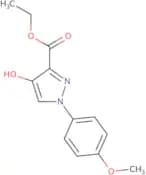
CAS:<p>Versatile small molecule scaffold</p>Formula:C6H13ClN2OPurity:Min. 95%Molecular weight:164.64 g/molEthyl 4-hydroxy-1-(4-methoxyphenyl)-1H-pyrazole-3-carboxylate
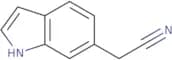
CAS:<p>Versatile small molecule scaffold</p>Formula:C13H14N2O4Purity:Min. 95%Molecular weight:262.26 g/mol2-(1H-Indol-6-yl)acetonitrile
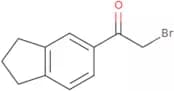
CAS:<p>Versatile small molecule scaffold</p>Formula:C10H8N2Purity:Min. 95%Molecular weight:156.18 g/mol2-Bromo-1-(2,3-dihydro-1H-inden-5-yl)ethan-1-one
CAS:<p>Versatile small molecule scaffold</p>Formula:C11H11BrOPurity:Min. 95%Molecular weight:239.11 g/mol7,8-Dihydro-5H-cyclohepta[b]pyridine-5,9(6H)-dione
CAS:<p>Versatile small molecule scaffold</p>Formula:C10H9NO2Purity:Min. 95%Molecular weight:175.19 g/molEthyl 3-chloro-5H,6H,7H,8H-pyrido[4,3-c]pyridazine-6-carboxylate
CAS:<p>Versatile small molecule scaffold</p>Formula:C10H12ClN3O2Purity:Min. 95%Molecular weight:241.67 g/molMethyl 3-chloro-5H,6H,7H,8H-pyrido[4,3-c]pyridazine-6-carboxylate
CAS:<p>Versatile small molecule scaffold</p>Formula:C9H10ClN3O2Purity:Min. 95%Molecular weight:227.65 g/molEthyl 3-hydroxy-5H,6H,7H,8H-pyrido[4,3-c]pyridazine-6-carboxylate
CAS:<p>Versatile small molecule scaffold</p>Formula:C10H13N3O3Purity:Min. 95%Molecular weight:223.23 g/mol2H,3H,5H,6H,7H,8H-Pyrido[4,3-c]pyridazin-3-one hydrochloride
CAS:<p>Versatile small molecule scaffold</p>Formula:C7H10ClN3OPurity:Min. 95%Molecular weight:187.63 g/mol5H,6H,7H,8H-Pyrido[4,3-c]pyridazin-3-ol
CAS:<p>Versatile small molecule scaffold</p>Formula:C7H9N3OPurity:Min. 95%Molecular weight:151.17 g/molMethyl 3-oxo-2H,3H,5H,6H,7H,8H-pyrido[4,3-c]pyridazine-6-carboxylate
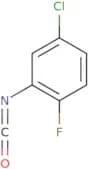
CAS:<p>Versatile small molecule scaffold</p>Formula:C9H11N3O3Purity:Min. 95%Molecular weight:209.2 g/mol4-Chloro-1-fluoro-2-isocyanatobenzene
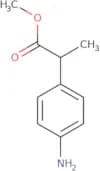
CAS:<p>Versatile small molecule scaffold</p>Formula:C7H3ClFNOPurity:Min. 95%Molecular weight:171.55 g/molmethyl 2-(4-aminophenyl)propanoate
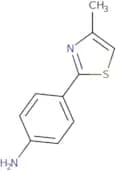
CAS:<p>Methyl 2-(4-aminophenyl)propanoate is a fatty acid amide that is derived from the arachidonic acid. It has been shown to be a lead compound with non-competitive inhibition of anandamide hydrolase. Methyl 2-(4-aminophenyl)propanoate also inhibits other hydrolases, such as the N-acylphosphatidylethanolamine phospholipase D and the phospholipase A2. This drug has been shown to have several effects in tissues, including cannabinoid receptors, which may be due to its ability to inhibit endocannabinoid metabolism and hydrolysis. This drug has also been shown to have anti-inflammatory properties.</p>Formula:C10H13NO2Purity:Min. 95%Molecular weight:179.2 g/mol4-(4-Methyl-1,3-thiazol-2-yl)aniline
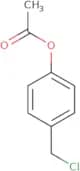
CAS:<p>Versatile small molecule scaffold</p>Formula:C10H10N2SPurity:Min. 95%Molecular weight:190.27 g/mol4-(Chloromethyl)phenyl acetate
CAS:<p>4-(Chloromethyl)phenyl acetate is a nitro compound that is capable of inhibiting bacterial translocation in wild-type mice. It has been shown to decrease the influx of chloride ions into cells by binding to the membrane, preventing the formation of ion channels. 4-(Chloromethyl)phenyl acetate can also reduce lipid hydroperoxides and potentiate the activity of estradiol. This drug may be used to treat women with symptoms such as acne or endometriosis. The effects on phenotype are unknown because this drug has not been tested on humans.</p>Formula:C9H9ClO2Purity:Min. 95%Molecular weight:184.62 g/mol1-(2-Hydroxy-4-iodophenyl)ethan-1-one
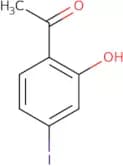
CAS:<p>1-(2-Hydroxy-4-iodophenyl)ethan-1-one is a monomer that is used in the synthesis of polymers. It can be synthesized by irradiation of benzene with ultraviolet light. Yields are monitored by spectroscopies, such as elemental analysis, UV/visible spectroscopy, and IR spectroscopy. The reaction is carried out in organic solvents and yields 1-(2-hydroxy-4-iodophenyl)ethanone as an intermediate product. This compound can be polymerized using various methods to produce polymers with different properties. One method involves the use of benzene as a solvent and uv radiation for activation. 1-(2-Hydroxyphenyl)ethanone can also be polymerized using a metal catalyst (e.g., zinc). Theoretical models have been developed to predict the potential yields for this reaction.<br>END>></p>Formula:C8H7IO2Purity:Min. 95%Molecular weight:262.04 g/mol1-[4-Amino-2-(methylsulfanyl)-1,3-thiazol-5-yl]ethan-1-one
CAS:<p>Versatile small molecule scaffold</p>Formula:C6H8N2OS2Purity:Min. 95%Molecular weight:188.3 g/mol4-Amino-2-(methylthio)thiazole-5-carbonitrile
CAS:<p>4-Amino-2-(methylthio)thiazole-5-carbonitrile is an inhibitor of the epidermal growth factor receptor (EGFR). It binds to the EGFR and blocks the downstream signaling pathway, inhibiting cellular proliferation. This agent has been shown to inhibit tumor cell growth in vitro. 4-Amino-2-(methylthio)thiazole-5-carbonitrile binds to the enzyme tyrosine kinase, which is a key regulatory enzyme in signal transduction pathways. It inhibits phosphorylation of tyrosine residues on proteins, leading to inhibition of cellular proliferation. This drug has been shown to be effective against human tumor cells in culture and may be used for treating cancer patients with a specific mutation in their EGFR gene.</p>Formula:C9H17NO2Purity:Min. 95%Molecular weight:171.24 g/molMethyl 4-(1,3-dioxo-2,3-dihydro-1H-isoindol-2-yl)butanoate
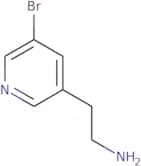
CAS:<p>Versatile small molecule scaffold</p>Formula:C13H13NO4Purity:Min. 95%Molecular weight:247.25 g/mol2-(5-Bromopyridin-3-yl)ethan-1-amine
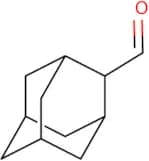
CAS:<p>Versatile small molecule scaffold</p>Formula:C7H9BrN2Purity:Min. 95%Molecular weight:201.06 g/molAdamantane-2-carbaldehyde
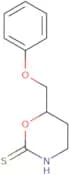
CAS:<p>Adamantane-2-carbaldehyde is a chemical that belongs to the class of organic compounds called ketones. It is used in model studies for the study of glutamate receptor metabotropic type 1 (mGluR1), which is a protein found in the central and peripheral nervous system. Adamantane-2-carbaldehyde can be synthesized by reacting an organometallic reagent with an enolate, which is formed from a Grignard reagent. This reaction produces an oxindole as a byproduct which can be converted into adamantane-2-carbaldehyde using acetonitrile. Adamantane-2-carbaldehyde has been shown to react with magnesium to form an adduct that binds to glutamic acid and other amino acids, demonstrating its use as a probe for studying glutamate receptor interactions with other biomolecules.</p>Formula:C11H16OPurity:Min. 95%Molecular weight:164.24 g/mol6-(Phenoxymethyl)-1,3-oxazinane-2-thione
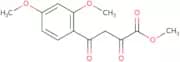
CAS:<p>6-Phenoxymethyl-1,3-oxazinane-2-thione is a potent drug candidate that has been shown to bind to the target site of the disease and inhibit its growth. 6-Phenoxymethyl-1,3-oxazinane-2-thione is insoluble in water and has a high concentration of active compound. The drug can be injected or implanted as a treatment for many diseases. 6-Phenoxymethyl-1,3-oxazinane-2-thione binds to the target site by iontophoresis, which means that it is delivered into the body from an external source using an electric current. This drug will be used as a diagnostic agent for implanting devices that are made out of hydrophobic materials such as silicon or plastic.</p>Formula:C11H13NO2SPurity:Min. 95%Molecular weight:223.29 g/molMethyl 4-(2,4-dimethoxyphenyl)-2,4-dioxobutanoate
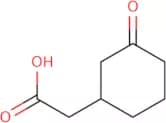
CAS:<p>Versatile small molecule scaffold</p>Formula:C13H14O6Purity:Min. 95%Molecular weight:266.25 g/mol2-(3-Oxocyclohexyl)acetic acid
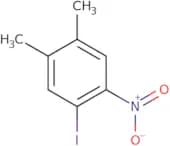
CAS:<p>Versatile small molecule scaffold</p>Formula:C8H12O3Purity:Min. 95%Molecular weight:156.18 g/mol1-Iodo-4,5-dimethyl-2-nitrobenzene
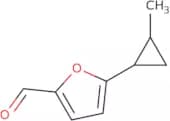
CAS:<p>1-Iodo-4,5-dimethyl-2-nitrobenzene is a synthetic chemical that is used to produce some pharmaceutical drugs. It has been shown to have a thermal expansion of 9.7 x 10^6 per °C at 20°C and 7.3 x 10^6 per °C at 100°C. The transition temperature for 1-iodo-4,5-dimethyl-2-nitrobenzene is 109°C. This chemical has an optical anisotropy of 0.28, which means that the material changes from being transparent to translucent when the light shines on it from different angles. 1-Iodo-4,5-dimethyl-2-nitrobenzene can be dissolved in a variety of solvents such as ether, acetone, and benzene. Refluxing this chemical produces ketones with a boiling point of around 210°C.</p>Formula:C8H8INO2Purity:Min. 95%Molecular weight:277.06 g/mol5-(2-Methylcyclopropyl)furan-2-carbaldehyde
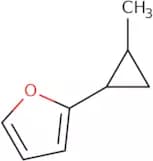
CAS:<p>Versatile small molecule scaffold</p>Formula:C9H10O2Purity:Min. 95%Molecular weight:150.17 g/mol2-(2-Methylcyclopropyl)furan
CAS:<p>2-(2-Methylcyclopropyl)furan is a furan with two methyl groups at the 2 and 6 positions. It is a colorless liquid that can be obtained by hydrogenating crotonaldehyde. 2-(2-Methylcyclopropyl)furan is used as a starting material in the production of alkylfurans, which are used as catalysts for the hydrogenation of olefins and dienes. The cyclopropane ring in this compound has been shown to react with catalytic amounts of palladium on carbon, forming an oxide on one side and a phenyl group on the other.</p>Formula:C8H10OPurity:Min. 95%Molecular weight:122.16 g/mol9-Decenal
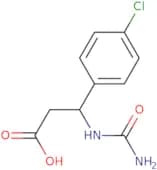
CAS:<p>9-Decenal is a polyunsaturated fatty acid that is found in many natural compounds. It has been shown to have antibacterial properties and is able to inhibit bacterial growth by catalysing the oxidation of nitrous oxide, which means it can be used as an antibiotic drug. 9-Decenal also has immunosuppressive activities and can suppress the immune system. In addition, 9-decenal can be used as a solid catalyst for chemical reactions. This compound has been shown to bind to silicon and form an ionic bond with the silicon atom, which may account for its anti-inflammatory properties. 9-Decenal also binds with fatty acids and primary alcohols, which are important components of marine metabolites. This compound's stereoselective properties have been studied extensively and it has been shown that it binds better to one enantiomer than the other.</p>Formula:C10H18OPurity:Min. 95%Molecular weight:154.25 g/mol3-(Carbamoylamino)-3-(4-chlorophenyl)propanoic acid
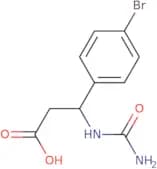
CAS:<p>Versatile small molecule scaffold</p>Formula:C10H11ClN2O3Purity:Min. 95%Molecular weight:242.66 g/mol3-(4-Bromophenyl)-3-(carbamoylamino)propanoic acid
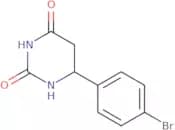
CAS:<p>Versatile small molecule scaffold</p>Formula:C10H11BrN2O3Purity:Min. 95%Molecular weight:287.11 g/mol6-(4-Bromophenyl)-1,3-diazinane-2,4-dione
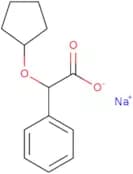
CAS:<p>Versatile small molecule scaffold</p>Formula:C10H9BrN2O2Purity:Min. 95%Molecular weight:269.09 g/mol2-(Cyclopentyloxy)-2-phenylacetic acid, sodium salt
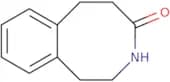
CAS:<p>Versatile small molecule scaffold</p>Formula:C13H15NaO3Purity:Min. 95%Molecular weight:242.25 g/mol1,2,3,4,5,6-Hexahydro-3-benzazocin-4-one
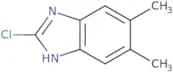
CAS:<p>Versatile small molecule scaffold</p>Formula:C11H13NOPurity:Min. 95%Molecular weight:175.23 g/mol2-Chloro-5,6-dimethyl-1H-benzimidazole
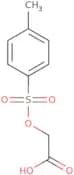
CAS:<p>2-Chloro-5,6-dimethyl-1H-benzimidazole is a riboside that has been shown to have cytotoxic activity against human cells. It is also able to inhibit the replication of simplex virus type 1 and herpes simplex virus type 1 in cell culture. 2-Chloro-5,6-dimethyl-1H-benzimidazole has been shown to be stereoselective and glycosylation resistant.</p>Formula:C9H9ClN2Purity:Min. 95%Molecular weight:180.63 g/mol2-(p-Toluenesulfonyloxy)acetic Acid
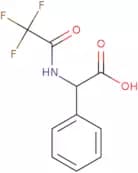
CAS:<p>Versatile small molecule scaffold</p>Formula:C9H10O5SPurity:Min. 95%Molecular weight:230.23 g/mol2-Phenyl-2-(trifluoroacetamido)acetic acid
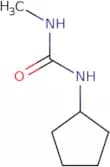
CAS:<p>Versatile small molecule scaffold</p>Formula:C10H8F3NO3Purity:Min. 95%Molecular weight:247.17 g/mol1-Cyclopentyl-3-methylurea
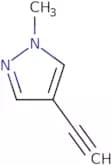
CAS:<p>Versatile small molecule scaffold</p>Formula:C7H14N2OPurity:Min. 95%Molecular weight:142.2 g/mol4-Ethynyl-1-methyl-1H-pyrazole
CAS:<p>Versatile small molecule scaffold</p>Formula:C6H6N2Purity:Min. 95%Molecular weight:106.13 g/mol

![2-{[(tert-Butoxy)carbonyl]amino}-2-(3-hydroxyphenyl)acetic acid](/_next/image/?url=https%3A%2Fstatic.cymitquimica.com%2Fproducts%2F3D%2Fthumb-webp%2FPBA27453.webp&w=3840&q=75)


![8-Oxabicyclo[3.2.1]octan-2-one](/_next/image/?url=https%3A%2Fstatic.cymitquimica.com%2Fproducts%2F3D%2Fthumb-webp%2FPBA53672.webp&w=3840&q=75)
![2-[(2-Chlorophenyl)formamido]-3-(1H-indol-3-yl)propanoic acid](/_next/image/?url=https%3A%2Fstatic.cymitquimica.com%2Fproducts%2F3D%2Fthumb-webp%2FPBA54527.webp&w=3840&q=75)
![4-[(3-methylphenyl)amino]-4,5-dihydrothiophene-1,1-dione](/_next/image/?url=https%3A%2Fstatic.cymitquimica.com%2Fproducts%2F3D%2Fthumb-webp%2FPBA56572.webp&w=3840&q=75)
![[1-(Hydroxymethyl)-2,2-dimethylcyclopropyl]methanol](/_next/image/?url=https%3A%2Fstatic.cymitquimica.com%2Fproducts%2F3D%2Fthumb-webp%2FPBA59092.webp&w=3840&q=75)
![2-[2,2,3,3-Tetrafluoro-1-(hydroxymethyl)cyclobutyl]ethan-1-ol](/_next/image/?url=https%3A%2Fstatic.cymitquimica.com%2Fproducts%2F3D%2Fthumb-webp%2FPBA64537.webp&w=3840&q=75)
![7,8-Dihydro-5H-cyclohepta[b]pyridine-5,9(6H)-dione](/_next/image/?url=https%3A%2Fstatic.cymitquimica.com%2Fproducts%2F3D%2Fthumb-webp%2FPBA71340.webp&w=3840&q=75)
![Ethyl 3-chloro-5H,6H,7H,8H-pyrido[4,3-c]pyridazine-6-carboxylate](/_next/image/?url=https%3A%2Fstatic.cymitquimica.com%2Fproducts%2F3D%2Fthumb-webp%2FPBA71599.webp&w=3840&q=75)
![Methyl 3-chloro-5H,6H,7H,8H-pyrido[4,3-c]pyridazine-6-carboxylate](/_next/image/?url=https%3A%2Fstatic.cymitquimica.com%2Fproducts%2F3D%2Fthumb-webp%2FPBA71601.webp&w=3840&q=75)
![Ethyl 3-hydroxy-5H,6H,7H,8H-pyrido[4,3-c]pyridazine-6-carboxylate](/_next/image/?url=https%3A%2Fstatic.cymitquimica.com%2Fproducts%2F3D%2Fthumb-webp%2FPBA71648.webp&w=3840&q=75)
![2H,3H,5H,6H,7H,8H-Pyrido[4,3-c]pyridazin-3-one hydrochloride](/_next/image/?url=https%3A%2Fstatic.cymitquimica.com%2Fproducts%2F3D%2Fthumb-webp%2FPBA71649.webp&w=3840&q=75)
![5H,6H,7H,8H-Pyrido[4,3-c]pyridazin-3-ol](/_next/image/?url=https%3A%2Fstatic.cymitquimica.com%2Fproducts%2F3D%2Fthumb-webp%2FPBA71650.webp&w=3840&q=75)
![Methyl 3-oxo-2H,3H,5H,6H,7H,8H-pyrido[4,3-c]pyridazine-6-carboxylate](/_next/image/?url=https%3A%2Fstatic.cymitquimica.com%2Fproducts%2F3D%2Fthumb-webp%2FPBA71652.webp&w=3840&q=75)
![1-[4-Amino-2-(methylsulfanyl)-1,3-thiazol-5-yl]ethan-1-one](/_next/image/?url=https%3A%2Fstatic.cymitquimica.com%2Fproducts%2F3D%2Fthumb-webp%2FPBA73626.webp&w=3840&q=75)