


Building Blocks
This section contains fundamental products for the synthesis of organic and biological compounds. Building blocks are the essential starting materials used to construct complex molecules through various chemical reactions. They play a critical role in drug discovery, material science, and chemical research. At CymitQuimica, we offer a diverse range of high-quality building blocks to support your innovative research and industrial projects, ensuring you have the essential components for successful synthesis.
Subcategories of "Building Blocks"
- Boronic Acids & Boronic Acid Derivatives(5,756 products)
- Chiral Building Blocks(1,242 products)
- Hydrocarbon Building Blocks(6,093 products)
- Organic Building Blocks(60,529 products)
Found 195534 products of "Building Blocks"
Sort by
Purity (%)
0
100
|
0
|
50
|
90
|
95
|
100
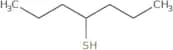
Heptane-4-thiol
CAS:<p>Heptane-4-thiol is a hydroxyethyl crosslinked, cross-linked, expressed, isomer, transition, sulfide. The crystal structure of this molecule has been determined using X-ray diffraction and it was found to be a potent inhibitor of the transferase enzyme. The isomers of heptane-4-thiol are also studied in order to find out how they affect the biological activity of the molecule. Heptane-4-thiol has been shown to inhibit the human enzyme acid lipase and has a heat resistance that allows for it to be used in industrial processes.</p>Formula:C7H16SPurity:Min. 95%Molecular weight:132.27 g/mol2-(Dimethylamino)pyrimidin-4-ol
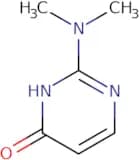
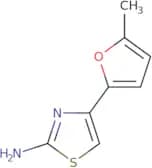
CAS:<p>Versatile small molecule scaffold</p>Formula:C6H9N3OPurity:Min. 95%Molecular weight:139.16 g/mol4-(5-Methyl-furan-2-yl)-thiazol-2-ylamine
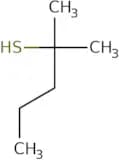
CAS:<p>Versatile small molecule scaffold</p>Formula:C8H8N2OSPurity:Min. 95%Molecular weight:180.23 g/mol2-Methylpentane-2-thiol
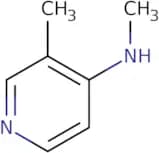
CAS:<p>Versatile small molecule scaffold</p>Formula:C6H14SPurity:Min. 95%Molecular weight:118.24 g/molN,3-Dimethylpyridin-4-amine
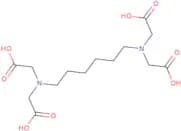
CAS:<p>Versatile small molecule scaffold</p>Formula:C7H10N2Purity:Min. 95%Molecular weight:122.17 g/mol1,6-Diaminohexane-N,N,N²,N²-tetraacetic acid
CAS:<p>1,6-Diaminohexane-N,N,N²,N²-tetraacetic acid (DAHA) is a metal chelator that binds to the metal ions of copper and nickel. It has minimal toxicity and is used to prepare biological samples for analysis. DAHA binds to metal ions in the presence of glycol ethers or fatty acids. This complex is then separated by particle size using a centrifuge or liquid chromatography. DAHA can be used as an antimicrobial agent against bacteria such as Staphylococcus aureus and Pseudomonas aeruginosa.</p>Formula:C14H24N2O8Purity:Min. 95%Molecular weight:348.35 g/molbicyclo[2.2.1]heptan-2-ol
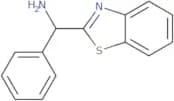
CAS:<p>Bicyclo[2.2.1]heptan-2-ol is a ternary compound that has been synthesized by the reaction of trifluoroacetic acid with hydrochloric acid and methyl ethyl ketone. This type of polymerization reaction is highly reactive, leading to an increase in kinetic energy and deuterium isotope effects. The steric interactions between the carbonyl group and the olefin double bond are also important in this process.</p>Formula:C7H12OPurity:Min. 95%Molecular weight:112.17 g/mol1,3-Benzothiazol-2-yl(phenyl)methanamine
CAS:<p>Versatile small molecule scaffold</p>Formula:C14H12N2SPurity:Min. 95%Molecular weight:240.33 g/mol3-(4-Chlorophenyl)pyrrolidine-2,5-dione
CAS:<p>Versatile small molecule scaffold</p>Formula:C10H8ClNO2Purity:Min. 95%Molecular weight:209.63 g/mol2-(3-Chlorophenyl)-5-methyl-2H-1,2,3-triazole-4-carboxylic acid
CAS:<p>Versatile small molecule scaffold</p>Formula:C10H8ClN3O2Purity:Min. 95%Molecular weight:237.64 g/mol1-[(4-Chlorophenyl)methyl]cyclopropane-1-carboxylic acid
CAS:<p>Versatile small molecule scaffold</p>Formula:C11H11ClO2Purity:Min. 95%Molecular weight:210.65 g/mol1-[(3-Chlorophenyl)methyl]cyclopropane-1-carboxylic acid
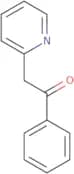
CAS:<p>Versatile small molecule scaffold</p>Formula:C11H11ClO2Purity:Min. 95%Molecular weight:210.65 g/mol1-Phenyl-2-(2-pyridinyl)-ethanone
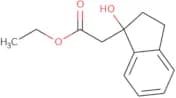
CAS:<p>1-Phenyl-2-(2-pyridinyl)-ethanone is a hydrogen bond donor and an enolate anion. It has tautomeric and zwitterionic properties. The protonation of the methyl ketones in 1-phenyl-2-(2-pyridinyl)ethanone will lead to the formation of the enolate anion, which can act as a proton acceptor. The intramolecular hydrogen bonding in 1-phenyl-2-(2-pyridinyl)-ethanone leads to its tautomeric properties, because it can exist as both the keto form or enol form. When 1-phenyl-2-(2-pyridinyl)ethanone is deprotonated, it forms a carbonyl group that acts as an acceptor for hydrogen bonding with other molecules.</p>Formula:C13H11NOPurity:Min. 95%Molecular weight:197.23 g/molEthyl 2-(1-hydroxy-2,3-dihydro-1H-inden-1-yl)acetate
CAS:<p>Versatile small molecule scaffold</p>Formula:C13H16O3Purity:Min. 95%Molecular weight:220.26 g/molEthyl 2,2-diethylacetoacetate
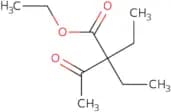
CAS:<p>Ethyl 2,2-diethylacetoacetate is an organic solvent that can be used for the production of electrophotographic toner. It is reactive and has a particle diameter of about 0.1 µm in the liquid state. The chemical formula for ethyl 2,2-diethylacetoacetate is CH3COCH2COOC2H5. Ethyl 2,2-diethylacetoacetate reacts with silicon and zirconium to form coatings that are useful in the manufacture of carboxyalkylated insulin analogues as well as acceptor materials for electron transfer layers in electrophotographic toners.</p>Formula:C10H18O3Purity:Min. 95%Molecular weight:186.25 g/mol1-(piperidin-4-yl)ethane-1,2-diol hydrochloride
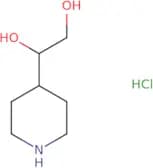
CAS:<p>Versatile small molecule scaffold</p>Formula:C7H16ClNO2Purity:Min. 95%Molecular weight:182 g/mol3-iodo-6-methylpyridazine
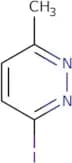
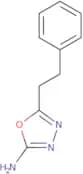
CAS:<p>3-Iodo-6-methylpyridazine is an isoquinoline derivative. It is a cross-coupling reagent that can be used as a nucleophile in organic synthesis. 3-Iodo-6-methylpyridazine is a threefold equivalent of the starting material and can be used to synthesize functionalized imines, such as those found in pyrimidine or purine nucleosides. Alkoxycarbonyl groups are common substituents on the pyridine ring of 3-iodo-6-methylpyridazine, which can be used to synthesize substituted pyrimidine or purine nucleosides by coupling with amines. The diethyl ester group on 3-iodo-6-methylpyridazine allows it to be easily converted into other functionalities, such as those found in amino acids. Palladium catalysis has been shown to enhance the yields of this reaction. This re</p>Formula:C5H5N2IPurity:Min. 95%Molecular weight:220.01 g/mol5-(2-Phenylethyl)-1,3,4-oxadiazol-2-amine
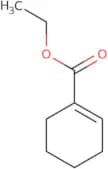
CAS:<p>Versatile small molecule scaffold</p>Formula:C10H11N3OPurity:Min. 95%Molecular weight:189.21 g/molEthyl cyclohex-1-ene-1-carboxylate
CAS:<p>Ethyl cyclohex-1-ene-1-carboxylate is an organic solvent that is used as a reagent in the synthesis of oxone. It has a low boiling point and is soluble in water, making it easy to use for reactions involving sodium salts. Ethyl cyclohex-1-ene-1-carboxylate has been shown to be effective at doses of 3.0 g/kg and above. The diameter of this compound is 1.06 nm and its solubility in water is 0.0014 g/l at 25 degrees Celsius. Oxone can be synthesized using ethyl cyclohex-1-ene-1 carboxylate and aziridine with the aid of sodium salts or potassium salts for example, as catalysts. This compound can also be used as a linker molecule between molecules with different functional groups, such as particle and inorganic materials. It also has optical properties, with a yellow color when</p>Formula:C9H14O2Purity:Min. 95%Molecular weight:154.21 g/mol3-(Dimethylamino)-2,2-dimethylpropanoic acid hydrochloride
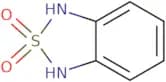
CAS:<p>Versatile small molecule scaffold</p>Formula:C7H16ClNO2Purity:Min. 95%Molecular weight:181.66 g/mol1,3-Dihydro-2,1,3-benzothiadiazole 2,2-dioxide
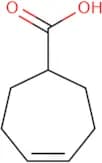
CAS:<p>1,3-Dihydro-2,1,3-benzothiadiazole 2,2-dioxide is a heterocyclic compound that has been used as a reagent in the synthesis of epoxides. 1,3-Dihydro-2,1,3-benzothiadiazole 2,2-dioxide promotes the regiospecific addition of primary amines to thionyl chloride to form N-(chlorosulfonyl) N′-[(N′-phenylamino) carbonyl] amino acids. It has also been used as an intermediate in the synthesis of a ligand for the metabotropic glutamate receptor.</p>Formula:C6H6N2O2SPurity:Min. 95%Molecular weight:170.19 g/molCyclohept-4-enecarboxylic acid
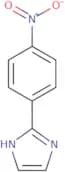
CAS:<p>Cyclohept-4-enecarboxylic acid is a cyclic ketone that has been shown to yield monoaldehydes and bicyclic β-unsaturated ketones when subjected to thermodynamic equilibration. It can be synthesized from the dienone by aldol cyclization, or by the intramolecular reaction of an enamine with itself. Cycloheptenes are analogous compounds to this ketone.</p>Formula:C8H12O2Purity:Min. 95%Molecular weight:140.18 g/mol2-(4-Nitrophenyl)-1H-imidazole
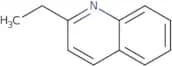
CAS:<p>Versatile small molecule scaffold</p>Formula:C9H7N3O2Purity:Min. 95%Molecular weight:189.17 g/mol2-Ethylquinoline
CAS:<p>2-Ethylquinoline is a compound that belongs to the group of alkenes. It can be prepared by reacting acetaldehyde with an amine in the presence of acid catalysts such as sulfuric acid or acetic acid. 2-Ethylquinoline has been shown to react with allylamine, forming an ether linkage. This reaction is facilitated by ultrasonic extraction and heating at reflux temperature for 12 hours, and then cooling to room temperature. The product obtained is purified via column chromatography using acetonitrile as a solvent. The magnetic resonance spectroscopy of 2-ethylquinoline reveals that it possesses a C–H bond and cyclic structure.</p>Formula:C11H11NPurity:Min. 95%Molecular weight:157.21 g/mol1-[(Ethanesulfonyl)methyl]-4-nitrobenzene
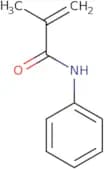
CAS:<p>Versatile small molecule scaffold</p>Formula:C9H11NO4SPurity:Min. 95%Molecular weight:229.25 g/molN-Phenylmethacrylamide
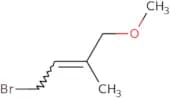
CAS:<p>N-Phenylmethacrylamide is a cross-linking agent that is used in the preparation of polymers. It reacts with amine groups to form amides, which are then reacted with sodium salts to form polyamides. The amide group can also be used for synthesizing polyurethanes and other polymers. N-Phenylmethacrylamide is soluble in organic solvents and has low toxicity. It can be activated by radiation or by reaction with a hydroxyl group and forms a bond by hydrogen bonding with other functional groups, such as hydroxyls, carbonyls, nitrogens, and sulphurs. This compound can be used as an effective chemotherapy drug because it binds to DNA strands and inhibits the synthesis of RNA and protein in cells.</p>Formula:C10H11NOPurity:Min. 95%Molecular weight:161.2 g/mol4-Bromo-1-methoxy-2-methylbut-2-ene
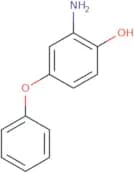
CAS:<p>Versatile small molecule scaffold</p>Formula:C6H11BrOPurity:Min. 95%Molecular weight:179.05 g/mol2-Amino-4-phenoxyphenol
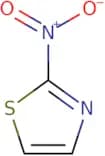
CAS:<p>Versatile small molecule scaffold</p>Formula:C12H11NO2Purity:Min. 95%Molecular weight:201.22 g/mol2-Nitro-1,3-thiazole
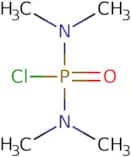
CAS:<p>Versatile small molecule scaffold</p>Formula:C3H2N2O2SPurity:Min. 95%Molecular weight:130.13 g/molBis(dimethylamino)phosphoryl chloride
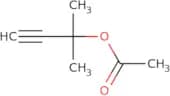
CAS:<p>Bis(dimethylamino)phosphoryl chloride is a monomer that can be used in the synthesis of polymers. It undergoes ring-opening polymerization with nucleophiles such as anilines to form polyamides. This compound also reacts with electrophilic chlorides to form phosphorochloridic esters, which are useful for organic syntheses. Bis(dimethylamino)phosphoryl chloride is synthesized by the reaction of hexamethylphosphoramide and aniline in the presence of a catalytic amount of hydrochloric acid. The resulting product has been shown to have electron deficiency in its structure, which may lead to its reactivity with other compounds.</p>Formula:C4H12ClN2OPPurity:Min. 95%Color and Shape:Clear LiquidMolecular weight:170.58 g/mol2-Methylbut-3-yn-2-yl acetate
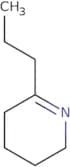
CAS:<p>Versatile small molecule scaffold</p>Formula:C7H10O2Purity:Min. 95%Molecular weight:126.15 g/mol6-Propyl-2,3,4,5-tetrahydropyridine
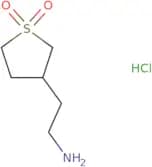
CAS:<p>6-Propyl-2,3,4,5-tetrahydropyridine is a tetrahydropyridine. These compounds inhibit the activity of dopamine decarboxylase and prevent the conversion of dopamine to norepinephrine in nerve cells. 6-Propyl-2,3,4,5-tetrahydropyridine has been found to have antidepressant effects in animal studies.</p>Formula:C8H15NPurity:Min. 95%Molecular weight:125.21 g/molTetrahydro-3-thiopheneethanamine 1,1-dioxide hydrochloride
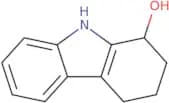
CAS:<p>Versatile small molecule scaffold</p>Formula:C6H14ClNO2SPurity:Min. 95%Molecular weight:199.7 g/mol2,3,4,9-Tetrahydro-1H-carbazol-1-ol
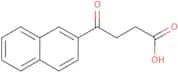
CAS:<p>Versatile small molecule scaffold</p>Formula:C12H13NOPurity:Min. 95%Molecular weight:187.24 g/mol4-(2-Naphthyl)-4-oxobutyric acid
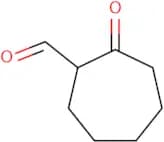
CAS:<p>4-(2-Naphthyl)-4-oxobutyric acid (4NOBA) is a crystalline compound with a carboxylic acid group. It has been used as an anticoagulant drug to treat thrombosis, and it is also used in the treatment of rheumatoid arthritis. 4NOBA has been shown to inhibit albumin synthesis by binding to the serum albumin, which prevents the interaction between serum albumin and other molecules. The crystal structure of 4NOBA consists of a central naphthalene ring with two phenyl rings on opposite sides. The molecule is symmetrical, so there are three possible geometries: 1) an equatorial plane where all four hydrogens are equivalent; 2) an axial plane where all four hydrogens are equivalent; 3) a mirror plane where one hydrogen is equivalent and three hydrogens are equivalent. The molecular formula for 4NOBA can be determined from its elemental analysis,</p>Formula:C14H12O3Purity:Min. 95%Molecular weight:228.24 g/mol2-Oxo-cycloheptanecarboxaldehyde
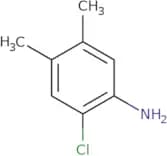
CAS:<p>2-Oxo-cycloheptanecarboxaldehyde is a chemical compound that belongs to the class of organic compounds called acyloin. It is used in organic synthesis for the preparation of various heterocycles and triflates. 2-Oxo-cycloheptanecarboxaldehyde has a high stereoselectivity and selectivity, which makes it an excellent reagent for synthesizing chiral molecules with high purity. This chemical has been shown to be very reactive, forming triflates with sulfur and halogens like chlorine or bromine. 2-Oxo-cycloheptanecarboxaldehyde can also be used as a reagent in the conversion of alcohols into esters using triflic acid or trialkylamines.</p>Formula:C8H12O2Purity:Min. 95%Molecular weight:140.18 g/mol2-Chloro-4,5-dimethylaniline
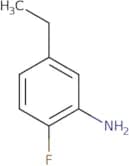
CAS:<p>Versatile small molecule scaffold</p>Formula:C8H10ClNPurity:Min. 95%Molecular weight:155.63 g/mol5-Ethyl-2-fluoroaniline
CAS:<p>Versatile small molecule scaffold</p>Formula:C8H10FNPurity:Min. 95%Molecular weight:139.17 g/mol5-Chloro-2-hydroxy-N-[3-(trifluoromethyl)phenyl]benzamide
CAS:<p>Versatile small molecule scaffold</p>Formula:C14H9ClF3NO2Purity:Min. 95%Molecular weight:315.67 g/molN-Ethyl-N-{2-nitro-4-[(trifluoromethyl)sulfonyl]phenyl}amine
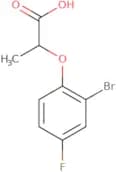
CAS:<p>Versatile small molecule scaffold</p>Formula:C9H9F3N2O4SPurity:Min. 95%Molecular weight:298.24 g/mol2-(2-Bromo-4-fluorophenoxy)propanoic acid
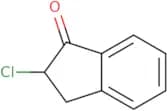
CAS:<p>Versatile small molecule scaffold</p>Formula:C9H8BrFO3Purity:Min. 95%Molecular weight:263.06 g/mol2-Chloro-2,3-dihydro-1H-inden-1-one
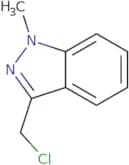
CAS:<p>2-Chloro-2,3-dihydro-1H-inden-1-one is a nitrogen heterocycle that can be synthesized by an asymmetric synthesis. It has been shown to inhibit the proliferation of T cells in vitro and in vivo and to suppress the development of autoimmune diseases. 2-Chloro-2,3-dihydro-1H-inden-1-one binds to a receptor on T cells and inhibits the function of this receptor. The drug was also found to be effective against trichomonas vaginalis in mice, although it has not yet been tested on humans. 2CHDI reacts with malonic acid or pyrazine carboxylic acid under acidic conditions to form a molecule with two carbonyl groups. This reaction is synergistic with hydrogen fluoride (HF) as a catalyst, which can also react with water molecules to form hydrogen gas and hydrofluoric acid.</p>Formula:C9H7ClOPurity:Min. 95%Molecular weight:166.6 g/mol3-(Chloromethyl)-1-methyl-1H-indazole
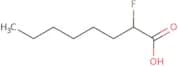
CAS:Controlled Product<p>3-(Chloromethyl)-1-methyl-1H-indazole is a heterocyclic compound that reacts with aluminum. It is used in the synthesis of other heterocyclic compounds, including thionyl chloride and lithium aluminum hydride. The 3-(chloromethyl)-1-methyl-1H-indazole molecule has been shown to react with lithium aluminum hydride, forming an amine and acetylated chloride. This reaction has been shown to be reversible by adding hydrogen gas or sodium borohydride. 3-(Chloromethyl)-1-methyl-1H-indazole has also been used as a translation reagent for the synthesis of DNA and RNA molecules, as well as amines.</p>Formula:C9H9ClN2Purity:Min. 95%Molecular weight:180.63 g/mol2-Fluorooctanoic acid
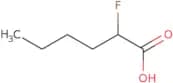
CAS:<p>2-Fluorooctanoic acid is a colorless to white solid that can be either crystalline or amorphous. It has a melting point of −30 °C and a boiling point of 150 °C. 2-Fluorooctanoic acid is soluble in organic solvents, but insoluble in water. It is an antioxidant, absorber, and polymerization initiator. This chemical also has nonlinear optical properties and can be used as a mesomorphic material. 2-Fluorooctanoic acid can act as an inorganic fluoride or spontaneous chiral molecule. It has viscosity and hydrogen fluoride properties that make it useful for pyridinium absorption.</p>Formula:C8H15FO2Purity:Min. 95%Molecular weight:162.2 g/mol2-Fluorohexanoic acid
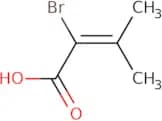
CAS:<p>2-Fluorohexanoic acid is a synthetic chemical that belongs to the group of fluorinated aliphatic acids. It has been shown to inhibit the NS3 protease from hepatitis C virus. The hydroxy group on the 2-fluorohexanoic acid molecule allows it to cleave peptide bonds in proteins, which are necessary for their function. This chemical can be used as a linker between two proteins or other molecules that need to be attached together.</p>Formula:C6H11FO2Purity:Min. 95%Color and Shape:PowderMolecular weight:134.15 g/mol2-Bromo-3-methylbut-2-enoic acid
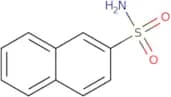
CAS:<p>2-Bromo-3-methylbut-2-enoic acid is a potent inhibitor of the amino acid transporter, as well as the uptake and transport of other compounds. It is also a potent inhibitor of the carboxylate transporter. This compound has been shown to inhibit the growth of brain tumors in animal models by inhibiting the uptake of glucose and glutamine into cells. 2-Bromo-3-methylbut-2-enoic acid is a crystallized lead compound that has been synthesized using biological properties such as centrosymmetry and dimers.</p>Formula:C5H7BrO2Purity:Min. 95%Molecular weight:179.01 g/molNaphthalene-2-sulfonamide
CAS:<p>Naphthalene-2-sulfonamide is a radical scavenger that has been shown to have antioxidant activity in the presence of peroxyl radicals. In vitro experimentation has shown that naphthalene-2-sulfonamide is capable of inhibiting butyrylcholinesterase, an enzyme responsible for breaking down acetylcholine, thereby increasing the levels of this neurotransmitter. This drug may be useful as a treatment for Alzheimer's disease, as it reduces the rate of plaque formation in the brain and slows down the progression of dementia. The optimum temperature range for sedimentation is between 20 and 30 degrees Celsius.</p>Formula:C10H9NO2SPurity:Min. 95%Molecular weight:207.25 g/mol4-Hydroxybenzenesulfonamide
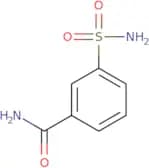
CAS:<p>4-Hydroxybenzenesulfonamide (4HBSA) is a molecule that belongs to the class of hydroxy compounds. It is used as a carbon source for cell culture and as an uptake substrate for wild-type influenza virus in tissues. 4HBSA has been shown to be an inhibitor of the oxidation of p-hydroxybenzoic acid by carbon dioxide, which is important for the elimination reactions. The metabolic products of 4HBSA are unknown, but it may have drug metabolites that are eliminated through urine.</p>Formula:C6H7NO3SPurity:Min. 95%Molecular weight:173.19 g/mol3-(Aminosulfonyl)-benzamide
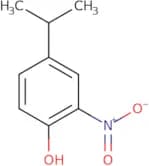
CAS:<p>3-(Aminosulfonyl)-benzamide is a carbonic anhydrase inhibitor that is used in the treatment of glaucoma. 3-(Aminosulfonyl)-benzamide is an amide that has been optimized to inhibit the cytosolic isoform of human carbonic anhydrase, while being insensitive to the other isoforms. This drug is also used as a medicinal chemistry tool for research on the structure activity relationship of carbonic anhydrases.</p>Formula:C7H8N2O3SPurity:Min. 95%Molecular weight:200.22 g/mol2-Nitro-4-(propan-2-yl)phenol
CAS:<p>Versatile small molecule scaffold</p>Formula:C9H11NO3Purity:Min. 95%Molecular weight:181.2 g/mol2-Ethylpent-4-enoic acid
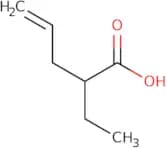
CAS:<p>2-Ethylpent-4-enoic acid is an analog of 4-pentenoic acid that can be used as a catalyst in the gas phase. It has been shown to catalyze the metathesis of cis and trans 4-pentene. 2-Ethylpent-4-enoic acid has an enthalpy of formation of -5.6 kJ/mol and an enthalpy of activation at 298 K of -2.8 kJ/mol, which means that it is a relatively strong catalyst for this reaction. 2-Ethylpent-4-enoic acid has also been shown to have a higher catalytic activity than 1,3,5,7,9,11,-heptadecane (1HPD) or 1,3,5,7,-octadecane (OD).</p>Formula:C7H12O2Purity:Min. 95%Molecular weight:128.17 g/mol2-(Propan-2-yl)pent-4-enoic acid
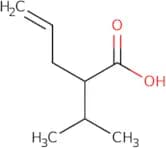
CAS:<p>2-(Propan-2-yl)pent-4-enoic acid is an organic compound that is a chiral, optically active fatty acid. It is used in the production of pharmaceuticals, including antihistamines and antiarrhythmics. 2-(Propan-2-yl)pent-4-enoic acid can be synthesized from dimethylamine and chloride in the presence of an acidic catalyst. The resulting product is purified by distillation or recrystallization to remove undesired byproducts and obtain a pure optical isomer.</p>Formula:C8H14O2Purity:Min. 95%Molecular weight:142.2 g/mol4-Ethyl-5-hydroxy-2,5-dihydrofuran-2-one
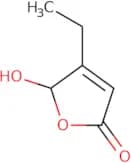
CAS:<p>Versatile small molecule scaffold</p>Formula:C6H8O3Purity:Min. 95%Molecular weight:128.13 g/mol3,5-dibromobenzene-1,2-diamine
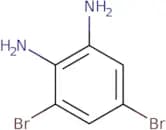
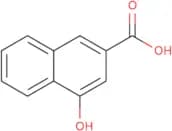
CAS:<p>3,5-Dibromobenzene-1,2-diamine is a nonsteroidal anti-inflammatory drug (NSAID) that inhibits the activity of cyclooxygenase enzymes. It binds to the heme group in these enzymes and prevents the production of prostaglandins. 3,5-Dibromobenzene-1,2-diamine has been shown to inhibit human serum albumin and bovine liver serum albumin in vitro. In addition, it has been shown to inhibit immunohistochemical staining for markers such as divinylbenzene and chromatographic methods for quantification. 3,5-Dibromobenzene-1,2-diamine can be used as an active inhibitor in microscopy experiments. To prepare this compound for use in microscopy experiments it must be freeze dried or diluted with water or buffer solution.</p>Formula:C6H6Br2N2Purity:Min. 95%Molecular weight:265.94 g/mol4-Hydroxy-2-naphthoic acid
CAS:<p>4-Hydroxy-2-naphthoic acid is a hydrocarbon with a carboxylic acid group. It can act as an antagonist to the hydrocarbon receptor (HCR). 4-Hydroxy-2-naphthoic acid has been shown to be effective in treating colon cancer cells in vitro, and has been shown to inhibit the growth of cancer cells in vivo. This compound is also effective at inhibiting the proliferation of human colon cancer cells (Caco2) that have been exposed to benzo(a)pyrene, an aromatic hydrocarbon found in cigarette smoke. The mechanism by which this drug inhibits cell proliferation is not fully understood but may involve inhibition of cytochrome P450 1A1 (CYP1A1), which metabolizes benzo(a)pyrene into carcinogenic intermediates. 4-Hydroxy-2-naphthoic acid has also been shown to be anisotropic and microreactor, meaning</p>Formula:C11H8O3Purity:Min. 95%Molecular weight:188.17 g/mol(S)-1-(4-Methoxyphenyl)ethanol
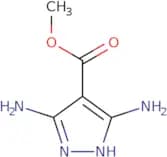
CAS:<p>(S)-1-(4-Methoxyphenyl)ethanol is an enantiopure chemical compound that is a reaction intermediate in the synthesis of various pharmaceuticals. The reaction system is immobilized, and the biological function of this molecule is activation energy. The surface methodology used for this compound is surface methodology, and the substrate concentration required for the reaction to occur is high. This compound also reacts with water, which may be due to its hydrophilic nature. The strain used in this experiment was Staphylococcus aureus, and the extents of the reaction were determined by measuring the rate at which the substrate concentration decreased over time. (S)-1-(4-Methoxyphenyl)ethanol has an asymmetric synthesis that can be caused by a surfactant or by adding a chiral catalyst to a racemic mixture.</p>Formula:C9H12O2Purity:Min. 95%Molecular weight:152.19 g/molMethyl 3,5-diamino-1H-pyrazole-4-carboxylate
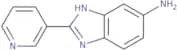
CAS:<p>Methyl 3,5-diamino-1H-pyrazole-4-carboxylate is a chemical compound with the molecular formula CH3N2C(NH2)C(=O)OCH3. It is a condensation product of acetoacetic ester and x-ray structural analysis. The structural analysis of methyl 3,5-diamino-1H-pyrazole-4-carboxylate has shown that it is a 1:1 mixture of the two stereoisomers at the central carbon atom. The acetoacetic ester moiety of methyl 3,5-diamino-1H-pyrazole-4-carboxylate has been shown to have protective effects against acetaminophen (paracetamol)-induced hepatotoxicity in mice. Methyl 3,5 -diamino -1H -pyrazole -4 carboxylate is an intermediate in the</p>Formula:C5H8N4O2Purity:Min. 95%Molecular weight:156.14 g/mol2-Pyridin-3-yl-1H-benzoimidazol-5-ylamine
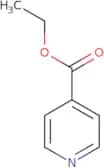
CAS:<p>Versatile small molecule scaffold</p>Formula:C12H10N4Purity:Min. 95%Molecular weight:210.2 g/mol4-Pyridinecarboxylic Acid Ethyl Ester
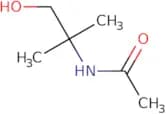
CAS:<p>4-Pyridinecarboxylic Acid Ethyl Ester is a compound that belongs to the group of pyridinecarboxylic acids. It is a metabolite of nicotinamide, which is converted to 4-pyridinecarboxylic acid ethyl ester by esterases in the intestine. Nicotinamide is an important component of the vitamin B3 and has been shown to be effective for treating autoimmune diseases such as rheumatoid arthritis. 4-Pyridinecarboxylic Acid Ethyl Ester may have similar effects on inflammatory bowel disease and alopecia areata. The reaction mechanism of this compound has not been elucidated, but it has been shown to inhibit amyloid protein production in rat intestines. Hydroxyl groups on the side chain likely play a role in hydrogen bonding interactions with receptors in inflammatory bowel disease and alopecia areata.</p>Formula:C8H9NO2Purity:Min. 95%Molecular weight:151.16 g/molN-(1-Hydroxy-2-methylpropan-2-yl)acetamide
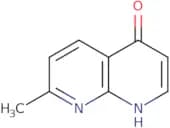
CAS:<p>Versatile small molecule scaffold</p>Formula:C6H13NO2Purity:Min. 95%Molecular weight:131.17 g/mol7-Methyl-1,8-naphthyridin-4-ol
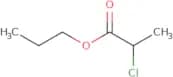
CAS:<p>Versatile small molecule scaffold</p>Formula:C9H8N2OPurity:Min. 95%Molecular weight:160.17 g/molPropyl 2-chloropropanoate
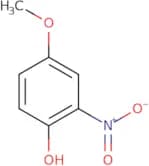
CAS:<p>Propyl 2-chloropropanoate is an eluted and monochlorinated short-chain alcohol. It is homologous to propanol, which has the same number of carbon atoms. The compound has been analysed using gas-liquid chromatography and found to be a mixture of several different n-alkyl chains. Propyl 2-chloropropanoate was analysed using gas chromatography and found to contain two propanoate chain lengths. This compound was also observed to elute from the column at the same time as a gas chromatographic peak with a retention time of 5 minutes and another peak with a retention time of 6 minutes.</p>Formula:C6H11ClO2Purity:Min. 95%Molecular weight:150.6 g/mol4-Methoxy-2-nitrophenol
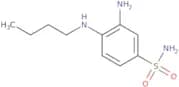
CAS:<p>4-Methoxy-2-nitrophenol is a chemical compound that has been shown to have a potential use in the functional theory of organic compounds. It can be prepared by hydrolysis of nitrobenzene with sodium hydroxide, which leads to the formation of 3-methoxy-4-nitrobenzoic acid. 4-Methoxy-2-nitrophenol can also be synthesized from an intramolecular hydrogen transfer reaction using sodium nitrite and potassium cyanide as reagents. 4MMP has been shown to bind to monoclonal antibodies, and it has been used for the detection of epitopes on proteins or peptides. The crystal structure of 4MPN was determined using X-ray diffraction analysis and was found to show three isomers. Heterostructures are also known for this compound.</p>Formula:C7H7NO4Purity:Min. 95%Molecular weight:169.13 g/mol3-Amino-4-(butylamino)benzene-1-sulfonamide
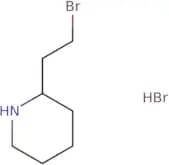
CAS:<p>Versatile small molecule scaffold</p>Formula:C10H17N3O2SPurity:Min. 95%Molecular weight:243.33 g/mol2-(2-Bromoethyl)piperidine hydrobromide
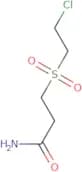
CAS:<p>2-(2-Bromoethyl)piperidine hydrobromide (HPBA) is a hydride reagent that is used in organic synthesis. It can be prepared by the reaction of lithium aluminium hydride and diethyl ether, allowing for high yield and purity. HPBA reacts with acrylates to form acrylate, which can then be used for polymerization reactions. The use of HPBA is an efficient way to synthesize acrylates and other polymers.</p>Formula:C7H15Br2NPurity:Min. 95%Molecular weight:273.01 g/mol3-(2-Chloroethanesulfonyl)propanamide
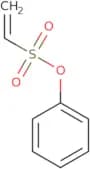
CAS:<p>3-(2-Chloroethanesulfonyl)propanamide is a molecule that has been shown to activate cells in the muscle. Activated cells are able to divide and grow. The mechanism of activation is not known, but it may be due to the functional groups on the molecule or its benzoic acid moiety. 3-(2-Chloroethanesulfonyl)propanamide is more active in muscle than in other tissues, and it stimulates muscle growth by increasing protein synthesis. This drug is also found to have anti-inflammatory properties, which may be due to its ability to inhibit prostaglandin synthesis.END></p>Formula:C5H10ClNO3SPurity:Min. 95%Molecular weight:199.66 g/molPhenyl vinylsulfonate
CAS:<p>Phenyl vinylsulfonate is a redox-active molecule that binds to the phosphate group of glutamate and cross-links amide groups. The stability of this film-forming polymer can be increased by adding an asymmetric synthesis and quinoline derivatives. Phenyl vinylsulfonate has been used as a cross-linking agent for the production of amide hydrogels, which are film forming polymers. This polymer is also used in the manufacture of antimicrobial agents.</p>Formula:CH2CHSO3C6H5Purity:Min. 95%Molecular weight:184.21 g/molSodium 2-hydroxypropane-1-sulfonate
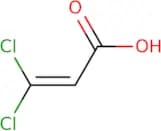
CAS:<p>Sodium 2-hydroxypropane-1-sulfonate is a surfactant that is used in the production of polymers. It can be used as a hydroxyethyl monomer and an oxidant, or as an initiator for polymerization reactions. This compound can also be used as an abrasive and to produce yields of propanesulfonic acid. Sodium 2-hydroxypropane-1-sulfonate has shown to yield piperazine from 2-amino-2-methyl-1-propanol and zwitterion from ethanesulfonic acid.</p>Formula:C3H8O4SPurity:Min. 95%Molecular weight:140.16 g/mol3,3-Dichloroprop-2-enoic acid
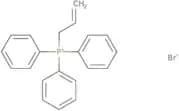
CAS:<p>Versatile small molecule scaffold</p>Formula:C3H2Cl2O2Purity:Min. 95%Molecular weight:140.95 g/molAllyltriphenylphosphonium Bromide
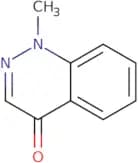
CAS:<p>Allyltriphenylphosphonium Bromide is a white crystalline salt that is soluble in water and alcohol. It has antimicrobial properties that are related to its asymmetric synthesis, which can be achieved by mixing mixtures of hydrogen fluoride, hydrochloric acid, and cyclosporine. Allyltriphenylphosphonium Bromide has been used as a model system to study the interactions between biological molecules with organometallic compounds. This salt has been shown to inhibit the production of fatty acids and hydrogen bonds in biological systems. Allyltriphenylphosphonium Bromide can also be used as an analytical reagent for structural analysis by gas-liquid chromatography.</p>Formula:C21H20BrPPurity:Min. 95%Molecular weight:383.27 g/mol1-Methyl-1,4-dihydrocinnolin-4-one
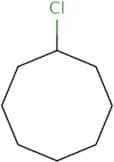
CAS:<p>Versatile small molecule scaffold</p>Formula:C9H8N2OPurity:Min. 95%Molecular weight:160.17 g/molChlorocyclooctane
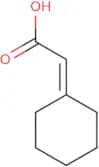
CAS:<p>Chlorocyclooctane is an organic solvent used in the production of polyurethanes and other polymers. It is a colorless liquid that has a pleasant odor. Chlorocyclooctane can also be used as a reactive diluent, a conditioning agent, or a polymerization initiator. This chemical is an isomeric mixture of two compounds: chloromethylcyclohexane and cyclohexanone. Chlorocyclooctane reacts with proton to form the amide which is then reacted with inorganic acid to yield uv absorption. The reaction intermediates are hydrogen chloride and nucleophilic, which react with inorganic reagents to form synthetic products such as polymers</p>Formula:C8H15ClPurity:Min. 95%Molecular weight:146.66 g/mol2-Cyclohexylideneacetic acid
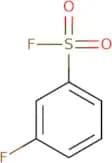
CAS:<p>2-Cyclohexylideneacetic acid is a pseudomonic acid that is synthesized by an asymmetric synthesis. The compound has been shown to be active against cerebral tumors in mice and can inhibit the growth of cells in culture. 2-Cyclohexylideneacetic acid is also the precursor for gabapentin, which is used as a treatment for seizures, mood disorders and pain. Gabapentin inhibits the activity of voltage-gated sodium channels, which are required for the propagation of action potentials in neurons. This drug can also be used as a solvent in pharmaceutical formulations. 2-Cyclohexylideneacetic acid binds to cell membranes and may inhibit bacterial growth through its effects on cell membrane permeability and integrity. It has been shown to have chiral properties, with one enantiomer being more active than the other. 2-Cyclohexylideneacetic acid has been shown to inhibit the growth</p>Formula:C8H12O2Purity:Min. 95%Molecular weight:140.18 g/mol3-Fluorobenzene-1-sulfonyl fluoride
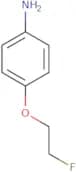
CAS:<p>3-Fluorobenzene-1-sulfonyl fluoride is a chemical compound that can be used as a catalyst to synthesize organic compounds. It is a colorless liquid, which is soluble in water and organic solvents. This catalyst has been shown to be more efficient than the traditional catalysts, such as tetraphenylphosphonium chloride, potassium fluoride or sodium borohydride. 3-Fluorobenzene-1-sulfonyl fluoride also reacts with nitro groups to produce dinitro compounds, which are valuable synthetic intermediates for the production of dyes and pharmaceuticals. The synthesis of this compound can be carried out in high yields with stoichiometric amounts of reactants.</p>Formula:C6H4F2O2SPurity:Min. 95%Molecular weight:178.16 g/mol4-(2-Fluoroethoxy)aniline
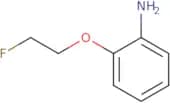
CAS:<p>Versatile small molecule scaffold</p>Formula:C8H10FNOPurity:Min. 95%Molecular weight:155.17 g/mol2-(2-Fluoroethoxy)aniline
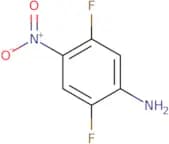
CAS:<p>Versatile small molecule scaffold</p>Formula:C8H10FNOPurity:Min. 95%Molecular weight:155.17 g/mol2,5-Difluoro-4-nitroaniline
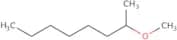
CAS:<p>Versatile small molecule scaffold</p>Formula:C6H4F2N2O2Purity:Min. 95%Molecular weight:174.1 g/mol2-Methoxyoctane
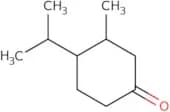
CAS:<p>2-Methoxyoctane is a chemical compound that belongs to the group of organic compounds called primary alcohols. It can be synthesized by the oxidative demethylation of 2-methylpentane. The reaction is catalyzed by an acid and proceeds with high yield. 2-Methoxyoctane can be used as a solvent for other reactants and in photochemistry experiments. It has a viscosity, which is higher than most other solvents, but lower than water. This product also has functional groups that allow it to react with nucleophiles and polarities that make it capable of forming hydrogen bonds.</p>Formula:C9H20OPurity:Min. 95%Molecular weight:144.25 g/mol3-Methyl-4-(propan-2-yl)cyclohexan-1-one
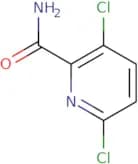
CAS:<p>Versatile small molecule scaffold</p>Formula:C10H18OPurity:Min. 95%Molecular weight:154.25 g/mol3,6-Dichloropicolinamide
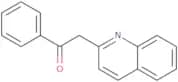
CAS:<p>3,6-Dichloropicolinamide is a chemical compound with the molecular formula C5H4Cl2N2O. It belongs to the class of pyridine compounds. 3,6-Dichloropicolinamide is a potent inhibitor of cellular activity. The inhibition of synovial fibroblasts was shown using fluorescence and x-ray analysis. This chemical has also been shown to lower the solvents in human recombinant proteins and can be used as an alternative in these experiments.</p>Formula:C6H4Cl2N2OPurity:Min. 95%Molecular weight:191.01 g/mol1-Phenyl-2-(quinolin-2-yl)ethan-1-one
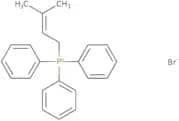
CAS:<p>1-Phenyl-2-(quinolin-2-yl)ethan-1-one is an enolate that has the ability to form a zwitterion. It is soluble in nonpolar solvents and reacts with calcium carbonate, forming a white precipitate. This compound is reactive and can be used as an intermediate for the synthesis of many other organic compounds. 1-Phenyl-2-(quinolin-2-yl)ethan-1-one has been shown to interact with methyl derivatives and piperidine. The enolate anion can be activated by radiation or by adding a base such as piperidine.</p>Formula:C17H13NOPurity:Min. 95%Molecular weight:247.29 g/mol(3-Methyl-2-butenyl)triphenyl-phosphonium Bromide
CAS:<p>Versatile small molecule scaffold</p>Formula:C23H24BrPPurity:Min. 95%Molecular weight:411.31 g/mol9H-Fluorene-9-carbonitrile
CAS:<p>9H-Fluorene-9-carbonitrile is a nitrate that functions as a growth regulator. It has been shown to inhibit the growth of plants by inhibiting the activity of nucleophilic enzymes and reactive nitrogen species. It is also used as an intermediate for the synthesis of triazole fungicides, which are used in agriculture to control diseases on crops such as wheat, oats, barley, and corn. 9H-Fluorene-9-carbonitrile reacts with carbanions derived from c1-6 alkyl halides or protonated amines to form carbenes. 9H-Fluorene-9-carbonitrile undergoes nucleophilic substitution reactions with electrophiles such as ketones or carboxylic acids at temperatures between 0°C and 100°C. This compound is also used for mechanistic studies on the reaction of carbenes with other molecules containing a carbonyl group.</p>Formula:C14H9NPurity:Min. 95%Molecular weight:191.23 g/molEthyl 2-(4-acetylphenyl)acetate
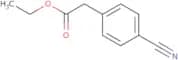
CAS:<p>Ethyl 2-(4-acetylphenyl)acetate is an oxime that has analgesic activities. It also inhibits the cyclooxygenase enzyme, which is involved in the biosynthesis of prostaglandins and thromboxanes. The inhibitory effects of this compound are reduced by rofecoxib, a cox-2 inhibitor, and nordihydroguaiaretic acid, a cox-1 inhibitor.</p>Formula:C12H14O3Purity:Min. 95%Molecular weight:206.24 g/molEthyl 4-cyanophenylacetate
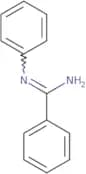
CAS:<p>Versatile small molecule scaffold</p>Formula:C11H11NO2Purity:Min. 95%Molecular weight:189.21 g/molN-Phenylbenzamidine
CAS:<p>N-Phenylbenzamidine is a bicyclic heterocycle that has been synthesized and characterized as an amide. Its functional theory is based on the molecule's nucleophilic nature. The sodium hydrogen tautomeric form of N-phenylbenzamidine can be obtained by acidifying the molecule in water, which results in a chloride ion being released. The chloride is then regenerated by reaction with carbon disulphide. N-Phenylbenzamidine is used in plant cell cultures for the inhibition of protein synthesis, which may be due to its ability to inhibit the enzyme carbonic anhydrase.</p>Formula:C13H12N2Purity:Min. 95%Molecular weight:196.25 g/mol[2-(Phenylsulfanyl)phenyl]methanol
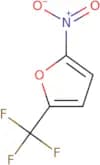
CAS:<p>Versatile small molecule scaffold</p>Formula:C13H12OSPurity:Min. 95%Molecular weight:216.3 g/mol2-Nitro-5-(trifluoromethyl)furan
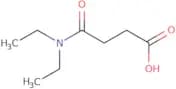
CAS:<p>Versatile small molecule scaffold</p>Formula:C5H2F3NO3Purity:Min. 95%Molecular weight:181.07 g/mol3-(Diethylcarbamoyl)propanoic acid
CAS:<p>3-(Diethylcarbamoyl)propanoic acid is a prodrug that is hydrolyzed in vivo to the active form, 3-diethylamino-2-propanol. This compound has analgesic and antiinflammatory properties due to its ability to inhibit prostaglandin synthesis. 3-(Diethylcarbamoyl)propanoic acid has been shown to be effective against ureaplasmas, mycoplasmas, chlamydia and some viruses. It also inhibits the replication of prions and parasites such as worms and flukes.</p>Formula:C8H15NO3Purity:Min. 95%Molecular weight:173.21 g/mol[Dimethyl(oxo)-λ⁶-sulfanylidene]urea
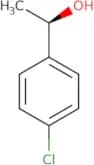
CAS:<p>Versatile small molecule scaffold</p>Formula:C3H8N2O2SPurity:Min. 95%Molecular weight:136.18 g/mol(1R)-1-(4-Methoxyphenyl)ethan-1-ol
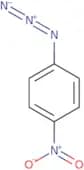
CAS:<p>(1R)-1-(4-Methoxyphenyl)ethan-1-ol (1R,2S)-(+)-N-methylbenzeneethanamine is a stereoselective and selective reagent for the conversion of l-phenylalanine to (2S,3S)-(+)-N-methylbenzeneethanamine. It is commonly used in the synthesis of the enantiopure amino acid l-amino acid derivatives. This compound has been shown to be an effective inhibitor of bacterial growth at high concentrations. The reaction rate increases with increasing temperature and substrate concentration. The cell membrane permeability is higher than that of styrene, which makes this compound useful for the preparation of immobilized enzymes for carbonyl reduction reactions.</p>Formula:C9H12O2Purity:Min. 95%Molecular weight:152.19 g/mol1-Azido-4-nitrobenzene
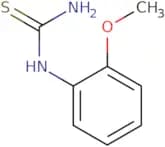
CAS:<p>1-Azido-4-nitrobenzene is a chemical compound with the molecular formula C6H5N3O2, which is derived from nitrobenzene. It has the ability to react with primary amines to form diarylamines and aziridination. 1-Azido-4-nitrobenzene has antiviral properties and can be used in the synthesis of a number of pharmaceuticals, such as chloramphenicol and zanamivir. The compound may also be used in the synthesis of dyes, explosives, and other products. 1-Azido-4-nitrobenzene reacts with chloride to produce carbon tetrachloride and nitrogen gas. This reaction can be used to make transfer reactions with other compounds, such as alkenes or ketones.</p>Formula:C6H4N4O2Purity:Min. 95%Color and Shape:PowderMolecular weight:164.12 g/mol1-(2-Methoxyphenyl)-2-thiourea
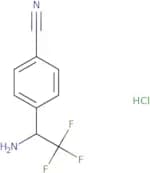
CAS:<p>1-(2-Methoxyphenyl)-2-thiourea is an organic compound. It is a white crystalline solid that is soluble in water and methanol. This molecule has a centrosymmetric structure, so it has no plane of symmetry. It has two hydrogen bonds, one intramolecular and one intermolecular. 1-(2-Methoxyphenyl)-2-thiourea can be extracted with organic solvents such as dichloromethane or chloroform. The molecules of this substance have hydrogen bonding interactions with other molecules, including benzene, dihedral angles of 60°, and orthorhombic crystals with space group Pbca.</p>Formula:CH3OC6H4NHCSNH2Purity:Min. 95%Molecular weight:182.24 g/mol4-(1-Amino-2,2,2-trifluoroethyl)benzonitrile hydrochloride
CAS:<p>Versatile small molecule scaffold</p>Formula:C9H8ClF3N2Purity:Min. 95%Molecular weight:236.62 g/mol2-[2-(2-Nitrophenoxy)ethoxy]ethan-1-amine hydrochloride
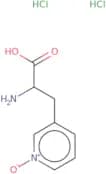
CAS:<p>Versatile small molecule scaffold</p>Formula:C10H15ClN2O4Purity:Min. 95%Molecular weight:262.7 g/mol3-(2-Amino-2-carboxyethyl)pyridin-1-ium-1-olate dihydrochloride
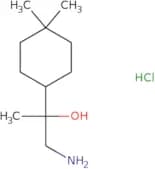
CAS:<p>Versatile small molecule scaffold</p>Formula:C8H12Cl2N2O3Purity:Min. 95%Molecular weight:255.1 g/mol1-Amino-2-(4,4-dimethylcyclohexyl)propan-2-ol hydrochloride
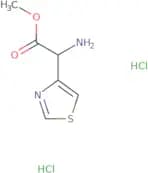
CAS:<p>Versatile small molecule scaffold</p>Formula:C11H24ClNOPurity:Min. 95%Molecular weight:221.8 g/molMethyl 2-amino-2-(1,3-thiazol-4-yl)acetate dihydrochloride
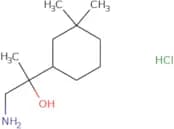
CAS:<p>Versatile small molecule scaffold</p>Formula:C6H10Cl2N2O2SPurity:Min. 95%Molecular weight:245.1 g/mol1-Amino-2-(3,3-dimethylcyclohexyl)propan-2-ol hydrochloride
CAS:<p>Versatile small molecule scaffold</p>Formula:C11H24ClNOPurity:Min. 95%Molecular weight:221.8 g/molSodium 4-{[(benzyloxy)carbonyl]amino}benzene-1-sulfinate
CAS:<p>Versatile small molecule scaffold</p>Formula:C14H12NNaO4SPurity:Min. 95%Molecular weight:313.3 g/mol

![bicyclo[2.2.1]heptan-2-ol](/_next/image/?url=https%3A%2Fstatic.cymitquimica.com%2Fproducts%2F3D%2Fthumb-webp%2FBAA63268.webp&w=3840&q=75)


![1-[(4-Chlorophenyl)methyl]cyclopropane-1-carboxylic acid](/_next/image/?url=https%3A%2Fstatic.cymitquimica.com%2Fproducts%2F3D%2Fthumb-webp%2FBAA62137.webp&w=3840&q=75)
![1-[(3-Chlorophenyl)methyl]cyclopropane-1-carboxylic acid](/_next/image/?url=https%3A%2Fstatic.cymitquimica.com%2Fproducts%2F3D%2Fthumb-webp%2FBAA62129.webp&w=3840&q=75)

![1-[(Ethanesulfonyl)methyl]-4-nitrobenzene](/_next/image/?url=https%3A%2Fstatic.cymitquimica.com%2Fproducts%2F3D%2Fthumb-webp%2FBAA61241.webp&w=3840&q=75)
![5-Chloro-2-hydroxy-N-[3-(trifluoromethyl)phenyl]benzamide](/_next/image/?url=https%3A%2Fstatic.cymitquimica.com%2Fproducts%2F3D%2Fthumb-webp%2FBAA58042.webp&w=3840&q=75)
![N-Ethyl-N-{2-nitro-4-[(trifluoromethyl)sulfonyl]phenyl}amine](/_next/image/?url=https%3A%2Fstatic.cymitquimica.com%2Fproducts%2F3D%2Fthumb-webp%2FBAA57987.webp&w=3840&q=75)




![[2-(Phenylsulfanyl)phenyl]methanol](/_next/image/?url=https%3A%2Fstatic.cymitquimica.com%2Fproducts%2F3D%2Fthumb-webp%2FBAA52714.webp&w=3840&q=75)
![[Dimethyl(oxo)-λ⁶-sulfanylidene]urea](/_next/image/?url=https%3A%2Fstatic.cymitquimica.com%2Fproducts%2F3D%2Fthumb-webp%2FBAA52015.webp&w=3840&q=75)
![2-[2-(2-Nitrophenoxy)ethoxy]ethan-1-amine hydrochloride](/_next/image/?url=https%3A%2Fstatic.cymitquimica.com%2Fproducts%2F3D%2Fthumb-webp%2FAVD26881.webp&w=3840&q=75)
![Sodium 4-{[(benzyloxy)carbonyl]amino}benzene-1-sulfinate](/_next/image/?url=https%3A%2Fstatic.cymitquimica.com%2Fproducts%2F3D%2Fthumb-webp%2FAVD26847.webp&w=3840&q=75)