


Building Blocks
This section contains fundamental products for the synthesis of organic and biological compounds. Building blocks are the essential starting materials used to construct complex molecules through various chemical reactions. They play a critical role in drug discovery, material science, and chemical research. At CymitQuimica, we offer a diverse range of high-quality building blocks to support your innovative research and industrial projects, ensuring you have the essential components for successful synthesis.
Subcategories of "Building Blocks"
- Boronic Acids & Boronic Acid Derivatives(5,756 products)
- Chiral Building Blocks(1,242 products)
- Hydrocarbon Building Blocks(6,093 products)
- Organic Building Blocks(60,525 products)
Found 195536 products of "Building Blocks"
Sort by
Purity (%)
0
100
|
0
|
50
|
90
|
95
|
100
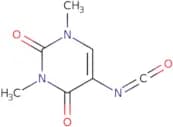
5-Isocyanato-1,3-dimethylpyrimidine-2,4(1H,3H)-dione
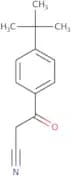
CAS:<p>Versatile small molecule scaffold</p>Formula:C7H7N3O3Purity:Min. 95%Molecular weight:181.15 g/mol3-(4-(tert-Butyl)phenyl)-3-oxopropanenitrile
CAS:<p>Versatile small molecule scaffold</p>Formula:C13H15NOPurity:Min. 95%Molecular weight:201.26 g/mol8-Oxabicyclo[3.2.1]octan-2-one
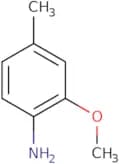
CAS:<p>8-Oxabicyclo[3.2.1]octan-2-one (8OBA) is a β-unsaturated ketone with an oxime group at the 8 position. It can be prepared by cyclization of 2,5-diketones with a phosphonate ester in the presence of a base. The syntheses of various ketones have been accomplished using this process, including β-unsaturated ketones and oxophosphonates. This compound is also used as a building block for synthesis of furan derivatives, such as 2,5-furandione and 3,6-dihydro-4H-pyran.</p>Formula:C7H10O2Purity:Min. 95%Molecular weight:126.15 g/mol2-Methoxy-4-methylaniline
CAS:<p>Versatile small molecule scaffold</p>Formula:C8H11NOPurity:Min. 95%Molecular weight:137.18 g/mol2-[(2-Chlorophenyl)formamido]-3-(1H-indol-3-yl)propanoic acid
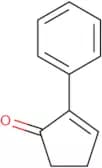
CAS:<p>Versatile small molecule scaffold</p>Formula:C18H15ClN2O3Purity:Min. 95%Molecular weight:342.8 g/mol2-Phenylcyclopent-2-en-1-one
CAS:<p>2-Phenylcyclopent-2-en-1-one is a cyclic ketone that can be used in the preparation of 2-phenylcyclopentanones by deoxygenation. The compound can also be converted to cyclopentenones by treatment with alcohols, olefins, or esters. It is also useful for the synthesis of the vinyl ethers and cycloadditions. The reduction of this molecule produces cyclohexanol. Treatment with methanol produces 1,4-benzodiazepine derivatives. Finally, it can be used for annulation reactions as well.</p>Formula:C11H10OPurity:Min. 95%Molecular weight:158.2 g/mol1-Chloro-4-(isocyanomethyl)benzene
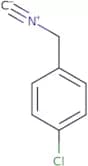
CAS:<p>1-Chloro-4-(isocyanomethyl)benzene is a heterocyclic compound that belongs to the morpholine family. It is activated by electron withdrawing groups such as nitro, chloro, and cyano groups. The functionalities of this molecule are amines, nitro, and chloro. 1-Chloro-4-(isocyanomethyl)benzene has been shown to be an inhibitor of pyrrole synthesis in biochemical studies. In addition, it has been shown to be a competitive inhibitor of xanthate oxidation in cyclic biochemical reactions.</p>Formula:C8H6ClNPurity:Min. 95%Molecular weight:151.59 g/mol2-(Adamantan-2-yl)ethan-1-ol
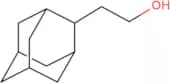
CAS:<p>Versatile small molecule scaffold</p>Formula:C12H20OPurity:Min. 95%Molecular weight:180.29 g/mol2-Chloro-3-iodoprop-1-ene
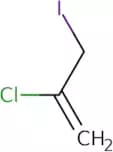
CAS:<p>2-Chloro-3-iodoprop-1-ene is a synthetic chemical that is used as a reagent in organic synthesis. It has been shown to react with alkyl halides, acyl halides, and anilines to produce β-chloro ketones, α,β-unsaturated esters, and chloroamidines respectively. The reaction with chloride ions produces 2-chloroethyl chloroacetate. This compound can also be used to cross-couple aromatic rings using palladium catalysts. 2-Chloro-3-iodopropane is a precursor to polyphosphoric acid (PPA), which is used in the production of fertilizers.</p>Formula:C3H4ClIPurity:Min. 95%Molecular weight:202.42 g/molrac-(1R,6R)-6-Methylcyclohex-3-en-1-amine hydrochloride
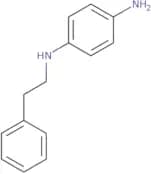
CAS:<p>Versatile small molecule scaffold</p>Formula:C7H14ClNPurity:Min. 95%Molecular weight:147.6 g/mol1-N-(2-Phenylethyl)benzene-1,4-diamine
CAS:<p>Versatile small molecule scaffold</p>Formula:C14H16N2Purity:Min. 95%Molecular weight:212.29 g/mol4-[(3-methylphenyl)amino]-4,5-dihydrothiophene-1,1-dione
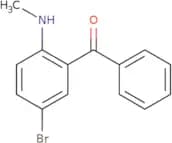
CAS:<p>Versatile small molecule scaffold</p>Formula:C11H13NO2SPurity:Min. 95%Molecular weight:223.29 g/mol(5-Bromo-2-methylamino-phenyl)-phenyl-methanone
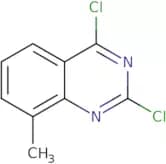
CAS:<p>Versatile small molecule scaffold</p>Formula:C14H12BrNOPurity:Min. 95%Molecular weight:290.15 g/mol2,4-Dichloro-8-methylquinazoline
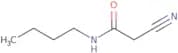
CAS:<p>Versatile small molecule scaffold</p>Formula:C9H6Cl2N2Purity:Min. 95%Molecular weight:213.06 g/molN-Butyl-2-cyanoacetamide
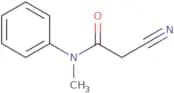
CAS:<p>N-Butyl-2-cyanoacetamide is a chemical compound that is used to express nature and functionalized. The chemical formula for N-Butyl-2-cyanoacetamide is CH3CONHC(CN)COOCH3. It has a melting point of -80 degrees Celsius, a boiling point of 150 degrees Celsius, and a density of 1.08 grams per cubic centimeter.</p>Formula:C7H12N2OPurity:Min. 95%Molecular weight:140.18 g/mol2-Cyano-N-methyl-N-phenylacetamide
CAS:<p>2-Cyano-N-methyl-N-phenylacetamide is a diazo compound that is used as a ligand for the β-lactams. It can be prepared by reacting methylcyanamide with phenylacetic acid in the presence of nitrous acid. 2-Cyano-N-methyl-N-phenylacetamide reacts with carbonyl groups to form an oxime, which can be hydrolyzed to produce an amine. This reaction occurs intramolecularly and catalysed by copper or silver salts. The houben–hoesch reaction of 2,4,6,8 tetramethylpiperidine with 2-cyano N -methyl N -phenyl acetamide yields the piperidine derivative 1-(2 cyanoethyl)-2-(2 methoxyethoxy)ethylamine.</p>Formula:C10H10N2OPurity:Min. 95%Molecular weight:174.2 g/mol5-Methoxy-1-benzofuran-3(2H)-one
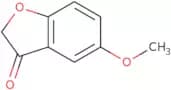
CAS:<p>Versatile small molecule scaffold</p>Formula:C9H8O3Purity:Min. 95%Molecular weight:164.16 g/mol1,1-Dioxo-2,3-dihydro-1λ⁶-thiophen-3-yl 4-methylbenzene-1-sulfonate
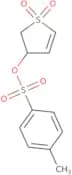
CAS:<p>Versatile small molecule scaffold</p>Formula:C11H12O5S2Purity:Min. 95%Molecular weight:288.3 g/mol1,3-dimethyl (1R,3S)-cyclopentane-1,3-dicarboxylate
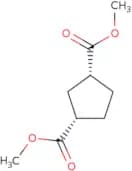
CAS:<p>Versatile small molecule scaffold</p>Formula:C9H14O4Purity:Min. 95%Molecular weight:186.21 g/mol[1-(Hydroxymethyl)-2,2-dimethylcyclopropyl]methanol
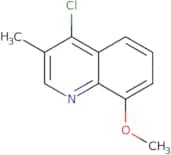
CAS:<p>Versatile small molecule scaffold</p>Formula:C7H14O2Purity:Min. 95%Molecular weight:130.18 g/mol4-Chloro-8-methoxy-3-methylquinoline
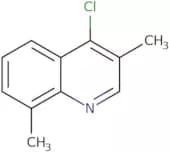
CAS:<p>Versatile small molecule scaffold</p>Formula:C11H10ClNOPurity:Min. 95%Molecular weight:207.65 g/mol4-Chloro-3,8-dimethylquinoline
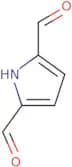
CAS:<p>Versatile small molecule scaffold</p>Formula:C11H10ClNPurity:Min. 95%Molecular weight:191.65 g/mol1H-Pyrrole-2,5-dicarbaldehyde
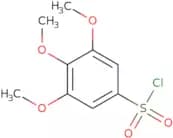
CAS:<p>1H-Pyrrole-2,5-dicarbaldehyde is a molecule that has been shown to have antibacterial properties. It binds to the amine nitrogen of the protein and forms an imine intermediate. This intermediate will react with other molecules to form a condensation product. The condensation product is then hydrolyzed by water or ammonium hydroxide to release 1H-pyrrole-2,5-dicarbaldehyde.<br>1H-Pyrrole-2,5-dicarbaldehyde has been shown to be effective against bacteria such as Staphylococcus aureus and Pseudomonas aeruginosa in bioassays. X-ray diffraction data supports the idea that this molecule has an intramolecular hydrogen bond between the carbonyl group and the nitrogen atom. This reactive molecule also has mononuclear nitrogen atoms that can bind to anions such as chloride ions and nitrate ions, which are</p>Formula:C6H5NO2Purity:Min. 95%Molecular weight:123.11 g/mol3,4,5-Trimethoxybenzene-1-sulfonyl chloride
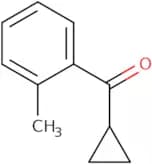
CAS:<p>Versatile small molecule scaffold</p>Formula:C9H11ClO5SPurity:Min. 95%Molecular weight:266.7 g/mol2-Methylphenyl cyclopropyl ketone
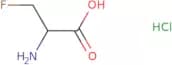
CAS:<p>Versatile small molecule scaffold</p>Formula:C11H12OPurity:Min. 95%Molecular weight:160.22 g/mol(2S)-2-Amino-3-fluoropropanoic acid hydrochloride
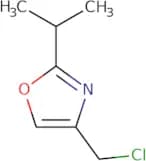
CAS:<p>Versatile small molecule scaffold</p>Formula:C3H7ClFNO2Purity:Min. 95%Molecular weight:143.54 g/mol4-(Chloromethyl)-2-(propan-2-yl)-1,3-oxazole
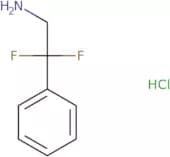
CAS:<p>Versatile small molecule scaffold</p>Formula:C7H10ClNOPurity:Min. 95%Molecular weight:159.61 g/mol2,2-Difluoro-2-phenylethanamine HCl
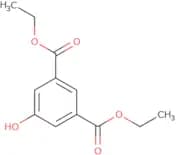
CAS:<p>Versatile small molecule scaffold</p>Formula:C8H9F2N·HClPurity:Min. 95%Molecular weight:193.62 g/mol1,3-Diethyl 5-hydroxybenzene-1,3-dicarboxylate
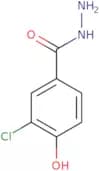
CAS:<p>1,3-Diethyl 5-hydroxybenzene-1,3-dicarboxylate is a ligand that binds to transition metal ions and has been shown to have a constant fluorescence emission. The ligand can be used as a fluorescent probe for the study of hydrogen bonding and transport properties in solids. 1,3-Diethyl 5-hydroxybenzene-1,3-dicarboxylate has also been shown to have functional theory applications and is soluble in chlorides.</p>Formula:C12H14O5Purity:Min. 95%Molecular weight:238.24 g/mol3-Chloro-4-hydroxybenzohydrazide
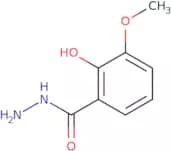
CAS:<p>Versatile small molecule scaffold</p>Formula:C7H7ClN2O2Purity:Min. 95%Molecular weight:186.59 g/mol2-Hydroxy-3-methoxybenzohydrazide
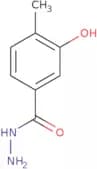
CAS:<p>2-Hydroxy-3-methoxybenzohydrazide is a magnetic material that has linear, assembled, and magnetization properties. It is a ligand that binds to metal ions and forms a stable complex. The magnetic property of this compound was determined by measuring its susceptibility to an external magnetic field. The magnitude of this susceptibility depends on the orientation of the molecule in the external magnetic field and can be used to identify the type of molecular interactions occurring between the compound and the metal ion.</p>Formula:C8H10N2O3Purity:Min. 95%Molecular weight:182.18 g/mol3-Hydroxy-4-methylbenzohydrazide
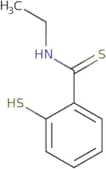
CAS:<p>Versatile small molecule scaffold</p>Formula:C8H10N2O2Purity:Min. 95%Molecular weight:166.18 g/molN-Ethyl-2-sulfanylbenzene-1-carbothioamide
CAS:<p>Versatile small molecule scaffold</p>Formula:C9H11NS2Purity:Min. 95%Molecular weight:197.3 g/mol1-((Benzyloxy)carbonyl)-2-methylpiperidine-2-carboxylic acid
CAS:<p>Versatile small molecule scaffold</p>Formula:C15H19NO4Purity:Min. 95%Molecular weight:277.31 g/mol7-benzyl-3-thia-7-azabicyclo[3.3.1]nonan-9-one
CAS:<p>7-benzyl-3-thia-7-azabicyclo[3.3.1]nonan-9-one (7BAN) is a compound that has been shown to have antiarrhythmic effects in animal models. The conformational stability of 7BAN has been determined by single crystal x-ray diffraction data, and the conformers have been determined by conformational analysis. The conformation of this drug is stabilized by the benzyl group and the azabicyclo group, which are responsible for its antiarrhythmic activity.</p>Formula:C14H17NOSPurity:Min. 95%Molecular weight:247.36 g/mol3-(Ethylsulfanyl)benzonitrile
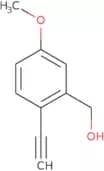
CAS:<p>Versatile small molecule scaffold</p>Formula:C9H9NSPurity:Min. 95%Molecular weight:163.24 g/mol(2-Ethynyl-5-methoxyphenyl)methanol
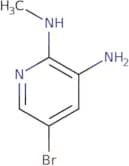
CAS:<p>Versatile small molecule scaffold</p>Formula:C10H10O2Purity:Min. 95%Molecular weight:162.19 g/mol5-Bromo-2-N-methylpyridine-2,3-diamine
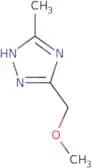
CAS:<p>Versatile small molecule scaffold</p>Formula:C6H8BrN3Purity:Min. 95%Molecular weight:202.05 g/mol5-(Methoxymethyl)-3-methyl-1H-1,2,4-triazole
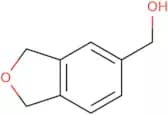
CAS:<p>Versatile small molecule scaffold</p>Formula:C5H9N3OPurity:Min. 95%Molecular weight:127.14 g/mol(1,3-dihydro-2-benzofuran-5-yl)methanol
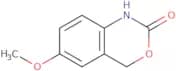
CAS:<p>Versatile small molecule scaffold</p>Formula:C9H10O2Purity:Min. 95%Molecular weight:150.18 g/mol6-Methoxy-2,4-dihydro-1H-3,1-benzoxazin-2-one
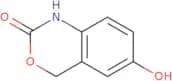
CAS:<p>Versatile small molecule scaffold</p>Formula:C9H9NO3Purity:Min. 95%Molecular weight:179.17 g/mol6-Hydroxy-2,4-dihydro-1H-3,1-benzoxazin-2-one
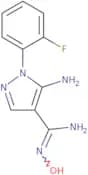
CAS:<p>Versatile small molecule scaffold</p>Formula:C8H7NO3Purity:Min. 95%Molecular weight:165.15 g/mol5-Amino-1-(2-fluorophenyl)-N'-hydroxy-1H-pyrazole-4-carboximidamide
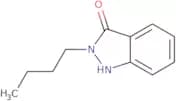
CAS:<p>Versatile small molecule scaffold</p>Formula:C10H10FN5OPurity:Min. 95%Molecular weight:235.22 g/mol2-Butyl-2,3-dihydro-1H-indazol-3-one
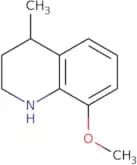
CAS:<p>Versatile small molecule scaffold</p>Formula:C11H14N2OPurity:Min. 95%Molecular weight:190.24 g/mol8-Methoxy-4-methyl-1,2,3,4-tetrahydroquinoline
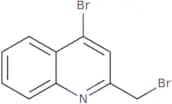
CAS:<p>Versatile small molecule scaffold</p>Formula:C11H15NOPurity:Min. 95%Molecular weight:177.24 g/mol4-Bromo-2-(bromomethyl)quinoline
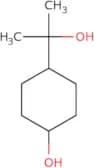
CAS:<p>Versatile small molecule scaffold</p>Formula:C10H7Br2NPurity:Min. 95%Molecular weight:300.98 g/mol4-(2-Hydroxypropan-2-yl)cyclohexan-1-ol
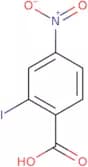
CAS:<p>Versatile small molecule scaffold</p>Formula:C9H18O2Purity:Min. 95%Molecular weight:158.24 g/mol2-iodo-4-nitrobenzoic acid
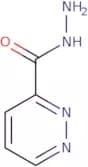
CAS:<p>2-Iodo-4-nitrobenzoic acid is a synthetic heterocyclic compound with the molecular formula C6H3INO2Cl. It has a picric pharmacophore, which is a structural motif that consists of a trifluoromethyl group and two nitro groups. 2-Iodo-4-nitrobenzoic acid is insoluble in water and hydrochloric acid. It can be synthesized by reacting diphenylmethane with sodium hydroxide solution and then adding hydrochloric acid to the resultant solution. The chemical structure of 2-iodo-4-nitrobenzoic acid appears as an orange crystalline solid in its pure form, but it has not been observed to have any biological activity. The chemical shifts for the methyl protons are between 1.5 and 4 ppm, and the chemical shifts for the hydrogen protons are between 2 and 4 ppm in its nmr spectra.</p>Formula:C7H4INO4Purity:Min. 95%Molecular weight:293 g/molPyridazine-3-carboxylic acid hydrazide
CAS:<p>Pyridazine-3-carboxylic acid hydrazide is a chemical compound that belongs to the class of heterocyclic compounds. It can be synthesized by reacting 3-hydrazinopyridine with pyridine in a process that involves elemental analysis and spectral analysis. This compound has been shown to react with metal ions and form a ligand complex. Pyridazine-3-carboxylic acid hydrazide also has electronic spectra when it reacts with acids and bases, which are related to its formation constants. The parameters of this chemical are given below:</p>Formula:C5H6N4OPurity:Min. 95%Molecular weight:138.13 g/mol5,5-Dimethyl-2,4-pyrrolidinedione
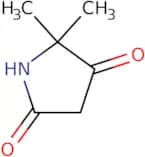
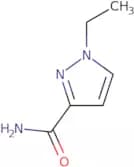
CAS:<p>5,5-Dimethyl-2,4-pyrrolidinedione is the common name for a photochemical reaction that produces the anion of a substituted pyrrole. The reaction starts with a ketone or an aldehyde and two molecules of formaldehyde. This reaction is usually carried out in the presence of light. The efficiency of this process depends on the substituents on the molecule. In some cases, n-substituted pyrroles are more efficient than n-acetylated or n-alkylated pyrroles. If all three substituents are hydrogens, then the reactivity diminishes. 5,5-Dimethyl-2,4-pyrrolidinedione has been used as a precursor to produce 1-(1H)indolium salts and other compounds with antiinflammatory properties by alkylation or methoxycarbonylation reactions.</p>Formula:C6H9NO2Purity:Min. 95%Molecular weight:127.14 g/mol1-Ethyl-1H-pyrazole-3-carboxamide
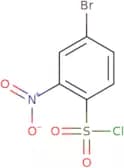
CAS:<p>1-Ethyl-1H-pyrazole-3-carboxamide (1EPC) is a carbonic anhydrase inhibitor. It is used in the treatment of cancer, including lung carcinoma and breast carcinoma. 1EPC inhibits the growth of cancer cells by inhibiting the production of ATP in hypoxic regions of the tumor cell, thereby causing a dose-dependent cytotoxicity effect. This drug also has anticancer effects against fibroblast cells and carcinoma cells, as well as inhibiting the synthesis of DNA and RNA.</p>Formula:C6H9N3OPurity:Min. 95%Molecular weight:139.16 g/mol4-Bromo-2-nitrobenzenesulphonyl chloride
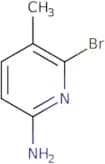
CAS:<p>Versatile small molecule scaffold</p>Formula:C6H3BrClNO4SPurity:Min. 95%Molecular weight:300.51 g/mol6-bromo-5-methylpyridin-2-amine
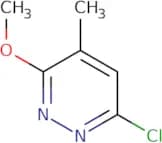
CAS:<p>6-Bromo-5-methylpyridin-2-amine is an imidazopyridine drug that has been shown to inhibit the growth of bacterial strains in vitro. It also binds to the electron density, which may be due to its heteroaromatic ring and ionization potential. 6BMPA is synthesized by reacting 2-chloro-6-bromopyridine with 5-methylpyridinium iodide. For the synthesis of a monomer, 6BMPA is reacted with a second molecule of 5-methylpyridinium iodide, yielding the imidazopyrazine as a product. Drug discovery for this compound has been shown to be promising in animal models.</p>Formula:C6H7BrN2Purity:Min. 95%Molecular weight:187 g/mol6-Chloro-3-Methoxy-4-methylpyridazine
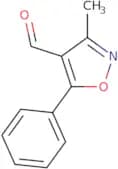
CAS:<p>6-Chloro-3-Methoxy-4-methylpyridazine is an alkoxide of hydrazine. It is a white crystalline solid that melts at 130 °C and has a mp of 138 °C. 6-Chloro-3-Methoxy-4-methylpyridazine is selective for the liver, and has been used in research to study hepatic diseases. It has also been used as an intermediate in the synthesis of other compounds. The 6-chloro group on the pyridine nitrogen atom reacts with phosphorus oxychloride to produce a monohydrate salt, which can be hydrolyzed by refluxing with water to form the oxychloride salt. The chloride atom on the methoxy group can be replaced by chlorine by heating with phosphorus and hydrazine monohydrate. This process is efficient because it produces only one chlorinated product instead of two chlorinated products that are produced when chlorine gas is added directly to</p>Formula:C6H7ClN2OPurity:Min. 95%Molecular weight:158.59 g/mol3-Methyl-5-phenyl-isoxazole-4-carbaldehyde
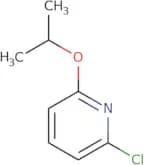
CAS:<p>Versatile small molecule scaffold</p>Formula:C11H9NO2Purity:Min. 95%Molecular weight:187.2 g/mol2-Chloro-6-isopropoxypyridine
CAS:<p>2-Chloro-6-isopropoxypyridine is a reactive organometallic compound that has the ability to form stable, structurally diverse, and often useful compounds. It can be used as an intermediate in the synthesis of substituted pyridines, furans, and other heterocycles. The synthesis of these compounds is usually achieved through cycloaddition reactions with suitably substituted arenes. 2-Chloro-6-isopropoxypyridine can be synthesized by the lithium chloride induced elimination reaction between chloroacetone and isopropyl alcohol at low temperatures. This method is regioselective, in that it gives a mixture of 2-chloro-6-isopropoxypyridine and its diastereoisomer.<br>2CIP produces a mixture of products with different substitution patterns because it undergoes a cycloaddition reaction with substituents on the aromatic ring. The lithiation</p>Formula:C8H10NOClPurity:Min. 95%Molecular weight:171.62 g/mol(2R)-2-{[(tert-Butoxy)carbonyl]amino}-3-cyclopropylpropanoic acid
CAS:<p>Versatile small molecule scaffold</p>Formula:C11H19NO4Purity:Min. 95%Molecular weight:229.27 g/mol2,5-diaza-bicyclo[2.2.1]heptane 2hcl
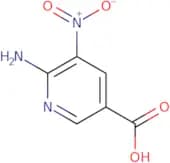
CAS:<p>Versatile small molecule scaffold</p>Formula:C5H12Cl2N2Purity:Min. 95%Molecular weight:171.07 g/mol6-Amino-5-nitronicotinic acid
CAS:<p>Versatile small molecule scaffold</p>Formula:C6H5N3O4Purity:Min. 95%Molecular weight:183.12 g/mol1,4-Diiodo-2-nitrobenzene
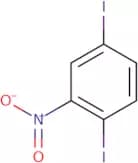
CAS:<p>Versatile small molecule scaffold</p>Formula:C6H3I2NO2Purity:Min. 95%Molecular weight:374.9 g/mol7-Oxo-4H,7H-[1,2,4]triazolo[1,5-a]pyrimidine-6-carbonitrile
CAS:<p>Versatile small molecule scaffold</p>Formula:C6H3N5OPurity:Min. 95%Molecular weight:161.12 g/mol5-Acetamidothiophene-2-carboxylic acid
CAS:<p>Versatile small molecule scaffold</p>Formula:C7H7NO3SPurity:Min. 95%Molecular weight:185.2 g/molMethyl 2-amino-3-hydroxy-2-methylpropanoate hydrochloride
CAS:<p>Versatile small molecule scaffold</p>Formula:C5H12ClNO3Purity:Min. 95%Molecular weight:169.61 g/mol2-{[(tert-Butoxy)carbonyl]amino}-3-hydroxy-2-methylpropanoic acid
CAS:<p>Versatile small molecule scaffold</p>Formula:C9H17NO5Purity:Min. 95%Molecular weight:219.23 g/mol4-Chloro-1,3-thiazole-2-sulfonamide
CAS:<p>Versatile small molecule scaffold</p>Formula:C3H3ClN2O2S2Purity:Min. 95%Molecular weight:198.7 g/mol1,3-Thiazole-4-sulfonamide
CAS:<p>1,3-Thiazole-4-sulfonamide is an herbicide belonging to the thiazole derivatives. It has a variety of uses in agriculture, forestry, and urban services such as weed control. 1,3-Thiazole-4-sulfonamide inhibits plant growth by inhibiting photosynthesis in plants. This herbicide has been shown to be effective against annual grasses and broadleaf weeds.</p>Formula:C3H4N2O2S2Purity:Min. 95%Molecular weight:164.21 g/molMethyl 5-sulfamoyl-1,3-thiazole-4-carboxylate
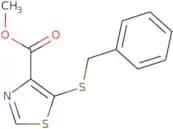
CAS:<p>Versatile small molecule scaffold</p>Formula:C5H6N2O4S2Purity:Min. 95%Molecular weight:222.2 g/molMethyl 5-(benzylsulfanyl)-1,3-thiazole-4-carboxylate
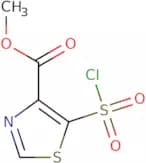
CAS:<p>Versatile small molecule scaffold</p>Formula:C12H11NO2S2Purity:Min. 95%Molecular weight:265.4 g/molMethyl 5-(chlorosulfonyl)-1,3-thiazole-4-carboxylate
CAS:<p>Versatile small molecule scaffold</p>Formula:C5H4ClNO4S2Purity:Min. 95%Molecular weight:241.7 g/mol3-Chloro-1,2-thiazole-4-sulfonamide
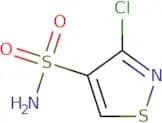
CAS:<p>Versatile small molecule scaffold</p>Formula:C3H3ClN2O2S2Purity:Min. 95%Molecular weight:198.7 g/molMethyl 4-(chlorosulfonyl)-1,2-thiazole-3-carboxylate
CAS:<p>Versatile small molecule scaffold</p>Formula:C5H4ClNO4S2Purity:Min. 95%Molecular weight:241.7 g/mol4,6-dichloro-2-(pyridin-3-yl)pyrimidine
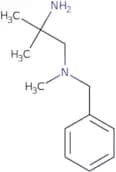
CAS:<p>Versatile small molecule scaffold</p>Formula:C9H5Cl2N3Purity:Min. 95%Molecular weight:226.1 g/mol(2-Amino-2-methylpropyl)(benzyl)methylamine
CAS:<p>Versatile small molecule scaffold</p>Formula:C12H20N2Purity:Min. 95%Molecular weight:192.3 g/mol1-Methyl-1H-imidazole-2-sulfonamide
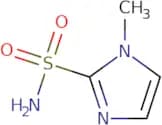
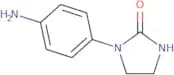
CAS:<p>Versatile small molecule scaffold</p>Formula:C4H7N3O2SPurity:Min. 95%Molecular weight:161.19 g/mol1-(4-Aminophenyl)imidazolidin-2-one
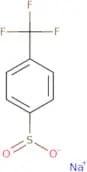
CAS:<p>Versatile small molecule scaffold</p>Formula:C9H11N3OPurity:Min. 95%Molecular weight:177.2 g/molSodium 4-(trifluoromethyl)benzene-1-sulfinate
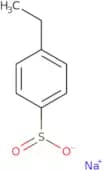
CAS:<p>Versatile small molecule scaffold</p>Formula:C7H4F3NaO2SPurity:Min. 95%Molecular weight:232.16 g/molSodium 4-ethylbenzene-1-sulfinate
CAS:<p>Versatile small molecule scaffold</p>Formula:C8H9NaO2SPurity:Min. 95%Molecular weight:192.21 g/molSodium 3-bromobenzenesulfinate
CAS:<p>Versatile small molecule scaffold</p>Formula:C6H4BrNaO2SPurity:Min. 95%Molecular weight:243.05 g/mol2-(4-Chlorophenyl)-2H-1,2,3-triazole-4-carboxylic acid
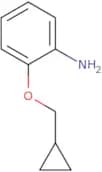
CAS:<p>Versatile small molecule scaffold</p>Formula:C9H6ClN3O2Purity:Min. 95%Molecular weight:223.61 g/mol2-(Cyclopropylmethoxy)aniline
CAS:<p>Versatile small molecule scaffold</p>Formula:C10H13NOPurity:Min. 95%Molecular weight:163.22 g/mol2-Amino-2-(2-methylcyclopropyl)acetic acids
CAS:<p>Versatile small molecule scaffold</p>Formula:C6H11NO2Purity:Min. 95%Molecular weight:129.2 g/mol5-(Hydroxymethyl)-1-methylpyrrolidin-2-one
CAS:<p>Versatile small molecule scaffold</p>Formula:C6H11NO2Purity:Min. 95%Molecular weight:129.15 g/molEthyl 2-(N-methylformamido)acetate
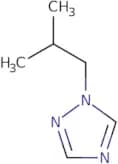
CAS:<p>Versatile small molecule scaffold</p>Formula:C6H11NO3Purity:Min. 95%Molecular weight:145.16 g/mol1-(2-Methylpropyl)-1H-1,2,4-triazole
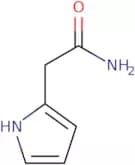
CAS:<p>Versatile small molecule scaffold</p>Formula:C6H11N3Purity:Min. 95%Molecular weight:125.17 g/mol1H-Pyrrole-2-acetamide
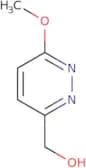
CAS:<p>1H-Pyrrole-2-acetamide (1HPA) is a pyrrole derivative that inhibits the synthesis of viral proteins by binding to the amino acid derivatives that are used for this purpose. It has been shown to have a significant effect on HIV replication in cells from patients with AIDS, but not on healthy cells. 1HPA also has an inhibitory effect on the electron transport system and can lead to nerve damage, which may be due to its ability to bind to and inhibit enzymes in the nervous system. 1HPA does not have any effect on human immunodeficiency virus type 2 (HIV-2).</p>Formula:C6H8N2OPurity:Min. 95%Molecular weight:124.14 g/mol(6-Methoxypyridazin-3-yl)methanol
CAS:<p>Versatile small molecule scaffold</p>Formula:C6H8N2O2Purity:Min. 95%Molecular weight:140.14 g/mol2-[(4-Methyl-1,3-thiazol-2-yl)amino]acetic acid
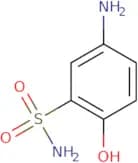
CAS:<p>Versatile small molecule scaffold</p>Formula:C6H8N2O2SPurity:Min. 95%Molecular weight:172.21 g/mol5-Amino-2-hydroxybenzene-1-sulfonamide
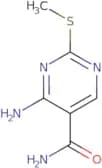
CAS:<p>Versatile small molecule scaffold</p>Formula:C6H8N2O3SPurity:Min. 95%Molecular weight:188.21 g/mol4-Amino-2-(methylthio)pyrimidine-5-carboxamide
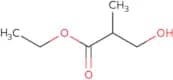
CAS:<p>Versatile small molecule scaffold</p>Formula:C6H8N4OSPurity:Min. 95%Molecular weight:184.22 g/molEthyl 3-hydroxy-2-methylpropanoate
CAS:<p>Ethyl 3-hydroxy-2-methylpropanoate is an enantioselective chemical compound. It is a liquid at room temperature, with a molecular weight of 128.14 g/mol and a density of 0.879. Ethyl 3-hydroxy-2-methylpropanoate has been shown to undergo olefination reactions in the presence of acid catalysts. Reaction rates increase with increasing temperatures, reaching maximum rates at 100°C to 120°C.</p>Formula:C6H12O3Purity:Min. 95%Molecular weight:132.16 g/mol4-Methoxy-biphenyl-3-carbaldehyde
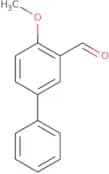
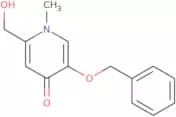
CAS:<p>4-Methoxy-biphenyl-3-carbaldehyde is a flavonoid compound that is derived from 4-methoxybenzene and the hydroxyl group of cinnamic acid. It is an alkali that can be used as a flavoring agent in Japan. When combined with bromides, benzene, or cyclized compounds, this molecule undergoes a condensation reaction to produce chalcones. This molecule also has antioxidant properties due to its ability to scavenge free radicals. When combined with other flavonoids such as chalcones and flavones, this molecule produces flavonoid compounds such as flavones or flavanones.</p>Formula:C14H12O2Purity:Min. 95%Molecular weight:212.24 g/mol5-(Benzyloxy)-2-(hydroxymethyl)-1-methyl-1,4-dihydropyridin-4-one
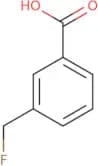
CAS:<p>Versatile small molecule scaffold</p>Formula:C14H15NO3Purity:Min. 95%Molecular weight:245.27 g/mol3-(Fluoromethyl)benzoic acid
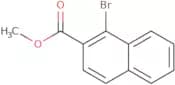
CAS:<p>Versatile small molecule scaffold</p>Formula:C8H7FO2Purity:Min. 95%Molecular weight:154.14 g/mol2-Naphthalenecarboxylic acid, 1-bromo-, methyl ester
CAS:<p>2-Naphthalenecarboxylic acid, 1-bromo-, methyl ester is a chiral molecule with two enantiomers. It can be synthesized from naphthalene and bromoacetic acid derivatives by an asymmetric synthesis. The diacid can be obtained through the cross-coupling of the corresponding organometallic reagent with a suitable halide. The 2-naphthacarboxylic acid, 1-bromo-, methyl ester has been used to synthesize various ligands with interesting properties. It has also been used in osmium chemistry and in enantioselective hydrogenation reactions.</p>Formula:C12H9BrO2Purity:Min. 95%Molecular weight:265.1 g/moltert-Butyl N-(1-benzothiophen-3-yl)carbamate
CAS:<p>Versatile small molecule scaffold</p>Formula:C13H15NO2SPurity:Min. 95%Molecular weight:249.33 g/mol5-(Chloromethyl)-8-thia-4,6-diazatricyclo[7.4.0.0,2,7]trideca-1(9),2(7),5-trien-3-one
CAS:<p>5-(Chloromethyl)-8-thia-4,6-diazatricyclo[7.4.0.0,2,7]trideca-1(9),2(7),5-trien-3-one is a molecule with the potential to outperform current devices and techniques for environmental monitoring. It has been shown to have optimal performance when used in a variety of different modules and techniques for research purposes. This compound is also being researched as an option for optimizing frequency and transferring data between modules. These optimizations will be made using parameters that are optimized to optimize the device's performance while minimizing power consumption.</p>Formula:C11H11ClN2OSPurity:Min. 95%Molecular weight:254.74 g/mol2-(Chloromethyl)-5,6-dimethyl-3H,4H-thieno[2,3-d]pyrimidin-4-one
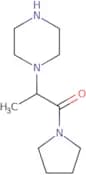
CAS:<p>Versatile small molecule scaffold</p>Formula:C9H9ClN2OSPurity:Min. 95%Molecular weight:228.7 g/mol2-(Piperazin-1-yl)-1-(pyrrolidin-1-yl)propan-1-one
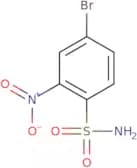
CAS:Controlled Product<p>Versatile small molecule scaffold</p>Formula:C11H21N3OPurity:Min. 95%Molecular weight:211.3 g/mol4-Bromo-2-nitrobenzenesulfonamide
CAS:<p>Versatile small molecule scaffold</p>Formula:C6H5BrN2O4SPurity:Min. 95%Molecular weight:281.09 g/mol6-Bromo-5-methyl-[1,2,4]triazolo[1,5-a]pyrimidine
CAS:<p>Versatile small molecule scaffold</p>Formula:C6H5BrN4Purity:Min. 95%Molecular weight:213.03 g/mol

![8-Oxabicyclo[3.2.1]octan-2-one](/_next/image/?url=https%3A%2Fstatic.cymitquimica.com%2Fproducts%2F3D%2Fthumb-webp%2FPBA53672.webp&w=3840&q=75)
![2-[(2-Chlorophenyl)formamido]-3-(1H-indol-3-yl)propanoic acid](/_next/image/?url=https%3A%2Fstatic.cymitquimica.com%2Fproducts%2F3D%2Fthumb-webp%2FPBA54527.webp&w=3840&q=75)
![4-[(3-methylphenyl)amino]-4,5-dihydrothiophene-1,1-dione](/_next/image/?url=https%3A%2Fstatic.cymitquimica.com%2Fproducts%2F3D%2Fthumb-webp%2FPBA56572.webp&w=3840&q=75)
![[1-(Hydroxymethyl)-2,2-dimethylcyclopropyl]methanol](/_next/image/?url=https%3A%2Fstatic.cymitquimica.com%2Fproducts%2F3D%2Fthumb-webp%2FPBA59092.webp&w=3840&q=75)

![7-benzyl-3-thia-7-azabicyclo[3.3.1]nonan-9-one](/_next/image/?url=https%3A%2Fstatic.cymitquimica.com%2Fproducts%2F3D%2Fthumb-webp%2FPDA39804.webp&w=3840&q=75)

![(2R)-2-{[(tert-Butoxy)carbonyl]amino}-3-cyclopropylpropanoic acid](/_next/image/?url=https%3A%2Fstatic.cymitquimica.com%2Fproducts%2F3D%2Fthumb-webp%2FPDA48308.webp&w=3840&q=75)
![2,5-diaza-bicyclo[2.2.1]heptane 2hcl](/_next/image/?url=https%3A%2Fstatic.cymitquimica.com%2Fproducts%2F3D%2Fthumb-webp%2FPDA48738.webp&w=3840&q=75)
![7-Oxo-4H,7H-[1,2,4]triazolo[1,5-a]pyrimidine-6-carbonitrile](/_next/image/?url=https%3A%2Fstatic.cymitquimica.com%2Fproducts%2F3D%2Fthumb-webp%2FPDA48867.webp&w=3840&q=75)


![2-{[(tert-Butoxy)carbonyl]amino}-3-hydroxy-2-methylpropanoic acid](/_next/image/?url=https%3A%2Fstatic.cymitquimica.com%2Fproducts%2F3D%2Fthumb-webp%2FPDA50039.webp&w=3840&q=75)








![2-[(4-Methyl-1,3-thiazol-2-yl)amino]acetic acid](/_next/image/?url=https%3A%2Fstatic.cymitquimica.com%2Fproducts%2F3D%2Fthumb-webp%2FPDA53285.webp&w=3840&q=75)

![5-(Chloromethyl)-8-thia-4,6-diazatricyclo[7.4.0.0,2,7]trideca-1(9),2(7),5-trien-3-one](/_next/image/?url=https%3A%2Fstatic.cymitquimica.com%2Fproducts%2F3D%2Fthumb-webp%2FPDA56703.webp&w=3840&q=75)
![2-(Chloromethyl)-5,6-dimethyl-3H,4H-thieno[2,3-d]pyrimidin-4-one](/_next/image/?url=https%3A%2Fstatic.cymitquimica.com%2Fproducts%2F3D%2Fthumb-webp%2FPDA56705.webp&w=3840&q=75)
![6-Bromo-5-methyl-[1,2,4]triazolo[1,5-a]pyrimidine](/_next/image/?url=https%3A%2Fstatic.cymitquimica.com%2Fproducts%2F3D%2Fthumb-webp%2FPDA58142.webp&w=3840&q=75)