Building Blocks
This section contains fundamental products for the synthesis of organic and biological compounds. Building blocks are the essential starting materials used to construct complex molecules through various chemical reactions. They play a critical role in drug discovery, material science, and chemical research. At CymitQuimica, we offer a diverse range of high-quality building blocks to support your innovative research and industrial projects, ensuring you have the essential components for successful synthesis.
Subcategories of "Building Blocks"
- Boronic Acids & Boronic Acid Derivatives(5,756 products)
- Chiral Building Blocks(1,242 products)
- Hydrocarbon Building Blocks(6,095 products)
- Organic Building Blocks(61,051 products)
Found 199813 products of "Building Blocks"
Sort by
Purity (%)
0
100
|
0
|
50
|
90
|
95
|
100
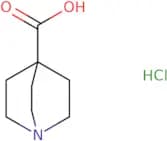
Quinuclidine-4-carboxylic acid hydrochloride
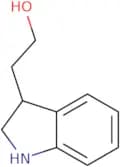
CAS:<p>Versatile small molecule scaffold</p>Formula:C8H14ClNO2Purity:Min. 95%Molecular weight:191.66 g/mol2-(2,3-Dihydro-1H-indol-3-yl)ethan-1-ol
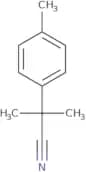
CAS:<p>2-(2,3-Dihydro-1H-indol-3-yl)ethan-1-ol is a crystalline compound that can be prepared by the addition of hydrogen chloride to 2-(2,3-dihydroindol-3-yl)ethanol. It is an enantiomer of 1-(2,3-dihydroindol-3-yl)ethanone. The compound has been used as a reagent in analytical chemistry and as a substrate for oxidases and other enzymes.</p>Formula:C10H13NOPurity:Min. 95%Molecular weight:163.22 g/mol2-Methyl-2-(p-tolyl)propanenitrile
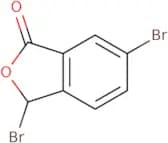
CAS:<p>Versatile small molecule scaffold</p>Formula:C11H13NPurity:Min. 95%Molecular weight:159.23 g/mol3,6-Dibromo-1,3-dihydro-2-benzofuran-1-one
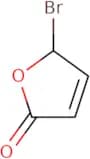
CAS:Versatile small molecule scaffoldFormula:C8H4Br2O2Purity:Min. 95%Molecular weight:291.92 g/mol5-bromo-2,5-dihydrofuran-2-one
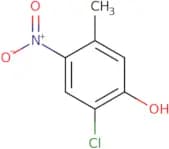
CAS:<p>Versatile small molecule scaffold</p>Formula:C4H3BrO2Purity:Min. 95%Molecular weight:162.97 g/mol2-Chloro-5-methyl-4-nitrophenol
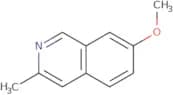
CAS:<p>Versatile small molecule scaffold</p>Formula:C7H6ClNO3Purity:Min. 95%Molecular weight:187.58 g/mol7-Methoxy-3-methylisoquinoline
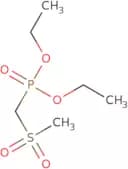
CAS:Versatile small molecule scaffoldFormula:C11H11NOPurity:Min. 95%Molecular weight:173.21 g/molDiethyl(methylsulfonylmethyl)phosphonate
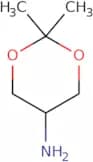
CAS:<p>Diethyl (methylsulfonylmethyl)phosphonate is a synthetic compound that has been shown to inhibit the mineralocorticoid receptor. This receptor is involved in the regulation of electrolyte and fluid balance. The inhibition of this receptor by diethyl (methylsulfonylmethyl)phosphonate may be due to its ability to bind to the receptor's active site and prevent it from binding with other hormones, such as aldosterone. Diethyl (methylsulfonylmethyl)phosphonate also has antiviral and anti-cancer properties. It can inhibit the proteolytic activity of a virus, such as hepatitis, or protease enzymes found in cancer cells. Diethyl (methylsulfonylmethyl)phosphonate can also act as an allergen for some people and cause skin irritation.</p>Formula:C6H15O5PSPurity:Min. 95%Molecular weight:230.21 g/mol2,2-Dimethyl-1,3-dioxan-5-amine
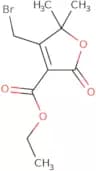
CAS:<p>2,2-Dimethyl-1,3-dioxan-5-amine is an organic molecule that utilizes electron affinity to synthesize with a variety of orientations. The hydrophobic and intramolecular orientations are the most common. The 2,2-dimethyl-1,3-dioxan-5-amine molecule has been shown to be capable of utilizing the hydrogen atom in water as an electron acceptor and donor. It can also form a monolayer on a gold electrode surface. This molecule is hydrophilic and therefore prefers hydrophilic environments such as the electrode surface or water. Impurities in this compound may include fluoride ion or chloride ion.</p>Formula:C6H13NO2Purity:Min. 95%Molecular weight:131.18 g/molEthyl 4-(bromomethyl)-5,5-dimethyl-2-oxo-2,5-dihydrofuran-3-carboxylate
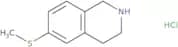
CAS:Versatile small molecule scaffoldFormula:C10H13BrO4Purity:Min. 95%Molecular weight:277.11 g/mol6-(Methylthio)-1,2,3,4-tetrahydroisoquinoline hydrochloride
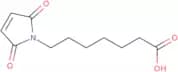
CAS:<p>Versatile small molecule scaffold</p>Formula:C10H14ClNSPurity:Min. 95%Molecular weight:215.74 g/mol7-(2,5-Dioxo-2,5-dihydro-1H-pyrrol-1-yl)heptanoic acid
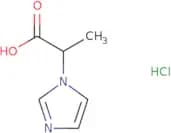
CAS:<p>Versatile small molecule scaffold</p>Formula:C11H15NO4Purity:Min. 95%Molecular weight:225.24 g/mol2-Imidazol-1-yl-propionic acidhydrochloride
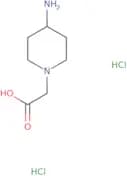
CAS:<p>Versatile small molecule scaffold</p>Formula:C6H9ClN2O2Purity:Min. 95%Molecular weight:176.6 g/mol2-(4-Aminopiperidin-1-yl)acetic acid dihydrochloride
CAS:<p>Versatile small molecule scaffold</p>Formula:C7H16Cl2N2O2Purity:Min. 95%Molecular weight:231.12 g/mol2-[(2-Aminophenyl)sulfanyl]acetamide
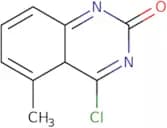
CAS:<p>Versatile small molecule scaffold</p>Formula:C8H10N2OSPurity:Min. 95%Molecular weight:182.25 g/mol4-chloro-5-methylquinazoline
CAS:<p>Versatile small molecule scaffold</p>Formula:C9H7ClN2Purity:Min. 95%Molecular weight:178.62 g/mol2-Chloro-N-[4-(furan-2-yl)-1,3-thiazol-2-yl]acetamide
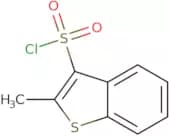
CAS:<p>Versatile small molecule scaffold</p>Formula:C9H7ClN2O2SPurity:Min. 95%Molecular weight:242.68 g/mol2-Methyl-1-benzothiophene-3-sulfonyl chloride
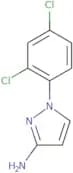
CAS:<p>Versatile small molecule scaffold</p>Formula:C9H7ClO2S2Purity:Min. 95%Molecular weight:246.7 g/mol1-(2,4-Dichlorophenyl)-1H-pyrazol-3-amine
CAS:<p>Versatile small molecule scaffold</p>Formula:C9H7Cl2N3Purity:Min. 95%Molecular weight:228.07 g/mol2-[(4-Cyanophenyl)formamido]acetic acid
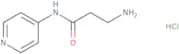
CAS:<p>2-[(4-Cyanophenyl)formamido]acetic acid is a secondary metabolite that is found in plants. It has been isolated from the leaves of the plant, Aerva lanata. 2-[(4-Cyanophenyl)formamido]acetic acid has been used as an analytical standard and as a reference material for quality control testing in the pharmaceutical industry. This compound is also being studied for its bioactive properties, including anti-inflammatory and antimicrobial activities.</p>Formula:C10H8N2O3Purity:Min. 95%Molecular weight:204.18 g/mol3-Amino-N-(pyridin-4-yl)propanamide hydrochloride
CAS:<p>Versatile small molecule scaffold</p>Formula:C8H12ClN3OPurity:Min. 95%Molecular weight:201.65 g/mol2-Chloro-N-[4-(4-fluorobenzenesulfonyl)phenyl]acetamide
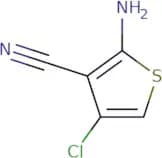
CAS:<p>Versatile small molecule scaffold</p>Formula:C14H11ClFNO3SPurity:Min. 95%Molecular weight:327.8 g/mol2-Amino-4-chlorothiophene-3-carbonitrile
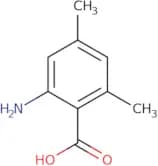
CAS:<p>Versatile small molecule scaffold</p>Formula:C5H3ClN2SPurity:Min. 95%Molecular weight:158.61 g/mol2-Amino-4,6-dimethylbenzoic acid
CAS:<p>Versatile small molecule scaffold</p>Formula:C9H11NO2Purity:Min. 95%Molecular weight:165.19 g/mol2-Amino-3-methoxy-6-methylbenzoic acid
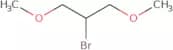
CAS:<p>Versatile small molecule scaffold</p>Formula:C9H11NO3Purity:Min. 95%Molecular weight:181.19 g/mol2-Bromo-1,3-dimethoxypropane
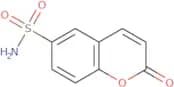
CAS:<p>Versatile small molecule scaffold</p>Formula:C5H11BrO2Purity:Min. 95%Molecular weight:183.04 g/mol2-Oxo-2H-chromene-6-sulfonamide
CAS:<p>2-Oxo-2H-chromene-6-sulfonamide is a coumarin derivative that has been shown to have pro-apoptotic properties. It induces apoptosis, or programmed cell death, in hepg2 cells by inhibiting the synthesis of proteins that are necessary for the growth and survival of cancer cells. 2-Oxo-2H-chromene-6-sulfonamide also inhibits the function of annexin and mcf7, two proteins involved in apoptosis. This drug has been shown to be effective against breast cancer cells in vitro. In addition, 2-Oxo-2H-chromene-6-sulfonamide has been found to inhibit the growth of human ovarian cancer cells in vivo. The toxicity studies on this drug have not yet been conducted on humans; therefore, it is not approved for use as a therapeutic agent.</p>Formula:C9H7NO4SPurity:Min. 95%Molecular weight:225.22 g/mol7-Amino-2-hydroxy-1,8-naphthyridine-4-carboxylic acid
CAS:<p>Versatile small molecule scaffold</p>Formula:C9H7N3O3Purity:Min. 95%Molecular weight:205.17 g/mol1-Methyl-2-sulfanyl-1H-1,3-benzodiazole-5-carbonitrile
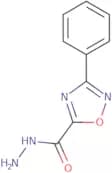
CAS:<p>Versatile small molecule scaffold</p>Formula:C9H7N3SPurity:Min. 95%Molecular weight:189.24 g/mol3-Phenyl-1,2,4-oxadiazole-5-carbohydrazide
CAS:<p>Phenyl-1,2,4-oxadiazole-5-carbohydrazide (POD) is a heterocycle that has analgesic properties. It is an analgesic agent that belongs to the group of arylidene hydrazides. POD binds to the opioid receptors in the brain, which causes pain relief. POD is structurally related to dipyrone and has similar pharmacological profile. The drug was shown to be effective in reducing constrictions in guinea pigs and rats.</p>Formula:C9H8N4O2Purity:Min. 95%Molecular weight:204.19 g/molEthyl 7-hydroxypteridine-6-carboxylate
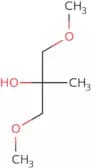
CAS:<p>Versatile small molecule scaffold</p>Formula:C9H8N4O3Purity:Min. 95%Molecular weight:220.18 g/mol1-Methoxy-2-(methoxymethyl)propan-2-ol
CAS:<p>Versatile small molecule scaffold</p>Formula:C6H14O3Purity:Min. 95%Molecular weight:134.17 g/mol1-(5-Bromo-2-methylphenyl)ethanone
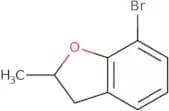
CAS:<p>1-(5-Bromo-2-methylphenyl)ethanone is an aldehyde that is used in the treatment of cancer. It has been shown to have cytotoxic effects on tumour cells by inhibiting the process of mitosis, which is required for cell division. 1-(5-Bromo-2-methylphenyl)ethanone binds to kinesin and prevents it from binding to microtubules, which are necessary for mitosis. 1-(5-Bromo-2-methylphenyl)ethanone also inhibits the production of ATP, which is needed for cellular energy. 1-(5-Bromo-2-methylphenyl)ethanone has not been shown to be mutagenic or carcinogenic.</p>Formula:C9H9BrOPurity:Min. 95%Molecular weight:213.07 g/mol7-Bromo-2-methyl-2,3-dihydro-1-benzofuran
CAS:<p>Versatile small molecule scaffold</p>Formula:C9H9BrOPurity:Min. 95%Molecular weight:213.07 g/mol5-bromo-2-methoxy-4-methylbenzoic acid
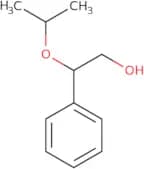
CAS:Versatile small molecule scaffoldFormula:C9H9BrO3Purity:Min. 95%Molecular weight:245.1 g/mol2-Phenyl-2-(propan-2-yloxy)ethan-1-ol
CAS:<p>Versatile small molecule scaffold</p>Formula:C11H16O2Purity:Min. 95%Molecular weight:180.24 g/mol2-Amino-1-(pyridin-2-yl)ethan-1-ol dihydrochloride
CAS:<p>Versatile small molecule scaffold</p>Formula:C7H10N2O·2HClPurity:Min. 95%Molecular weight:211.09 g/mol2-Amino-1-(pyridin-4-yl)ethanol dihydrochloride
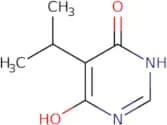
CAS:<p>Versatile small molecule scaffold</p>Formula:C7H10N2O·2HClPurity:Min. 95%Molecular weight:211.09 g/mol6-Hydroxy-5-(propan-2-yl)-3,4-dihydropyrimidin-4-one
CAS:<p>Versatile small molecule scaffold</p>Formula:C7H10N2O2Purity:Min. 95%Molecular weight:154.2 g/mol3-Methanesulfinylbenzoic acid
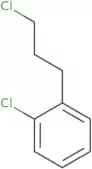
CAS:<p>3-Methanesulfinylbenzoic acid is an active site molecule that catalyzes the demethylation of alkylamines, amides, and cyclic sulfur compounds. The enzyme has been shown to have monooxygenase activity and can be biotransformed by various reactions including n-oxide formation, hydroxylation, sulfoxidation, and deamination. 3-Methanesulfinylbenzoic acid is a bacterial enzyme that has been crystallized in the x-ray crystal structures of both oxidized and reduced forms. The enzyme functions as a homodimer with a molecular weight of approximately 67 kDa.</p>Formula:C8H8O3SPurity:Min. 95%Molecular weight:184.21 g/mol1-Chloro-2-(3-chloropropyl)benzene
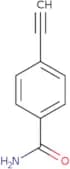
CAS:<p>Versatile small molecule scaffold</p>Formula:C9H10Cl2Purity:Min. 95%Molecular weight:189.08 g/mol4-Ethynylbenzamide
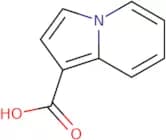
CAS:<p>4-Ethynylbenzamide is a synthetic compound that serves as an antibiotic. It is biosynthesized from the amino acid phenylalanine and the polyacetylene 4-hydroxyphenylacetone. The antibiotic activity of 4-Ethynylbenzamide has been demonstrated against gram-negative pathogens. The antibiotic inhibits bacterial growth by binding to the ribosomal protein S12, preventing its association with the 30S subunit of the ribosome and blocking protein synthesis. 4-Ethynylbenzamide also inhibits cell wall synthesis in gram-positive bacteria by binding to penicillin binding proteins, inhibiting transpeptidation and cell wall biosynthesis.</p>Formula:C9H7NOPurity:Min. 95%Molecular weight:145.16 g/molIndolizine-1-carboxylic acid
CAS:<p>Indolizine-1-carboxylic acid (IDCA) is an antimicrobial agent that inhibits bacterial growth by interfering with the synthesis of proteins. IDCA is a fluorescent compound that can be detected using fluorescence spectroscopy. This drug has been shown to have potent cytotoxic effects against cancer cells, as well as antibacterial activity against Staphylococcus aureus and other bacteria.</p>Formula:C9H7NO2Purity:Min. 95%Molecular weight:161.16 g/mol3-(2,2-Dichlorovinyl)-4-methylphenol
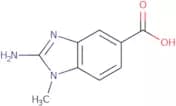
CAS:<p>Versatile small molecule scaffold</p>Formula:C9H8Cl2OPurity:Min. 95%Molecular weight:203.06 g/mol2-Amino-1-methyl-1H-1,3-benzodiazole-5-carboxylic acid
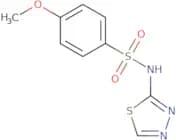
CAS:<p>Versatile small molecule scaffold</p>Formula:C9H9N3O2Purity:Min. 95%Molecular weight:191.19 g/mol4-Methoxy-N-(1,3,4-thiadiazol-2-yl)benzene-1-sulfonamide
CAS:<p>Versatile small molecule scaffold</p>Formula:C9H9N3O3S2Purity:Min. 95%Molecular weight:271.3 g/mol1-Bromo-2-chloro-4-(propan-2-yl)benzene
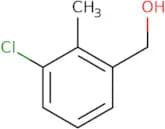
CAS:<p>Versatile small molecule scaffold</p>Formula:C9H10BrClPurity:Min. 95%Molecular weight:233.53 g/mol3-Chloro-2-methylbenzyl alcohol
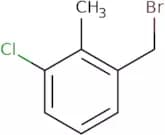
CAS:<p>Versatile small molecule scaffold</p>Formula:C8H9ClOPurity:Min. 95%Molecular weight:156.61 g/mol3-chloro-2-methylbenzyl bromide
CAS:<p>Versatile small molecule scaffold</p>Formula:C8H8BrClPurity:Min. 95%Molecular weight:219.51 g/mol6-Methyl-2H-benzo[e][1,2,4]thiadiazin-3(4H)-one 1,1-dioxide
CAS:<p>Versatile small molecule scaffold</p>Formula:C8H8N2O3SPurity:Min. 95%Molecular weight:212.23 g/molMethyl 2-[(1-methoxy-1-oxopropan-2-yl)sulfanyl]propanoate
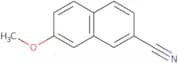
CAS:<p>Versatile small molecule scaffold</p>Formula:C8H14O4SPurity:Min. 95%Molecular weight:206.26 g/mol7-Methoxynaphthalene-2-carbonitrile
CAS:<p>Versatile small molecule scaffold</p>Formula:C12H9NOPurity:Min. 95%Molecular weight:183.21 g/mol[(3,4-Dichlorophenyl)methyl](ethyl)amine hydrochloride
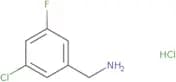
CAS:<p>Versatile small molecule scaffold</p>Formula:C9H12Cl3NPurity:Min. 95%Molecular weight:240.6 g/mol3-Chloro-5-fluorobenzylamine hydrochloride
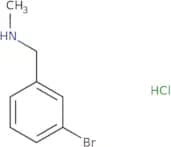
CAS:<p>Versatile small molecule scaffold</p>Formula:C7H8Cl2FNPurity:Min. 95%Molecular weight:196.05 g/molN-Methyl-3-bromobenzylamine hydrochloride
CAS:<p>Versatile small molecule scaffold</p>Formula:C8H10BrN·HClPurity:Min. 95%Molecular weight:236.54 g/mol[(2-Bromophenyl)methyl](ethyl)amine hydrochloride
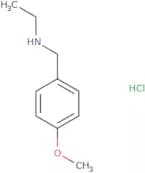
CAS:<p>Versatile small molecule scaffold</p>Formula:C9H13BrClNPurity:Min. 95%Molecular weight:250.56 g/molN-Ethyl 4-methoxybenzylamine HCl
CAS:<p>Versatile small molecule scaffold</p>Formula:C10H15NO·HClPurity:Min. 95%Molecular weight:201.7 g/molN-(4-Methoxybenzyl)-1-propanamine hydrochloride
CAS:<p>Versatile small molecule scaffold</p>Formula:C11H17NOPurity:Min. 95%Molecular weight:179.26 g/molN-(3-Chlorophenylmethyl)isopropylamine
CAS:<p>Versatile small molecule scaffold</p>Formula:C10H14ClNPurity:Min. 95%Molecular weight:183.68 g/molN-Ethyl-3-bromobenzylamine
CAS:<p>Versatile small molecule scaffold</p>Formula:C9H12BrNPurity:Min. 95%Molecular weight:214.11 g/mol3-[(Butylamino)methyl]benzonitrile
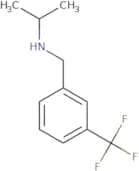
CAS:<p>Versatile small molecule scaffold</p>Formula:C12H16N2Purity:Min. 95%Molecular weight:188.27 g/molIsopropyl-(3-trifluoromethyl-benzyl)-amine
CAS:<p>Versatile small molecule scaffold</p>Formula:C11H14F3NPurity:Min. 95%Molecular weight:217.23 g/mol[(3,5-Difluorophenyl)methyl](methyl)amine
CAS:<p>Versatile small molecule scaffold</p>Formula:C8H9F2NPurity:Min. 95%Molecular weight:157.16 g/mol6-Chlorothiochroman-4-one 1,1-dioxide
CAS:<p>Versatile small molecule scaffold</p>Formula:C9H7ClO3SPurity:Min. 95%Molecular weight:230.67 g/mol5-(Benzyloxy)-1,2,3,4-tetrahydronaphthalen-1-one
CAS:<p>5-(Benzyloxy)-1,2,3,4-tetrahydronaphthalen-1-one is a synthetic tetralone that has been shown to have both estrogenic and antiestrogenic properties. It is an efficient substrate for phosphatases such as protein tyrosine phosphatase (PTP) and can be used in the study of these enzymes. 5-(Benzyloxy)-1,2,3,4-tetrahydronaphthalen-1-one is also a natural product that can be found in plants and animals. The compound's synthesis begins with the reaction of 5 hydroxybenzaldehyde with 1,2,3,4 tetrahydronaphthalene in dioxane under refluxing conditions. This process produces two products: the desired 5-(benzyloxy)-1,2,3,4-tetrahydronaphthalen-1-one and 1-(ben</p>Formula:C17H16O2Purity:Min. 95%Molecular weight:252.31 g/molN,N-Dimethyl-1-[(5-oxo-5,6,7,8-tetrahydronaphthalen-2-yl)sulfanyl]formamide
CAS:<p>Versatile small molecule scaffold</p>Formula:C13H15NO2SPurity:Min. 95%Molecular weight:249.33 g/mol7-chloro-benzo[b]thiophene
CAS:<p>7-Chloro-benzo[b]thiophene is a nicotinic acetylcholine receptor antagonist that binds to the receptor and blocks its activation. 7-Chloro-benzo[b]thiophene has been shown to be effective in treating Alzheimer's disease in humans, as well as ameliorating the symptoms of schizophrenia in animals. It has also been shown to bind to acetylcholine receptors with high affinity. This drug is an amide derivative of mercaptoacetic acid and an acetylcholine molecule. 7-Chloro-benzo[b]thiophene binds to the receptor at the site where acetylcholine would normally bind, and blocks its activation by preventing the binding of acetylcholine molecules.</p>Formula:C8H5ClSPurity:Min. 95%Molecular weight:168.64 g/mol2-Bromo-3-nitrobenzyl alcohol
CAS:<p>2-Bromo-3-nitrobenzyl alcohol is a lysergic acid derivative that undergoes an intramolecular cyclisation to form a triamide. This reaction can be catalysed by phosphoric acid, chloroform, or mercaptoacetic acid. The hydroxyl group and nitro group are both nucleophilic, making this reaction very useful in organic synthesis. 2-Bromo-3-nitrobenzyl alcohol has been used to synthesise dihydroindoles with high yield.</p>Formula:C7H6NO3BrPurity:Min. 95%Molecular weight:232.03 g/mol2-Bromo-3-nitrobenzonitrile
CAS:<p>Versatile small molecule scaffold</p>Formula:C7H3BrN2O2Purity:Min. 95%Molecular weight:227.01 g/mol5,7-Dibromo-1-benzofuran-2-carboxylic acid
CAS:<p>Versatile small molecule scaffold</p>Formula:C9H4Br2O3Purity:Min. 95%Molecular weight:319.93 g/molPropan-2-yl 5-(chloromethyl)furan-2-carboxylate
CAS:<p>Versatile small molecule scaffold</p>Formula:C9H11ClO3Purity:Min. 95%Molecular weight:202.63 g/mol2-Methoxy-4,5-dimethyl-benzenesulfonyl chloride
CAS:<p>Versatile small molecule scaffold</p>Formula:C9H11ClO3SPurity:Min. 95%Molecular weight:234.7 g/mol3-Aminoquinolin-8-ol
CAS:Versatile small molecule scaffoldFormula:C9H8N2OPurity:Min. 95%Molecular weight:160.17 g/mol6-amino-1H-indole-3-carboxylic acid
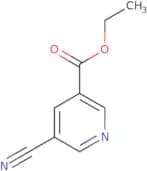
CAS:<p>Versatile small molecule scaffold</p>Formula:C9H8N2O2Purity:Min. 95%Molecular weight:176.17 g/molEthyl 5-cyanonicotinate
CAS:<p>Versatile small molecule scaffold</p>Formula:C9H8N2O2Purity:Min. 95%Molecular weight:176.17 g/mol1,5-Naphthyridine-3-carboxylic acid
CAS:<p>1,5-Naphthyridine-3-carboxylic acid is a member of the group of alkylthio antibiotics. It is mainly used as an antibacterial to treat bacterial infections in the respiratory tract and urinary tract. It has been shown to be effective against gram-positive organisms such as Staphylococcus aureus and Streptococcus pneumoniae. However, it is not active against gram-negative bacteria such as Escherichia coli or Pseudomonas aeruginosa. 1,5-Naphthyridine-3-carboxylic acid can be detected in urine with a high sensitivity, which makes it useful for diagnosis. This compound has been shown to have a benzodiazepine structure with some structural differences. The addition of dimethylformamide to this compound enhances its activity against certain Gram positive organisms such as staphylococci and streptococci.</p>Formula:C9H6N2O2Purity:Min. 95%Molecular weight:174.16 g/mol1-Isocyanato-2-(2-methoxyethoxy)ethane
CAS:<p>Versatile small molecule scaffold</p>Formula:C6H11NO3Purity:Min. 95%Molecular weight:145.16 g/mol4-Formyl-6-methoxy-3-nitrophenoxyacetic acid
CAS:<p>4-Formyl-6-methoxy-3-nitrophenoxyacetic acid is a photolabile formylated nitrophenol that is used to study the formation of concentration gradients across cell membranes. 4-Formyl-6-methoxy-3-nitrophenoxyacetic acid has been found to react with proton gradients and formyl groups in the membrane, which produces formaldehyde. The reaction mechanism for this process is not well understood, but it has been proposed that the reaction proceeds through a transducing step in which an electron from the formyl group reacts with a proton gradient to produce a formate ion. This mechanism is supported by experiments that show that the rate of photochemical reactions increases as the pH gradient across the membrane decreases.</p>Formula:C10H9NO7Purity:Min. 95%Molecular weight:255.18 g/mol5-(4-Fluorophenyl)pyrrolidin-2-one
CAS:<p>Versatile small molecule scaffold</p>Formula:C10H10FNOPurity:Min. 95%Molecular weight:179.19 g/mol2-(3-Bromophenyl)-2-methylpropanenitrile
CAS:Versatile small molecule scaffoldFormula:C10H10BrNPurity:Min. 95%Molecular weight:224.1 g/mol3-Iodo-N-methylbenzamide
CAS:<p>Versatile small molecule scaffold</p>Formula:C8H8INOPurity:Min. 95%Molecular weight:261.06 g/mol1-(Bromomethyl)-2-methoxy-4-nitrobenzene
CAS:<p>Versatile small molecule scaffold</p>Formula:C8H8BrNO3Purity:Min. 95%Molecular weight:246.06 g/mol2-Methyl-2-[(propan-2-yl)amino]propan-1-ol
CAS:<p>Versatile small molecule scaffold</p>Formula:C7H17NOPurity:Min. 95%Molecular weight:131.22 g/moltert-Butyl 3-hydroxybutanoate
CAS:<p>Tert-Butyl 3-hydroxybutanoate is a fatty acid that is found in the mitochondrial matrix. It is an enolate anion, which can be formed by the reaction of an alcohol with an enolate ion. Tert-Butyl 3-hydroxybutanoate has also been shown to have diastereomeric properties. The natural compound tert-butyl 3-hydroxybutanoate has potential use as a respiratory control agent due to its ability to inhibit glutamate from binding to glutamate receptors in lung cells. This may lead to a decreased production of reactive oxygen species and improved respiratory function.</p>Formula:C8H16O3Purity:Min. 95%Molecular weight:160.21 g/mol4-Chloro-1-(piperidin-1-yl)butan-1-one
CAS:<p>Versatile small molecule scaffold</p>Formula:C9H16ClNOPurity:Min. 95%Molecular weight:189.68 g/mol4-Methyl-2-morpholin-4-ylthiazole-5-carbaldehyde
CAS:<p>Versatile small molecule scaffold</p>Formula:C9H12N2O2SPurity:Min. 95%Molecular weight:212.27 g/mol1-Chloromethanesulfonylpiperidine
CAS:<p>Versatile small molecule scaffold</p>Formula:C6H12ClNO2SPurity:Min. 95%Molecular weight:197.68 g/molrac-(1R,2R)-2-[(tert-Butyldimethylsilyl)oxy]cyclohexane-1-carbaldehyde
CAS:<p>Versatile small molecule scaffold</p>Formula:C13H26O2SiPurity:Min. 95%Molecular weight:242.4 g/mol1-[(tert-Butoxy)carbonyl]-1,2,3,6-tetrahydropyridine-2-carboxylic acid
CAS:<p>Versatile small molecule scaffold</p>Formula:C11H17NO4Purity:Min. 95%Molecular weight:227.3 g/mol1-(Azepan-1-yl)-2-(piperazin-1-yl)propan-1-one
CAS:Controlled Product<p>Versatile small molecule scaffold</p>Formula:C13H25N3OPurity:Min. 95%Molecular weight:239.36 g/mol2-Chloro-N,N-bis(propan-2-yl)propanamide
CAS:<p>Versatile small molecule scaffold</p>Formula:C9H18ClNOPurity:Min. 95%Molecular weight:191.7 g/mol1-Cyclopropylpentane-1,3-dione
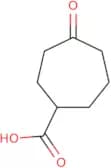
CAS:<p>Versatile small molecule scaffold</p>Formula:C8H12O2Purity:Min. 95%Molecular weight:140.18 g/mol4-Oxocycloheptane-1-carboxylic acid
CAS:<p>Versatile small molecule scaffold</p>Formula:C8H12O3Purity:Min. 95%Molecular weight:156.18 g/molEthyl 2-oxabicyclo[3.1.0]hexane-6-carboxylate
CAS:<p>Versatile small molecule scaffold</p>Formula:C8H12O3Purity:Min. 95%Molecular weight:156.18 g/mol3-Azabicyclo[3.3.1]nonan-9-ol
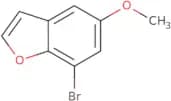
CAS:<p>Versatile small molecule scaffold</p>Formula:C8H15NOPurity:Min. 95%Molecular weight:141.21 g/mol7-Bromo-5-methoxy-1-benzofuran
CAS:<p>7-Bromo-5-methoxy-1-benzofuran is a drug that belongs to the group of nootropics, which are drugs that have the ability to enhance cognitive and intellectual functions. This drug has been shown to have regenerative and medicament effects on nerve cells and neurological disorders such as Parkinson's disease. 7-Bromo-5-methoxy-1-benzofuran has been shown to be a nootropic agent in animal studies. It has been shown to increase the activity of nerve cells by preventing the degeneration of neurons in rats with experimentally induced spinal cord injury. 7-Bromo-5-methoxy-1-benzofuran also enhances learning abilities in mice with experimentally induced Alzheimer's disease.</p>Formula:C9H7BrO2Purity:Min. 95%Molecular weight:227.05 g/molmethyl 2-bromo-4-formylbenzoate
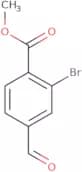
CAS:Versatile small molecule scaffoldFormula:C9H7BrO3Purity:Min. 95%Molecular weight:243.1 g/mol1-(4-Bromophenyl)propan-1-amine hydrochloride
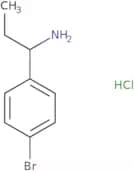
CAS:Versatile small molecule scaffoldFormula:C9H13BrClNPurity:Min. 95%Molecular weight:250.56 g/mol3-Ethylpiperazin-2-one
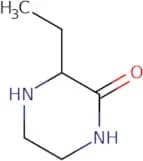
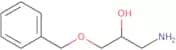
CAS:<p>Versatile small molecule scaffold</p>Formula:C6H12N2OPurity:Min. 95%Molecular weight:128.17 g/mol1-Amino-3-benzyloxy-propan-2-ol
CAS:<p>Versatile small molecule scaffold</p>Formula:C10H15NO2Purity:Min. 95%Molecular weight:181.24 g/mol

![2-[(2-Aminophenyl)sulfanyl]acetamide](/_next/image/?url=https%3A%2Fstatic.cymitquimica.com%2Fproducts%2F3D%2Fthumb-webp%2FQDA27133.webp&w=3840&q=75)
![2-Chloro-N-[4-(furan-2-yl)-1,3-thiazol-2-yl]acetamide](/_next/image/?url=https%3A%2Fstatic.cymitquimica.com%2Fproducts%2F3D%2Fthumb-webp%2FQDA27300.webp&w=3840&q=75)
![2-[(4-Cyanophenyl)formamido]acetic acid](/_next/image/?url=https%3A%2Fstatic.cymitquimica.com%2Fproducts%2F3D%2Fthumb-webp%2FQDA29083.webp&w=3840&q=75)
![2-Chloro-N-[4-(4-fluorobenzenesulfonyl)phenyl]acetamide](/_next/image/?url=https%3A%2Fstatic.cymitquimica.com%2Fproducts%2F3D%2Fthumb-webp%2FQDA30940.webp&w=3840&q=75)











![6-Methyl-2H-benzo[e][1,2,4]thiadiazin-3(4H)-one 1,1-dioxide](/_next/image/?url=https%3A%2Fstatic.cymitquimica.com%2Fproducts%2F3D%2Fthumb-webp%2FQDA37046.webp&w=3840&q=75)
![Methyl 2-[(1-methoxy-1-oxopropan-2-yl)sulfanyl]propanoate](/_next/image/?url=https%3A%2Fstatic.cymitquimica.com%2Fproducts%2F3D%2Fthumb-webp%2FQDA37117.webp&w=3840&q=75)
amine hydrochloride](/_next/image/?url=https%3A%2Fstatic.cymitquimica.com%2Fproducts%2F3D%2Fthumb-webp%2FQDA38920.webp&w=3840&q=75)
amine hydrochloride](/_next/image/?url=https%3A%2Fstatic.cymitquimica.com%2Fproducts%2F3D%2Fthumb-webp%2FQDA38952.webp&w=3840&q=75)


![3-[(Butylamino)methyl]benzonitrile](/_next/image/?url=https%3A%2Fstatic.cymitquimica.com%2Fproducts%2F3D%2Fthumb-webp%2FQDA39000.webp&w=3840&q=75)
amine](/_next/image/?url=https%3A%2Fstatic.cymitquimica.com%2Fproducts%2F3D%2Fthumb-webp%2FQDA39028.webp&w=3840&q=75)


![N,N-Dimethyl-1-[(5-oxo-5,6,7,8-tetrahydronaphthalen-2-yl)sulfanyl]formamide](/_next/image/?url=https%3A%2Fstatic.cymitquimica.com%2Fproducts%2F3D%2Fthumb-webp%2FQDA40189.webp&w=3840&q=75)
![7-chloro-benzo[b]thiophene](/_next/image/?url=https%3A%2Fstatic.cymitquimica.com%2Fproducts%2F3D%2Fthumb-webp%2FQDA40714.webp&w=3840&q=75)




![2-Methyl-2-[(propan-2-yl)amino]propan-1-ol](/_next/image/?url=https%3A%2Fstatic.cymitquimica.com%2Fproducts%2F3D%2Fthumb-webp%2FQDA43444.webp&w=3840&q=75)


![rac-(1R,2R)-2-[(tert-Butyldimethylsilyl)oxy]cyclohexane-1-carbaldehyde](/_next/image/?url=https%3A%2Fstatic.cymitquimica.com%2Fproducts%2F3D%2Fthumb-webp%2FQDA46060.webp&w=3840&q=75)
![1-[(tert-Butoxy)carbonyl]-1,2,3,6-tetrahydropyridine-2-carboxylic acid](/_next/image/?url=https%3A%2Fstatic.cymitquimica.com%2Fproducts%2F3D%2Fthumb-webp%2FQDA47144.webp&w=3840&q=75)


![Ethyl 2-oxabicyclo[3.1.0]hexane-6-carboxylate](/_next/image/?url=https%3A%2Fstatic.cymitquimica.com%2Fproducts%2F3D%2Fthumb-webp%2FQDA48242.webp&w=3840&q=75)
![3-Azabicyclo[3.3.1]nonan-9-ol](/_next/image/?url=https%3A%2Fstatic.cymitquimica.com%2Fproducts%2F3D%2Fthumb-webp%2FQDA48313.webp&w=3840&q=75)