Building Blocks
This section contains fundamental products for the synthesis of organic and biological compounds. Building blocks are the essential starting materials used to construct complex molecules through various chemical reactions. They play a critical role in drug discovery, material science, and chemical research. At CymitQuimica, we offer a diverse range of high-quality building blocks to support your innovative research and industrial projects, ensuring you have the essential components for successful synthesis.
Subcategories of "Building Blocks"
- Boronic Acids & Boronic Acid Derivatives(5,756 products)
- Chiral Building Blocks(1,242 products)
- Hydrocarbon Building Blocks(6,093 products)
- Organic Building Blocks(60,529 products)
Found 195536 products of "Building Blocks"
Sort by
Purity (%)
0
100
|
0
|
50
|
90
|
95
|
100
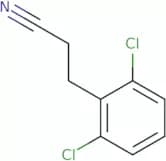
3-(2,6-Dichlorophenyl)propanenitrile
CAS:<p>Versatile small molecule scaffold</p>Formula:C9H7Cl2NPurity:Min. 95%Molecular weight:200.06 g/mol3-(2-Bromophenyl)propanenitrile
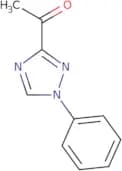
CAS:<p>Versatile small molecule scaffold</p>Formula:C9H8BrNPurity:Min. 95%Molecular weight:210.07 g/mol1-(1-Phenyl-1H-1,2,4-triazol-3-yl)ethan-1-one
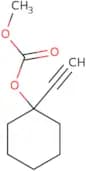
CAS:<p>Versatile small molecule scaffold</p>Formula:C10H9N3OPurity:Min. 95%Molecular weight:187.2 g/mol1-Ethynylcyclohexyl methyl carbonate
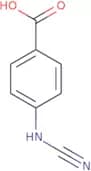
CAS:<p>Versatile small molecule scaffold</p>Formula:C10H14O3Purity:Min. 95%Molecular weight:182.22 g/mol4-(Cyanoamino)benzoic acid
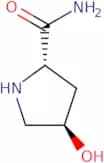
CAS:<p>Versatile small molecule scaffold</p>Formula:C8H6N2O2Purity:Min. 95%Molecular weight:162.15 g/mol(2S,4R)-4-hydroxypyrrolidine-2-carboxamide
CAS:<p>Versatile small molecule scaffold</p>Formula:C5H10N2O2Purity:Min. 95%Molecular weight:130.15 g/mol1-Benzyl-1H,2H,3H-imidazo[4,5-c]pyridin-2-one
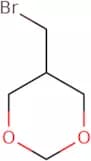
CAS:<p>Versatile small molecule scaffold</p>Formula:C13H11N3OPurity:Min. 95%Molecular weight:225.25 g/mol5-(Bromomethyl)-1,3-dioxane
CAS:<p>Versatile small molecule scaffold</p>Formula:C5H9BrO2Purity:Min. 95%Molecular weight:181.03 g/mol2-(Propan-2-yl)benzene-1-sulfonyl chloride
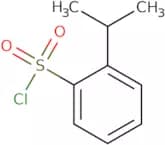
CAS:<p>2-(Propan-2-yl)benzene-1-sulfonyl chloride is a monosubstituted, haloalkyl sulfonamide that blocks the dopamine D3 receptor. It has been shown to be effective in the treatment of Parkinson's disease (PD). 2-(Propan-2-yl)benzene-1-sulfonyl chloride binds to the dopamine D3 receptor and inhibits binding of dopamine, thereby blocking the effects of dopamine on the central nervous system. This drug has also been used as a positron emission tomography (PET) radiotracer to identify regional cerebral blood flow in patients with PD.</p>Formula:C9H11ClO2SPurity:Min. 95%Molecular weight:218.7 g/mol5-Hydroxycyclooctan-1-one
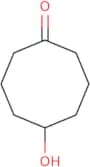
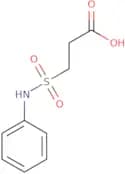
CAS:<p>5-Hydroxycyclooctan-1-one is a reactive, inorganic compound that can be used to induce conformational and/or shift changes in proteins. It has been shown to react with thiol groups of cysteine residues on proteins and undergo hydride transfer reactions with metal carbene complexes. 5-Hydroxycyclooctan-1-one is a potential biomolecular probe for the study of protein dynamics and conformational changes, as well as being an excellent reactive intermediate in organic synthesis. The activation energy for this reaction is</p>Formula:C8H14O2Purity:Min. 95%Color and Shape:PowderMolecular weight:142.2 g/mol3-(Phenylsulfamoyl)propanoic acid
CAS:<p>Versatile small molecule scaffold</p>Formula:C9H11NO4SPurity:Min. 95%Molecular weight:229.26 g/mol4H,6H,7H-Thiopyrano[4,3-d][1,3]thiazol-2-amine
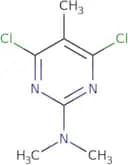
CAS:<p>Versatile small molecule scaffold</p>Formula:C6H8N2S2Purity:Min. 95%Molecular weight:172.3 g/mol4,6-Dichloro-N,N,5-trimethylpyrimidin-2-amine
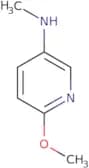
CAS:<p>Versatile small molecule scaffold</p>Formula:C7H9Cl2N3Purity:Min. 95%Molecular weight:206.07 g/mol(6-Methoxy-pyridin-3-yl)-methyl-amine
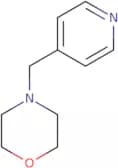
CAS:<p>Versatile small molecule scaffold</p>Formula:C7H10N2OPurity:Min. 95%Molecular weight:138.17 g/mol4-(Pyridin-4-ylmethyl)morpholine
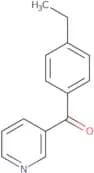
CAS:<p>Versatile small molecule scaffold</p>Formula:C10H14N2OPurity:Min. 95%Molecular weight:178.23 g/mol3-(4-Ethylbenzoyl)pyridine
CAS:<p>Versatile small molecule scaffold</p>Formula:C14H13NOPurity:Min. 95%Molecular weight:211.26 g/mol3-[4-(Propan-2-yl)benzoyl]pyridine
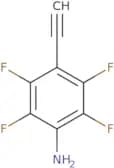
CAS:<p>Versatile small molecule scaffold</p>Formula:C15H15NOPurity:Min. 95%Molecular weight:225.28 g/mol4-Ethynyl-2,3,5,6-tetrafluoroaniline
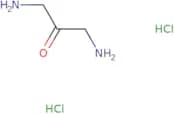
CAS:<p>Versatile small molecule scaffold</p>Formula:C8H3F4NPurity:Min. 95%Molecular weight:189.11 g/mol1,3-Diaminopropan-2-one dihydrochloride
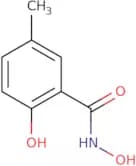
CAS:<p>Versatile small molecule scaffold</p>Formula:C3H10Cl2N2OPurity:90%MinMolecular weight:161.03 g/molN,2-Dihydroxy-5-methylbenzamide
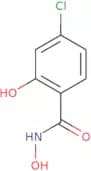
CAS:<p>Versatile small molecule scaffold</p>Formula:C8H9NO3Purity:Min. 95%Molecular weight:167.16 g/mol4-Chloro-N,2-dihydroxybenzamide
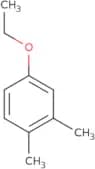
CAS:<p>Versatile small molecule scaffold</p>Formula:C7H6ClNO3Purity:Min. 95%Molecular weight:187.58 g/mol4-Ethoxy-1,2-dimethylbenzene
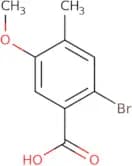
CAS:<p>Versatile small molecule scaffold</p>Formula:C10H14OPurity:Min. 95%Molecular weight:150.22 g/mol2-Bromo-5-methoxy-4-methylbenzoic acid
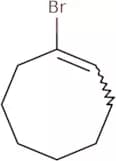
CAS:<p>Versatile small molecule scaffold</p>Formula:C9H9BrO3Purity:Min. 95%Molecular weight:245.07 g/mol(1E)-1-Bromocyclooct-1-ene
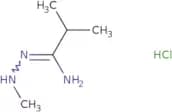
CAS:<p>(1E)-1-Bromocyclooct-1-ene is a ligand that binds to the central metal ions in an inorganic compound. This ligand stabilizes the intermediate formed during cross-coupling reactions, which are used to synthesize organic compounds with complex structures. The kinetic of cyclooctyne and chiral compounds can be accelerated by this ligand, which is also used in polymer synthesis.</p>Formula:C8H13BrPurity:Min. 95%Molecular weight:189.09 g/mol2-Methyl-N-(methylamino)propanimidamide hydrochloride
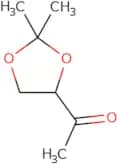
CAS:<p>Versatile small molecule scaffold</p>Formula:C5H14ClN3Purity:Min. 95%Molecular weight:151.64 g/mol(R)-1-(2,2-Dimethyl-1,3-dioxolan-4-yl)ethanone
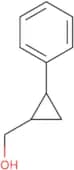
CAS:<p>Versatile small molecule scaffold</p>Formula:C7H12O3Purity:Min. 95%Molecular weight:144.17 g/mol(2-Phenylcyclopropyl)methanol
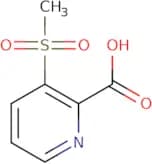
CAS:<p>(2-Phenylcyclopropyl)methanol is an optically pure, chiral reagent that can be used to synthesize cinnamyl alcohols and other enantiomers. (2-Phenylcyclopropyl)methanol has been shown to react with monomers in a cross-linking reaction to produce polymers of various lengths and molecular weights. This compound is also reactive, which means it can be used as a reagent in experiments. It can also be used as an intermediate for the synthesis of other compounds. (2-Phenylcyclopropyl)methanol is sensitive to light, so should be stored in the dark or under inert atmosphere conditions.</p>Formula:C10H12OPurity:Min. 95%Molecular weight:148.2 g/mol3-Methanesulfonylpyridine-2-carboxylic acid
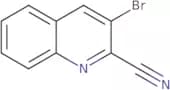
CAS:<p>Versatile small molecule scaffold</p>Formula:C7H7NO4SPurity:Min. 95%Molecular weight:201.2 g/mol3-Bromoquinoline-2-carbonitrile
CAS:<p>Versatile small molecule scaffold</p>Formula:C10H5BrN2Purity:Min. 95%Molecular weight:233.06 g/molEthyl 2-{7-methylimidazo[1,2-a]pyrimidin-2-yl}acetate
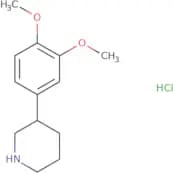
CAS:<p>Versatile small molecule scaffold</p>Formula:C11H13N3O2Purity:Min. 95%Molecular weight:219.24 g/mol3-(3,4-Dimethoxyphenyl)piperidine hydrochloride
CAS:<p>Versatile small molecule scaffold</p>Formula:C13H20ClNO2Purity:Min. 95%Molecular weight:257.8 g/mol5-Methyloxolane-2-carboxylic acid
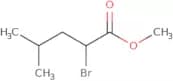
CAS:<p>Versatile small molecule scaffold</p>Formula:C6H10O3Purity:Min. 95%Molecular weight:130.14 g/molMethyl 2-bromo-4-methylpentanoate
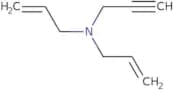
CAS:<p>Versatile small molecule scaffold</p>Formula:C7H13BrO2Purity:Min. 95%Molecular weight:209.08 g/molBis(prop-2-en-1-yl)(prop-2-yn-1-yl)amine
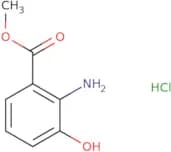
CAS:<p>Versatile small molecule scaffold</p>Formula:C9H13NPurity:Min. 95%Molecular weight:135.2 g/molMethyl 2-amino-3-hydroxybenzoate hydrochloride
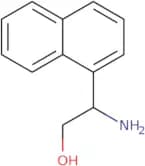
CAS:<p>Versatile small molecule scaffold</p>Formula:C8H10ClNO3Purity:Min. 95%Molecular weight:203.62 g/mol2-Amino-2-(naphthalen-1-yl)ethanol
CAS:<p>2-Amino-2-(naphthalen-1-yl)ethanol is a diastereomer that is expressed as an optically active propionic acid. It is industrially used for the production of naphthalene derivatives.</p>Formula:C12H13NOPurity:Min. 95%Molecular weight:187.24 g/mol4-(1-Aminoethyl)benzonitrile
CAS:<p>4-(1-Aminoethyl)benzonitrile (AEB) is a compound that is used to treat cardiac hypertrophy. It is an innovative drug that inhibits the growth of cardiomyocytes by inhibiting collagen synthesis and inducing their apoptosis. AEB inhibits the production of collagen, which is needed for the development of cardiac hypertrophy. AEB also modulates the expression of proteins involved in muscle function, including protein genes and lipase.</p>Formula:C9H10N2Purity:Min. 95%Molecular weight:146.19 g/molThieno[3,2-c]pyridine-2-carboxylic acid
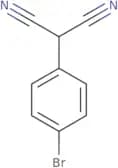
CAS:<p>Versatile small molecule scaffold</p>Formula:C8H5NO2SPurity:Min. 95%Molecular weight:179.2 g/mol2-(4-Bromophenyl)propanedinitrile
CAS:<p>Versatile small molecule scaffold</p>Formula:C9H5BrN2Purity:Min. 95%Molecular weight:221.05 g/mol3-(Hydroxymethyl)oxan-4-ol
CAS:<p>Versatile small molecule scaffold</p>Formula:C6H12O3Purity:Min. 95%Molecular weight:132.16 g/mol2,4,6-Trimethyl-1,3,5-dithiazinane
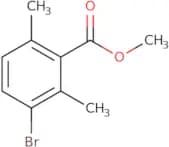
CAS:<p>2,4,6-Trimethyl-1,3,5-dithiazinane (TMTD) is a heterocyclic compound that has been shown to be an effective inhibitor of glutamate dehydrogenase. TMTD has also been shown to have antioxidant properties and can be used in the treatment of cancer. The effect of TMTD on epidermal growth factor (EGF) and fatty acid metabolism has been investigated. It is also a methyl transferase inhibitor and can inhibit the synthesis of fatty acids in cells. TMTD can be used as a diagnostic agent for detection of the presence of glutamine synthetase in cells. The effective dose for TMTD varies depending on the type of application; for example, it may be administered orally at a dosage range between 5-50mg/kg body weight or topically at a dosage range between 0.001-0.1%.</p>Formula:C6H13NS2Purity:Min. 95%Molecular weight:163.3 g/molMethyl 3-bromo-2,6-dimethylbenzoate
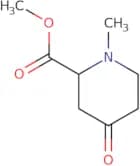
CAS:<p>Versatile small molecule scaffold</p>Formula:C10H11BrO2Purity:Min. 95%Molecular weight:243.1 g/molMethyl 1-methyl-4-oxopiperidine-2-carboxylate
CAS:<p>Versatile small molecule scaffold</p>Formula:C8H13NO3Purity:Min. 95%Molecular weight:171.19 g/mol1,3-Dimethoxy-5-[(E)-2-nitroethenyl]benzene
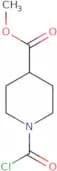
CAS:<p>Versatile small molecule scaffold</p>Formula:C10H11NO4Purity:Min. 95%Molecular weight:209.2 g/mol4-Piperidinecarboxylic acid, 1-(chlorocarbonyl)-, methyl ester
CAS:<p>Versatile small molecule scaffold</p>Formula:C8H12ClNO3Purity:Min. 95%Molecular weight:205.64 g/molN-Benzyl-β-alanine hydrochloride
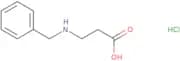
CAS:<p>Versatile small molecule scaffold</p>Formula:C10H14ClNO2Purity:Min. 95%Molecular weight:215.67 g/mol1-[2-(Methylamino)ethyl]pyrrolidin-2-one
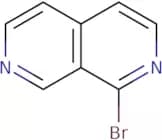
CAS:<p>Versatile small molecule scaffold</p>Formula:C7H14N2OPurity:Min. 95%Molecular weight:142.2 g/mol1-Bromo-2,7-naphthyridine
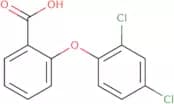
CAS:<p>Versatile small molecule scaffold</p>Formula:C8H5BrN2Purity:Min. 95%Molecular weight:209.04 g/mol2-(2,4-Dichlorophenoxy)benzoic acid
CAS:<p>Versatile small molecule scaffold</p>Formula:C13H8Cl2O3Purity:Min. 95%Molecular weight:283.1 g/mol(2-Azidoethyl)dimethylamine hydrochloride
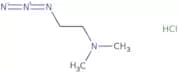
CAS:Controlled Product<p>Versatile small molecule scaffold</p>Formula:C4H11ClN4Purity:Min. 95%Molecular weight:150.61 g/molN-(Cyclohexylmethyl)-4-methylbenzene-1-sulfonamide
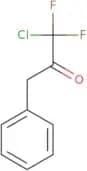
CAS:<p>Versatile small molecule scaffold</p>Formula:C14H21NO2SPurity:Min. 95%Molecular weight:267.39 g/mol1-Chloro-1,1-difluoro-3-phenylpropan-2-one
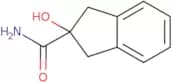
CAS:<p>Versatile small molecule scaffold</p>Formula:C9H7ClF2OPurity:Min. 95%Molecular weight:204.6 g/mol2-Hydroxy-2,3-dihydro-1H-indene-2-carboxamide
CAS:<p>Versatile small molecule scaffold</p>Formula:C10H11NO2Purity:Min. 95%Molecular weight:177.2 g/mol2-phenyl-4H-furo[3,2-b]pyrrole-5-carboxylic acid
CAS:<p>Versatile small molecule scaffold</p>Formula:C13H9NO3Purity:Min. 95%Molecular weight:227.22 g/mol4-[(Carbamoylmethyl)amino]benzoic acid
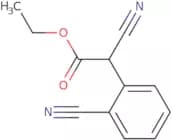
CAS:<p>Versatile small molecule scaffold</p>Formula:C9H10N2O3Purity:Min. 95%Molecular weight:194.19 g/molEthyl 2-cyano-2-(2-cyanophenyl)acetate
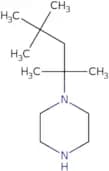
CAS:<p>Versatile small molecule scaffold</p>Formula:C12H10N2O2Purity:Min. 95%Molecular weight:214.22 g/mol1-(2,4,4-Trimethylpentan-2-yl)piperazine
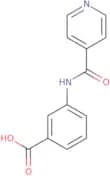
CAS:<p>Versatile small molecule scaffold</p>Formula:C12H26N2Purity:Min. 95%Molecular weight:198.35 g/mol3-(Pyridine-4-amido)benzoic acid
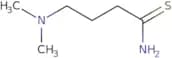
CAS:<p>Versatile small molecule scaffold</p>Formula:C13H10N2O3Purity:Min. 95%Molecular weight:242.23 g/mol4-(Dimethylamino)butanethioamide
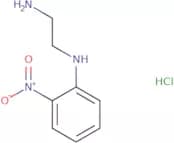
CAS:<p>Versatile small molecule scaffold</p>Formula:C6H14N2SPurity:Min. 95%Molecular weight:146.26 g/molN-(2-Aminoethyl)-2-nitroaniline hydrochloride
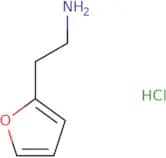
CAS:<p>Versatile small molecule scaffold</p>Formula:C8H12ClN3O2Purity:Min. 95%Molecular weight:217.65 g/mol2-(Furan-2-yl)ethan-1-amine hydrochloride
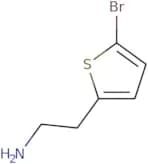
CAS:<p>Versatile small molecule scaffold</p>Formula:C6H10ClNOPurity:Min. 95%Molecular weight:147.6 g/mol2-(5-Bromothiophen-2-yl)ethan-1-amine
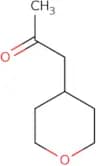
CAS:<p>Versatile small molecule scaffold</p>Formula:C6H8BrNSPurity:Min. 95%Molecular weight:206.11 g/mol1-(Oxan-4-yl)propan-2-one
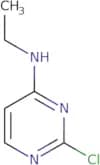
CAS:<p>Versatile small molecule scaffold</p>Formula:C8H14O2Purity:Min. 95%Molecular weight:142.2 g/mol2-Chloro-N-ethylpyrimidin-4-amine
CAS:<p>2-Chloro-N-ethylpyrimidin-4-amine is a class I inhibitor of the cytochrome P450 that has been shown to inhibit the kinase activity of a number of protein tyrosine phosphatases. The inhibition of these enzymes results in an increase in cellular activities such as transcription and translation. 2-Chloro-N-ethylpyrimidin-4-amine has also been shown to have cytotoxic effects on cultured cells and is able to bind to hydrophobic regions on proteins, which may account for its ability to induce apoptosis.</p>Formula:C6H8ClN3Purity:Min. 95%Molecular weight:157.6 g/mol1-[(tert-butoxy)carbonyl]-1,2,5,6-tetrahydropyridine-3-carboxylic acid
CAS:<p>Versatile small molecule scaffold</p>Formula:C11H17NO4Purity:Min. 95%Molecular weight:227.3 g/mol1-[(tert-Butoxy)carbonyl]-1,2,3,6-tetrahydropyridine-3-carboxylic acid
CAS:<p>Versatile small molecule scaffold</p>Formula:C11H17NO4Purity:Min. 95%Molecular weight:227.26 g/mol1-(Ethanesulfonyl)propan-2-one
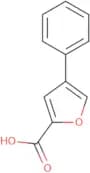
CAS:<p>Versatile small molecule scaffold</p>Formula:C5H10O3SPurity:Min. 95%Molecular weight:150.2 g/mol4-Phenylfuran-2-carboxylic acid
CAS:<p>Versatile small molecule scaffold</p>Formula:C11H8O3Purity:Min. 95%Molecular weight:188.18 g/mol5,6-Dihydro-3-hydroxy-4H-pyrrolo[1,2-c][1,2,3]oxadiazol-7-ium
CAS:<p>Versatile small molecule scaffold</p>Formula:C5H6N2O2Purity:Min. 95%Molecular weight:126.11 g/molethyl 5,6-dihydro-4H-pyrrolo[1,2-b]pyrazole-3-carboxylate
CAS:<p>Ethyl 5,6-dihydro-4H-pyrrolo[1,2-b]pyrazole-3-carboxylate is an isomeric mixture that can be obtained by an efficient method. It is stable in alkaline conditions and can be hydrolyzed in alkaline conditions.</p>Formula:C9H12N2O2Purity:Min. 95%Molecular weight:180.2 g/mol6-(2-Chloroethyl)-7-methyl-5h-thiazolo[3,2-a]pyrimidin-5-one
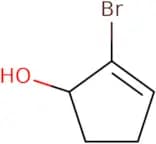
CAS:<p>Versatile small molecule scaffold</p>Formula:C9H9ClN2OSPurity:Min. 95%Molecular weight:228.7 g/mol2-Bromocyclopent-2-en-1-ol
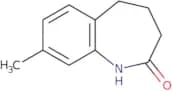
CAS:<p>2-Bromocyclopent-2-en-1-ol is an organic compound that is used in the synthesis of a variety of other compounds. This chemical can be synthesized by reacting cyclopentanone with bromine and then hydrolyzing the product. The resulting product has a configurational, asymmetric synthesis.</p>Formula:C5H7BrOPurity:Min. 95%Molecular weight:163.01 g/mol8-Methyl-2,3,4,5-tetrahydro-1H-1-benzazepin-2-one
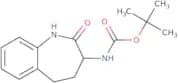
CAS:<p>Versatile small molecule scaffold</p>Formula:C11H13NOPurity:Min. 95%Molecular weight:175.23 g/moltert-Butyl N-(2-oxo-2,3,4,5-tetrahydro-1H-1-benzazepin-3-yl)carbamate
CAS:<p>Versatile small molecule scaffold</p>Formula:C15H20N2O3Purity:Min. 95%Molecular weight:276.33 g/mol2-[2-(Oxiran-2-yl)ethyl]-2,3-dihydro-1H-isoindole-1,3-dione
CAS:<p>Versatile small molecule scaffold</p>Formula:C12H11NO3Purity:Min. 95%Molecular weight:217.22 g/mol4-chlorofuro[3,2-c]pyridine-2-carbaldehyde
CAS:<p>Versatile small molecule scaffold</p>Formula:C8H4ClNO2Purity:Min. 95%Molecular weight:181.6 g/mol4-chlorofuro[3,2-c]pyridine-2-carboxylic acid
CAS:<p>Versatile small molecule scaffold</p>Formula:C8H4ClNO3Purity:Min. 95%Molecular weight:197.6 g/mol1-{4-Chlorofuro[3,2-c]pyridin-2-yl}ethan-1-one
CAS:<p>Versatile small molecule scaffold</p>Formula:C9H6ClNO2Purity:Min. 95%Molecular weight:195.6 g/mol4,5-Dihydro-4-oxo-furo[3,2-C]pyridine-2-carboxaldehyde
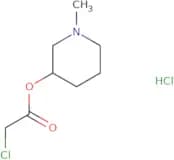
CAS:<p>Versatile small molecule scaffold</p>Formula:C8H5NO3Purity:Min. 95%Molecular weight:163.13 g/mol1-Methylpiperidin-3-yl 2-chloroacetate hydrochloride
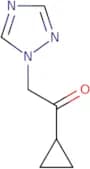
CAS:<p>Versatile small molecule scaffold</p>Formula:C8H15Cl2NO2Purity:Min. 95%Molecular weight:228.1 g/mol1-Cyclopropyl-2-(1H-1,2,4-triazol-1-yl)ethan-1-one
CAS:<p>Versatile small molecule scaffold</p>Formula:C7H9N3OPurity:Min. 95%Molecular weight:151.17 g/mol1-[4-Chloro-2-(trifluoromethyl)phenyl]ethan-1-one
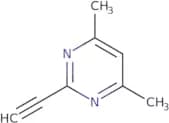
CAS:<p>Versatile small molecule scaffold</p>Formula:C9H6ClF3OPurity:Min. 95%Molecular weight:222.59 g/mol2-Ethynyl-4,6-dimethylpyrimidine
CAS:<p>2-Ethynyl-4,6-dimethylpyrimidine (2EDMP) is a ligand that can be used to form two-dimensional supramolecular frameworks. It can assemble into chains and trifluoroacetate chains by hydrogen bonds with other 2EDMP molecules. The solvent evaporation technique is used to form these supramolecular frameworks from the liquid solution of 2EDMP. The structural properties of 2EDMP are well characterized by its two-dimensional crystal structure and the intermolecular interactions between it and other molecules in the crystal.</p>Formula:C8H8N2Purity:Min. 95%Molecular weight:132.16 g/mol1-(4-Methylbenzenesulfonyl)bicyclo[1.1.0]butane
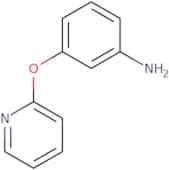
CAS:<p>Versatile small molecule scaffold</p>Formula:C11H12O2SPurity:Min. 95%Molecular weight:208.28 g/mol3-(Pyridin-2-yloxy)aniline
CAS:<p>3-(Pyridin-2-yloxy)aniline is a synthetic compound that is used as a potent inhibitor of the enzyme tyrosine hydroxylase. This enzyme catalyzes the conversion of tyrosine to L-3,4-dihydroxyphenylalanine and plays a key role in the synthesis of dopamine. 3-(Pyridin-2-yloxy)aniline has been shown to be effective in treating Parkinson's disease and other disorders that involve neuronal degeneration and cell death. This drug inhibits the production of dopamine by binding to tyrosine hydroxylase, thereby preventing it from converting tyrosine into L-3,4-dihydroxyphenylalanine. The compound also has significant inhibitory activity against cyclin dependent kinases (CDKs), which are enzymes that regulate the activity of protein kinases.</p>Formula:C11H10N2OPurity:Min. 95%Molecular weight:186.21 g/mol1-(3-Methylpiperidin-1-yl)propan-2-amine
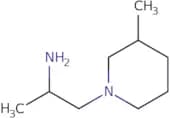
CAS:<p>Versatile small molecule scaffold</p>Formula:C9H20N2Purity:Min. 95%Molecular weight:156.27 g/molMethyl 2,4,6-trichlorobenzoate
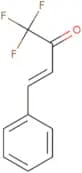
CAS:<p>Versatile small molecule scaffold</p>Formula:C8H5Cl3O2Purity:Min. 95%Molecular weight:239.5 g/mol1,1,1-Trifluoro-4-phenylbut-3-en-2-one
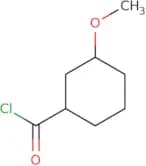
CAS:<p>Trifluoromethanesulfonic acid is a superacidic acid that has been used in organic synthesis. It has been shown to be reactive with electron-deficient molecules such as methyl cinnamate, which can lead to the formation of anions and carbanions. Trifluoromethanesulfonic acid is also able to protonate carbonyls, which makes it useful for the synthesis of functionalized carbonyls. Trifluoromethanesulfonic acid is hydrophobic and reacts with membranes, making it useful for protein extraction. It also reacts with s. typhimurium, a bacterium that causes food poisoning.</p>Formula:C10H7F3OPurity:Min. 95%Molecular weight:200.16 g/mol3-Methoxycyclohexane-1-carbonyl chloride
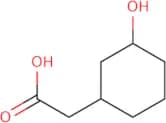
CAS:<p>Versatile small molecule scaffold</p>Formula:C8H13ClO2Purity:Min. 95%Molecular weight:176.64 g/mol2-(3-Hydroxycyclohexyl)acetic acid
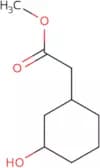
CAS:<p>Versatile small molecule scaffold</p>Formula:C8H14O3Purity:Min. 95%Molecular weight:158.19 g/molMethyl 2-(3-hydroxycyclohexyl)acetate
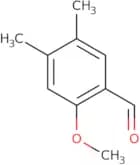
CAS:<p>Versatile small molecule scaffold</p>Formula:C9H16O3Purity:Min. 95%Molecular weight:172.22 g/mol2-Methoxy-4,5-dimethylbenzaldehyde
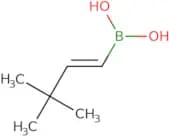
CAS:<p>Versatile small molecule scaffold</p>Formula:C10H12O2Purity:Min. 95%Molecular weight:164.2 g/mol2-t-Butyl-E-vinylboronic acid
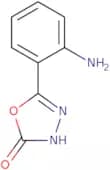
CAS:<p>Versatile small molecule scaffold</p>Formula:C6H13BO2Purity:Min. 95%Molecular weight:127.98 g/mol5-(2-Aminophenyl)-2,3-dihydro-1,3,4-oxadiazol-2-one
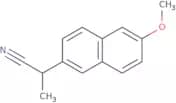
CAS:<p>5-(2-Aminophenyl)-2,3-dihydro-1,3,4-oxadiazol-2-one is an organic compound that belongs to the class of hydrazides. It has been used in the synthesis of other compounds and is used as a catalyst for peptide coupling reactions. The melting point of this compound is 139°C, and it decomposes at temperatures above 230°C. 5-(2-Aminophenyl)-2,3-dihydro-1,3,4-oxadiazol-2-one hydrolyzes to release ammonia and 2HCl. This reaction can be catalyzed by methylamine or hydrazine. 5-(2-Aminophenyl)-2,3-dihydro-1,3,4-oxadiazol-2-one can also undergo rearrangement reactions with methylamine or hydrazine to form anth</p>Formula:C8H7N3O2Purity:Min. 95%Molecular weight:177.16 g/mol2-(6-Methoxynaphthalen-2-yl)propanenitrile
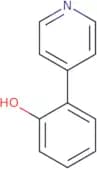
CAS:<p>2-(6-Methoxynaphthalen-2-yl)propanenitrile is a naturally occurring amino acid that can be synthesized in the laboratory. It has been found to inhibit enzyme activities such as ammonium sulfate, microbial metabolism and amide formation in bacteria. 2-(6-Methoxynaphthalen-2-yl)propanenitrile also inhibits the growth of bacteria by blocking the synthesis of proteins, DNA and RNA. The activity of this drug is specific for bacterial strains and does not affect higher organisms such as humans or mice. This compound is chiral, meaning that it can exist in two forms which are mirror images of each other. 2-(6-Methoxynaphthalen-2-yl)propanenitrile has been shown to be active against a number of bacterial strains including Pseudomonas aeruginosa, Streptococcus pyogenes and Staphylococcus aure</p>Formula:C14H13NOPurity:Min. 95%Molecular weight:211.26 g/mol2-(Pyridin-4-yl)phenol
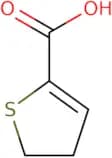
CAS:<p>Versatile small molecule scaffold</p>Formula:C11H9NOPurity:Min. 95%Molecular weight:171.19 g/mol4,5-Dihydrothiophene-2-carboxylic acid
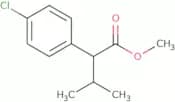
CAS:<p>4,5-Dihydrothiophene-2-carboxylic acid is a gamma-aminobutyric acid (GABA) inhibitor that belongs to the group of esters. It is used as an intermediate in the synthesis of GABA esters. 4,5-Dihydrothiophene-2-carboxylic acid has been shown to inhibit the activity of transaminase C1–6 alkyl and the metabolism of GABA to succinic semialdehyde. This compound also inhibits c1–6 alkyl transaminase, which converts GABA into succinic semialdehyde.</p>Formula:C5H6O2SPurity:Min. 95%Molecular weight:130.17 g/molMethyl 2-(4-chlorophenyl)-3-methylbutanoate
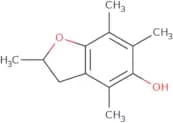
CAS:<p>Methyl 2-(4-chlorophenyl)-3-methylbutanoate (MEMB) is a sulfoxide that has been shown to stabilize the carbon nanotubes. MEMB is added to the carbon nanotube solution before it is heated to a temperature of 150°C. It was found that MEMB stabilizes the carbon nanotubes by forming a coordinated complex with the carbonyl group on the ends of the tubes. The MEMB molecule can then be removed from the tube by heating at higher temperatures, typically around 250°C. This process was also found to produce more long-term stability in the tubes, even after repeated heating cycles.</p>Formula:C12H15ClO2Purity:Min. 95%Molecular weight:226.7 g/mol2,4,6,7-Tetramethyl-2,3-dihydro-1-benzofuran-5-ol
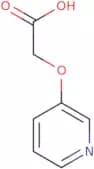
CAS:<p>2,4,6,7-Tetramethyl-2,3-dihydro-1-benzofuran-5-ol is a chlorinated benzenesulfonate. It is used in the treatment of hepatic diseases such as liver cirrhosis and chronic hepatitis. 2,4,6,7-Tetramethyl-2,3-dihydro-1-benzofuran-5-ol inhibits the synthesis of cholesterol and bile acids by competitive inhibition of 3β hydroxysteroid dehydrogenase. This compound also has a phenolic group that can be oxidized to form a phenoxy radical which may have antioxidant properties. The imidazole derivative has been shown to have antimicrobial activity against Gram positive bacteria such as Staphylococcus aureus and Streptococcus pneumoniae.</p>Formula:C12H16O2Purity:Min. 95%Molecular weight:192.25 g/mol2-(Pyridine-3-yl)oxyacetic acid
CAS:<p>Versatile small molecule scaffold</p>Formula:C7H7NO3Purity:Min. 95%Molecular weight:153.14 g/mol

![1-Benzyl-1H,2H,3H-imidazo[4,5-c]pyridin-2-one](/_next/image/?url=https%3A%2Fstatic.cymitquimica.com%2Fproducts%2F3D%2Fthumb-webp%2FLCA71958.webp&w=3840&q=75)
![4H,6H,7H-Thiopyrano[4,3-d][1,3]thiazol-2-amine](/_next/image/?url=https%3A%2Fstatic.cymitquimica.com%2Fproducts%2F3D%2Fthumb-webp%2FLCA76433.webp&w=3840&q=75)
![3-[4-(Propan-2-yl)benzoyl]pyridine](/_next/image/?url=https%3A%2Fstatic.cymitquimica.com%2Fproducts%2F3D%2Fthumb-webp%2FLCA78008.webp&w=3840&q=75)
![Ethyl 2-{7-methylimidazo[1,2-a]pyrimidin-2-yl}acetate](/_next/image/?url=https%3A%2Fstatic.cymitquimica.com%2Fproducts%2F3D%2Fthumb-webp%2FLCA83069.webp&w=3840&q=75)


![Thieno[3,2-c]pyridine-2-carboxylic acid](/_next/image/?url=https%3A%2Fstatic.cymitquimica.com%2Fproducts%2F3D%2Fthumb-webp%2FLDA23637.webp&w=3840&q=75)


![1,3-Dimethoxy-5-[(E)-2-nitroethenyl]benzene](/_next/image/?url=https%3A%2Fstatic.cymitquimica.com%2Fproducts%2F3D%2Fthumb-webp%2FLDA25543.webp&w=3840&q=75)
![1-[2-(Methylamino)ethyl]pyrrolidin-2-one](/_next/image/?url=https%3A%2Fstatic.cymitquimica.com%2Fproducts%2F3D%2Fthumb-webp%2FLDA27380.webp&w=3840&q=75)

![2-phenyl-4H-furo[3,2-b]pyrrole-5-carboxylic acid](/_next/image/?url=https%3A%2Fstatic.cymitquimica.com%2Fproducts%2F3D%2Fthumb-webp%2FLDA34544.webp&w=3840&q=75)
![4-[(Carbamoylmethyl)amino]benzoic acid](/_next/image/?url=https%3A%2Fstatic.cymitquimica.com%2Fproducts%2F3D%2Fthumb-webp%2FLDA36440.webp&w=3840&q=75)
![1-[(tert-butoxy)carbonyl]-1,2,5,6-tetrahydropyridine-3-carboxylic acid](/_next/image/?url=https%3A%2Fstatic.cymitquimica.com%2Fproducts%2F3D%2Fthumb-webp%2FLDA44711.webp&w=3840&q=75)
![1-[(tert-Butoxy)carbonyl]-1,2,3,6-tetrahydropyridine-3-carboxylic acid](/_next/image/?url=https%3A%2Fstatic.cymitquimica.com%2Fproducts%2F3D%2Fthumb-webp%2FLDA44714.webp&w=3840&q=75)

![5,6-Dihydro-3-hydroxy-4H-pyrrolo[1,2-c][1,2,3]oxadiazol-7-ium](/_next/image/?url=https%3A%2Fstatic.cymitquimica.com%2Fproducts%2F3D%2Fthumb-webp%2FLDA47705.webp&w=3840&q=75)
![ethyl 5,6-dihydro-4H-pyrrolo[1,2-b]pyrazole-3-carboxylate](/_next/image/?url=https%3A%2Fstatic.cymitquimica.com%2Fproducts%2F3D%2Fthumb-webp%2FLDA47710.webp&w=3840&q=75)
![6-(2-Chloroethyl)-7-methyl-5h-thiazolo[3,2-a]pyrimidin-5-one](/_next/image/?url=https%3A%2Fstatic.cymitquimica.com%2Fproducts%2F3D%2Fthumb-webp%2FLDA48800.webp&w=3840&q=75)
![2-[2-(Oxiran-2-yl)ethyl]-2,3-dihydro-1H-isoindole-1,3-dione](/_next/image/?url=https%3A%2Fstatic.cymitquimica.com%2Fproducts%2F3D%2Fthumb-webp%2FLDA50670.webp&w=3840&q=75)
![4-chlorofuro[3,2-c]pyridine-2-carbaldehyde](/_next/image/?url=https%3A%2Fstatic.cymitquimica.com%2Fproducts%2F3D%2Fthumb-webp%2FLDA51807.webp&w=3840&q=75)
![4-chlorofuro[3,2-c]pyridine-2-carboxylic acid](/_next/image/?url=https%3A%2Fstatic.cymitquimica.com%2Fproducts%2F3D%2Fthumb-webp%2FLDA51808.webp&w=3840&q=75)
![1-{4-Chlorofuro[3,2-c]pyridin-2-yl}ethan-1-one](/_next/image/?url=https%3A%2Fstatic.cymitquimica.com%2Fproducts%2F3D%2Fthumb-webp%2FLDA51810.webp&w=3840&q=75)
![4,5-Dihydro-4-oxo-furo[3,2-C]pyridine-2-carboxaldehyde](/_next/image/?url=https%3A%2Fstatic.cymitquimica.com%2Fproducts%2F3D%2Fthumb-webp%2FLDA51817.webp&w=3840&q=75)
![1-[4-Chloro-2-(trifluoromethyl)phenyl]ethan-1-one](/_next/image/?url=https%3A%2Fstatic.cymitquimica.com%2Fproducts%2F3D%2Fthumb-webp%2FLDA52034.webp&w=3840&q=75)
![1-(4-Methylbenzenesulfonyl)bicyclo[1.1.0]butane](/_next/image/?url=https%3A%2Fstatic.cymitquimica.com%2Fproducts%2F3D%2Fthumb-webp%2FLDA53730.webp&w=3840&q=75)