Building Blocks
This section contains fundamental products for the synthesis of organic and biological compounds. Building blocks are the essential starting materials used to construct complex molecules through various chemical reactions. They play a critical role in drug discovery, material science, and chemical research. At CymitQuimica, we offer a diverse range of high-quality building blocks to support your innovative research and industrial projects, ensuring you have the essential components for successful synthesis.
Subcategories of "Building Blocks"
- Boronic Acids & Boronic Acid Derivatives(5,756 products)
- Chiral Building Blocks(1,242 products)
- Hydrocarbon Building Blocks(6,093 products)
- Organic Building Blocks(60,525 products)
Found 195536 products of "Building Blocks"
Sort by
Purity (%)
0
100
|
0
|
50
|
90
|
95
|
100
5,7-Dimethyl-2H,3H-[1,2,4]triazolo[4,3-c]pyrimidin-3-one
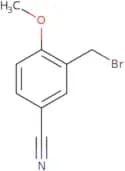
CAS:<p>Versatile small molecule scaffold</p>Formula:C7H8N4OPurity:Min. 95%Molecular weight:164.2 g/mol3-(Bromomethyl)-4-methoxybenzonitrile
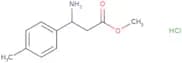
CAS:<p>Versatile small molecule scaffold</p>Formula:C9H8BrNOPurity:Min. 95%Molecular weight:226.07 g/molMethyl 3-amino-3-(4-methylphenyl)propanoate hydrochloride
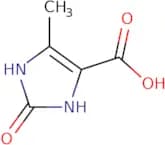
CAS:<p>Versatile small molecule scaffold</p>Formula:C11H16ClNO2Purity:Min. 95%Molecular weight:229.7 g/mol5-Methyl-2-oxo-2,3-dihydro-1H-imidazole-4-carboxylic acid
CAS:<p>Versatile small molecule scaffold</p>Formula:C5H6N2O3Purity:Min. 95%Molecular weight:142.11 g/mol2-Chloro-N-[(4-sulfamoylphenyl)methyl]acetamide
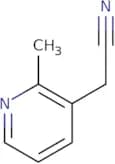
CAS:<p>Acetazolamide is a carbonic anhydrase inhibitor that is used to treat glaucoma, epilepsy and altitude sickness. It is also used to treat the symptoms of Ménière's disease. Acetazolamide has been shown to inhibit pentylenetetrazole-induced convulsions in rats and mice, suggesting it would be nontoxic if administered orally to humans. Acetazolamide inhibits carbonic anhydrase, which is present in the human brain at nanomolar concentrations. This inhibition results in decreased production of bicarbonate ions from carbon dioxide and water, leading to a decrease in intracranial pressure.</p>Formula:C9H11ClN2O3SPurity:Min. 95%Molecular weight:262.71 g/mol2-(2-Methylpyridin-3-yl)acetonitrile
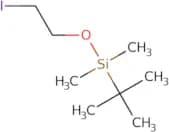
CAS:<p>Versatile small molecule scaffold</p>Formula:C8H8N2Purity:Min. 95%Molecular weight:132.16 g/moltert-Butyl(2-iodoethoxy)dimethylsilane
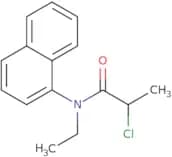
CAS:<p>Versatile small molecule scaffold</p>Formula:C8H19IOSiPurity:Min. 95%Molecular weight:286.23 g/mol2-Chloro-N-ethyl-N-(naphthalen-1-yl)propanamide
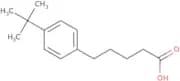
CAS:<p>Versatile small molecule scaffold</p>Formula:C15H16ClNOPurity:Min. 95%Molecular weight:261.74 g/mol5-(4-tert-Butylphenyl)pentanoic acid
CAS:<p>Versatile small molecule scaffold</p>Formula:C15H22O2Purity:Min. 95%Molecular weight:234.33 g/molMethyl 4-[(phenoxycarbonyl)ao]benzoate
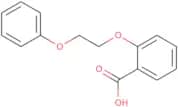
CAS:<p>Versatile small molecule scaffold</p>Formula:C15H13NO4Purity:Min. 95%Molecular weight:271.27 g/mol2-(2-Phenoxyethoxy)benzoic acid
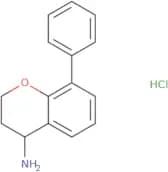
CAS:<p>Versatile small molecule scaffold</p>Formula:C15H14O4Purity:Min. 95%Molecular weight:258.27 g/mol8-Phenyl-3,4-dihydro-2H-1-benzopyran-4-amine hydrochloride
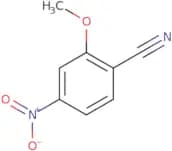
CAS:<p>Versatile small molecule scaffold</p>Formula:C15H16ClNOPurity:Min. 95%Molecular weight:261.74 g/mol2-Methoxy-4-nitrobenzonitrile
CAS:<p>2-Methoxy-4-nitrobenzonitrile is an acylsulfonamide that has been shown to inhibit the production of inflammatory cytokines and chemokines in a lung injury model. The compound has shown activity against cxcr2, which is a receptor for monocyte chemotactic protein 1 (MCP1) and macrophage inflammatory protein 1 alpha (MIP1α). 2-Methoxy-4-nitrobenzonitrile also inhibits carboxylic acid production and is orally bioavailable.</p>Formula:C8H6N2O3Purity:Min. 95%Molecular weight:178.14 g/mol3-(Pyridin-3-yl)-4,5-dihydro-1,2-oxazol-5-one
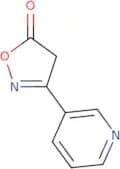
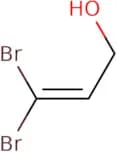
CAS:<p>Versatile small molecule scaffold</p>Formula:C8H6N2O2Purity:Min. 95%Molecular weight:162.15 g/mol3,3-Dibromoprop-2-en-1-ol
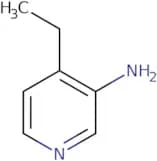
CAS:<p>Versatile small molecule scaffold</p>Formula:C3H4Br2OPurity:Min. 95%Molecular weight:215.87 g/mol4-Ethylpyridin-3-amine
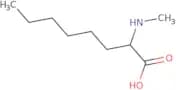
CAS:<p>Versatile small molecule scaffold</p>Formula:C7H10N2Purity:Min. 95%Molecular weight:122.17 g/mol2-(Methylamino)octanoic acid
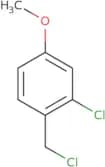
CAS:<p>2-(Methylamino)octanoic acid is a ring-opening lactam molecule. It is an anionic polymerization and can be used to make linear polymers. 2-(Methylamino)octanoic acid has been shown to inhibit the arachidonic acid cascade, which is a pathway that leads to inflammation and pain. This drug also inhibits estrogen production in breast cancer cells and has been shown to reduce the size of tumors in mice. 2-(Methylamino)octanoic acid also has anti-inflammatory properties and is being studied as a potential treatment for rheumatoid arthritis.</p>Formula:C9H19NO2Purity:Min. 95%Molecular weight:173.25 g/mol2-Chloro-1-(chloromethyl)-4-methoxybenzene
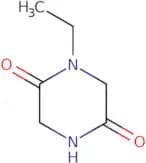
CAS:<p>Versatile small molecule scaffold</p>Formula:C8H8Cl2OPurity:Min. 95%Molecular weight:191.05 g/mol1-Ethylpiperazine-2,5-dione
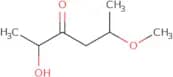
CAS:<p>Versatile small molecule scaffold</p>Formula:C6H10N2O2Purity:Min. 95%Molecular weight:142.16 g/mol2-Hydroxy-5-methoxyhexan-3-one
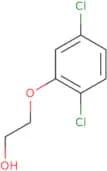
CAS:<p>Versatile small molecule scaffold</p>Formula:C7H14O3Purity:Min. 95%Molecular weight:146.18 g/mol2-(2,5-Dichlorophenoxy)ethan-1-ol
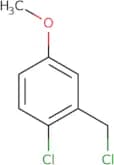
CAS:<p>Versatile small molecule scaffold</p>Formula:C8H8Cl2O2Purity:Min. 95%Molecular weight:207.05 g/mol1-Chloro-2-(chloromethyl)-4-methoxybenzene
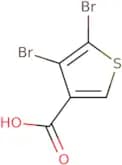
CAS:<p>Versatile small molecule scaffold</p>Formula:C8H8Cl2OPurity:Min. 95%Molecular weight:191.05 g/mol4,5-Dibromothiophene-3-carboxylic acid
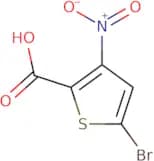
CAS:<p>Versatile small molecule scaffold</p>Formula:C5H2Br2O2SPurity:Min. 95%Molecular weight:285.94 g/mol5-Bromo-3-nitrothiophene-2-carboxylic acid
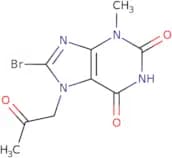
CAS:<p>Versatile small molecule scaffold</p>Formula:C5H2BrNO4SPurity:Min. 95%Molecular weight:252.04 g/mol8-Bromo-3-methyl-7-(2-oxopropyl)purine-2,6-dione
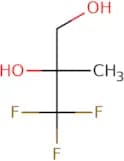
CAS:Controlled Product<p>Versatile small molecule scaffold</p>Formula:C9H9BrN4O3Purity:Min. 95%Molecular weight:301.1 g/mol3,3,3-Trifluoro-2-methylpropane-1,2-diol
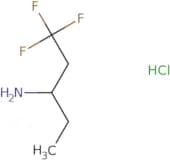
CAS:<p>Versatile small molecule scaffold</p>Formula:C4H7F3O2Purity:Min. 95%Molecular weight:144.09 g/mol1,1,1-Trifluoropentan-3-amine hydrochloride
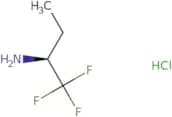
CAS:<p>Versatile small molecule scaffold</p>Formula:C5H11ClF3NPurity:Min. 95%Molecular weight:177.59 g/mol(S)-1,1,1-Trifluoro-2-butylamine hydrochloride
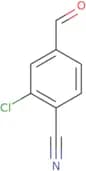
CAS:<p>Versatile small molecule scaffold</p>Formula:C4H9ClF3NPurity:Min. 95%Molecular weight:163.57 g/mol2-chloro-4-formylbenzonitrile
CAS:<p>Versatile small molecule scaffold</p>Formula:C8H4ClNOPurity:Min. 95%Molecular weight:165.58 g/molEthyl 2-[(4-chlorophenoxy)methyl]prop-2-enoate
CAS:<p>Versatile small molecule scaffold</p>Formula:C12H13ClO3Purity:Min. 95%Molecular weight:240.68 g/molcis-2-Benzylhexahydrocyclopenta[c]pyrrol-4(1H)-one
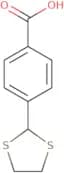
CAS:<p>Versatile small molecule scaffold</p>Formula:C14H17NOPurity:Min. 95%Molecular weight:215.29 g/mol4-(1,3-Dithiolan-2-yl)benzoic acid
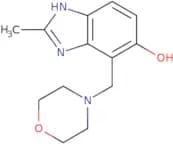
CAS:<p>Versatile small molecule scaffold</p>Formula:C10H10O2S2Purity:Min. 95%Molecular weight:226.3 g/mol2-Methyl-4-(morpholin-4-ylmethyl)-1H-1,3-benzodiazol-5-ol
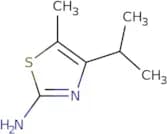
CAS:<p>Versatile small molecule scaffold</p>Formula:C13H17N3O2Purity:Min. 95%Molecular weight:247.29 g/mol2-Amino-4-isopropyl-5-methylthiazole
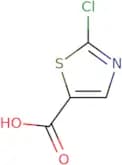
CAS:<p>Versatile small molecule scaffold</p>Formula:C7H12N2SPurity:Min. 95%Molecular weight:156.25 g/mol2-Chloro-5-thiazolecarboxylic Acid-13C3,15N
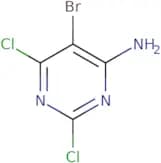
CAS:<p>2-Chloro-5-thiazolecarboxylic Acid-13C3,15N is a neonicotinoid pesticide that inhibits the function of acetylcholinesterase. It has been used as an analytical method for detecting neonicotinoids in human urine and has been shown to interact with glutamate in the body. 2-Chloro-5-thiazolecarboxylic Acid-13C3,15N is also used to control pests on plants. This compound has been found to be effective against a number of insects, including aphids, leafhoppers, thrips, and whiteflies. 2-Chloro-5-thiazolecarboxylic Acid-13C3,15N can be applied to plant tissue or seedlings orally or by spraying onto leaves or stems. This compound can also be applied as a soil drench or seed treatment. The compound can then be recovered from plant tissues using el</p>Formula:C4H2ClNO2SPurity:Min. 95%Molecular weight:167.55 g/mol5-Bromo-2,6-dichloropyrimidin-4-amine
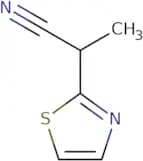
CAS:<p>Versatile small molecule scaffold</p>Formula:C4H2BrCl2N3Purity:Min. 95%Molecular weight:242.89 g/mol2-(1,3-Thiazol-2-yl)propanenitrile
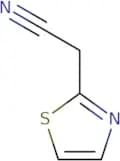
CAS:<p>Versatile small molecule scaffold</p>Formula:C6H6N2SPurity:Min. 95%Molecular weight:138.19 g/molThiazol-2-yl-acetonitrile
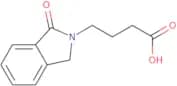
CAS:<p>Thiazol-2-yl-acetonitrile is a reactive, monomeric form of an antimicrobial agent. It has been shown to produce electrophilic reactions with the aromatic ring in phenyl isothiocyanate, yielding the corresponding thiazole derivatives. The analgesic properties of this drug are due to its ability to inhibit cyclooxygenase activity. Thiazol-2-yl-acetonitrile also has elemental analysis and yields that have been extrapolated from the synthesis of various isomers. This drug can be functionalised by reacting it with methylthio groups or ethyl acetoacetate groups and can also exist as geometric isomers.</p>Formula:C5H4N2SPurity:Min. 95%Molecular weight:124.17 g/mol4-(1-Oxo-1,3-dihydro-2H-isoindol-2-yl)butanoic acid
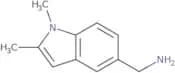
CAS:<p>Versatile small molecule scaffold</p>Formula:C12H13NO3Purity:Min. 95%Molecular weight:219.24 g/mol(1,2-Dimethyl-1H-indol-5-yl)methanamine
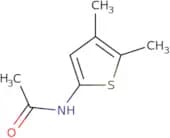
CAS:<p>Versatile small molecule scaffold</p>Formula:C11H14N2Purity:Min. 95%Molecular weight:174.24 g/molN-(4,5-Dimethylthiophen-2-yl)acetamide
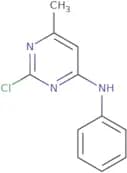
CAS:<p>Versatile small molecule scaffold</p>Formula:C8H11NOSPurity:Min. 95%Molecular weight:169.25 g/mol2-Chloro-6-methyl-N-phenylpyrimidin-4-amine
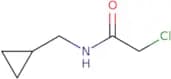
CAS:<p>Versatile small molecule scaffold</p>Formula:C11H10ClN3Purity:Min. 95%Molecular weight:219.67 g/mol2-Chloro-N-cyclopropylmethyl-acetamide
CAS:<p>Versatile small molecule scaffold</p>Formula:C6H10ClNOPurity:Min. 95%Molecular weight:147.61 g/mol2-[(4-Methylphenyl)methoxy]acetic acid
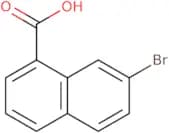
CAS:<p>Versatile small molecule scaffold</p>Formula:C10H12O3Purity:Min. 95%Molecular weight:180.2 g/mol7-Bromo-1-naphthoic acid
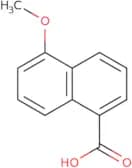
CAS:<p>Versatile small molecule scaffold</p>Formula:C11H7BrO2Purity:Min. 95%Molecular weight:251.08 g/mol5-Methoxy-1-naphthoic acid
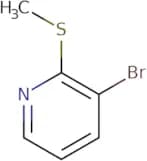
CAS:<p>Versatile small molecule scaffold</p>Formula:C12H10O3Purity:Min. 95%Molecular weight:202.21 g/mol3-Bromo-2-(methylthio)pyridine
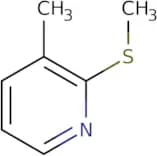
CAS:<p>Versatile small molecule scaffold</p>Formula:C6H6BrNSPurity:Min. 95%Molecular weight:204.09 g/mol3-Methyl-2-(methylsulfanyl)pyridine
CAS:<p>Versatile small molecule scaffold</p>Formula:C7H9NSPurity:Min. 95%Molecular weight:139.22 g/mol3-[(2-Fluorophenyl)sulfanyl]propanenitrile
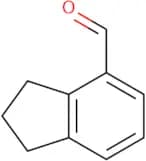
CAS:<p>Versatile small molecule scaffold</p>Formula:C9H8FNSPurity:Min. 95%Molecular weight:181.23 g/mol2,3-dihydro-1H-indene-4-carbaldehyde
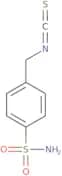
CAS:<p>2,3-dihydro-1H-indene-4-carbaldehyde is an antibacterial agent that has been shown to be active against bacteria and yeast. It is used in the preparation of samples for analysis using solid phase microextraction (SPME). The extraction procedure involves the use of a non-polar solvent to extract analytes from a solid matrix. The sample preparation technique can be used when the analytes are not soluble in water. 2,3-Dihydro-1H-indene-4-carbaldehyde inhibits β-glucosidase activity and fatty acid synthesis. This compound also has antiinflammatory properties, which may be due to its ability to inhibit prostaglandin synthesis by inhibiting β-glucosidase activity.<br>2,3-Dihydro-1H-indene 4 carbaldehyde is an isomer of dimethyl fumarate and can be converted into this form by hydrogenation</p>Formula:C10H10OPurity:Min. 95%Molecular weight:146.19 g/mol4-(Isothiocyanatomethyl)benzene-1-sulfonamide
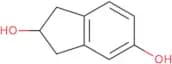
CAS:<p>4-(Isothiocyanatomethyl)benzenesulfonamide is a carboxylate that is used as an antiglaucoma agent. It is a synthetic compound that inhibits the enzyme carbonic anhydrase, which regulates the hydration and acidification of intraocular fluids, reducing intraocular pressure. This drug can be used to treat glaucoma in animals and humans. 4-(Isothiocyanatomethyl)benzenesulfonamide has been shown to have a neutral pH and can be administered orally, by injection, or topically.</p>Formula:C8H8N2O2S2Purity:Min. 95%Molecular weight:228.3 g/mol2,3-Dihydro-1H-indene-2,5-diol
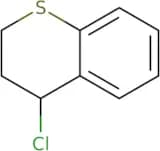
CAS:<p>Versatile small molecule scaffold</p>Formula:C9H10O2Purity:Min. 95%Molecular weight:150.17 g/mol4-Chloro-3,4-dihydro-2H-1-benzothiopyran
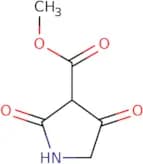
CAS:<p>Versatile small molecule scaffold</p>Formula:C9H9ClSPurity:Min. 95%Molecular weight:184.69 g/molMethyl 2,4-dioxopyrrolidine-3-carboxylate
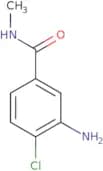
CAS:<p>Versatile small molecule scaffold</p>Formula:C6H7NO4Purity:Min. 95%Molecular weight:157.12 g/mol3-Amino-4-chloro-N-methylbenzamide
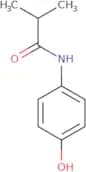
CAS:<p>Versatile small molecule scaffold</p>Formula:C8H9ClN2OPurity:Min. 95%Molecular weight:184.62 g/molN-(4-Hydroxyphenyl)-2-methylpropanamide
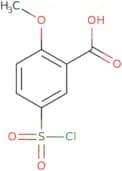
CAS:<p>Versatile small molecule scaffold</p>Formula:C10H13NO2Purity:Min. 95%Molecular weight:179.22 g/mol5-Chlorosulfonyl-2-methoxybenzoic acid
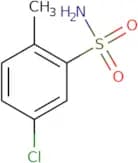
CAS:<p>5-Chlorosulfonyl-2-methoxybenzoic acid is a reactive chemical that belongs to the group of carboxylic acids. This chemical has been used in the optimization of benzoate production by reacting with an azide and chlorinating. It can also be used as a pest control agent, as it reacts with chloride ions to form toxic sulfonyl chlorides. 5-Chlorosulfonyl-2-methoxybenzoic acid has been shown to be effective as a control agent for salicylic and salicylic acid, which are plant growth hormones that inhibit cell division in plants.</p>Formula:C8H7ClO5SPurity:Min. 95%Molecular weight:250.66 g/mol5-Chloro-2-methylbenzene-1-sulfonamide
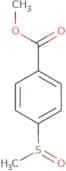
CAS:<p>5-Chloro-2-methylbenzene-1-sulfonamide is an organic compound that is a crystalline solid at room temperature. It has a molecular formula of C6H6ClNOS and a molar mass of 158.6 g mol−1. The compound crystallizes in two isomers (enantiomers). 5-Chloro-2-methylbenzene-1-sulfonamide can be found as the crystalline product when ether reacts with hydrogen bromide to produce bromohydrin. This reaction produces a mixture of the two isomers, which are separated by recrystallization to yield the desired product. 5-Chloro-2-methylbenzene-1-sulfonamide interacts with x rays and forms a crystalline product. X ray crystallography can be used to determine the crystal structure of this compound, which has been shown to have macrocyclic ring structures.</p>Formula:C7H8ClNO2SPurity:Min. 95%Molecular weight:205.66 g/molMethyl 4-methanesulfinylbenzoate
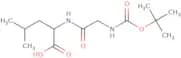
CAS:<p>Versatile small molecule scaffold</p>Formula:C9H10O3SPurity:Min. 95%Molecular weight:198.24 g/molBoc-Gly-Leu-OH
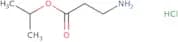
CAS:<p>Boc-Gly-Leu-OH is a peptidomimetic that can be prepared by the stepwise condensation of Boc-Gly-OH, followed by the removal of the Boc group. This additive is hydrophobic and has been shown to have antimicrobial properties against bacteria and fungi. Boc-Gly-Leu-OH also inhibits the growth of mammalian cells. The immobilized form of this compound may be used in organic solvent catalysis.</p>Formula:C13H24N2O5Purity:Min. 95%Molecular weight:288.34 g/molPropan-2-yl 3-aminopropanoate hydrochloride
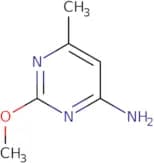
CAS:<p>Versatile small molecule scaffold</p>Formula:C6H14ClNO2Purity:Min. 95%Molecular weight:167.63 g/mol2-Methoxy-6-methylpyrimidine-4-yl-amine
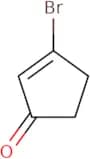
CAS:<p>Versatile small molecule scaffold</p>Formula:C6H9N3OPurity:Min. 95%Molecular weight:139.15 g/mol3-Bromocyclopent-2-en-1-one
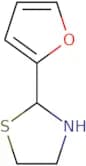
CAS:<p>3-Bromocyclopent-2-en-1-one is an organic compound that belongs to the group of cycloalkenones. It is a methyl ester with a cyclopentane backbone and a ketone group at the end of the molecule. 3-Bromocyclopent-2-en-1-one is synthesized by a cross-coupling reaction between zinc chloride and 3,4,5,6,7,8,9,10,11 bromodecane. The product can be isolated in crystalline form as well as in yields up to 90%. The product has been shown to act as an analog for prostaglandin E2.</p>Formula:C5H5BrOPurity:Min. 95%Molecular weight:161 g/mol2-(Furan-2-yl)-1,3-thiazolidine
CAS:<p>2-(Furan-2-yl)-1,3-thiazolidine is a chemical compound that is used as a reagent in organic synthesis. It has been shown to be an efficient sulfur-promoted atom transfer agent for the aerobic oxidation of thiols, such as cysteine. 2-(Furan-2-yl)-1,3-thiazolidine has also been studied as a catalyst in the formation of microemulsions. The catalytic activity of this molecule may be enhanced by its ability to form structured intermediates at the interface between water and oil phases. This reaction product is stable enough to withstand repeated phase changes and can be used for the production of glycols from diols.</p>Formula:C7H9NOSPurity:Min. 95%Molecular weight:155.22 g/molMethyl 1-methyl-2-pyrroleacetate
CAS:<p>Methyl 1-methyl-2-pyrroleacetate is a pyrrole derivative that can be synthesized by the catalytic hydrogenation of methyl 1-(2-pyrrolyl)propanoate. This compound is a useful intermediate for the synthesis of heterocyclic compounds with different substituents. Methyl 1-methyl-2-pyrroleacetate has been used as a substrate for ruthenium and rhodium catalysts, and can be selectively hydrogenated with palladium on charcoal. The reactions are carried out in various solvents such as benzene, toluene, or chloroform.</p>Formula:C8H11NO2Purity:Min. 95%Molecular weight:153.18 g/mol6H-thieno[2,3-b]pyrrole-5-carboxylic acid
CAS:<p>Versatile small molecule scaffold</p>Formula:C7H5NO2SPurity:Min. 95%Molecular weight:167.19 g/mol4-Chloro-3-methyl-[1,2]oxazolo[5,4-d]pyrimidine
CAS:<p>Versatile small molecule scaffold</p>Formula:C6H4ClN3OPurity:Min. 95%Molecular weight:169.57 g/molrac-2-[(1R,2S)-2-Hydroxycyclopentyl]acetic acid
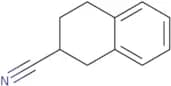
CAS:<p>Versatile small molecule scaffold</p>Formula:C7H12O3Purity:Min. 95%Molecular weight:144.2 g/mol1,2,3,4-Tetrahydronaphthalene-2-carbonitrile
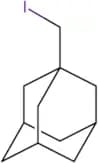
CAS:<p>1,2,3,4-Tetrahydronaphthalene-2-carbonitrile (THN) is an additive that is used in the production of polyesters. It has a high dielectric constant and is also an isoamyl and isoamyl alcohol amide. THN displays liquid crystal properties and has anisotropy. It can be synthesized by refluxing 1,2,3,4-tetrahydronaphthalene with carbon tetrachloride in the presence of chlorine gas.</p>Formula:C11H11NPurity:Min. 95%Color and Shape:PowderMolecular weight:157.21 g/mol1-Adamantylcarbinyl iodide
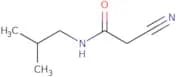
CAS:<p>Versatile small molecule scaffold</p>Formula:C11H17IPurity:Min. 95%Molecular weight:276.16 g/mol2-Cyano-N-(2-methylpropyl)acetamide
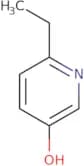
CAS:<p>Versatile small molecule scaffold</p>Formula:C7H12N2OPurity:Min. 95%Molecular weight:140.18 g/mol6-Ethylpyridin-3-ol
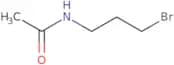
CAS:<p>Versatile small molecule scaffold</p>Formula:C7H9NOPurity:Min. 95%Molecular weight:123.15 g/molN-(3-Bromopropyl)acetamide
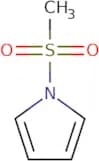
CAS:<p>Versatile small molecule scaffold</p>Formula:C5H10BrNOPurity:Min. 95%Molecular weight:180.04 g/mol1-Methanesulfonylpyrrole
CAS:<p>Versatile small molecule scaffold</p>Formula:C5H7NO2SPurity:Min. 95%Molecular weight:145.18 g/molbenzo[b]thiophen-4-ylmethanol
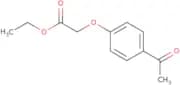
CAS:<p>Versatile small molecule scaffold</p>Formula:C9H8OSPurity:Min. 95%Molecular weight:164.22 g/molEthyl 2-(4-acetylphenoxy)acetate
CAS:<p>Versatile small molecule scaffold</p>Formula:C12H14O4Purity:Min. 95%Molecular weight:222.24 g/mol1-[(4-Chlorophenyl)sulfanyl]butan-2-one
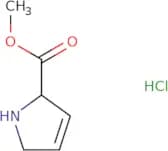
CAS:<p>Versatile small molecule scaffold</p>Formula:C10H11ClOSPurity:Min. 95%Molecular weight:214.71 g/mol3,4-Dehydro-L-proline methyl ester hydrochloride
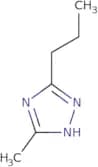
CAS:<p>Versatile small molecule scaffold</p>Formula:C6H9NO2·HClPurity:Min. 95%Molecular weight:163.6 g/mol3-Methyl-5-propyl-1H-1,2,4-triazole
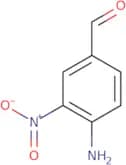
CAS:<p>Versatile small molecule scaffold</p>Formula:C6H11N3Purity:Min. 95%Molecular weight:125.17 g/mol4-amino-3-nitrobenzaldehyde
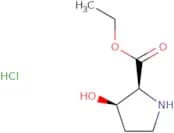
CAS:<p>4-Amino-3-nitrobenzaldehyde (4ANB) is a fluorescent probe that is used to detect amines. It has been shown to be thermodynamically stable and can be used as a fluorophore in the presence of hydroxyl groups. 4ANB fluoresces with a bathochromic shift when protonated and can be used as a hypsochromic probe for cellulose acetate. The fluorescence properties of 4ANB are dependent on the chemical environment, which can be modified by adding functional groups such as formyl or fluorophore groups.</p>Formula:C7H6N2O3Purity:Min. 95%Molecular weight:166.1 g/molEthyl 3-hydroxypyrrolidine-2-carboxylate hydrochloride
CAS:<p>Versatile small molecule scaffold</p>Formula:C7H14ClNO3Purity:Min. 95%Molecular weight:195.6 g/mol5-Chloromethyl-3-(3-chloro-phenyl)-[1,2,4]oxadiazole
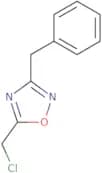
CAS:<p>Versatile small molecule scaffold</p>Formula:C9H6Cl2N2OPurity:Min. 95%Molecular weight:229.06 g/mol3-Benzyl-5-(chloromethyl)-1,2,4-oxadiazole
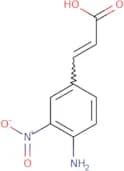
CAS:<p>3-Benzyl-5-(chloromethyl)-1,2,4-oxadiazole is a cyanate compound that has magnetic properties. It was synthesized by the reaction of 3-benzyl-5-(chloromethyl)-1,2,4-dioxadiazole with sodium thiocyanate. This compound is an adduct of a polymeric selenium complex and the cyanate group. The spectral data for this compound indicated that it has a strong interaction between the selenium atom and the thiocyanato moiety. Elemental analyses show that this compound has a molecular weight of 223.3 g/mol and contains 12 hydrogen atoms, 11 carbons, and 8 oxygen atoms.</p>Formula:C10H9ClN2OPurity:Min. 95%Molecular weight:208.64 g/mol(2E)-3-(4-Amino-3-nitrophenyl)prop-2-enoic acid
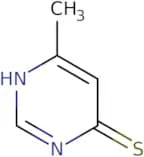
CAS:<p>Versatile small molecule scaffold</p>Formula:C9H8N2O4Purity:Min. 95%Molecular weight:208.17 g/mol6-Methylpyrimidine-4-thiol
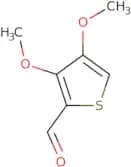
CAS:<p>Versatile small molecule scaffold</p>Formula:C5H6N2SPurity:Min. 95%Molecular weight:126.17 g/mol3,4-Dimethoxythiophene-2-carbaldehyde
CAS:<p>Versatile small molecule scaffold</p>Formula:C7H8O3SPurity:Min. 95%Molecular weight:172.2 g/mol(2E)-3-[4-(Trifluoromethyl)phenyl]prop-2-enenitrile
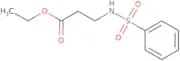
CAS:<p>Versatile small molecule scaffold</p>Formula:C10H6F3NPurity:Min. 95%Molecular weight:197.16 g/molEthyl 3-benzenesulfonamidopropanoate
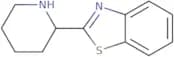
CAS:<p>Versatile small molecule scaffold</p>Formula:C11H15NO4SPurity:Min. 95%Molecular weight:257.31 g/mol2-(Piperidin-2-yl)-1,3-benzothiazole
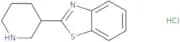
CAS:<p>Versatile small molecule scaffold</p>Formula:C12H14N2SPurity:Min. 95%Molecular weight:218.32 g/mol2-(3-Piperidinyl)-1,3-benzothiazole hydrochloride
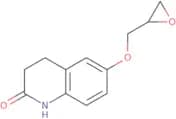
CAS:<p>Versatile small molecule scaffold</p>Formula:C12H15ClN2SPurity:Min. 95%Molecular weight:254.78 g/mol6-(Oxiran-2-ylmethoxy)-1,2,3,4-tetrahydroquinolin-2-one
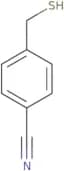
CAS:<p>Versatile small molecule scaffold</p>Formula:C12H13NO3Purity:Min. 95%Molecular weight:219.24 g/mol4-(Sulfanylmethyl)benzonitrile
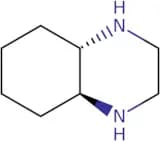
CAS:<p>Versatile small molecule scaffold</p>Formula:C8H7NSPurity:Min. 95%Molecular weight:149.21 g/moltrans-Decahydro-quinoxaline
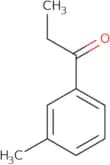
CAS:<p>Versatile small molecule scaffold</p>Formula:C8H16N2Purity:Min. 95%Molecular weight:140.23 g/mol1-(m-Tolyl)propan-1-one
CAS:Controlled Product<p>Amphetamine is a psychostimulant and sympathomimetic that is used to treat attention-deficit hyperactivity disorder, narcolepsy, and obesity. Amphetamine is structurally similar to phenylethylamine, a naturally occurring trace amine found in humans. Amphetamine has been shown to bind with high affinity to tissues in the heart, lungs, stomach, and intestines. It also binds with moderate affinity to the liver. Amphetamine can be detected by analyses of chemical structures using diode-array detection or mass spectrometry. In addition, amphetamine can be detected in urine using liquid chromatography or gas chromatography/mass spectrometry. Amphetamines are addictive and have been shown to cause long-term damage in animal models of addiction. Cathinones are related compounds that have been found in human urine samples and have been shown to be toxicologically similar to amphetamines.</p>Formula:C10H12OPurity:Min. 95%Molecular weight:148.2 g/molFenicoberan
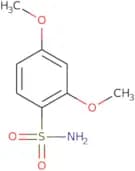
CAS:<p>Fenicoberan is a bronchodilator that has been shown to be effective in the treatment of chronic bronchitis. Fenicoberan is also used as an antiarrhythmic and a medicinal preparation for treating gastritis, heart disease, and infarction. Fenicoberan has been shown to be an effective drug in the ligation of coronary artery thrombi, with normalization of heart function, and hepatoprotective properties. The active chemical component of fenicoberan is phenylephrine hydrochloride. It is a sympathomimetic amine that increases blood pressure by acting on alpha-adrenergic receptors in the vascular smooth muscle cells. Fenicoberan also induces phosphatidylcholine synthesis by activating phospholipase C (PLC) enzymes, which are involved in the hydrolysis of membrane phospholipids.</p>Formula:C20H22ClNO4Purity:Min. 95%Molecular weight:375.8 g/mol2,4-Dimethoxybenzenesulfonamide
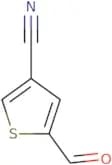
CAS:<p>Versatile small molecule scaffold</p>Formula:C8H11NO4SPurity:Min. 95%Molecular weight:217.25 g/mol5-formylthiophene-3-carbonitrile
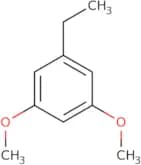
CAS:<p>Versatile small molecule scaffold</p>Formula:C6H3NOSPurity:Min. 95%Molecular weight:137.15 g/mol1-Ethyl-3,5-dimethoxybenzene
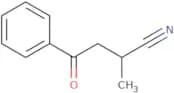
CAS:<p>Versatile small molecule scaffold</p>Formula:C10H14O2Purity:Min. 95%Molecular weight:166.22 g/mol2-Methyl-4-oxo-4-phenylbutanenitrile
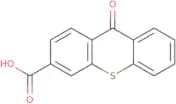
CAS:<p>2-Methyl-4-oxo-4-phenylbutanenitrile is a chemical compound that is used in the synthesis of pharmaceuticals. It can be obtained by reacting an organic base with an organic acid. This reaction takes place in a reaction vessel and requires an inorganic base and inorganic reagents. The process also requires ethyl cyanoacetate as the starting material and produces 2-methyl-4-oxo-4-phenylbutanenitrile as the product. The use of this chemical has been linked to environmental pollution, so it should never be released into the environment or come into contact with water.</p>Formula:C11H11NOPurity:Min. 95%Molecular weight:173.21 g/mol9-Oxo-9H-thioxanthene-3-carboxylic acid
CAS:<p>9-Oxo-9H-thioxanthene-3-carboxylic acid is an organic compound that is used in the treatment of wastewater. It is used to inhibit the growth of microorganisms present in wastewater and has been shown to be effective at inhibiting enzymes involved in energy metabolism and citric acid production. 9-Oxo-9H-thioxanthene-3-carboxylic acid also acts as a potent inhibitor of pyrazinoic acid production, which is a major cause of chronic coughs. This chemical also inhibits glomerular filtration rate in rats, which can lead to proteinuria. The chemical's effect on kidney function can be determined by preparing a sample for titration calorimetry.</p>Formula:C14H8O3SPurity:Min. 95%Molecular weight:256.28 g/mol
![5,7-Dimethyl-2H,3H-[1,2,4]triazolo[4,3-c]pyrimidin-3-one](/_next/image/?url=https%3A%2Fstatic.cymitquimica.com%2Fproducts%2F3D%2Fthumb-webp%2FBEA20860.webp&w=3840&q=75)

![2-Chloro-N-[(4-sulfamoylphenyl)methyl]acetamide](/_next/image/?url=https%3A%2Fstatic.cymitquimica.com%2Fproducts%2F3D%2Fthumb-webp%2FBEA16702.webp&w=3840&q=75)
![Methyl 4-[(phenoxycarbonyl)ao]benzoate](/_next/image/?url=https%3A%2Fstatic.cymitquimica.com%2Fproducts%2F3D%2Fthumb-webp%2FBEA09765.webp&w=3840&q=75)
![Ethyl 2-[(4-chlorophenoxy)methyl]prop-2-enoate](/_next/image/?url=https%3A%2Fstatic.cymitquimica.com%2Fproducts%2F3D%2Fthumb-webp%2FBEA04657.webp&w=3840&q=75)
![cis-2-Benzylhexahydrocyclopenta[c]pyrrol-4(1H)-one](/_next/image/?url=https%3A%2Fstatic.cymitquimica.com%2Fproducts%2F3D%2Fthumb-webp%2FBEA04632.webp&w=3840&q=75)
![2-[(4-Methylphenyl)methoxy]acetic acid](/_next/image/?url=https%3A%2Fstatic.cymitquimica.com%2Fproducts%2F3D%2Fthumb-webp%2FBCA93440.webp&w=3840&q=75)
![3-[(2-Fluorophenyl)sulfanyl]propanenitrile](/_next/image/?url=https%3A%2Fstatic.cymitquimica.com%2Fproducts%2F3D%2Fthumb-webp%2FBCA93276.webp&w=3840&q=75)
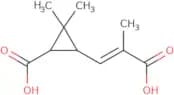
![6H-thieno[2,3-b]pyrrole-5-carboxylic acid](/_next/image/?url=https%3A%2Fstatic.cymitquimica.com%2Fproducts%2F3D%2Fthumb-webp%2FBCA85625.webp&w=3840&q=75)
![4-Chloro-3-methyl-[1,2]oxazolo[5,4-d]pyrimidine](/_next/image/?url=https%3A%2Fstatic.cymitquimica.com%2Fproducts%2F3D%2Fthumb-webp%2FBCA85060.webp&w=3840&q=75)
![rac-2-[(1R,2S)-2-Hydroxycyclopentyl]acetic acid](/_next/image/?url=https%3A%2Fstatic.cymitquimica.com%2Fproducts%2F3D%2Fthumb-webp%2FBCA84974.webp&w=3840&q=75)
![benzo[b]thiophen-4-ylmethanol](/_next/image/?url=https%3A%2Fstatic.cymitquimica.com%2Fproducts%2F3D%2Fthumb-webp%2FBCA83054.webp&w=3840&q=75)
![1-[(4-Chlorophenyl)sulfanyl]butan-2-one](/_next/image/?url=https%3A%2Fstatic.cymitquimica.com%2Fproducts%2F3D%2Fthumb-webp%2FBCA82854.webp&w=3840&q=75)
![5-Chloromethyl-3-(3-chloro-phenyl)-[1,2,4]oxadiazole](/_next/image/?url=https%3A%2Fstatic.cymitquimica.com%2Fproducts%2F3D%2Fthumb-webp%2FBCA80278.webp&w=3840&q=75)
![(2E)-3-[4-(Trifluoromethyl)phenyl]prop-2-enenitrile](/_next/image/?url=https%3A%2Fstatic.cymitquimica.com%2Fproducts%2F3D%2Fthumb-webp%2FBCA79129.webp&w=3840&q=75)