Building Blocks
This section contains fundamental products for the synthesis of organic and biological compounds. Building blocks are the essential starting materials used to construct complex molecules through various chemical reactions. They play a critical role in drug discovery, material science, and chemical research. At CymitQuimica, we offer a diverse range of high-quality building blocks to support your innovative research and industrial projects, ensuring you have the essential components for successful synthesis.
Subcategories of "Building Blocks"
- Boronic Acids & Boronic Acid Derivatives(5,756 products)
- Chiral Building Blocks(1,242 products)
- Hydrocarbon Building Blocks(6,093 products)
- Organic Building Blocks(60,529 products)
Found 195534 products of "Building Blocks"
Sort by
Purity (%)
0
100
|
0
|
50
|
90
|
95
|
100
3-(Ethylsulfanyl)imidazo[1,5-a]pyridine
CAS:<p>Versatile small molecule scaffold</p>Formula:C9H10N2SPurity:Min. 95%Molecular weight:178.26 g/mol3-[4-(Hydroxymethyl)phenyl]propanoic acid
CAS:<p>Versatile small molecule scaffold</p>Formula:C10H12O3Purity:Min. 95%Molecular weight:180.2 g/mol1,2-Diazaspiro[4.5]decan-3-one
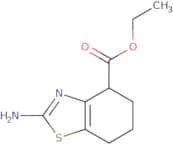
CAS:<p>Versatile small molecule scaffold</p>Formula:C8H14N2OPurity:Min. 95%Molecular weight:154.21 g/molethyl 2-amino-4,5,6,7-tetrahydro-1,3-benzothiazole-4-carboxylate
CAS:<p>Versatile small molecule scaffold</p>Formula:C10H14N2O2SPurity:Min. 95%Molecular weight:226.3 g/mol1,5-Dimethyl-7-methylidenebicyclo[3.3.1]nonan-3-one
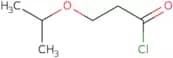
CAS:<p>Versatile small molecule scaffold</p>Formula:C12H18OPurity:Min. 95%Molecular weight:178.27 g/mol3-(Propan-2-yloxy)propanoyl chloride
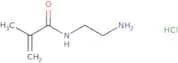
CAS:<p>Versatile small molecule scaffold</p>Formula:C6H11ClO2Purity:Min. 95%Molecular weight:150.6 g/molN-(2-Aminoethyl)methacrylamide hydrochloride
CAS:<p>N-(2-Aminoethyl)methacrylamide hydrochloride is a monomer that can be polymerized to form a magnetic particle. This polymerization process is efficient and can be used to produce nanogels. N-(2-Aminoethyl)methacrylamide hydrochloride is also an efficient cross-linking agent for the preparation of magnetic particles. This compound has shown potential as an antigen carrier in vaccine development, and has been tested with HIV and influenza virus vaccines. The high synthetic efficiency of this compound makes it a promising candidate for use in the production of synthetic sequences for nucleic acid hybridization detection methods.</p>Formula:C6H13ClN2OPurity:Min. 95%Molecular weight:164.63 g/mol3-Methanesulfonylimidazo[1,5-a]pyridine-1-carboxylic acid
CAS:<p>Versatile small molecule scaffold</p>Formula:C9H8N2O4SPurity:Min. 95%Molecular weight:240.24 g/mol3-(Methylsulfanyl)imidazo[1,5-a]pyridine-1-carboxylic acid
CAS:Controlled Product<p>3-(Methylsulfanyl)imidazo[1,5-a]pyridine-1-carboxylic acid is a protein that binds to the extracellular domain of the human erythropoietin receptor. This receptor is involved in the regulation of red blood cell production and has been shown to be important for its binding to extracellular matrix proteins. 3-(Methylsulfanyl)imidazo[1,5-a]pyridine-1-carboxylic acid has also been shown to inhibit ligand binding to the erythropoietin receptor, by blocking the erythropoietin binding site. This can be used as a research tool or pharmacological agent.</p>Formula:C9H8N2O2SPurity:Min. 95%Molecular weight:208.24 g/molImidazo[1,5-a]pyridine-3-thiol
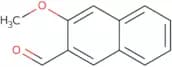
CAS:<p>Versatile small molecule scaffold</p>Formula:C7H6N2SPurity:Min. 95%Molecular weight:150.2 g/mol3-Methoxy-2-naphthaldehyde
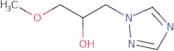
CAS:<p>3-Methoxy-2-naphthaldehyde is a molecule that belongs to the group of organic compounds called aldehydes. It is an oxidizing agent with molecular weight of 92.13 g/mol and chemical formula CH 3 COCH 2 OH. The oxidation of 3-methoxy-2-naphthaldehyde is catalyzed by the enzyme aldehyde oxidase, which converts it into 3-hydroxy-2-naphthaldehyde. This reaction requires NAD+ as cofactor and produces NADH, which can be used in other reactions such as glycolysis or the citric acid cycle. The intramolecular hydrogen bond between the carbon atom in carbonyl group and the oxygen atom in hydroxyl group stabilizes this molecule.<br>3-Methoxy-2-naphthaldehyde has low energy photophysical properties and can be used as a signal transducer for functional groups, such as phenols and am</p>Formula:C12H10O2Purity:Min. 95%Molecular weight:186.21 g/mol1-Methoxy-3-(1H-1,2,4-triazol-1-yl)propan-2-ol
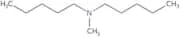
CAS:<p>Versatile small molecule scaffold</p>Formula:C6H11N3O2Purity:Min. 95%Molecular weight:157.17 g/molN-Methyldipentylamine
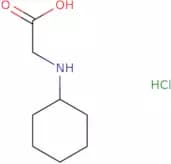
CAS:<p>Versatile small molecule scaffold</p>Formula:C11H25NPurity:Min. 95%Molecular weight:171.32 g/mol2-(Cyclohexylamino)acetic acid hydrochloride
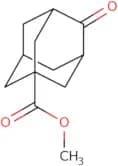
CAS:<p>2-(Cyclohexylamino)acetic acid hydrochloride is a chiral compound that has been shown to inhibit the activity of metalloproteinases, including matrix metalloproteinase (MMP) and peptidyl-arginine deiminases. It also inhibits the production of inflammatory cytokines in response to viral infection. 2-(Cyclohexylamino)acetic acid hydrochloride may be useful for the treatment of liver diseases such as hepatitis or cirrhosis due to its ability to inhibit MMP-2. It is also being investigated as a potential drug for traumatic brain injury because it has been shown to reduce oxidative stress and inflammation in animal models.</p>Formula:C8H16ClNO2Purity:Min. 95%Molecular weight:193.67 g/mol4-Oxo-adamantane-1-carboxylic acid methyl ester
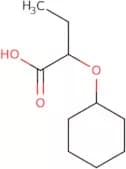
CAS:<p>4-Oxo-adamantane-1-carboxylic acid methyl ester is a carboxylic acid derivative with an inhibitory effect on the enzyme diacylglycerol acyltransferase (DGAT). This inhibition leads to reduced levels of triglycerides in the blood. The compound has been shown to be safe for use in humans, and does not affect bodyweight or plasma triglyceride levels. 4-Oxo-adamantane-1-carboxylic acid methyl ester has been shown to be effective at lowering plasma triglyceride levels in patients with diabetes. This compound is also druggable and can be used as a lead structure for drug development.br>br></p>Formula:C12H16O3Purity:Min. 95%Molecular weight:208.25 g/mol2-(Cyclohexyloxy)butanoic acid
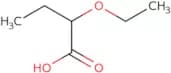
CAS:<p>Versatile small molecule scaffold</p>Formula:C10H18O3Purity:Min. 95%Molecular weight:186.25 g/mol2-Ethoxybutanoic acid
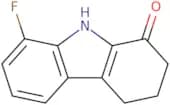
CAS:<p>Versatile small molecule scaffold</p>Formula:C6H12O3Purity:Min. 95%Molecular weight:132.16 g/mol8-Fluoro-2,3,4,9-tetrahydro-1H-carbazol-1-one
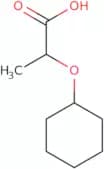
CAS:<p>Versatile small molecule scaffold</p>Formula:C12H10FNOPurity:Min. 95%Molecular weight:203.21 g/mol2-(Cyclohexyloxy)propanoic acid
CAS:<p>Versatile small molecule scaffold</p>Formula:C9H16O3Purity:Min. 95%Molecular weight:172.22 g/mol2-[(5-Methyl-1,2-oxazol-3-yl)oxy]acetic acid
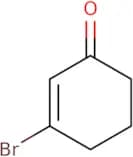
CAS:<p>Versatile small molecule scaffold</p>Formula:C6H7NO4Purity:Min. 95%Molecular weight:157.12 g/mol3-Bromocyclohex-2-en-1-one
CAS:<p>3-Bromocyclohex-2-en-1-one is an organic compound that belongs to the group of halogenated cyclic ketones. It has industrial applications as a solvent and synthetic intermediate, and can be synthesized by the reaction of carbon tetrabromide with triphenylphosphine in ether. The filtration process is used to isolate 3-bromocyclohex-2-en-1-one from other products.</p>Formula:C6H7BrOPurity:Min. 95%Molecular weight:175.02 g/molImidazo[1,5-a]pyridine-3-carboxaldehyde
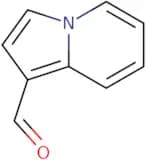
CAS:<p>Imidazo[1,5-a]pyridine-3-carboxaldehyde is a multicomponent molecule that has the potential to be used in biomolecular chemistry. It is a fluorescent compound that can be used to produce sustainable and environmentally friendly photophysical properties. Imidazo[1,5-a]pyridine-3-carboxaldehyde has been shown to have photophysical properties such as fluorescence, phosphorescence, and chemiluminescence. This molecule can also be used in the study of biomolecular chemistry and biomedical research.</p>Formula:C8H6N2OPurity:Min. 95%Molecular weight:146.15 g/mol1-Indolizinecarboxaldehyde
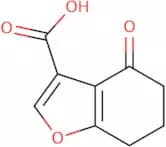
CAS:<p>Versatile small molecule scaffold</p>Formula:C9H7NOPurity:Min. 95%Molecular weight:145.16 g/mol4-Oxo-4,5,6,7-tetrahydrobenzofuran-3-carboxylic acid
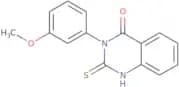
CAS:<p>Versatile small molecule scaffold</p>Formula:C9H8O4Purity:Min. 95%Molecular weight:180.16 g/mol3-(3-Methoxyphenyl)-2-thioxo-2,3-dihydro-4(1H)-quinazolinone
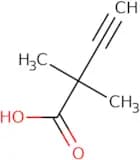
CAS:<p>Versatile small molecule scaffold</p>Formula:C15H12N2O2SPurity:Min. 95%Molecular weight:284.33 g/mol2,2-Dimethylbut-3-ynoic acid
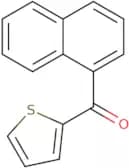
CAS:<p>2,2-Dimethylbut-3-ynoic acid is an organic compound that can be synthesized from acetone. The chemical formula of this compound is C6H12O2. 2,2-Dimethylbut-3-ynoic acid has a boiling point of 157 degrees Celsius and a melting point of -87 degrees Celsius. It has the molecular weight of 136.19 g/mol and its density is 1.07 g/cm^3 at 25 degrees Celsius. This compound can be used as a precursor to other chemicals, such as butanediol or butyraldehyde, which are used in production processes for plastics and synthetic rubber.</p>Formula:C6H8O2Purity:Min. 95%Molecular weight:112.13 g/mol(Naphthalen-1-yl)(thiophen-2-yl)methanone
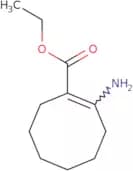
CAS:<p>Versatile small molecule scaffold</p>Formula:C15H10OSPurity:Min. 95%Molecular weight:238.31 g/molEthyl 2-aminocyclooct-1-ene-1-carboxylate
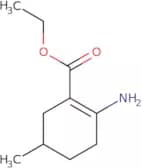
CAS:<p>Versatile small molecule scaffold</p>Formula:C11H19NO2Purity:Min. 95%Molecular weight:197.27 g/molEthyl 2-amino-5-methylcyclohex-1-ene-1-carboxylate
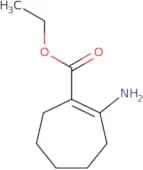
CAS:<p>Versatile small molecule scaffold</p>Formula:C10H17NO2Purity:Min. 95%Molecular weight:183.25 g/molEthyl 2-aminocyclohept-1-ene-1-carboxylate
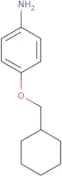
CAS:<p>Versatile small molecule scaffold</p>Formula:C10H17NO2Purity:Min. 95%Molecular weight:183.25 g/mol4-(Cyclohexylmethoxy)aniline
CAS:<p>Versatile small molecule scaffold</p>Formula:C13H19NOPurity:Min. 95%Molecular weight:205.3 g/mol3-Hydroxy-4-methyl-6H-benzo[C]chromen-6-one
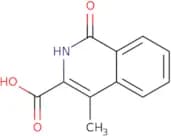
CAS:<p>Versatile small molecule scaffold</p>Formula:C14H10O3Purity:Min. 95%Molecular weight:226.23 g/mol4-Methyl-1-oxo-1,2-dihydroisoquinoline-3-carboxylic acid
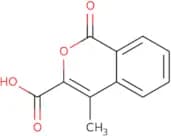
CAS:<p>Versatile small molecule scaffold</p>Formula:C11H9NO3Purity:Min. 95%Molecular weight:203.19 g/mol4-Methyl-1-oxo-1H-isochromene-3-carboxylic acid
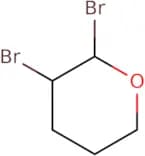
CAS:<p>Versatile small molecule scaffold</p>Formula:C11H8O4Purity:Min. 95%Molecular weight:204.18 g/mol2,3-Dibromooxane
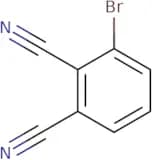
CAS:<p>Versatile small molecule scaffold</p>Formula:C5H8Br2OPurity:Min. 95%Molecular weight:243.92 g/mol3-Bromobenzene-1,2-dicarbonitrile
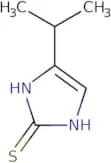
CAS:<p>3-Bromobenzene-1,2-dicarbonitrile (3BD) is a divalent hydrocarbon that can be used to study collagen. It is a good electron acceptor because it has two hydroxyl groups and a nitro group. 3BD also reacts with halides such as chlorine and bromine to form the corresponding bromohydrins. 3BD is a substrate for the enzyme collagenase, which cleaves the amide bond in the molecule. The phosphate group in 3BD emits light when irradiated with ultraviolet light or X-rays, which can be used to identify this compound in solution.</p>Formula:C8H3BrN2Purity:Min. 95%Molecular weight:207.03 g/mol4-(Propan-2-yl)-1H-imidazole-2-thiol
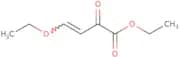
CAS:<p>Versatile small molecule scaffold</p>Formula:C6H10N2SPurity:Min. 95%Molecular weight:142.22 g/molEthyl 4-ethoxy-2-oxobut-3-enoate
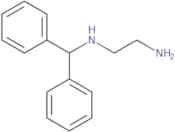
CAS:<p>Versatile small molecule scaffold</p>Formula:C8H12O4Purity:Min. 95%Molecular weight:172.18 g/mol(2-Aminoethyl)(diphenylmethyl)amine
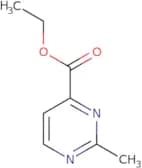
CAS:<p>Versatile small molecule scaffold</p>Formula:C15H18N2Purity:Min. 95%Molecular weight:226.32 g/molEthyl 2-methylpyrimidine-4-carboxylate
CAS:<p>Ethyl 2-methylpyrimidine-4-carboxylate is a quaternary ammonium salt that is used in the synthesis of other compounds. It has been shown to have an annulation reaction with pyridine and pyrimidine derivatives. The ring structure of this compound consists of a pyridine ring with two methyl groups on the nitrogen atoms.</p>Formula:C8H10N2O2Purity:Min. 95%Molecular weight:166.18 g/mol2-(2-Hydroxyethyl)-2H,3H-[1,2,4]triazolo[4,3-a]pyridin-3-one
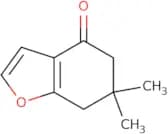
CAS:<p>Versatile small molecule scaffold</p>Formula:C8H9N3O2Purity:Min. 95%Molecular weight:179.18 g/mol6,6-Dimethyl-6,7-dihydro-1-benzofuran-4(5H)-one
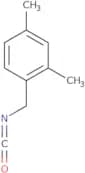
CAS:<p>Versatile small molecule scaffold</p>Formula:C10H12O2Purity:Min. 95%Molecular weight:164.2 g/mol1-(Isocyanatomethyl)-2,4-dimethylbenzene
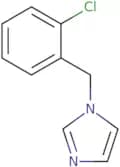
CAS:<p>Versatile small molecule scaffold</p>Formula:C10H11NOPurity:Min. 95%Molecular weight:161.2 g/mol1-(2-Chlorobenzyl)imidazole
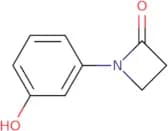
CAS:<p>Versatile small molecule scaffold</p>Formula:C10H9ClN2Purity:Min. 95%Molecular weight:192.64 g/mol1-(3-Hydroxyphenyl)azetidin-2-one
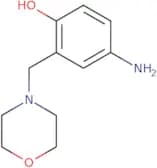
CAS:<p>Versatile small molecule scaffold</p>Formula:C9H9NO2Purity:Min. 95%Molecular weight:163.17 g/mol4-Amino-2-(morpholin-4-ylmethyl)phenol
CAS:<p>Versatile small molecule scaffold</p>Formula:C11H16N2O2Purity:Min. 95%Molecular weight:208.26 g/mol1-(3-Chlorobenzyl)imidazole
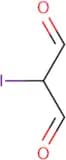
CAS:<p>Versatile small molecule scaffold</p>Formula:C10H9ClN2Purity:Min. 95%Molecular weight:192.64 g/mol2-Iodopropanedial
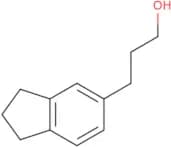
CAS:<p>2-Iodopropanedial is a pyridine compound. It is used as an antineoplastic agent in the treatment of cancer and damages cellular DNA by binding to nucleic acids and inhibiting protein synthesis. 2-Iodopropanedial also has acrylonitrile, a spectrum that includes antitumor activity and herbicides. 2-Iodopropanedial is an aromatic compound with carboxylic and ethynyl groups. The c-c bond provides its anti-tumor properties.</p>Formula:C3H3IO2Purity:Min. 95%Molecular weight:197.96 g/mol3-(2,3-Dihydro-1H-inden-5-yl)propan-1-ol
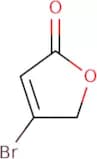
CAS:<p>Versatile small molecule scaffold</p>Formula:C12H16OPurity:Min. 95%Molecular weight:176.25 g/mol4-Bromofuran-2-one
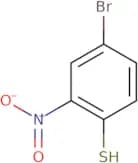
CAS:<p>Bromofuran-2-one is an organotin compound that is used in the synthesis of pharmaceuticals, agrochemicals, and other organic compounds. The compound has a sequence of reactions that can be controlled by the substitution of the chloride group with a variety of functional groups. Bromofuran-2-one has been shown to undergo a Suzuki coupling reaction with an olefin, which produces a substituted furanone product.</p>Formula:C4H3BrO2Purity:Min. 95%Molecular weight:162.97 g/mol4-Bromo-2-nitrothiophenol
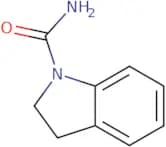
CAS:<p>Versatile small molecule scaffold</p>Formula:C6H4BrNO2SPurity:Min. 95%Molecular weight:234.07 g/mol2,3-Dihydro-1H-indole-1-carboxamide
CAS:<p>2,3-Dihydro-1H-indole-1-carboxamide is a factor receptor inhibitor that prevents the binding of growth factors to their receptors. It has been shown to have endothelial dysfunction activity and to inhibit cell growth in cardiac, atherosclerotic lesions, and pulmonary endothelial cells. 2,3-Dihydro-1H-indole-1-carboxamide has also been shown to prevent vascular endothelial cell growth and to reduce the size of atherosclerotic lesions in mice. This drug is a pharmaceutical product that can be used as an antiangiogenic agent or as a medicament for the treatment of pulmonary diseases.</p>Formula:C9H10N2OPurity:Min. 95%Molecular weight:162.19 g/mol3-(Bromomethyl)-1,1-dimethylcyclobutane
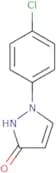
CAS:<p>Versatile small molecule scaffold</p>Formula:C7H13BrPurity:Min. 95%Molecular weight:177.09 g/mol1-(4-Chlorophenyl)-1,2-dihydro-3H-pyrazol-3-one
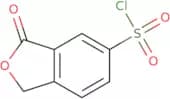
CAS:<p>1-(4-Chlorophenyl)-1,2-dihydro-3H-pyrazol-3-one is a synthetic oxidant that reacts with hydrogen peroxide and nitric acid to produce an intermediate which can be used as a pesticide. This compound has also been used in the production of acrylics, as well as in the synthesis of organic compounds. The reaction time for this compound is optimal at room temperature and produces the best results when using an organic solvent. 1-(4-Chlorophenyl)-1,2-dihydro-3H-pyrazol-3-one should be stored under a nitrogen atmosphere to avoid oxidation.</p>Formula:C9H7ClN2OPurity:Min. 95%Molecular weight:194.62 g/mol3-Oxo-1,3-dihydro-2-benzofuran-5-sulfonyl chloride
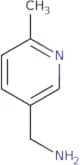
CAS:<p>Versatile small molecule scaffold</p>Formula:C8H5ClO4SPurity:Min. 95%Molecular weight:232.64 g/mol(6-Methylpyridin-3-yl)methanamine
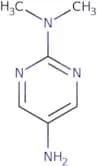
CAS:<p>Versatile small molecule scaffold</p>Formula:C7H10N2Purity:Min. 95%Molecular weight:122.17 g/molN2,N2-Dimethylpyrimidine-2,5-diamine
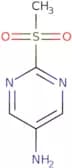
CAS:<p>Versatile small molecule scaffold</p>Formula:C6H10N4Purity:Min. 95%Molecular weight:138.17 g/mol2-(Methylsulfonyl)pyrimidin-5-amine
CAS:<p>Versatile small molecule scaffold</p>Formula:C5H7N3O2SPurity:Min. 95%Molecular weight:173.19 g/molBoc-3-exo-aminobicyclo[2.2.1]-heptane-2-exo-carboxylic acid
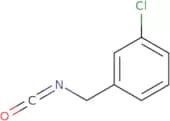
CAS:<p>Versatile small molecule scaffold</p>Formula:C13H21NO4Purity:Min. 95%Molecular weight:255.32 g/mol1-Chloro-3-(isocyanatomethyl)benzene
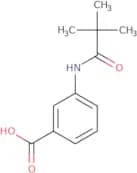
CAS:<p>Versatile small molecule scaffold</p>Formula:C8H6ClNOPurity:Min. 95%Molecular weight:167.59 g/mol3-(2,2-Dimethylpropionylamino)benzoic acid
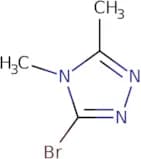
CAS:<p>Versatile small molecule scaffold</p>Formula:C12H15NO3Purity:Min. 95%Molecular weight:221.26 g/mol3-Bromo-4,5-dimethyl-4H-1,2,4-triazole
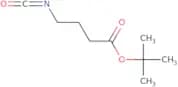
CAS:<p>Versatile small molecule scaffold</p>Formula:C4H6BrN3Purity:Min. 95%Molecular weight:176.01 g/moltert-Butyl 4-isocyanatobutanoate
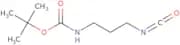
CAS:<p>Versatile small molecule scaffold</p>Formula:C9H15NO3Purity:Min. 95%Molecular weight:185.22 g/moltert-Butyl N-(3-isocyanatopropyl)carbamate
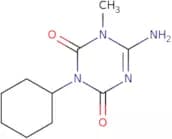
CAS:<p>Versatile small molecule scaffold</p>Formula:C9H16N2O3Purity:Min. 95%Molecular weight:200.2 g/mol6-Amino-3-cyclohexyl-1-methyl-1,2,3,4-tetrahydro-1,3,5-triazine-2,4-dione
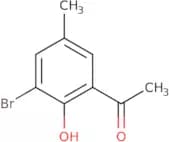
CAS:<p>6-Amino-3-cyclohexyl-1-methyl-1,2,3,4-tetrahydro-1,3,5-triazine-2,4-dione is the metabolite of cyclophosphamide and is extracted using n-hexane and acetonitrile. It has been shown to be a potent inhibitor of DNA synthesis in vitro at concentrations as low as 10 μM. The average recoveries for this compound are 96.6% with an average recovery of 99.7%.</p>Formula:C10H16N4O2Purity:Min. 95%Molecular weight:224.26 g/mol1-(3-Bromo-2-hydroxy-5-methylphenyl)ethan-1-one
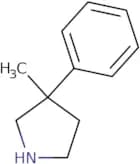
CAS:<p>Versatile small molecule scaffold</p>Formula:C9H9BrO2Purity:Min. 95%Molecular weight:229.07 g/mol3-methyl-3-phenylpyrrolidine
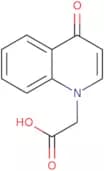
CAS:<p>3-Methyl-3-phenylpyrrolidine is a pharmacological lactam with nicotinic acetylcholine activity. It has been shown to be active in the treatment of epilepsy in rats, which may be due to its ability to bind to and activate neuronal nicotinic acetylcholine receptors. The crystal structure of 3-methyl-3-phenylpyrrolidine has been determined and shows that this molecule can connect with two receptor sites on the acetylcholine receptor. This suggests that 3-methyl-3-phenylpyrrolidine is able to act as an agonist at both sites on the receptor and may have a greater inhibitory effect on neuronal nicotinic acetylcholine receptors than other drugs currently available for the treatment of epilepsy.</p>Formula:C11H15NPurity:Min. 95%Molecular weight:161.24 g/mol2-(4-Oxo-1,4-dihydroquinolin-1-yl)acetic acid
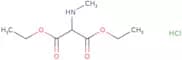
CAS:<p>Versatile small molecule scaffold</p>Formula:C11H9NO3Purity:Min. 95%Molecular weight:203.19 g/molDiethyl 2-(methylamino)malonate hydrochloride
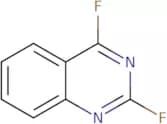
CAS:<p>Versatile small molecule scaffold</p>Formula:C8H16ClNO4Purity:Min. 95%Molecular weight:225.67 g/mol2,4-Difluoroquinazoline
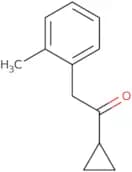
CAS:<p>Versatile small molecule scaffold</p>Formula:C8H4F2N2Purity:Min. 95%Molecular weight:166.13 g/mol1-Cyclopropyl-2-(2-methylphenyl)ethan-1-one
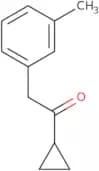
CAS:<p>Versatile small molecule scaffold</p>Formula:C12H14OPurity:Min. 95%Molecular weight:174.24 g/mol1-Cyclopropyl-2-(3-methylphenyl)ethan-1-one
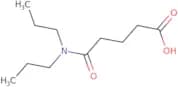
CAS:<p>Versatile small molecule scaffold</p>Formula:C12H14OPurity:Min. 95%Molecular weight:174.24 g/mol4-(Dipropylcarbamoyl)butanoic acid
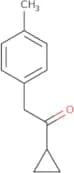
CAS:<p>Versatile small molecule scaffold</p>Formula:C11H21NO3Purity:Min. 95%Molecular weight:215.29 g/mol1-Cyclopropyl-2-(4-methylphenyl)ethan-1-one
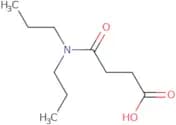
CAS:<p>Versatile small molecule scaffold</p>Formula:C12H14OPurity:Min. 95%Molecular weight:174.24 g/mol3-(Dipropylcarbamoyl)propanoic acid
CAS:<p>Versatile small molecule scaffold</p>Formula:C10H19NO3Purity:Min. 95%Molecular weight:201.26 g/molMethyl 5-cyanopicolinate
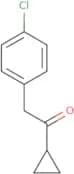
CAS:<p>Methyl 5-cyanopicolinate is a medicinal compound that is used in the treatment of various diseases. It has been shown to block the activation of plasminogen by plasmin, which prevents the breakdown of fibrin and other proteins. Methyl 5-cyanopicolinate has also been found to be an inhibitor of acetylcholinesterase, which leads to increased acetylcholine levels in the brain and can be used for the treatment of Alzheimer's disease. The synthesis and chemical studies of this substance are still ongoing.</p>Formula:C8H6N2O2Purity:Min. 95%Molecular weight:162.15 g/mol2-(4-Chlorophenyl)-1-cyclopropylethan-1-one
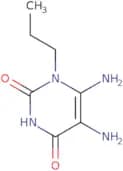
CAS:<p>Versatile small molecule scaffold</p>Formula:C11H11ClOPurity:Min. 95%Molecular weight:194.66 g/mol5,6-Diamino-1-propyl-1,2,3,4-tetrahydropyrimidine-2,4-dione
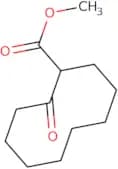
CAS:<p>Versatile small molecule scaffold</p>Formula:C7H12N4O2Purity:Min. 95%Molecular weight:184.2 g/molMethyl 2-oxocyclodecane-1-carboxylate
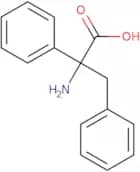
CAS:<p>Versatile small molecule scaffold</p>Formula:C12H20O3Purity:Min. 95%Molecular weight:212.28 g/mol2-Amino-2,3-diphenylpropanoic acid
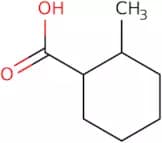
CAS:<p>Versatile small molecule scaffold</p>Formula:C15H15NO2Purity:Min. 95%Molecular weight:241.28 g/mol2-Methyl-1-cyclohexanecarboxylic Acid
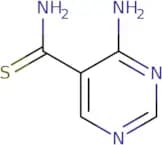
CAS:<p>2-Methyl-1-cyclohexanecarboxylic acid is a monounsaturated fatty acid. It is soluble in water, but not in organic solvents. 2-Methyl-1-cyclohexanecarboxylic acid has been shown to be an attractant for pyrylium ion and a substrate for the enzyme cyclohexane carboxylase. The compound is also found in plants, including leaves of the Acacia tree and bark of the Eucalyptus tree. This monounsaturated fatty acid has been shown to have high chiral purity and low levels of formic acid impurities, making it suitable as an additive in products such as pharmaceuticals, cosmetics, and foodstuffs.</p>Formula:C8H14O2Purity:Min. 95%Molecular weight:142.2 g/mol4-Aminopyrimidine-5-carbothioamide
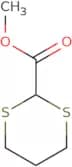
CAS:<p>Versatile small molecule scaffold</p>Formula:C5H6N4SPurity:Min. 95%Molecular weight:154.2 g/molMethyl 1,3-dithiane-2-carboxylate
CAS:<p>Versatile small molecule scaffold</p>Formula:C6H10O2S2Purity:Min. 95%Molecular weight:178.3 g/molThiomorpholine-1-oxide hydrochloride
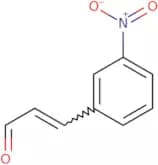
CAS:<p>Versatile small molecule scaffold</p>Formula:C4H9NOS·HClPurity:Min. 95%Molecular weight:155.65 g/mol3-(3-Nitrophenyl)acrylaldehyde
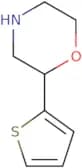
CAS:<p>3-(3-Nitrophenyl)acrylaldehyde is an organic compound that belongs to the class of aldehydes. It is used in the synthesis of halogenated compounds, such as dibromohexane, and in organic chemistry as a building block for the preparation of hydrophobic compounds. 3-(3-Nitrophenyl)acrylaldehyde reacts with benzene in an aldol condensation reaction to form 2,4-dinitrobenzaldehyde. This reaction may be catalyzed by acid or base. The efficiency of this reaction is increased when it is carried out at lower temperatures and higher pressures. The ring-opening reaction of 3-(3-nitrophenyl)acrylaldehyde with methanal also proceeds efficiently at lower temperatures and higher pressures.</p>Formula:C9H7NO3Purity:Min. 95%Molecular weight:177.16 g/mol2-(Thiophen-2-yl)morpholine
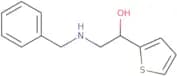
CAS:<p>Versatile small molecule scaffold</p>Formula:C8H11NOSPurity:Min. 95%Molecular weight:169.25 g/mol2-(Benzylamino)-1-(thiophen-2-yl)ethan-1-ol
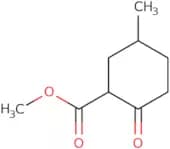
CAS:<p>Versatile small molecule scaffold</p>Formula:C13H15NOSPurity:Min. 95%Molecular weight:233.33 g/molMethyl 5-methyl-2-oxocyclohexane-1-carboxylate
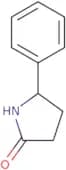
CAS:<p>Methyl 5-methyl-2-oxocyclohexane-1-carboxylate is a racemic compound with the chemical formula CH3(CH2)4CO2. The individual enantiomers are known as D and L methyl 5-methyl-2-oxocyclohexane-1-carboxylate. This compound is a sesquiterpenoid and has been found to inhibit the growth of certain bacteria, fungi, and parasites. The biological activity of this compound is due to its ability to interfere with protein synthesis by binding to the active site of enzymes that require a carboxyl group for their function. Methyl 5-methyl-2-oxocyclohexane-1-carboxylate can be found in nature as a mixture of two enantiomers, but it can also be synthesized in a racemic form.</p>Formula:C9H14O3Purity:Min. 95%Molecular weight:170.21 g/mol(5S)-5-Phenylpyrrolidin-2-one
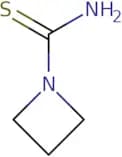
CAS:<p>Versatile small molecule scaffold</p>Formula:C10H11NOPurity:Min. 95%Molecular weight:161.2 g/molAzetidine-1-carbothioamide
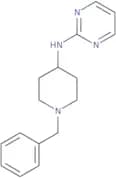
CAS:<p>Versatile small molecule scaffold</p>Formula:C4H8N2SPurity:Min. 95%Molecular weight:116.19 g/molN-(1-Benzylpiperidin-4-yl)pyrimidin-2-amine
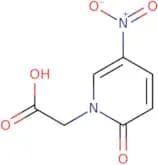
CAS:<p>Versatile small molecule scaffold</p>Formula:C16H20N4Purity:Min. 95%Molecular weight:268.36 g/mol2-(5-Nitro-2-oxo-1,2-dihydropyridin-1-yl)acetic acid
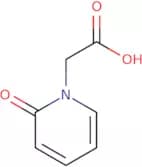
CAS:<p>Versatile small molecule scaffold</p>Formula:C7H6N2O5Purity:Min. 95%Molecular weight:198.13 g/mol(2-Oxopyridin-1(2H)-yl)acetic acid
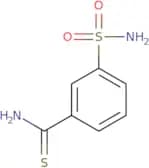
CAS:<p>2-Oxopyridin-1(2H)-yl)acetic acid is a colorless, crystalline solid that can be used as a reagent for organic synthesis. It has been shown to inhibit the growth of C. parapsilosis and T. tetracosane at low concentrations. 2-Oxopyridin-1(2H)-yl)acetic acid may have an inhibitory effect on the enzyme dehydrogenase, which catalyzes the conversion of hexadecanoic acid to hexadecenoic acid during lipid metabolism and is required for cell survival. This compound has also been shown to be effective against M. tuberculosis and M. avium complex, but not against other bacteria such as B. subtilis or S. aureus.</p>Formula:C7H7NO3Purity:Min. 95%Molecular weight:153.14 g/mol3-Sulfamoylbenzene-1-carbothioamide
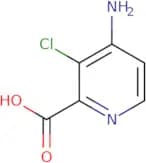
CAS:<p>Versatile small molecule scaffold</p>Formula:C7H8N2O2S2Purity:Min. 95%Molecular weight:216.3 g/mol4-Amino-3-chloropyridine-2-carboxylic acid
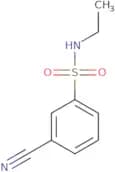
CAS:<p>4-Amino-3-chloropyridine-2-carboxylic acid (4ACPC) is an herbicide that has been used to control weeds in rice fields, sugar cane, and other crops. 4ACPC inhibits the growth of plants by inhibiting photosynthesis. It binds to the electron transport system in chloroplasts and reduces the amount of ATP available for use. This leads to a decrease in chlorophyll production and photosynthetic activity, which ultimately causes plant death. 4ACPC also binds to DNA and has been shown to inhibit transcription in calf thymus cells.</p>Formula:C6H5ClN2O2Purity:Min. 95%Molecular weight:172.57 g/mol3-Cyano-N-ethylbenzene-1-sulfonamide
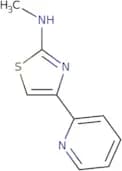
CAS:<p>3-Cyano-N-ethylbenzene-1-sulfonamide is a drug that has been used for the treatment of tuberculosis and as an antidote for poisoning. It is a derivative of aniline that has been treated with ethyl sulfate to make it more soluble in water. 3-Cyano-N-ethylbenzene-1-sulfonamide is used to detect small amounts of drugs, such as methamphetamine, cocaine, and heroin. The detection method involves mixing the compound with a reagent called benzidine and then measuring the color change produced by the reaction. This drug can also be used to detect impurities in other medicines, such as aspirin or amphetamine.</p>Formula:C9H10N2O2SPurity:Min. 95%Molecular weight:210.26 g/molN-Methyl-4-(pyridin-2-yl)-1,3-thiazol-2-amine
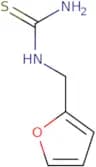
CAS:<p>Versatile small molecule scaffold</p>Formula:C9H9N3SPurity:Min. 95%Molecular weight:191.26 g/mol1-(2-Furfuryl)-2-thiourea
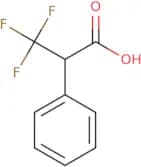
CAS:<p>1-(2-Furfuryl)-2-thiourea is a herbicidal compound that inhibits the growth of plants by interrupting the synthesis of chlorophyll. This reaction occurs through the formation of an intermediate called betacyanin, which absorbs light at 670 nm and prevents it from being used in photosynthesis. 1-(2-Furfuryl)-2-thiourea is synthesized through a two step process, starting with the condensation of phenylurea and thiourea. The second step involves the deuteriumation of 1-(2-furfuryl)thiourea to produce 1-(2-furfuryl)-2-thiourea. The deuteriumation process is achieved by reacting 1-(2-furfuryl)thiourea with sodium borohydride in methanol solution. The yield for this reaction is about 80%.</p>Formula:C6H8N2OSPurity:Min. 95%Molecular weight:156.2 g/mol3,3,3-Trifluoro-2-phenylpropionic acid
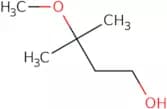
CAS:<p>3,3,3-Trifluoro-2-phenylpropionic acid (TFPA) is a chiral molecule that can be used as a derivatizing agent to identify compounds. It has antibacterial properties and may be used in the manufacture of thin films or coatings. TFPA is insoluble in water and exhibits antibacterial activity when applied to surfaces. This compound can also be used in the synthesis of perovskite solar cells, as well as for particle size measurements. TFPA reacts with alcohols and amides to form esters and amides respectively. TFPA is also reactive with phosphines such as triphenylphosphine to form phosphonium salts. TFPA has been shown to have anti-inflammatory effects in mice by inhibiting prostaglandin synthesis.</p>Formula:C9H7F3O2Purity:Min. 95%Molecular weight:204.15 g/mol3-Methoxy-3-methyl-1-butanol
CAS:<p>3-Methoxy-3-methyl-1-butanol is a chemical with a phase equilibrium in water. It has been shown to be effective in the treatment of lung damage caused by radiation, and is also used as an antimicrobial agent in industrial processes. This chemical is used to remove particles from air streams that are contaminated with bacteria. 3-Methoxy-3-methyl-1-butanol binds to fatty acids on the surface of bacteria, which disrupts their cell membranes and inhibits their growth. The molecular weight of this chemical is 138 g/mol.</p>Formula:C6H14O2Purity:Min. 95%Molecular weight:118.17 g/mol
![3-(Ethylsulfanyl)imidazo[1,5-a]pyridine](/_next/image/?url=https%3A%2Fstatic.cymitquimica.com%2Fproducts%2F3D%2Fthumb-webp%2FBDA26604.webp&w=3840&q=75)

![3-[4-(Hydroxymethyl)phenyl]propanoic acid](/_next/image/?url=https%3A%2Fstatic.cymitquimica.com%2Fproducts%2F3D%2Fthumb-webp%2FGCA70334.webp&w=3840&q=75)
![1,2-Diazaspiro[4.5]decan-3-one](/_next/image/?url=https%3A%2Fstatic.cymitquimica.com%2Fproducts%2F3D%2Fthumb-webp%2FGCA70030.webp&w=3840&q=75)
![1,5-Dimethyl-7-methylidenebicyclo[3.3.1]nonan-3-one](/_next/image/?url=https%3A%2Fstatic.cymitquimica.com%2Fproducts%2F3D%2Fthumb-webp%2FGCA69600.webp&w=3840&q=75)
![3-Methanesulfonylimidazo[1,5-a]pyridine-1-carboxylic acid](/_next/image/?url=https%3A%2Fstatic.cymitquimica.com%2Fproducts%2F3D%2Fthumb-webp%2FBDA25907.webp&w=3840&q=75)
![3-(Methylsulfanyl)imidazo[1,5-a]pyridine-1-carboxylic acid](/_next/image/?url=https%3A%2Fstatic.cymitquimica.com%2Fproducts%2F3D%2Fthumb-webp%2FBDA25906.webp&w=3840&q=75)
![Imidazo[1,5-a]pyridine-3-thiol](/_next/image/?url=https%3A%2Fstatic.cymitquimica.com%2Fproducts%2F3D%2Fthumb-webp%2FBDA25900.webp&w=3840&q=75)
![2-[(5-Methyl-1,2-oxazol-3-yl)oxy]acetic acid](/_next/image/?url=https%3A%2Fstatic.cymitquimica.com%2Fproducts%2F3D%2Fthumb-webp%2FGCA67448.webp&w=3840&q=75)
![Imidazo[1,5-a]pyridine-3-carboxaldehyde](/_next/image/?url=https%3A%2Fstatic.cymitquimica.com%2Fproducts%2F3D%2Fthumb-webp%2FGCA67166.webp&w=3840&q=75)
![3-Hydroxy-4-methyl-6H-benzo[C]chromen-6-one](/_next/image/?url=https%3A%2Fstatic.cymitquimica.com%2Fproducts%2F3D%2Fthumb-webp%2FBDA24477.webp&w=3840&q=75)
![2-(2-Hydroxyethyl)-2H,3H-[1,2,4]triazolo[4,3-a]pyridin-3-one](/_next/image/?url=https%3A%2Fstatic.cymitquimica.com%2Fproducts%2F3D%2Fthumb-webp%2FGCA65449.webp&w=3840&q=75)


![Boc-3-exo-aminobicyclo[2.2.1]-heptane-2-exo-carboxylic acid](/_next/image/?url=https%3A%2Fstatic.cymitquimica.com%2Fproducts%2F3D%2Fthumb-webp%2FBDA19837.webp&w=3840&q=75)