Building Blocks
This section contains fundamental products for the synthesis of organic and biological compounds. Building blocks are the essential starting materials used to construct complex molecules through various chemical reactions. They play a critical role in drug discovery, material science, and chemical research. At CymitQuimica, we offer a diverse range of high-quality building blocks to support your innovative research and industrial projects, ensuring you have the essential components for successful synthesis.
Subcategories of "Building Blocks"
- Boronic Acids & Boronic Acid Derivatives(5,756 products)
- Chiral Building Blocks(1,242 products)
- Hydrocarbon Building Blocks(6,095 products)
- Organic Building Blocks(61,037 products)
Found 196139 products of "Building Blocks"
Sort by
Purity (%)
0
100
|
0
|
50
|
90
|
95
|
100
tert-Butylisocyanate
CAS:<p>Please enquire for more information about tert-Butylisocyanate including the price, delivery time and more detailed product information at the technical inquiry form on this page</p>Formula:C5H9NOPurity:Min. 98.5 Area-%Molecular weight:99.13 g/mol2-Ethyl-3(5 or 6)-dimethylpyrazine, mixture of isomers
CAS:<p>2-Ethyl-3(5 or 6)-dimethylpyrazine, mixture of isomers is a high quality chemical. It has been used as an intermediate in the synthesis of pharmaceuticals, agricultural chemicals, and other speciality chemicals. 2-Ethyl-3(5 or 6)-dimethylpyrazine, mixture of isomers is a versatile building block that can be used to synthesize complex compounds. It can also act as a reagent for the synthesis of other compounds. The CAS number for this compound is 27043-05-6.</p>Formula:C8H12N2Purity:Min. 99.0 Area-%Molecular weight:136.19 g/molRef: 3D-W-108294
1kgTo inquire100gTo inquire250gTo inquire500gTo inquire2500gTo inquire-Unit-kgkgTo inquire2-(2-Phenoxyethoxy)ethanol
CAS:<p>2-(2-Phenoxyethoxy)ethanol is a fine chemical and a useful building block. It is an important intermediate in the synthesis of other chemicals, such as pharmaceuticals, herbicides, and pesticides. 2-(2-Phenoxyethoxy)ethanol can be used as a research chemical or reagent. It can also be used to prepare complex compounds and versatile scaffolds. CAS No. 104-68-7</p>Formula:C10H14O3Purity:Min. 95.0 Area-%Molecular weight:182.24 g/mola-Cyano-4-hydroxycinnamic acid
CAS:<p>a-Cyano-4-hydroxycinnamic acid is a high quality chemical that is useful as a reagent, intermediate and building block. This compound has been used in the synthesis of various complex compounds including the fine chemicals, useful scaffolds and research chemicals. The versatility of this compound makes it an important reaction component for many reactions.</p>Formula:C10H7NO3Purity:Min. 98 Area-%Molecular weight:189.17 g/molRef: 3D-W-200275
1kgTo inquire50gTo inquire100gTo inquire250gTo inquire500gTo inquire-Unit-kgkgTo inquire4-Bromo-2-hydroxybenzaldehyde
CAS:<p>4-Bromo-2-hydroxybenzaldehyde is a versatile building block that can be used as a reaction component to synthesize other compounds. 4-Bromo-2-hydroxybenzaldehyde is a useful intermediate in the manufacture of pharmaceuticals, pesticides, and herbicides. This chemical also has various applications in research and industry. It is an important reagent for the production of polymers and resins, as well as being an essential raw material for the synthesis of pharmaceuticals and agrochemicals.</p>Formula:C7H5BrO2Molecular weight:201.02 g/molRef: 3D-W-201939
25gTo inquire50gTo inquire100gTo inquire250gTo inquire500gTo inquire-Unit-ggTo inquire4,4'-Dinitro-2,2'-bipyridine-N,N'-dioxide
CAS:<p>4,4'-Dinitro-2,2'-bipyridine-N,N'-dioxide is a high quality reagent that can be used for a variety of purposes including as a building block for the synthesis of complex compounds or as an intermediate in fine chemicals. The CAS number is 51595-55-2 and it has a molecular weight of 138.10 g/mol. This reagent can be used to synthesize useful scaffolds, useful building blocks, speciality chemicals and research chemicals. It also has versatile applications that allow it to react with other compounds to form different products.</p>Formula:C10H6N4O6Purity:Min. 94.0 Area-%Molecular weight:278.18 g/molLinoleic acid
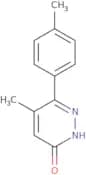
CAS:<p>Linoleic acid is an organic compound that is a polyunsaturated omega-6 fatty acid. It is a common lipid and reaction component in the chemical industry. Linoleic acid has been shown to be useful as a building block in organic synthesis, as well as in the production of speciality chemicals, such as surfactants. Linoleic acid can be used to prepare many types of products, including pharmaceuticals, pesticides, and plastics. The CAS number for linoleic acid is 60-33-3.</p>Formula:C18H32O2Molecular weight:280.45 g/mol5-Methyl-6-(4-methylphenyl)-2,3-dihydropyridazin-3-one
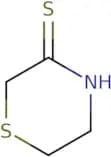
CAS:<p>Versatile small molecule scaffold</p>Formula:C12H12N2OPurity:Min. 95%Molecular weight:200.24 g/molThiomorpholine-3-thione
CAS:<p>Thiomorpholine-3-thione is a crystalline compound that has the molecular formula C8H6N2S. It belongs to the group of thiomorpholine derivatives and has been shown to interact with ligands and other compounds in the environment. Thiomorpholine-3-thione has been found to act as a ligand for nitrobenzene, diamagnetic, halogen, and spectra. It can also form molecular complexes with halides and yellow inorganic ions.</p>Formula:C4H7NS2Purity:Min. 95%Molecular weight:133.2 g/mol6-(Thiophen-2-yl)hexanoic acid
CAS:<p>Versatile small molecule scaffold</p>Formula:C10H14O2SPurity:Min. 95%Molecular weight:198.28 g/mol3-(3-Chloropropyl)pyridine
CAS:<p>Versatile small molecule scaffold</p>Formula:C8H10ClNPurity:Min. 95%Molecular weight:155.62 g/mol(e)-3-cyclopropyl-acrylic acid ethyl ester
CAS:<p>Versatile small molecule scaffold</p>Formula:C8H12O2Purity:Min. 95%Molecular weight:140.18 g/molEthyl 3-cyclopropylbut-2-enoate
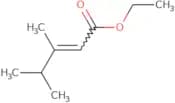
CAS:<p>Versatile small molecule scaffold</p>Formula:C9H14O2Purity:Min. 95%Molecular weight:154.21 g/molEthyl 3,4-dimethylpent-2-enoate
CAS:<p>Versatile small molecule scaffold</p>Formula:C9H16O2Purity:Min. 95%Molecular weight:156.22 g/mol3-[(4-Methoxyphenyl)amino]propanamide
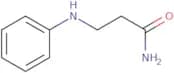
CAS:<p>Versatile small molecule scaffold</p>Formula:C10H14N2O2Purity:Min. 95%Molecular weight:194.23 g/mol3-(Phenylamino)propanamide
CAS:<p>3-(Phenylamino)propanamide is an alkali agent that is used to hydrolyze esters and dihydrouracils. 3-(Phenylamino)propanamide is a potent inhibitor of the enzyme uracil-DNA glycosylase, which repairs DNA damage caused by UV light or other forms of radiation. This drug also inhibits the enzyme DNA polymerase, which is needed to replicate damaged DNA. The inhibition of these enzymes leads to cell death.</p>Formula:C9H12N2OPurity:Min. 95%Molecular weight:164.2 g/molN,5-Dimethyl-1,3-thiazolidin-2-imine
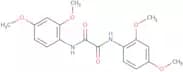
CAS:<p>Versatile small molecule scaffold</p>Formula:C5H10N2SPurity:Min. 95%Molecular weight:130.21 g/molN,N'-Bis(2,4-dimethoxyphenyl)ethanediamide
CAS:<p>Versatile small molecule scaffold</p>Formula:C18H20N2O6Purity:Min. 95%Molecular weight:360.4 g/mol2-(2-Methoxyphenyl)propan-2-ol
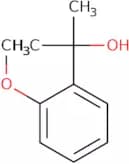
CAS:<p>Versatile small molecule scaffold</p>Formula:C10H14O2Purity:Min. 95%Molecular weight:166.22 g/molrac-2-[(1R,2S)-2-Phenylcyclopropyl]acetic acid
CAS:<p>Versatile small molecule scaffold</p>Formula:C11H12O2Purity:Min. 95%Molecular weight:176.2 g/molEthyl 3-[(2-aminophenyl)amino]-2-cyanoprop-2-enoate
CAS:<p>Versatile small molecule scaffold</p>Formula:C12H13N3O2Purity:Min. 95%Molecular weight:231.25 g/mol3-Bromobut-3-enoic acid
CAS:<p>Versatile small molecule scaffold</p>Formula:C4H5BrO2Purity:Min. 95%Molecular weight:164.99 g/molEthyl 3-bromobut-3-enoate
CAS:<p>Ethyl 3-bromobut-3-enoate is a synthetic compound that can be used to synthesize a variety of organic compounds. It is prepared by the reaction of ethyl bromoacetate and butyraldehyde in the presence of an acid catalyst. This product has been shown to have anticancer activity against human epidermoid carcinoma cells. The reactivity of this compound has been demonstrated using NMR spectroscopy, which showed that it undergoes highly stereoselective reactions with chloride ions. Ethyl 3-bromobut-3-enoate also reacts rapidly with imines and tissue culture cells, making it useful for research into these types of reactions.</p>Formula:C6H9BrO2Purity:Min. 95%Molecular weight:193.04 g/mol4-(3-Methyl-1-benzothiophen-2-yl)-1,3-thiazol-2-amine
CAS:<p>Versatile small molecule scaffold</p>Formula:C12H10N2S2Purity:Min. 95%Molecular weight:246.4 g/mol2H-Pyrido[2,3-d][1,3]oxazine-2,4(1H)-dione
CAS:<p>2H-Pyrido[2,3-d][1,3]oxazine-2,4(1H)-dione is a molecule with the chemical formula C8H7N3O2. It has an exothermic reaction with amines and hydroxyl groups. The carbanion of 2H-pyrido[2,3-d][1,3]oxazine-2,4(1H)-dione is a nucleophile that can be used to form organic compounds with alkali metals such as sodium hypochlorite or triphosgene. This molecule also acts as a diagnostic agent for nitro compounds by forming a red dye called 2h-pyrido[2,3-d][1,3]oxazine-2,4(1H)-dione dianion.</p>Formula:C7H4N2O3Purity:Min. 95%Molecular weight:164.12 g/molPyrido[2,3-d]pyrimidine-2,4(1h,3h)-dione
CAS:<p>Pyrido[2,3-d]pyrimidine-2,4(1h,3h)-dione is a synthetic molecule that has been shown to inhibit the production of necrosis factor alpha (TNFα) in human monocytes. Pyrido[2,3-d]pyrimidine-2,4(1h,3h)-dione has also been shown to cause DNA cleavage mediated by an aldehyde group. This chemical is being developed as an inhibitor of tumor necrosis factor and other cytokines with similar activities. Pyrido[2,3-d]pyrimidine-2,4(1h,3h)-dione is under investigation for its potential to prevent breast cancer metastasis. The molecule has been optimized for binding affinity and selectivity against TNFα and other cytokines with similar activity. Pyrido[2,3-d]pyrimidine-2,4(1h,3h)-d</p>Formula:C7H5N3O2Purity:Min. 95%Molecular weight:163.14 g/mol1-Cycloheptylpiperazine
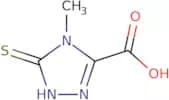
CAS:<p>1-Cycloheptylpiperazine is a drug substance that can be used as an active ingredient in medicines. It is used to treat inflammatory diseases, such as psoriasis, and neurodegenerative diseases, such as Parkinson's disease. 1-Cycloheptylpiperazine has a liposomal formulation and is soluble in organic solvents. The compound has been shown to be bioactive when administered at high doses and may have therapeutic effects on cardiovascular diseases, cancer and adp-ribose metabolism.</p>Formula:C11H22N2Purity:Min. 95%Molecular weight:182.31 g/mol4-Methyl-5-sulfanyl-4H-1,2,4-triazole-3-carboxylic acid
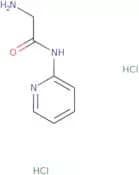
CAS:<p>Versatile small molecule scaffold</p>Formula:C4H5N3O2SPurity:Min. 95%Molecular weight:159.17 g/mol2-Amino-N-(pyridin-2-yl)acetamide dihydrochloride
CAS:<p>Versatile small molecule scaffold</p>Formula:C7H11Cl2N3OPurity:Min. 95%Molecular weight:224.08 g/mol3-Amino-N-(pyridin-3-yl)propanamide dihydrochloride
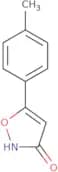
CAS:<p>Versatile small molecule scaffold</p>Formula:C8H13Cl2N3OPurity:Min. 95%Molecular weight:238.11 g/mol5-(4-Methylphenyl)-1,2-oxazol-3-ol
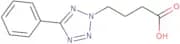
CAS:<p>Versatile small molecule scaffold</p>Formula:C10H9NO2Purity:Min. 95%Molecular weight:175.18 g/mol4-(5-Phenyl-2H-1,2,3,4-tetrazol-2-yl)butanoic acid
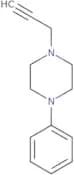
CAS:<p>Versatile small molecule scaffold</p>Formula:C11H12N4O2Purity:Min. 95%Molecular weight:232.24 g/mol1-phenyl-4-(prop-2-yn-1-yl)piperazine
CAS:<p>1-phenyl-4-(prop-2-yn-1-yl)piperazine is a dihalogenated compound with an azide substituent. It was first synthesized from potassium t-butoxide and cyclopropane in the presence of acetic acid. The synthesis was then completed by adding the 1,4-dihaloethane to the intermediate. This reaction proceeds via a sequential, two step cycloaddition reaction that produces a triazole ring system. This compound has been shown to be effective against Giardia lamblia trophozoites and Coccidia trophozoites. 1-phenyl-4-(prop-2-yn-1-yl)piperazine also has antihistamine activity, which may be due to its inhibition of histamine release from mast cells or basophils. It is also capable of inhibiting proliferation of human prostate cancer cells in culture at low concentrations and can induce apoptosis</p>Formula:C13H16N2Purity:Min. 95%Molecular weight:200.27 g/mol1-Hexyl-2-thiourea
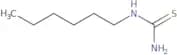
CAS:<p>1-Hexyl-2-thiourea is an aromatic hydrocarbon that has been used as an antidiabetic agent, although its mechanism of action is not well defined. This drug binds to the carboxy group in the receptor site of amines and blocks their activity, which may be related to its antidepressant effects. The reactive nature of 1-hexyl-2-thiourea means it can react with other compounds to form a variety of products, including pharmaceutical preparations.</p>Formula:C7H16N2SPurity:Min. 95%Molecular weight:160.28 g/mol1-Methanesulfinylpropan-2-ol
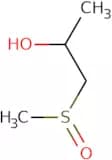
CAS:<p>Versatile small molecule scaffold</p>Formula:C4H10O2SPurity:Min. 95%Molecular weight:122.19 g/mol1-Isopropyl-1,2-dihydro-3H-pyrazol-3-one
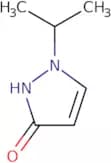
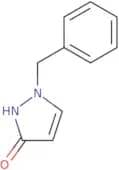
CAS:<p>Versatile small molecule scaffold</p>Formula:C6H10N2OPurity:Min. 95%Molecular weight:126.16 g/mol1-Benzyl-2,3-dihydro-1H-pyrazol-3-one
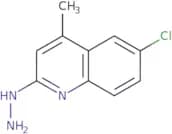
CAS:<p>Versatile small molecule scaffold</p>Formula:C10H10N2OPurity:Min. 95%Molecular weight:174.2 g/mol6-Chloro-2-hydrazinyl-4-methylquinoline
CAS:<p>Versatile small molecule scaffold</p>Formula:C10H10ClN3Purity:Min. 95%Molecular weight:207.66 g/mol[2-(3,4-Dimethoxyphenyl)ethyl]thiourea
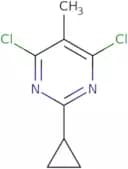
CAS:<p>Versatile small molecule scaffold</p>Formula:C11H16N2O2SPurity:Min. 95%Molecular weight:240.32 g/mol4,6-Dichloro-2-cyclopropyl-5-methylpyrimidine
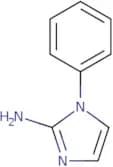
CAS:<p>Versatile small molecule scaffold</p>Formula:C8H8Cl2N2Purity:Min. 95%Molecular weight:203.07 g/mol1-Phenyl-1H-imidazol-2-amine
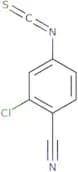
CAS:<p>1-Phenyl-1H-imidazol-2-amine is an ethylene ligand that has been used in the synthesis of polymers and copolymers. It is a monomer that has shown high activity in copolymerization with other monomers. One of its substituents, adamantyl, can be found in the microstructure of semicrystalline polymers and catalysts for polymerization reactions. The catalytic activity of 1-phenyl-1H-imidazol-2-amine can be improved by adding substituents to the imidazoline ring. 1-Phenyl-1H-imidazol-2-amine is a spectroscopic compound that exhibits infrared absorption bands at 3,200 cm–1 and 3,700 cm–1. It also absorbs strongly in the visible region at 614 nm and 538 nm.</p>Formula:C9H9N3Purity:Min. 95%Molecular weight:159.19 g/mol2-Chloro-4-isothiocyanatobenzonitrile
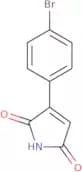
CAS:<p>Versatile small molecule scaffold</p>Formula:C8H3ClN2SPurity:Min. 95%Molecular weight:194.64 g/mol3-(4-bromophenyl)-2,5-dihydro-1H-pyrrole-2,5-dione
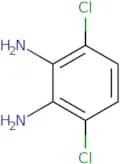
CAS:<p>Versatile small molecule scaffold</p>Formula:C10H6BrNO2Purity:Min. 95%Molecular weight:252.07 g/mol3,6-Dichlorobenzene-1,2-diamine
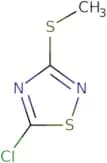
CAS:<p>Versatile small molecule scaffold</p>Formula:C6H6Cl2N2Purity:Min. 95%Molecular weight:177.03 g/mol5-Chloro-3-(methylthio)-1,2,4-thiadiazole
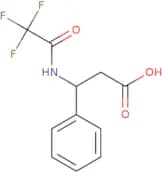
CAS:<p>Versatile small molecule scaffold</p>Formula:C3H3N2S2ClPurity:Min. 95%Molecular weight:166.65 g/mol3-Phenyl-3-(2,2,2-trifluoro-acetylamino)-propionic acid
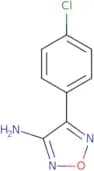
CAS:<p>Versatile small molecule scaffold</p>Formula:C11H10F3NO3Purity:Min. 95%Molecular weight:261.2 g/mol4-(4-Chlorophenyl)-1,2,5-oxadiazol-3-amine
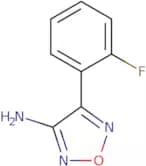
CAS:<p>4-(4-Chlorophenyl)-1,2,5-oxadiazol-3-amine is an aminofurazan derivative that serves as a precursor in the synthesis of sulfilimines. It can be oxidized to form 4-(4-chlorophenyl)imidazole and 4-(4-chlorophenyl)furazan. The conversion of 4-(4-chlorophenyl)imidazole to 4-(4-chlorophenyl)furazan can be accomplished by treatment with triphenylphosphine, m-chloroperoxybenzoic acid or dimethyldioxirane. Treatment with phosphine or trioctylphosphine yields the corresponding phosphine oxide or phosphonium salt. The sulfilimines are useful intermediates for the synthesis of aminofurazans, which have a variety of applications.</p>Formula:C8H6ClN3OPurity:Min. 95%Molecular weight:195.6 g/mol4-(2-Fluorophenyl)-1,2,5-oxadiazol-3-amine
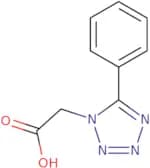
CAS:<p>Versatile small molecule scaffold</p>Formula:C8H6FN3OPurity:Min. 95%Molecular weight:179.15 g/mol2-(5-Phenyl-1H-1,2,3,4-tetrazol-1-yl)acetic acid
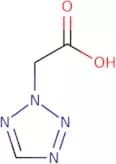
CAS:<p>Versatile small molecule scaffold</p>Formula:C9H8N4O2Purity:Min. 95%Molecular weight:204.19 g/mol2H-tetrazol-2-ylacetic acid
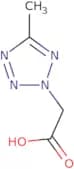
CAS:<p>2-Hydrazinotetrazole is an organic compound that can be synthesized from 2-amino-5-nitrotetrazole and hydrazine. The 2H-tetrazol-2-ylacetic acid (TZ) isomer has been shown to have resonance at 3.9 ppm. It also has a chemical shift of 3.3 ppm, which corresponds to the methylene groups in the molecule. When observed by magnetic resonance spectroscopy, it displays a doublet of triplets with an intensity ratio of 1:1:1. This indicates that there are three distinct isomers with different orientations in space, which correspond to the E, Z, and EZ isomers.</p>Formula:C3H4N4O2Purity:Min. 95%Molecular weight:128.89 g/mol2-(5-Methyl-2H-1,2,3,4-tetrazol-2-yl)acetic acid
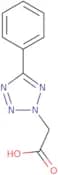
CAS:<p>Versatile small molecule scaffold</p>Formula:C4H6N4O2Purity:Min. 95%Molecular weight:142.12 g/mol2-(5-Phenyl-2H-1,2,3,4-tetrazol-2-yl)acetic acid
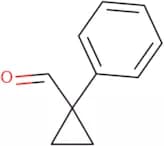
CAS:<p>2-(5-Phenyl-2H-1,2,3,4-tetrazol-2-yl)acetic acid (TZT) is a resonance stabilized molecule that has an antibonding interaction with the phenyl ring. The population of TZT conformers is dependent on the conformation of the acetate group and amide bond. TZT has been shown to have antiinflammatory properties in rats by inhibiting prostaglandin synthesis.</p>Formula:C9H8N4O2Purity:Min. 95%Molecular weight:204.19 g/mol1-Phenylcyclopropanecarbaldehyde
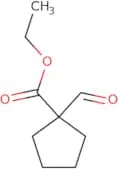
CAS:<p>1-Phenylcyclopropanecarbaldehyde is a compound that inhibits the metabolic disorder of phenoxy, alkylthio group, and α7 nicotinic acetylcholine. It has been shown to have an inhibitory effect on inflammatory diseases. 1-Phenylcyclopropanecarbaldehyde has also been shown to be an antimicrobial agent against bacteria, fungi, and parasites. This compound is metabolized by hydrolysis, oxidation, or reduction. 1-Phenylcyclopropanecarbaldehyde contains a chlorine atom in its chemical structure and reacts with hydrogen peroxide to produce chloroform. The hydroxy group in this compound can react with the insulin receptor in cells of the pancreas to cause insulin resistance and subsequently diabetes mellitus.</p>Formula:C10H10OPurity:Min. 95%Molecular weight:146.19 g/molEthyl 1-formylcyclopentane-1-carboxylate
CAS:<p>Versatile small molecule scaffold</p>Formula:C9H14O3Purity:Min. 95%Molecular weight:170.21 g/mol2-(3-Bromopropyl)oxirane
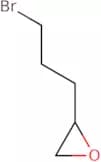
CAS:<p>2-(3-Bromopropyl)oxirane is an organic compound that has been synthesized by a process called asymmetric synthesis. This synthetic route is based on the use of synthons (asymmetric compounds) and requires that the product be expressed with a high degree of stereoselectivity. The orientation of the molecule must also be controlled to ensure that it is in the desired configuration. 2-(3-Bromopropyl)oxirane can be used as a synthon to produce enantiopure metalloporphyrins, which are often used in biological systems for electron transfer reactions or for photosynthesis. The strain imposed on the molecule during its synthesis can also be mimicked during biomimetic reactions to obtain products that are otherwise difficult to access.</p>Formula:C5H9BrOPurity:Min. 95%Molecular weight:165.03 g/mol(2S)-2-(tert-Butoxy)propanoic acid
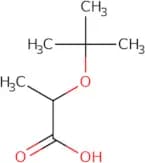
CAS:<p>Versatile small molecule scaffold</p>Formula:C7H14O3Purity:Min. 95%Molecular weight:146.2 g/mol2-{Imidazo[1,2-a]pyridin-2-yl}acetohydrazide
CAS:<p>Versatile small molecule scaffold</p>Formula:C9H10N4OPurity:Min. 95%Molecular weight:190.2 g/mol2-{Imidazo[1,2-a]pyridin-2-yl}ethan-1-ol
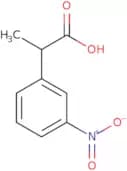
CAS:<p>Versatile small molecule scaffold</p>Formula:C9H10N2OPurity:Min. 95%Molecular weight:162.19 g/mol2-(3-nitrophenyl)propanoic acid
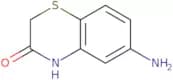
CAS:<p>2-(3-nitrophenyl)propanoic acid is an organic compound with the formula CHCH(COOH)C(=O)OCH. It is a white solid that is soluble in water. 2-(3-Nitrophenyl)propanoic acid is extracted from plant leaves and synthesized by reacting formaldehyde with sodium nitrite. The resulting product can be used to synthesize polyaniline, a polymer that conducts electricity and reacts with ammonium persulphate, forming a red precipitate. This reaction can be tracked using FTIR spectroscopy, which detects the substituents on the polymer chains.</p>Formula:C9H9NO4Purity:Min. 95%Molecular weight:195.2 g/mol6-Amino-3,4-dihydro-2H-1,4-benzothiazin-3-one
CAS:<p>Versatile small molecule scaffold</p>Formula:C8H8N2OSPurity:Min. 95%Molecular weight:180.23 g/mol7-Amino-2H-benzo[b][1,4]thiazin-3(4H)-one
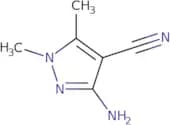
CAS:<p>Versatile small molecule scaffold</p>Formula:C8H8N2OSPurity:Min. 95%Molecular weight:180.23 g/mol3-Amino-1,5-dimethyl-1H-pyrazole-4-carbonitrile
CAS:<p>Versatile small molecule scaffold</p>Formula:C6H8N4Purity:Min. 95%Molecular weight:136.15 g/mol2-Phenylpentanal
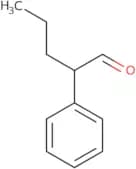
CAS:<p>2-Phenylpentanal is a synthetic odorant that has a strong, sweet, vanilla-like odor. It is used as a deodorant in acidic environments and to mask unpleasant odors. 2-Phenylpentanal is an active ingredient in air fresheners and toilet bowl deodorants. It can also be found in perfumes, soaps, and other personal care products. 2-Phenylpentanal is not toxic or flammable. The molecule has a molecular weight of 126.2 g/mol and an average particle diameter of 5 nm. It is soluble in water and alcohols with the exception of methanol. 2-Phenylpentanal can be synthesized from two molecules of acetone with magnesium oxide as a catalyst. The molecule consists of an aromatic ring with two phenyl groups connected by a pentane chain with an alpha position double bond on one side of the chain and an alpha position single bond</p>Formula:C11H14OPurity:Min. 95%Molecular weight:162.23 g/mol3-Phenoxypyrrolidine
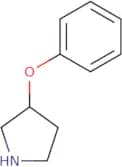
CAS:<p>Versatile small molecule scaffold</p>Formula:C10H13NOPurity:Min. 95%Molecular weight:163.22 g/mol3-[3-(Trifluoromethyl)phenyl]pyrrolidine
CAS:<p>Versatile small molecule scaffold</p>Formula:C11H12F3NPurity:Min. 95%Molecular weight:215.21 g/mol3-[3-(Trifluoromethyl)phenyl]pyrrolidine hydrochloride
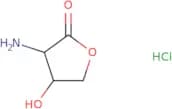
CAS:<p>Versatile small molecule scaffold</p>Formula:C11H13ClF3NPurity:Min. 95%Molecular weight:251.67 g/mol(3S,4R)-3-Amino-4-hydroxyoxolan-2-one hydrochloride
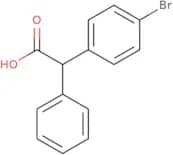
CAS:<p>Versatile small molecule scaffold</p>Formula:C4H8ClNO3Purity:Min. 95%Molecular weight:153.56 g/mol2-(4-Bromophenyl)-2-phenylacetic acid
CAS:<p>Versatile small molecule scaffold</p>Formula:C14H11BrO2Purity:Min. 95%Molecular weight:291.14 g/molN-Acetyl-N-methylcarbamoyl chloride
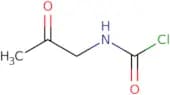
CAS:<p>Versatile small molecule scaffold</p>Formula:C4H6ClNO2Purity:Min. 95%Molecular weight:135.5 g/mol5-Methoxy-1H-indole-2-carbaldehyde
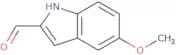
CAS:<p>5-Methoxy-1H-indole-2-carbaldehyde is an unsymmetrical bioreductive aldimine that can be reduced by one electron to the corresponding 5-methoxy-1H-indole. This compound has been shown to have cytotoxic activity against human tumour cells in vitro and in vivo, but it is not active against healthy cells. The mechanism of action of 5-methoxy-1H-indole-2-carbaldehyde is thought to be due to its ability to generate reactive oxygen species (ROS) and reactive nitrogen species (RNS). 5-Methoxy-1H-indole-2-carbaldehyde has also been shown to inhibit the enzyme dt diaphorase and thus disrupt cell respiration.</p>Formula:C10H9NO2Purity:Min. 95%Molecular weight:175.18 g/molEthyl 2-[(1E)-2,3-dihydro-1H-inden-1-ylidene]acetate
CAS:<p>Versatile small molecule scaffold</p>Formula:C13H14O2Purity:Min. 95%Molecular weight:202.25 g/mol2-Aminodecan-1-ol
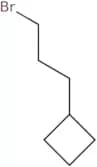
CAS:<p>Versatile small molecule scaffold</p>Formula:C10H23NOPurity:Min. 95%Molecular weight:173.3 g/mol(3-Bromopropyl)cyclobutane
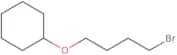
CAS:<p>Versatile small molecule scaffold</p>Formula:C7H13BrPurity:Min. 95%Molecular weight:177.08 g/mol(4-Bromobutoxy)cyclohexane
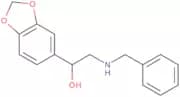
CAS:<p>Versatile small molecule scaffold</p>Formula:C10H19BrOPurity:Min. 95%Molecular weight:235.16 g/mol1-(1,3-Dioxaindan-5-yl)-2-(benzylamino)ethan-1-ol
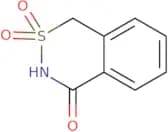
CAS:Controlled Product<p>Versatile small molecule scaffold</p>Formula:C16H17NO3Purity:Min. 95%Molecular weight:271.31 g/mol3,4-Dihydro-1H-2,3-benzothiazine-2,2,4-trione
CAS:<p>Versatile small molecule scaffold</p>Formula:C8H7NO3SPurity:Min. 95%Molecular weight:197.21 g/molrac-(1R,2S)-2-(2,2-Dimethylpropyl)cyclopropane-1-carboxylic acid
CAS:<p>Versatile small molecule scaffold</p>Formula:C9H16O2Purity:Min. 95%Molecular weight:156.2 g/mol7-Methylimidazo[1,2-a]pyridine-3-carboxylic acid
CAS:<p>Versatile small molecule scaffold</p>Formula:C9H8N2O2Purity:Min. 95%Molecular weight:176.17 g/mol[(2S)-Oxolan-2-yl]methanamine hydrochloride
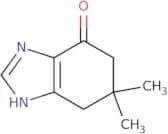
CAS:<p>Versatile small molecule scaffold</p>Formula:C5H12ClNOPurity:Min. 95%Molecular weight:137.61 g/mol6,6-Dimethyl-4,5,6,7-tetrahydro-1H-1,3-benzodiazol-4-one
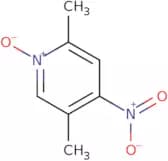
CAS:<p>Versatile small molecule scaffold</p>Formula:C9H12N2OPurity:Min. 95%Molecular weight:164.2 g/mol2,5-dimethyl-4-nitropyridin-1-ium-1-olate
CAS:<p>2,5-Dimethyl-4-nitropyridin-1-ium-1-olate (DMNPE) is a ligand that binds to the estrogen receptor. DMNPE has been shown to be an effective chemotherapeutic agent for cancer cells in the mononuclear cell line Mcf7. DMNPE also inhibits tumor growth and metastasis in a murine leukemia model. It has been shown to bind to the nongenomic binding site of the estrogen receptor and act as an antagonist of estradiol by competing with estradiol for binding sites on the estrogen receptor. DMNPE is able to bind to two different receptors, which may account for its observed anti-tumor effects. It has been shown to inhibit protein synthesis by methylating proteins and inhibiting DNA synthesis through inhibition of ribonucleotide reductase activity.</p>Formula:C7H8N2O3Purity:Min. 95%Molecular weight:168.15 g/molN-Benzyl-1,3-benzothiazol-2-amine
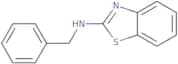
CAS:<p>Versatile small molecule scaffold</p>Formula:C14H12N2SPurity:Min. 95%Molecular weight:240.33 g/molEthyl 1-methyl-2,5-dioxoimidazolidine-4-carboxylate
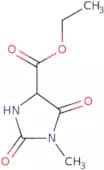
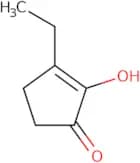
CAS:<p>Versatile small molecule scaffold</p>Formula:C7H10N2O4Purity:Min. 95%Molecular weight:186.17 g/mol3-Ethyl-2-hydroxy-2-cyclopenten-1-one
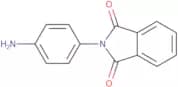
CAS:<p>3-Ethyl-2-hydroxy-2-cyclopenten-1-one is a chemical compound that belongs to the group of cyclopentenones. 3EHC has been shown to have genotoxic effects and is a potent mutagen in bacteria and mammalian cells. The acidic ph of 3EHC makes it more active in the presence of fatty acids, which allow it to penetrate the cell membrane. 3EHC also reacts with glyoxal, producing toxic reactive oxygen species including hydrogen peroxide and hydroxyl radicals. In a human lymphocyte model system, 3EHC caused DNA damage by increasing the frequency of DNA strand breakage. This chemical compound can be extracted from food sources such as soybean oil and can be analysed by gel chromatography or acetate extraction methods.</p>Formula:C7H10O2Purity:Min. 95%Molecular weight:126.16 g/mol2-(4-Aminophenyl)-2,3-dihydro-1H-isoindole-1,3-dione
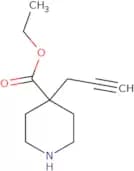
CAS:<p>Versatile small molecule scaffold</p>Formula:C14H10N2O2Purity:Min. 95%Molecular weight:238.24 g/molEthyl 4-(prop-2-yn-1-yl)piperidine-4-carboxylate
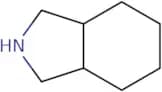
CAS:<p>Versatile small molecule scaffold</p>Formula:C11H17NO2Purity:Min. 95%Molecular weight:195.26 g/molOctahydroisoindole
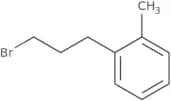
CAS:<p>Octahydroisoindole is a quinoline derivative that is used as an anti-inflammatory medication. Octahydroisoindole binds to the fatty acid in the cell membrane, which prevents the activation of inflammatory signals. It also has an effect on the brain and can be used to treat depression.</p>Formula:C8H15NPurity:Min. 95%Molecular weight:125.21 g/mol1-(3-Bromopropyl)-2-methylbenzene
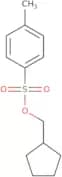
CAS:<p>Versatile small molecule scaffold</p>Formula:C10H13BrPurity:Min. 95%Molecular weight:213.11 g/molCyclopentylmethyl 4-methylbenzene-1-sulfonate
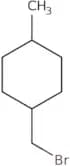
CAS:<p>Cyclopentylmethyl 4-methylbenzene-1-sulfonate is a prodrug that is metabolized by the human body to produce itraconazole, an antifungal agent. Itraconazole has been shown to be effective against a variety of fungal infections. It binds competitively to the cytochrome P450 enzyme, which leads to the inhibition of prostaglandin synthesis and factor receptor binding. This drug has been shown to damage the pyrrole ring in DNA, which may account for its cytotoxic effects on cancer cells. Cyclopentylmethyl 4-methylbenzene-1-sulfonate is an example of a stereoisomer that contains a hydroxamic acid group, which can bind to both DNA and protein targets.</p>Formula:C13H18O3SPurity:Min. 95%Molecular weight:254.35 g/mol1-(Bromomethyl)-4-methylcyclohexane
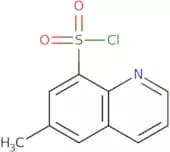
CAS:<p>1-(Bromomethyl)-4-methylcyclohexane is a chemical compound that has two stereoisomers. The equilibrium between the two conformers is influenced by temperature and pressure, but no experimental data are available to determine the rate constant of this process. The conformation of the molecule is determined by both steric and electronic effects. There are two conformers of 1-(bromomethyl)-4-methylcyclohexane, which are both axial, but have different degrees of planarity. This compound can be used as a reagent in spectroscopy experiments because it has two distinct absorption bands in the infrared spectrum. One conformer has a radical character while the other does not.</p>Formula:C8H15BrPurity:Min. 95%Molecular weight:191.11 g/mol6-Methylquinoline-8-sulfonyl chloride
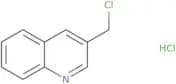
CAS:<p>Versatile small molecule scaffold</p>Formula:C10H8ClNO2SPurity:Min. 95%Molecular weight:241.7 g/mol3-(Chloromethyl)quinoline hydrochloride
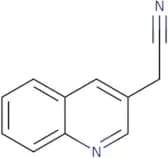
CAS:<p>Versatile small molecule scaffold</p>Formula:C10H9Cl2NPurity:Min. 95%Molecular weight:214.09 g/mol2-(Quinolin-3-yl)acetonitrile
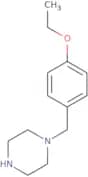
CAS:<p>Versatile small molecule scaffold</p>Formula:C11H8N2Purity:Min. 95%Molecular weight:168.19 g/mol1-(4-Ethoxybenzyl)piperazine
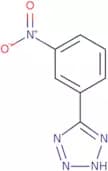
CAS:Controlled Product<p>Versatile small molecule scaffold</p>Formula:C13H20N2OPurity:Min. 95%Molecular weight:220.31 g/mol5-(3-Nitrophenyl)-2H-1,2,3,4-tetrazole
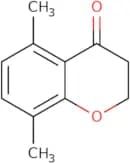
CAS:<p>5-(3-Nitrophenyl)-2H-1,2,3,4-tetrazole is a cation with a single electron in its outermost orbit. It is activated by microwave radiation and thermally. 5-(3-Nitrophenyl)-2H-1,2,3,4-tetrazole has been used to study the factors that influence the rate of thermolysis. The rate of thermolysis can be increased by increasing the concentration of perchlorate ions or by increasing the temperature.</p>Formula:C7H5N5O2Purity:Min. 95%Molecular weight:191.15 g/mol5,8-Dimethyl-3,4-dihydro-2H-1-benzopyran-4-one
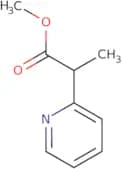
CAS:<p>Versatile small molecule scaffold</p>Formula:C11H12O2Purity:Min. 95%Molecular weight:176.21 g/molMethyl 2-(pyridin-2-yl)propanoate
CAS:<p>Versatile small molecule scaffold</p>Formula:C9H11NO2Purity:Min. 95%Molecular weight:165.19 g/mol[1,3]Dioxolo[4,5-G]quinazoline-6,8-diol
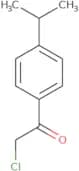
CAS:<p>Versatile small molecule scaffold</p>Formula:C9H6N2O4Purity:Min. 95%Molecular weight:206.15 g/mol2-Chloro-1-(4-isopropylphenyl)ethanone
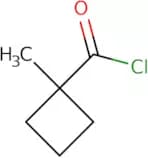
CAS:<p>Versatile small molecule scaffold</p>Formula:C11H13ClOPurity:Min. 95%Molecular weight:196.67 g/mol1-Methylcyclobutane-1-carbonyl chloride
CAS:<p>Versatile small molecule scaffold</p>Formula:C6H9ClOPurity:Min. 95%Molecular weight:132.59 g/mol




![3-[(4-Methoxyphenyl)amino]propanamide](/_next/image/?url=https%3A%2Fstatic.cymitquimica.com%2Fproducts%2F3D%2Fthumb-webp%2FWAA01746.webp&w=3840&q=75)

![rac-2-[(1R,2S)-2-Phenylcyclopropyl]acetic acid](/_next/image/?url=https%3A%2Fstatic.cymitquimica.com%2Fproducts%2F3D%2Fthumb-webp%2FWAA02466.webp&w=3840&q=75)
![Ethyl 3-[(2-aminophenyl)amino]-2-cyanoprop-2-enoate](/_next/image/?url=https%3A%2Fstatic.cymitquimica.com%2Fproducts%2F3D%2Fthumb-webp%2FWAA02547.webp&w=3840&q=75)


![2H-Pyrido[2,3-d][1,3]oxazine-2,4(1H)-dione](/_next/image/?url=https%3A%2Fstatic.cymitquimica.com%2Fproducts%2F3D%2Fthumb-webp%2FWAA03863.webp&w=3840&q=75)
![Pyrido[2,3-d]pyrimidine-2,4(1h,3h)-dione](/_next/image/?url=https%3A%2Fstatic.cymitquimica.com%2Fproducts%2F3D%2Fthumb-webp%2FWAA03866.webp&w=3840&q=75)


![[2-(3,4-Dimethoxyphenyl)ethyl]thiourea](/_next/image/?url=https%3A%2Fstatic.cymitquimica.com%2Fproducts%2F3D%2Fthumb-webp%2FWAA71426.webp&w=3840&q=75)
![2-{Imidazo[1,2-a]pyridin-2-yl}acetohydrazide](/_next/image/?url=https%3A%2Fstatic.cymitquimica.com%2Fproducts%2F3D%2Fthumb-webp%2FWAA75537.webp&w=3840&q=75)
![2-{Imidazo[1,2-a]pyridin-2-yl}ethan-1-ol](/_next/image/?url=https%3A%2Fstatic.cymitquimica.com%2Fproducts%2F3D%2Fthumb-webp%2FWAA75554.webp&w=3840&q=75)
![7-Amino-2H-benzo[b][1,4]thiazin-3(4H)-one](/_next/image/?url=https%3A%2Fstatic.cymitquimica.com%2Fproducts%2F3D%2Fthumb-webp%2FWAA76279.webp&w=3840&q=75)
![3-[3-(Trifluoromethyl)phenyl]pyrrolidine](/_next/image/?url=https%3A%2Fstatic.cymitquimica.com%2Fproducts%2F3D%2Fthumb-webp%2FWAA76735.webp&w=3840&q=75)
![3-[3-(Trifluoromethyl)phenyl]pyrrolidine hydrochloride](/_next/image/?url=https%3A%2Fstatic.cymitquimica.com%2Fproducts%2F3D%2Fthumb-webp%2FWAA76736.webp&w=3840&q=75)
![Ethyl 2-[(1E)-2,3-dihydro-1H-inden-1-ylidene]acetate](/_next/image/?url=https%3A%2Fstatic.cymitquimica.com%2Fproducts%2F3D%2Fthumb-webp%2FWAA77931.webp&w=3840&q=75)


![7-Methylimidazo[1,2-a]pyridine-3-carboxylic acid](/_next/image/?url=https%3A%2Fstatic.cymitquimica.com%2Fproducts%2F3D%2Fthumb-webp%2FWAA80180.webp&w=3840&q=75)
![[(2S)-Oxolan-2-yl]methanamine hydrochloride](/_next/image/?url=https%3A%2Fstatic.cymitquimica.com%2Fproducts%2F3D%2Fthumb-webp%2FWAA80194.webp&w=3840&q=75)
![[1,3]Dioxolo[4,5-G]quinazoline-6,8-diol](/_next/image/?url=https%3A%2Fstatic.cymitquimica.com%2Fproducts%2F3D%2Fthumb-webp%2FWAA88435.webp&w=3840&q=75)