Building Blocks
This section contains fundamental products for the synthesis of organic and biological compounds. Building blocks are the essential starting materials used to construct complex molecules through various chemical reactions. They play a critical role in drug discovery, material science, and chemical research. At CymitQuimica, we offer a diverse range of high-quality building blocks to support your innovative research and industrial projects, ensuring you have the essential components for successful synthesis.
Subcategories of "Building Blocks"
- Boronic Acids & Boronic Acid Derivatives(5,756 products)
- Chiral Building Blocks(1,242 products)
- Hydrocarbon Building Blocks(6,095 products)
- Organic Building Blocks(61,037 products)
Found 196139 products of "Building Blocks"
Sort by
Purity (%)
0
100
|
0
|
50
|
90
|
95
|
100
2-Oxaspiro[4.4]nonan-3-one
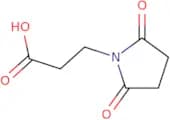
CAS:<p>Versatile small molecule scaffold</p>Formula:C8H12O2Purity:Min. 95%Molecular weight:140.18 g/mol3-(2,5-Dioxopyrrolidin-1-yl)propanoic acid
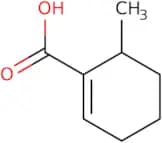
CAS:<p>Versatile small molecule scaffold</p>Formula:C7H9NO4Purity:Min. 95%Molecular weight:171.15 g/mol6-Methylcyclohex-1-enecarboxylic acid
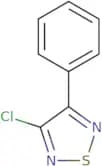
CAS:<p>Versatile small molecule scaffold</p>Formula:C8H12O2Purity:Min. 95%Molecular weight:140.18 g/mol3-Chloro-4-phenyl-1,2,5-thiadiazole
CAS:<p>3-Chloro-4-phenyl-1,2,5-thiadiazole is a chemical compound with an alkoxy group (C6H4O), an organotin group (CH3Sn), and a 1-6c alkyl group. It has been used in the manufacture of medicines and agrochemicals as a reactant or catalyst. 3-Chloro-4-phenyl-1,2,5-thiadiazole is also used industrially as a trifluoromethylation reagent for phenols and thiols.</p>Formula:C8H5ClN2SPurity:Min. 95%Molecular weight:196.66 g/mol4-Chloro-1,2,5-thiadiazol-3-ol
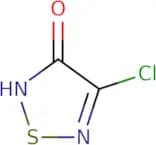
CAS:<p>4-Chloro-1,2,5-thiadiazol-3-ol is an antibacterial agent that belongs to the class of imidazolidinones. It inhibits the growth of bacteria by reacting with sulfur in their cell walls and chlorinating them. 4-Chloro-1,2,5-thiadiazol-3-ol has been shown to be effective against a wide range of bacteria including Staphylococcus aureus, Escherichia coli, Pseudomonas aeruginosa, and Enterobacter cloacae. 4-Chloro-1,2,5-thiadiazol 3-ol also has been shown to react with chloride ions in body fluids and form hydrochloric acid which may be responsible for some of its antibacterial activity.</p>Formula:C2HClN2OSPurity:Min. 95%Color and Shape:PowderMolecular weight:136.56 g/mol2'-Cyano[1,1'-biphenyl]-4-carboxylic acid
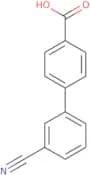
CAS:<p>Versatile small molecule scaffold</p>Formula:C14H9NO2Purity:Min. 95%Molecular weight:223.23 g/mol3'-Cyano-biphenyl-4-carboxylic acid
CAS:<p>Versatile small molecule scaffold</p>Formula:C14H9NO2Purity:Min. 95%Molecular weight:223.23 g/mol1-N-[(4-Chlorophenyl)methyl]benzene-1,2-diamine
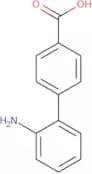
CAS:<p>Versatile small molecule scaffold</p>Formula:C13H13ClN2Purity:Min. 95%Molecular weight:232.71 g/mol2'-Aminobiphenyl-4-carboxylic acid
CAS:<p>Versatile small molecule scaffold</p>Formula:C13H11NO2Purity:Min. 95%Molecular weight:213.23 g/molBis(2-(2-methoxyethoxy)ethyl)amine
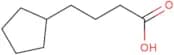
CAS:<p>Versatile small molecule scaffold</p>Formula:C10H23NO4Purity:Min. 95%Molecular weight:221.29 g/mol4-Cyclopentylbutanoic acid
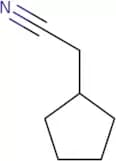
CAS:<p>4-Cyclopentylbutanoic acid is a cyclic compound that is synthesized from succinic acid. This chemical has a wide range of applications in the pharmaceutical industry, including as an intermediate in the synthesis of hydantoins and hydroxylamides. 4-Cyclopentylbutanoic acid also reacts with potassium to form a cyclopentenone, which can be used to produce esters and chiral cyclopentenones. 4-Cyclopentylbutanoic acid can be used to inhibit the growth of microorganisms by inhibiting protein synthesis.</p>Formula:C9H16O2Purity:Min. 95%Molecular weight:156.22 g/molCyclopentylacetonitrile
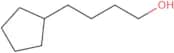
CAS:<p>Cyclopentylacetonitrile is a solvent that is used in the manufacture of organic chemicals. It is an organic compound that is a colorless liquid with a boiling point of about 111°C and a melting point of about -102°C. Cyclopentylacetonitrile has been shown to be effective as an etchant for silicon dioxide, as well as being used as a lithographic printing plate developer. Cyclopentylacetonitrile can also be used as a diluent for hydrogen fluoride gas during the production of fluorocarbons.</p>Formula:C7H11NPurity:Min. 95%Molecular weight:109.17 g/mol4-Cyclopentylbutan-1-ol
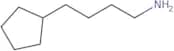
CAS:<p>4-Cyclopentylbutan-1-ol is a cyclic ester that is used in the production of fragrances. It is found naturally in sandalwood oil, which contains about 85% of this ester. 4-Cyclopentylbutan-1-ol has cytoprotective properties and can prevent lipid peroxidation induced by reactive oxygen species (ROS) and reactive nitrogen species (RNS). The molecule has an aromatic ring that consists of a benzene ring fused to a cyclopropane ring. This substance belongs to the class of alkenes, which are unsaturated hydrocarbons containing one or more carbon-carbon double bonds. Furthermore, it has an alkenyl group, which is a hydrocarbon that contains one or more carbon atoms with at least one triple bond.</p>Formula:C9H18OPurity:Min. 95%Molecular weight:142.24 g/mol4-Cyclopentylbutan-1-amine
CAS:<p>Versatile small molecule scaffold</p>Formula:C9H19NPurity:Min. 95%Molecular weight:141.25 g/mol2-Oxaspiro[4.4]nonan-1-one
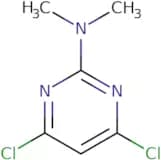
CAS:<p>Versatile small molecule scaffold</p>Formula:C8H12O2Purity:Min. 95%Molecular weight:140.18 g/mol4,6-Dichloro-N,N-dimethyl-2-pyrimidinamine
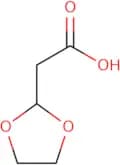
CAS:<p>Versatile small molecule scaffold</p>Formula:C6H7Cl2N3Purity:Min. 95%Molecular weight:192.05 g/mol2-(1,3-Dioxolan-2-yl)acetic acid
CAS:<p>Versatile small molecule scaffold</p>Formula:C5H8O4Purity:Min. 95%Color and Shape:PowderMolecular weight:132.11 g/mol(2-methyl-[1,3]dioxolan-2-yl)-acetic acid
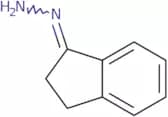
CAS:<p>Versatile small molecule scaffold</p>Formula:C6H10O4Purity:Min. 95%Molecular weight:146.14 g/mol(2,3-Dihydro-1H-inden-1-ylidene)hydrazine
CAS:<p>Versatile small molecule scaffold</p>Formula:C9H10N2Purity:Min. 95%Molecular weight:146.19 g/mol(4-Chloro-6-methyl-pyrimidin-2-yl)-methyl-amine
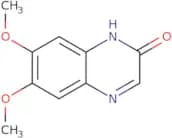
CAS:<p>Versatile small molecule scaffold</p>Formula:C6H8ClN3Purity:Min. 95%Molecular weight:157.6 g/mol2-Hydroxy-6,7-dimethoxyquinoxaline
CAS:<p>Versatile small molecule scaffold</p>Formula:C10H10N2O3Purity:Min. 95%Molecular weight:206.2 g/molSpiro[2.6]nonan-4-one
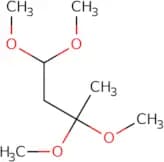
CAS:<p>Versatile small molecule scaffold</p>Formula:C9H14OPurity:Min. 95%Molecular weight:138.21 g/mol1,1,3,3-Tetramethoxybutane
CAS:<p>1,1,3,3-Tetramethoxybutane is an organic compound that is used as a raw material in the synthesis of other fluorinated compounds. It can be synthesized from formaldehyde and methoxyacetone by dehydration reactions. It has been shown to react with hydrazines to form acetals and trifluoroacetylation.</p>Formula:C8H18O4Purity:Min. 95%Molecular weight:178.23 g/molEthyl[1-(pyridin-3-yl)ethyl]amine
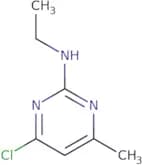
CAS:<p>Versatile small molecule scaffold</p>Formula:C9H14N2Purity:Min. 95%Molecular weight:150.22 g/mol(4-Chloro-6-methylpyrimidin-2-yl)Ethylamine
CAS:<p>Versatile small molecule scaffold</p>Formula:C7H10N3ClPurity:Min. 95%Molecular weight:171.62 g/mol2-[(2-Aminoethyl)(ethyl)amino]ethan-1-ol
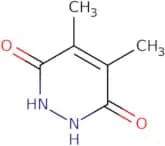
CAS:<p>Versatile small molecule scaffold</p>Formula:C6H16N2OPurity:Min. 95%Molecular weight:132.2 g/mol4,5-Dimethylpyridazine-3,6-diol
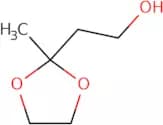
CAS:<p>Versatile small molecule scaffold</p>Formula:C6H8N2O2Purity:Min. 95%Molecular weight:140.14 g/mol2-Methyl-1,3-dioxolane-2-ethanol
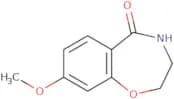
CAS:<p>2-Methyl-1,3-dioxolane-2-ethanol is a ketone that can be extracted from the reaction of ethanol and methyl vinyl ketone with ethyl acetate in the presence of an acid catalyst. This ketone is used as a reagent in organic synthesis. The target compounds for this product are acids, alcohols, esters, amides, nitriles, and other organic compounds. It is also used to synthesize glycols and ethylene glycols. 2-Methyl-1,3-dioxolane-2-ethanol has an efficient yield and can be isolated by distillation or crystallization. 2-Methyl-1,3-dioxolane-2-ethanol is not toxic to humans or animals because it is not metabolized in the body.</p>Formula:C6H12O3Purity:Min. 95%Molecular weight:132.16 g/mol8-Methoxy-2,3,4,5-tetrahydro-1,4-benzoxazepin-5-one
CAS:<p>Versatile small molecule scaffold</p>Formula:C10H11NO3Purity:Min. 95%Molecular weight:193.2 g/mol3-(tert-Butylsulfanyl)propan-1-ol
CAS:<p>Versatile small molecule scaffold</p>Formula:C7H16OSPurity:Min. 95%Molecular weight:148.27 g/mol2-[(3-Phenylpropyl)sulfanyl]ethan-1-ol
CAS:<p>Versatile small molecule scaffold</p>Formula:C11H16OSPurity:Min. 95%Molecular weight:196.31 g/mol2-[(2-Bromoethyl)sulfanyl]-2-methylpropane
CAS:<p>Versatile small molecule scaffold</p>Formula:C6H13BrSPurity:Min. 95%Molecular weight:197.14 g/mol[(2-Bromoethyl)sulfanyl]cyclohexane
CAS:<p>Versatile small molecule scaffold</p>Formula:C8H15BrSPurity:Min. 95%Molecular weight:223.18 g/mol2-[(2-Bromoethyl)sulfanyl]propane
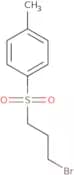
CAS:<p>Versatile small molecule scaffold</p>Formula:C22H25N3O5SPurity:Min. 95%Molecular weight:443.5 g/mol1-(3-Bromopropanesulfonyl)-4-methylbenzene
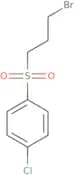
CAS:<p>Versatile small molecule scaffold</p>Formula:C10H13BrO2SPurity:Min. 95%Molecular weight:277.18 g/mol1-(3-Bromopropanesulfonyl)-4-chlorobenzene
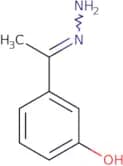
CAS:<p>Versatile small molecule scaffold</p>Formula:C9H10BrClO2SPurity:Min. 95%Molecular weight:297.6 g/mol3-Ethanehydrazonoylphenol
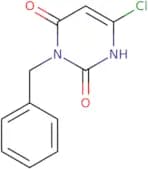
CAS:<p>Versatile small molecule scaffold</p>Formula:C8H10N2OPurity:Min. 95%Molecular weight:150.18 g/mol3-Benzyl-6-chloro-1H-pyrimidine-2,4-dione
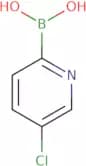
CAS:<p>Versatile small molecule scaffold</p>Formula:C11H9ClN2O2Purity:Min. 95%Molecular weight:236.65 g/mol5-Chloropyridine-2-boronicacid
CAS:<p>Please enquire for more information about 5-Chloropyridine-2-boronicacid including the price, delivery time and more detailed product information at the technical inquiry form on this page</p>Formula:C5H5BClNO2Purity:Min. 95%Molecular weight:157.36 g/molN-Chlorosuccinimide
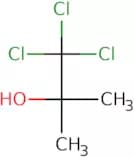
CAS:<p>Chlorinating agents are used in the production of pharmaceutical preparations and other chemical products. They react with amines to form diazonium salts, which can then be reduced to azo compounds. N-Chlorosuccinimide is a chlorinating agent that reacts with amines to form diazonium salts. It is used primarily as an injection solution for the treatment of trichomoniasis and other sexually transmitted diseases, but it also has been used in the preparation of pharmaceutical preparations. The reaction mechanism for N-chlorosuccinimide is not well understood, but it may involve a free radical intermediate or electron transfer from the chlorine atom to the carbon atom. Diazonium salts are formed by the reaction between an amine and an acid chloride. The addition of sodium hydroxide produces the corresponding azo compound. The reaction mechanism for N-chlorosuccinimide is not well understood, but it may involve a free radical intermediate or</p>Formula:C4H4ClNO2Purity:Min. 95%Color and Shape:White PowderMolecular weight:133.53 g/molChlorobutanol
CAS:<p>Chlorobutanol is an antimicrobial agent that is used in the preservation of pharmaceuticals, cosmetics, and other products. It has been shown to be effective against a variety of bacterial and fungal organisms. Chlorobutanol is also used as a preservative in topical ophthalmic preparations. In addition, chlorobutanol has been found to be a potent inhibitor of histone deacetylase (HDAC) activity, which may be due to its ability to bind to the active site of HDACs. This binding prevents acetylation of lysine residues on histones, thereby preventing transcriptional activation.</p>Formula:C4H7OCl3Purity:Min. 95%Color and Shape:White To Off-White SolidMolecular weight:177.46 g/molCyclopropyl isocyanate
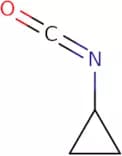
CAS:<p>Cyclopropyl isocyanate (CPC) is an aliphatic hydrocarbon that is structurally similar to butane. Cyclopropyl isocyanate has a variety of functional groups including a hydroxy group, a serine protease, and an amino group. CPC has been shown to be a potent activator of the enzyme histone h3 lysine 4 trimethyltranferase, which is involved in the regulation of inflammatory diseases. The synthesis of cyclopropyl isocyanate can be done through the reaction with diazomethane and zinc chloride or by treating 1-chlorocyclohexene with nitrous acid.</p>Formula:C4H5NOPurity:Min. 95%Color and Shape:Clear LiquidMolecular weight:83.09 g/mol4-Chloro-2,3-dimethylpyridine N-oxide
CAS:<p>4-Chloro-2,3-dimethylpyridine N-oxide is a chemical compound that belongs to the class of medicines. It is used in the manufacture of hydrogen peroxide, which is an oxidizing agent and a bleaching agent. 4-Chloro-2,3-dimethylpyridine N-oxide has been used as a reagent for organic synthesis and as a catalyst in organic reactions. This compound also has the ability to inhibit proton pumps, which are membrane proteins that pump protons across biological membranes. The presence of sodium impurities can lead to scaling problems because it affects the solubility of 4-chloro-2,3-dimethylpyridine N-oxide. The exothermic reaction with chlorine leads to the formation of chloride, sulfoxide, and chloride ions. These products are more soluble than 4-chloro-2,3-dimethylpyridine N-oxide itself.</p>Formula:C7H8ClNOPurity:Min. 95%Color and Shape:Off-White PowderMolecular weight:157.6 g/molClonidine hydrochloride
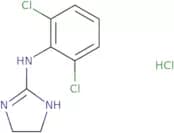
CAS:<p>Clonidine hydrochloride is a drug used in the treatment of hypertension and other cardiac diseases. It belongs to the class of drugs called centrally acting alpha-2 adrenergic agonists. Clonidine hydrochloride is also used for its antihypertensive effects in patients with neurogenic orthostatic hypotension, diabetic neuropathy, and glomerular filtration rate. The long-term efficacy and safety profile of clonidine hydrochloride has been established in clinical trials that have shown it to be effective in reducing symptoms of chronic pain and opioid withdrawal, as well as improving quality of life. Clonidine hydrochloride may be administered orally or transdermally. Clonidine binds to both alpha-1 and alpha-2 adrenergic receptors, which are responsible for vasoconstriction, inhibition of renin secretion from the kidneys, decreased sympathetic nerve activity, and increased parasympathetic nerve activity. This drug also has a protective effect on bone cancer cells</p>Formula:C9H9Cl2N3•HClPurity:Min. 95%Color and Shape:PowderMolecular weight:266.55 g/mol4-Chloro-1H-imidazo[4,5-c]pyridine
CAS:<p>4-Chloro-1H-imidazo[4,5-c]pyridine (4CI) is a nucleoside analog that inhibits the replication of RNA and DNA. It has significant inhibitory activity against herpes simplex virus type 1 and human immunodeficiency virus type 1 (HIV-1). 4CI inhibits the synthesis of adenosine, an important component in the synthesis of RNA and DNA. This drug also has antiviral properties against influenza A and B viruses. 4CI's effect on plasma cholesterol levels is thought to be due to inhibition of 3-hydroxy-3-methylglutaryl coenzyme A reductase.</p>Formula:C6H4ClN3Purity:Min. 95%Color and Shape:Off-White SolidMolecular weight:153.57 g/mol2-(Chloromethyl)-4-methylquinazoline
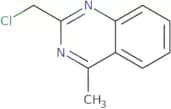
CAS:<p>Inhibitor of SIRT1 deacetylase</p>Formula:C10H9ClN2Purity:Min. 95%Color and Shape:Off-White To Yellow SolidMolecular weight:192.64 g/mol1-Cyclopropylpiperazine
CAS:<p>1-Cyclopropylpiperazine is a nitrogen-containing organic compound that is part of a class of compounds called cyclopropylamines. It has been shown to have neuroprotective effects in animal models of Parkinson's disease and Alzheimer's disease. It also has anti-inflammatory effects and shows promise as an anticancer agent. 1-Cyclopropylpiperazine interacts with phosphatidylinositol-3 kinase (PI3K) and inhibits the formation of fatty acid molecules, which are involved in degenerative diseases and inflammatory diseases, such as cancer.</p>Formula:C7H14N2Purity:Min. 95%Molecular weight:126.2 g/mol1-(2,4,5-Trifluorophenyl)propan-2-one
CAS:<p>Versatile small molecule scaffold</p>Formula:C9H7F3OPurity:Min. 95%Molecular weight:188.15 g/mol1-(4-Chloro-2-fluorophenyl)propan-2-one
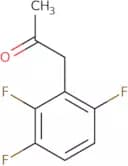
CAS:<p>Versatile small molecule scaffold</p>Formula:C9H8ClFOPurity:Min. 95%Molecular weight:186.61 g/mol1-(2,3,6-Trifluorophenyl)propan-2-one
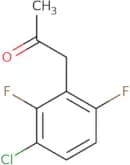
CAS:<p>Versatile small molecule scaffold</p>Formula:C9H7F3OPurity:Min. 95%Molecular weight:188.15 g/mol1-(3-Chloro-2,6-difluorophenyl)propan-2-one
CAS:<p>Versatile small molecule scaffold</p>Formula:C9H7ClF2OPurity:Min. 95%Molecular weight:204.6 g/mol4-Amino-3-(3-hydroxypropoxy)benzoic acid
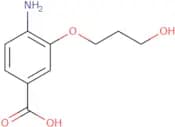
CAS:<p>Versatile small molecule scaffold</p>Formula:C10H13NO4Purity:Min. 95%Molecular weight:211.21 g/mol1-(Aminomethyl)-N-(3,4-dimethylphenyl)cyclopentane-1-carboxamide
CAS:<p>Versatile small molecule scaffold</p>Formula:C15H22N2OPurity:Min. 95%Molecular weight:246.35 g/mol7,8-Dimethyl-2-(1-methyl-1H-pyrazol-4-yl)quinoline-4-carboxylic acid
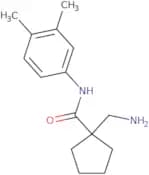
CAS:<p>Versatile small molecule scaffold</p>Formula:C16H15N3O2Purity:Min. 95%Molecular weight:281.31 g/mol4-{[(3-Methylphenyl)methyl]carbamoyl}benzoic acid
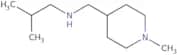
CAS:<p>Versatile small molecule scaffold</p>Formula:C16H15NO3Purity:Min. 95%Molecular weight:269.29 g/mol2-Methyl-N-((1-methylpiperidin-4-yl)methyl)propan-1-amine
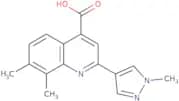
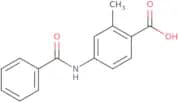
CAS:<p>Versatile small molecule scaffold</p>Formula:C11H24N2Purity:Min. 95%Molecular weight:184.32 g/mol4-Benzamido-2-methylbenzoic acid
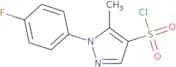
CAS:<p>Versatile small molecule scaffold</p>Formula:C15H13NO3Purity:Min. 95%Molecular weight:255.27 g/mol1-(4-Fluorophenyl)-5-methyl-1H-pyrazole-4-sulfonyl chloride
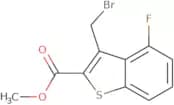
CAS:<p>Versatile small molecule scaffold</p>Formula:C10H8ClFN2O2SPurity:Min. 95%Molecular weight:274.7 g/molMethyl 3-(bromomethyl)-4-fluoro-1-benzothiophene-2-carboxylate
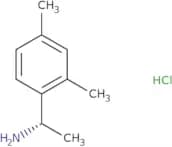
CAS:<p>Versatile small molecule scaffold</p>Formula:C11H8BrFO2SPurity:Min. 95%Molecular weight:303.15 g/mol(S)-1-(2,4-dimethylphenyl)ethanamine hydrochloride
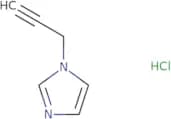
CAS:<p>Versatile small molecule scaffold</p>Formula:C10H16ClNPurity:Min. 95%Molecular weight:185.69 g/mol1-(Prop-2-yn-1-yl)-1H-imidazole hydrochloride
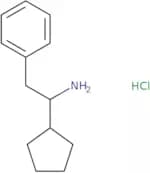
CAS:<p>Versatile small molecule scaffold</p>Formula:C6H7ClN2Purity:Min. 95%Molecular weight:142.58 g/mol1-Cyclopentyl-2-phenylethan-1-amine hydrochloride
CAS:Controlled Product<p>Versatile small molecule scaffold</p>Formula:C13H20ClNPurity:Min. 95%Molecular weight:225.76 g/mol2-{5,7-Dimethyl-2-oxo-1H,2H,4H,5H,6H,7H-pyrazolo[1,5-a]pyrimidin-6-yl}acetic acid
CAS:<p>Versatile small molecule scaffold</p>Formula:C10H15N3O3Purity:Min. 95%Molecular weight:225.24 g/moltert-Butyl N-[4-(4-aminopiperidin-1-yl)-4-oxobutyl]-N-methylcarbamate
CAS:<p>Versatile small molecule scaffold</p>Formula:C15H29N3O3Purity:Min. 95%Molecular weight:299.41 g/molrac-tert-Butyl N-[(1R,2R)-2-aminocycloheptyl]carbamate
CAS:<p>Versatile small molecule scaffold</p>Formula:C12H24N2O2Purity:Min. 95%Molecular weight:228.33 g/molMethyl 3-(aminomethyl)-4-fluoro-1-benzothiophene-2-carboxylate hydrochloride
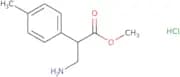
CAS:<p>Versatile small molecule scaffold</p>Formula:C11H11ClFNO2SPurity:Min. 95%Molecular weight:275.73 g/molMethyl 3-amino-2-(4-methylphenyl)propanoate hydrochloride
CAS:<p>Versatile small molecule scaffold</p>Formula:C11H16ClNO2Purity:Min. 95%Molecular weight:229.7 g/mol2-Chloro-1-[2-(2,4-dimethoxyphenyl)pyrrolidin-1-yl]ethan-1-one
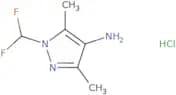
CAS:<p>Versatile small molecule scaffold</p>Formula:C14H18ClNO3Purity:Min. 95%Molecular weight:283.75 g/mol1-(Difluoromethyl)-3,5-dimethyl-1H-pyrazol-4-amine hydrochloride
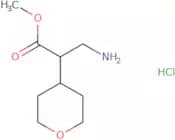
CAS:<p>Versatile small molecule scaffold</p>Formula:C6H10ClF2N3Purity:Min. 95%Molecular weight:197.61 g/molMethyl 3-amino-2-(oxan-4-yl)propanoate hydrochloride
CAS:<p>Versatile small molecule scaffold</p>Formula:C9H18ClNO3Purity:Min. 95%Molecular weight:223.7 g/mol1-[3-Chloro-5-(trifluoromethyl)pyridin-2-yl]-5-(trifluoromethyl)-1H-pyrazole-4-carboxylic acid
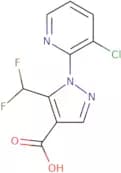
CAS:<p>Versatile small molecule scaffold</p>Formula:C11H4ClF6N3O2Purity:Min. 95%Molecular weight:359.61 g/mol1-(3-Chloropyridin-2-yl)-5-(difluoromethyl)-1H-pyrazole-4-carboxylic acid
CAS:<p>Versatile small molecule scaffold</p>Formula:C10H6ClF2N3O2Purity:Min. 95%Molecular weight:273.62 g/mol4-[(4-Methylcyclohexyl)oxy]piperidine hydrochloride
CAS:<p>Versatile small molecule scaffold</p>Formula:C12H24ClNOPurity:Min. 95%Molecular weight:233.78 g/mol[(4-Fluorophenyl)(pyridin-3-yl)methyl](propyl)amine dihydrochloride
CAS:<p>Versatile small molecule scaffold</p>Formula:C15H19Cl2FN2Purity:Min. 95%Molecular weight:317.2 g/mol[(2-Chloro-4-fluorophenyl)(phenyl)methyl](methyl)amine hydrochloride
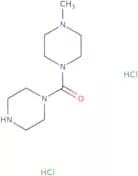
CAS:<p>Versatile small molecule scaffold</p>Formula:C14H14Cl2FNPurity:Min. 95%Molecular weight:286.2 g/mol1-Methyl-4-(piperazine-1-carbonyl)piperazine dihydrochloride
CAS:<p>Versatile small molecule scaffold</p>Formula:C10H22Cl2N4OPurity:Min. 95%Molecular weight:285.21 g/mol3-Amino-2-[(4-chlorophenyl)methyl]propanoic acid hydrochloride
CAS:<p>Versatile small molecule scaffold</p>Formula:C10H13Cl2NO2Purity:Min. 95%Molecular weight:250.12 g/mol4-[4-(Propan-2-yl)-4H-1,2,4-triazol-3-yl]piperidine dihydrochloride
CAS:<p>Versatile small molecule scaffold</p>Formula:C10H20Cl2N4Purity:Min. 95%Molecular weight:267.2 g/mol2-(1,5-Dimethyl-1H-1,3-benzodiazol-2-yl)ethan-1-amine dihydrochloride
CAS:Controlled Product<p>Versatile small molecule scaffold</p>Formula:C11H17Cl2N3Purity:Min. 95%Molecular weight:262.18 g/mol2-[4-(2-Methylpropoxy)phenyl]propan-2-amine hydrochloride
CAS:<p>Versatile small molecule scaffold</p>Formula:C13H22ClNOPurity:Min. 95%Molecular weight:243.77 g/molEthyl(3-methylhexan-2-yl)amine hydrochloride
CAS:<p>Versatile small molecule scaffold</p>Formula:C9H22ClNPurity:Min. 95%Molecular weight:179.73 g/mol2-{[1-(2-Chloro-4-fluorophenyl)ethyl]amino}-N-methylacetamide hydrochloride
CAS:<p>Versatile small molecule scaffold</p>Formula:C11H15Cl2FN2OPurity:Min. 95%Molecular weight:281.15 g/mol2-Chloro-N-[(5-chlorothiophen-2-yl)methyl]acetamide
CAS:<p>Versatile small molecule scaffold</p>Formula:C7H7Cl2NOSPurity:Min. 95%Molecular weight:224.11 g/mol(8aS)-7,7-Difluoro-octahydropyrrolo[1,2-a]piperazine dihydrochloride
CAS:<p>Versatile small molecule scaffold</p>Formula:C7H14Cl2F2N2Purity:Min. 95%Molecular weight:235.1 g/molTrans,rel-(1R,2R)-2-methoxycyclopentan-1-amine hydrochloride
CAS:<p>Versatile small molecule scaffold</p>Formula:C6H14ClNOPurity:Min. 95%Molecular weight:151.63 g/mol(1S)-1-(thiophen-2-yl)ethan-1-amine hydrochloride
CAS:<p>Versatile small molecule scaffold</p>Formula:C6H9NS·HClPurity:Min. 95%Molecular weight:163.66 g/mol3-{[1-(4-Bromophenyl)-1-oxopropan-2-yl]carbamoyl}propanoic acid
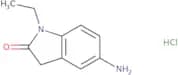
CAS:Controlled Product<p>Versatile small molecule scaffold</p>Formula:C13H14BrNO4Purity:Min. 95%Molecular weight:328.16 g/mol5-Amino-1-ethyl-2,3-dihydro-1H-indol-2-one hydrochloride
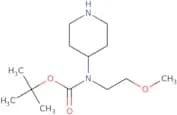
CAS:<p>Versatile small molecule scaffold</p>Formula:C10H13ClN2OPurity:Min. 95%Molecular weight:212.67 g/moltert-Butyl N-(2-methoxyethyl)-N-(piperidin-4-yl)carbamate
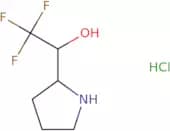
CAS:<p>Versatile small molecule scaffold</p>Formula:C13H26N2O3Purity:Min. 95%Molecular weight:258.36 g/mol2,2,2-Trifluoro-1-(pyrrolidin-2-yl)ethan-1-ol hydrochloride
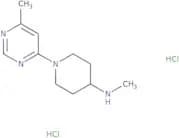
CAS:<p>Versatile small molecule scaffold</p>Formula:C6H11ClF3NOPurity:Min. 95%Molecular weight:205.6 g/molN-Methyl-1-(6-methylpyrimidin-4-yl)piperidin-4-amine dihydrochloride
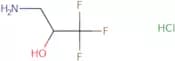
CAS:<p>Versatile small molecule scaffold</p>Formula:C11H20Cl2N4Purity:Min. 95%Molecular weight:279.21 g/mol(2R)-3-Amino-1,1,1-trifluoropropan-2-ol hydrochloride
CAS:<p>Versatile small molecule scaffold</p>Formula:C3H7ClF3NOPurity:Min. 95%Molecular weight:165.54 g/mol2-{3-[(Dimethylamino)methyl]phenyl}ethan-1-amine dihydrochloride
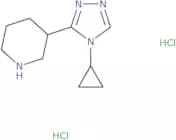
CAS:<p>Versatile small molecule scaffold</p>Formula:C11H20Cl2N2Purity:Min. 95%Molecular weight:251.19 g/mol3-(4-Cyclopropyl-4H-1,2,4-triazol-3-yl)piperidine dihydrochloride
CAS:<p>Versatile small molecule scaffold</p>Formula:C10H18Cl2N4Purity:Min. 95%Molecular weight:265.18 g/mol1-Methyl-1H,2H,3H,4H,7H-pyrazolo[3,4-b]pyridine-3,4-dione
CAS:<p>Versatile small molecule scaffold</p>Formula:C7H7N3O2Purity:Min. 95%Molecular weight:165.15 g/molMethyl 2-{[(3,4-difluorophenyl)methyl]amino}acetate hydrochloride
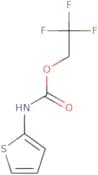
CAS:<p>Versatile small molecule scaffold</p>Formula:C10H12ClF2NO2Purity:Min. 95%Molecular weight:251.66 g/mol2,2,2-Trifluoroethyl N-(thiophen-2-yl)carbamate
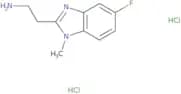
CAS:<p>Versatile small molecule scaffold</p>Formula:C7H6F3NO2SPurity:Min. 95%Molecular weight:225.19 g/mol2-(5-Fluoro-1-methyl-1H-1,3-benzodiazol-2-yl)ethan-1-amine dihydrochloride
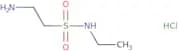
CAS:Controlled Product<p>Versatile small molecule scaffold</p>Formula:C10H14Cl2FN3Purity:Min. 95%Molecular weight:266.14 g/mol2-Amino-N-ethylethane-1-sulfonamide hydrochloride
CAS:<p>Versatile small molecule scaffold</p>Formula:C4H13ClN2O2SPurity:Min. 95%Molecular weight:188.68 g/moltert-Butyl 3-amino-4-cyanopyrrolidine-1-carboxylate
CAS:<p>Versatile small molecule scaffold</p>Formula:C10H17N3O2Purity:Min. 95%Molecular weight:211.26 g/mol
![2-Oxaspiro[4.4]nonan-3-one](/_next/image/?url=https%3A%2Fstatic.cymitquimica.com%2Fproducts%2F3D%2Fthumb-webp%2FFAA72462.webp&w=3840&q=75)

![2'-Cyano[1,1'-biphenyl]-4-carboxylic acid](/_next/image/?url=https%3A%2Fstatic.cymitquimica.com%2Fproducts%2F3D%2Fthumb-webp%2FFAA72844.webp&w=3840&q=75)
![1-N-[(4-Chlorophenyl)methyl]benzene-1,2-diamine](/_next/image/?url=https%3A%2Fstatic.cymitquimica.com%2Fproducts%2F3D%2Fthumb-webp%2FFAA72918.webp&w=3840&q=75)

![2-Oxaspiro[4.4]nonan-1-one](/_next/image/?url=https%3A%2Fstatic.cymitquimica.com%2Fproducts%2F3D%2Fthumb-webp%2FFAA73298.webp&w=3840&q=75)
![(2-methyl-[1,3]dioxolan-2-yl)-acetic acid](/_next/image/?url=https%3A%2Fstatic.cymitquimica.com%2Fproducts%2F3D%2Fthumb-webp%2FFAA73597.webp&w=3840&q=75)

![Spiro[2.6]nonan-4-one](/_next/image/?url=https%3A%2Fstatic.cymitquimica.com%2Fproducts%2F3D%2Fthumb-webp%2FFAA74385.webp&w=3840&q=75)
![Ethyl[1-(pyridin-3-yl)ethyl]amine](/_next/image/?url=https%3A%2Fstatic.cymitquimica.com%2Fproducts%2F3D%2Fthumb-webp%2FFAA74654.webp&w=3840&q=75)
![2-[(2-Aminoethyl)(ethyl)amino]ethan-1-ol](/_next/image/?url=https%3A%2Fstatic.cymitquimica.com%2Fproducts%2F3D%2Fthumb-webp%2FFAA75348.webp&w=3840&q=75)

![2-[(3-Phenylpropyl)sulfanyl]ethan-1-ol](/_next/image/?url=https%3A%2Fstatic.cymitquimica.com%2Fproducts%2F3D%2Fthumb-webp%2FFAA75557.webp&w=3840&q=75)
![2-[(2-Bromoethyl)sulfanyl]-2-methylpropane](/_next/image/?url=https%3A%2Fstatic.cymitquimica.com%2Fproducts%2F3D%2Fthumb-webp%2FFAA75560.webp&w=3840&q=75)
![[(2-Bromoethyl)sulfanyl]cyclohexane](/_next/image/?url=https%3A%2Fstatic.cymitquimica.com%2Fproducts%2F3D%2Fthumb-webp%2FFAA75561.webp&w=3840&q=75)
![2-[(2-Bromoethyl)sulfanyl]propane](/_next/image/?url=https%3A%2Fstatic.cymitquimica.com%2Fproducts%2F3D%2Fthumb-webp%2FFAA75562.webp&w=3840&q=75)


![4-Chloro-1H-imidazo[4,5-c]pyridine](/_next/image/?url=https%3A%2Fstatic.cymitquimica.com%2Fproducts%2F3D%2Fthumb-webp%2FFC32403.webp&w=3840&q=75)


![4-{[(3-Methylphenyl)methyl]carbamoyl}benzoic acid](/_next/image/?url=https%3A%2Fstatic.cymitquimica.com%2Fproducts%2F3D%2Fthumb-webp%2FFCC56743.webp&w=3840&q=75)
![2-{5,7-Dimethyl-2-oxo-1H,2H,4H,5H,6H,7H-pyrazolo[1,5-a]pyrimidin-6-yl}acetic acid](/_next/image/?url=https%3A%2Fstatic.cymitquimica.com%2Fproducts%2F3D%2Fthumb-webp%2FFCC71090.webp&w=3840&q=75)
![tert-Butyl N-[4-(4-aminopiperidin-1-yl)-4-oxobutyl]-N-methylcarbamate](/_next/image/?url=https%3A%2Fstatic.cymitquimica.com%2Fproducts%2F3D%2Fthumb-webp%2FFCC71111.webp&w=3840&q=75)
![rac-tert-Butyl N-[(1R,2R)-2-aminocycloheptyl]carbamate](/_next/image/?url=https%3A%2Fstatic.cymitquimica.com%2Fproducts%2F3D%2Fthumb-webp%2FFCC71156.webp&w=3840&q=75)

![2-Chloro-1-[2-(2,4-dimethoxyphenyl)pyrrolidin-1-yl]ethan-1-one](/_next/image/?url=https%3A%2Fstatic.cymitquimica.com%2Fproducts%2F3D%2Fthumb-webp%2FFCC71177.webp&w=3840&q=75)
![1-[3-Chloro-5-(trifluoromethyl)pyridin-2-yl]-5-(trifluoromethyl)-1H-pyrazole-4-carboxylic acid](/_next/image/?url=https%3A%2Fstatic.cymitquimica.com%2Fproducts%2F3D%2Fthumb-webp%2FFCC71184.webp&w=3840&q=75)
![4-[(4-Methylcyclohexyl)oxy]piperidine hydrochloride](/_next/image/?url=https%3A%2Fstatic.cymitquimica.com%2Fproducts%2F3D%2Fthumb-webp%2FFCC71189.webp&w=3840&q=75)
amine dihydrochloride](/_next/image/?url=https%3A%2Fstatic.cymitquimica.com%2Fproducts%2F3D%2Fthumb-webp%2FFCC71192.webp&w=3840&q=75)
amine hydrochloride](/_next/image/?url=https%3A%2Fstatic.cymitquimica.com%2Fproducts%2F3D%2Fthumb-webp%2FFCC71193.webp&w=3840&q=75)
![3-Amino-2-[(4-chlorophenyl)methyl]propanoic acid hydrochloride](/_next/image/?url=https%3A%2Fstatic.cymitquimica.com%2Fproducts%2F3D%2Fthumb-webp%2FFCC71203.webp&w=3840&q=75)
![4-[4-(Propan-2-yl)-4H-1,2,4-triazol-3-yl]piperidine dihydrochloride](/_next/image/?url=https%3A%2Fstatic.cymitquimica.com%2Fproducts%2F3D%2Fthumb-webp%2FFCC71206.webp&w=3840&q=75)
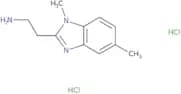
![2-[4-(2-Methylpropoxy)phenyl]propan-2-amine hydrochloride](/_next/image/?url=https%3A%2Fstatic.cymitquimica.com%2Fproducts%2F3D%2Fthumb-webp%2FFCC71213.webp&w=3840&q=75)
![2-{[1-(2-Chloro-4-fluorophenyl)ethyl]amino}-N-methylacetamide hydrochloride](/_next/image/?url=https%3A%2Fstatic.cymitquimica.com%2Fproducts%2F3D%2Fthumb-webp%2FFCC71217.webp&w=3840&q=75)
![2-Chloro-N-[(5-chlorothiophen-2-yl)methyl]acetamide](/_next/image/?url=https%3A%2Fstatic.cymitquimica.com%2Fproducts%2F3D%2Fthumb-webp%2FFCC71219.webp&w=3840&q=75)
![(8aS)-7,7-Difluoro-octahydropyrrolo[1,2-a]piperazine dihydrochloride](/_next/image/?url=https%3A%2Fstatic.cymitquimica.com%2Fproducts%2F3D%2Fthumb-webp%2FFCC71221.webp&w=3840&q=75)
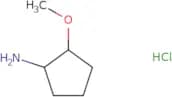
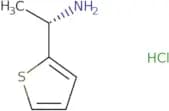
![3-{[1-(4-Bromophenyl)-1-oxopropan-2-yl]carbamoyl}propanoic acid](/_next/image/?url=https%3A%2Fstatic.cymitquimica.com%2Fproducts%2F3D%2Fthumb-webp%2FFCC71239.webp&w=3840&q=75)
![2-{3-[(Dimethylamino)methyl]phenyl}ethan-1-amine dihydrochloride](/_next/image/?url=https%3A%2Fstatic.cymitquimica.com%2Fproducts%2F3D%2Fthumb-webp%2FFCC71260.webp&w=3840&q=75)
![1-Methyl-1H,2H,3H,4H,7H-pyrazolo[3,4-b]pyridine-3,4-dione](/_next/image/?url=https%3A%2Fstatic.cymitquimica.com%2Fproducts%2F3D%2Fthumb-webp%2FFCC71264.webp&w=3840&q=75)
![Methyl 2-{[(3,4-difluorophenyl)methyl]amino}acetate hydrochloride](/_next/image/?url=https%3A%2Fstatic.cymitquimica.com%2Fproducts%2F3D%2Fthumb-webp%2FFCC71266.webp&w=3840&q=75)