Building Blocks
This section contains fundamental products for the synthesis of organic and biological compounds. Building blocks are the essential starting materials used to construct complex molecules through various chemical reactions. They play a critical role in drug discovery, material science, and chemical research. At CymitQuimica, we offer a diverse range of high-quality building blocks to support your innovative research and industrial projects, ensuring you have the essential components for successful synthesis.
Subcategories of "Building Blocks"
- Boronic Acids & Boronic Acid Derivatives(5,756 products)
- Chiral Building Blocks(1,242 products)
- Hydrocarbon Building Blocks(6,095 products)
- Organic Building Blocks(61,051 products)
Found 199813 products of "Building Blocks"
Sort by
Purity (%)
0
100
|
0
|
50
|
90
|
95
|
100
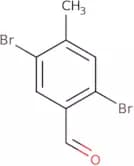
2,5-Dibromo-4-methylbenzaldehyde
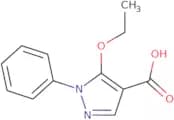
CAS:<p>Versatile small molecule scaffold</p>Formula:C8H6Br2OPurity:Min. 95%Molecular weight:277.94 g/mol5-Ethoxy-1-phenyl-1H-pyrazole-4-carboxylic acid
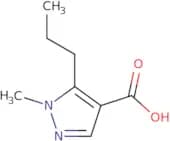
CAS:<p>Versatile small molecule scaffold</p>Formula:C12H12N2O3Purity:Min. 95%Molecular weight:232.23 g/mol1-Methyl-5-propyl-1H-pyrazole-4-carboxylic acid
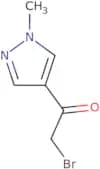
CAS:<p>Versatile small molecule scaffold</p>Formula:C8H12N2O2Purity:Min. 95%Molecular weight:168.19 g/mol2-Bromo-1-(1-methyl-1H-pyrazol-4-yl)ethanone
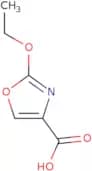
CAS:<p>Versatile small molecule scaffold</p>Formula:C6H7BrN2OPurity:Min. 95%Molecular weight:203.04 g/mol2-Ethoxy-1,3-oxazole-4-carboxylic acid
CAS:Versatile small molecule scaffoldFormula:C6H7NO4Purity:Min. 95%Molecular weight:157.12 g/mol2-Chloro-3-hydroxy-6H-benzo[C]chromen-6-one
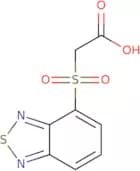
CAS:<p>Versatile small molecule scaffold</p>Formula:C13H7ClO3Purity:Min. 95%Molecular weight:246.64 g/mol2-(2,1,3-Benzothiadiazole-4-sulfonyl)acetic acid
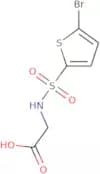
CAS:<p>Versatile small molecule scaffold</p>Formula:C8H6N2O4S2Purity:Min. 95%Molecular weight:258.3 g/mol2-(5-Bromothiophene-2-sulfonamido)acetic acid
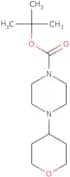
CAS:<p>Versatile small molecule scaffold</p>Formula:C6H6BrNO4S2Purity:Min. 95%Molecular weight:300.2 g/moltert-Butyl 4-(oxan-4-yl)piperazine-1-carboxylate
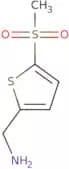
CAS:Versatile small molecule scaffoldFormula:C14H26N2O3Purity:Min. 95%Molecular weight:270.37 g/mol(5-Methanesulfonylthiophen-2-yl)methanamine
CAS:<p>Versatile small molecule scaffold</p>Formula:C6H9NO2S2Purity:Min. 95%Molecular weight:191.3 g/mol4,5,6,7-Tetrahydro-3H-[1,2,3]triazolo[4,5-c]pyridine
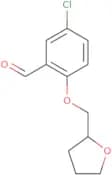
CAS:<p>Versatile small molecule scaffold</p>Formula:C5H8N4Purity:Min. 95%Molecular weight:124.14 g/mol5-Chloro-2-(oxolan-2-ylmethoxy)benzaldehyde
CAS:<p>Versatile small molecule scaffold</p>Formula:C12H13ClO3Purity:Min. 95%Molecular weight:240.68 g/mol3-{[(tert-Butoxy)carbonyl]amino}-4,4-difluorobutanoic acid
CAS:Versatile small molecule scaffoldFormula:C9H15F2NO4Purity:Min. 95%Molecular weight:239.22 g/molBicyclo[4.1.0]heptane-7-carbaldehyde
CAS:<p>Bicyclo[4.1.0]heptane-7-carbaldehyde is a pyrogenic compound that inhibits protein synthesis in bacteria, including staphylococci and chorismate-producing organisms (e.g., Pyogenes). This compound has been shown to be effective against uncomplicated skin infections, such as abrasions, due to its ability to inhibit protein synthesis in the bacteria. Bicyclo[4.1.0]heptane-7-carbaldehyde also exhibits antimicrobial activity against dermatophytes, with a good safety profile for human use. It can be used as a therapeutic agent for uncomplicated skin infections and has been evaluated for use in combination with other antimicrobials for more complicated or resistant cases of skin infection.</p>Formula:C8H12OPurity:Min. 95%Molecular weight:124.18 g/mol(2,2-Dimethylcyclohexyl)methanol
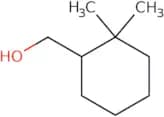
CAS:<p>Versatile small molecule scaffold</p>Formula:C9H18OPurity:Min. 95%Molecular weight:142.24 g/mol3-Benzylpiperidin-2-one
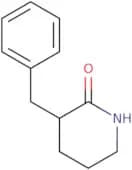
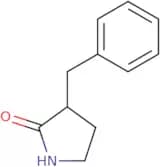
CAS:<p>Versatile small molecule scaffold</p>Formula:C12H15NOPurity:Min. 95%Molecular weight:189.25 g/mol3-Benzylpyrrolidin-2-one
CAS:<p>3-Benzylpyrrolidin-2-one is a synthetic compound that has been shown to inhibit the tyrosine kinase activity of receptor tyrosine kinases. This inhibition prevents the phosphorylation and activation of downstream signaling molecules, which are necessary for tumor cell proliferation. The inhibition of these kinases has been shown to be effective against metastasis in animal models. 3-Benzylpyrrolidin-2-one has also been shown to inhibit the growth of cancer cells through a number of different mechanisms, including inhibiting cyclic AMP production, preventing the migration of cancer cells and blocking the synthesis of DNA.</p>Formula:C11H13NOPurity:Min. 95%Molecular weight:175.23 g/mol3-bromo-1-methylpyridin-2(1h)-one
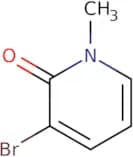
CAS:<p>Versatile small molecule scaffold</p>Formula:C6H6BrNOPurity:Min. 95%Molecular weight:188.02 g/mol3-Cyclohexyl-5-phenylimidazolidine-2,4-dione
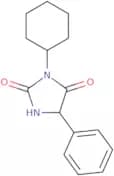
CAS:<p>Versatile small molecule scaffold</p>Formula:C15H18N2O2Purity:Min. 95%Molecular weight:258.32 g/mol2,3-Dihydrospiro[indene-1,3'-pyrrolidine] hydrochloride
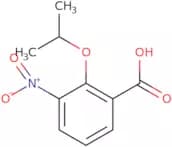
CAS:<p>Versatile small molecule scaffold</p>Formula:C12H16ClNPurity:Min. 95%Molecular weight:209.71 g/mol3-Nitro-2-(propan-2-yloxy)benzoic acid
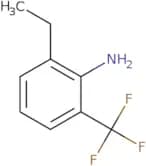
CAS:<p>Versatile small molecule scaffold</p>Formula:C10H11NO5Purity:Min. 95%Molecular weight:225.2 g/mol2-Ethyl-6-(trifluoromethyl)aniline
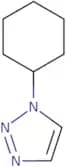
CAS:<p>Versatile small molecule scaffold</p>Formula:C9H10F3NPurity:Min. 95%Molecular weight:189.18 g/mol1-Cyclohexyl-1H-1,2,3-triazole
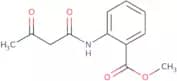
CAS:<p>Versatile small molecule scaffold</p>Formula:C8H13N3Purity:Min. 95%Molecular weight:151.21 g/molMethyl 2-(acetoacetylamino)benzoate
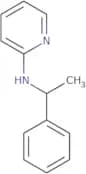
CAS:<p>Versatile small molecule scaffold</p>Formula:C12H13NO4Purity:Min. 95%Molecular weight:235.24 g/molN-(1-Phenylethyl)pyridin-2-amine
CAS:<p>Versatile small molecule scaffold</p>Formula:C13H14N2Purity:Min. 95%Molecular weight:198.26 g/mol6-Chloro-3-methyl-1-phenyl-1H-pyrazolo[3,4-b]pyridine-5-carbaldehyde
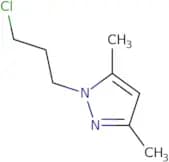
CAS:<p>Versatile small molecule scaffold</p>Formula:C14H10ClN3OPurity:Min. 95%Molecular weight:271.7 g/mol1-(3-Chloropropyl)-3,5-dimethyl-1H-pyrazole
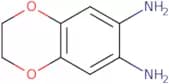
CAS:<p>Versatile small molecule scaffold</p>Formula:C8H13ClN2Purity:Min. 95%Molecular weight:172.65 g/mol2,3-Dihydro-1,4-benzodioxine-6,7-diamine
CAS:<p>2,3-Dihydro-1,4-benzodioxine-6,7-diamine is an aromatic compound and a sealant. It is a fluorescent derivative of the fatty acid 2,3-dihydro-1,4-benzodioxin with a cationic surfactant as a plasticizer. This compound has been used in the manufacture of glycol ethers and glycol esters. The hydroxy group and benzoate have been shown to react with calcium stearate to form a sealant that is resistant to water vapor and glycol esters. Database sequences show that this compound reacts with zirconium oxide to form a sealant that can be used in high temperatures.</p>Formula:C8H10N2O2Purity:Min. 95%Molecular weight:166.18 g/molMethyl 4-(chlorosulfonyl)butanoate
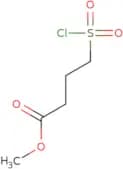
CAS:<p>Versatile small molecule scaffold</p>Formula:C5H9ClO4SPurity:Min. 95%Molecular weight:200.64 g/mol(Azidomethyl)cyclohexane
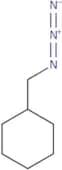
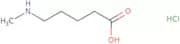
CAS:<p>Azidomethylcyclohexane is a triazole drug that inhibits the activity of opioid receptors. It also has an inhibitory effect on fatty acid biosynthesis and antibacterial properties. This compound has been clinically used as an anti-tuberculosis drug, but its mechanism of action is not yet fully understood. Azidomethylcyclohexane may inhibit the synthesis of mycolic acids by inhibiting enzymes involved in their biosynthesis. This compound also inhibits terminal alkynes, which are responsible for the synthesis of mycothiols, which are essential for the growth and survival of Mycobacterium tuberculosis. Azidomethylcyclohexane would not be expected to inhibit other bacteria because it does not have any known effects on enzymes other than those involved in fatty acid biosynthesis, terminal alkynes, and mycolic acid synthesis.</p>Formula:C7H13N3Purity:Min. 95%Molecular weight:139.2 g/mol5-(Methylamino)pentanoic acid hydrochloride
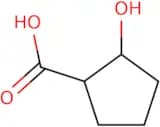
CAS:<p>Versatile small molecule scaffold</p>Formula:C6H14ClNO2Purity:Min. 95%Molecular weight:167.63 g/mol2-Hydroxycyclopentane-1-carboxylic acid
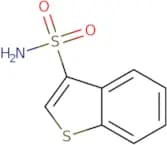
CAS:<p>2-Hydroxycyclopentane-1-carboxylic acid is a chemical compound that belongs to the class of hydroxyproline derivatives. It is used as an intermediate in the synthesis of glucosides and tosyl esters. 2-Hydroxycyclopentane-1-carboxylic acid can be prepared by the reaction of methyl acetoacetate with sodium methoxide in methanol solution. The resulting product can be hydrolyzed with hydrochloric acid to release 2-hydroxycyclopentane-1-carboxylic acid, which can then be converted into other compounds through various reactions.<br>2-Hydroxycyclopentane-1-carboxylic acid has been used as a reagent for tosylation reactions and as an intermediate for the synthesis of organic esters and phenolic compounds.</p>Formula:C6H10O3Purity:Min. 95%Molecular weight:130.14 g/mol1-Benzothiophene-3-sulfonamide
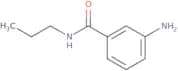
CAS:<p>1-Benzothiophene-3-sulfonamide is an antineoplastic agent that has been shown to be effective in the treatment of lymphosarcoma. It inhibits DNA and RNA synthesis, leading to cell death. 1-Benzothiophene-3-sulfonamide has been shown to have antitumor properties in subcutaneous inoculations against a variety of tumor types.</p>Formula:C8H7NO2S2Purity:Min. 95%Molecular weight:213.3 g/mol3-Amino-N-propylbenzamide
CAS:<p>3-Amino-N-propylbenzamide is an organic compound that is a fluorometric, spectroscopic, and sensing reagent. It is a weakly basic anion with the chemical formula CH3CH2C6H4NHCO2. It has been used as an emission indicator in fluorescence measurements of anthracene and supramolecular systems. It can be used to identify the presence of nitrate ion by its interaction with the anthracene molecule. 3-Amino-N-propylbenzamide can also be used for chain spectroscopy methods to study the binding of small molecules to proteins.</p>Formula:C10H14N2OPurity:Min. 95%Molecular weight:178.24 g/mol3-Amino-N-ethylbenzamide
CAS:<p>Versatile small molecule scaffold</p>Formula:C9H12N2OPurity:Min. 95%Molecular weight:164.2 g/mol1-Benzofuran-2-ylmethanamine hydrochloride
CAS:<p>Versatile small molecule scaffold</p>Formula:C9H10ClNOPurity:Min. 95%Molecular weight:183.63 g/molN-[(4-Aminophenyl)methyl]methanesulfonamide
CAS:<p>Versatile small molecule scaffold</p>Formula:C8H12N2O2SPurity:Min. 95%Molecular weight:200.26 g/mol1-(4-Chlorophenyl)-2-methylbutan-1-amine
CAS:<p>Versatile small molecule scaffold</p>Formula:C11H16ClNPurity:Min. 95%Molecular weight:197.7 g/mol3-Benzyl-3-azabicyclo[3.3.1]nonan-9-one
CAS:<p>Versatile small molecule scaffold</p>Formula:C15H19NOPurity:Min. 95%Molecular weight:229.32 g/mol7-Oxa-1,3-diazaspiro[4.4]nonane-2,4-dione
CAS:<p>Versatile small molecule scaffold</p>Formula:C6H8N2O3Purity:Min. 95%Molecular weight:156.14 g/mol[2-(Benzyloxy)ethyl]hydrazine hydrochloride
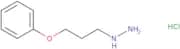
CAS:<p>Versatile small molecule scaffold</p>Formula:C9H15ClN2OPurity:Min. 95%Molecular weight:202.68 g/mol(3-Phenoxypropyl)hydrazine hydrochloride
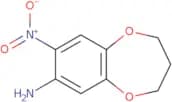
CAS:<p>Versatile small molecule scaffold</p>Formula:C9H15ClN2OPurity:Min. 95%Molecular weight:202.68 g/mol8-Nitro-3,4-dihydro-2H-1,5-benzodioxepin-7-amine
CAS:<p>Versatile small molecule scaffold</p>Formula:C9H10N2O4Purity:Min. 95%Molecular weight:210.19 g/molN-[3-(Hydroxymethyl)phenyl]propanamide
CAS:<p>Versatile small molecule scaffold</p>Formula:C10H13NO2Purity:Min. 95%Molecular weight:179.22 g/molMethyl N-[3-(hydroxymethyl)phenyl]carbamate
CAS:<p>Versatile small molecule scaffold</p>Formula:C9H11NO3Purity:Min. 95%Molecular weight:181.19 g/mol4-Methyl-2-nitrocyclohexan-1-ones
CAS:<p>Versatile small molecule scaffold</p>Formula:C7H11NO3Purity:Min. 95%Molecular weight:157.2 g/mol2-[(2-Cyanoethyl)sulfanyl]acetic acid
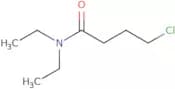
CAS:<p>Versatile small molecule scaffold</p>Formula:C5H7NO2SPurity:Min. 95%Molecular weight:145.2 g/mol4-Chloro-N,N-diethyl-butyramide
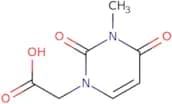
CAS:Versatile small molecule scaffoldFormula:C8H16ClNOPurity:Min. 95%Molecular weight:177.67 g/mol2-(3-Methyl-2,4-dioxo-1,2,3,4-tetrahydropyrimidin-1-yl)acetic acid
CAS:<p>Versatile small molecule scaffold</p>Formula:C7H8N2O4Purity:Min. 95%Molecular weight:184.15 g/mol(S)-1-(4-Chlorophenyl)ethanamine hydrochloride
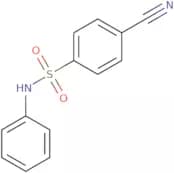
CAS:<p>Versatile small molecule scaffold</p>Formula:C8H11Cl2NPurity:Min. 95%Molecular weight:192.09 g/mol4-Cyano-N-phenylbenzene-1-sulfonamide
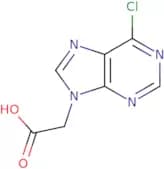
CAS:<p>4-Cyano-N-phenylbenzene-1-sulfonamide is a salt that belongs to the group of aromatic sulfonamides. It is a white, crystalline solid with a melting point of 197 °C. 4-Cyano-N-phenylbenzene-1-sulfonamide has been found to be a polymorphic substance, which means that it can exist in more than one form. The systematic name for this compound is 1-(4'-cyano-3'-nitrophenyl)-4-(4'-cyano-3'-nitrophenyl)benzenesulfonamide monohydrochloride (2:1), and it has two polymorphs: the tetragonal crystal system and the orthorhombic crystal system. 4-Cyano-N-phenylbenzene-1 -sulfonamide also has hydrogen bonding interactions between its molecules and diffraction patterns</p>Formula:C13H10N2O2SPurity:Min. 95%Molecular weight:258.3 g/mol2-(6-Chloro-9H-purin-9-yl)acetic acid
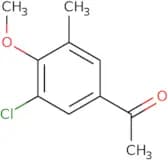
CAS:<p>Versatile small molecule scaffold</p>Formula:C7H5ClN4O2Purity:Min. 95%Molecular weight:212.59 g/mol1-(3-Chloro-4-methoxy-5-methylphenyl)ethan-1-one
CAS:<p>Versatile small molecule scaffold</p>Formula:C10H11ClO2Purity:Min. 95%Molecular weight:198.64 g/mol4-Cyano-1H-imidazole-5-carboxylic acid
CAS:<p>Versatile small molecule scaffold</p>Formula:C5H3N3O2Purity:Min. 95%Molecular weight:137.1 g/molEthyl 3-(2-methylcyclopropyl)-3-oxopropanoates
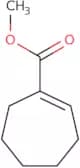
CAS:<p>Versatile small molecule scaffold</p>Formula:C9H14O3Purity:Min. 95%Molecular weight:170.2 g/molMethyl cyclohept-1-ene-1-carboxylate
CAS:<p>Methyl cyclohept-1-ene-1-carboxylate is a histone methyltransferase inhibitor that inhibits the synthesis of histones in mammalian cells. Methyl cyclohept-1-ene-1-carboxylate is used for the treatment of cancers, such as leukemia, lymphoma, and multiple myeloma. It binds to the DNA at specific sites and blocks the formation of histones by inhibiting the transfer of methyl groups. This process leads to changes in gene expression and cellular proliferation. Methyl cyclohept-1-ene-1-carboxylate has also been shown to inhibit demethylation, leading to increased methylation of DNA. The effector proteins may be involved in regulating this process, but more research is needed to confirm this hypothesis.</p>Formula:C9H14O2Purity:Min. 95%Molecular weight:154.21 g/mol1-[1-(Pyridin-3-yl)ethyl]piperazine
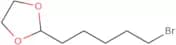
CAS:<p>Versatile small molecule scaffold</p>Formula:C11H17N3Purity:Min. 95%Molecular weight:191.27 g/mol2-(5-Bromopentyl)-1,3-dioxolane
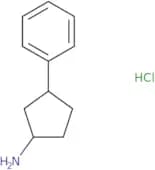
CAS:<p>Versatile small molecule scaffold</p>Formula:C8H15BrO2Purity:Min. 95%Molecular weight:223.11 g/mol3-Phenylcyclopentan-1-amine hydrochloride
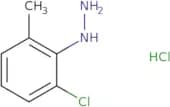
CAS:<p>Versatile small molecule scaffold</p>Formula:C11H16ClNPurity:Min. 95%Molecular weight:197.7 g/mol(2-Chloro-6-methylphenyl)hydrazine hydrochloride
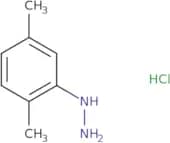
CAS:<p>Versatile small molecule scaffold</p>Formula:C7H10Cl2N2Purity:Min. 95%Molecular weight:193.07 g/mol2,5-Dimethylphenylhydrazine hydrochloride
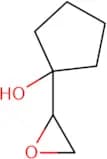
CAS:Versatile small molecule scaffoldFormula:C8H12N2·HClPurity:Min. 95%Molecular weight:172.66 g/mol1-(Oxiran-2-yl)cyclopentan-1-ol
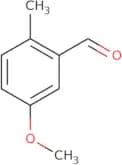
CAS:<p>Versatile small molecule scaffold</p>Formula:C7H12O2Purity:Min. 95%Molecular weight:128.17 g/mol5-Methoxy-2-methylbenzaldehyde
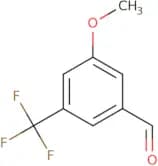
CAS:<p>5-Methoxy-2-methylbenzaldehyde is a piperazine derivative that is used in the synthesis of other organic compounds. It is an intermediate for the production of fluoroquinolones, which are broad spectrum antibiotics. 5-Methoxy-2-methylbenzaldehyde can be synthesized using the liquid phase technique, which involves the use of solvents such as chloroform and ethanol. It has two isomers, methoxy methyl and methoxymethyl, which can be separated by chromatography or mass spectrometry. The synthesis of 5-methoxy-2-methylbenzaldehyde starts with a reaction between trimethylamine and formaldehyde in concentrated sulfuric acid. This reaction produces diethyl fumarate, which reacts with hydrochloric acid to produce diethyl malonate. The next step in this process involves heating the malonate mixture to produce 5-methoxy-2-methylbenz</p>Formula:C9H10O2Purity:Min. 95%Molecular weight:150.18 g/mol3-Methoxy-5-(trifluoromethyl)benzaldehyde
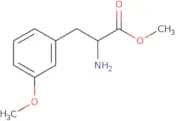
CAS:<p>Versatile small molecule scaffold</p>Formula:C9H7F3O2Purity:Min. 95%Molecular weight:204.15 g/molMethyl 2-amino-3-(3-methoxyphenyl)propanoate
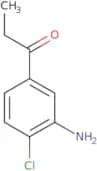
CAS:<p>Versatile small molecule scaffold</p>Formula:C11H15NO3Purity:Min. 95%Molecular weight:209.24 g/mol1-(3-Amino-4-chlorophenyl)propan-1-one
CAS:<p>Versatile small molecule scaffold</p>Formula:C9H10ClNOPurity:Min. 95%Molecular weight:183.63 g/molEthyl 2-[(1-phenylethyl)amino]acetate
CAS:<p>Versatile small molecule scaffold</p>Formula:C12H17NO2Purity:Min. 95%Molecular weight:207.27 g/mol2-[(1-Phenylethyl)amino]acetohydrazide
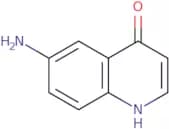
CAS:<p>Versatile small molecule scaffold</p>Formula:C10H15N3OPurity:Min. 95%Molecular weight:193.25 g/mol6-Aminoquinolin-4-ol
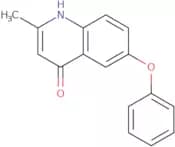
CAS:<p>Versatile small molecule scaffold</p>Formula:C9H8N2OPurity:Min. 95%Molecular weight:160.17 g/mol2-Methyl-6-phenoxyquinolin-4-ol
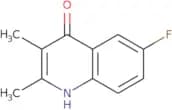
CAS:<p>Versatile small molecule scaffold</p>Formula:C16H13NO2Purity:Min. 95%Molecular weight:251.28 g/mol6-Fluoro-2,3-dimethylquinolin-4-ol
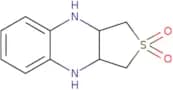
CAS:<p>Versatile small molecule scaffold</p>Formula:C11H10FNOPurity:Min. 95%Molecular weight:191.2 g/mol1,3,3a,4,9,9a-Hexahydrothieno(3,4-b)quinoxaline 2,2-dioxide
CAS:<p>Versatile small molecule scaffold</p>Formula:C10H12N2O2SPurity:Min. 95%Molecular weight:224.28 g/mol2-[(1-Methylpiperidin-4-yl)amino]ethan-1-ol
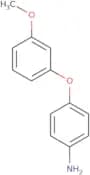
CAS:<p>Versatile small molecule scaffold</p>Formula:C8H18N2OPurity:Min. 95%Molecular weight:158.24 g/mol4-(3-Methoxyphenoxy)aniline
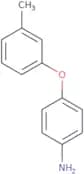
CAS:<p>Versatile small molecule scaffold</p>Formula:C13H13NO2Purity:Min. 95%Molecular weight:215.25 g/mol4-(3-Methylphenoxy)aniline hydrochloride
CAS:<p>Versatile small molecule scaffold</p>Formula:C13H14ClNOPurity:Min. 95%Molecular weight:235.72 g/mol3-[4-(Hydroxymethyl)phenyl]propanoic acid
CAS:<p>Versatile small molecule scaffold</p>Formula:C10H12O3Purity:Min. 95%Molecular weight:180.2 g/mol1,2-Diazaspiro[4.5]decan-3-one
CAS:<p>Versatile small molecule scaffold</p>Formula:C8H14N2OPurity:Min. 95%Molecular weight:154.21 g/mol1,5-Dimethyl-7-methylidenebicyclo[3.3.1]nonan-3-one
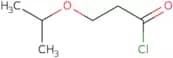
CAS:<p>Versatile small molecule scaffold</p>Formula:C12H18OPurity:Min. 95%Molecular weight:178.27 g/mol3-(Propan-2-yloxy)propanoyl chloride
CAS:<p>Versatile small molecule scaffold</p>Formula:C6H11ClO2Purity:Min. 95%Molecular weight:150.6 g/mol3-Methoxy-2-naphthaldehyde
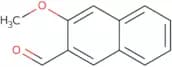
CAS:3-Methoxy-2-naphthaldehyde is a molecule that belongs to the group of organic compounds called aldehydes. It is an oxidizing agent with molecular weight of 92.13 g/mol and chemical formula CH 3 COCH 2 OH. The oxidation of 3-methoxy-2-naphthaldehyde is catalyzed by the enzyme aldehyde oxidase, which converts it into 3-hydroxy-2-naphthaldehyde. This reaction requires NAD+ as cofactor and produces NADH, which can be used in other reactions such as glycolysis or the citric acid cycle. The intramolecular hydrogen bond between the carbon atom in carbonyl group and the oxygen atom in hydroxyl group stabilizes this molecule. 3-Methoxy-2-naphthaldehyde has low energy photophysical properties and can be used as a signal transducer for functional groups, such as phenols and amFormula:C12H10O2Purity:Min. 95%Molecular weight:186.21 g/mol2-(Cyclohexylamino)acetic acid hydrochloride
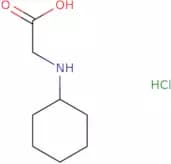
CAS:<p>2-(Cyclohexylamino)acetic acid hydrochloride is a chiral compound that has been shown to inhibit the activity of metalloproteinases, including matrix metalloproteinase (MMP) and peptidyl-arginine deiminases. It also inhibits the production of inflammatory cytokines in response to viral infection. 2-(Cyclohexylamino)acetic acid hydrochloride may be useful for the treatment of liver diseases such as hepatitis or cirrhosis due to its ability to inhibit MMP-2. It is also being investigated as a potential drug for traumatic brain injury because it has been shown to reduce oxidative stress and inflammation in animal models.</p>Formula:C8H16ClNO2Purity:Min. 95%Molecular weight:193.67 g/mol4-Oxo-adamantane-1-carboxylic acid methyl ester
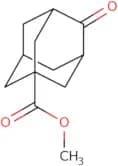
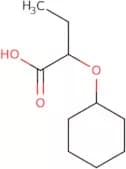
CAS:<p>4-Oxo-adamantane-1-carboxylic acid methyl ester is a carboxylic acid derivative with an inhibitory effect on the enzyme diacylglycerol acyltransferase (DGAT). This inhibition leads to reduced levels of triglycerides in the blood. The compound has been shown to be safe for use in humans, and does not affect bodyweight or plasma triglyceride levels. 4-Oxo-adamantane-1-carboxylic acid methyl ester has been shown to be effective at lowering plasma triglyceride levels in patients with diabetes. This compound is also druggable and can be used as a lead structure for drug development.br>br></p>Formula:C12H16O3Purity:Min. 95%Molecular weight:208.25 g/mol2-(Cyclohexyloxy)butanoic acid
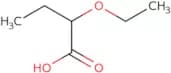
CAS:<p>Versatile small molecule scaffold</p>Formula:C10H18O3Purity:Min. 95%Molecular weight:186.25 g/mol2-Ethoxybutanoic acid
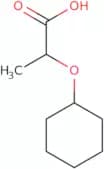
CAS:<p>Versatile small molecule scaffold</p>Formula:C6H12O3Purity:Min. 95%Molecular weight:132.16 g/mol2-(Cyclohexyloxy)propanoic acid
CAS:<p>Versatile small molecule scaffold</p>Formula:C9H16O3Purity:Min. 95%Molecular weight:172.22 g/mol2-[(5-Methyl-1,2-oxazol-3-yl)oxy]acetic acid
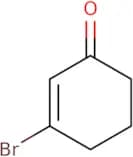
CAS:Versatile small molecule scaffoldFormula:C6H7NO4Purity:Min. 95%Molecular weight:157.12 g/mol3-Bromocyclohex-2-en-1-one
CAS:<p>3-Bromocyclohex-2-en-1-one is an organic compound that belongs to the group of halogenated cyclic ketones. It has industrial applications as a solvent and synthetic intermediate, and can be synthesized by the reaction of carbon tetrabromide with triphenylphosphine in ether. The filtration process is used to isolate 3-bromocyclohex-2-en-1-one from other products.</p>Formula:C6H7BrOPurity:Min. 95%Molecular weight:175.02 g/molImidazo[1,5-a]pyridine-3-carboxaldehyde
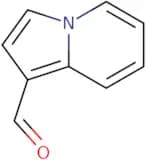
CAS:<p>Imidazo[1,5-a]pyridine-3-carboxaldehyde is a multicomponent molecule that has the potential to be used in biomolecular chemistry. It is a fluorescent compound that can be used to produce sustainable and environmentally friendly photophysical properties. Imidazo[1,5-a]pyridine-3-carboxaldehyde has been shown to have photophysical properties such as fluorescence, phosphorescence, and chemiluminescence. This molecule can also be used in the study of biomolecular chemistry and biomedical research.</p>Formula:C8H6N2OPurity:Min. 95%Molecular weight:146.15 g/mol1-Indolizinecarboxaldehyde
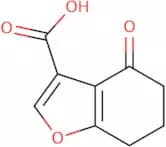
CAS:<p>Versatile small molecule scaffold</p>Formula:C9H7NOPurity:Min. 95%Molecular weight:145.16 g/mol4-Oxo-4,5,6,7-tetrahydrobenzofuran-3-carboxylic acid
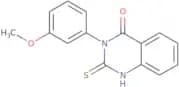
CAS:<p>Versatile small molecule scaffold</p>Formula:C9H8O4Purity:Min. 95%Molecular weight:180.16 g/mol3-(3-Methoxyphenyl)-2-thioxo-2,3-dihydro-4(1H)-quinazolinone
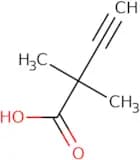
CAS:<p>Versatile small molecule scaffold</p>Formula:C15H12N2O2SPurity:Min. 95%Molecular weight:284.33 g/mol2,2-Dimethylbut-3-ynoic acid
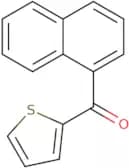
CAS:<p>2,2-Dimethylbut-3-ynoic acid is an organic compound that can be synthesized from acetone. The chemical formula of this compound is C6H12O2. 2,2-Dimethylbut-3-ynoic acid has a boiling point of 157 degrees Celsius and a melting point of -87 degrees Celsius. It has the molecular weight of 136.19 g/mol and its density is 1.07 g/cm^3 at 25 degrees Celsius. This compound can be used as a precursor to other chemicals, such as butanediol or butyraldehyde, which are used in production processes for plastics and synthetic rubber.</p>Formula:C6H8O2Purity:Min. 95%Molecular weight:112.13 g/mol(Naphthalen-1-yl)(thiophen-2-yl)methanone
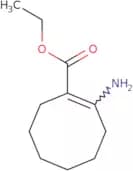
CAS:<p>Versatile small molecule scaffold</p>Formula:C15H10OSPurity:Min. 95%Molecular weight:238.31 g/molEthyl 2-aminocyclooct-1-ene-1-carboxylate
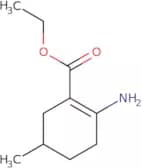
CAS:<p>Versatile small molecule scaffold</p>Formula:C11H19NO2Purity:Min. 95%Molecular weight:197.27 g/molEthyl 2-amino-5-methylcyclohex-1-ene-1-carboxylate
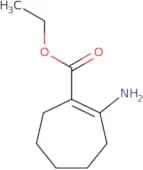
CAS:<p>Versatile small molecule scaffold</p>Formula:C10H17NO2Purity:Min. 95%Molecular weight:183.25 g/molEthyl 2-aminocyclohept-1-ene-1-carboxylate
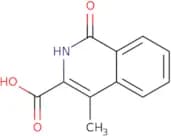
CAS:<p>Versatile small molecule scaffold</p>Formula:C10H17NO2Purity:Min. 95%Molecular weight:183.25 g/mol4-Methyl-1-oxo-1,2-dihydroisoquinoline-3-carboxylic acid
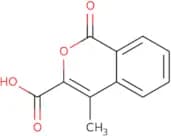
CAS:<p>Versatile small molecule scaffold</p>Formula:C11H9NO3Purity:Min. 95%Molecular weight:203.19 g/mol4-Methyl-1-oxo-1H-isochromene-3-carboxylic acid
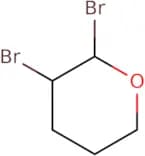
CAS:<p>Versatile small molecule scaffold</p>Formula:C11H8O4Purity:Min. 95%Molecular weight:204.18 g/mol2,3-Dibromooxane
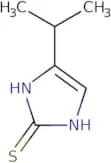
CAS:<p>Versatile small molecule scaffold</p>Formula:C5H8Br2OPurity:Min. 95%Molecular weight:243.92 g/mol4-(Propan-2-yl)-1H-imidazole-2-thiol
CAS:<p>Versatile small molecule scaffold</p>Formula:C6H10N2SPurity:Min. 95%Molecular weight:142.22 g/mol

![2-Chloro-3-hydroxy-6H-benzo[C]chromen-6-one](/_next/image/?url=https%3A%2Fstatic.cymitquimica.com%2Fproducts%2F3D%2Fthumb-webp%2FGDB77604.webp&w=3840&q=75)
![4,5,6,7-Tetrahydro-3H-[1,2,3]triazolo[4,5-c]pyridine](/_next/image/?url=https%3A%2Fstatic.cymitquimica.com%2Fproducts%2F3D%2Fthumb-webp%2FGDB75705.webp&w=3840&q=75)
![3-{[(tert-Butoxy)carbonyl]amino}-4,4-difluorobutanoic acid](/_next/image/?url=https%3A%2Fstatic.cymitquimica.com%2Fproducts%2F3D%2Fthumb-webp%2FGDA98256.webp&w=3840&q=75)
![Bicyclo[4.1.0]heptane-7-carbaldehyde](/_next/image/?url=https%3A%2Fstatic.cymitquimica.com%2Fproducts%2F3D%2Fthumb-webp%2FGDA98022.webp&w=3840&q=75)
![2,3-Dihydrospiro[indene-1,3'-pyrrolidine] hydrochloride](/_next/image/?url=https%3A%2Fstatic.cymitquimica.com%2Fproducts%2F3D%2Fthumb-webp%2FGDA96205.webp&w=3840&q=75)
![6-Chloro-3-methyl-1-phenyl-1H-pyrazolo[3,4-b]pyridine-5-carbaldehyde](/_next/image/?url=https%3A%2Fstatic.cymitquimica.com%2Fproducts%2F3D%2Fthumb-webp%2FGDA93375.webp&w=3840&q=75)


![N-[(4-Aminophenyl)methyl]methanesulfonamide](/_next/image/?url=https%3A%2Fstatic.cymitquimica.com%2Fproducts%2F3D%2Fthumb-webp%2FGDA88095.webp&w=3840&q=75)

![3-Benzyl-3-azabicyclo[3.3.1]nonan-9-one](/_next/image/?url=https%3A%2Fstatic.cymitquimica.com%2Fproducts%2F3D%2Fthumb-webp%2FGDA87964.webp&w=3840&q=75)
![7-Oxa-1,3-diazaspiro[4.4]nonane-2,4-dione](/_next/image/?url=https%3A%2Fstatic.cymitquimica.com%2Fproducts%2F3D%2Fthumb-webp%2FGDA86698.webp&w=3840&q=75)
![[2-(Benzyloxy)ethyl]hydrazine hydrochloride](/_next/image/?url=https%3A%2Fstatic.cymitquimica.com%2Fproducts%2F3D%2Fthumb-webp%2FGDA86670.webp&w=3840&q=75)
![N-[3-(Hydroxymethyl)phenyl]propanamide](/_next/image/?url=https%3A%2Fstatic.cymitquimica.com%2Fproducts%2F3D%2Fthumb-webp%2FGDA86339.webp&w=3840&q=75)
![Methyl N-[3-(hydroxymethyl)phenyl]carbamate](/_next/image/?url=https%3A%2Fstatic.cymitquimica.com%2Fproducts%2F3D%2Fthumb-webp%2FGDA86334.webp&w=3840&q=75)

![2-[(2-Cyanoethyl)sulfanyl]acetic acid](/_next/image/?url=https%3A%2Fstatic.cymitquimica.com%2Fproducts%2F3D%2Fthumb-webp%2FGCA79610.webp&w=3840&q=75)


![1-[1-(Pyridin-3-yl)ethyl]piperazine](/_next/image/?url=https%3A%2Fstatic.cymitquimica.com%2Fproducts%2F3D%2Fthumb-webp%2FGCA74361.webp&w=3840&q=75)
![Ethyl 2-[(1-phenylethyl)amino]acetate](/_next/image/?url=https%3A%2Fstatic.cymitquimica.com%2Fproducts%2F3D%2Fthumb-webp%2FGCA72098.webp&w=3840&q=75)
![2-[(1-Phenylethyl)amino]acetohydrazide](/_next/image/?url=https%3A%2Fstatic.cymitquimica.com%2Fproducts%2F3D%2Fthumb-webp%2FGCA72093.webp&w=3840&q=75)
![2-[(1-Methylpiperidin-4-yl)amino]ethan-1-ol](/_next/image/?url=https%3A%2Fstatic.cymitquimica.com%2Fproducts%2F3D%2Fthumb-webp%2FGCA70951.webp&w=3840&q=75)
![3-[4-(Hydroxymethyl)phenyl]propanoic acid](/_next/image/?url=https%3A%2Fstatic.cymitquimica.com%2Fproducts%2F3D%2Fthumb-webp%2FGCA70334.webp&w=3840&q=75)
![1,2-Diazaspiro[4.5]decan-3-one](/_next/image/?url=https%3A%2Fstatic.cymitquimica.com%2Fproducts%2F3D%2Fthumb-webp%2FGCA70030.webp&w=3840&q=75)
![1,5-Dimethyl-7-methylidenebicyclo[3.3.1]nonan-3-one](/_next/image/?url=https%3A%2Fstatic.cymitquimica.com%2Fproducts%2F3D%2Fthumb-webp%2FGCA69600.webp&w=3840&q=75)
![2-[(5-Methyl-1,2-oxazol-3-yl)oxy]acetic acid](/_next/image/?url=https%3A%2Fstatic.cymitquimica.com%2Fproducts%2F3D%2Fthumb-webp%2FGCA67448.webp&w=3840&q=75)
![Imidazo[1,5-a]pyridine-3-carboxaldehyde](/_next/image/?url=https%3A%2Fstatic.cymitquimica.com%2Fproducts%2F3D%2Fthumb-webp%2FGCA67166.webp&w=3840&q=75)