Building Blocks
This section contains fundamental products for the synthesis of organic and biological compounds. Building blocks are the essential starting materials used to construct complex molecules through various chemical reactions. They play a critical role in drug discovery, material science, and chemical research. At CymitQuimica, we offer a diverse range of high-quality building blocks to support your innovative research and industrial projects, ensuring you have the essential components for successful synthesis.
Subcategories of "Building Blocks"
- Boronic Acids & Boronic Acid Derivatives(5,756 products)
- Chiral Building Blocks(1,242 products)
- Hydrocarbon Building Blocks(6,095 products)
- Organic Building Blocks(60,526 products)
Found 195848 products of "Building Blocks"
Sort by
Purity (%)
0
100
|
0
|
50
|
90
|
95
|
100
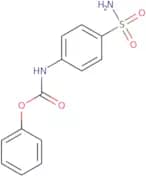
Phenyl N-(4-sulfamoylphenyl)carbamate
CAS:<p>Versatile small molecule scaffold</p>Formula:C13H12N2O4SPurity:Min. 95%Molecular weight:292.31 g/molMethyl 6-methylpyrazine-2-carboxylate
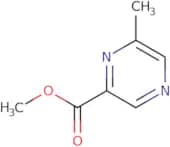
CAS:<p>Versatile small molecule scaffold</p>Formula:C7H8N2O2Purity:Min. 95%Molecular weight:152.15 g/mol2-Chloro-4-hydrazinylbenzoic Acid Hydrochloride
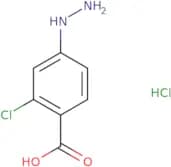
CAS:<p>Versatile small molecule scaffold</p>Formula:C7H7N2O2Cl·HClPurity:Min. 95%Molecular weight:223.05 g/molN-Ethyl-3-methoxyaniline
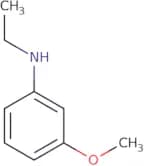
CAS:<p>N-Ethyl-3-methoxyaniline (NEM) is a biocompatible and biodegradable surrogate that can be used as a substitute for arginine in metathesis reactions. NEM has been shown to inhibit thrombin, an enzyme involved in the coagulation of blood. Cocrystallization with cobalt(II) chloride has been optimized to yield crystals with an x-ray crystal structure. The crystal structure was analyzed by x-ray diffraction and found to contain the cocrystallized product of NEM and cobalt(II) chloride.</p>Formula:C9H13NOPurity:Min. 95%Molecular weight:151.21 g/molMethyl 4-oxochromane-6-carboxylate
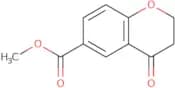
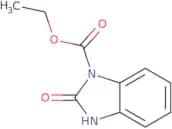
CAS:<p>Versatile small molecule scaffold</p>Formula:C11H10O4Purity:Min. 95%Molecular weight:206.2 g/molEthyl 2-oxo-2,3-dihydro-1H-1,3-benzodiazole-1-carboxylate
CAS:<p>Versatile small molecule scaffold</p>Formula:C10H10N2O3Purity:Min. 95%Molecular weight:206.2 g/mol5-Methyl-2-sulfanyl-4H,7H-[1,2,4]triazolo[1,5-a]pyrimidin-7-one
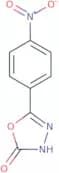
CAS:<p>Versatile small molecule scaffold</p>Formula:C6H6N4OSPurity:Min. 95%Molecular weight:182.2 g/mol5-(4-Nitrophenyl)-1,3,4-oxadiazol-2-ol
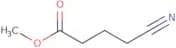
CAS:<p>Nitrophenols, such as 5-(4-nitrophenyl)-1,3,4-oxadiazol-2-ol (NPO), are a class of drugs that bind to the c1-6 alkyl receptor. This binding causes receptor desensitization and leads to the inhibition of the release of neurotransmitters such as acetylcholine, histamine, and serotonin. NPO is an excipient in some pharmaceuticals and may also be used for treatment of high blood pressure or damaged heart tissue. The carboxylic acid group on NPO can react with sodium ions to form a salt called sodium nitrophenolate. The residue from this reaction can be removed by adding a cationic polymer before use.</p>Formula:C8H5N3O4Purity:Min. 95%Molecular weight:207.14 g/molMethyl 4-cyanobutanoate
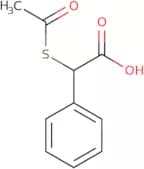
CAS:<p>Versatile small molecule scaffold</p>Formula:C6H9NO2Purity:Min. 95%Molecular weight:127.14 g/mol2-(Acetylsulfanyl)-2-phenylacetic acid
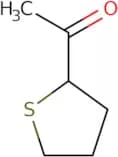
CAS:<p>Versatile small molecule scaffold</p>Formula:C10H10O3SPurity:Min. 95%Color and Shape:PowderMolecular weight:210.25 g/mol1-(Thiolan-2-yl)ethan-1-one
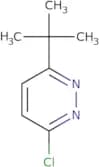
CAS:<p>Versatile small molecule scaffold</p>Formula:C6H10OSPurity:Min. 95%Molecular weight:130.21 g/mol3-tert-Butyl-6-chloropyridazine
CAS:<p>Versatile small molecule scaffold</p>Formula:C8H11ClN2Purity:Min. 95%Molecular weight:170.64 g/mol2,2-Dimethyl-1,3-diphenylpropane-1,3-dione
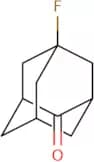
CAS:<p>Versatile small molecule scaffold</p>Formula:C17H16O2Purity:Min. 95%Molecular weight:252.31 g/mol5-Fluoroadamantan-2-one
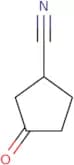
CAS:<p>5-Fluoroadamantan-2-one is a stable molecule that has been shown to stabilize transition states in the presence of cyclohexanone. This agent can also be used for carbonyl reduction, iminium formation and epoxidation reactions. 5-Fluoroadamantan-2-one can also react with nucleophiles to form imino or organic chemistry moieties. It acts as a radical cation and can be detected by infrared spectroscopy.</p>Formula:C10H13FOPurity:Min. 95%Molecular weight:168.21 g/mol3-Oxocyclopentane-1-carbonitrile
CAS:<p>3-Oxocyclopentane-1-carbonitrile is a chiral aliphatic compound that is used in the synthesis of other organic compounds. It is a diastereomer of cyclopentanone and can be obtained by the isomerization of cyclohexanone. The carbon atom at position 1 has three different substituents, which give it three stereoisomers. 3-Oxocyclopentane-1-carbonitrile is used to synthesize hexanoic acid, acrylonitrile, and styrene.</p>Purity:Min. 95%3-[4-(Methoxycarbonyl)-1,3-oxazol-5-yl]propanoic acid
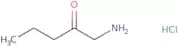
CAS:<p>Versatile small molecule scaffold</p>Formula:C8H9NO5Purity:Min. 95%Molecular weight:199.16 g/mol1-Aminopentan-2-one hydrochloride
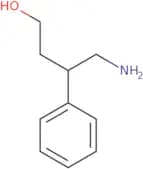
CAS:<p>Versatile small molecule scaffold</p>Formula:C5H12ClNOPurity:Min. 95%Molecular weight:137.61 g/mol4-Amino-3-phenylbutan-1-ol
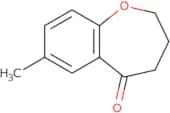
CAS:<p>Versatile small molecule scaffold</p>Formula:C10H15NOPurity:Min. 95%Molecular weight:165.23 g/mol7-Methyl-2,3,4,5-tetrahydro-1-benzoxepin-5-one
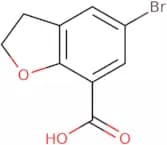
CAS:<p>Versatile small molecule scaffold</p>Formula:C11H12O2Purity:Min. 95%Molecular weight:176.21 g/mol5-Bromo-2,3-dihydrobenzofuran-7-carboxylic acid
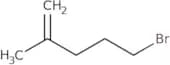
CAS:<p>Versatile small molecule scaffold</p>Formula:C9H7BrO3Purity:Min. 95%Molecular weight:243.06 g/mol5-bromo-2-methylpent-1-ene
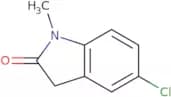
CAS:<p>5-bromo-2-methylpent-1-ene is an organic compound that belongs to the group of isopentenyl compounds. It is a synthetic compound that has been shown to be effective as an antimicrobial agent. 5-bromo-2-methylpent-1-ene has a copper complex which binds to the copper and diphosphate groups in bacterial DNA, preventing replication and transcription. This drug also inhibits the synthesis of proteins by binding to ribosomes, thereby inhibiting protein synthesis. The antimicrobial activity of 5-bromo-2-methylpent-1e is due to its ability to inhibit RNA synthesis and DNA synthesis in bacteria.</p>Formula:C6H11BrPurity:Min. 95%Molecular weight:163.06 g/mol5-Chloro-1-methyl-2,3-dihydro-1H-indol-2-one
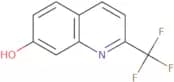
CAS:<p>Versatile small molecule scaffold</p>Formula:C9H8ClNOPurity:Min. 95%Molecular weight:181.62 g/mol2-(Trifluoromethyl)quinolin-7-ol
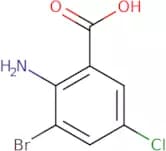
CAS:<p>Versatile small molecule scaffold</p>Formula:C10H6F3NOPurity:Min. 95%Molecular weight:213.16 g/mol2-Amino-3-bromo-5-chlorobenzoic acid
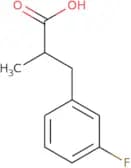
CAS:<p>Versatile small molecule scaffold</p>Formula:C7H5BrClNO2Purity:Min. 95%Molecular weight:250.48 g/mol3-(3-fluorophenyl)-2-methylpropanoic acid
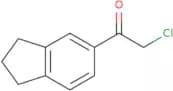
CAS:<p>Versatile small molecule scaffold</p>Formula:C10H11O2FPurity:Min. 95%Molecular weight:182.19 g/mol2-Chloro-1-(2,3-dihydro-1H-inden-5-yl)ethan-1-one
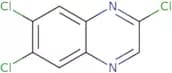
CAS:<p>Versatile small molecule scaffold</p>Formula:C11H11ClOPurity:Min. 95%Molecular weight:194.66 g/mol2,6,7-Trichloroquinoxaline
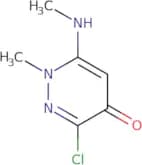
CAS:<p>Versatile small molecule scaffold</p>Formula:C8H3Cl3N2Purity:Min. 95%Molecular weight:233.5 g/mol3-Chloro-1-methyl-6-(methylamino)-1,4-dihydropyridazin-4-one
CAS:<p>Versatile small molecule scaffold</p>Formula:C6H8ClN3OPurity:Min. 95%Molecular weight:173.6 g/mol1-[(2-Methylphenyl)methyl]piperidin-4-amine
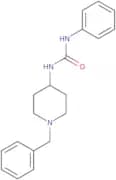
CAS:<p>Versatile small molecule scaffold</p>Formula:C13H20N2Purity:Min. 95%Molecular weight:204.31 g/mol3-(1-Benzylpiperidin-4-yl)-1-phenylurea
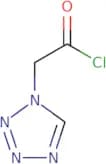
CAS:<p>Versatile small molecule scaffold</p>Formula:C19H23N3OPurity:Min. 95%Molecular weight:309.4 g/mol1H-Tetrazol-1-ylacetyl chloride
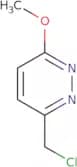
CAS:<p>Versatile small molecule scaffold</p>Formula:C3H3ClN4OPurity:Min. 95%Molecular weight:146.53 g/mol3-(Chloromethyl)-6-methoxypyridazine
CAS:<p>Versatile small molecule scaffold</p>Formula:C6H7ClN2OPurity:Min. 95%Molecular weight:158.58 g/mol2,3-Dimethyl-3H-imidazo[4,5-b]pyridine
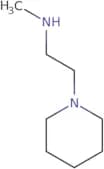
CAS:<p>Versatile small molecule scaffold</p>Formula:C8H9N3Purity:Min. 95%Color and Shape:PowderMolecular weight:147.18 g/molN-Methyl-2-piperidin-1-ylethanamine
CAS:<p>Versatile small molecule scaffold</p>Formula:C8H18N2Purity:Min. 95%Molecular weight:142.24 g/molH-Imidazo[1,2-a]pyridine-3-carbaldehyde
CAS:<p>H-Imidazo[1,2-a]pyridine-3-carbaldehyde is an anti-infective agent that is active against bacteria and fungi. The compound inhibits the growth of bacteria by interfering with the synthesis of DNA and RNA. H-Imidazo[1,2-a]pyridine-3-carbaldehyde has been shown to be effective in treating infections caused by Stenotrophomonas maltophilia and Pseudomonas aeruginosa. It also has an effect on Enterobacteriaceae, including Escherichia coli, Klebsiella pneumoniae, and Proteus mirabilis. H-Imidazo[1,2-a]pyridine-3-carbaldehyde is not effective against Streptococcus species such as Streptococcus pyogenes or Group A beta hemolytic streptococci.</p>Formula:C9H8N2OPurity:Min. 95%Molecular weight:160.17 g/mol4-(2-Chlorophenyl)-1-methyl-1H-pyrazole
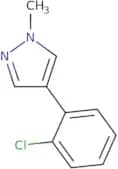
CAS:<p>Versatile small molecule scaffold</p>Formula:C10H9ClN2Purity:Min. 95%Molecular weight:192.64 g/molDibenzofuran-3-ylamine hydrochloride
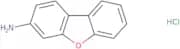
CAS:<p>Versatile small molecule scaffold</p>Formula:C12H10ClNOPurity:Min. 95%Molecular weight:219.66 g/mol2-Hydroxy-6-phenylpyridine-4-carboxylic acid
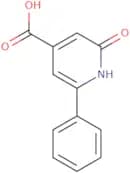
CAS:<p>Versatile small molecule scaffold</p>Formula:C12H9NO3Purity:Min. 95%Molecular weight:215.2 g/mol2-Phenyl-7H-pyrrolo[2,3-d]pyrimidin-4-ol
CAS:<p>Versatile small molecule scaffold</p>Formula:C12H9N3OPurity:Min. 95%Molecular weight:211.22 g/mol2-[4-(4-Chlorophenyl)piperazin-1-yl]acetonitrile
CAS:<p>Versatile small molecule scaffold</p>Formula:C12H14ClN3Purity:Min. 95%Molecular weight:235.71 g/mol6,7,8,9-Tetrahydro-5H-benzo[7]annulene-5-carbaldehyde
CAS:<p>Versatile small molecule scaffold</p>Formula:C12H14OPurity:Min. 95%Molecular weight:174.24 g/mol3-Methoxy-6,7,8,9-tetrahydro-5H-benzo[7]annulen-6-one
CAS:<p>Versatile small molecule scaffold</p>Formula:C12H14O2Purity:Min. 95%Molecular weight:190.24 g/mol3-Phenylcyclopentane-1-carboxylic acid
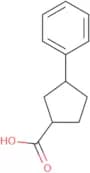
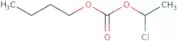
CAS:<p>3-Phenylcyclopentane-1-carboxylic acid (3PC) is a metabolite of the anticancer drug cyclopentane. 3PC inhibits mammalian cell growth in vitro and in vivo. This compound has also been shown to inhibit the activity of a number of enzymes, including cyclopentane hydrolase, cytochrome P450, and glutathione reductase. The anticancer properties of 3PC are thought to be due to its ability to inhibit steroid hormone biosynthesis or the synthesis of other cellular components that may be important for cancer cell growth.</p>Formula:C12H14O2Purity:Min. 95%Molecular weight:190.24 g/molButyl 1-chloroethyl carbonate
CAS:<p>Versatile small molecule scaffold</p>Formula:C7H13ClO3Purity:Min. 95%Molecular weight:180.63 g/mol6-Bromo-4-methoxy-1,3-dioxaindane
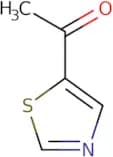
CAS:Controlled Product<p>Versatile small molecule scaffold</p>Formula:C8H7BrO3Purity:Min. 95%Molecular weight:231.04 g/mol1-(5-Thiazolyl)ethanone
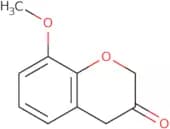
CAS:<p>1-(5-Thiazolyl)ethanone is an antimicrobial agent that has been shown to be active against staphylococcus and other bacteria. It is a nucleophilic reagent that reacts with the amine group of amino acids in proteins, which leads to the formation of protein adducts. 1-(5-Thiazolyl)ethanone has been found to be safe for use in humans and animals and does not have any significant side effects. The chemical is also able to kill cancer cells by inhibiting DNA synthesis, RNA synthesis, and protein synthesis. This drug has been shown to have antibacterial activity against a number of different bacterial strains, including methicillin-resistant Staphylococcus aureus (MRSA) isolates.</p>Formula:C5H5NOSPurity:Min. 95%Molecular weight:127.16 g/mol8-Methoxychroman-3-one
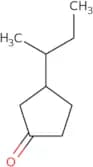
CAS:<p>8-Methoxychroman-3-one is a carboxylic acid that has been chemically modified to contain an acrylonitrile group. It can be synthesized by the reaction of nitric acid and glycidyl methacrylate. 8-Methoxychroman-3-one is used as a building block in organic synthesis. It is also used as a precursor for the production of other chemicals, such as dyes and pharmaceuticals. This compound can be converted to optically active forms by reacting with an optically active amine such as (S)-(-)-2-(tert-butyldimethylsilyl)azide or (R)-(+)-2-(tert-butyldimethylsilyl)azide. 8-Methoxychroman-3-one can be hydrolyzed with an aluminum alkoxide to produce glycidol, which is used in the production of polyureth</p>Formula:C10H10O3Purity:Min. 95%Molecular weight:178.18 g/mol3-(Butan-2-yl)cyclopentan-1-one
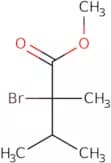
CAS:<p>Versatile small molecule scaffold</p>Formula:C9H16OPurity:Min. 95%Molecular weight:140.22 g/molMethyl 2-bromo-2,3-dimethylbutanoate
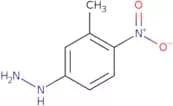
CAS:<p>Versatile small molecule scaffold</p>Formula:C7H13BrO2Purity:Min. 95%Molecular weight:209.08 g/mol(3-Methyl-4-nitrophenyl)hydrazine
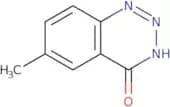
CAS:<p>3-Methyl-4-nitrophenylhydrazine is a metabolic product of clozapine and has been found to be a potent neuroleptic agent. 3-Methyl-4-nitrophenylhydrazine has been shown to inhibit the uptake of dopamine by binding to the dopamine transporter, which leads to an increase in dopaminergic activity. This compound also inhibits the synthesis of polyphosphoric acid, which may be due to its ability to act as an antidopaminergic agent.</p>Formula:C7H9N3O2Purity:Min. 95%Molecular weight:167.17 g/mol6-Methyl-3,4-dihydro-1,2,3-benzotriazin-4-one
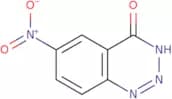
CAS:<p>Versatile small molecule scaffold</p>Formula:C8H7N3OPurity:Min. 95%Molecular weight:161.16 g/mol6-Nitro-3,4-dihydro-1,2,3-benzotriazin-4-one
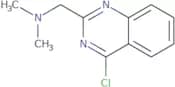
CAS:<p>Versatile small molecule scaffold</p>Formula:C7H4N4O3Purity:Min. 95%Molecular weight:192.13 g/mol4-Chloro-N,N-dimethylquinazolin-2-amine
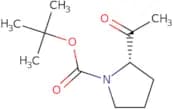
CAS:<p>4-Chloro-N,N-dimethylquinazolin-2-amine is a silicone that is used as an active substance in polydimethylsiloxane. It has a cyclic structure and transesterification reaction with alkanoic acid. This active substance has hydrophobic properties that make it suitable for use in deodorizing and encapsulated products. 4-Chloro-N,N-dimethylquinazolin-2-amine also has the ability to react with alcohols to form esters, which can be used as solvents or fragrances.</p>Formula:C11H12ClN3Purity:Min. 95%Molecular weight:221.68 g/mol(S)-tert-Butyl 2-acetylpyrrolidine-1-carboxylate
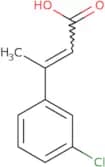
CAS:<p>Versatile small molecule scaffold</p>Formula:C11H19NO3Purity:Min. 95%Molecular weight:213.28 g/mol3-(3-Chlorophenyl)but-2-enoic acid
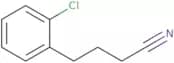
CAS:<p>Versatile small molecule scaffold</p>Formula:C10H9ClO2Purity:Min. 95%Molecular weight:196.63 g/mol4-(2-Chlorophenyl)butanenitrile
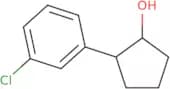
CAS:<p>Versatile small molecule scaffold</p>Formula:C10H10ClNPurity:Min. 95%Molecular weight:179.64 g/mol2-(3-Chlorophenyl)cyclopentan-1-ol
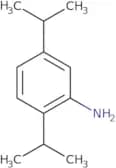
CAS:<p>Versatile small molecule scaffold</p>Formula:C11H13ClOPurity:Min. 95%Molecular weight:196.67 g/mol2,5-Diisopropylaniline
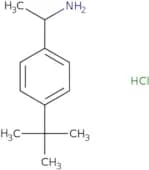
CAS:<p>Versatile small molecule scaffold</p>Formula:C12H19NPurity:Min. 95%Molecular weight:177.29 g/mol1-(4-tert-Butylphenyl)ethanamine HCl
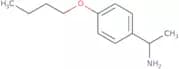
CAS:<p>Versatile small molecule scaffold</p>Formula:C12H19N·HClPurity:Min. 95%Molecular weight:213.75 g/mol1-(4-Butoxyphenyl)ethanamine
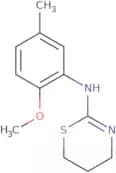
CAS:<p>Versatile small molecule scaffold</p>Formula:C12H19NOPurity:Min. 95%Molecular weight:193.28 g/molN-(2-Methoxy-5-methylphenyl)-5,6-dihydro-4H-1,3-thiazin-2-amine
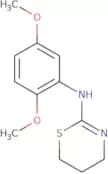
CAS:<p>Versatile small molecule scaffold</p>Formula:C12H16N2OSPurity:Min. 95%Molecular weight:236.34 g/molN-(2,5-Dimethoxyphenyl)-5,6-dihydro-4H-1,3-thiazin-2-amine
CAS:<p>Versatile small molecule scaffold</p>Formula:C12H16N2O2SPurity:Min. 95%Molecular weight:252.33 g/mol1-[(2-Bromophenyl)methyl]-4-methylpiperazine
CAS:Controlled Product<p>Versatile small molecule scaffold</p>Formula:C12H17BrN2Purity:Min. 95%Molecular weight:269.18 g/mol3-Phenyl-3-(propan-2-yl)azetidine hydrochloride
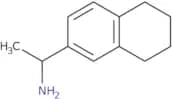
CAS:<p>Versatile small molecule scaffold</p>Formula:C12H18ClNPurity:Min. 95%Molecular weight:211.73 g/mol1-(5,6,7,8-Tetrahydro-naphthalen-2-yl)-ethylamine
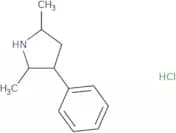
CAS:<p>Versatile small molecule scaffold</p>Formula:C12H17NPurity:Min. 95%Molecular weight:175.27 g/mol2,5-Dimethyl-3-phenylpyrrolidine hydrochloride
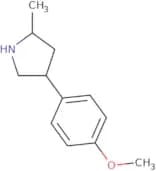
CAS:<p>Versatile small molecule scaffold</p>Formula:C12H18ClNPurity:Min. 95%Molecular weight:211.73 g/mol4-(4-Methoxyphenyl)-2-methylpyrrolidine
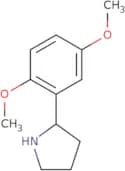
CAS:<p>Versatile small molecule scaffold</p>Formula:C12H17NOPurity:Min. 95%Molecular weight:191.27 g/mol2-(2,5-Dimethoxy-phenyl)-pyrrolidine
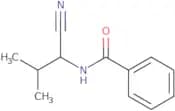
CAS:<p>Versatile small molecule scaffold</p>Formula:C12H17NO2Purity:Min. 95%Molecular weight:207.27 g/molN-(1-Cyano-2-methylpropyl)benzamide
CAS:<p>Versatile small molecule scaffold</p>Formula:C12H14N2OPurity:Min. 95%Molecular weight:202.25 g/molEthyl 2-amino-2-(1H-indol-3-yl)acetate
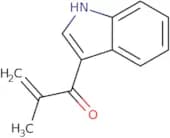
CAS:<p>Versatile small molecule scaffold</p>Formula:C12H14N2O2Purity:Min. 95%Molecular weight:218.25 g/mol1-(1H-Indol-3-yl)-2-methylprop-2-en-1-one
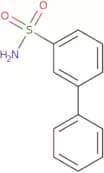
CAS:Controlled Product<p>Versatile small molecule scaffold</p>Formula:C12H11NOPurity:Min. 95%Molecular weight:185.22 g/mol3-Phenylbenzene-1-sulfonamide
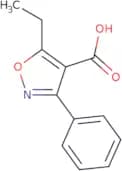
CAS:<p>Versatile small molecule scaffold</p>Formula:C12H11NO2SPurity:Min. 95%Molecular weight:233.29 g/mol5-Ethyl-3-phenyl-1,2-oxazole-4-carboxylic acid
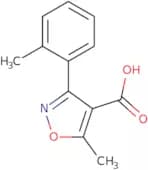
CAS:<p>Versatile small molecule scaffold</p>Formula:C12H11NO3Purity:Min. 95%Molecular weight:217.22 g/mol5-Methyl-3-(2-methylphenyl)-1,2-oxazole-4-carboxylic acid
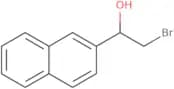
CAS:<p>Versatile small molecule scaffold</p>Formula:C12H11NO3Purity:Min. 95%Molecular weight:217.22 g/mol2-Bromo-1-(naphthalen-2-yl)ethan-1-ol
CAS:<p>Versatile small molecule scaffold</p>Formula:C12H11BrOPurity:Min. 95%Molecular weight:251.12 g/mol2-[4-(2,5-Dioxo-2,5-dihydro-1H-pyrrol-1-yl)phenyl]acetic acid
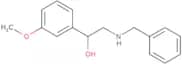
CAS:<p>4-Hydroxy-2-[4-(2,5-dioxo-2,5-dihydro-1H-pyrrol-1-yl)phenyl]acetic acid (4HDPA) is a small molecule that is being studied for its anticancer properties. 4HDPA is a prodrug that is converted to 2-[4-(2,5-dioxo-2,5-dihydro-1H-pyrrol-1-yl)phenyl]acetic acid (4DPA), which has been shown to inhibit the growth of lung carcinoma cells in vitro and in vivo. 4DPA inhibits the proliferation of cancer cells by inhibiting the production of proteins vital for cell division. It also blocks the uptake of glucose and amino acids by cancer cells. 4HDPA has been shown to cause apoptosis in cancer cells by activating caspase 3 and 8, which are enzymes involved in cellular death.</p>Formula:C12H9NO4Purity:Min. 95%Molecular weight:231.2 g/mol2-(Benzylamino)-1-(3-methoxyphenyl)ethan-1-ol
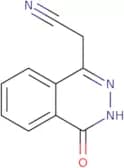
CAS:<p>Versatile small molecule scaffold</p>Formula:C16H19NO2Purity:Min. 95%Molecular weight:257.33 g/mol2-(4-Oxo-3,4-dihydrophthalazin-1-yl)acetonitrile
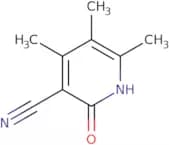
CAS:<p>Versatile small molecule scaffold</p>Formula:C10H7N3OPurity:Min. 95%Molecular weight:185.18 g/mol2-Hydroxy-4,5,6-trimethylnicotinonitrile
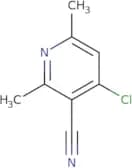
CAS:<p>Versatile small molecule scaffold</p>Formula:C9H10N2OPurity:Min. 95%Molecular weight:162.19 g/mol4-Chloro-2,6-dimethylpyridine-3-carbonitrile
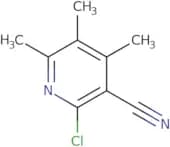
CAS:<p>Versatile small molecule scaffold</p>Formula:C8H7ClN2Purity:Min. 95%Molecular weight:166.61 g/mol2-Chloro-4,5,6-trimethylpyridine-3-carbonitrile
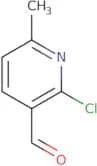
CAS:<p>Versatile small molecule scaffold</p>Formula:C9H9ClN2Purity:Min. 95%Molecular weight:180.63 g/mol2-Chloro-6-methylpyridine-3-carbaldehyde
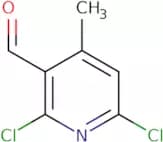
CAS:<p>Versatile small molecule scaffold</p>Formula:C7H6ClNOPurity:Min. 95%Molecular weight:155.58 g/mol2,6-dichloro-4-methylpyridine-3-carbaldehyde
CAS:<p>2,6-Dichloro-4-methylpyridine-3-carbaldehyde is a photochromic compound that undergoes electrocyclization in the presence of UV irradiation. This reaction produces a transient intermediate that has two different forms: one is colorless and the other has a blue color. The reaction can be reversed by exposure to visible light or by heating.</p>Formula:C7H5Cl2NOPurity:Min. 95%Molecular weight:190.02 g/mol2,4-Dichloro-6-methylpyridine-3-carbaldehyde
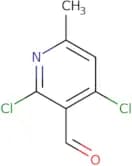
CAS:<p>Versatile small molecule scaffold</p>Formula:C7H5Cl2NOPurity:Min. 95%Molecular weight:190.02 g/mol4-Methyl-1-(oxiran-2-ylmethyl)piperidine
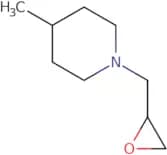
CAS:<p>Versatile small molecule scaffold</p>Formula:C9H17NOPurity:Min. 95%Molecular weight:155.24 g/mol1-Benzyl-3-methylpiperidin-4-ol
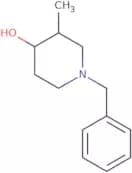
CAS:<p>Versatile small molecule scaffold</p>Formula:C13H19NOPurity:Min. 95%Molecular weight:205.3 g/mol2-(1H-1,3-Benzodiazol-2-yl)-N-butylacetamide
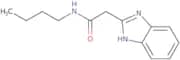
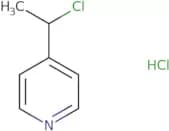
CAS:<p>Versatile small molecule scaffold</p>Formula:C13H17N3OPurity:Min. 95%Molecular weight:231.29 g/mol4-(1-Chloroethyl)pyridine hydrochloride
CAS:<p>Versatile small molecule scaffold</p>Formula:C7H9Cl2NPurity:Min. 95%Molecular weight:178.06 g/mol1-(2-Ethoxy-2-oxoethyl)-1H-1,2,3-triazole-4-carboxylic acid
CAS:<p>Versatile small molecule scaffold</p>Formula:C7H9N3O4Purity:Min. 95%Molecular weight:199.17 g/mol[4-Chloro-3-(trifluoromethyl)phenyl]hydrazine
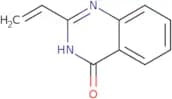
CAS:<p>Versatile small molecule scaffold</p>Formula:C7H6ClF3N2Purity:Min. 95%Molecular weight:210.58 g/mol2-Vinyl-4-quinazolinol
CAS:<p>Versatile small molecule scaffold</p>Formula:C10H8N2OPurity:Min. 95%Molecular weight:172.19 g/mol{4-[3-(Dimethylamino)propoxy]phenyl}methanamine
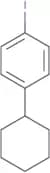
CAS:<p>Versatile small molecule scaffold</p>Formula:C12H20N2OPurity:Min. 95%Molecular weight:208.3 g/mol1-Cyclohexyl-4-iodobenzene
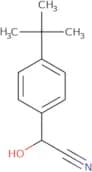
CAS:<p>1-Cyclohexyl-4-iodobenzene is a chemical that reacts with solvents to form diaryliodonium salts. It is soluble in acetone, ethanol, and benzene but not in water. The reaction rate is affected by the solvent used as well as the concentration of 1-cyclohexyl-4-iodobenzene.</p>Formula:C12H15IPurity:Min. 95%Molecular weight:286.15 g/mol2-(4-(tert-Butyl)phenyl)-2-hydroxyacetonitrile
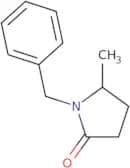
CAS:<p>Versatile small molecule scaffold</p>Formula:C12H15NOPurity:Min. 95%Molecular weight:189.25 g/mol1-Benzyl-5-methylpyrrolidin-2-one
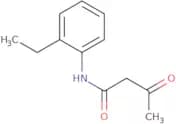
CAS:<p>1-Benzyl-5-methylpyrrolidin-2-one is a catalyst that can be used in the reductive amination reaction. It is an ionic liquid that has been immobilized on a graphene oxide surface. This catalyst is also able to catalyze the cyclization of ammonia, amines, and alcohols. 1-Benzyl-5-methylpyrrolidin-2-one can be recycled for use in other catalytic reactions by first reducing it with ruthenium metal ions in an ionic liquid. The reactivity of this catalyst is dependent upon the nature of the metal ions present and their concentration.</p>Formula:C12H15NOPurity:Min. 95%Molecular weight:189.25 g/molN-(2-Ethylphenyl)-3-oxobutanamide
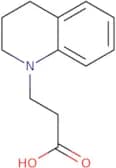
CAS:<p>Versatile small molecule scaffold</p>Formula:C12H15NO2Purity:Min. 95%Molecular weight:205.25 g/mol3-(1,2,3,4-Tetrahydroquinolin-1-yl)propanoic acid
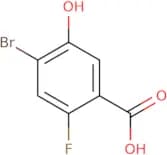
CAS:<p>Versatile small molecule scaffold</p>Formula:C12H15NO2Purity:Min. 95%Molecular weight:205.25 g/molBenzoic acid, 4-bromo-2-fluoro-5-hydroxy-
CAS:<p>Versatile small molecule scaffold</p>Formula:C7H4BrFO3Purity:Min. 95%Molecular weight:235.01 g/mol3-Chloro-1,2,4-benzotriazine
CAS:<p>3-Chloro-1,2,4-benzotriazine is an organic compound that is used as an anti-cancer agent. It is a cytotoxin that inhibits the growth of cells by binding to DNA. The Suzuki reaction was used to synthesize this compound in high yields. 3-Chloro-1,2,4-benzotriazine has potential anti-cancer activity and can be used in conjunction with other cytotoxic agents to treat cancer. This drug has been shown to have cytotoxic effects on tumor cells by inhibiting DNA synthesis and cell division.</p>Formula:C7H4ClN3Purity:Min. 95%Molecular weight:165.58 g/mol5-Methyl-1-oxo-1λ4-thiomorpholine-3-carboxylic acid hydrochloride
CAS:<p>Versatile small molecule scaffold</p>Formula:C6H12ClNO3SPurity:Min. 95%Molecular weight:213.7 g/mol

![5-Methyl-2-sulfanyl-4H,7H-[1,2,4]triazolo[1,5-a]pyrimidin-7-one](/_next/image/?url=https%3A%2Fstatic.cymitquimica.com%2Fproducts%2F3D%2Fthumb-webp%2FRBA12281.webp&w=3840&q=75)

![3-[4-(Methoxycarbonyl)-1,3-oxazol-5-yl]propanoic acid](/_next/image/?url=https%3A%2Fstatic.cymitquimica.com%2Fproducts%2F3D%2Fthumb-webp%2FRBA17261.webp&w=3840&q=75)
![1-[(2-Methylphenyl)methyl]piperidin-4-amine](/_next/image/?url=https%3A%2Fstatic.cymitquimica.com%2Fproducts%2F3D%2Fthumb-webp%2FRBA22034.webp&w=3840&q=75)
![2,3-Dimethyl-3H-imidazo[4,5-b]pyridine](/_next/image/?url=https%3A%2Fstatic.cymitquimica.com%2Fproducts%2F3D%2Fthumb-webp%2FRBA23105.webp&w=3840&q=75)
![H-Imidazo[1,2-a]pyridine-3-carbaldehyde](/_next/image/?url=https%3A%2Fstatic.cymitquimica.com%2Fproducts%2F3D%2Fthumb-webp%2FRBA24294.webp&w=3840&q=75)
![2-Phenyl-7H-pyrrolo[2,3-d]pyrimidin-4-ol](/_next/image/?url=https%3A%2Fstatic.cymitquimica.com%2Fproducts%2F3D%2Fthumb-webp%2FRDA49394.webp&w=3840&q=75)
![2-[4-(4-Chlorophenyl)piperazin-1-yl]acetonitrile](/_next/image/?url=https%3A%2Fstatic.cymitquimica.com%2Fproducts%2F3D%2Fthumb-webp%2FRDA49488.webp&w=3840&q=75)
![6,7,8,9-Tetrahydro-5H-benzo[7]annulene-5-carbaldehyde](/_next/image/?url=https%3A%2Fstatic.cymitquimica.com%2Fproducts%2F3D%2Fthumb-webp%2FRDA49546.webp&w=3840&q=75)
![3-Methoxy-6,7,8,9-tetrahydro-5H-benzo[7]annulen-6-one](/_next/image/?url=https%3A%2Fstatic.cymitquimica.com%2Fproducts%2F3D%2Fthumb-webp%2FRDA49563.webp&w=3840&q=75)

![1-[(2-Bromophenyl)methyl]-4-methylpiperazine](/_next/image/?url=https%3A%2Fstatic.cymitquimica.com%2Fproducts%2F3D%2Fthumb-webp%2FRDA56085.webp&w=3840&q=75)

![2-[4-(2,5-Dioxo-2,5-dihydro-1H-pyrrol-1-yl)phenyl]acetic acid](/_next/image/?url=https%3A%2Fstatic.cymitquimica.com%2Fproducts%2F3D%2Fthumb-webp%2FRDA57445.webp&w=3840&q=75)

![[4-Chloro-3-(trifluoromethyl)phenyl]hydrazine](/_next/image/?url=https%3A%2Fstatic.cymitquimica.com%2Fproducts%2F3D%2Fthumb-webp%2FRDA62653.webp&w=3840&q=75)
![{4-[3-(Dimethylamino)propoxy]phenyl}methanamine](/_next/image/?url=https%3A%2Fstatic.cymitquimica.com%2Fproducts%2F3D%2Fthumb-webp%2FRDA63776.webp&w=3840&q=75)