Building Blocks
This section contains fundamental products for the synthesis of organic and biological compounds. Building blocks are the essential starting materials used to construct complex molecules through various chemical reactions. They play a critical role in drug discovery, material science, and chemical research. At CymitQuimica, we offer a diverse range of high-quality building blocks to support your innovative research and industrial projects, ensuring you have the essential components for successful synthesis.
Subcategories of "Building Blocks"
- Boronic Acids & Boronic Acid Derivatives(5,756 products)
- Chiral Building Blocks(1,242 products)
- Hydrocarbon Building Blocks(6,095 products)
- Organic Building Blocks(61,038 products)
Found 196817 products of "Building Blocks"
Sort by
Purity (%)
0
100
|
0
|
50
|
90
|
95
|
100
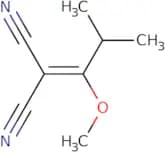
2-(1-Methoxy-2-methylpropylidene)propanedinitrile
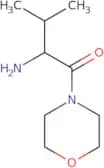
CAS:<p>Versatile small molecule scaffold</p>Formula:C8H10N2OPurity:Min. 95%Molecular weight:150.18 g/mol2-Amino-3-methyl-1-(morpholin-4-yl)butan-1-one
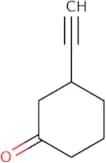
CAS:<p>Versatile small molecule scaffold</p>Formula:C9H18N2O2Purity:Min. 80%Color and Shape:PowderMolecular weight:186.25 g/mol3-Ethynylcyclohexan-1-one
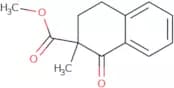
CAS:<p>Versatile small molecule scaffold</p>Formula:C8H10OPurity:Min. 95%Molecular weight:122.16 g/molMethyl 2-methyl-1-oxo-1,2,3,4-tetrahydronaphthalene-2-carboxylate
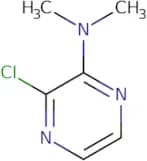
CAS:<p>Versatile small molecule scaffold</p>Formula:C13H14O3Purity:Min. 95%Molecular weight:218.25 g/mol3-Chloro-N,N-dimethylpyrazin-2-amine
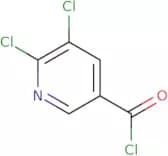
CAS:<p>Versatile small molecule scaffold</p>Formula:C6H8ClN3Purity:Min. 95%Molecular weight:157.6 g/mol5,6-Dichloropyridine-3-carbonyl chloride
CAS:<p>5,6-Dichloropyridine-3-carbonyl chloride is a prodrug that hydrolyzes to form 5,6-dichloronicotinic acid and chloride in vivo. This compound can be used for the synthesis of 6-hydroxynicotinic acid by reacting with sodium hydroxide in aqueous solution. This reaction yields high yields of 6-hydroxynicotinic acid.</p>Formula:C6H2Cl3NOPurity:Min. 95%Molecular weight:210.45 g/mol5-(Chloromethyl)-2,3-dichloropyridine
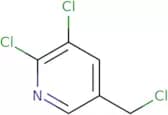
CAS:<p>5-(Chloromethyl)-2,3-dichloropyridine is a chlorinating agent that selectively converts alkenes to the corresponding dialkyl chlorides. It reacts with carbon monoxide to form a palladium catalyst and alkoxycarbonylation products. The yield of 5-(chloromethyl)-2,3-dichloropyridine is dependent on the type of substrate used and ranges from 60% to 100%.</p>Formula:C6H4Cl3NPurity:Min. 95%Molecular weight:196.46 g/mol2-(6-Chloropyridin-3-yl)ethanamine
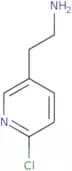
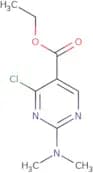
CAS:<p>Versatile small molecule scaffold</p>Formula:C7H9ClN2Purity:Min. 95%Molecular weight:156.61 g/molEthyl 4-chloro-2-(dimethylamino)pyrimidine-5-carboxylate
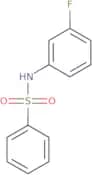
CAS:<p>Versatile small molecule scaffold</p>Formula:C9H12ClN3O2Purity:Min. 95%Molecular weight:229.66 g/molN-(3-Fluorophenyl)benzenesulfonamide
CAS:<p>Versatile small molecule scaffold</p>Formula:C12H10FNO2SPurity:Min. 95%Molecular weight:251.28 g/mol1-(7,7-Dimethylbicyclo[2.2.1]heptan-1-yl)ethan-1-one
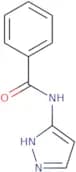
CAS:<p>Versatile small molecule scaffold</p>Formula:C11H18OPurity:Min. 95%Molecular weight:166.26 g/molN-(1H-Pyrazol-3-yl)benzamide
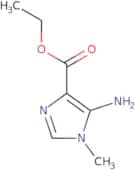
CAS:<p>Versatile small molecule scaffold</p>Formula:C10H9N3OPurity:Min. 95%Molecular weight:187.2 g/molEthyl 5-amino-1-methyl-1H-imidazole-4-carboxylate
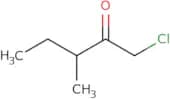
CAS:<p>Ethyl 5-amino-1-methyl-1H-imidazole-4-carboxylate is a synthetic retinoid that has been shown to be effective in the treatment of psoriasis. It inhibits the activation of histone lysine residues and increases the terminal half life of endogenous synthesis. The quantum theory is used to explain its biological properties. Ethyl 5-amino-1-methyl-1H-imidazole-4-carboxylate also inhibits the production of proinflammatory cytokines in response to inflammatory stimuli, and it has been shown to inhibit lipopolysaccharide (LPS) induced production of nitric oxide.</p>Formula:C7H11N3O2Purity:Min. 95%Molecular weight:169.18 g/mol1-Chloro-3-methylpentan-2-one
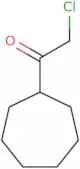
CAS:<p>Versatile small molecule scaffold</p>Formula:C6H11ClOPurity:Min. 95%Molecular weight:134.6 g/mol2-Chloro-1-cycloheptylethan-1-one
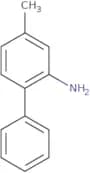
CAS:<p>Versatile small molecule scaffold</p>Formula:C9H15ClOPurity:Min. 95%Molecular weight:174.67 g/mol5-Methyl-2-phenylaniline
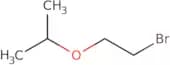
CAS:<p>5-Methyl-2-phenylaniline is a chemical intermediate that is used in the synthesis of flurbiprofen. Flurbiprofen is an NSAID that has been shown to inhibit the production of prostaglandins and thromboxane, which are inflammatory mediators. 5-Methyl-2-phenylaniline is also used as an intermediate for making other organic compounds such as acetonitrile and nitride. This chemical can be brominated to make bromoacetonitrile, which can then be converted into ethyl bromopropionate.</p>Formula:C13H13NPurity:Min. 95%Molecular weight:183.25 g/mol2-(2-Bromoethoxy)propane
CAS:<p>Versatile small molecule scaffold</p>Formula:C5H11BrOPurity:Min. 95%Molecular weight:167.04 g/molo-(2-Ethoxyethyl)hydroxylamine
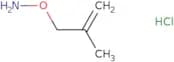
CAS:<p>Versatile small molecule scaffold</p>Formula:C4H11NO2Purity:Min. 95%Molecular weight:105.14 g/molO-(2-Methylallyl)hydroxylamine hydrochloride
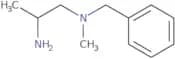
CAS:<p>Versatile small molecule scaffold</p>Formula:C4H9NO·HClPurity:Min. 95%Molecular weight:123.58 g/mol(2-Aminopropyl)(benzyl)methylamine
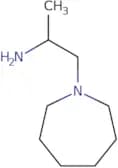
CAS:<p>Versatile small molecule scaffold</p>Formula:C11H18N2Purity:Min. 95%Molecular weight:178.27 g/mol1-(Azepan-1-yl)propan-2-amine
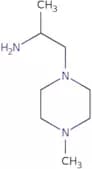
CAS:<p>Versatile small molecule scaffold</p>Formula:C9H20N2Purity:Min. 95%Molecular weight:156.27 g/mol1-(4-Methylpiperazin-1-yl)propan-2-amine
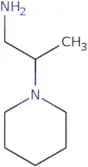
CAS:Versatile small molecule scaffoldFormula:C8H19N3Purity:Min. 95%Molecular weight:157.26 g/mol2-Piperidin-1-yl-propylamine
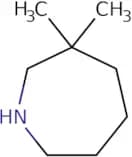
CAS:<p>Versatile small molecule scaffold</p>Formula:C8H18N2Purity:Min. 95%Molecular weight:142.25 g/mol3,3-Dimethylazepane
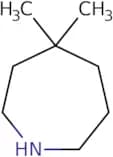
CAS:<p>Versatile small molecule scaffold</p>Formula:C8H17NPurity:Min. 95%Molecular weight:127.23 g/mol4,4-Dimethylazepane
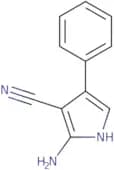
CAS:<p>Versatile small molecule scaffold</p>Formula:C8H17NPurity:Min. 95%Molecular weight:127.23 g/mol2-Amino-4-phenyl-1H-pyrrole-3-carbonitrile
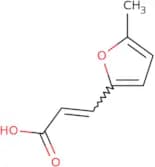
CAS:<p>2-Amino-4-phenyl-1H-pyrrole-3-carbonitrile (APC) is a synthetic molecule that has been shown to have potent antitumor activity. APC inhibits the glycosylation of proteins in cancer cells, which may be responsible for its antitumor activity. APC also inhibits the enzyme adenosine kinase, which regulates cellular metabolism and growth, leading to cell death. The use of APC may lead to an increased sensitivity to antiseizure medications.</p>Formula:C11H9N3Purity:Min. 95%Molecular weight:183.21 g/mol(2E)-3-(5-Methylfuran-2-yl)prop-2-enoic acid
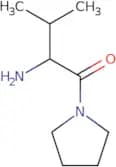
CAS:Versatile small molecule scaffoldFormula:C8H8O3Purity:Min. 95%Molecular weight:152.15 g/mol(2S)-2-Amino-3-methyl-1-(pyrrolidin-1-yl)butan-1-one
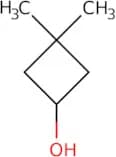
CAS:<p>(2S)-2-Amino-3-methyl-1-(pyrrolidin-1-yl)butan-1-one is a peptide hormone that belongs to the group of nucleophilic hormones. It is an inhibitor of the enzyme dihydropyrimidine dehydrogenase and has been shown to have antiviral activity against viruses such as type 1 adenovirus. In addition, (2S)-2-Amino-3-methyl-1-(pyrrolidin-1-yl)butan-1-one has been shown to be an inhibitor of the surface glycoprotein in the nervous system, which may be a cause of nervous system diseases. The elimination rate of this molecule was determined using a pseudotyped virus model system and molecular docking analysis.</p>Formula:C9H18N2OPurity:Min. 95%Molecular weight:170.25 g/mol3,3-Dimethylcyclobutan-1-ol
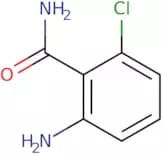
CAS:<p>3,3-Dimethylcyclobutan-1-ol is a chemical that belongs to the group of organic solvents. It is used in the manufacturing process of pharmaceuticals and as an intermediate for other chemicals. 3,3-Dimethylcyclobutan-1-ol can be used to make alkali metal salts, such as lithium chloride and sodium sulfide. It also reacts with hydrocarbon groups to form colitis. In addition, 3,3-dimethylcyclobutan-1-ol has been shown to have a protective effect against radiation and hydrogen sulfate. This compound also reacts with methane sulfonate to form an aliphatic hydrocarbon that is useful for making plastics. 3,3-Dimethylcyclobutan-1-ol is also used in the manufacture of sclerosis and episulfide. Finally, this compound can be reacted with aromatic hydrocarbons or ammonium salt to make amides or amines respectively.</p>Formula:C6H12OPurity:Min. 95%Molecular weight:100.16 g/mol2-Amino-6-chloro-benzamide
CAS:<p>2-Amino-6-chloro-benzamide is a compound with diverse applications in various industries. It is known for its benzylic properties, which make it suitable for use in the synthesis of organic compounds. Additionally, 2-Amino-6-chloro-benzamide has been found to interact with serotonin receptors, specifically 5-HT1A and 5-HT2C receptors. This interaction may have implications in the treatment of certain neurological disorders.</p>Formula:C7H7ClN2OPurity:Min. 95%Molecular weight:170.6 g/mol2,4-Dimethylpyrimido[1,2-b]indazole
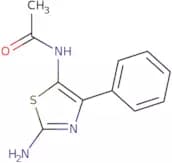
CAS:<p>Versatile small molecule scaffold</p>Formula:C12H11N3Purity:Min. 95%Molecular weight:197.24 g/molN-(2-Amino-4-phenyl-1,3-thiazol-5-yl)acetamide
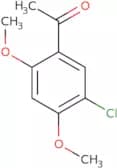
CAS:<p>Versatile small molecule scaffold</p>Formula:C11H11N3OSPurity:Min. 95%Molecular weight:233.29 g/mol1-(5-Chloro-2,4-dimethoxyphenyl)ethan-1-one
CAS:<p>Versatile small molecule scaffold</p>Formula:C10H11ClO3Purity:Min. 95%Molecular weight:214.64 g/mol4-Amino-2,5-dimethoxybenzenesulphonamide
CAS:<p>Versatile small molecule scaffold</p>Formula:C8H12N2O4SPurity:Min. 95%Molecular weight:232.26 g/molN-[(3-Amino-4-methoxyphenyl)methyl]methanesulfonamide
CAS:<p>Versatile small molecule scaffold</p>Formula:C9H14N2O3SPurity:Min. 95%Molecular weight:230.29 g/mol1-Cyclopropyl-2-methylpropan-1-amine hydrochloride
CAS:<p>Versatile small molecule scaffold</p>Formula:C7H16ClNPurity:Min. 95%Molecular weight:149.66 g/mol1-Bromo-2-(methylsulfanyl)ethane
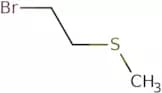
CAS:<p>1-Bromo-2-(methylsulfanyl)ethane is a chemical compound with the formula CHSCH. It is a reagent in organic synthesis and an intermediate in the production of other chemicals. This compound is used in the preparation of medicines, such as sulfide, alkylation, and anion profiling strategies. It has also been used to synthesize methylthioethyl fatty acids. 1-Bromo-2-(methylsulfanyl)ethane can be prepared by reacting acetonitrile with a mixture of ethylene and hydrogen sulfide gas. The reaction products are analyzed using microextraction followed by ligand and diffraction analysis.</p>Formula:C3H7BrSPurity:Min. 95%Molecular weight:155.06 g/mol1-(Chloromethyl)-1H-benzotriazole
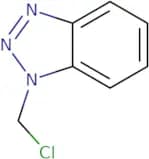
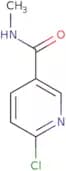
CAS:<p>1-Chloromethyl-1H-benzotriazole is a water soluble organometallic compound that has been used in wastewater treatment. It is an active methylene that binds to palladium complexes, which are catalysts for the hydrogenation of organic compounds. The x-ray crystal structures for 1-chloromethyl-1H-benzotriazole show that it can form a coordination complex with palladium(II). This complex is nucleophilic and reacts with chloride to form the corresponding chloro complex. The quaternization of 1-chloromethyl-1H benzotriazole is a reaction where one molecule of hydrogen chloride reacts with the methylene group to produce a tertiary amine, which yields chloride as a byproduct. The structural analysis and NMR spectra confirm the presence of protonated chlorine atoms in the molecule.</p>Formula:C7H6ClN3Purity:Min. 95%Molecular weight:167.6 g/mol6-Chloro-N-methylnicotinamide
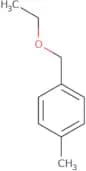
CAS:<p>6-Chloro-N-methylnicotinamide is an organic molecule with a pyridine ring, an amide group, and a chlorinated methyl group. It is regioselective for the electrophiles cross-coupling reactions with nucleophiles. 6-Chloro-N-methylnicotinamide has been used as an intermediate in the synthesis of carboxamides.</p>Formula:C7H7ClN2OPurity:Min. 95%Molecular weight:170.6 g/mol1-(Ethoxymethyl)-4-methylbenzene
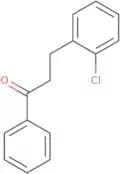
CAS:<p>Versatile small molecule scaffold</p>Formula:C10H14OPurity:Min. 95%Molecular weight:150.22 g/mol3-(2-Chlorophenyl)-1-phenylpropan-1-one
CAS:<p>Versatile small molecule scaffold</p>Formula:C15H13ClOPurity:Min. 95%Molecular weight:244.71 g/mol6-Bromo-2-(3,4-dimethoxyphenyl)-4H-chromen-4-one
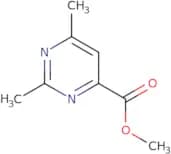
CAS:<p>Versatile small molecule scaffold</p>Formula:C17H13BrO4Purity:Min. 95%Molecular weight:361.2 g/molMethyl 2,6-dimethylpyrimidine-4-carboxylate
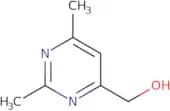
CAS:<p>Versatile small molecule scaffold</p>Formula:C8H10N2O2Purity:Min. 95%Molecular weight:166.18 g/mol(2,6-Dimethylpyrimidin-4-yl)methanol
CAS:<p>Versatile small molecule scaffold</p>Formula:C7H10N2OPurity:Min. 95%Molecular weight:138.17 g/mol2-(Bromomethyl)pyrimidine
CAS:<p>Versatile small molecule scaffold</p>Formula:C5H5BrN2Purity:Min. 95%Molecular weight:173.01 g/molMethyl 4-cyanobicyclo[2.2.2]octane-1-carboxylate
CAS:<p>Versatile small molecule scaffold</p>Formula:C11H15NO2Purity:Min. 95%Molecular weight:193.24 g/molMethyl 4-(aminomethyl)bicyclo[2.2.2]octane-1-carboxylate
CAS:<p>Versatile small molecule scaffold</p>Formula:C11H19NO2Purity:Min. 95%Molecular weight:197.27 g/mol5-Hydroxybenzo[d]oxazol-2(3H)-one
CAS:<p>Versatile small molecule scaffold</p>Formula:C7H5NO3Purity:Min. 95%Molecular weight:151.11 g/molMethyl 2-isocyanato-2-methylpropanoate
CAS:<p>Versatile small molecule scaffold</p>Formula:C6H9NO3Purity:Min. 95%Molecular weight:143.14 g/mol1-Bromo-6,6-dimethylheptane
CAS:<p>Versatile small molecule scaffold</p>Formula:C9H19BrPurity:Min. 95%Molecular weight:207.15 g/mol2,4-Dimethyl-5-phenylimidazo[1,5-b]pyridazine-7-thiol
CAS:<p>Versatile small molecule scaffold</p>Formula:C14H13N3SPurity:Min. 95%Molecular weight:255.34 g/mol4-Chloro-2-hydroxy-1H-imidazo[4,5-c]pyridine
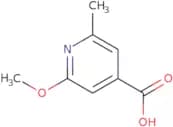
CAS:<p>Versatile small molecule scaffold</p>Formula:C6H4ClN3OPurity:Min. 95%Molecular weight:169.57 g/mol2-Methoxy-6-methylpyridine-4-carboxylic acid
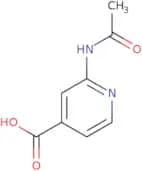
CAS:<p>Versatile small molecule scaffold</p>Formula:C8H9NO3Purity:Min. 95%Molecular weight:167.16 g/mol2-Acetylamino-isonicotinic acid
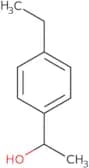
CAS:<p>2-Acetylamino-isonicotinic acid is a polymerization reaction product of pyridine and vinyl acetate. It is soluble in water, ethanol, and ether. 2-Acetylamino-isonicotinic acid has been used as a template for the synthesis of silver nanoparticles. These particles have shown to be effective against gram positive bacteria such as Staphylococcus aureus and Mycobacterium tuberculosis. The supramolecular assembly of these nanoparticles was achieved using an ion exchange membrane as the template. This assembly leads to the formation of hierarchically organized, porous structures with high surface area that are able to adsorb molecules at their surface.</p>Formula:C8H8N2O3Purity:Min. 95%Molecular weight:180.16 g/mol(1R)-1-(4-Ethylphenyl)ethan-1-ol
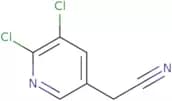
CAS:<p>Versatile small molecule scaffold</p>Formula:C10H14OPurity:Min. 95%Molecular weight:150.22 g/mol2-(5,6-Dichloropyridin-3-yl)acetonitrile
CAS:<p>Versatile small molecule scaffold</p>Formula:C7H4Cl2N2Purity:Min. 95%Molecular weight:187.02 g/mol2-(2-Hydroxyethoxy)ethyl formate
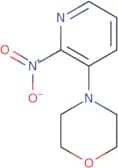
CAS:<p>2-(2-Hydroxyethoxy)ethyl formate is a liquid that can be used as a solvent for chemical reactions. It is also used in the production of artificial rubber, plastics, paper products, and pharmaceuticals. 2-(2-Hydroxyethoxy)ethyl formate hydrolyzes readily in water to produce formic acid and ethylene glycol. It is often used as an encapsulating agent to protect sensitive chemicals from harsh environments such as acid or heat, or to provide protection from radiation. The impurities in this product are not more than 1% by weight. The service life of this product is 3 years when stored at room temperature (20°C). This product can be degraded by exposure to ultraviolet light and radiation. Average particle diameter of this product is 0.5 microns butyric acid content is less than 0.01%, amide content is less than 0.1%.</p>Formula:C5H12O5Purity:Min. 95%Molecular weight:152.15 g/mol4-(2-Nitropyridin-3-yl)morpholine
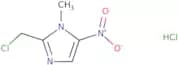
CAS:<p>4-(2-Nitropyridin-3-yl)morpholine is a nucleophilic reagent that reacts with pyridine to form a 4-pyridinol. It is a halogen that has the ability to act as a nucleophile and can be used in organic synthesis reactions such as the result of pyridine. The nature of this chemical is not known.</p>Formula:C9H11N3O3Purity:Min. 95%Molecular weight:209.2 g/mol2-(Chloromethyl)-1-methyl-5-nitro-1H-imidazole hydrochloride
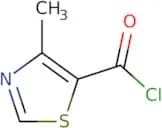
CAS:<p>Versatile small molecule scaffold</p>Formula:C5H7Cl2N3O2Purity:Min. 95%Molecular weight:212.03 g/mol4-Methyl-1,3-thiazole-5-carbonyl chloride
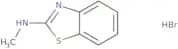
CAS:<p>4-Methyl-1,3-thiazole-5-carbonyl chloride is a research compound that has been shown to have antiinflammatory properties. It is an antibacterial agent that inhibits the production of inflammatory molecules such as prostaglandins and leukotrienes, which are involved in exacerbations of chronic bronchitis. 4-Methyl-1,3-thiazole-5-carbonyl chloride also inhibits the activity of chloride ion channels in human epithelial cells. This inhibition prevents the influx of chloride ions into these cells and reduces their volume, leading to an increase in mucus production and secretion.</p>Formula:C5H4NOSClPurity:Min. 95%Molecular weight:161.6 g/molN-Methyl-1,3-benzothiazol-2-amine hydrobromide
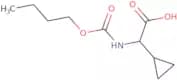
CAS:<p>Versatile small molecule scaffold</p>Formula:C8H9BrN2SPurity:Min. 95%Molecular weight:245.14 g/mol2-((Butoxycarbonyl)amino)-2-cyclopropylacetic acid
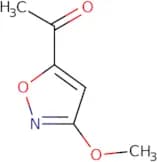
CAS:<p>Versatile small molecule scaffold</p>Formula:C10H17NO4Purity:Min. 95%Molecular weight:215.25 g/mol1-(3-Methoxy-1,2-oxazol-5-yl)ethan-1-one
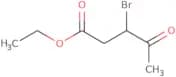
CAS:<p>Versatile small molecule scaffold</p>Formula:C6H7NO3Purity:Min. 95%Molecular weight:141.12 g/molEthyl 3-bromo-4-oxopentanoate
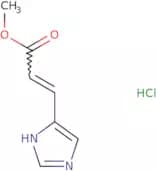
CAS:<p>Ethyl 3-bromo-4-oxopentanoate is an antiinflammatory agent that belongs to the class of thiazole derivatives. It is a synthetic compound with a pharmacological action as an inhibitor of prostaglandin synthesis. It has been shown to have antiinflammatory activity in animal testing and has been found to be effective in treating inflammation in humans. The drug was developed by modifying the 2-aminobenzothiazole structure with ketones, which increased its stability and reduced its toxicity. Ethyl 3-bromo-4-oxopentanoate is hydrolyzed into the corresponding alcohol and acid by alkaline hydrolysis. This process can be carried out using either anhydrous ethanol or hydrous ethanol, depending on the desired yield of each product.</p>Formula:C7H11BrO3Purity:Min. 95%Molecular weight:223.06 g/molMethyl (2E)-3-(1H-imidazol-4-yl)prop-2-enoate hydrochloride
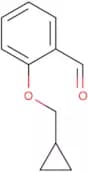
CAS:<p>Versatile small molecule scaffold</p>Formula:C7H9ClN2O2Purity:Min. 95%Molecular weight:188.61 g/mol2-(Cyclopropylmethoxy)benzaldehyde
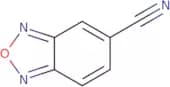
CAS:<p>Versatile small molecule scaffold</p>Formula:C11H12O2Purity:Min. 95%Molecular weight:176.21 g/mol2,1,3-Benzoxadiazole-5-carbonitrile
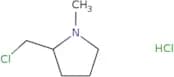
CAS:<p>Versatile small molecule scaffold</p>Formula:C7H3N3OPurity:Min. 95%Molecular weight:145.12 g/mol2-(Chloromethyl)-1-methylpyrrolidine hydrochloride
CAS:<p>Versatile small molecule scaffold</p>Formula:C6H13Cl2NPurity:Min. 95%Molecular weight:170.08 g/mol4-[(Methylsulfanyl)methyl]aniline
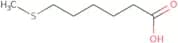
CAS:<p>Versatile small molecule scaffold</p>Formula:C8H11NSPurity:Min. 95%Molecular weight:153.25 g/mol6-(Methylsulfanyl)hexanoic acid
CAS:<p>6-(Methylsulfanyl)hexanoic acid is a triterpene. It has been shown to be the most sensitive and specific triterpene for determining the presence of diptocarpamine in plants. 6-(Methylsulfanyl)hexanoic acid has been found to have a high sensitivity and reproducibility when used as a sorbent. The alkaloid content of this compound is racemic, meaning that it contains equal amounts of two different stereoisomers.</p>Formula:C7H14O2SPurity:Min. 95%Molecular weight:162.25 g/mol3-[(Methylsulfanyl)methyl]benzoic acid
CAS:<p>Versatile small molecule scaffold</p>Formula:C9H10O2SPurity:Min. 95%Molecular weight:182.24 g/mol2-(Ethylthio)ethylamine hydrochloride
CAS:<p>2-(Ethylthio)ethylamine hydrochloride is a ligand that can be used for diagnostic purposes. It can be synthesized in high yield and with a scalable process. This compound is fluorescent, which enables it to be detected by immunofluorescence. 2-(Ethylthio)ethylamine hydrochloride has been shown to have anti-cancer properties and is also used as a metal ion chelator, and as a nanomaterial. The uptake of this compound by cancer cells can be enhanced by the use of techniques such as intraoperative radiation or metal ions.</p>Formula:C2H5SCH2CH2NH2·HClPurity:Min. 95%Molecular weight:141.66 g/mol2'H-Dispiro[1,3-dioxolane-2,1'-indene-3',2''-[1,3]dioxolane]-7'-amine
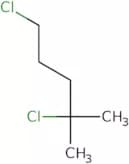
CAS:<p>Versatile small molecule scaffold</p>Formula:C13H15NO4Purity:Min. 95%Molecular weight:249.26 g/mol1,4-Dichloro-4-methylpentane
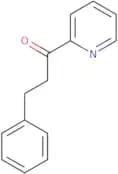
CAS:<p>Versatile small molecule scaffold</p>Formula:C6H12Cl2Purity:Min. 95%Molecular weight:155.06 g/mol3-Phenyl-1-(pyridin-2-yl)propan-1-one
CAS:<p>Versatile small molecule scaffold</p>Formula:C14H13NOPurity:Min. 95%Molecular weight:211.26 g/mol1-Bromo-3-(chloromethoxy)propane
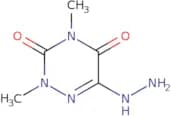
CAS:<p>Versatile small molecule scaffold</p>Formula:C4H8BrClOPurity:Min. 95%Molecular weight:187.46 g/mol6-Hydrazinyl-2,4-dimethyl-2,3,4,5-tetrahydro-1,2,4-triazine-3,5-dione
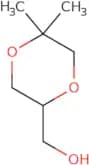
CAS:<p>Versatile small molecule scaffold</p>Formula:C5H9N5O2Purity:Min. 95%Molecular weight:171.16 g/mol(5,5-Dimethyl-1,4-dioxan-2-yl)methanol
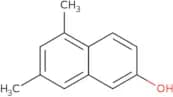
CAS:<p>Versatile small molecule scaffold</p>Formula:C7H14O3Purity:Min. 95%Molecular weight:146.18 g/mol5,7-Dimethylnaphthalen-2-ol
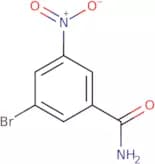
CAS:<p>Versatile small molecule scaffold</p>Formula:C12H12OPurity:Min. 95%Molecular weight:172.22 g/mol3-Bromo-5-nitrobenzamide
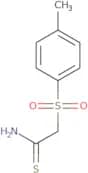
CAS:<p>Versatile small molecule scaffold</p>Formula:C7H5BrN2O3Purity:Min. 95%Molecular weight:245.03 g/mol2-(4-Methylbenzenesulfonyl)ethanethioamide
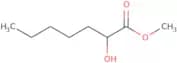
CAS:<p>Versatile small molecule scaffold</p>Formula:C9H11NO2S2Purity:Min. 95%Molecular weight:229.3 g/molMethyl 2-hydroxyheptanoate
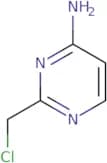
CAS:<p>Methyl 2-hydroxyheptanoate is a fatty acid that is found in soybean lipoxygenase. It has been shown to inhibit prostaglandin synthesis by the enzymatic hydrolysis of methyl 2-hydroxyheptanoate. The hydrolysis products of this reaction are anions, sulfoxide, and carboxylates. Methyl 2-hydroxyheptanoate is also a substrate for the enzyme, soybean lipoxygenase. This enzyme catalyzes the conversion of methyl 2-hydroxyheptanoate to prostaglandin E2 (PGE2). PGE2 is a potent inhibitor of platelet aggregation and vasoconstriction.</p>Formula:C8H16O3Purity:Min. 95%Molecular weight:160.21 g/mol2-(Chloromethyl)pyrimidin-4-amine
CAS:<p>Versatile small molecule scaffold</p>Formula:C5H6ClN3Purity:Min. 95%Molecular weight:143.57 g/mol8-Methyl-3H,4H,5H-pyridazino[4,5-b]indol-4-one
CAS:<p>Versatile small molecule scaffold</p>Formula:C11H9N3OPurity:Min. 95%Molecular weight:199.21 g/mol4-Amino-1,3-diazaspiro[4.4]non-3-en-2-one
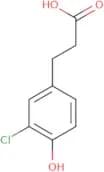
CAS:<p>Versatile small molecule scaffold</p>Formula:C7H11N3OPurity:Min. 95%Molecular weight:153.18 g/mol3-(3-Chloro-4-hydroxyphenyl)propanoic acid
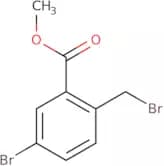
CAS:<p>Versatile small molecule scaffold</p>Formula:C9H9ClO3Purity:Min. 95%Molecular weight:200.62 g/molMethyl 5-bromo-2-(bromomethyl)benzoate
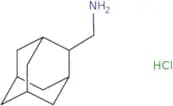
CAS:<p>Methyl 5-bromo-2-(bromomethyl)benzoate (5BMB) is a synthetic chemical that can be prepared by anionic bromination of methyl benzoate. The reaction proceeds with high efficiency and the product is obtained in good yields. 5BMB has been used as a target compound for X-ray diffraction studies, which have shown its structural properties.</p>Formula:C9H8Br2O2Purity:Min. 95%Molecular weight:307.98 g/molAdamantan-2-ylmethanamine hydrochloride
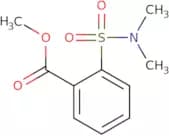
CAS:<p>Versatile small molecule scaffold</p>Formula:C11H20ClNPurity:Min. 95%Molecular weight:201.73 g/molMethyl 2-(dimethylsulfamoyl)benzoate
CAS:<p>Versatile small molecule scaffold</p>Formula:C10H13NO4SPurity:Min. 95%Molecular weight:243.28 g/mol[2,3,5,6-Tetrafluoro-4-(trifluoromethyl)phenyl]methanol
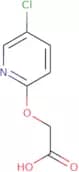
CAS:<p>Versatile small molecule scaffold</p>Formula:C8H3F7OPurity:Min. 95%Molecular weight:248.1 g/mol2-((5-Chloropyridin-2-yl)oxy)acetic acid
CAS:<p>Versatile small molecule scaffold</p>Formula:C7H6ClNO3Purity:Min. 95%Molecular weight:187.58 g/mol2-[(5-Bromopyridin-2-yl)oxy]acetic acid
CAS:<p>Versatile small molecule scaffold</p>Formula:C7H6BrNO3Purity:Min. 95%Molecular weight:232.03 g/mol2-Trifluoromethanesulfinylbenzoic acid
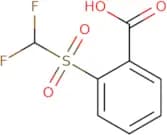
CAS:<p>Versatile small molecule scaffold</p>Formula:C8H5F3O3SPurity:Min. 95%Molecular weight:238.19 g/mol2-Difluoromethanesulfonylbenzoic acid
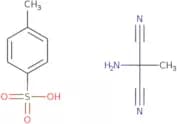
CAS:<p>Versatile small molecule scaffold</p>Formula:C8H6F2O4SPurity:Min. 95%Molecular weight:236.19 g/mol2-Amino-2-methylpropanedinitrile, 4-methylbenzene-1-sulfonic acid
CAS:<p>2-Amino-2-methylpropanedinitrile (MMPD) is a precursor for the synthesis of perovskite. It is used as a reagent in organic synthesis to introduce nitrogen atoms into molecules. MMPD reacts with 4-methylbenzenesulfonic acid to produce the corresponding sulfonyl chloride and an aldehyde, which can be oxidized to produce a carboxylic acid. This reaction has been shown to be efficient and selective. The optimal reaction time is 2 hours at room temperature in order to yield the desired product with minimal amounts of byproducts. MMPD has been used in biological studies and chemical structures analysis, including an analytical method that can detect hydrogen bonds between MMPD and chloride ions.</p>Formula:C11H13N3O3SPurity:Min. 95%Molecular weight:267.31 g/mol2-Amino-5-ethylbenzonitrile
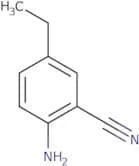
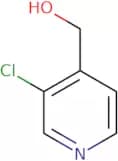
CAS:<p>Versatile small molecule scaffold</p>Formula:C9H10N2Purity:Min. 95%Molecular weight:146.19 g/mol(3-Chloropyridin-4-yl)methanol
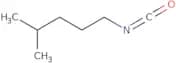
CAS:<p>Versatile small molecule scaffold</p>Formula:C6H6ClNOPurity:Min. 95%Molecular weight:143.57 g/mol1-Isocyanato-4-methylpentane
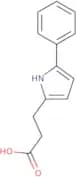
CAS:<p>Versatile small molecule scaffold</p>Formula:C7H13NOPurity:Min. 95%Molecular weight:127.18 g/mol3-(5-Phenyl-1H-pyrrol-2-yl)-propionic acid
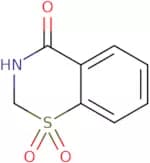
CAS:<p>Versatile small molecule scaffold</p>Formula:C13H13NO2Purity:Min. 95%Molecular weight:215.25 g/mol2,3-Dihydro-4H-1,3-benzothiazin-4-one 1,1-dioxide
CAS:<p>Versatile small molecule scaffold</p>Formula:C8H7NO3SPurity:Min. 95%Molecular weight:197.21 g/mol

![1-(7,7-Dimethylbicyclo[2.2.1]heptan-1-yl)ethan-1-one](/_next/image/?url=https%3A%2Fstatic.cymitquimica.com%2Fproducts%2F3D%2Fthumb-webp%2FECA13139.webp&w=3840&q=75)

![2,4-Dimethylpyrimido[1,2-b]indazole](/_next/image/?url=https%3A%2Fstatic.cymitquimica.com%2Fproducts%2F3D%2Fthumb-webp%2FECA16766.webp&w=3840&q=75)

![N-[(3-Amino-4-methoxyphenyl)methyl]methanesulfonamide](/_next/image/?url=https%3A%2Fstatic.cymitquimica.com%2Fproducts%2F3D%2Fthumb-webp%2FECA17916.webp&w=3840&q=75)



![Methyl 4-cyanobicyclo[2.2.2]octane-1-carboxylate](/_next/image/?url=https%3A%2Fstatic.cymitquimica.com%2Fproducts%2F3D%2Fthumb-webp%2FECA20205.webp&w=3840&q=75)
![Methyl 4-(aminomethyl)bicyclo[2.2.2]octane-1-carboxylate](/_next/image/?url=https%3A%2Fstatic.cymitquimica.com%2Fproducts%2F3D%2Fthumb-webp%2FECA20209.webp&w=3840&q=75)
![5-Hydroxybenzo[d]oxazol-2(3H)-one](/_next/image/?url=https%3A%2Fstatic.cymitquimica.com%2Fproducts%2F3D%2Fthumb-webp%2FECA20992.webp&w=3840&q=75)


![2,4-Dimethyl-5-phenylimidazo[1,5-b]pyridazine-7-thiol](/_next/image/?url=https%3A%2Fstatic.cymitquimica.com%2Fproducts%2F3D%2Fthumb-webp%2FECA22154.webp&w=3840&q=75)
![4-Chloro-2-hydroxy-1H-imidazo[4,5-c]pyridine](/_next/image/?url=https%3A%2Fstatic.cymitquimica.com%2Fproducts%2F3D%2Fthumb-webp%2FECA22173.webp&w=3840&q=75)

![4-[(Methylsulfanyl)methyl]aniline](/_next/image/?url=https%3A%2Fstatic.cymitquimica.com%2Fproducts%2F3D%2Fthumb-webp%2FECA29304.webp&w=3840&q=75)
![3-[(Methylsulfanyl)methyl]benzoic acid](/_next/image/?url=https%3A%2Fstatic.cymitquimica.com%2Fproducts%2F3D%2Fthumb-webp%2FECA29310.webp&w=3840&q=75)

![2'H-Dispiro[1,3-dioxolane-2,1'-indene-3',2''-[1,3]dioxolane]-7'-amine](/_next/image/?url=https%3A%2Fstatic.cymitquimica.com%2Fproducts%2F3D%2Fthumb-webp%2FECA30475.webp&w=3840&q=75)

![8-Methyl-3H,4H,5H-pyridazino[4,5-b]indol-4-one](/_next/image/?url=https%3A%2Fstatic.cymitquimica.com%2Fproducts%2F3D%2Fthumb-webp%2FEDA65237.webp&w=3840&q=75)
![4-Amino-1,3-diazaspiro[4.4]non-3-en-2-one](/_next/image/?url=https%3A%2Fstatic.cymitquimica.com%2Fproducts%2F3D%2Fthumb-webp%2FEDA66282.webp&w=3840&q=75)
![[2,3,5,6-Tetrafluoro-4-(trifluoromethyl)phenyl]methanol](/_next/image/?url=https%3A%2Fstatic.cymitquimica.com%2Fproducts%2F3D%2Fthumb-webp%2FEDA67446.webp&w=3840&q=75)
![2-[(5-Bromopyridin-2-yl)oxy]acetic acid](/_next/image/?url=https%3A%2Fstatic.cymitquimica.com%2Fproducts%2F3D%2Fthumb-webp%2FEDA67466.webp&w=3840&q=75)