Building Blocks
This section contains fundamental products for the synthesis of organic and biological compounds. Building blocks are the essential starting materials used to construct complex molecules through various chemical reactions. They play a critical role in drug discovery, material science, and chemical research. At CymitQuimica, we offer a diverse range of high-quality building blocks to support your innovative research and industrial projects, ensuring you have the essential components for successful synthesis.
Subcategories of "Building Blocks"
- Boronic Acids & Boronic Acid Derivatives(5,778 products)
- Chiral Building Blocks(1,242 products)
- Hydrocarbon Building Blocks(6,098 products)
- Organic Building Blocks(61,034 products)
Found 199601 products of "Building Blocks"
Sort by
Purity (%)
0
100
|
0
|
50
|
90
|
95
|
100
5-Amino-2-chloro-N-phenylbenzamide
CAS:<p>Versatile small molecule scaffold</p>Formula:C13H11ClN2OPurity:Min. 95%Molecular weight:246.69 g/mol2-(1-Piperazinyl)benzonitrile
CAS:2-(1-Piperazinyl)benzonitrile is a neuroprotective drug that has been shown to be effective in the treatment of neuropathic and traumatic brain injury. It is a dopamine receptor agonist that binds to the d4 receptor, which is found in high concentrations in the central nervous system. 2-(1-Piperazinyl)benzonitrile enhances dopamine release by increasing calcium levels in cells, which leads to increased dopamine production and improved cognitive function. This drug also prevents neuronal death by preventing oxidative stress and apoptosis. The synthesis of this molecule can be achieved through solid-phase synthesis or chloroformate coupling reactions.Formula:C11H13N3Purity:Min. 95%Molecular weight:187.25 g/mol3-Methoxy-1H-pyrazolo[3,4-d]pyrimidin-4-amine
CAS:<p>3-Methoxy-1H-pyrazolo[3,4-d]pyrimidin-4-amine is a soluble guanylate cyclase (sGC) inhibitor that inhibits the production of cyclic guanosine monophosphate (cGMP) in smooth muscle cells. 3MPPD inhibits intracellular cGMP and therefore causes the blood vessels to relax, which leads to an increase in blood pressure. This inhibition is selective for sGC, as it does not inhibit adenosine kinase or other intracellular enzymes. 3MPPD also has a contractile effect on vascular smooth muscle cells, which may be due to its ability to inhibit calcium release from intracellular stores. The maximal response of 3MPPD was found using mesenteric vascular strips in vitro, where it was shown to produce a concentration-dependent relaxation of VSMCs. In addition, this drug is able to reduce the severity of injury caused by a balloon</p>Formula:C6H7N5OPurity:Min. 95%Molecular weight:165.15 g/mol1h-pyrazole-4-carboxamide, 3-amino-5-methoxy-
CAS:<p>Versatile small molecule scaffold</p>Formula:C5H8N4O2Purity:Min. 95%Molecular weight:156.15 g/mol3-[3-(Methoxycarbonyl)phenyl]propanoic acid
CAS:<p>Versatile small molecule scaffold</p>Formula:C11H12O4Purity:Min. 95%Molecular weight:208.21 g/mol[(1,3,4-Thiadiazol-2-yl)amino]formonitrile
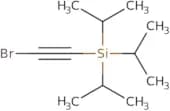
CAS:<p>[(1,3,4-Thiadiazol-2-yl)amino]formonitrile is a cytostatic agent that inhibits the synthesis of cellular proteins. It has been shown to be effective against influenza virus and some other viruses. [(1,3,4-Thiadiazol-2-yl)amino]formonitrile also has anti-inflammatory properties and can be used as a diagnostic agent for tissue culture. This drug binds to DNA at the nucleotide level and prevents the formation of protein by inhibiting RNA synthesis in cells. It has been shown to be effective against tissue culture cells infected with hepatitis B virus or influenza A virus. [(1,3,4-Thiadiazol-2-yl)amino]formonitrile is reconstituted in water or DMSO before use in experiments with animals such as mice (CD1 strain).</p>Formula:C3H2N4SPurity:Min. 95%Molecular weight:126.14 g/mol(2-Bromoethynyl)tris(propan-2-yl)silane
CAS:<p>(2-Bromoethynyl)tris(propan-2-yl)silane is a synthetically useful compound that has been used in the synthesis of amines, as well as in the preparation of triazoles. It can be used to produce chaperones and antitumoural drugs, such as solvents and palladium-catalyzed cross-coupling reactions. This compound is an efficient source of ethynyl groups for cross-coupling reactions with a wide range of amine partners. The ring-opening reaction of this compound with pyrroles provides two equivalents of propargyl alcohols, which can then be converted into an array of products including amino acids and pharmaceuticals.</p>Formula:C11H21SiBrPurity:Min. 95%Molecular weight:261.27 g/mol3-(Thiophen-2-yl)morpholine
CAS:<p>Versatile small molecule scaffold</p>Formula:C8H11NOSPurity:Min. 95%Molecular weight:169.25 g/mol3-Ethyl-1,2,3,4-tetrahydroisoquinoline
CAS:<p>Versatile small molecule scaffold</p>Formula:C11H15NPurity:Min. 95%Molecular weight:161.24 g/mol2-Ethoxy-9H-purin-6-amine
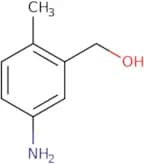
CAS:Versatile small molecule scaffoldFormula:C7H9N5OPurity:Min. 95%Molecular weight:179.18 g/mol(5-Amino-2-methylphenyl)methanol
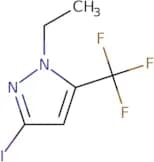
CAS:<p>Versatile small molecule scaffold</p>Formula:C8H11NOPurity:Min. 95%Molecular weight:137.18 g/mol1-Ethyl-3-iodo-5-(trifluoromethyl)-1H-pyrazole
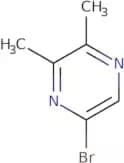
CAS:<p>Versatile small molecule scaffold</p>Formula:C6H6F3IN2Purity:Min. 95%Molecular weight:290.02 g/mol5-Bromo-2,3-dimethylpyrazine
CAS:<p>Versatile small molecule scaffold</p>Formula:C6H7BrN2Purity:Min. 95%Molecular weight:187.04 g/mol6,8-Dimethoxyquinoline
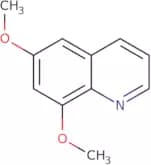
CAS:<p>6,8-Dimethoxyquinoline is a quinoline derivative that has been used to synthesize a number of other drugs. It has shown activity against cancer cells in vitro and in vivo and has been shown to have an anticholinergic effect on the central nervous system. 6,8-Dimethoxyquinoline also inhibits bacterial growth and is active against Gram-positive bacteria such as Enterococcus faecalis, Staphylococcus aureus, Streptococcus pyogenes, and Bacillus subtilis. This compound binds to the enzyme carbonic anhydrase II with high affinity. The binding of 6,8-dimethoxyquinoline with carbonic anhydrase II prevents the conversion of CO2 into carbonic acid, which may lead to cell death by inhibiting respiration.</p>Formula:C11H11NO2Purity:Min. 95%Molecular weight:189.21 g/mol2-Bromo-3-methylbut-2-en-1-amine
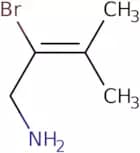
CAS:<p>Versatile small molecule scaffold</p>Formula:C5H10BrNPurity:Min. 95%Molecular weight:164.04 g/molrac-(1R,2S)-1-Methyl-2-phenylcyclopropan-1-amine hydrochloride
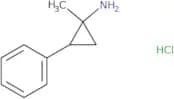
CAS:<p>Versatile small molecule scaffold</p>Formula:C10H14ClNPurity:Min. 95%Molecular weight:183.7 g/mol(Hept-6-en-1-yl)(methyl)amine
CAS:<p>Versatile small molecule scaffold</p>Formula:C8H17NPurity:Min. 95%Molecular weight:127.23 g/mol{Imidazo[1,2-a]pyridin-8-yl}methanol hydrochloride
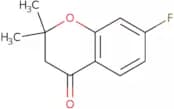
CAS:<p>Versatile small molecule scaffold</p>Formula:C8H9ClN2OPurity:Min. 95%Molecular weight:184.62 g/mol7-Fluoro-2,3-dihydro-2,2-dimethylchromen-4-one
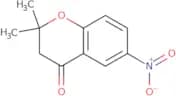
CAS:<p>Versatile small molecule scaffold</p>Formula:C11H11FO2Purity:Min. 95%Molecular weight:194.2 g/mol2,2-Dimethyl-6-nitrochroman-4-one
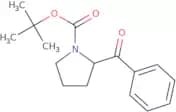
CAS:<p>2,2-Dimethyl-6-nitrochroman-4-one is an active compound that belongs to the group of serotonin antagonists. It binds to the 5-HT1A, 5-HT2C, and 5-HT7 receptors, with high affinity. The 5-HT6 receptor has also been shown to be expressed in the nervous system. This drug is used to treat psychotic disorders and dementia. 2,2-Dimethyl-6-nitrochroman-4-one inhibits dopamine receptors and can cause depression or worsen schizophrenia symptoms when it is taken for a long time.</p>Formula:C11H11NO4Purity:Min. 95%Molecular weight:221.21 g/moltert-Butyl (2S)-2-benzoylpyrrolidine-1-carboxylate
CAS:Controlled Product<p>Versatile small molecule scaffold</p>Formula:C16H21NO3Purity:Min. 95%Molecular weight:275.34 g/mol(R)-Phenyl[(2S)-pyrrolidin-2-yl]methanol hydrochloride
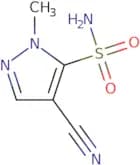
CAS:<p>Versatile small molecule scaffold</p>Formula:C11H16ClNOPurity:Min. 95%Molecular weight:213.7 g/mol4-Cyano-1-methyl-1H-pyrazole-5-sulfonamide
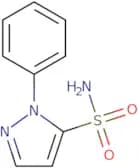
CAS:<p>Versatile small molecule scaffold</p>Formula:C5H6N4O2SPurity:Min. 95%Molecular weight:186.19 g/mol1-Phenyl-1H-pyrazole-5-sulfonamide
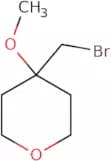
CAS:<p>Versatile small molecule scaffold</p>Formula:C9H9N3O2SPurity:Min. 95%Molecular weight:223.25 g/mol4-(Bromomethyl)-4-methoxyoxane
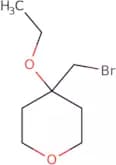
CAS:<p>Versatile small molecule scaffold</p>Formula:C7H13BrO2Purity:Min. 95%Molecular weight:209.08 g/mol4-(Bromomethyl)-4-ethoxyoxane
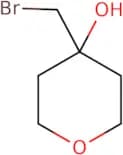
CAS:<p>Versatile small molecule scaffold</p>Formula:C8H15BrO2Purity:Min. 95%Molecular weight:223.11 g/mol4-(Bromomethyl)oxan-4-ol
CAS:<p>Versatile small molecule scaffold</p>Formula:C6H11BrO2Purity:Min. 95%Molecular weight:195.05 g/mol[4-(Aminomethyl)oxan-4-yl]methanamine dihydrochloride
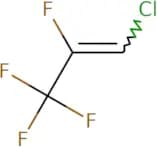
CAS:<p>Versatile small molecule scaffold</p>Formula:C7H18Cl2N2OPurity:Min. 95%Molecular weight:217.13 g/mol(Z)-1-Chloro-2,3,3,3-tetrafluoropropene
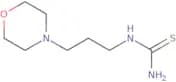
CAS:<p>(Z)-1-Chloro-2,3,3,3-tetrafluoropropene is a chemical used in commercial solvents. It is a colorless gas with an odor similar to that of hexane. It has been shown to have cardiac effects in chronic exposure studies and it can also cause chronic oral toxicity in animals. Studies on the toxicology of (Z)-1-chloro-2,3,3,3-tetrafluoropropene have been conducted using fruit extract and protein synthesis assays. The results show that this compound may be useful for the treatment of cancer and other diseases caused by protein aggregation.</p>Formula:C3HClF4Purity:Min. 95%Molecular weight:148.49 g/mol1-(3-Morpholinopropyl)-2-thiourea
CAS:<p>Versatile small molecule scaffold</p>Formula:C8H17N3OSPurity:Min. 95%Molecular weight:203.31 g/mol1-[(2R)-Piperidin-2-yl]ethan-1-one hydrochloride
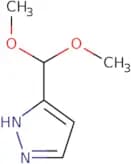
CAS:<p>Versatile small molecule scaffold</p>Formula:C7H14ClNOPurity:Min. 95%Molecular weight:163.64 g/mol3-(Dimethoxymethyl)-1H-pyrazole
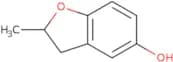
CAS:<p>3-(Dimethoxymethyl)-1H-pyrazole is a natural product that is produced by the reaction of acetals with catalytic amounts of trifluoromethanesulfonic acid. This chemical is synthesised by reacting orthoformates and functional groups. 3-(Dimethoxymethyl)-1H-pyrazole is found in catalytic amounts in the synthesis of pyrazoles and cyclic compounds. The yield of 3-(dimethoxymethyl)-1H-pyrazole can be increased by adding an oxidant to the reaction mixture.</p>Formula:C6H10N2O2Purity:Min. 95%Molecular weight:142.16 g/mol2-Methyl-2,3-dihydro-1-benzofuran-5-ol
CAS:<p>Versatile small molecule scaffold</p>Formula:C9H10O2Purity:Min. 95%Molecular weight:150.17 g/mol5-Ethynyl-4-methyl-1,3-thiazole
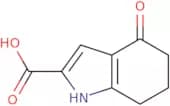
CAS:<p>Versatile small molecule scaffold</p>Formula:C6H5NSPurity:Min. 95%Molecular weight:123.18 g/mol4-Oxo-4,5,6,7-tetrahydro-1H-indole-2-carboxylic acid
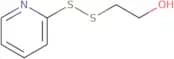
CAS:<p>Versatile small molecule scaffold</p>Formula:C9H9NO3Purity:Min. 95%Molecular weight:179.17 g/mol2-(Pyridin-2-yldisulfanyl)ethan-1-ol
CAS:<p>This linker, 2-(Pyridin-2-yldisulfanyl)ethan-1-ol, forms a disulfide bond with thiol-containing molecules. It can be cleaved intracellularly in a reductive environment, allowing controlled payload release.</p>Formula:C7H9NOS2Purity:Min. 95%Molecular weight:187.3 g/mol1-Benzenesulfonyl-piperidine-4-carboxylic acid ethyl ester
CAS:<p>1-Benzenesulfonyl-piperidine-4-carboxylic acid ethyl ester is an inhibitor of acetylcholinesterase. It is a white solid that can be synthesized in two steps from commercially available starting materials. Inhibition of this enzyme leads to the accumulation of acetylcholine, which causes increased stimulation of nicotinic and muscarinic receptors. This drug has been shown to have IC50 values that are similar to those of the reference inhibitor donepezil. 1-Benzenesulfonyl-piperidine-4-carboxylic acid ethyl ester also interacts with sulfonyl chlorides, butyrylcholinesterase, and other proteins in a manner similar to donepezil. The molecular docking studies suggest that this compound binds competitively with the active site of acetylcholinesterase.</p>Formula:C14H19NO4SPurity:Min. 95%Molecular weight:297.37 g/mol9-Azatricyclo[6.2.1.0,2,7]undeca-2,4,6-triene hydrochloride
CAS:<p>Versatile small molecule scaffold</p>Formula:C10H12ClNPurity:Min. 95%Molecular weight:181.66 g/molEthyl 4-hydroxy-4-phenylbutanoate
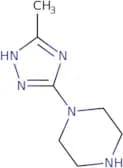
CAS:<p>Versatile small molecule scaffold</p>Formula:C12H16O3Purity:Min. 95%Molecular weight:208.25 g/mol1-(5-Methyl-4H-1,2,4-triazol-3-yl)piperazine
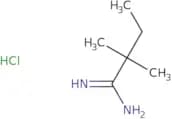
CAS:<p>Versatile small molecule scaffold</p>Formula:C7H13N5Purity:Min. 95%Molecular weight:167.21 g/mol2,2-Dimethylbutanimidamide hydrochloride
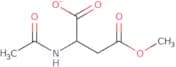
CAS:<p>Versatile small molecule scaffold</p>Formula:C6H15ClN2Purity:Min. 95%Molecular weight:150.6 g/mol2-Acetamido-4-methoxy-4-oxobutanoic acid
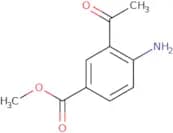
CAS:<p>Versatile small molecule scaffold</p>Formula:C7H10NO5Purity:Min. 95%Molecular weight:188.16 g/molmethyl 3-acetyl-4-aminobenzoate
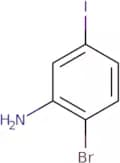
CAS:<p>Versatile small molecule scaffold</p>Formula:C10H11NO3Purity:Min. 95%Molecular weight:193.2 g/mol2-Bromo-5-iodoaniline
CAS:<p>Versatile small molecule scaffold</p>Formula:C6H5BrINPurity:Min. 95%Molecular weight:297.92 g/mol6,6-Dimethyl-1,5,7-trioxaspiro[2.5]octane
CAS:<p>Versatile small molecule scaffold</p>Formula:C7H12O3Purity:Min. 95%Molecular weight:144.17 g/mol2-[4-(Methoxymethyl)phenyl]acetonitrile
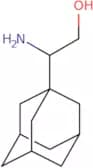
CAS:<p>Versatile small molecule scaffold</p>Formula:C10H11NOPurity:Min. 95%Molecular weight:161.2 g/mol2-(Adamantan-1-yl)-2-aminoethan-1-ol
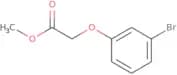
CAS:<p>Versatile small molecule scaffold</p>Formula:C12H21NOPurity:Min. 95%Molecular weight:195.3 g/molMethyl 2-(3-bromophenoxy)acetate
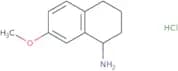
CAS:<p>Versatile small molecule scaffold</p>Formula:C9H9BrO3Purity:Min. 95%Molecular weight:245.07 g/mol7-Methoxy-1,2,3,4-tetrahydronaphthalen-1-amine hydrochloride
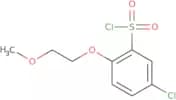
CAS:<p>Versatile small molecule scaffold</p>Formula:C11H16ClNOPurity:Min. 95%Molecular weight:213.7 g/mol5-Chloro-2-(2-methoxyethoxy)benzene-1-sulfonyl chloride
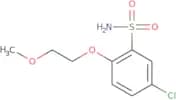
CAS:<p>Versatile small molecule scaffold</p>Formula:C9H10Cl2O4SPurity:Min. 95%Molecular weight:285.14 g/mol5-Chloro-2-(2-methoxyethoxy)benzene-1-sulfonamide
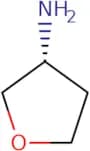
CAS:<p>Versatile small molecule scaffold</p>Formula:C9H12ClNO4SPurity:Min. 95%Molecular weight:265.71 g/mol(R)-Tetrahydrofuran-3-amine
CAS:<p>(R)-Tetrahydrofuran-3-amine is a nucleoside phosphorylase inhibitor that binds to the catalytic site of the enzyme, inhibiting the synthesis of purine nucleotides. This drug has been shown to be effective in treating atrial fibrillation. (R)-Tetrahydrofuran-3-amine has also been used as a lead compound for the development of analogues with improved inhibitory potency and selectivity for adenosine receptors. The synthetic scheme for this compound starts by reacting 1,4-dihydropurine with aldehyde and formaldehyde under acid conditions. The product is then condensed with 2,2-dimethylpropane-1,3-dione to yield an intermediate that is oxidized and reduced to produce the final product. This process can be carried out using high performance liquid chromatography (HPLC) methods.</p>Formula:C4H9NOPurity:Min. 95%Molecular weight:87.12 g/mol5-Bromo-2-[2-(trimethylsilyl)ethynyl]pyridine
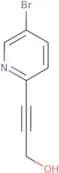
CAS:<p>Versatile small molecule scaffold</p>Formula:C10H12BrNSiPurity:Min. 95%Molecular weight:254.2 g/mol3-(5-Bromopyridin-2-yl)prop-2-yn-1-ol
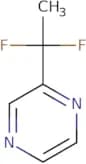
CAS:<p>Versatile small molecule scaffold</p>Formula:C8H6BrNOPurity:Min. 95%Molecular weight:212.04 g/mol2-(1,1-Difluoroethyl)pyrazine
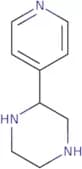
CAS:<p>Versatile small molecule scaffold</p>Formula:C6H6F2N2Purity:Min. 95%Molecular weight:144.12 g/mol2-(Pyridin-4-yl)piperazine
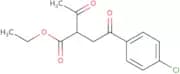
CAS:<p>Versatile small molecule scaffold</p>Formula:C9H13N3Purity:Min. 95%Molecular weight:163.22 g/molEthyl 2-acetyl-4-(4-chlorophenyl)-4-oxobutanoate
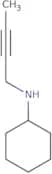
CAS:<p>Versatile small molecule scaffold</p>Formula:C14H15ClO4Purity:Min. 95%Molecular weight:282.72 g/molBut-2-ynyl-cyclohexyl-amine
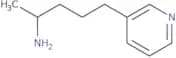
CAS:<p>Versatile small molecule scaffold</p>Formula:C10H17NPurity:Min. 95%Molecular weight:151.25 g/mol5-(Pyridin-3-yl)pentan-2-amine
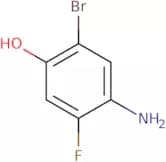
CAS:<p>Versatile small molecule scaffold</p>Formula:C10H16N2Purity:Min. 95%Molecular weight:164.25 g/mol4-Amino-2-bromo-5-fluorophenol
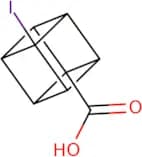
CAS:<p>Versatile small molecule scaffold</p>Formula:C6H5BrFNOPurity:Min. 95%Molecular weight:206.01 g/mol8-Iodocubane-1-carboxylic acid
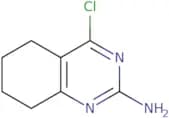
CAS:<p>Versatile small molecule scaffold</p>Formula:C9H7IO2Purity:Min. 95%Molecular weight:274.05 g/mol4-Chloro-5,6,7,8-tetrahydroquinazolin-2-amine
CAS:<p>Versatile small molecule scaffold</p>Formula:C8H10ClN3Purity:Min. 95%Molecular weight:183.6 g/mol4-[3-(2-Furyl)-1H-pyrazol-5-yl]piperidine
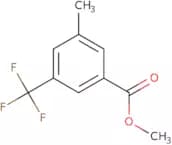
CAS:<p>Versatile small molecule scaffold</p>Formula:C12H15N3OPurity:Min. 95%Molecular weight:217.27 g/molMethyl 3-methyl-5-(trifluoromethyl)benzoate
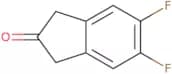
CAS:<p>Versatile small molecule scaffold</p>Formula:C10H9F3O2Purity:Min. 95%Molecular weight:218.17 g/mol5,6-Difluoro-indan-2-one
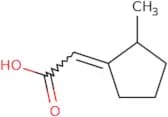
CAS:<p>Versatile small molecule scaffold</p>Formula:C9H6F2OPurity:Min. 95%Molecular weight:168.14 g/mol2-(2-Methylcyclopentylidene)acetic acid
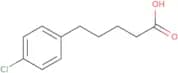
CAS:<p>Versatile small molecule scaffold</p>Formula:C8H12O2Purity:Min. 95%Molecular weight:140.18 g/mol5-(4-Chlorophenyl)pentanoic acid
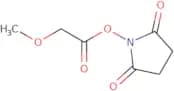
CAS:<p>Versatile small molecule scaffold</p>Formula:C11H13ClO2Purity:Min. 95%Molecular weight:212.67 g/mol2,5-Dioxopyrrolidin-1-yl 2-methoxyacetate
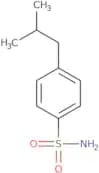
CAS:<p>Versatile small molecule scaffold</p>Formula:C7H9NO5Purity:Min. 95%Molecular weight:187.15 g/mol4-(2-Methylpropyl)benzene-1-sulfonamide
CAS:<p>Versatile small molecule scaffold</p>Formula:C10H15NO2SPurity:Min. 95%Molecular weight:213.3 g/mol3-[(3-Methoxypropyl)carbamoyl]propanoic acid
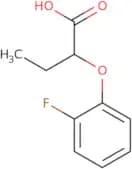
CAS:<p>Versatile small molecule scaffold</p>Formula:C8H15NO4Purity:Min. 95%Molecular weight:189.21 g/mol2-(2-Fluorophenoxy)butanoic acid
CAS:<p>Versatile small molecule scaffold</p>Formula:C10H11FO3Purity:Min. 95%Molecular weight:198.19 g/mol2-[2-(Propan-2-yl)phenoxy]butanoic acid
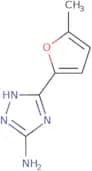
CAS:<p>Versatile small molecule scaffold</p>Formula:C13H18O3Purity:Min. 95%Molecular weight:222.28 g/mol5-(5-Methylfuran-2-yl)-4H-1,2,4-triazol-3-amine
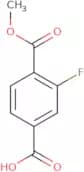
CAS:<p>Versatile small molecule scaffold</p>Formula:C7H8N4OPurity:Min. 95%Molecular weight:164.16 g/mol3-fluoro-4-(methoxycarbonyl)benzoic acid
CAS:<p>Versatile small molecule scaffold</p>Formula:C9H7FO4Purity:Min. 95%Molecular weight:198.1 g/mol4-Bromothieno[3,2-c]pyridine
CAS:<p>Versatile small molecule scaffold</p>Formula:C7H4BrNSPurity:Min. 95%Molecular weight:214.08 g/molSegetalin A trifluoroacetate
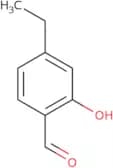
CAS:<p>Segetalin A trifluoroacetic acid is a protein-based product, which is a derivative of a natural compound isolated from the seeds of the plant Vaccaria segetalis. This plant is traditionally recognized for its medicinal properties, and segetalin A represents one of the active proteins responsible for these biological effects.</p>Formula:C31H43N7O6C2HF3O2Purity:Min. 95%Molecular weight:609.72 g/mol4-Ethylsalicylaldehyde
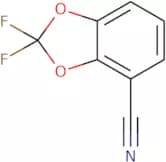
CAS:<p>Versatile small molecule scaffold</p>Formula:C9H10O2Purity:Min. 95%Molecular weight:150.17 g/mol2,2-Difluoro-4-cyano-1,3-dioxaindane
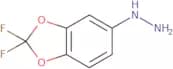
CAS:<p>Versatile small molecule scaffold</p>Formula:C8H3F2NO2Purity:Min. 95%Molecular weight:183.11 g/mol(2,2-Difluoro-1,3-dioxaindan-5-yl)hydrazine
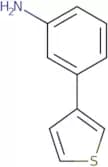
CAS:<p>Versatile small molecule scaffold</p>Formula:C7H6F2N2O2Purity:Min. 95%Molecular weight:188.13 g/mol3-(Thiophen-3-yl)aniline
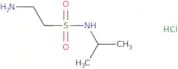
CAS:<p>Versatile small molecule scaffold</p>Formula:C10H9NSPurity:Min. 95%Molecular weight:175.25 g/mol2-Amino-N-(propan-2-yl)ethane-1-sulfonamide hydrochloride
CAS:<p>Versatile small molecule scaffold</p>Formula:C5H15ClN2O2SPurity:Min. 95%Molecular weight:202.7 g/molPerfluorophenyl methanesulfonate
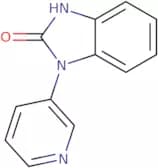
CAS:<p>Perfluorophenyl methanesulfonate is an organic solvent. It is a colorless liquid that is soluble in water and in most organic solvents. The chemical formula for perfluorophenyl methanesulfonate is C6F5OCH3SO3Cl. This compound has the structural formula of CH2=C(O)CH2-CF3SO3Cl. Perfluorophenyl methanesulfonate can be used as a formylating agent to convert alcohols, amines, or carboxylic acids into their corresponding formates, amides, or acid chlorides. It can also be used as an additive to petroleum products to increase the boiling point of hydrocarbons by adding a formyl group to the hydrocarbon chain. Other uses include as a divalent hydrocarbon in alkynyl groups and alkoxycarbonyl groups and as a skeleton for phosphoryl groups.</p>Formula:C7H3F5O3SPurity:Min. 95%Molecular weight:262.15 g/mol1-(Pyridin-3-yl)-2,3-dihydro-1H-1,3-benzodiazol-2-one
CAS:<p>Versatile small molecule scaffold</p>Formula:C12H9N3OPurity:Min. 95%Molecular weight:211.22 g/mol4-[2-(tert-Butoxy)-2-oxoethoxy]benzoic acid
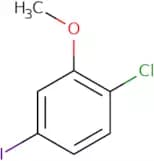
CAS:<p>Versatile small molecule scaffold</p>Formula:C13H16O5Purity:Min. 95%Molecular weight:252.26 g/mol2-Chloro-5-iodoanisole
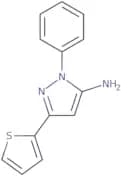
CAS:<p>Versatile small molecule scaffold</p>Formula:C7H6ClIOPurity:Min. 95%Molecular weight:268.48 g/mol1-Phenyl-3-(thiophen-2-yl)-1H-pyrazol-5-amine
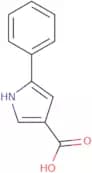
CAS:<p>Versatile small molecule scaffold</p>Formula:C13H11N3SPurity:Min. 95%Molecular weight:241.31 g/mol5-Phenyl-1H-pyrrole-3-carboxylic acid
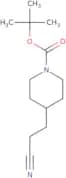
CAS:<p>Versatile small molecule scaffold</p>Formula:C11H9NO2Purity:Min. 95%Molecular weight:187.19 g/molTert-Butyl 4-(2-Cyanoethyl)Piperidine-1-Carboxylate
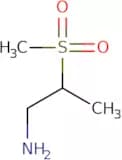
CAS:<p>Versatile small molecule scaffold</p>Formula:C13H22N2O2Purity:Min. 95%Molecular weight:238.33 g/mol2-Methanesulfonylpropan-1-amine
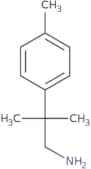
CAS:<p>Versatile small molecule scaffold</p>Formula:C4H11NO2SPurity:Min. 95%Molecular weight:137.2 g/mol2-Methyl-2-p-tolyl-propylamine
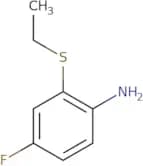
CAS:<p>2-Methyl-2-p-tolyl-propylamine (MPTP) is an aromatic compound that has been shown to have some biologic activity. MPTP was first synthesized in the lab of Dr. K.B. Sharpless and his team at Duke University in 1979, who were attempting to make an inhibitor for monoamine oxidase B (MAO-B). MAO-B is a type of enzyme that breaks down the neurotransmitter dopamine, which is involved in the regulation of movement and emotions. The synthesis of MPTP was abandoned when it was found that the compound was instead metabolized into a neurotoxin called 1-methyl-4-phenylpyridinium (MPP+), which caused Parkinson's disease in mice.<br>MPTP causes cell death by inhibiting mitochondrial complex I, which produces adenosine triphosphate (ATP) needed for cell function, leading to cell death through apoptosis or necrosis</p>Formula:C11H17NPurity:Min. 95%Molecular weight:163.26 g/mol2-(Ethylsulfanyl)-4-fluoroaniline
CAS:<p>Versatile small molecule scaffold</p>Formula:C8H10FNSPurity:Min. 95%Molecular weight:171.24 g/mol2-[(Tetrahydro-2H-pyran-4-yl)amino]ethanol
CAS:<p>Versatile small molecule scaffold</p>Formula:C7H15NO2Purity:Min. 95%Molecular weight:145.2 g/moltert-Butyl 2-(4-amino-1H-pyrazol-1-yl)acetate
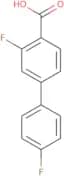
CAS:<p>Versatile small molecule scaffold</p>Formula:C9H15N3O2Purity:Min. 95%Molecular weight:197.23 g/mol4-(4-Fluorophenyl)-2-fluorobenzoic acid
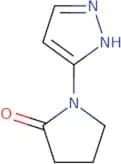
CAS:<p>Versatile small molecule scaffold</p>Formula:C13H8F2O2Purity:Min. 95%Molecular weight:234.2 g/mol1-(1H-Pyrazol-3-yl)pyrrolidin-2-one
CAS:<p>Versatile small molecule scaffold</p>Formula:C7H9N3OPurity:Min. 95%Molecular weight:151.17 g/mol(2E)-3-[4-Methoxy-3-(methylsulfamoyl)phenyl]prop-2-enoic acid
CAS:<p>Versatile small molecule scaffold</p>Formula:C11H13NO5SPurity:Min. 95%Molecular weight:271.29 g/mol(2E)-3-{4-Methoxy-3-[(propan-2-yl)sulfamoyl]phenyl}prop-2-enoic acid
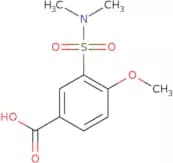
CAS:<p>Versatile small molecule scaffold</p>Formula:C13H17NO5SPurity:Min. 95%Molecular weight:299.34 g/mol3-(Dimethylsulfamoyl)-4-methoxybenzoic acid
CAS:<p>Versatile small molecule scaffold</p>Formula:C10H13NO5SPurity:Min. 95%Molecular weight:259.28 g/mol3-[({[4-(Ethoxycarbonyl)phenyl]carbamoyl}methyl)sulfanyl]propanoic acid
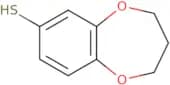
CAS:Controlled Product<p>3-[({[4-(Ethoxycarbonyl)phenyl]carbamoyl}methyl)sulfanyl]propanoic acid is a research tool that is used as an activator of various receptors, ligands, and ion channels. This compound binds to the ligand binding site of the receptor and causes activation by increasing the rate of ligand-receptor interactions. 3-[({[4-(Ethoxycarbonyl)phenyl]carbamoyl}methyl)sulfanyl]propanoic acid has been shown to inhibit protein synthesis in cells by inhibiting peptide bond formation.</p>Formula:C14H17NO5SPurity:Min. 95%Molecular weight:311.36 g/mol3,4-Dihydro-2H-1,5-benzodioxepine-7-thiol
CAS:<p>Versatile small molecule scaffold</p>Formula:C9H10O2SPurity:Min. 95%Molecular weight:182.24 g/mol


![3-Methoxy-1H-pyrazolo[3,4-d]pyrimidin-4-amine](/_next/image/?url=https%3A%2Fstatic.cymitquimica.com%2Fproducts%2F3D%2Fthumb-webp%2FLEA37522.webp&w=3840&q=75)

![3-[3-(Methoxycarbonyl)phenyl]propanoic acid](/_next/image/?url=https%3A%2Fstatic.cymitquimica.com%2Fproducts%2F3D%2Fthumb-webp%2FLEA37650.webp&w=3840&q=75)
![[(1,3,4-Thiadiazol-2-yl)amino]formonitrile](/_next/image/?url=https%3A%2Fstatic.cymitquimica.com%2Fproducts%2F3D%2Fthumb-webp%2FLEA39384.webp&w=3840&q=75)



![{Imidazo[1,2-a]pyridin-8-yl}methanol hydrochloride](/_next/image/?url=https%3A%2Fstatic.cymitquimica.com%2Fproducts%2F3D%2Fthumb-webp%2FLEA47718.webp&w=3840&q=75)
![(R)-Phenyl[(2S)-pyrrolidin-2-yl]methanol hydrochloride](/_next/image/?url=https%3A%2Fstatic.cymitquimica.com%2Fproducts%2F3D%2Fthumb-webp%2FLEA49262.webp&w=3840&q=75)
![[4-(Aminomethyl)oxan-4-yl]methanamine dihydrochloride](/_next/image/?url=https%3A%2Fstatic.cymitquimica.com%2Fproducts%2F3D%2Fthumb-webp%2FLEA51191.webp&w=3840&q=75)
![1-[(2R)-Piperidin-2-yl]ethan-1-one hydrochloride](/_next/image/?url=https%3A%2Fstatic.cymitquimica.com%2Fproducts%2F3D%2Fthumb-webp%2FLEA55621.webp&w=3840&q=75)


![9-Azatricyclo[6.2.1.0,2,7]undeca-2,4,6-triene hydrochloride](/_next/image/?url=https%3A%2Fstatic.cymitquimica.com%2Fproducts%2F3D%2Fthumb-webp%2FLEA63504.webp&w=3840&q=75)

![6,6-Dimethyl-1,5,7-trioxaspiro[2.5]octane](/_next/image/?url=https%3A%2Fstatic.cymitquimica.com%2Fproducts%2F3D%2Fthumb-webp%2FLEA72248.webp&w=3840&q=75)
![2-[4-(Methoxymethyl)phenyl]acetonitrile](/_next/image/?url=https%3A%2Fstatic.cymitquimica.com%2Fproducts%2F3D%2Fthumb-webp%2FLEA73559.webp&w=3840&q=75)
![5-Bromo-2-[2-(trimethylsilyl)ethynyl]pyridine](/_next/image/?url=https%3A%2Fstatic.cymitquimica.com%2Fproducts%2F3D%2Fthumb-webp%2FLEA77080.webp&w=3840&q=75)
![4-[3-(2-Furyl)-1H-pyrazol-5-yl]piperidine](/_next/image/?url=https%3A%2Fstatic.cymitquimica.com%2Fproducts%2F3D%2Fthumb-webp%2FLEA89711.webp&w=3840&q=75)
![3-[(3-Methoxypropyl)carbamoyl]propanoic acid](/_next/image/?url=https%3A%2Fstatic.cymitquimica.com%2Fproducts%2F3D%2Fthumb-webp%2FLGA78591.webp&w=3840&q=75)
![2-[2-(Propan-2-yl)phenoxy]butanoic acid](/_next/image/?url=https%3A%2Fstatic.cymitquimica.com%2Fproducts%2F3D%2Fthumb-webp%2FLGA79049.webp&w=3840&q=75)
![4-Bromothieno[3,2-c]pyridine](/_next/image/?url=https%3A%2Fstatic.cymitquimica.com%2Fproducts%2F3D%2Fthumb-webp%2FLGA82302.webp&w=3840&q=75)


![4-[2-(tert-Butoxy)-2-oxoethoxy]benzoic acid](/_next/image/?url=https%3A%2Fstatic.cymitquimica.com%2Fproducts%2F3D%2Fthumb-webp%2FLGA94880.webp&w=3840&q=75)
![2-[(Tetrahydro-2H-pyran-4-yl)amino]ethanol](/_next/image/?url=https%3A%2Fstatic.cymitquimica.com%2Fproducts%2F3D%2Fthumb-webp%2FLGB68400.webp&w=3840&q=75)

![(2E)-3-[4-Methoxy-3-(methylsulfamoyl)phenyl]prop-2-enoic acid](/_next/image/?url=https%3A%2Fstatic.cymitquimica.com%2Fproducts%2F3D%2Fthumb-webp%2FLGB72886.webp&w=3840&q=75)
![(2E)-3-{4-Methoxy-3-[(propan-2-yl)sulfamoyl]phenyl}prop-2-enoic acid](/_next/image/?url=https%3A%2Fstatic.cymitquimica.com%2Fproducts%2F3D%2Fthumb-webp%2FLGB72887.webp&w=3840&q=75)
![3-[({[4-(Ethoxycarbonyl)phenyl]carbamoyl}methyl)sulfanyl]propanoic acid](/_next/image/?url=https%3A%2Fstatic.cymitquimica.com%2Fproducts%2F3D%2Fthumb-webp%2FLGB72890.webp&w=3840&q=75)