Building Blocks
This section contains fundamental products for the synthesis of organic and biological compounds. Building blocks are the essential starting materials used to construct complex molecules through various chemical reactions. They play a critical role in drug discovery, material science, and chemical research. At CymitQuimica, we offer a diverse range of high-quality building blocks to support your innovative research and industrial projects, ensuring you have the essential components for successful synthesis.
Subcategories of "Building Blocks"
- Boronic Acids & Boronic Acid Derivatives(5,778 products)
- Chiral Building Blocks(1,242 products)
- Hydrocarbon Building Blocks(6,098 products)
- Organic Building Blocks(61,034 products)
Found 199601 products of "Building Blocks"
Sort by
Purity (%)
0
100
|
0
|
50
|
90
|
95
|
100
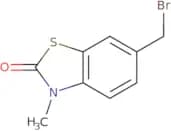
6-(Bromomethyl)-3-methyl-2,3-dihydro-1,3-benzothiazol-2-one
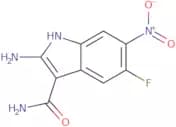
CAS:<p>Versatile small molecule scaffold</p>Formula:C9H8BrNOSPurity:Min. 95%Molecular weight:258.14 g/mol2-Amino-5-fluoro-6-nitro-1H-indole-3-carboxamide
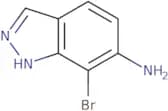
CAS:<p>Versatile small molecule scaffold</p>Formula:C9H7FN4O3Purity:Min. 95%Molecular weight:238.18 g/mol7-Bromo-1H-indazol-6-amine
CAS:<p>Versatile small molecule scaffold</p>Formula:C7H6BrN3Purity:Min. 95%Molecular weight:212.05 g/mol1-Propyl-1-[2-(2,4,6-trichloro-3-hydroxyphenoxy)ethyl]urea
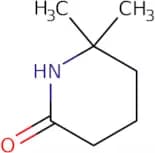
CAS:<p>Versatile small molecule scaffold</p>Formula:C12H15Cl3N2O3Purity:Min. 95%Molecular weight:341.6 g/mol6,6-dimethylpiperidin-2-one
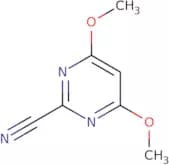
CAS:<p>Versatile small molecule scaffold</p>Formula:C7H13NOPurity:Min. 95%Molecular weight:127.19 g/mol4,6-Dimethoxypyrimidine-2-carbonitrile
CAS:<p>4,6-Dimethoxypyrimidine-2-carbonitrile (DMP) is a chemical compound that belongs to the class of sulfones. It has been shown to be effective in the treatment of sulfate-reducing bacteria, such as Clostridium and Desulfovibrio. DMP is also used for the chlorination of organic compounds, such as chlorinated phenols and chlorinated benzenes. DMP can be synthesized by reacting 4,6-dimethoxybenzene with carbon disulfide and sodium hydroxide in aqueous solution.</p>Formula:C7H7N3O2Purity:Min. 95%Molecular weight:165.15 g/mol3-(3-Chlorophenyl)-2-hydroxypropanoic acid
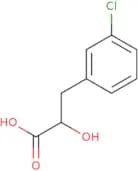
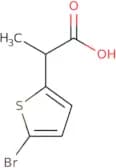
CAS:<p>Versatile small molecule scaffold</p>Formula:C9H9ClO3Purity:Min. 95%Molecular weight:200.62 g/mol2-(5-Bromothiophen-2-yl)propanoic acid
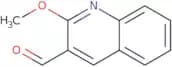
CAS:<p>Versatile small molecule scaffold</p>Formula:C7H7BrO2SPurity:Min. 95%Molecular weight:235.1 g/mol2-Methoxy-quinoline-3-carbaldehyde
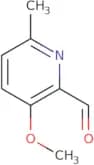
CAS:<p>2-Methoxy-quinoline-3-carbaldehyde (2MQC) is a novel oxadiazole derivative that has been shown to exhibit good in vitro antimicrobial activity against staphylococcus aureus and typhimurium. 2MQC also has inhibitory properties against the enzyme hepg2, which is involved in the production of reactive oxygen species by neutrophils. 2MQC inhibits the growth of bacteria by binding to their DNA and inhibiting protein synthesis. This compound also has anti-diabetic effects, as it increases glucose uptake and reduces blood sugar levels in mice with high blood sugar levels.</p>Formula:C11H9NO2Purity:Min. 95%Molecular weight:187.19 g/mol3-Methoxy-6-methylpyridine-2-carbaldehyde
CAS:Versatile small molecule scaffoldFormula:C8H9NO2Purity:Min. 95%Molecular weight:151.16 g/mol2-(Chloromethyl)-4,5,6,7-tetrahydrobenzo[D]oxazole
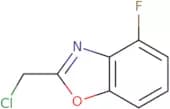
CAS:<p>Versatile small molecule scaffold</p>Formula:C8H10ClNOPurity:Min. 95%Molecular weight:171.62 g/mol2-(Chloromethyl)-4-fluoro-1,3-benzoxazole
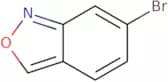
CAS:<p>Versatile small molecule scaffold</p>Formula:C8H5ClFNOPurity:Min. 95%Molecular weight:185.58 g/mol6-Bromo-2,1-benzoxazole
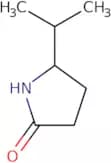
CAS:<p>Versatile small molecule scaffold</p>Formula:C7H4BrNOPurity:Min. 95%Molecular weight:198.02 g/mol(5S)-5-(Propan-2-yl)pyrrolidin-2-one
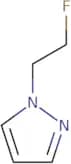
CAS:<p>(5S)-5-(Propan-2-yl)pyrrolidin-2-one is a vinyl compound that is used in the production of polyvinyl acetate. It is produced by transesterification of vinyl acetate and ethylene oxide, followed by hydrolysis of the ester group. The reaction proceeds via an enzymatic process, which is initiated by lipases.br><br>(5S)-5-(Propan-2-yl)pyrrolidin-2-one can be converted to other compounds through a number of chemical reactions. For example, it can be oxidized to (5S)-5-(propane-2,3-dione)pyrrolidine with hydrogen peroxide or sodium hypochlorite. It also reacts with potassium permanganate to form (5S)-5-(propane-1,3 diol)pyrrolidine and manganese dioxide to form (5S</p>Formula:C7H13NOPurity:Min. 95%Molecular weight:127.18 g/mol1-(2-Fluoroethyl)-1H-pyrazole
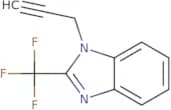
CAS:<p>Versatile small molecule scaffold</p>Formula:C5H7FN2Purity:Min. 95%Molecular weight:114.12 g/mol1-(2-Propynyl)-2-(trifluoromethyl)-1H-1,3-benzimidazole
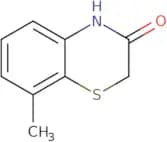
CAS:<p>Versatile small molecule scaffold</p>Formula:C11H7F3N2Purity:Min. 95%Molecular weight:224.18 g/mol8-Methyl-2H-1,4-benzothiazin-3(4H)-one
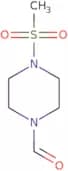
CAS:<p>Versatile small molecule scaffold</p>Formula:C9H9NOSPurity:Min. 95%Molecular weight:179.24 g/mol4-Methanesulfonylpiperazine-1-carbaldehyde
CAS:<p>Versatile small molecule scaffold</p>Formula:C6H12N2O3SPurity:Min. 95%Molecular weight:192.24 g/mol3-Iodo-2-methylbenzo[b]thiophene
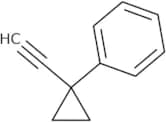
CAS:<p>Versatile small molecule scaffold</p>Formula:C9H7ISPurity:Min. 95%Molecular weight:274.12 g/mol(1-ethynylcyclopropyl)benzene
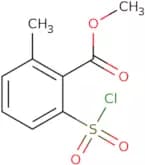
CAS:<p>Versatile small molecule scaffold</p>Formula:C11H10Purity:Min. 95%Molecular weight:142.2 g/molMethyl 2-(chlorosulfonyl)-6-methylbenzoate
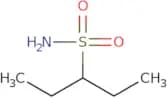
CAS:Versatile small molecule scaffoldFormula:C9H9ClO4SPurity:Min. 95%Molecular weight:248.68 g/molPentane-3-sulfonamide
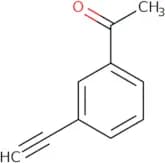
CAS:<p>Versatile small molecule scaffold</p>Formula:C5H13NO2SPurity:Min. 95%Molecular weight:151.23 g/mol1-(3-Ethynylphenyl)ethan-1-one
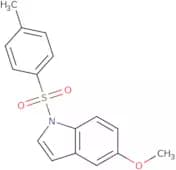
CAS:<p>Versatile small molecule scaffold</p>Formula:C10H8OPurity:Min. 95%Molecular weight:144.17 g/mol5-Methoxy-1-tosyl-1H-indole
CAS:<p>Versatile small molecule scaffold</p>Formula:C16H15NO3SPurity:Min. 95%Molecular weight:301.4 g/mol4-[(1H-Benzimidazol-1-yl)methyl]benzoic acid
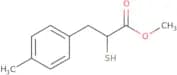
CAS:<p>4-[(1H-Benzimidazol-1-yl)methyl]benzoic acid is an ionic compound. The anion has a focus with a radius of 2.6 Å and the cation has a radius of 1.9 Å. It is stable in aqueous solution and reacts with chloride to form the salt 4-[(1H-Benzimidazol-1-yl)methyl]benzoyl chloride, which is colorless, crystalline, and soluble in water. This compound can be used for analyzing ligands that bind to lanthanide ions (e.g., lanthanum). The analyzes of frameworks have been carried out by single crystal x-ray diffraction methods and fluorescence spectroscopy parameters are given in Table 1.</p>Formula:C15H12N2O2Purity:Min. 95%Molecular weight:252.27 g/molMethyl 3-(4-methylphenyl)-2-sulfanylpropanoate
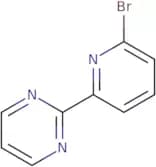
CAS:<p>Versatile small molecule scaffold</p>Formula:C11H14O2SPurity:Min. 95%Molecular weight:210.29 g/mol2-(6-Bromopyridin-2-yl)pyrimidine
CAS:<p>Versatile small molecule scaffold</p>Formula:C9H6BrN3Purity:Min. 95%Molecular weight:236.07 g/mol3-[[[5-(Aminocarbonyl)-1-methyl-3-propyl-1H-pyrazol-4-yl]amino]carbonyl]-4-propoxybenzene
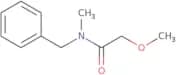
CAS:<p>Versatile small molecule scaffold</p>Formula:C18H24N4O3Purity:Min. 95%Molecular weight:344.41 g/molN-Benzyl-2-methoxy-N-methylacetamide
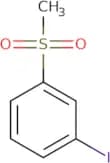
CAS:<p>Versatile small molecule scaffold</p>Formula:C11H15NO2Purity:Min. 95%Molecular weight:193.24 g/mol1-Iodo-3-methanesulfonylbenzene
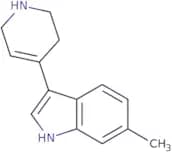
CAS:<p>Versatile small molecule scaffold</p>Formula:C7H7IO2SPurity:Min. 95%Molecular weight:282.1 g/mol6-Methyl-3-(1,2,3,6-tetrahydropyridin-4-yl)-1H-indole
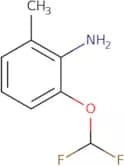
CAS:<p>Versatile small molecule scaffold</p>Formula:C14H16N2Purity:Min. 95%Molecular weight:212.29 g/mol2-(Difluoromethoxy)-6-methylaniline
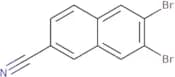
CAS:<p>Versatile small molecule scaffold</p>Formula:C8H9F2NOPurity:Min. 95%Molecular weight:173.16 g/mol6,7-dibromonaphthalene-2-carbonitrile
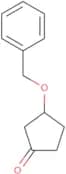
CAS:Versatile small molecule scaffoldFormula:C11H5Br2NPurity:Min. 95%Molecular weight:311 g/mol3-(Benzyloxy)cyclopentan-1-one
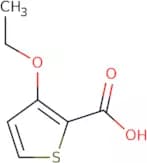
CAS:<p>Versatile small molecule scaffold</p>Formula:C12H14O2Purity:Min. 95%Molecular weight:190.24 g/mol3-Ethoxythiophene-2-carboxylic acid
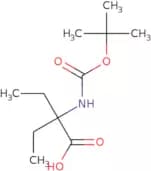
CAS:Versatile small molecule scaffoldFormula:C7H8O3SPurity:Min. 95%Molecular weight:172.2 g/mol2-(Boc-amino)-2-ethyl-butanoic acid
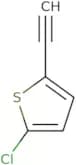
CAS:<p>Versatile small molecule scaffold</p>Formula:C11H21NO4Purity:Min. 95%Molecular weight:231.29 g/mol2-Chloro-5-ethynylthiophene
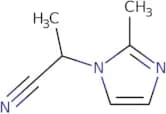
CAS:<p>2-Chloro-5-ethynylthiophene (2CET) is a x-ray crystal structure that exhibits potent adenosine receptor antagonist activity. 2CET binds to the adenosine receptor in a noncompetitive manner and blocks the receptor, preventing the activation of G proteins. The binding of 2CET to the adenosine receptor leads to an increase in adenine nucleotide levels, which may contribute to its antihypertensive properties. 2CET has also been shown to be a potent agonist at A1 and A2A receptors. It was found that 2CET bound with high affinity to both receptors, but only activated A1 receptors. This indicates that 2CET is capable of stimulating cAMP production without activating other G protein coupled receptors such as angiotensin II type 1 or muscarinic acetylcholine receptors.</p>Formula:C6H3ClSPurity:Min. 95%Molecular weight:142.61 g/mol2-(2-Methyl-1H-imidazol-1-yl)propanenitrile
CAS:<p>Versatile small molecule scaffold</p>Formula:C7H9N3Purity:Min. 95%Molecular weight:135.17 g/mol2-(4-Methoxyphenyl)-1H-pyrrolo[2,3-b]pyridine
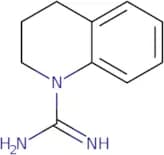
CAS:<p>Versatile small molecule scaffold</p>Formula:C14H12N2OPurity:Min. 95%Molecular weight:224.26 g/mol1,2,3,4-Tetrahydroquinoline-1-carboximidamide
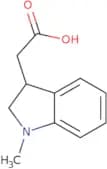
CAS:<p>Versatile small molecule scaffold</p>Formula:C10H13N3Purity:Min. 95%Molecular weight:175.23 g/mol2-(1-Methyl-2,3-dihydro-1H-indol-3-yl)acetic acid
CAS:Versatile small molecule scaffoldFormula:C11H13NO2Purity:Min. 95%Molecular weight:191.23 g/mol2-Chloro-4-methyl-5,6,7,8-tetrahydroquinoline
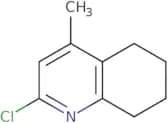
CAS:<p>2-Chloro-4-methyl-5,6,7,8-tetrahydroquinoline is an organic compound that belongs to the heterocyclic category of x-ray crystallography. It was prepared in a single crystal form using perchlorate as a solvent. The anisotropic nature of 2-Chloro-4-methyl-5,6,7,8-tetrahydroquinoline has been shown through x-ray diffraction and x ray diffraction analysis.</p>Formula:C10H12ClNPurity:Min. 95%Molecular weight:181.66 g/mol2-(2-Methoxypyridin-4-yl)acetonitrile
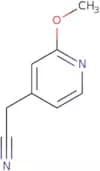
CAS:<p>Versatile small molecule scaffold</p>Formula:C8H8N2OPurity:Min. 95%Molecular weight:148.16 g/mol1-(2-Methoxypyridin-4-yl)ethanone
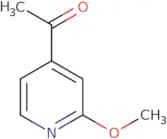
CAS:<p>1-(2-Methoxypyridin-4-yl)ethanone inhibits 5-lipoxygenase, the enzyme that converts arachidonic acid to leukotrienes. It is a non-selective inhibitor of cyclooxygenases (COXs) 1 and 2 which are responsible for the metabolism of arachidonic acid to prostaglandins. COXs are inhibited by aspirin and other nonsteroidal antiinflammatory drugs (NSAIDs). NSAIDs inhibit both COXs and can be classified as selective or nonselective based on their selectivity for COX-1 vs. COX-2. Celecoxib is a selective inhibitor of COX-2.<br>COX enzymes can be classified into two groups based on the range over which they are active: μm range or nm range. The μm range includes COX-1, COX-3, and PTGS2 and these enzymes regulate the</p>Formula:C8H9NO2Purity:Min. 95%Molecular weight:151.17 g/mol4'-Chloro-3-fluoro-[1,1'-biphenyl]-4-carboxylic acid
CAS:<p>Versatile small molecule scaffold</p>Formula:C13H8ClFO2Purity:Min. 95%Molecular weight:250.65 g/molexo-8-Azabicyclo[3.2.1]octane-3-methanol HCl
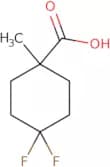
CAS:<p>Versatile small molecule scaffold</p>Formula:C8H16ClNOPurity:Min. 95%Molecular weight:177.21 g/mol4,4-Difluoro-1-methylcyclohexane-1-carboxylic acid
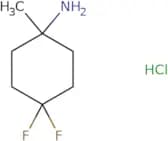
CAS:<p>Versatile small molecule scaffold</p>Formula:C8H12F2O2Purity:Min. 95%Molecular weight:178.18 g/mol4,4-Difluoro-1-methylcyclohexan-1-amine hydrochloride
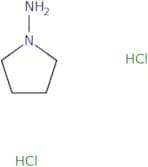
CAS:<p>Versatile small molecule scaffold</p>Formula:C7H14ClF2NPurity:Min. 95%Molecular weight:185.64 g/molAminopyrrolidine dihydrochloride
CAS:<p>Aminopyrrolidine dihydrochloride (APDC) is a fluorescent dye that is used as an absorber in nuclear magnetic resonance spectroscopy. It has been shown to bind to the adenosine receptor and may be used to study the effect of this receptor on heart function. APDC has also been shown to inhibit the binding of quinolinium, pyridinium, and benzoate ligands to their respective receptors, which may be due to its linker group. The molecule is unsymmetrical and organic, with two absorbing groups.</p>Formula:C4H12Cl2N2Purity:Min. 95%Molecular weight:159.05 g/mol4,4-Difluoro-1-[(4-fluorophenyl)methyl]cyclohexane-1-carboxylic acid
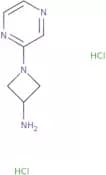
CAS:<p>Versatile small molecule scaffold</p>Formula:C14H15F3O2Purity:Min. 95%Molecular weight:272.26 g/mol1-(Pyrazin-2-yl)azetidin-3-amine dihydrochloride
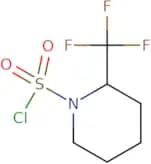
CAS:Versatile small molecule scaffoldFormula:C7H12Cl2N4Purity:Min. 95%Molecular weight:223.1 g/mol2-Trifluoromethylpiperidine sulfonyl chloride
CAS:<p>Versatile small molecule scaffold</p>Formula:C6H9ClF3NO2SPurity:Min. 95%Molecular weight:251.66 g/mol1-Ethyl-4,4-difluorocyclohexane-1-carboxylic acid
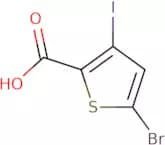
CAS:<p>Versatile small molecule scaffold</p>Formula:C9H14F2O2Purity:Min. 95%Molecular weight:192.2 g/mol5-Bromo-3-iodothiophene-2-carboxylic acid
CAS:<p>Versatile small molecule scaffold</p>Formula:C5H2BrIO2SPurity:Min. 95%Molecular weight:332.94 g/mol(S)-2-Trifluoromethylpiperidine hydrochloride
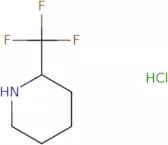
CAS:<p>Versatile small molecule scaffold</p>Formula:C6H11ClF3NPurity:Min. 95%Molecular weight:189.6 g/mol(2R)-2-(Trifluoromethyl)piperidine hydrochloride
CAS:<p>Versatile small molecule scaffold</p>Formula:C6H11ClF3NPurity:Min. 95%Molecular weight:189.6 g/mol(R)-N-Methyl-1,1,1-trifluoro-2-propylamine hydrochloride
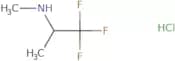
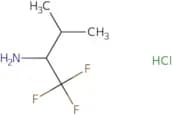
CAS:Versatile small molecule scaffoldFormula:C4H9ClF3NPurity:Min. 95%Molecular weight:163.57 g/mol(2S)-1,1,1-Trifluoro-3-methylbutan-2-amine hydrochloride
CAS:<p>Versatile small molecule scaffold</p>Formula:C5H11ClF3NPurity:Min. 95%Molecular weight:177.59 g/mol(2R)-1,1,1-Trifluoro-3-methylbutan-2-amine hydrochloride
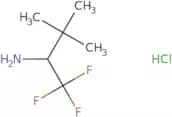
CAS:<p>Versatile small molecule scaffold</p>Formula:C5H11ClF3NPurity:Min. 95%Molecular weight:177.59 g/mol(2R)-1,1,1-Trifluoro-3,3-dimethylbutan-2-amine hydrochloride
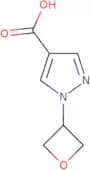
CAS:<p>Versatile small molecule scaffold</p>Formula:C6H13ClF3NPurity:Min. 95%Molecular weight:191.62 g/mol1-(Oxetan-3-yl)-1H-pyrazole-4-carboxylic acid
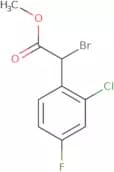
CAS:Versatile small molecule scaffoldFormula:C7H8N2O3Purity:Min. 95%Molecular weight:168.15 g/molMethyl 2-bromo-2-(2-chloro-4-fluorophenyl)acetate
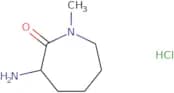
CAS:<p>Versatile small molecule scaffold</p>Formula:C9H7BrClFO2Purity:Min. 95%Molecular weight:281.5 g/mol(3R)-3-Amino-1-methylazepan-2-one hydrochloride
CAS:<p>Versatile small molecule scaffold</p>Formula:C7H15ClN2OPurity:Min. 95%Molecular weight:178.66 g/mol[(3S)-6-Fluoro-1,2,3,4-tetrahydroisoquinolin-3-yl]methanol
CAS:<p>Versatile small molecule scaffold</p>Formula:C10H12FNOPurity:Min. 95%Molecular weight:181.21 g/mol1-{2-Fluoro-4-[(2,4,6-trimethylphenyl)methoxy]phenyl}ethan-1-one
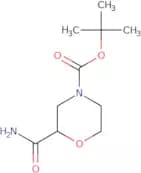
CAS:<p>Versatile small molecule scaffold</p>Formula:C18H19FO2Purity:Min. 95%Molecular weight:286.3 g/mol4-BOC-Morpholine-2-carboxamide
CAS:<p>Versatile small molecule scaffold</p>Formula:C10H18N2O4Purity:Min. 95%Molecular weight:230.26 g/mol6-[(2,2,6,6-Tetramethylpiperidin-4-yl)amino]pyridine-3-carbonitrile
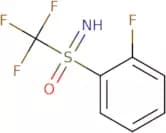
CAS:<p>Versatile small molecule scaffold</p>Formula:C15H22N4Purity:Min. 95%Molecular weight:258.36 g/mol(2-Fluorophenyl)(imino)(trifluoromethyl)-λ6-sulfanone
CAS:<p>Versatile small molecule scaffold</p>Formula:C7H5F4NOSPurity:Min. 95%Molecular weight:227.18 g/mol(1R,5R)-2-Azabicyclo[3.2.0]heptane hydrochloride
CAS:<p>Please enquire for more information about (1R,5R)-2-Azabicyclo[3.2.0]heptane hydrochloride including the price, delivery time and more detailed product information at the technical inquiry form on this page</p>Formula:C6H11N•HClPurity:Min. 95%Molecular weight:133.62 g/mol[(1R)-1-Isocyanatopropyl]benzene
CAS:<p>Versatile small molecule scaffold</p>Formula:C10H11NOPurity:Min. 95%Molecular weight:161.2 g/mol[(1S)-1-Isocyanatopropyl]benzene
CAS:<p>Versatile small molecule scaffold</p>Formula:C10H11NOPurity:Min. 95%Molecular weight:161.2 g/mol3-(2-Iodoethoxy)prop-1-yne
CAS:<p>Versatile small molecule scaffold</p>Formula:C5H7IOPurity:Min. 95%Molecular weight:210.01 g/moltert-Butyl 4-(3-bromopropyl)piperidine-1-carboxylate
CAS:<p>Versatile small molecule scaffold</p>Formula:C13H24BrNO2Purity:Min. 95%Molecular weight:306.24 g/mol4,4'-Difluoro-[1,1'-biphenyl]-3-carboxylic acid
CAS:<p>Versatile small molecule scaffold</p>Formula:C13H8F2O2Purity:Min. 95%Molecular weight:234.2 g/mol3-[(Diphenylmethyl)amino]propan-1-ol
CAS:<p>Versatile small molecule scaffold</p>Formula:C16H19NOPurity:Min. 95%Molecular weight:241.33 g/mol2-Chloro-1-(2,5-diethylphenyl)ethan-1-one
CAS:<p>Versatile small molecule scaffold</p>Formula:C12H15ClOPurity:Min. 95%Molecular weight:210.7 g/mol1-[2,4-Bis(propan-2-yl)phenyl]-2-chloroethan-1-one
CAS:<p>Versatile small molecule scaffold</p>Formula:C14H19ClOPurity:Min. 95%Molecular weight:238.75 g/mol1-N-Propyl-4-(trifluoromethyl)benzene-1,2-diamine
CAS:<p>Versatile small molecule scaffold</p>Formula:C10H13F3N2Purity:Min. 95%Molecular weight:218.22 g/mol(2E)-3-(7-Methoxy-1-benzofuran-2-yl)prop-2-enoic acid
CAS:<p>Versatile small molecule scaffold</p>Formula:C12H10O4Purity:Min. 95%Molecular weight:218.2 g/molSemapimod tetrahydrochloride
CAS:<p>Semapimod is an orally bioavailable small molecule drug candidate with anti-inflammatory and neuroprotective properties. Semapimod inhibits the activation of macrophages, which are a type of white blood cells that play a key role in inflammation. This drug also inhibits the production of proinflammatory cytokines, such as IL-1β and TNF-α. Semapimod has been shown to prevent the development of encephalomyelitis, which is a disease that causes inflammation in the brain and spinal cord, by preventing demyelination (the loss or damage of the myelin sheath) in mice. It has also been shown to be effective at treating patients with multiple sclerosis who have not responded to other treatments.</p>Formula:C34H56Cl4N18O2Purity:Min. 95%Molecular weight:890.7 g/moltert-butyl N-[2-(2-bromoethoxy)ethyl]carbamate
CAS:<p>This bromoethoxy linker reacts with nucleophiles and is cleavable under reducing conditions. Useful for targeted drug conjugation strategies.</p>Formula:C9H18BrNO3Purity:Min. 95%Molecular weight:268.1 g/molN-[(1S,2S)-2-Hydroxy-2,3-dihydro-1H-inden-1-yl]acetamide
CAS:<p>Versatile small molecule scaffold</p>Formula:C11H13NO2Purity:Min. 95%Molecular weight:191.2 g/mol4-Phenyl-5-(trifluoromethyl)-4H-1,2,4-triazole-3-thiol
CAS:<p>Versatile small molecule scaffold</p>Formula:C9H6F3N3SPurity:Min. 95%Molecular weight:245.23 g/molN,N-Diethyl-4-methyl-1,3-thiazol-2-amine
CAS:<p>Versatile small molecule scaffold</p>Formula:C8H14N2SPurity:Min. 95%Molecular weight:170.28 g/mol4-Methyl-2-(pyrrolidin-1-yl)-1,3-thiazole
CAS:<p>Versatile small molecule scaffold</p>Formula:C8H12N2SPurity:Min. 95%Molecular weight:168.26 g/mol2-Benzyl-2,3-dihydro-1H-indole
CAS:<p>Versatile small molecule scaffold</p>Formula:C15H15NPurity:Min. 95%Molecular weight:209.29 g/mol2-Bromo-1-(bromomethyl)-5-methoxy-3-methylbenzene
CAS:<p>Versatile small molecule scaffold</p>Formula:C9H10Br2OPurity:Min. 95%Molecular weight:293.98 g/mol3-(Piperidin-4-yl)-1,3-oxazolidin-2-one
CAS:Versatile small molecule scaffoldFormula:C8H14N2O2Purity:Min. 95%Molecular weight:170.21 g/mol4-(Cyclopropylmethoxy)benzaldehyde
CAS:<p>4-(Cyclopropylmethoxy)benzaldehyde is a flavonoid that has been shown to be able to inhibit the activity of monoamine oxidase and monoamine oxidases. It also has a selectivity index of 38, which means it is more selective for inhibiting the enzyme MAO-A than MAO-B. 4-(Cyclopropylmethoxy)benzaldehyde is a dietary flavonoid that has been shown to have a variety of neurological benefits, including anti-inflammatory and anti-depressant effects.</p>Formula:C11H12O2Purity:Min. 95%Molecular weight:176.21 g/mol6-(2-Chlorobenzoyl)-2,3-dihydro-1,4-benzodioxine
CAS:<p>Versatile small molecule scaffold</p>Formula:C15H11ClO3Purity:Min. 95%Molecular weight:274.7 g/mol1-(7-Amino-2,3-dihydro-1,4-benzodioxin-6-yl)ethan-1-one
CAS:<p>Versatile small molecule scaffold</p>Formula:C10H11NO3Purity:Min. 95%Molecular weight:193.2 g/mol4-[(4,4-Dimethyl-2,5-dioxoimidazolidin-1-yl)methyl]benzonitrile
CAS:<p>Versatile small molecule scaffold</p>Formula:C13H13N3O2Purity:Min. 95%Molecular weight:243.26 g/mol3-{[4-(Aminomethyl)phenyl]methyl}-5,5-dimethylimidazolidine-2,4-dione hydrochloride
CAS:<p>Versatile small molecule scaffold</p>Formula:C13H18ClN3O2Purity:Min. 95%Molecular weight:283.75 g/mol1-[4-(Aminomethyl)phenyl]-3,3-dimethylurea
CAS:<p>Versatile small molecule scaffold</p>Formula:C10H15N3OPurity:Min. 95%Molecular weight:193.25 g/mol4-(Aminomethyl)-n,n-dimethylbenzamide
CAS:Versatile small molecule scaffoldFormula:C10H14N2OPurity:Min. 95%Molecular weight:178.23 g/mol4-(Phenylmethylidene)piperidine
CAS:<p>4-(Phenylmethylidene)piperidine is a synthetic compound that has been shown to interact with both the 5-HT2C receptor and c1-6 alkyl proteins. It has been shown to inhibit the formation of multiprotein complexes that are involved in protein target interactions and cancer therapy. 4-(Phenylmethylidene)piperidine is a fluorinated analog of piperidine, which has been shown to have affinity for the d4 receptors in mice. This drug also inhibits cancer cell growth and neurodegenerative disease progression. 4-(Phenylmethylidene)piperidine binds to the 5-HT2C receptor, inhibiting its activation by serotonin. It interacts with c1-6 alkyl proteins, inhibiting their interaction with other protein targets. This drug also inhibits cancer cell growth and neurodegenerative disease progression.</p>Formula:C12H15NPurity:Min. 95%Molecular weight:173.25 g/mol2-[(Piperidine-1-carbonyl)amino]benzoic acid
CAS:<p>Versatile small molecule scaffold</p>Formula:C13H16N2O3Purity:Min. 95%Molecular weight:248.3 g/molMethyl 2-formyl-4H-furo[3,2-b]pyrrole-5-carboxylate
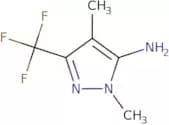
CAS:<p>Versatile small molecule scaffold</p>Formula:C9H7NO4Purity:Min. 95%Molecular weight:193.16 g/mol1,4-Dimethyl-3-(trifluoromethyl)-1H-pyrazol-5-amine
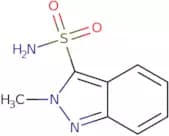
CAS:<p>Versatile small molecule scaffold</p>Formula:C6H8F3N3Purity:Min. 95%Molecular weight:179.14 g/mol2-Methyl-2H-indazole-3-sulfonamide
CAS:<p>Versatile small molecule scaffold</p>Formula:C8H9N3O2SPurity:Min. 95%Molecular weight:211.24 g/mol

![1-Propyl-1-[2-(2,4,6-trichloro-3-hydroxyphenoxy)ethyl]urea](/_next/image/?url=https%3A%2Fstatic.cymitquimica.com%2Fproducts%2F3D%2Fthumb-webp%2FPFA52096.webp&w=3840&q=75)
![2-(Chloromethyl)-4,5,6,7-tetrahydrobenzo[D]oxazole](/_next/image/?url=https%3A%2Fstatic.cymitquimica.com%2Fproducts%2F3D%2Fthumb-webp%2FPFA54915.webp&w=3840&q=75)
![3-Iodo-2-methylbenzo[b]thiophene](/_next/image/?url=https%3A%2Fstatic.cymitquimica.com%2Fproducts%2F3D%2Fthumb-webp%2FPFA62561.webp&w=3840&q=75)
![4-[(1H-Benzimidazol-1-yl)methyl]benzoic acid](/_next/image/?url=https%3A%2Fstatic.cymitquimica.com%2Fproducts%2F3D%2Fthumb-webp%2FPFA74250.webp&w=3840&q=75)
![3-[[[5-(Aminocarbonyl)-1-methyl-3-propyl-1H-pyrazol-4-yl]amino]carbonyl]-4-propoxybenzene](/_next/image/?url=https%3A%2Fstatic.cymitquimica.com%2Fproducts%2F3D%2Fthumb-webp%2FPFA75604.webp&w=3840&q=75)
![2-(4-Methoxyphenyl)-1H-pyrrolo[2,3-b]pyridine](/_next/image/?url=https%3A%2Fstatic.cymitquimica.com%2Fproducts%2F3D%2Fthumb-webp%2FPFA96268.webp&w=3840&q=75)
![4'-Chloro-3-fluoro-[1,1'-biphenyl]-4-carboxylic acid](/_next/image/?url=https%3A%2Fstatic.cymitquimica.com%2Fproducts%2F3D%2Fthumb-webp%2FPFB72293.webp&w=3840&q=75)
![exo-8-Azabicyclo[3.2.1]octane-3-methanol HCl](/_next/image/?url=https%3A%2Fstatic.cymitquimica.com%2Fproducts%2F3D%2Fthumb-webp%2FPFC26420.webp&w=3840&q=75)
![4,4-Difluoro-1-[(4-fluorophenyl)methyl]cyclohexane-1-carboxylic acid](/_next/image/?url=https%3A%2Fstatic.cymitquimica.com%2Fproducts%2F3D%2Fthumb-webp%2FPFC31353.webp&w=3840&q=75)



![[(3S)-6-Fluoro-1,2,3,4-tetrahydroisoquinolin-3-yl]methanol](/_next/image/?url=https%3A%2Fstatic.cymitquimica.com%2Fproducts%2F3D%2Fthumb-webp%2FPFC39115.webp&w=3840&q=75)
![1-{2-Fluoro-4-[(2,4,6-trimethylphenyl)methoxy]phenyl}ethan-1-one](/_next/image/?url=https%3A%2Fstatic.cymitquimica.com%2Fproducts%2F3D%2Fthumb-webp%2FPFC65359.webp&w=3840&q=75)
![6-[(2,2,6,6-Tetramethylpiperidin-4-yl)amino]pyridine-3-carbonitrile](/_next/image/?url=https%3A%2Fstatic.cymitquimica.com%2Fproducts%2F3D%2Fthumb-webp%2FPFC93519.webp&w=3840&q=75)
![(1R,5R)-2-Azabicyclo[3.2.0]heptane hydrochloride](/_next/image/?url=https%3A%2Fstatic.cymitquimica.com%2Fproducts%2F3D%2Fthumb-webp%2FPFE37098.webp&w=3840&q=75)
![[(1R)-1-Isocyanatopropyl]benzene](/_next/image/?url=https%3A%2Fstatic.cymitquimica.com%2Fproducts%2F3D%2Fthumb-webp%2FPGA03311.webp&w=3840&q=75)
![[(1S)-1-Isocyanatopropyl]benzene](/_next/image/?url=https%3A%2Fstatic.cymitquimica.com%2Fproducts%2F3D%2Fthumb-webp%2FPGA03312.webp&w=3840&q=75)


![4,4'-Difluoro-[1,1'-biphenyl]-3-carboxylic acid](/_next/image/?url=https%3A%2Fstatic.cymitquimica.com%2Fproducts%2F3D%2Fthumb-webp%2FPGA16426.webp&w=3840&q=75)
![3-[(Diphenylmethyl)amino]propan-1-ol](/_next/image/?url=https%3A%2Fstatic.cymitquimica.com%2Fproducts%2F3D%2Fthumb-webp%2FPGA16532.webp&w=3840&q=75)

![1-[2,4-Bis(propan-2-yl)phenyl]-2-chloroethan-1-one](/_next/image/?url=https%3A%2Fstatic.cymitquimica.com%2Fproducts%2F3D%2Fthumb-webp%2FPGA16576.webp&w=3840&q=75)


![tert-butyl N-[2-(2-bromoethoxy)ethyl]carbamate](/_next/image/?url=https%3A%2Fstatic.cymitquimica.com%2Fproducts%2F3D%2Fthumb-webp%2FPGA33288.webp&w=3840&q=75)
![N-[(1S,2S)-2-Hydroxy-2,3-dihydro-1H-inden-1-yl]acetamide](/_next/image/?url=https%3A%2Fstatic.cymitquimica.com%2Fproducts%2F3D%2Fthumb-webp%2FPGA34748.webp&w=3840&q=75)


![4-[(4,4-Dimethyl-2,5-dioxoimidazolidin-1-yl)methyl]benzonitrile](/_next/image/?url=https%3A%2Fstatic.cymitquimica.com%2Fproducts%2F3D%2Fthumb-webp%2FPGA64832.webp&w=3840&q=75)
![3-{[4-(Aminomethyl)phenyl]methyl}-5,5-dimethylimidazolidine-2,4-dione hydrochloride](/_next/image/?url=https%3A%2Fstatic.cymitquimica.com%2Fproducts%2F3D%2Fthumb-webp%2FPGA64833.webp&w=3840&q=75)
![1-[4-(Aminomethyl)phenyl]-3,3-dimethylurea](/_next/image/?url=https%3A%2Fstatic.cymitquimica.com%2Fproducts%2F3D%2Fthumb-webp%2FPGA64847.webp&w=3840&q=75)


![2-[(Piperidine-1-carbonyl)amino]benzoic acid](/_next/image/?url=https%3A%2Fstatic.cymitquimica.com%2Fproducts%2F3D%2Fthumb-webp%2FPGA65325.webp&w=3840&q=75)
![Methyl 2-formyl-4H-furo[3,2-b]pyrrole-5-carboxylate](/_next/image/?url=https%3A%2Fstatic.cymitquimica.com%2Fproducts%2F3D%2Fthumb-webp%2FPGA66755.webp&w=3840&q=75)