Building Blocks
This section contains fundamental products for the synthesis of organic and biological compounds. Building blocks are the essential starting materials used to construct complex molecules through various chemical reactions. They play a critical role in drug discovery, material science, and chemical research. At CymitQuimica, we offer a diverse range of high-quality building blocks to support your innovative research and industrial projects, ensuring you have the essential components for successful synthesis.
Subcategories of "Building Blocks"
- Boronic Acids & Boronic Acid Derivatives(5,756 products)
- Chiral Building Blocks(1,242 products)
- Hydrocarbon Building Blocks(6,093 products)
- Organic Building Blocks(60,519 products)
Found 195533 products of "Building Blocks"
Sort by
Purity (%)
0
100
|
0
|
50
|
90
|
95
|
100
1-Benzyl-3-p-tolyltriazene [for Esterification]
CAS:Formula:C14H15N3Purity:>98.0%(T)Color and Shape:White to Yellow to Orange powder to crystalMolecular weight:225.301-(1,2,3,6-Tetrahydro-4-pyridyl)-2-benzimidazolinone
CAS:Formula:C12H13N3OPurity:>97.0%(HPLC)Color and Shape:Light orange to Yellow to Green powder to crystalMolecular weight:215.264-Bromo-m-xylene
CAS:Formula:C8H9BrPurity:>97.0%(GC)Color and Shape:Colorless to Light orange to Yellow clear liquidMolecular weight:185.062-Isopropylnaphthalene
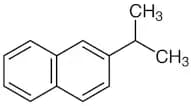
CAS:Formula:C13H14Purity:>95.0%(GC)Color and Shape:Colorless to Light yellow clear liquidMolecular weight:170.262-(2,2-Diethoxyethyl)-1,3-propanediol
CAS:Formula:C9H20O4Purity:>88.0%(GC)Color and Shape:Colorless to Light yellow clear liquidMolecular weight:192.264-(2-Thienyl)piperidine
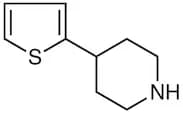
CAS:Formula:C9H13NSPurity:>98.0%(GC)Color and Shape:Light yellow to Brown powder to lumpMolecular weight:167.274-(2-Hydroxyethyl)oxindole
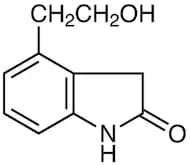
CAS:Formula:C10H11NO2Purity:>98.0%(GC)Color and Shape:White to Orange to Green powder to crystalMolecular weight:177.204-Benzoylpyridine
CAS:<p>4-Benzoylpyridine is a reactive molecule that can undergo electron reduction and protonation. The protonated form of 4-benzoylpyridine has been shown to inhibit the enzyme methionine aminopeptidase, which is involved in the degradation of amino acids. The crystallographic structure of 4-benzoylpyridine was determined by X-ray diffraction and was found to contain nitrogen atoms at the center of its ring. The electron density map showed that there are no hydrogen bonds or lone pairs in 4-benzoylpyridine. This molecule is an inhibitor of the transfer reactions in mitochondria, which are required for ATP synthesis. It has been shown to be cytotoxic to mammalian cells in culture and may have photochemical properties.</p>Formula:C12H9NOPurity:Min. 95%Color and Shape:White PowderMolecular weight:183.21 g/mol2-Amino-3-bromopyrazine
CAS:<p>2-Amino-3-bromopyrazine is a molecule that belongs to the class of pyrazoles. It has been synthesized and optimised for its diffraction properties. The active conformation of 2-amino-3-bromopyrazine has been determined by xanthate methylation and hydrobromide formation. This molecule has been synthesised using a variety of different methods, including an intramolecular hydrogen transfer reaction with methyl derivatives, as well as the use of xanthates. The physicochemical properties of this molecule have also been studied, yielding some interesting results.</p>Formula:C4H4BrN3Purity:Min. 95%Color and Shape:PowderMolecular weight:174.01 g/mol2-Methylquinoline-6-carboxylic Acid
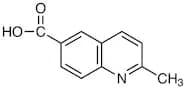
CAS:Formula:C11H9NO2Purity:>98.0%(T)(HPLC)Color and Shape:White to Light yellow to Light orange powder to crystalMolecular weight:187.20α-Bromo-o-xylene
CAS:Formula:C8H9BrPurity:>97.0%(GC)Color and Shape:Colorless to Light yellow clear liquidMolecular weight:185.067-Chloroquinoline-3-carboxylicacid
CAS:<p>7-Chloroquinoline-3-carboxylicacid (7CQCA) is a synthetic compound that has been shown to have regulatory, immunomodulatory, and anticancer properties. It is a potent inhibitor of mammalian DNA polymerase beta and it has been shown to induce apoptosis in human prostate cancer cells by inhibiting the production of cAMP. 7CQCA also inhibits the proliferation of mouse CD1 leukemia cells in vitro and induces apoptosis in these cells. The compound was found to be more effective when used with other agents such as triticum aestivum extract, which may be due to its synergistic interaction with these compounds.</p>Formula:C10H6ClNO2Purity:Min. 95%Color and Shape:Off-White PowderMolecular weight:207.61 g/mol5-Chloro-2-mercaptobenzothiazole
CAS:<p>5-Chloro-2-mercaptobenzothiazole (5CMB) is a thione that binds to hydrogen fluoride (HF) and sodium salts. 5CMB has been used in the synthesis of fluorinated drugs, such as 5-chloro-2-(4'-fluorophenylsulfonyl)benzothiazole, which is used for the treatment of cancer. 5CMB has also been shown to be a potential drug candidate for the treatment of Alzheimer's disease. The structure of 5CMB can be determined using crystallography techniques. Its binding constants with HF and sodium salts can be determined using matrix-assisted laser desorption ionization mass spectrometry (MALDI MS). The toxicity studies of 5CMB have been conducted on animals including mice and rats. These studies show that the LD50 value for 5CMB is 3200 mg/kg bodyweight.</p>Formula:C7H4ClNS2Purity:Min. 98 Area-%Color and Shape:PowderMolecular weight:201.7 g/mol3,4-Dimethoxyphenylacetic acid
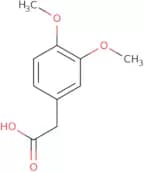
CAS:3,4-Dimethoxyphenylacetic acid is an aromatic acid that has antimicrobial properties. It is used as a food additive for the preservation of meat and poultry. The 3,4-dimethoxyphenyl group in this molecule is an intramolecular hydrogen acceptor. This property allows it to undergo transfer reactions with other molecules, such as protocatechuic acid and lignin. 3,4-Dimethoxyphenylacetic acid also inhibits cellular physiology and can be used in the treatment of bacteria in biological systems. The hydroxyl group can form an acidic compound by reacting with a proton donor, such as water or trifluoroacetic acid (TFA). This reaction may be catalyzed by the enzyme cytochrome P450 reductase.Formula:C10H12O4Purity:Min. 95%Color and Shape:White PowderMolecular weight:196.2 g/mol3,3'-Diindolymethane (synthetic)
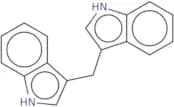
CAS:<p>3,3'-Diindolylmethane, also known as DIM, is natural compound derived from indole. In a recent study, DIM was evaluated as a potential agent for preventing biofilm formation by Streptococcus mutans, which is a major cause of dental caries. The researchers found that DIM significantly inhibited biofilm formation (by 92%) and reduced the production of extracellular polymeric substances (EPS), which are important for biofilm stability particularly under acidic conditions. The study suggests that 3,3'-diindolylmethane has anti-biofilm and anti-virulence properties against S. mutans, and it is a potential candidate for reducing biofilm formation and preventing dental caries.<br>It has been also reported that 3,3'-diindolymethane can act as a chemopreventive agent. DIM has estrogenic effects without interacting with the binding domain of the estrogen receptors. This study found that DIM could suppress cell growth and disrupt cell cycle progression of young adult mouse colonocytes (YAMCs) in vitro. Moreover, DIM altered gene expression associated with apoptosis and cell proliferation, and it induced transcriptional activity of the estrogen receptor (ER), which was inhibited by an ER antagonist.</p>Formula:C17H14N2Purity:Min. 95%Color and Shape:PowderMolecular weight:246.31 g/mol2-Methyltetrahydrothiophene
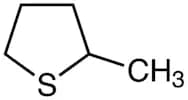
CAS:Formula:C5H10SPurity:>98.0%(GC)Color and Shape:Colorless to Light yellow to Light orange clear liquidMolecular weight:102.20Isoamyl Benzoate
CAS:Formula:C12H16O2Purity:>98.0%(GC)Color and Shape:Colorless clear liquidMolecular weight:192.262-Amino-6-methoxypurine
CAS:<p>Intermediate in the synthesis of nelarabine</p>Formula:C6H7N5OPurity:Min. 95%Color and Shape:PowderMolecular weight:165.15 g/molDiallyl Carbonate
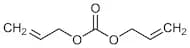
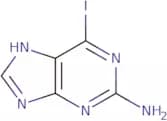
CAS:Formula:C7H10O3Purity:>98.0%(GC)Color and Shape:Colorless to Light yellow clear liquidMolecular weight:142.152-Amino-6-iodopurine
CAS:<p>2-Amino-6-iodopurine is an analog of the purine nucleoside guanine, which has been used to synthesize a variety of boronic acids. The most common use for 2-amino-6-iodopurine is in the synthesis of benzylboronic acid, which can be used as an organometallic reagent in organic synthesis. This compound also has dehydrogenase activity and has been shown to catalyze the conversion of benzoic acid to benzaldehyde, mediated by NADH. 2-Amino-6-iodopurine is found in the biosynthesis of ribonucleotides and deoxyribonucleotides, where it reacts with chloride ions and phosphate groups to form adenylate and xanthosine monophosphates.</p>Formula:C5H4IN5Purity:Min. 95%Color and Shape:PowderMolecular weight:261.02 g/mol
![1-Benzyl-3-p-tolyltriazene [for Esterification]](/_next/image/?url=https%3A%2Fstatic.cymitquimica.com%2Fproducts%2F3B%2Fthumb-webp%2FB0949.webp&w=3840&q=75)