Building Blocks
This section contains fundamental products for the synthesis of organic and biological compounds. Building blocks are the essential starting materials used to construct complex molecules through various chemical reactions. They play a critical role in drug discovery, material science, and chemical research. At CymitQuimica, we offer a diverse range of high-quality building blocks to support your innovative research and industrial projects, ensuring you have the essential components for successful synthesis.
Subcategories of "Building Blocks"
- Boronic Acids & Boronic Acid Derivatives(5,756 products)
- Chiral Building Blocks(1,242 products)
- Hydrocarbon Building Blocks(6,095 products)
- Organic Building Blocks(61,038 products)
Found 196817 products of "Building Blocks"
Sort by
Purity (%)
0
100
|
0
|
50
|
90
|
95
|
100
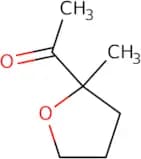
1-(2-Methyloxolan-2-yl)ethan-1-one
CAS:<p>Versatile small molecule scaffold</p>Formula:C7H12O2Purity:Min. 95%Molecular weight:128.17 g/mol4-Methoxybenzenediazonium tetrafluoroborate
CAS:<p>4-Methoxybenzenediazonium tetrafluoroborate is a reactive chemical that is used as a component of a number of reagents, including those used in organic chemistry. This compound has been used as an intermediate for the synthesis of other chemicals, such as 4-methoxybenzenediazonium chloride and 4-methoxybenzenediazonium bromide. 4-Methoxybenzenediazonium tetrafluoroborate is also an excellent building block for complex compounds and fine chemicals. The CAS No. for this chemical is 459-64-3.</p>Formula:C6H16N2Molecular weight:116.2 g/molD-Valine
CAS:<p>D-Valine is a non-essential amino acid that is synthesized from 2-oxoglutarate and glutamine. D-Valine has been shown to be an intermediate in microbial metabolism, where it is converted to L-valine by the enzyme d-amino acid oxidase. It has also been shown to have antihypertensive properties in rat models of hypertension. The synthesis of D-valine from glucose can occur through two different pathways: one involves the conversion of L-glutamic acid to L-alanine then to pyruvic acid, which is then converted to L-lactate and then d-malic acid; the other pathway involves the conversion of L-glutamate to citric acid, which can then be converted into succinic acid and eventually d-malic acid. Structural analysis has revealed that D-valine contains a hydrogen bond between its carboxyl group and nitrogen atom in a neighboring molecule. This hydrogen</p>Formula:C5H11NO2Purity:Min. 95%Color and Shape:White PowderMolecular weight:117.15 g/mol4-Bromo-1-butene
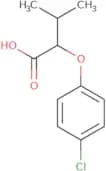
CAS:<p>4-Bromo-1-butene is a useful building block, reaction component, and useful scaffold that can be used in the synthesis of various chemical compounds. This compound is a high quality, complex compound with versatile building blocks that can be used as a reagent in research or as a speciality chemical. 4-Bromo-1-butene has been found to have many uses in the production of other chemicals such as pharmaceuticals, pesticides, and cosmetics.</p>Formula:C3H8INMolecular weight:185.01 g/mol2-(4-Chlorophenoxy)-3-methylbutanoic acid
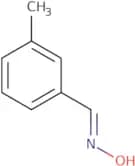
CAS:<p>Versatile small molecule scaffold</p>Formula:C11H13ClO3Purity:Min. 95%Color and Shape:PowderMolecular weight:228.67 g/mol3-Methylbenzaldehyde oxime
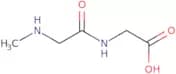
CAS:<p>3-Methylbenzaldehyde oxime is a fine chemical that can be used as a versatile building block. It has the CAS No. 41977-54-2 and is also known as benzoic acid, 3-methyl-, oxime. 3-Methylbenzaldehyde oxime is a complex compound that can be used in research chemicals and reagents. The chemical has been found to have high quality and is useful for making speciality chemicals and useful intermediates. The compound is also a reaction component for use in synthesis of other compounds. 3-Methylbenzaldehyde oxime can be used as a scaffold for drug design and development.</p>Formula:C8H9NOPurity:Min. 95%Color and Shape:Off-White PowderMolecular weight:135.16 g/molSar-Gly-OH
CAS:<p>Sar-Gly-OH is a high quality, reagent chemical that is a useful intermediate in the production of complex compounds. It has CAS No. 38082-72-3 and can be used as a fine chemical, speciality chemical, or research chemical. Sar-Gly-OH is also a versatile building block that can be used in the production of many different types of compounds. It has been shown to be an important reaction component in the synthesis of several types of pharmaceuticals and other organic materials.</p>Formula:C5H10N2O3Purity:Min. 95%Color and Shape:PowderMolecular weight:146.14 g/molDipropyl ether
CAS:<p>Dipropyl ether is a reagent that is used in organic synthesis as a reaction component or building block for the preparation of complex compounds. It is also known to be an intermediate in the production of propylene oxide, which is used in the production of polyurethane. Dipropyl ether has been shown to be useful as a research chemical and speciality chemical. This compound has CAS number 111-43-3 and can be prepared by reacting diethyl ether with propene, acetone, or chloroform.</p>Formula:C4H9NO2SMolecular weight:135.19 g/mol1,2-Diiodoethane
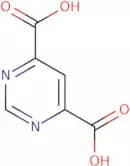
CAS:<p>1,2-Diiodoethane is a useful building block that can be used as a reaction component in organic synthesis. It is also used as a reagent and can be used to produce high quality research chemicals. This chemical has many uses, including as a versatile building block or as an intermediate. 1,2-Diiodoethane is not found naturally in the environment and has been assigned CAS number 624-73-7.</p>Formula:C2H4I2Purity:Min. 98.5 Area-%Molecular weight:281.86 g/mol4,6-Pyrimidinedicarboxylic acid
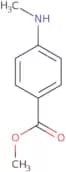
CAS:<p>4,6-pyrimidinedicarboxylic acid is a synthetic compound that is used as a pharmaceutical preparation. It has been shown to have minimal inhibitory concentrations against many bacterial species, including Enterobacteriaceae, Pseudomonas aeruginosa, and Staphylococcus aureus. 4,6-pyrimidinedicarboxylic acid has shown antibacterial activity in the presence of a halogeno or hydroxyl groups. This compound also has matrix metalloproteinase inhibiting activity and can be used to treat degenerative diseases such as cancer or Alzheimer's disease. 4,6-pyrimidinedicarboxylic acid has been studied for its light emitting properties and protein–protein interactions. The light emission properties are due to the intramolecular hydrogen transfer between two hydroxyl groups on the molecule.</p>Formula:C6H4N2O4Purity:Min. 95 Area-%Color and Shape:White Off-White PowderMolecular weight:168.11 g/molMethyl 4-(N-methylamino)benzoate
CAS:<p>Methyl 4-(N-methylamino)benzoate is a substance that inhibits the enzyme DPP-4, which is involved in blood glucose regulation. It has been shown to be effective against certain types of cancer and impurities that may be present in the drug. Methyl 4-(N-methylamino)benzoate is an acidic compound with molecular descriptors that include acidic and amines. This compound also has genotoxic impurities, such as benzofurans, which may affect its efficacy.</p>Formula:C9H11NO2Purity:90%Color and Shape:PowderMolecular weight:165.19 g/molN-Methyl-β-alaninenitrile
CAS:<p>N-Methyl-beta-alaninenitrile is a fine chemical that is used as a versatile building block in the synthesis of complex compounds. It can be used as a reagent to synthesize other chemicals, or as an intermediate in the production of pharmaceuticals. N-Methyl-beta-alaninenitrile is also useful in the synthesis of high quality and useful scaffolds.</p>Formula:C4H8N2Purity:Min. 98.0 Area-%Molecular weight:84.12 g/molMethyl 4-iodosalicylate
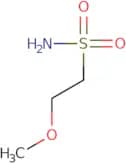
CAS:<p>Methyl 4-iodosalicylate is a redox potential molecule that can be used in the treatment of HIV infections. Studies have shown that methyl 4-iodosalicylate is able to enhance the activity of antiretroviral therapies, and is also able to increase the light emission from fluorophores when combined with sodium triflate. This compound has been shown to have pharmacokinetic properties that are similar to those of salicylic acid. Methyl 4-iodosalicylate has been shown to transport into human erythrocytes, and fluoresce when excited by light with a wavelength of 365 nm.<br>Methyl 4-iodosalicylate has been studied as a possible therapy for various conditions including cancer, arthritis, and heart disease. It may also be useful for improving skin health or for use as a topical antimicrobial agent.</p>Formula:C8H7IO3Purity:Min. 95%Color and Shape:PowderMolecular weight:278.04 g/mol2-Methoxyethanesulfonamide
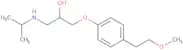
CAS:<p>Versatile small molecule scaffold</p>Formula:C3H9NO3SPurity:Min. 95%Color and Shape:Clear LiquidMolecular weight:139.17 g/molMetoprolol
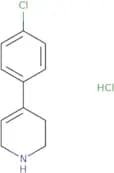
CAS:Controlled Product<p>Metoprolol is a drug that belongs to the group of beta-adrenergic blockers. It is used in the treatment of hypertension, angina pectoris, and heart attack. Metoprolol has been shown to be effective in treating congestive heart failure, high blood pressure and angina pectoris. Metoprolol slows down the heart rate by blocking beta-adrenergic receptors and also decreases the force with which the heart contracts. Metoprolol is not recommended for use in people with liver impairment or severe renal impairment because it can result in hypotension. This drug should not be taken by people who have asthma or suffer from chronic obstructive pulmonary disease (COPD) or who are allergic to metoprolol succinate.</p>Formula:C15H25NO3Purity:Min. 95%Molecular weight:267.36 g/mol4-(4-Chlorophenyl)-1,2,3,6-tetrahydropyridine hydrochloride
CAS:4-(4-Chlorophenyl)-1,2,3,6-tetrahydropyridine hydrochloride is a new chemical that belongs to the group of fine chemicals. It is a versatile building block and an intermediate for research chemicals. 4-(4-Chlorophenyl)-1,2,3,6-tetrahydropyridine hydrochloride has been shown to have a high quality level and can be used as a reagent in the synthesis of complex compounds.Formula:C11H13Cl2NPurity:Min. 95%Color and Shape:PowderMolecular weight:230.13 g/molSodium methanethiolate
CAS:<p>Methanethiol is a compound that occurs naturally in the environment. It is used as a fungicide, insecticide and herbicide. Methanethiol inhibits the growth of microorganisms by binding to metal ions on the surface of cells. This prevents DNA replication and protein synthesis, leading to cell death. Methanethiol also has anti-inflammatory properties which may be due to its ability to inhibit adenosine A1 receptor activity in humans.</p>Formula:CH3NaSPurity:Min. 95%Color and Shape:White PowderMolecular weight:70.09 g/mol3-Hydroxyindole
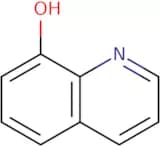
CAS:<p>3-Hydroxyindole is a fine chemical that can be used as a versatile building block, useful intermediate, and research chemical. It is a complex compound that can be used to make compounds with a wide variety of properties. 3-Indole has been used in the synthesis of high quality reagents and as a reaction component. 3-Indole is soluble in water and other solvents such as ethanol and acetone. Its CAS number is 480-93-3.</p>Formula:C8H7NOMolecular weight:133.15 g/mol8-Hydroxyquinoline
CAS:<p>8-HQ, liberated by enzymatic activity, is a strong metal chelator and forms insoluble, grey precipitates with several metal cations such as Fe3+</p>Formula:C9H7NOColor and Shape:PowderMolecular weight:145.16 g/molIndole-3-acetic acid
CAS:<p>Plant growth hormone. Regulates cell membrane electron transport and proton flux, plays important roles in a number of plant activities, including: development of the embryo, leafformation, phototropism, gravitropism, apical dominance, fruit development, abscission, root initiation.</p>Formula:C10H9NO2Purity:Min. 99 Area-%Molecular weight:175.19 g/mol