Building Blocks
This section contains fundamental products for the synthesis of organic and biological compounds. Building blocks are the essential starting materials used to construct complex molecules through various chemical reactions. They play a critical role in drug discovery, material science, and chemical research. At CymitQuimica, we offer a diverse range of high-quality building blocks to support your innovative research and industrial projects, ensuring you have the essential components for successful synthesis.
Subcategories of "Building Blocks"
- Boronic Acids & Boronic Acid Derivatives(5,756 products)
- Chiral Building Blocks(1,242 products)
- Hydrocarbon Building Blocks(6,093 products)
- Organic Building Blocks(60,522 products)
Found 195533 products of "Building Blocks"
Sort by
Purity (%)
0
100
|
0
|
50
|
90
|
95
|
100
Indole-3-acetonitrile
CAS:<p>Indole-3-acetonitrile is a natural product that belongs to the class of antimicrobial agents. It has been shown to have antiinflammatory activity in mice and to inhibit enzyme activities in the plasma of rats. This compound was also found to be an inhibitor of indole synthesis, which may provide insight into its potential use as a therapeutic agent for cancer treatment. Indole-3-acetonitrile has been shown to have antimicrobial properties against galleria mellonella, which are insect larvae that are used as model organisms for research on development and genetics. The biological properties of this compound have been studied using structural analysis and biochemical research.</p>Formula:C10H8N2Purity:Min. 95%Color and Shape:Yellow To Brown SolidMolecular weight:156.18 g/mol3,5,5-Trimethylhexyl Acetate
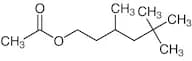
CAS:Formula:C11H22O2Purity:>93.0%(GC)Color and Shape:Colorless to Almost colorless clear liquidMolecular weight:186.304-Bromoisatin
CAS:<p>4-Bromoisatin is a synthetic compound that reversibly inhibits the activity of telomerase and has been shown to be effective against a broad range of bacterial species. It binds to the catalytic site on telomerase and prevents the synthesis of ribonucleotides, which are necessary for DNA replication. 4-Bromoisatin is synthesized by humans, but can also be found in plants such as coffee beans and black tea leaves. The antibacterial properties of 4-bromoisatin may be due to its ability to inhibit the biosynthesis of purine, an essential component in bacterial DNA synthesis.</p>Formula:C8H4BrNO2Purity:Min. 95%Color and Shape:Orange PowderMolecular weight:226.03 g/mol8-Bromo-1-octene
CAS:<p>8-Bromo-1-octene is a biologically active molecule that is an aliphatic hydrocarbon with a hydroxyl group. It is used in the study of growth factors and viruses, and has been shown to inhibit the growth of cells in tissue cultures. 8-Bromo-1-octene has also been shown to inhibit RNA synthesis and protein synthesis in vitro, as well as the growth of recombinant virus. 8-Bromo-1-octene can be synthesized by reacting 6-bromo-1-hexene with hydrogen bromide, or can be obtained from commercially available sources.</p>Formula:C8H15BrPurity:Min. 95%Color and Shape:Colorless Slightly Yellow Clear LiquidMolecular weight:191.11 g/molα-Bromo-o-xylene
CAS:Formula:C8H9BrPurity:>97.0%(GC)Color and Shape:Colorless to Light yellow clear liquidMolecular weight:185.061,10-Undecadiene
CAS:Formula:C11H20Purity:>90.0%(GC)Color and Shape:Colorless to Light yellow clear liquidMolecular weight:152.28Boc-L-Histidine
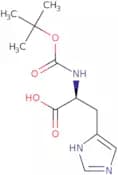
CAS:<p>Boc-L-histidine is a histidine derivative with a boronic acid group that can be used to synthesize imines. It is an organic solvent and can be used in magnetic resonance spectroscopy. Boc-L-histidine has been shown to inhibit the tyrosine activity of tyrosinase, which is involved in melanin synthesis. This compound also inhibits cancer cells by inhibiting the cellular process of protein synthesis and, as such, may be useful for the treatment of cancers.</p>Formula:C11H17N3O4Purity:Min. 98 Area-%Color and Shape:White PowderMolecular weight:255.27 g/molDiethyl Oxalacetate
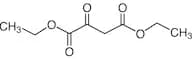
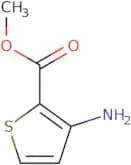
CAS:Formula:C8H12O5Purity:>95.0%(GC)Color and Shape:Colorless to Light yellow clear liquidMolecular weight:188.183-Amino-2-thiophenecarboxylic acid methyl ester
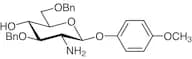
CAS:<p>3-Amino-2-thiophenecarboxylic acid methyl ester is a replication inhibitor that targets hydroxyl groups in the mitochondrial membrane. It has been shown to induce a decrease in the mitochondrial membrane potential, leading to a loss of cell viability and an increase in locomotor activity. 3-Amino-2-thiophenecarboxylic acid methyl ester also induces apoptosis by inhibiting the expression of cyclin D1 and Bcl-XL proteins, which are key regulators of cancer cell proliferation. 3-Amino-2-thiophenecarboxylic acid methyl ester is able to inhibit cancer cell growth in vitro, which may be due to its ability to inhibit h3 acetylation and MDA-MB231 cell proliferation. 3-Amino-2-thiophenecarboxylic acid methyl ester also has antiinflammatory effects by modulating inflammation pathways such as NFκB signaling.</p>Formula:C6H7NO2SPurity:Min. 95%Color and Shape:PowderMolecular weight:157.19 g/mol4-Methoxyphenyl 2-Amino-3,6-di-O-benzyl-2-deoxy-β-D-glucopyranoside
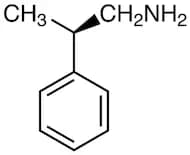
CAS:Formula:C27H31NO6Color and Shape:White to Almost white powder to crystalMolecular weight:465.55(R)-(+)-β-Methylphenethylamine
CAS:Formula:C9H13NPurity:>98.0%(GC)(T)Color and Shape:Colorless to Almost colorless clear liquidMolecular weight:135.212-Iodo-3-fluoronitrobenzene
CAS:<p>2-Iodo-3-fluoronitrobenzene is a chemical compound that is used as a building block for the synthesis of pharmaceuticals, agrochemicals and other organic compounds. It is also used as a reagent in organic synthesis. This compound can be used as a reactant to produce various products with different functional groups. 2-Iodo-3-fluoronitrobenzene has a high quality and versatility, which makes it useful in the synthesis of many different types of molecules.</p>Formula:C6H3FINO2Purity:Min. 95%Color and Shape:White PowderMolecular weight:267 g/molBoc-1-amino-3,6-dioxa-8-octanediamine
CAS:<p>Boc-1-amino-3,6-dioxa-8-octanediamine is a linker used to attach targeting moieties to drugs. It is capable of binding iron, chlorine and other metals. Boc-1-amino-3,6-dioxa-8-octanediamine has been shown to be a useful tool for the development of novel cancer treatments by enhancing the uptake of chemotherapeutic agents in tumor tissue. This linker can be modified with functional groups such as amines and carboxyls that allow it to bind various types of molecules. The cellular distribution of this compound is not well understood due to its lack of availability in cell culture models.</p>Formula:C11H24N2O4Purity:Min. 95%Color and Shape:Red Clear LiquidMolecular weight:248.32 g/mol3-Bromo-5-hydroxypyridine
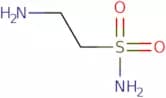
CAS:<p>3-Bromo-5-hydroxypyridine is a nicotinic acetylcholine receptor ligand that has been shown to be an analog of acetylcholine. It binds to the nicotinic acetylcholine receptors, which are found in the neuromuscular junction and autonomic ganglia. 3-Bromo-5-hydroxypyridine can be used as a probe for studying the function of acetylcholine receptors. This drug has also been shown to have anti-tumor activity in vivo and to inhibit the growth of tumor cells in vitro. 3-Bromo-5-hydroxypyridine inhibits cancer cell proliferation by binding to the cholinergic receptor on tumor cells and interfering with its function.</p>Formula:C5H4BrNOPurity:Min. 95%Color and Shape:PowderMolecular weight:174 g/mol2-Aminoethanesulfonamide
CAS:<p>2-Aminoethanesulfonamide is a drug that has been shown to have biological properties. It is used for the treatment of bowel disease and has been shown to be effective in treating some cases of congestive heart failure. 2-Aminoethanesulfonamide interacts with drugs such as sodium citrate and dextran sulfate, which can lead to drug interactions. It also inhibits the enzyme activities in bone cancer cells, which may contribute to its anticancer effects. This drug has been shown to have anti-inflammatory properties and may be beneficial in treating inflammatory bowel disease (IBD).</p>Formula:C2H8N2O2SPurity:Min. 95%Color and Shape:Off-White PowderMolecular weight:124.16 g/mol2-Acetylpyrazine
CAS:<p>2-Acetylpyrazine is a nitrogen containing compound that has been used in biological studies. 2-Acetylpyrazine has been shown to have inhibitory properties against the growth of prostate cancer cells and other cell lines. It also inhibits the production of fatty acids and epidermal growth factor, which are important for cellular proliferation. The inhibition is due to the photochemical properties of 2-acetylpyrazine, which cause the formation of reactive species that react with biological molecules. The reactive species may be generated by either a reaction mechanism or a reaction pathway that involve coordination geometry.<br>2-acetylpyrazine has also been used as a fluorescence probe for fatty acid detection in lipid bilayers and liposomes.</p>Formula:C6H6N2OPurity:Min. 95%Color and Shape:PowderMolecular weight:122.12 g/molBoc-N-Ethylglycine
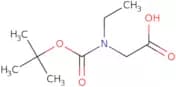
CAS:<p>Building block</p>Formula:C9H17NO4Purity:Min. 95%Color and Shape:White PowderMolecular weight:203.24 g/mol4-Bromo-m-xylene
CAS:Formula:C8H9BrPurity:>97.0%(GC)Color and Shape:Colorless to Light orange to Yellow clear liquidMolecular weight:185.06Neu5Ac[1Me,4789Ac]α(2-6)Gal[24Bz,3Bn]-β-MP
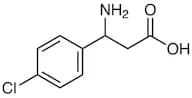
CAS:Formula:C54H59NO21Purity:>95.0%(HPLC)Color and Shape:White to Almost white powder to crystalMolecular weight:1,058.053-Amino-3-(4-chlorophenyl)propionic Acid
CAS:Formula:C9H10ClNO2Purity:>97.0%(T)(HPLC)Color and Shape:White to Almost white powder to crystalMolecular weight:199.63









![Neu5Ac[1Me,4789Ac]α(2-6)Gal[24Bz,3Bn]-β-MP](/_next/image/?url=https%3A%2Fstatic.cymitquimica.com%2Fproducts%2F3B%2Fthumb-webp%2FM1761.webp&w=3840&q=75)