Building Blocks
This section contains fundamental products for the synthesis of organic and biological compounds. Building blocks are the essential starting materials used to construct complex molecules through various chemical reactions. They play a critical role in drug discovery, material science, and chemical research. At CymitQuimica, we offer a diverse range of high-quality building blocks to support your innovative research and industrial projects, ensuring you have the essential components for successful synthesis.
Subcategories of "Building Blocks"
- Boronic Acids & Boronic Acid Derivatives(5,756 products)
- Chiral Building Blocks(1,242 products)
- Hydrocarbon Building Blocks(6,095 products)
- Organic Building Blocks(61,038 products)
Found 196817 products of "Building Blocks"
Sort by
Purity (%)
0
100
|
0
|
50
|
90
|
95
|
100
2-Methyl-3-morpholin-4-yl-propionic acid hydrochloride
CAS:<p>2-Methyl-3-morpholin-4-yl-propionic acid hydrochloride is a reagent that can be used in the synthesis of various compounds. It is also a building block for the preparation of complex compounds and fine chemicals. The CAS number for this chemical is 1052522-32-3.</p>Formula:C8H16ClNO3Purity:Min. 95%Color and Shape:PowderMolecular weight:209.67 g/mol2-(1-Phenylcyclopropyl)propan-2-amine
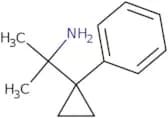
CAS:<p>2-(1-Phenylcyclopropyl)propan-2-amine is a versatile building block with a wide range of applications. It can be used as an intermediate for the synthesis of various chemical compounds, as well as a research chemical in laboratories. 2-(1-Phenylcyclopropyl)propan-2-amine is also known to possess high purity and quality, and is an excellent reagent for use in many reactions.</p>Formula:C12H17NPurity:Min. 95%Color and Shape:Clear LiquidMolecular weight:175.27 g/mol4-dibenzocyclooctynol
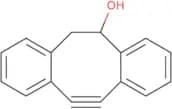
CAS:<p>4-Dibenzocyclooctynol (4DC) is a synthetic compound that has been shown to be an efficient crosslinker for proteins. It is a ring-opening polymerization agent that reacts with amines and thiols, which are chemical groups found on the side chains of amino acids in proteins. 4DC has been used for the histological analysis of cells, and it has also been used as a pharmacological treatment for Parkinson's disease. 4DC can bind to dopamine receptors, stabilizing them and preventing the degeneration of neurons in the brain. This drug also has potential applications in medical research as a tool for studying glycoconjugates and molecular modeling.</p>Formula:C16H12OPurity:Min. 95%Color and Shape:PowderMolecular weight:220.27 g/mol5-methyl-octahydro-1H-pyrrolo[3,4-c]pyridine Dihydrochloride
CAS:<p>Versatile small molecule scaffold</p>Formula:C8H16N2·2HClPurity:Min. 95%Color and Shape:PowderMolecular weight:213.14 g/molGlutamic acid
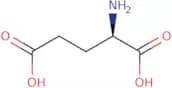
CAS:<p>Glutamic acid is a non-essential amino acid that is present in all cells. It is one of the most abundant amino acids and plays an important role in the biochemical properties and biological properties of living organisms. Glutamic acid has been found to be an important neurotransmitter and is involved in neuronal activity, which can lead to death. It also has been shown to be a potent inhibitor of DNA polymerase, which may explain the structural analysis of glutamic acid as a divalent cation coordination-activator molecule. Glutamate can be used as a model system for studying glutamate receptor function and its optimum concentration is determined using vitro assays. The dinucleotide phosphate (NADPH) oxidase pathway may be involved in the toxicity of glutamic acid as it produces reactive oxygen species.</p>Formula:C5H9NO4Purity:Min. 95%Color and Shape:White PowderMolecular weight:147.13 g/molGuanine
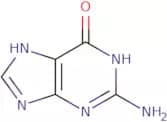
CAS:<p>Guanine is a purine base that is found in the DNA and RNA of all living cells. It plays an important role as a component of the nucleic acid molecule, where it is paired with cytosine. Guanine is involved in many chemical reactions and biological processes, including protein synthesis and cell division. The lack of guanine can lead to deficiency symptoms such as hemolytic anemia or erythrocyte cytoplasmic inclusion bodies. Guanine has been shown to have chemiluminescent properties, which can be used to detect its presence in samples containing DNA or RNA. This reaction occurs when guanine reacts with hydrogen peroxide (H2O2) to form guanidine (HN=C(NH2)NH2). The reaction produces excited states that emit light at a wavelength of 395 nm when they return to their ground state. Guanidine also has electrochemical impedance spectroscopy properties, which can be used for analytical purposes</p>Formula:C5H5N5OPurity:Min. 98 Area-%Color and Shape:PowderMolecular weight:151.13 g/mol4-Hydroxyacetophenone oxime
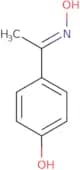
CAS:<p>4-Hydroxyacetophenone oxime is a reactive amide that can be synthesized by the Suzuki coupling of 4-hydroxyacetophenone and an allyl bromide. This product reacts with aluminium, chloride, and hydrochloric acid to produce a nucleophilic attack. The reaction products are alkanoic acids, which are recycled for use in the next process in this synthetic process. Trifluoroacetic acid is used as a catalyst, protonating the 4-hydoxyacetophenone oxime and producing trifluoroacetic anhydride.</p>Formula:C8H9NO2Purity:Min. 95%Color and Shape:PowderMolecular weight:151.16 g/molH-Gly-Gly-Gly-NH2·HCl
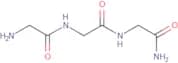
CAS:<p>Glycine is a non-essential amino acid with a pKa of 9.3. It is a building block of proteins and can be used to synthesize polypeptides. Glycine has been shown to function as an antigen in humans and has been used in pharmaceutical preparations and clinical studies as an immunological agent, such as in the treatment of hepatitis B virus infection. Glycine is also a component of protonated glycoconjugates, which are found in human serum. In addition to its role as an important amino acid, glycine is also an important molecule for kinetic studies because it has a high transfer rate between molecules and macrocyclic structures. This transfer rate can be used to study the conjugation reactions that occur with fluorescent compounds, like fluorescein, which can be used for labeling antibodies.</p>Formula:C6H12N4O3·HClPurity:Min. 95%Color and Shape:PowderMolecular weight:224.65 g/molH-Glu(pNA)-OH
CAS:<p>Gamma-GPNA is a highly specific and sensitive substrate commonly employed for assessing gamma-glutamyl transferase activity in both serum and tissues, particularly through automated colorimetric methods. In this context, the dipeptide Gly-Gly serves as the glutamyl acceptor, facilitating the enzymatic reaction and subsequent detection of gamma-glutamyl transferase activity. This substrate has been widely utilized in enzymatic assays due to its specificity and sensitivity, allowing for accurate determination of gamma-glutamyl transferase levels in various biological samples.</p>Formula:C11H13N3O5Purity:Min. 95%Color and Shape:PowderMolecular weight:267.24 g/molGallic acid anhydrous
CAS:<p>Gallic acid anhydrous is a compound that is found in plants and has antioxidant properties. Gallic acid anhydrous can be used as a model system for the study of electrochemical impedance spectroscopy. It has shown to have anti-cancer activity in vitro, but not in vivo, against squamous carcinoma cells. In addition, gallic acid anhydrous has been shown to inhibit oral pathogens and to scavenge anion radicals. Gallic acid anhydrous may have structural similarities to procyanidin B4, which is important for its antioxidant activity.</p>Formula:C7H6O5Purity:Min. 99 Area-%Color and Shape:White PowderMolecular weight:170.12 g/molGlycine ethyl ester hydrochloride
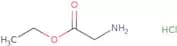
CAS:<p>Used with EDC for carboxyl-foot printing studies of proteins</p>Formula:C4H9NO2•HClPurity:Min. 95%Color and Shape:PowderMolecular weight:139.58 g/mol2-Hydroxy-3,4-dimethoxybenzaldehyde
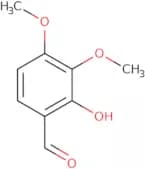
CAS:<p>2-Hydroxy-3,4-dimethoxybenzaldehyde is a molecule that has an acidic character. It has been shown to be able to form a copper complex with good optical properties. A method using this compound as the monomer was found to be efficient for synthesizing polymers with size exclusion chromatography. 2-Hydroxy-3,4-dimethoxybenzaldehyde is a monocarboxylic acid that contains an aliphatic hydrocarbon and hydroxyl group. It can also act as a monomer in polymerization reactions and can be used in chemical structures such as multidrugs, which are made from large molecules of different types of atoms. The acid catalyst is required for these reactions to take place.</p>Formula:C9H10O4Purity:Min. 95%Color and Shape:PowderMolecular weight:182.17 g/molGemcitabine monophosphate disodium monohydrate
CAS:<p>Please enquire for more information about Gemcitabine monophosphate disodium monohydrate including the price, delivery time and more detailed product information at the technical inquiry form on this page</p>Formula:C9H12F2N3O7P•Na2•H2OPurity:90%Min By HplcColor and Shape:PowderMolecular weight:407.16 g/molGentisic acid sodium salt hydrate
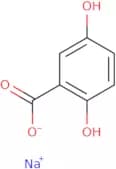
CAS:<p>Gentisic acid sodium salt hydrate is a benzoate that is used as a diagnostic agent in the study of inflammatory bowel disease. Gentisic acid sodium salt hydrate is a sodium salt of gentisic acid and has been shown to have anti-inflammatory properties. It is used as a stabilizer for solid dispersions, such as capsules, tablets, and granules. Gentisic acid sodium salt hydrate also has the ability to prevent degradation of certain drugs by hydrolysis or oxidation. Gentisic acid sodium salt hydrate can be synthesized from 2,6-dihydroxybenzoic acid (2,6-DHB) and hippuric acid.</p>Formula:C7H5NaO4·xH2OPurity:Min. 98 Area-%Color and Shape:White PowderMolecular weight:176.1 g/molGuaiazulene
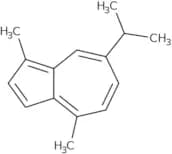
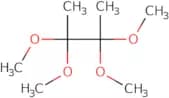
CAS:<p>愈创木菊烯或甘蓝酮是菊烯的衍生物,是用于药品和化妆品的活性成分。它是在愈创木精油中发现的一种天然化合物,由于其抗氧化特性,历史上一直用于药用。愈创木菊烯也是一种具有免疫抑制特性的抗炎药,已用于治疗慢性炎症和食管念珠菌病。已经证明,愈创木菊烯可以作为细胞毒性剂以及脂质过氧化和六氟磷酸盐诱导的 DNA 损伤的抑制剂。此外,它还能抑制肿瘤生长并对口腔病原体表现出抗菌活性。一些研究表明,愈创木菊烯可能用于治疗关节炎等慢性疾病和作为干细胞相关治疗,取得了有希望的结果。</p>Formula:C15H18Purity:(Gc) Min. 99.00%Color and Shape:PowderMolecular weight:198.3 g/mol2,2,3,3-Tetramethoxybutane
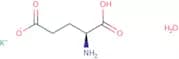
CAS:<p>The butane analog with CAS 176798-33-7 is a useful research chemical used in organic synthesis.</p>Formula:C8H18O4Purity:Min. 95%Color and Shape:Colourless LiquidMolecular weight:178.23 g/molL-Glutamic acid monopotassium salt monohydrate
CAS:<p>Amino acid; neurotransmitter; flavor enhancer</p>Formula:C5H8KNO4·H2OColor and Shape:White PowderMolecular weight:203.23 g/moln-Heptyl 4-hydroxybenzoate
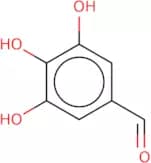
CAS:<p>n-Heptyl 4-hydroxybenzoate is a preservative and antimicrobial agent that is used in cosmetics, pharmaceuticals, and food. It is primarily used to inhibit the growth of bacteria and fungi. The mechanism by which heptyl 4-hydroxybenzoate inhibits the growth of microorganisms is not well understood. It has been shown to be an effective inhibitor of Gram-positive bacteria such as Bacillus subtilis, but not against Gram-negative bacteria such as Escherichia coli. Heptyl 4-hydroxybenzoate has been shown to have no effect on the growth of probiotic bacteria such as Lactobacillus acidophilus.<br>The chemical structure of n-heptyl 4-hydroxybenzoate includes a glycol ether moiety and two parabens that are linked by hydrogen bonds. These bonds can be broken by enzymes found in rat liver microsomes, leading to the release of n-</p>Formula:C14H20O3Purity:Min. 95%Color and Shape:White Off-White PowderMolecular weight:236.31 g/molGallaldehyde hemihydrate
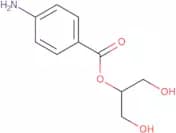
CAS:<p>Gallaldehyde hemihydrate is a bioactive phenolic compound that inhibits the tyrosine kinase domain of the epidermal growth factor receptor (EGFR). It has been shown to inhibit tumor cell growth and induce apoptosis in cancer tissues. Gallaldehyde hemihydrate has also been found in lentils, which might be used as a potential biomarker for this compound. The optimum pH for gallaldehyde hemihydrate is between 2.0-4.0, and it can bind to cation channels and act as a potential biomarker for skin cancer cells.</p>Formula:C7H6O4Purity:Min. 95%Color and Shape:PowderMolecular weight:154.12 g/molGlyceryl-4-aminobenzoate monomer
CAS:<p>Glyceryl-4-aminobenzoate monomer is a fine chemical that is an important building block in the synthesis of a variety of complex compounds. It has been used as a reagent and intermediate in research and development of pharmaceuticals and agrochemicals. Glyceryl-4-aminobenzoate monomer is a versatile building block, which can be used to form polymers, coatings, adhesives, elastomers, polyurethanes, and more. The compound also has been shown to have anticancer activity against human breast cancer cells.</p>Formula:C10H13NO4Purity:Min. 75 Area-%Color and Shape:Off-white to beige solid.Molecular weight:211.21 g/mol


![5-methyl-octahydro-1H-pyrrolo[3,4-c]pyridine Dihydrochloride](/_next/image/?url=https%3A%2Fstatic.cymitquimica.com%2Fproducts%2F3D%2Fthumb-webp%2FDXC59804.webp&w=3840&q=75)