Building Blocks
This section contains fundamental products for the synthesis of organic and biological compounds. Building blocks are the essential starting materials used to construct complex molecules through various chemical reactions. They play a critical role in drug discovery, material science, and chemical research. At CymitQuimica, we offer a diverse range of high-quality building blocks to support your innovative research and industrial projects, ensuring you have the essential components for successful synthesis.
Subcategories of "Building Blocks"
- Boronic Acids & Boronic Acid Derivatives(5,756 products)
- Chiral Building Blocks(1,242 products)
- Hydrocarbon Building Blocks(6,095 products)
- Organic Building Blocks(61,038 products)
Found 196817 products of "Building Blocks"
Sort by
Purity (%)
0
100
|
0
|
50
|
90
|
95
|
100
6-Chloro-N1,N1-dimethylbenzene-1,3-diamine
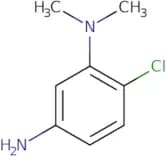
CAS:<p>6-Chloro-N1,N1-dimethylbenzene-1,3-diamine is a reagent that has been used as a building block in the synthesis of complex compounds and speciality chemicals. It is an intermediate that has been used in the synthesis of heterocycles and polymers. 6-Chloro-N1,N1-dimethylbenzene-1,3-diamine is also a versatile building block with many potential applications in organic chemistry. It can be used as a starting material for the synthesis of pharmaceuticals and other fine chemicals. In addition, this compound is also available for research purposes.</p>Formula:C8H11ClN2Purity:Min. 95%Color and Shape:PowderMolecular weight:170.64 g/mol4-(Hydroxymethyl)benzamide
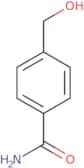
CAS:<p>4-(Hydroxymethyl)benzamide is a heterocyclic compound that is activated with sodium borohydride. It can be used in the synthesis of peptides, which are chains of amino acids. 4-(Hydroxymethyl)benzamide has been shown to have a high efficiency for the synthesis of peptides and has been shown to be an excellent reactant for manual peptide synthesis. Kinetics studies have also shown that this reagent is more effective than other deprotecting agents such as hydrochloric acid. This compound has been found to be useful in the analysis of amino acids and can be used in the ligation reaction during peptide synthesis. The deprotection reactions catalyzed by 4-(Hydroxymethyl)benzamide are typically carried out at room temperature, although solvents such as dichloromethane or chloroform can be used instead if necessary.</p>Formula:C8H9NO2Purity:Min. 95%Molecular weight:151.16 g/mol1-Azaspiro[3.5]nonane
CAS:<p>1-Azaspiro[3.5]nonane is a versatile building block with many uses in research and industrial chemistry. It can be used as a reagent for the synthesis of various organic compounds, or as an intermediate to synthesize more complex molecules. 1-Azaspiro[3.5]nonane is a high quality compound that is sold at a competitive price. The versatility of this compound makes it useful in many different reactions, and it can be used as a scaffold for the construction of more complex structures.</p>Formula:C8H15NPurity:Min. 95%Color and Shape:Clear LiquidMolecular weight:125.21 g/mol1-[3-(Trifluoromethyl)phenyl]-1H-1,2,3-triazole-4-carboxylic acid
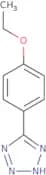
CAS:<p>1-[3-(Trifluoromethyl)phenyl]-1H-1,2,3-triazole-4-carboxylic acid (TFTCA) is a versatile building block used as a reagent in research and speciality chemical synthesis. TFTCA is used as a reactant in the synthesis of complex compounds and can be used as an intermediate or scaffold. The compound has been used to synthesize drugs such as 3,5-dichloro-N-(3-(trifluoromethyl)phenyl)-2-thiophenecarboxamide (PF23410), which is a potent inhibitor of protein kinase C.</p>Formula:C10H6F3N3O2Purity:Min. 95%Color and Shape:PowderMolecular weight:257.17 g/mol5-(4-Ethoxyphenyl)-2H-1,2,3,4-tetrazole
CAS:<p>Versatile small molecule scaffold</p>Formula:C9H10N4OPurity:Min. 95%Color and Shape:PowderMolecular weight:190.2 g/mol2-{[3-(3-Chlorophenyl)-1,2,4-oxadiazol-5-yl]sulfanyl}acetic acid
CAS:<p>2-{[3-(3-Chlorophenyl)-1,2,4-oxadiazol-5-yl]sulfanyl}acetic acid (SDZ EAA) is a monoclonal antibody that binds to mitochondrial membrane proteins. SDZ EAA can be used to detect the damaged mitochondrial membrane potential and transfer reactions in cancer tissues. SDZ EAA has been shown to cause genotoxic effects in vitro, including the induction of DNA strand breaks and chromosomal aberrations. It also causes metabolic disorders such as cardiac hypertrophy and an increase in proton levels. SDZ EAA has been shown to inhibit the synthesis of ATP through inhibition of the polymerase chain reaction and electron transport chain activity.</p>Formula:C10H7ClN2O3SPurity:Min. 95%Color and Shape:PowderMolecular weight:270.69 g/mol7-Methyl-2,7-diazaspiro[3.5]nonane dihydrochloride
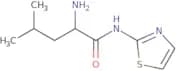
CAS:<p>7-Methyl-2,7-diazaspiro[3.5]nonane dihydrochloride is a fine chemical that is used as a versatile building block in the synthesis of complex compounds. It has CAS No. 1588441-26-2 and can be used as a research chemical, reagent, or speciality chemical. This compound is useful for the production of high quality and useful intermediates and reaction components. 7-Methyl-2,7-diazaspiro[3.5]nonane dihydrochloride also has scaffold properties that can be used to synthesize other organic molecules with potential use as pharmaceuticals or agrochemicals.</p>Formula:C8H16N2•(HCl)2Purity:Min. 95%Color and Shape:PowderMolecular weight:213.15 g/mol2-Amino-4-methyl-N-(1,3-thiazol-2-yl)pentanamide
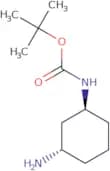
CAS:<p>Versatile small molecule scaffold</p>Formula:C9H15N3OSPurity:Min. 95%Color and Shape:PowderMolecular weight:213.3 g/mol(1S,3S)-1-(Boc-amino)cyclohexan-3-amine
CAS:<p>Versatile small molecule scaffold</p>Formula:C11H22N2O2Purity:Min. 95%Molecular weight:214.3 g/molPutrescine dihydrochloride
CAS:<p>Putrescine is a polyamine plant growth regulator affecting the synthesis of macromolecules. Promotes adventitious root formation. Precursor of spermidine.</p>Formula:C4H14Cl2N2Purity:Min. 98.0 Area-%Molecular weight:161.08 g/molRef: 3D-P-8000
1kgTo inquire5kgTo inquire10kgTo inquire25kgTo inquire2500gTo inquire-Unit-kgkgTo inquire5-Phenoxypyridin-2-amine
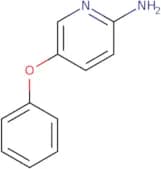
CAS:<p>5-Phenoxypyridin-2-amine is a useful scaffold that can be used as a reaction component, reagent, or intermediate. It is an aromatic compound with a benzene ring and pyridine group and has the CAS number 64064-68-2. 5-Phenoxypyridin-2-amine can be used as a building block for organic synthesis and as an intermediate for other compounds. This product can also be used to create complex compounds that are difficult to synthesize in other ways.</p>Formula:C11H10N2OPurity:Min. 95%Color and Shape:PowderMolecular weight:186.21 g/mol5-Methoxy-D-tryptophan
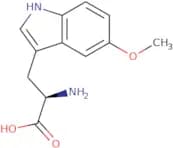
CAS:<p>5-Methoxy-D-tryptophan is a biaryl amino acid derivative that belongs to the class of alkaloids. It is a chiral monomeric building block derived from D-tryptophan. 5-Methoxy-D-tryptophan is commonly used in research chemicals and has been found in natural products such as lochnerine and indole. This compound exhibits unique properties and can be utilized for various applications in the field of chemistry and biochemistry. Its versatility makes it an essential component for researchers and scientists looking to explore new avenues in their studies.</p>Formula:C12H14N2O3Purity:Min. 95%Color and Shape:PowderMolecular weight:234.25 g/molCis-2-Benzyltetrahydropyrrolo[3,4-C]Pyrrole-1,3(2H,3Ah)-Dione
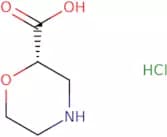
CAS:<p>Cis-2-Benzyltetrahydropyrrolo[3,4-C]Pyrrole-1,3(2H,3Ah)-Dione is a compound that is used as a chemical intermediate in the research and development of new medicines. It has been shown to be an effective building block for the synthesis of complex compounds with interesting biological activity.</p>Formula:C13H14N2O2Purity:Min. 95%Color and Shape:PowderMolecular weight:230.26 g/mol(S)-Morpholine-2-carboxylic acid hydrochloride
CAS:<p>Versatile small molecule scaffold</p>Formula:C5H10ClNO3Purity:Min. 95%Color and Shape:PowderMolecular weight:167.59 g/mol(3-Isopropyl-[1,2,4]oxadiazol-5-yl)-acetonitrile
CAS:<p>Heterocycle with nitrile functional handle</p>Formula:C7H9N3OPurity:Min. 95%Color and Shape:PowderMolecular weight:151.17 g/mol4-Cyclopentylbenzaldehyde
CAS:<p>4-Cyclopentylbenzaldehyde is a homologous compound that is used in the synthesis of other compounds. It is an organic compound with a monoxide group and a cyclohexenyl group. 4-Cyclopentylbenzaldehyde can be prepared by the oxidation of benzene or by the formylation of cyclohexene. This compound can be used in acylation reactions. The yields of this chemical are high, which makes it useful for laboratory purposes. 4-Cyclopentylbenzaldehyde has been shown to undergo carbonylation reactions and catalysis at higher temperatures and pressures. It also reacts with mesitylene, although not toluene, under these conditions.</p>Formula:C12H14OPurity:Min. 95%Color and Shape:PowderMolecular weight:174.24 g/mol4-Methyl-7-(methylamino)-2H-chromen-2-one
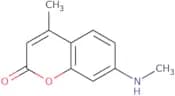
CAS:<p>4-Methyl-7-(methylamino)-2H-chromen-2-one is a fine chemical that is used as a building block in the synthesis of other compounds. It has been used in research as a reagent and in the production of pharmaceuticals. 4-Methyl-7-(methylamino)-2H-chromen-2-one can be used to produce a variety of complex compounds, including those with versatile scaffolds. This compound has been shown to react with many different groups, such as alcohols, amines and thiols, which makes it an excellent intermediate for organic synthesis.</p>Formula:C11H11NO2Purity:Min. 95%Color and Shape:PowderMolecular weight:189.21 g/molMethyl 4-(2-chloroethyl)benzoate
CAS:<p>Versatile small molecule scaffold</p>Formula:C10H11ClO2Purity:Min. 95%Molecular weight:198.65 g/mol8-Aminoquinoline-3-carboxylic acid
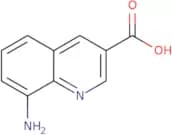
CAS:<p>8-Aminoquinoline-3-carboxylic acid is a small molecule that inhibits the activity of the enzyme, catechol-O-methyltransferase (COMT), which is responsible for the demethylation of dopamine. 8-Aminoquinoline-3-carboxylic acid has been shown to be potent and selective in inhibiting COMT and thereby preventing the degradation of dopamine. This compound has been used in screening assays to identify other small molecules that can act as COMT inhibitors. The role of COMT in neurodegenerative diseases such as Parkinson's disease and Alzheimer's disease has been investigated using this inhibitor as a model system. 8-Aminoquinoline-3-carboxylic acid also binds to methylated DNA, which may explain its effect on cellular growth factor signaling pathways.</p>Formula:C10H8N2O2Purity:Min. 95%Color and Shape:PowderMolecular weight:188.19 g/molMethyl 4-hydroxy-1-methyl-2-oxo-1,2-dihydropyridine-3-carboxylate
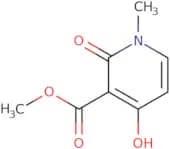
CAS:<p>Methyl 4-hydroxy-1-methyl-2-oxo-1,2-dihydropyridine-3-carboxylate is a versatile building block that is used in the synthesis of complex compounds. It is also a reagent and speciality chemical that can be used as a reaction component or scaffold in chemical research. Methyl 4-hydroxy-1-methyl-2-oxo-1,2 -dihydropyridine 3 carboxylate is an intermediate in the synthesis of various pharmaceuticals, agrochemicals, and fine chemicals. This compound has been shown to be useful for the synthesis of natural products such as pseudodipeptides.</p>Formula:C8H9NO4Purity:Min. 95%Color and Shape:PowderMolecular weight:183.16 g/mol

![1-Azaspiro[3.5]nonane](/_next/image/?url=https%3A%2Fstatic.cymitquimica.com%2Fproducts%2F3D%2Fthumb-webp%2FNAA37455.webp&w=3840&q=75)
![1-[3-(Trifluoromethyl)phenyl]-1H-1,2,3-triazole-4-carboxylic acid](/_next/image/?url=https%3A%2Fstatic.cymitquimica.com%2Fproducts%2F3D%2Fthumb-webp%2FNEA93433.webp&w=3840&q=75)
![2-{[3-(3-Chlorophenyl)-1,2,4-oxadiazol-5-yl]sulfanyl}acetic acid](/_next/image/?url=https%3A%2Fstatic.cymitquimica.com%2Fproducts%2F3D%2Fthumb-webp%2FNNA74611.webp&w=3840&q=75)
![7-Methyl-2,7-diazaspiro[3.5]nonane dihydrochloride](/_next/image/?url=https%3A%2Fstatic.cymitquimica.com%2Fproducts%2F3D%2Fthumb-webp%2FNNC44126.webp&w=3840&q=75)

![Cis-2-Benzyltetrahydropyrrolo[3,4-C]Pyrrole-1,3(2H,3Ah)-Dione](/_next/image/?url=https%3A%2Fstatic.cymitquimica.com%2Fproducts%2F3D%2Fthumb-webp%2FPHA34840.webp&w=3840&q=75)
![(3-Isopropyl-[1,2,4]oxadiazol-5-yl)-acetonitrile](/_next/image/?url=https%3A%2Fstatic.cymitquimica.com%2Fproducts%2F3D%2Fthumb-webp%2FPZB75236.webp&w=3840&q=75)