Building Blocks
This section contains fundamental products for the synthesis of organic and biological compounds. Building blocks are the essential starting materials used to construct complex molecules through various chemical reactions. They play a critical role in drug discovery, material science, and chemical research. At CymitQuimica, we offer a diverse range of high-quality building blocks to support your innovative research and industrial projects, ensuring you have the essential components for successful synthesis.
Subcategories of "Building Blocks"
- Boronic Acids & Boronic Acid Derivatives(5,756 products)
- Chiral Building Blocks(1,242 products)
- Hydrocarbon Building Blocks(6,095 products)
- Organic Building Blocks(61,038 products)
Found 196817 products of "Building Blocks"
Sort by
Purity (%)
0
100
|
0
|
50
|
90
|
95
|
100
2,4-Dihydroxyphenylacetic acid
CAS:<p>2,4-Dihydroxyphenylacetic acid (2,4-DPA) is a norepinephrine (NE) precursor that acts as an anxiolytic drug. It is also a dopamine (DA) precursor and has been shown to inhibit the production of inflammatory cytokines by suppressing the production of tumor necrosis factor-α (TNF-α) in cell culture. 2,4-DPA has been shown to have antiinflammatory activity in animal models and in human cells. This drug enhances the effects of hydrochloric acid on amino acid analysis and may be used as an alternative to hydrochloric acid for preparative high performance liquid chromatography. 2,4-DPA is also capable of irreversible inhibition of bacterial dna gyrase and dna topoisomerase I enzymes. 2,4-DPA has been shown to inhibit the growth of infectious bacteria such as Mycobacterium tuberculosis and Mycobacterium</p>Formula:C8H8O4Purity:Min. 95%Color and Shape:PowderMolecular weight:168.15 g/mol1,2,4-Triazole-3-carboxylic acid
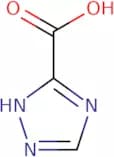
CAS:<p>1,2,4-Triazole-3-carboxylic acid is a functional group that has been studied extensively in supramolecular chemistry for its ability to form a variety of tautomers. 1,2,4-Triazole-3-carboxylic acid can also be used to synthesize heterocycles and polymers. It has been shown to inhibit the reaction vessel of influenza virus by binding with the carboxylate groups on the viral surface. The functional group's nitrogen atoms are responsible for this type of inhibition by forming hydrogen bonds with the carboxylate groups. This type of inhibition is reversible because it is caused by an acid catalyst that can be regenerated. The vibrational spectra of 1,2,4-triazole-3-carboxylic acid have been determined using FTIR spectroscopy. The dominant vibrations are found in the region corresponding to 1028 cm−1 and 784 cm−1</p>Formula:C3H3N3O2Purity:Min. 95%Color and Shape:White PowderMolecular weight:113.07 g/mol(Acetyloxy)(furan-2-yl)methyl acetate
CAS:<p>Acetyloxy(furan-2-yl)methyl acetate is a hydrazone molecule that is used in pharmaceutical preparations. It is synthesized by the condensation of crotonylidene and acetyloxyacetic acid. This compound has shown promising anticancer activity with an activation energy of 8.3 kcal/mol for the formation of the reactive species. Acetyloxy(furan-2-yl)methyl acetate has also been shown to be effective against methicillin resistant Staphylococcus aureus, although it does not have any activity against Gram positive bacteria such as Mycobacterium tuberculosis or Mycobacterium avium complex.</p>Formula:C9H10O5Purity:Min. 95%Color and Shape:PowderMolecular weight:198.17 g/mol2-Hydroxyisophthalic acid
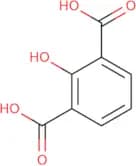
CAS:<p>2-Hydroxyisophthalic acid is a hydroxylated derivative of p-hydroxybenzoic acid. It is used in the manufacture of esters such as 2-ethoxyethanol and 2-ethoxyethyl acetate. It has also been shown to have a number of enzyme activities, including esterases, glycosidases, and lipases. The macrocyclic structure of 2-hydroxyisophthalic acid is responsible for its ability to interact with other molecules through hydrogen bonding and coordination chemistry. The carboxylate group on 2-hydroxyisophthalic acid interacts with the hydroxy group on the fatty acids found in soap, which leads to its use as an emulsifying agent. The carbonyl oxygens on 2-hydroxyisophthalic acid are responsible for its anti-inflammatory properties as they inhibit prostaglandin synthesis when they bind to the cyclooxygenase enzymes that catalyze</p>Formula:C8H6O5Purity:Min. 95 Area-%Color and Shape:PowderMolecular weight:182.13 g/molPyrazolo[1,5-a]pyrimidine-3-carboxylic acid
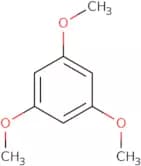
CAS:<p>Pyrazolo[1,5-a]pyrimidine-3-carboxylic acid is a pyrimidine analog and an electron transfer agent. It is a potent inhibitor of the enzyme dehydrogenase, which catalyzes the conversion of nicotinamide adenine dinucleotide (NAD) to nicotinamide adenine dinucleotide phosphate (NADP). Pyrazolo[1,5-a]pyrimidine-3-carboxylic acid has been shown to have anti-inflammatory properties and also inhibits the production of b-raf protein. This drug has also been shown to be a potent inhibitor of mitochondrial electron transport in cancer cells. Pyrazolo[1,5-a]pyrimidine-3-carboxylic acid binds to the metal centers in mitochondria, thereby inhibiting oxidative phosphorylation and reducing ATP synthesis. This ultimately leads to cell death by apoptosis.</p>Formula:C7H5N3O2Purity:Min. 95%Color and Shape:White PowderMolecular weight:163.13 g/mol1,3,5-Trimethoxybenzene
CAS:<p>1,3,5-Trimethoxybenzene is used for the analysis of drugs in human serum and as a precursor to pharmaceuticals. It is also used as a reagent in organic synthesis. Trimethyl 1,3,5-trimethoxybenzene reacts with nitrite ion to produce an unstable intermediate that undergoes hydrolysis to form trifluoroacetic acid and hydrogen gas. The reaction mechanism involves an intramolecular hydrogen transfer from the hydroxyl group of the methoxy benzene ring to the methyl group on carbon 3. This leads to formation of a highly reactive trimethyl cation that abstracts hydrogen from water or hydroxyl groups on nearby molecules and eventually undergoes hydrolysis to produce trifluoroacetic acid and hydrogen gas.</p>Formula:C9H12O3Purity:Min. 98.5%Color and Shape:White PowderMolecular weight:168.19 g/mol2,4,6-Trimethylbromobenzene
CAS:<p>2,4,6-Trimethylbromobenzene is a chemical compound with the molecular formula C7H8Br3. It is synthesized by the reaction of 2,4,6-trimethylaniline and bromine in the presence of a base such as potassium carbonate or sodium hydroxide. The synthesis can be carried out with or without solvent. When heated at reflux in toluene, it undergoes an electrophilic substitution reaction with chloroform to form 2-chloro-6-methylbenzene. 2,4,6-Trimethylbromobenzene can also be synthesized by reacting 1,3-dibromopropane with hydroquinone and dibutyltin dichloride in the presence of a strong acid catalyst. The light emission from this compound appears as a yellow color in solution. The molecule has three asymmetric centers: two on the benz</p>Formula:C9H11BrPurity:80%Color and Shape:Clear LiquidMolecular weight:199.09 g/mol2-Thiophenecarboxylic acid hydrazide
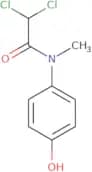
CAS:<p>2-Thiophenecarboxylic acid hydrazide is a potent antifungal agent that inhibits the growth of bacteria by binding to the cell membrane. It has been shown to be an effective inhibitor of Candida albicans, as well as other fungi, including Saccharomyces cerevisiae and Aspergillus niger. 2-Thiophenecarboxylic acid hydrazide binds to the cell membrane by forming stable complexes with nitrogen atoms in the bacterial cell wall. This binding prevents the formation of an antibiotic-inhibitor complex with enzymes required for protein synthesis, resulting in inhibition of protein synthesis and cell division. 2-Thiophenecarboxylic acid hydrazide also inhibits epidermal growth factor (EGF) activity in vitro, which may be due to its ability to form amide bonds with α1-acid glycoprotein.</p>Formula:C5H6N2OSPurity:Min. 98 Area-%Color and Shape:White PowderMolecular weight:142.18 g/mol2,2-Dichloro-N-(4-hydroxyphenyl)-N-methylacetamide
CAS:<p>2,2-Dichloro-N-(4-hydroxyphenyl)-N-methylacetamide (FUROATE) is a synthetic antimicrobial agent that is structurally related to the furoate class of antibiotics. FUROATE has been shown to be effective against urothelial carcinoma cells and minimal toxic in animals. It binds to the fatty acid component of bacterial cell membranes and causes rapid lysis. FUROATE is used as an analytical reagent for the determination of hydroxyl groups in organic solutes. The detection limit of this test is 0.1 ppm. Monoclonal antibodies can be generated against FUROATE for use as diagnostic or therapeutic agents for infectious diseases, such as HIV infection.</p>Formula:C9H9Cl2NO2Purity:Min. 95%Color and Shape:PowderMolecular weight:234.08 g/mol4-Methoxy-6-methyl-2H,5H,6H,7H,8H-[1,3]dioxolo[4,5-G]isoquinoline
CAS:<p>4-Methoxy-6-methyl-2H,5H,6H,7H,8H-[1,3]dioxolo[4,5-G]isoquinoline is an electron donor that has been shown to have an excitatory effect on cells. It has been used for the treatment of cancer and other diseases. 4-Methoxy-6-methyl-2H,5H,6H,7H,8H-[1,3]dioxolo[4,5-G]isoquinoline has been shown to have a cavity inhibiting effect in mice and also inhibits the growth of tumor cells in rats. This drug has been evaluated for clinical use in humans and is available as a granule formulation. The particle size of 4-Methoxy-6-methyl-2H,5H,6H,7H,8H-[1,3]dioxolo[4,5-G]</p>Formula:C12H15NO3Purity:Min. 95%Color and Shape:PowderMolecular weight:221.25 g/molBenzyl methyl ether
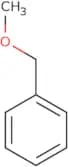
CAS:<p>Benzyl methyl ether is a colorless liquid with a sweet odor. It is used as an organic solvent in chemical reactions and as a solvent in the synthesis of pharmaceuticals, dyes, pesticides, and other organic compounds. Benzyl methyl ether has been shown to react with oxygen and light to produce benzoic acid. The reaction between benzyl methyl ether and glycol ether can be used for sample preparation prior to analysis using gas chromatography-mass spectrometry (GC-MS). GC-MS is often used for the identification of unknown substances in environmental samples. Benzyl methyl ether can also be used for chemical ionization (CI) in mass spectrometry.</p>Formula:C8H10OPurity:Min. 95%Molecular weight:122.17 g/mol2-Fluoro-3-phenylpropanoic acid
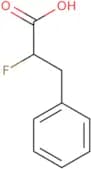
CAS:<p>Versatile small molecule scaffold</p>Formula:C9H9FO2Purity:Min. 95%Color and Shape:PowderMolecular weight:168.16 g/mol4-Azidopiperidine hydrochloride
CAS:<p>4-Azidopiperidine hydrochloride is a chemical compound that is used as a versatile building block in the synthesis of complex chemical compounds. It is also used as a reagent or speciality chemical, and has many applications in research, such as being an intermediate for the synthesis of other chemicals. 4-Azidopiperidine hydrochloride can be used to make useful building blocks, reaction components, and scaffolds for chemical reactions.</p>Formula:C5H11ClN4Purity:Min. 95%Color and Shape:PowderMolecular weight:162.62 g/mol4-Hydroxybenzoic acid
CAS:<p>4-Hydroxybenzoic acid is a plant metabolite that is found in many plants and fruits. 4-Hydroxybenzoic acid has been shown to have anti-diabetic effects in vitro. This compound also has anti-inflammatory properties, which may be due to its ability to inhibit the production of effector proteins such as nitric oxide synthase and cyclooxygenase. The biological activity of 4-hydroxybenzoic acid is dependent on the concentration; at low concentrations it inhibits glucose uptake by cells, while at high concentrations it prevents cell growth.</p>Formula:C7H6O3Purity:Min. 98 Area-%Color and Shape:White Off-White PowderMolecular weight:138.12 g/molThianaphthene
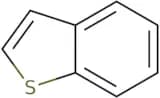
CAS:<p>Used in raloxifene synthesis and preparation of 2-thianapthenylphenyllithium</p>Formula:C8H6SPurity:Min. 94 Area-%Color and Shape:Brown White Yellow PowderMolecular weight:134.2 g/mol1,2,4-Triazole
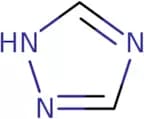
CAS:<p>1,2,4-Triazole is a heterocyclic compound that is used as an intermediate in the synthesis of many other organic compounds. It can be obtained by reacting trifluoroacetic acid with nitrobenzene in the presence of ammonia. This reaction yields a protonated 1,2,4-triazole and ammonium chloride as byproducts. The thermodynamic data for this compound has been determined using an electrochemical impedance spectroscopy method and it was found that the protonation state of 1,2,4-triazole depends on pH. <br>1,2,4-Triazole has been shown to cause genotoxic effects in carcinoma cell lines. It is also capable of inhibiting the growth of bacteria by binding to nitrogen atoms present on their surface. This leads to a decrease in bacterial activity and may be useful for biological treatment purposes. Nitro groups are able to react with 1,2,4</p>Formula:C2H3N3Purity:Min. 95%Color and Shape:PowderMolecular weight:69.07 g/mol4-Nitrobenzophenone
CAS:<p>4-Nitrobenzophenone is an aromatic organic compound that is synthesized by the nitration of benzophenone. The coordination complex formed with p. aeruginosa was found to be acidic and readily hydrolyzed in water. This compound has been used in the synthesis of cinnamic acid derivatives, which are intermediates for azo dyes and pharmaceuticals. 4-Nitrobenzophenone can also undergo acylation reactions to form esters or amides with alcohols or carboxylic acids. It is also a precursor to the drug metronidazole, which is used to treat bacterial infections. Acute toxicity studies have shown that this compound has low acute toxicities and causes no irritation on skin contact. 4-Nitrobenzophenone reacts with hydrogen fluoride to form hydrogen chloride and x-ray crystal structures have shown that it forms tetrahedral complexes with chlorine, fluorine, and bromine at low temperatures (0</p>Formula:C13H9NO3Purity:Min. 95%Color and Shape:PowderMolecular weight:227.22 g/molBenzenesulfonyl fluoride
CAS:<p>Benzenesulfonyl fluoride (BSF) is a potent antimicrobial agent that inhibits the growth of bacteria by binding to their ribosomes and preventing protein synthesis. BSF has been shown to be toxic to mouse cells, which may be due to its ability to trigger an inflammatory response mediated by toll-like receptors. This drug has also been shown to have significant cytotoxicity in a variety of cell lines, including fetal bovine lung cells. BSF also has strong antimicrobial activity against Gram-positive bacteria, such as Clostridium difficile and Staphylococcus aureus, and Gram-negative bacteria, including Escherichia coli. It also has moderate activity against Mycobacterium tuberculosis and Mycobacterium avium complex.</p>Formula:C6H5FO2SPurity:Min. 95%Color and Shape:Clear LiquidMolecular weight:160.16 g/moltrans-4-Nitrocinnamic acid
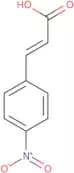
CAS:<p>Trans-4-nitrocinnamic acid is an organic compound that is synthesized from 4-hydroxycinnamic acid by nitration with aqueous or alcoholic nitric acid. Trans-4-Nitrocinnamic acid has been shown to inhibit tyrosinase activity in the presence of metal hydroxides, such as copper, zinc, and iron. The reaction mechanism is unclear but may involve an initial protonation of the phenolic group followed by an electron transfer to the nitro group. This reaction results in an irreversible inhibition of tyrosinase activity. Trans-4-Nitrocinnamic acid also reacts with hydrochloric acid to produce a carboxylate salt that can be used for sample preparation.</p>Formula:C9H7NO4Purity:Min. 95%Color and Shape:PowderMolecular weight:193.16 g/mol1-(1H-Indol-3-yl)-2-methylpropan-2-amine
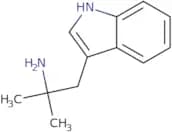
CAS:Controlled Product<p>1-(1H-Indol-3-yl)-2-methylpropan-2-amine is a receptor antagonist that belongs to the class of indolealkylamines. It has been shown to produce a dose-dependent inhibition of 5-hydroxytryptamine (5HT) induced contractions in guinea pig trachea preparations. This drug has also been shown to be an effective receptor antagonist at the level of the human trachea, where it was highly selective for 5HT receptors and had no effect on muscarinic receptors. 1-(1H-Indol-3-yl)-2-methylpropan-2-amine is well absorbed after oral administration and is metabolized by liver enzymes into inactive metabolites.</p>Formula:C12H16N2Purity:Min. 95%Color and Shape:PowderMolecular weight:188.27 g/mol



![Pyrazolo[1,5-a]pyrimidine-3-carboxylic acid](/_next/image/?url=https%3A%2Fstatic.cymitquimica.com%2Fproducts%2F3D%2Fthumb-webp%2FFP16388.webp&w=3840&q=75)


![4-Methoxy-6-methyl-2H,5H,6H,7H,8H-[1,3]dioxolo[4,5-G]isoquinoline](/_next/image/?url=https%3A%2Fstatic.cymitquimica.com%2Fproducts%2F3D%2Fthumb-webp%2FAAA55010.webp&w=3840&q=75)