Building Blocks
This section contains fundamental products for the synthesis of organic and biological compounds. Building blocks are the essential starting materials used to construct complex molecules through various chemical reactions. They play a critical role in drug discovery, material science, and chemical research. At CymitQuimica, we offer a diverse range of high-quality building blocks to support your innovative research and industrial projects, ensuring you have the essential components for successful synthesis.
Subcategories of "Building Blocks"
- Boronic Acids & Boronic Acid Derivatives(5,756 products)
- Chiral Building Blocks(1,242 products)
- Hydrocarbon Building Blocks(6,095 products)
- Organic Building Blocks(61,038 products)
Found 196817 products of "Building Blocks"
Sort by
Purity (%)
0
100
|
0
|
50
|
90
|
95
|
100
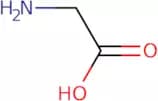
Glycine
CAS:<p>Glycine is the simplest amino acid and is used as a reagent for the synthesis of proteins. It is also a component of buffer solutions to maintain a stable pH in lab applications like electrophoresis and enzyme assays.</p>Formula:NH2CH2COOHColor and Shape:White Off-White PowderMolecular weight:75.07 g/molACES
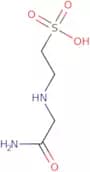
CAS:<p>ACES, also known as N-(2-Acetamido)-2-aminoethanesulfonic acid, is an acetamido buffer that is used in culture media and protein extractions. It also forms metal complexes and has an optimal pH range of 6.1-7.5 and a pKa of 6.78.</p>Formula:C4H10N2O4SPurity:Min. 95%Color and Shape:White PowderMolecular weight:182.2 g/molGlyceryl-4-aminobenzoate monomer
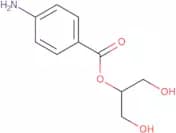
CAS:<p>Glyceryl-4-aminobenzoate monomer is a fine chemical that is an important building block in the synthesis of a variety of complex compounds. It has been used as a reagent and intermediate in research and development of pharmaceuticals and agrochemicals. Glyceryl-4-aminobenzoate monomer is a versatile building block, which can be used to form polymers, coatings, adhesives, elastomers, polyurethanes, and more. The compound also has been shown to have anticancer activity against human breast cancer cells.</p>Formula:C10H13NO4Purity:Min. 75 Area-%Color and Shape:Off-white to beige solid.Molecular weight:211.21 g/molGallaldehyde hemihydrate
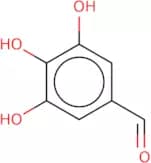
CAS:<p>Gallaldehyde hemihydrate is a bioactive phenolic compound that inhibits the tyrosine kinase domain of the epidermal growth factor receptor (EGFR). It has been shown to inhibit tumor cell growth and induce apoptosis in cancer tissues. Gallaldehyde hemihydrate has also been found in lentils, which might be used as a potential biomarker for this compound. The optimum pH for gallaldehyde hemihydrate is between 2.0-4.0, and it can bind to cation channels and act as a potential biomarker for skin cancer cells.</p>Formula:C7H6O4Purity:Min. 95%Color and Shape:PowderMolecular weight:154.12 g/mol4-Methylmorpholine N-oxide monohydrate
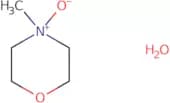
CAS:<p>Intermediate for organic syntheses</p>Formula:C5H13NO3Color and Shape:PowderMolecular weight:135.16 g/mol6-Methyl-DL-tryptophan
CAS:<p>6-Methyl-DL-tryptophan is a useful intermediate and building block for the synthesis of natural products, pharmaceuticals, and agrochemicals. It is also a versatile building block for organic synthesis as it can be used in the preparation of various types of compounds. 6-Methyl-DL-tryptophan has been shown to inhibit the production of nitric oxide by macrophages and microglia cells in response to proinflammatory cytokines. It is an inhibitor of protein biosynthesis, which may be due to its ability to inhibit tryptophan synthase.</p>Formula:C12H14N2O2Molecular weight:218.26 g/mol6-Amino-2-chloropurine
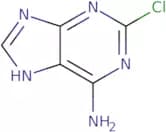
CAS:<p>6-Amino-2-chloropurine (6AC) is a nucleoside analogue that inhibits the synthesis of DNA, RNA, and protein by inhibiting the activity of polymerase chain reaction. It has been used to study the molecular mechanisms of pandemic influenza A virus and HIV infection. 6AC has also been shown to be effective in treating solid tumours and metastatic colorectal cancer in mice. This drug is also used as a competitive inhibitor for measuring endonuclease activity in polymerase chain reactions. 6AC binds to the enzyme's active site and prevents it from cleaving the DNA strands during replication, resulting in incomplete replication of the viral genome.</p>Formula:C5H4ClN5Purity:Min. 95%Color and Shape:PowderMolecular weight:169.57 g/mol2-Aminopurine
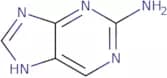
CAS:<p>Purine analog; fluorescent probe; kinase inhibitor; mutagenic</p>Formula:C5H5N5Purity:Min. 95%Color and Shape:White PowderMolecular weight:135.13 g/molAniline
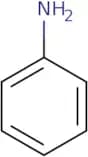
CAS:Aniline is an aromatic amine and is a clear to slightly yellow liquid with a characteristic odor. Aniline is an important precursor in the production of a wide range of industrial chemicals, including polyurethane foams, agricultural chemicals, and dyes. Aniline is also used in the manufacture of pharmaceuticals, rubber processing chemicals, and antioxidants. Due to its widespread industrial use, aniline can be found in various environmental matrices, including water, wastewater, and air.Formula:C6H7NPurity:Min. 95%Color and Shape:Colorless Clear LiquidMolecular weight:93.13 g/mol2-Amino-5-iodopyridine
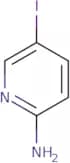
CAS:<p>2-Amino-5-iodopyridine (2-AI) is a water molecule that has been shown to have vibrational and optical properties. 2-AI is an orange pigment that is found in methyl ketones, such as 2,4,6-trimethylheptanone and 3,4,5-trimethylhexanone. 2-AI has also been used as a dye for wool in the past. 2-AI is not found naturally but can be synthesized from an aryl halide and ammonia or ammonium hydroxide. The synthesis of this compound involves the reaction of an aromatic amine and nitrous acid or diazonium salt. 2-AI can be used as an antimicrobial agent against bacteria by interfering with the nicotinic acetylcholine receptor on the bacterial cell membrane. FTIR spectroscopy can be used to identify its chemical structure.</p>Formula:C5H5IN2Purity:Min. 98 Area-%Color and Shape:White PowderMolecular weight:220.01 g/mol2-Azido-ethanol
CAS:<p>2-Azido-ethanol is a chemical compound that is used to synthesize ethylene diamine. It can be produced by reacting ethanol with sodium azide in the presence of an acid catalyst. 2-Azido-ethanol is stable under most conditions and has minimal toxicity, which makes it an attractive option for ethylene diamine production. The compound reacts with a variety of substrates, including diazido, amide, and β-unsaturated ketone compounds. Magnetic resonance spectroscopy (MRS) studies have shown that 2-azido-ethanol binds to water molecules at the site of its β-unsaturated ketone group and creates a new carbon source. This product also exhibits ft-ir spectroscopy properties, which can be used to measure the transport properties and photoelectron emission from the π* orbitals of its carbon atoms.</p>Formula:C2H5N3OPurity:Min. 95%Color and Shape:Colorless Slightly Yellow Clear LiquidMolecular weight:87.08 g/mol2-Amino-4,6-dimethylpyridine
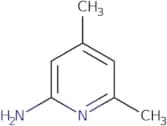
CAS:<p>2-Amino-4,6-dimethylpyridine is a nonsteroidal anti-inflammatory drug that inhibits the production of prostaglandins and leukotrienes. 2-Amino-4,6-dimethylpyridine binds to the cyclooxygenase enzyme and blocks its conversion of arachidonic acid to prostaglandin H2. This compound has been shown to have potent inhibitory effects against Leishmania, with high values in reactive compounds. The molecular modeling of this compound shows that it has an unpaired amino function and an amide.</p>Formula:C7H10N2Purity:Min. 97%Color and Shape:PowderMolecular weight:122.17 g/mol2,4-Dihydroxyphenylacetic acid
CAS:<p>2,4-Dihydroxyphenylacetic acid (2,4-DPA) is a norepinephrine (NE) precursor that acts as an anxiolytic drug. It is also a dopamine (DA) precursor and has been shown to inhibit the production of inflammatory cytokines by suppressing the production of tumor necrosis factor-α (TNF-α) in cell culture. 2,4-DPA has been shown to have antiinflammatory activity in animal models and in human cells. This drug enhances the effects of hydrochloric acid on amino acid analysis and may be used as an alternative to hydrochloric acid for preparative high performance liquid chromatography. 2,4-DPA is also capable of irreversible inhibition of bacterial dna gyrase and dna topoisomerase I enzymes. 2,4-DPA has been shown to inhibit the growth of infectious bacteria such as Mycobacterium tuberculosis and Mycobacterium</p>Formula:C8H8O4Purity:Min. 95%Color and Shape:PowderMolecular weight:168.15 g/mol2-Amino-3,5-dichloropyridine
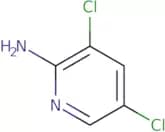
CAS:<p>2-Amino-3,5-dichloropyridine is a molecule that is synthesized by the reaction of hydrochloric acid with copper chloride. The synthesis of 2-amino-3,5-dichloropyridine is a two step process. In the first step 2-chloroethanol reacts with an excess of hydrochloric acid to produce chloroethane and hydrogen chloride gas. In the second step, chloroethane reacts with an excess of copper chloride to produce 2-amino-3,5-dichloropyridine. 2-Amino-3,5-dichloropyridine can be used in organic synthesis for a number of reactions including as a substrate molecule for enzymes that require chloride ions as cofactors. 2-Amino-3,5-dichloropyridine has been shown to inhibit cancer cells by inhibiting DNA and protein synthesis.</p>Formula:C5H4Cl2N2Purity:Min. 95%Color and Shape:PowderMolecular weight:163 g/molL-Allylglycine
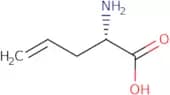
CAS:<p>L-Allylglycine is an antimicrobial agent that inhibits the growth of bacteria by binding to the glutamate receptor. L-Allylglycine has been shown to inhibit the locomotor activity in rats, which may be due to its ability to bind with the serotonergic system and dopamine receptors. L-Allylglycine also binds to Toll-like receptor 4, a protein found on macrophages and microglia in the brain, which may contribute to its neuroprotective effects. It has been shown that L-allylglycine can inhibit a glutamate receptor in mitochondria, which is responsible for the production of ATP. This inhibition prevents DNA replication and cell division, leading to cell death. The asymmetric synthesis of this molecule allows it to have a greater affinity for bacterial cells than mammalian cells.</p>Formula:C5H9NO2Purity:Min. 95%Color and Shape:White PowderMolecular weight:115.13 g/molAcenaphthene
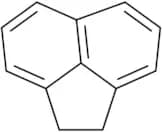
CAS:<p>Acenaphthylene is a natural compound that has anti-inflammatory activity. It has been shown to inhibit the growth of skin cancer cells and wild-type strains of Escherichia coli. Acenaphthylene is synthesized by thermal degradation of acenaphthene and can be found in wastewater. Acenaphthylene can be extracted from these samples using solid phase microextraction (SPME). Acenaphthene can also be used as an indicator for the presence of other compounds in a reaction solution or analytical method. Acenaphthylene reacts with hydrogen peroxide to form a fluorescent derivative, which can be detected using UV light. The injection solution used for this reaction is acetone, methanol, and distilled water.</p>Formula:C12H10Purity:Min. 99 Area-%Color and Shape:PowderMolecular weight:154.21 g/mol3-Amino-4,6-dimethylpyridine
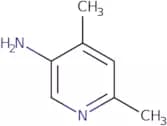
CAS:<p>3-Amino-4,6-dimethylpyridine is a potent inhibitor of quinolines and thiazolopyridines. It has been shown to be an allosteric inhibitor of cellular quinoline and thiazolopyridine metabolism which leads to its high potency in cells. 3-Amino-4,6-dimethylpyridine selectively inhibits the activity of these enzymes without affecting other metabolic pathways. Oral dosing results in rapid absorption and a half life of about 2 hours.</p>Formula:C7H10N2Purity:Min. 95%Color and Shape:PowderMolecular weight:122.17 g/molGuaiazulene
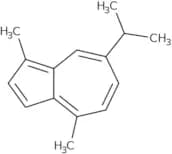
CAS:<p>愈创木菊烯或甘蓝酮是菊烯的衍生物,是用于药品和化妆品的活性成分。它是在愈创木精油中发现的一种天然化合物,由于其抗氧化特性,历史上一直用于药用。愈创木菊烯也是一种具有免疫抑制特性的抗炎药,已用于治疗慢性炎症和食管念珠菌病。已经证明,愈创木菊烯可以作为细胞毒性剂以及脂质过氧化和六氟磷酸盐诱导的 DNA 损伤的抑制剂。此外,它还能抑制肿瘤生长并对口腔病原体表现出抗菌活性。一些研究表明,愈创木菊烯可能用于治疗关节炎等慢性疾病和作为干细胞相关治疗,取得了有希望的结果。</p>Formula:C15H18Purity:(Gc) Min. 99.00%Color and Shape:PowderMolecular weight:198.3 g/moltrans-Isoferulic acid
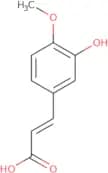
CAS:<p>Trans-iso-ferulic acid is a bioactive phenolic compound that has been shown to have antioxidant and anti-inflammatory properties. It is produced by the metabolism of ferulic acid in the body and can be found in plant cell walls. Trans-iso-ferulic acid has been shown to act as an antimicrobial agent against bacterial strains such as Escherichia coli, Bacillus cereus, Staphylococcus aureus, Klebsiella pneumoniae, Pseudomonas aeruginosa, and Candida albicans. It also has locomotor activity and has been shown to reduce the severity of cardiac disorders. Trans-iso-ferulic acid works by blocking the synthesis of fatty acids which are necessary for energy storage and making regulatory proteins that control metabolism. Trans-iso-ferulic acid also binds to anion radicals which may scavenge free radicals that are formed during oxidative stress. This process prevents lipid peroxidation from occurring which reduces inflammation caused</p>Formula:C10H10O4Purity:Min. 95%Molecular weight:194.18 g/mol3-Methoxy-2-nitroacetophenone
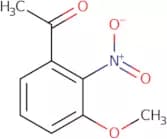
CAS:<p>3-Methoxy-2-nitroacetophenone is a crystalline solid that is soluble in organic solvents. It is catalytic and reductive, forming enamines by reacting with aldehydes or ketones. 3-Methoxy-2-nitroacetophenone can be used to reduce nitro groups to amines and also transfer hydrogen to alkenes. This compound can be also used for cyclization reactions and as a transfer hydrogenation catalyst.</p>Formula:C9H9NO4Purity:Min. 95%Color and Shape:PowderMolecular weight:195.17 g/mol