Building Blocks
This section contains fundamental products for the synthesis of organic and biological compounds. Building blocks are the essential starting materials used to construct complex molecules through various chemical reactions. They play a critical role in drug discovery, material science, and chemical research. At CymitQuimica, we offer a diverse range of high-quality building blocks to support your innovative research and industrial projects, ensuring you have the essential components for successful synthesis.
Subcategories of "Building Blocks"
- Boronic Acids & Boronic Acid Derivatives(5,756 products)
- Chiral Building Blocks(1,242 products)
- Hydrocarbon Building Blocks(6,095 products)
- Organic Building Blocks(61,038 products)
Found 196817 products of "Building Blocks"
Sort by
Purity (%)
0
100
|
0
|
50
|
90
|
95
|
100
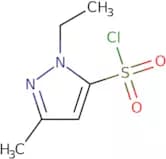
2-Ethyl-5-methyl-pyrazole-3-sulfonyl chloride
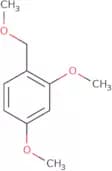
CAS:<p>2-Ethyl-5-methyl-pyrazole-3-sulfonyl chloride (EMPS) is a fine chemical that has a useful scaffold and versatile building block. It is a useful intermediate for the synthesis of pharmaceuticals and other organic compounds. EMPS is used as a reaction component in the production of speciality chemicals and research chemicals, such as phenothiazines. This compound has been shown to be an effective reagent for the synthesis of complex compounds with high quality.</p>Formula:C6H9ClN2O2SPurity:Min. 95%Molecular weight:208.67 g/mol2,4-Dimethoxy-1-(methoxymethyl)benzene
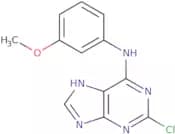
CAS:<p>Versatile small molecule scaffold</p>Formula:C10H14O3Purity:Min. 95%Color and Shape:Clear LiquidMolecular weight:182.22 g/mol2-Chloro-N-(3-methoxyphenyl)-7H-purin-6-amine
CAS:<p>2-Chloro-N-(3-methoxyphenyl)-7H-purin-6-amine is a plant growth regulator that inhibits the growth of plants by inhibiting the activity of enzymes involved in the synthesis of dinucleotide phosphates. This product has been shown to inhibit the development of leaf chlorophyll and photosynthetic pigments, as well as other physiological effects. 2-Chloro-N-(3-methoxyphenyl)-7H-purin-6-amine also inhibits the antioxidant system and can be used to study plant cell life cycles. The compound has been found to be effective on wheat leaves and triticum aestivum, but not on alfalfa or corn leaves.</p>Formula:C12H10ClN5OPurity:Min. 95%Molecular weight:275.69 g/molEthyl({[2-hydroxy-2-(thiophen-3-yl)propyl]sulfamoyl})methylamine
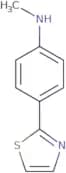
CAS:<p>Versatile small molecule scaffold</p>Formula:C10H18N2O3S2Purity:Min. 95%Color and Shape:Clear LiquidMolecular weight:278.4 g/molN-Methyl-4-(1,3-thiazol-2-yl)aniline
CAS:<p>Versatile small molecule scaffold</p>Formula:C10H10N2SPurity:Min. 95%Color and Shape:PowderMolecular weight:190.27 g/mol(2-Chlorophenyl)(4-chlorophenyl)methanol
CAS:<p>2-Chlorophenyl)(4-chlorophenyl)methanol is a chemical intermediate that can be used for the synthesis of complex compounds. This material has been shown to be a useful scaffold for making new molecules and it is also a versatile building block for organic synthesis. It can be used as a reagent in organic reactions and it is also a speciality chemical with high quality. CAS No. 43171-49-9</p>Formula:C13H10Cl2OPurity:Min. 95%Color and Shape:PowderMolecular weight:253.12 g/mol5-(4-Ethoxyphenyl)-2H-1,2,3,4-tetrazole
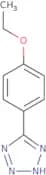
CAS:<p>Versatile small molecule scaffold</p>Formula:C9H10N4OPurity:Min. 95%Color and Shape:PowderMolecular weight:190.2 g/mol2-Bromo-N-(2-chloro-6-methylphenyl)acetamide
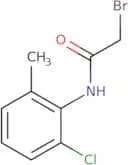
CAS:<p>2-Bromo-N-(2-chloro-6-methylphenyl)acetamide is a fine chemical that can be used as a versatile building block for research and as a reaction component for the synthesis of complex compounds. This compound is also useful for the production of speciality chemicals and other high quality reagents.</p>Formula:C9H9BrClNOPurity:Min. 95%Color and Shape:PowderMolecular weight:262.53 g/mol3-Amino-N-propylpropanamide
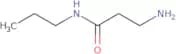
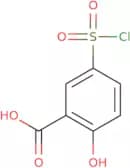
CAS:<p>3-Amino-N-propylpropanamide is a reagent and useful intermediate. It is a fine chemical that has CAS No. 271591-60-7. 3-Amino-N-propylpropanamide can be used as a versatile building block in the synthesis of fine chemicals, such as speciality chemicals and research chemicals, and in the preparation of pharmaceuticals and agrochemicals. 3APPA may also be used as a reaction component in organic synthesis to form amides, ureas, sulfonamides, or phosphonates, which are important intermediates for pharmaceuticals and agrochemicals.</p>Formula:C6H14N2OPurity:Min. 95%Color and Shape:Clear LiquidMolecular weight:130.19 g/mol5-Chlorosulfonyl-2-hydroxybenzoic acid
CAS:<p>5-Chlorosulfonyl-2-hydroxybenzoic acid is a convergent, clean, and efficient synthesis of the pharmaceutical drug sildenafil. It has been shown to be a reagent for the preparation of sildenafil. 5-Chlorosulfonyl-2-hydroxybenzoic acid is an organic compound that belongs to the class of compounds called sulfonamides. This compound has been shown to be an efficient and effective synthetic intermediate in the preparation of sildenafil.</p>Formula:C7H5ClO5SPurity:Min. 95%Color and Shape:PowderMolecular weight:236.63 g/molD-Tryptophan
CAS:<p>D-Tryptophan is a versatile building block that has many applications in the field of fine chemicals, research chemicals, and speciality chemicals. D-Tryptophan is a useful building block for complex compounds and can be used as a reagent or reaction component. It is also a useful scaffold in organic synthesis.</p>Formula:C11H12N2O2Purity:Min. 98.0 Area-%Molecular weight:204.23 g/mol6-Formylpicolinic acid
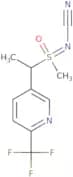
CAS:<p>Versatile small molecule scaffold</p>Formula:C7H5NO3Purity:Min. 95%Color and Shape:PowderMolecular weight:151.12 g/molSulfoxaflor
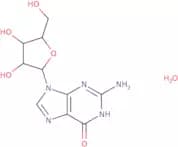
CAS:<p>Sulfoxaflor is a novel insecticide that belongs to the group of neonicotinoids. It has been shown to have synergic effects with other insecticides, such as piperonyl butoxide and pyrethrum, which are also neonicotinoids. Sulfoxaflor inhibits the enzyme acetylcholinesterase in insects, leading to paralysis and death. The analytical method for sulfoxaflor is based on the determination of terminal residues in honeybees using gas chromatography with mass spectrometry detection (GC-MS). This product is not toxic to mammals or birds at low doses, but has carcinogenic potential. Sulfoxaflor has been shown to cause high resistance levels in insects.</p>Formula:C10H10F3N3OSPurity:Min. 95%Color and Shape:PowderMolecular weight:277.27 g/molGuanosine
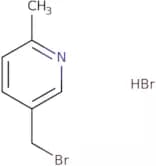
CAS:<p>Guanosine is a nucleoside that is metabolized to uridine in the liver. It is a component of RNA and DNA, as well as an intermediate in the synthesis of adenosine triphosphate (ATP) by phosphorylation. Guanosine also has pharmacokinetic properties, including its ability to cross the blood-brain barrier, which make it a promising drug for neurological disorders. Guanosine is used in tissue culture to measure signal transduction pathways and membrane permeability. The tautomers of guanosine are shown in Figure 1 below: Figure 1: Tautomers of Guanosine (1) 5'-O-DMT-Guanosine (2) 5'-O-DMT-2'N3-Guanosine (3) 2'N3-5'-O-DMT-Guanosine (4) 2'N3-5'-</p>Formula:C10H13N5O5Purity:Min. 95%Color and Shape:PowderMolecular weight:283.24 g/mol5-(Bromomethyl)-2-methylpyridine hydrobromide
CAS:<p>5-(Bromomethyl)-2-methylpyridine hydrobromide is a brominated reagent that is used as a reaction component in organic synthesis. It has been used to synthesize high quality, versatile building blocks and useful intermediates. 5-(Bromomethyl)-2-methylpyridine hydrobromide is also a fine chemical with CAS No. 718608-10-7.</p>Formula:C7H9Br2NPurity:Min. 95%Molecular weight:266.96 g/mol(3R)-3-Hydroxyoctanoic acid
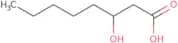
CAS:<p>(3R)-3-Hydroxyoctanoic acid is a fatty acid that is produced in the cytoplasm from acetyl-CoA. This chemical can be synthesized by immobilizing acyl-CoA synthase on a surface, which has been shown to increase its activity and extend the duration of its action. This immobilization technique has been used for the production of monomers, which are then polymerized to form polyesters with high molecular weight. (3R)-3-Hydroxyoctanoic acid is also involved in the biosynthesis of phospholipids, glycerophospholipids, and sphingolipids. The biochemical properties of this molecule have been studied using in vitro assays.</p>Formula:C8H16O3Purity:Min. 95%Color and Shape:PowderMolecular weight:160.21 g/molL-Tryptophan
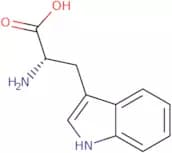
CAS:<p>L-tryptophan is a non-essential amino acid that is used as a building block in the synthesis of proteins. It has been used in research and as a starting material for the production of other chemicals. L-tryptophan has also been shown to have antidepressant effects, although it is not approved by the FDA for this use. L-tryptophan can be found in protein-rich foods such as meat, eggs, and soybeans.</p>Formula:C11H12N2O2Purity:Min. 98.0 Area-%Molecular weight:204.23 g/molRef: 3D-T-8320
1kgTo inquire100gTo inquire250gTo inquire500gTo inquire2500gTo inquire-Unit-kgkgTo inquire2-Methoxy-4-propylcyclohexan-1-ol
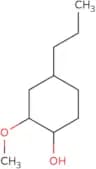
CAS:<p>2-Methoxy-4-propylcyclohexan-1-ol is a versatile compound with various applications. It is commonly used as an anesthetic and can be found in research chemicals. This compound has been shown to have colloidal properties, making it suitable for use in the formulation of various products. Additionally, 2-Methoxy-4-propylcyclohexan-1-ol has been studied for its potential therapeutic effects on conditions such as casein-related disorders and fatty acid metabolism. Its unique structure allows it to interact with different biological pathways, including protein kinase signaling and carotenoid synthesis. Overall, this compound offers a wide range of possibilities for scientific research and product development.</p>Formula:C10H20O2Purity:Min. 95%Color and Shape:Clear LiquidMolecular weight:172.26 g/mol[1,1'-Biphenyl]-2,4,4'-triol
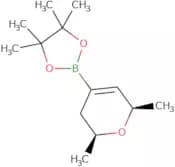
CAS:<p>Versatile small molecule scaffold</p>Formula:C12H10O3Purity:Min. 95%Color and Shape:PowderMolecular weight:202.21 g/mol2-(2,6-dimethyl-3,6-dihydro-2H-pyran-4-yl)-4,4,5,5-tetramethyl-1,3,2-dioxaborolane
CAS:<p>2-(2,6-dimethyl-3,6-dihydro-2H-pyran-4-yl)-4,4,5,5-tetramethyl-1,3,2-dioxaborolane is a reagent that is used in the synthesis of other compounds. It is a high quality research chemical and useful scaffold for the preparation of fine chemicals. This versatile building block is also used as an intermediate or building block in the synthesis of complex compounds.</p>Formula:C13H23BO3Purity:(%) Min. 95%Color and Shape:Clear Viscous LiquidMolecular weight:238.13 g/mol

![Ethyl({[2-hydroxy-2-(thiophen-3-yl)propyl]sulfamoyl})methylamine](/_next/image/?url=https%3A%2Fstatic.cymitquimica.com%2Fproducts%2F3D%2Fthumb-webp%2FVHC72218.webp&w=3840&q=75)


![[1,1'-Biphenyl]-2,4,4'-triol](/_next/image/?url=https%3A%2Fstatic.cymitquimica.com%2Fproducts%2F3D%2Fthumb-webp%2FRCA62411.webp&w=3840&q=75)