Building Blocks
This section contains fundamental products for the synthesis of organic and biological compounds. Building blocks are the essential starting materials used to construct complex molecules through various chemical reactions. They play a critical role in drug discovery, material science, and chemical research. At CymitQuimica, we offer a diverse range of high-quality building blocks to support your innovative research and industrial projects, ensuring you have the essential components for successful synthesis.
Subcategories of "Building Blocks"
- Boronic Acids & Boronic Acid Derivatives(5,778 products)
- Chiral Building Blocks(1,242 products)
- Hydrocarbon Building Blocks(6,098 products)
- Organic Building Blocks(61,034 products)
Found 199601 products of "Building Blocks"
Sort by
Purity (%)
0
100
|
0
|
50
|
90
|
95
|
100
Styrene-divinylbenzene sulfonated copolymer
CAS:<p>Styrene-divinylbenzene sulfonated copolymer also called Dowex 50W 8X hydrogen form, strongly acidic resin, is a fine mesh spherical ion exchange resin made from a microporous styrene / divinylbenzene (DVB) co-polymer with a sulfonic acid group. Styrene-divinylbenzene sulfonated copolymers are used in fine chemical and pharmaceutical column separations.</p>Color and Shape:Powdero-Sulfobenzoic acid anhydride
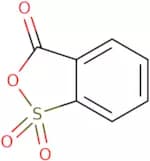
CAS:<p>o-Sulfobenzoic acid anhydride is a chemical that belongs to the class of inorganic acids. It is a white crystalline solid with a melting point of 107°C and can be found in its pure form or as sodium salts. o-Sulfobenzoic acid anhydride is stable when exposed to light and can be used in detergent compositions. It also has pharmacokinetic properties, which are affected by the presence of cationic polymers. This chemical is metabolized by microorganisms through hydrogen bonding interactions and has been shown to have antimicrobial activity against infectious bacteria, such as erythromycin-resistant strains of Staphylococcus aureus and Mycobacterium tuberculosis.</p>Formula:C7H4O4SPurity:Min 98%Color and Shape:Slightly Brown PowderMolecular weight:184.17 g/molSar-Gly-OH
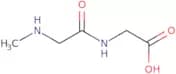
CAS:<p>Sar-Gly-OH is a high quality, reagent chemical that is a useful intermediate in the production of complex compounds. It has CAS No. 38082-72-3 and can be used as a fine chemical, speciality chemical, or research chemical. Sar-Gly-OH is also a versatile building block that can be used in the production of many different types of compounds. It has been shown to be an important reaction component in the synthesis of several types of pharmaceuticals and other organic materials.</p>Formula:C5H10N2O3Purity:Min. 95%Color and Shape:PowderMolecular weight:146.14 g/molL-Seleno-L-methionine
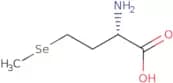
CAS:<p>L-Seleno-L-methionine is a selenium-containing amino acid that is found in the proteins of some plants and animals. It functions as an enzyme cofactor and aids in energy metabolism, protein synthesis, and other biochemical processes. Seleno-L-methionine has been shown to have a protective effect against oxidative damage by scavenging free radicals. It also increases mitochondrial membrane potential and prevents the release of proapoptotic factors from mitochondria into the cytosol. Seleno-L-methionine has been used for analytical purposes as well as to evaluate changes in cell signaling pathways due to chemiluminescence methods or chemical inhibitors. Seleno-L-methionine also has an antioxidant activity that reduces the production of reactive oxygen species (ROS) by reacting with hydroxyl radicals, hydrogen peroxide, nitric oxide, singlet oxygen, and peroxynitrite. Seleno-L-m</p>Formula:C5H11NO2SePurity:(Hplc) Min. 98%Color and Shape:White PowderMolecular weight:196.11 g/molSodium pyruvate
CAS:<p>Pyruvate is an intermediary organic acid metabolite in glycolysis and the first of the Embden Meyerhoff pathways that can pass readily in or out of the cell. Thus, the addition of sodium pyruvate to tissue culture medium provides both an energy source and a carbon skeleton for anabolic processes. Furthermore, it assists with maintaining certain specialized cells, is useful when cloning, and may be necessary when the serum concentration is reduced in the medium.</p>Formula:C3H3O3NaPurity:Min. 95%Color and Shape:Crystalline PowderMolecular weight:110.04 g/molSalicylaldehyde azine
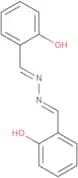
CAS:<p>Salicylaldehyde azine (SAZ) is a polymerized compound that has been shown to inhibit tyrosinase, an enzyme that catalyzes the oxidation of L-tyrosine to DOPA and dopaquinone. It can be used as a fluorescent probe for metal ions and has been used in the preparation of aluminium salts. The interaction of SAZ with protonated functional groups on tyrosinase leads to inhibition by blocking the active site. This inhibition is reversible and can be reversed by adding a reducing agent such as sodium dithionite.</p>Formula:C14H12N2O2Purity:Min. 95%Color and Shape:PowderMolecular weight:240.26 g/mol2-(2-Aminoethyl)-2H,3H-[1,2,4]triazolo[4,3-a]pyridin-3-one
CAS:2-(2-Aminoethyl)-2H,3H-[1,2,4]triazolo[4,3-a]pyridin-3-one is a versatile building block that can be used as a reagent and reaction component in organic synthesis. This compound has been shown to have high quality and is useful in research on speciality chemicals. 2-(2-Aminoethyl)-2H,3H-[1,2,4]triazolo[4,3-a]pyridin-3-one has found use in the preparation of various compounds with diverse therapeutic properties. It is also an excellent building block for complex compounds.Formula:C8H10N4OPurity:Min. 95%Color and Shape:PowderMolecular weight:178.19 g/molSalicylic acid
CAS:<p>Salicylic acid is a weak organic acid that is used as a plant hormone. It has been shown to have enzyme activities that may be involved in the regulation of glycol ether metabolism, photosynthetic activity, p-hydroxybenzoic acid biosynthesis and nutrient solution. Salicylic acid also inhibits nitrite ion production by reacting with acetylsalicylic, which is an inhibitor of the enzyme nitric oxide synthase. Salicylic acid may inhibit transcriptional regulation by steric interactions with DNA or by binding to regulatory proteins. The structural analysis of salicylic acid shows an intramolecular hydrogen bond between the hydroxyl group and carbonyl group which could lead to enzyme inhibition.</p>Formula:C7H6O3Purity:Min. 95%Color and Shape:White Off-White PowderMolecular weight:138.12 g/mol3-Methylbenzophenone
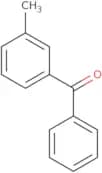
CAS:<p>3-Methylbenzophenone is a fatty acid that has been used as an analytical reagent in organic synthesis. It can be synthesized by acylation of benzoic acid with methylchloroformate. 3-Methylbenzophenone is also a chlorinated derivative of benzophenone, and its structure can be rationalized by the protonation and deprotonation of the chloride ion. The acidic properties of 3-methylbenzophenone are due to the presence of carbonyl group.</p>Formula:C14H12OPurity:Min. 98 Area-%Color and Shape:PowderMolecular weight:196.24 g/mol5-Methoxy-2-nitrobenzoic acid
CAS:<p>5-Methoxy-2-nitrobenzoic acid is a compound that has been shown to have antiinflammatory properties. It has been found to inhibit the production of inflammatory mediators such as leukotrienes and prostaglandins. 5-Methoxy-2-nitrobenzoic acid also inhibits certain enzymes, such as cyclooxygenase and lipoxygenase, which are involved in the biosynthesis of these mediators. 5-Methoxy-2-nitrobenzoic acid may be useful in the treatment of inflammatory diseases such as arthritis or asthma. This drug can also be used for chemoprevention against cancer. The drug has been shown to inhibit the growth of tumor cells in vivo by oral administration. This is due to its ability to inhibit DNA synthesis and protein synthesis in cells by binding with DNA and inhibiting RNA synthesis through inhibition of ribonucleotide reductase.</p>Formula:C8H7NO5Purity:90%Color and Shape:PowderMolecular weight:197.14 g/mol2-Methyl-3-morpholin-4-yl-propionic acid hydrochloride
CAS:<p>2-Methyl-3-morpholin-4-yl-propionic acid hydrochloride is a reagent that can be used in the synthesis of various compounds. It is also a building block for the preparation of complex compounds and fine chemicals. The CAS number for this chemical is 1052522-32-3.</p>Formula:C8H16ClNO3Purity:Min. 95%Color and Shape:PowderMolecular weight:209.67 g/molMethyl 3-bromo-2-fluorobenzoate
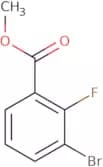
CAS:<p>Methyl 3-bromo-2-fluorobenzoate (MBFB) is a versatile building block in chemical synthesis. MBFB can be used as a reagent or speciality chemical. It has been used as an intermediate for the synthesis of other compounds, such as methyl 5-bromo-2-fluorobenzoate and ethyl 5-bromo-2-fluorobenzoate. MBFB is also a useful scaffold for the synthesis of complex compounds with interesting functions, such as research chemicals.</p>Formula:C8H6BrF2Purity:Min. 95%Color and Shape:White PowderMolecular weight:233 g/molMethyl 2-nitrobenzoate
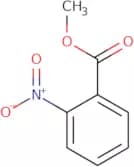
CAS:<p>Methyl 2-nitrobenzoate is a nitro compound that has been used to synthesize benzyl esters. It has been shown to react with protonation and acidic conditions. Methyl 2-nitrobenzoate is also used as an intermediate in the synthesis of methyl anthranilate, which is a component of artificial grape flavoring. The mechanism of the reaction is not fully understood, but it has been proposed that methyl 2-nitrobenzoate undergoes an intramolecular hydrogen bond with the benzoate group to form an intermediate compound called N-methyl-2-(phenylmethyl)benzamide. This intermediate then reacts with methylamine to form methyl anthranilate.<br> <br>The molecule can be detected by gas chromatography or liquid chromatography in organic solvents such as methanol or acetone.</p>Formula:C8H7NO4Purity:Min. 95%Color and Shape:Yellow Clear LiquidMolecular weight:181.15 g/molα-Me-D-Leu-OH
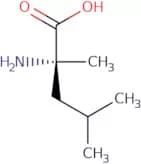
CAS:<p>a-Me-D-Leu-OH is a versatile building block that is used as a reagent in the synthesis of complex compounds, research chemicals, and speciality chemicals. It is also a useful scaffold for drug design. This chemical is also widely used as an intermediate in organic syntheses.</p>Formula:C7H15NO2Purity:Min. 95%Color and Shape:PowderMolecular weight:145.2 g/mol2,2'-Methylenedianiline
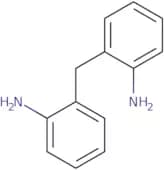
CAS:<p>2,2'-Methylenedianiline is a quinoline derivative that is used in the synthesis of herbicides and insecticides. It is classified as a biodegradable substance and has been shown to be rapidly mineralized by arthropods. 2,2'-Methylenedianiline is also water soluble and can be degraded by microorganisms in wastewater treatment plants. 2,2'-Methylenedianiline has been shown to inhibit the growth of bacteria and fungi, but it does not have any effect on algae or protozoa. The degradation of 2,2'-methylenedianiline occurs mainly through hydrolysis with amines reacting with the methyl group to form methyl amides.</p>Formula:C13H14N2Purity:Min. 95 Area-%Color and Shape:Off-White PowderMolecular weight:198.26 g/mol3-(3-(But-3-yn-1-yl)-3H-diazirin-3-yl)propanoic acid
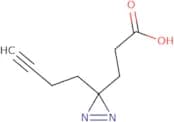
CAS:<p>3-(3-(But-3-yn-1-yl)-3H-diazirin-3-yl)propanoic acid (BDPA) is a reagent that is used as a starting material or intermediate for the synthesis of pharmaceuticals and other chemical compounds. This compound has been shown to be an excellent scaffold for the synthesis of complex structures, such as peptides and natural products. BDPA is also a versatile building block for organic syntheses, which can be used in reactions with other chemicals to form new compounds. Research chemicals such as BDPA are not approved by the FDA, so they should only be handled and used by professionals.</p>Formula:C8H10N2O2Purity:Min. 95%Color and Shape:PowderMolecular weight:166.18 g/mol1-(2,3-Difluorophenyl)ethan-1-amine hydrochloride
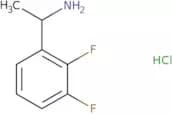
CAS:<p>1-(2,3-Difluorophenyl)ethan-1-amine hydrochloride is a high quality chemical. It is a reagent that can be used as an intermediate in the synthesis of complex compounds and fine chemicals. This compound is also a useful scaffold for the development of new drugs and novel materials. 1-(2,3-Difluorophenyl)ethan-1-amine hydrochloride is also a versatile building block for reactions in organic chemistry. It is a speciality chemical that can be used as a research chemical or reaction component for synthetic organic chemistry.</p>Formula:C8H10ClF2NPurity:Min. 95%Color and Shape:PowderMolecular weight:193.62 g/mol6-Bromo-5-fluoro-2,3-dihydro-1,3-benzoxazol-2-one
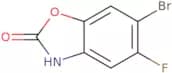
CAS:<p>Versatile small molecule scaffold</p>Formula:C7H3BrFNO2Purity:Min. 95%Color and Shape:PowderMolecular weight:232.01 g/mol5-Nitrosalicylaldehyde
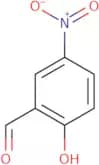
CAS:<p>5-Nitrosalicylaldehyde is a powerful inhibitor of bacterial growth. It has been shown to inhibit the growth of gram-positive bacteria such as Staphylococcus aureus and Streptococcus pyogenes, but not gram-negative bacteria such as Escherichia coli. 5-Nitrosalicylaldehyde is an antimicrobial agent that has been shown to bind to the active site of some enzymes, including bacterial DNA gyrase and human liver microsomes. The binding prevents the enzyme from functioning and leads to cell death. 5-Nitrosalicylaldehyde coordinates with sodium ions in the active site, forming strong hydrogen bonding interactions. This interaction stabilizes the transition state for the reaction and prevents it from happening, thereby inhibiting its function.</p>Formula:C7H5NO4Purity:Min. 95%Color and Shape:Yellow PowderMolecular weight:167.12 g/mol5-Fluoro-dUMP sodium
CAS:<p>Please enquire for more information about 5-Fluoro-dUMP sodium including the price, delivery time and more detailed product information at the technical inquiry form on this page</p>Formula:C9H12FN2O8P•NaxPurity:Min. 95%



![2-(2-Aminoethyl)-2H,3H-[1,2,4]triazolo[4,3-a]pyridin-3-one](/_next/image/?url=https%3A%2Fstatic.cymitquimica.com%2Fproducts%2F3D%2Fthumb-webp%2FUQB10876.webp&w=3840&q=75)