


Building Blocks
This section contains fundamental products for the synthesis of organic and biological compounds. Building blocks are the essential starting materials used to construct complex molecules through various chemical reactions. They play a critical role in drug discovery, material science, and chemical research. At CymitQuimica, we offer a diverse range of high-quality building blocks to support your innovative research and industrial projects, ensuring you have the essential components for successful synthesis.
Subcategories of "Building Blocks"
- Boronic Acids & Boronic Acid Derivatives(5,778 products)
- Chiral Building Blocks(1,242 products)
- Hydrocarbon Building Blocks(6,098 products)
- Organic Building Blocks(61,034 products)
Found 199601 products of "Building Blocks"
Sort by
Purity (%)
0
100
|
0
|
50
|
90
|
95
|
100
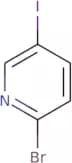
2-Bromo-5-iodopyridine
CAS:2-Bromo-5-iodopyridine is a compound that has been studied for its potential use in the treatment of neurodegenerative diseases. It inhibits nicotinic acetylcholine receptors, which are involved in the transmission of nerve impulses to the muscles. 2-Bromo-5-iodopyridine binds to acetylcholine receptors, blocking the uptake of acetylcholine and preventing it from binding with the receptor. This leads to an increase in acetylcholine levels, which increases muscle contraction and improves brain function. The crystal structure of 2-bromo-5-iodopyridine has been determined by x-ray diffraction studies. The molecule contains two bromine atoms and five iodine atoms, which are arranged such that they form a square planar geometry around a central metal ion (hydrochloric acid). Nitrogen atoms are found on opposite corners of this square plane. These nitrogen atoms can be substituted with chlorideFormula:C5H3BrINPurity:Min. 95%Color and Shape:Off-White PowderMolecular weight:283.89 g/mol4,4'-Dichloro-2,2'-bipyridine
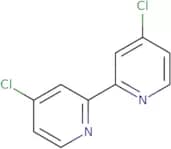
CAS:<p>4,4'-Dichloro-2,2'-bipyridine (4,4'-DDBP) is a polydentate ligand that has been shown to be highly cytotoxic against cancer cells. 4,4'-DDBP binds to amines in the cancer cell and uses its nucleophilic character to activate the amine by displacement of chloride ions. This leads to the production of an excited state that can be used for photodynamic therapy or as a fluorescence probe. This compound has also been shown to have operational kinetic properties in the inhibition of bilirubin oxidase.</p>Formula:C10H6Cl2N2Purity:Min. 95%Color and Shape:White PowderMolecular weight:225.07 g/mol2-Chloro-N-cyclopropyl-N-(2-methylpropyl)acetamide
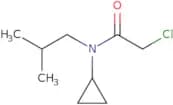
CAS:<p>Versatile small molecule scaffold</p>Formula:C9H16ClNOPurity:(%) Min. 85%Color and Shape:Clear LiquidMolecular weight:189.68 g/molCyproheptadine Related Compound A
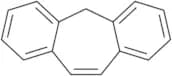
CAS:<p>Cyproheptadine Related Compound A is a molecule that binds to the histamine H2 receptor and can be used for the treatment of inflammatory bowel disease, chronic bronchitis, and diabetic neuropathy. It is metabolized by hydrolysis of the ester group by hydroxylases or oxidases in the liver. Cyproheptadine Related Compound A has been shown to have anti-inflammatory effects due to its ability to inhibit prostaglandin synthesis.</p>Formula:C15H12Purity:Min. 95%Molecular weight:192.26 g/mol2-Isocyano-1,3,5-trimethylbenzene
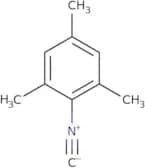
CAS:<p>2-Isocyano-1,3,5-trimethylbenzene is an organic solvent that is insoluble in water. It has been shown to be a bidentate ligand and a ruthenium complex. This compound has been studied in supramolecular chemistry and has shown reversible electrochemical properties.</p>Formula:C10H11NPurity:Min. 95%Molecular weight:145.2 g/molEthyl 2-formyl-1H-pyrrole-3-carboxylate
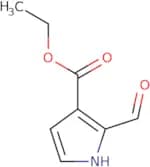
CAS:Ethyl 2-formyl-1H-pyrrole-3-carboxylate is a fine chemical that can be used as a building block in the synthesis of drugs, pesticides, and other organic compounds. It is also a reagent for the synthesis of other compounds. The compound can be easily synthesized by reacting ethyl formate with pyrrole. This process occurs spontaneously at room temperature and does not require any catalysts or solvents. Ethyl 2-formyl-1H-pyrrole-3-carboxylate has been used to synthesize antihistamines, antihypertensives, and anticancer agents. As it is a versatile building block, it can be used as an intermediate for the synthesis of many other compounds. It has also been shown to have useful scaffolding properties in drug design.Formula:C8H9NO3Purity:Min. 95%Color and Shape:PowderMolecular weight:167.16 g/mol2-Chloro-5-nitropyridine
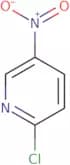
CAS:<p>2-Chloro-5-nitropyridine is a chemical compound with the molecular formula CHClNO. It is a white solid that is soluble in water and has a melting point of 132.2 °C. The molecule consists of two chlorine atoms bonded to an oxygen atom, with two nitro groups bonded to carbon atoms. 2-Chloro-5-nitropyridine was synthesized by reacting sodium carbonate with hydrochloric acid and then adding trifluoroacetic acid to the solution. This reaction produces 2-chloro-5-nitropyridine, hydrogen chloride gas, and sodium chloride crystals as byproducts. The product can be purified using column chromatography or recrystallization methods.</p>Formula:C5H3ClN2O2Purity:Min. 95%Color and Shape:White PowderMolecular weight:158.54 g/mol2,4-Dimethyl-5-hydroxypyridine
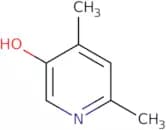
CAS:<p>2,4-Dimethyl-5-hydroxypyridine (DMHP) is a useful intermediate that can be used to synthesize other compounds. DMHP has been shown to be a useful scaffold in the synthesis of various complex compounds, such as pharmaceuticals and fine chemicals. DMHP is also a versatile building block that can be used to produce many different types of chemical compounds. It can also be used as a research chemical or as a speciality chemical for use in laboratories.</p>Formula:C7H9NOPurity:Min. 95%Color and Shape:PowderMolecular weight:123.07 g/mol4-Cyanophenol
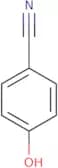
CAS:<p>4-Cyclohexyphenol is a natural compound that belongs to the class of compounds known as phenols. It has a hydroxyl group and an intramolecular hydrogen bond. The thermal expansion of 4-cyanophenol is approximately 6.6 × 10⁻⁶/°C, which is greater than the thermal expansion of p-hydroxybenzoic acid (approximately 1.8 × 10⁻⁶/°C). The reaction mechanism for 4-cyanophenol involves intramolecular hydrogen bonding, which leads to its rapid degradation. 4-Cyanophenol reacts with trifluoroacetic acid in the presence of sodium carbonate to form p-hydroxybenzoic acid, which can be determined by measuring its absorbance at 290 nm. Hydrogen bonding interactions with the surface are responsible for the high sensitivity and selectivity of this analytical method.<br>4-Cyanophenol may also be detected using plasma mass spect</p>Formula:C7H5NOPurity:Min. 95%Color and Shape:PowderMolecular weight:119.12 g/mol2-Chloroquinoline
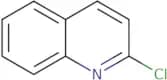
CAS:2-Chloroquinoline is a compound that has antimicrobial properties. It acts by inhibiting bacterial RNA synthesis and protein synthesis. 2-Chloroquinoline has been shown to have toxicological effects in animal studies, including cancer. It also inhibits the activity of the cb2 receptor and the CCR5 receptor, which are involved in tumor growth. The molecular docking analysis for this compound is available, which can be found on PubChem.Formula:C9H6ClNPurity:Min. 98%Color and Shape:PowderMolecular weight:163.6 g/molHexahydropyrrolo[1,2-a]pyrazine-1,4-dione
CAS:<p>Hexahydropyrrolo[1,2-a]pyrazine-1,4-dione is a neuroprotective compound that is structurally related to the well-known anti-inflammatory drug ketoprofen. It has been shown to inhibit the production of pro-inflammatory cytokines and reactive oxygen species in vitro by a mechanism involving inhibition of mitochondrial membrane permeability. Hexahydropyrrolo[1,2-a]pyrazine-1,4-dione also inhibits bacterial growth and urea nitrogen excretion in mice. This compound has been found in cyanobacteria and some etoac extracts, as well as in bacteria from the genera Pseudomonas and Staphylococcus.</p>Formula:C7H10N2O2Purity:Min. 95%Molecular weight:154.17 g/molPropionamide
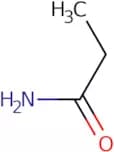
CAS:<p>Propionamide is an amide that inhibits bacterial growth by binding to the DNA-dependent RNA polymerase and preventing transcription. It is used in treatment trials for bacterial infections. Propionamide has been shown to inhibit the growth of bacteria in vitro and in vivo, as well as to have an inhibitory effect on experimental solubility data. The chemical properties of propionamide are consistent with a potential use as a drug for treating metabolic disorders, such as diabetes mellitus and obesity.</p>Formula:C3H7NOPurity:Min. 95%Color and Shape:White PowderMolecular weight:73.09 g/mol2-Chloro-6-fluorobenzaldehyde
CAS:<p>2-Chloro-6-fluorobenzaldehyde is an impurity that can be found in wastewater. It has been shown to be a reactive intermediate for the synthesis of streptochlorin, which is a natural product with potential antibiotic activity. 2-Chloro-6-fluorobenzaldehyde is produced by the reaction of chlorine and anhydrous sodium, with acid as catalyst. The molecule has two fluorine atoms and one chloride atom. This compound can also be used in the treatment of waste water due to its ability to react with hydroxyl ions and chloride ions in the presence of hydrogen chloride or hydrochloric acid. The pain model was evaluated using nmr spectra and optical properties.</p>Formula:C7H4ClFOPurity:Min. 95%Color and Shape:White PowderMolecular weight:158.56 g/mol5-Ethynylbenzo-1,3-dioxole
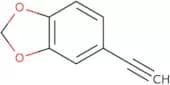
CAS:5-Ethynylbenzo-1,3-dioxole is a terminal alkyne that has two terminal alkyne groups. It can form hydrogen bonds and interactions with other molecules. 5-Ethynylbenzo-1,3-dioxole is a reactive molecule that can be used to create polymers and other chemical compounds. The terminal alkynes are important for the stability of these compounds, as they bind to the polymer chains. 5-Ethynylbenzo-1,3-dioxole is used in organic chemistry to synthesize polymers and other chemical compounds.Formula:C9H6O2Purity:Min. 95%Color and Shape:PowderMolecular weight:146.14 g/molcis-4-Chloro-3-nitrocinnamic acid
<p>Cis-4-Chloro-3-nitrocinnamic acid is an aromatic organic compound with potential utility in biochemical research and synthesis. This compound is typically derived from synthetic chemical processes involving chlorination and nitration reactions on cinnamic acid derivatives. Its molecular structure, characterized by both chloro and nitro functional groups, allows it to interact in unique ways with various biochemical pathways and molecular frameworks.</p>Formula:C9H6ClNO4Purity:Min. 95%Color and Shape:White PowderMolecular weight:227.6 g/mol2-Bromo-3-formylbenzonitrile
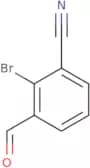
CAS:<p>2-Bromo-3-formylbenzonitrile is a high quality chemical that is used as a reagent, a complex compound, and an intermediate in the synthesis of other fine chemicals. It can be used as a useful building block to form other compounds with speciality chemicals. 2-Bromo-3-formylbenzonitrile is versatile and can be used as a reaction component for many different reactions.<br>2-Bromo-3-formylbenzonitrile has been classified by the Chemical Abstracts Service (CAS) number 446864-55-7 and is also known by its synonyms: 2-(bromomethyl)-benzonitrile; 3-(cyanomethyl)-benzonitrile; bromobenzonitrile; bromobenzene nitrile; 3-(cyanomethyl)benzonitrile.</p>Formula:C8H4BrNOPurity:Min. 95%Color and Shape:PowderMolecular weight:210.03 g/molcis-N-(3-Chloroallyl)-1-(R)-aminoindan hydrochloride
CAS:<p>cis-N-(3-Chloroallyl)-1-(R)-aminoindan hydrochloride is a high quality, research chemical that is a versatile building block. It is used as a reagent and reaction component for the synthesis of fine chemicals, speciality chemicals, and complex compounds. cis-N-(3-Chloroallyl)-1-(R)-aminoindan hydrochloride has CAS number 1175018-80-0.</p>Formula:C12H14ClN·HClPurity:Min. 95 Area-%Color and Shape:PowderMolecular weight:244.16 g/mol2-(4-Iodo-1H-1,2,3-triazol-1-yl)acetic acid
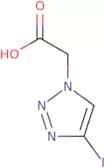
CAS:<p>2-(4-Iodo-1H-1,2,3-triazol-1-yl)acetic acid is a versatile building block that can be used as a reagent or research chemical. It is an intermediate in the synthesis of substituted 2-(4-iodo-1H-1,2,3-triazol-1-yl)acetamides with diverse substituents. This compound has been shown to have antiplatelet activity and is a potential drug candidate for treatment of cardiovascular diseases.</p>Formula:C4H4IN3O2Purity:Min. 95%Molecular weight:253 g/mol2-Chloro-1,3-propanediol
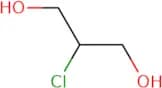
CAS:<p>2-Chloro-1,3-propanediol is a useful intermediate and building block in organic synthesis. It is also a reagent that can be used to synthesize other organic compounds. 2-Chloro-1,3-propanediol has been shown to be a versatile scaffold for the synthesis of many different types of organic molecules. It is also an important component of research chemicals and speciality chemicals. This chemical can be used as a high quality fine chemical or complex compound in the manufacture of other products.</p>Formula:C3H7ClO2Purity:Min. 97 Area-%Color and Shape:Colorless Clear LiquidMolecular weight:110.54 g/mol4-(Cyclopropylmethyl)-1-oxa-4,9-diazaspiro[5.5]undecan-3-one hydrochloride
Please enquire for more information about 4-(Cyclopropylmethyl)-1-oxa-4,9-diazaspiro[5.5]undecan-3-one hydrochloride including the price, delivery time and more detailed product information at the technical inquiry form on this pageFormula:C12H20N2O2•(HCl)xPurity:Min. 95%Color and Shape:Powder

![Hexahydropyrrolo[1,2-a]pyrazine-1,4-dione](/_next/image/?url=https%3A%2Fstatic.cymitquimica.com%2Fproducts%2F3D%2Fthumb-webp%2FUAA17912.webp&w=3840&q=75)


![4-(Cyclopropylmethyl)-1-oxa-4,9-diazaspiro[5.5]undecan-3-one hydrochloride](/_next/image/?url=https%3A%2Fstatic.cymitquimica.com%2Fproducts%2F3D%2Fthumb-webp%2FFC182982.webp&w=3840&q=75)