Building Blocks
This section contains fundamental products for the synthesis of organic and biological compounds. Building blocks are the essential starting materials used to construct complex molecules through various chemical reactions. They play a critical role in drug discovery, material science, and chemical research. At CymitQuimica, we offer a diverse range of high-quality building blocks to support your innovative research and industrial projects, ensuring you have the essential components for successful synthesis.
Subcategories of "Building Blocks"
- Boronic Acids & Boronic Acid Derivatives(5,778 products)
- Chiral Building Blocks(1,242 products)
- Hydrocarbon Building Blocks(6,098 products)
- Organic Building Blocks(61,034 products)
Found 199601 products of "Building Blocks"
Sort by
Purity (%)
0
100
|
0
|
50
|
90
|
95
|
100
D-Alanine isopropyl ester HCl
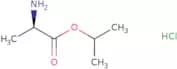
CAS:<p>D-Alanine isopropyl ester HCl is a synthetic compound that has been used as a diagnostic tool for detecting the presence of molybdenum in urine. It has been shown to have a high affinity for the receptor, and acts as an agonist. D-Alanine isopropyl ester HCl has also been shown to induce malignant growth in fibroblast cells.</p>Formula:C6H13NO2·ClHPurity:Min. 95%Color and Shape:White PowderMolecular weight:167.63 g/molEthyl 2-amino-4-methylthiophene-3-carboxylate
CAS:<p>Ethyl 2-amino-4-methylthiophene-3-carboxylate (EMTC) is a cytotoxic agent. It inhibits the HIV virus by interfering with the synthesis of viral proteins. EMTC has been shown to be effective against cancer cells, but not against healthy cells. The cytotoxic effect of EMTC is related to its ability to inhibit DNA synthesis and RNA transcription in both normal and cancer cells, which leads to cell death.</p>Formula:C8H11NO2SPurity:Min. 95%Color and Shape:PowderMolecular weight:185.24 g/mol1-Naphthol dihydrogen phosphate monosodium monohydrate
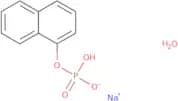
CAS:1-Naphthol dihydrogen phosphate monosodium salt monohydrate is an organic compound that is a useful scaffold for the synthesis of other organic compounds. It is also used as a reagent and building block in organic synthesis. 1-Naphthol dihydrogen phosphate monosodium salt monohydrate has CAS No. 81012-89-7 and can be used as a reaction component, intermediate, or building block in the synthesis of complex compounds. This compound is soluble in water, ethanol, ethers, benzene, chloroform, and acetone. The purity level of 1-naphthol dihydrogen phosphate monosodium salt monohydrate ranges from 99% to 100%.Formula:C10H9O4P•Na•H2OPurity:Min. 98%Color and Shape:PowderMolecular weight:265.16 g/mol6-Azido-hexan-1-ol
CAS:<p>6-Azido-hexan-1-ol is an organic compound with the chemical formula CH3CH2OCH2CH2N3. It is a colorless liquid that boils at 29°C and has a melting point of -60°C. 6-Azido-hexan-1-ol has been shown to be a reactive site in polymerization kinetics, with a kinetic rate constant of 2.0x10^5 M^(-1)s^(-1). This compound also exhibits high reactivity when used as a substrate for ring opening polymerization, which may be due to its hydroxy group and functional groups. 6-Azido-hexan-1-ol can be synthesized by reacting 4 vinylbenzyl alcohol with hydrazine hydrate in the presence of an acid catalyst, such as sulfuric acid or pyridine. The reaction can be monitored using matrix assisted laser desorption ionization time of flight (MALDI</p>Formula:C6H13N3OPurity:Min. 95%Color and Shape:Clear LiquidMolecular weight:143.19 g/mol2,4,6-Trihydroxytoluene
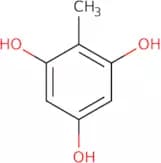
CAS:<p>2,4,6-Trihydroxytoluene is a phenolic compound with an intense yellow color. It is used for the preparation of dryopteris and as a fabric dye. 2,4,6-Trihydroxytoluene is also used in the production of pharmaceuticals and as a chemical intermediate. 2,4,6-Trihydroxytoluene has been shown to inhibit the growth of bacteria by binding to one or more hydroxyl groups on the bacterial cell wall. This binding prevents the formation of an antibiotic-inhibitor complex with the enzyme cell wall synthesis that is required for cell wall biosynthesis, inhibiting protein synthesis and cell division.</p>Formula:C7H8O3Purity:Min. 95%Color and Shape:Red PowderMolecular weight:140.14 g/mol(S)-(+)-2-Amino-3-methylbutane
CAS:<p>(S)-(+)-2-Amino-3-methylbutane is a chiral, optically active pyruvate. It can be used as an optical reagent to determine the configuration of an amino acid in the presence of a hydrazone or amine. The 2-amino group is attached to the C1 carbon atom and the methyl group is attached to the C4 carbon atom. Hydrogenolysis of (S)-(+)-2-amino-3-methylbutane produces ethyl pyruvate and hydrogen gas.</p>Formula:C5H13NPurity:Min. 95%Color and Shape:Clear LiquidMolecular weight:87.17 g/molAlafosfalin
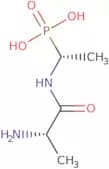
CAS:<p>Antibacterial phosphonopeptide mimic of peptidoglycan dipeptide D-Ala-D-Ala</p>Formula:C5H13N2O4PPurity:Min. 98 Area-%Color and Shape:White PowderMolecular weight:196.14 g/molDL-Asparagine monohydrate
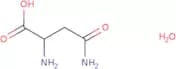
CAS:<p>DL-Asparagine monohydrate is a low potency amino acid that can be used as a biomarker for wastewater treatment. It has been shown to inhibit the activity of enzymes such as guanine nucleotide-binding proteins, toll-like receptors, and response elements. Asparagine also has inhibitory properties against tumour cells in solid tumours.</p>Formula:C4H10N2O4Color and Shape:PowderMolecular weight:150.14 g/mol2-Ethoxybenzamide
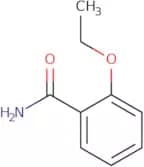
CAS:<p>2-Ethoxybenzamide is a nonsteroidal anti-inflammatory drug that has been shown to inhibit the production of inflammatory prostaglandins. It is structurally similar to ethenzamide, an older drug in this class. 2-Ethoxybenzamide is used for the treatment of pain and inflammation, as well as for other conditions such as gout and rheumatoid arthritis. The molecular formula for 2-ethoxybenzamide is C6H11NO2 and its molecular weight is 169.21 grams per mole. It has a melting point of 75 degrees Celsius and a boiling point of 220 degrees Celsius at atmospheric pressure. This compound can be found in crystalline cellulose, analytical method, water vapor, experimental solubility data, wastewater treatment, ethylmalonic acid, human serum, structural analysis.</p>Formula:C9H11NO2Purity:Min. 95%Color and Shape:White PowderMolecular weight:165.19 g/mol4-Acetamidobenzaldehyde
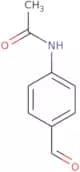
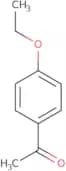
CAS:<p>4-Acetamidobenzaldehyde is an organic compound that has been shown to exhibit inhibitory effects on influenza virus replication in cell culture. 4-Acetamidobenzaldehyde is a dihedral molecule with a p2 group and can be synthesized from benzaldehyde and acetamide. It has also been shown to have potential use in the treatment of tuberculosis. The biological properties of 4-acetamidobenzaldehyde are not well understood, but it is thought that uptake may occur through the imine nitrogen. This molecule has been detected in tissue samples such as lung, liver, and kidney.</p>Formula:C9H9NO2Purity:Min. 95%Color and Shape:PowderMolecular weight:163.17 g/mol4'-Ethoxyacetophenone
CAS:<p>Anti-bacterial agent; reagent for polymerization</p>Formula:C10H12O2Purity:Min. 98 Area-%Color and Shape:Slightly Yellow PowderMolecular weight:164.2 g/mol4-Amino-3-methoxybenzoic acid
CAS:<p>4-Amino-3-methoxybenzoic acid is an inhibitor of the enzyme hydroxylase. It has been shown to inhibit cancer cell growth in nanomolar concentrations and may be a potential anti-cancer drug candidate. 4-Amino-3-methoxybenzoic acid inhibits the production of 3-methoxy-4-nitrobenzoic acid, which is an intermediate in the biosynthesis of cyclic peptides. This compound also has potent inhibitory activity against active enzymes involved in the biosynthesis of 3-methoxy-4-nitrobenzoic acid, such as hydroxylases, nitroreductases, and methyltransferases.</p>Formula:C8H9NO3Purity:Min. 95%Color and Shape:PowderMolecular weight:167.16 g/mol4-Mercaptobenzoic acid
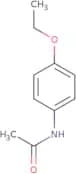
CAS:<p>4-Mercaptobenzoic acid is a receptor antagonist that binds to the benzodiazepine site of the GABAA receptor and blocks the action of GABA. This drug has been shown to be useful in tissue culture studies, where it inhibits the growth of cells by interfering with cell division. 4-Mercaptobenzoic acid has also been shown to inhibit sodium citrate uptake into human red blood cells in vitro, which may be due to its ability to bind with hydrogen bonding interactions or ionic interactions. 4-Mercaptobenzoic acid enhances pluronic p123 and fetal bovine serum as a substrate for tissue culture cells, which may be due to its ability to inhibit inhibitor molecules.</p>Formula:C7H6O2SPurity:Min. 95%Color and Shape:Yellow PowderMolecular weight:154.19 g/mol4-(Acetylamino)phenetole
CAS:<p>4-(Acetylamino)phenetole is a drug that belongs to the class of nonsteroidal anti-inflammatory drugs. It is a reactive, toxic chemical that has been shown to inhibit ATP binding cassette transporter (ABC) proteins and can be used for treatment of pain. 4-(Acetylamino)phenetole inhibits cellular energy metabolism by inhibiting an enzyme in the electron transport chain, which prevents the formation of reactive oxygen species necessary for cell growth. 4-(Acetylamino)phenetole also binds to DNA and reduces the transcriptional activity of certain genes. This drug has been found to show cytotoxicity in solid tumours and can be used as a chemotherapeutic agent.</p>Formula:C10H13NO2Purity:Min. 95%Color and Shape:White PowderMolecular weight:179.22 g/mol5-Amino-1-[2,6-dichloro-4-(trifluoromethyl)phenyl]-4-[(trifluoromethyl)sulfinyl]-1H-pyrazole-3-carbonitrile
CAS:<p>5-Amino-1-[2,6-dichloro-4-(trifluoromethyl)phenyl]-4-[(trifluoromethyl)sulfinyl]-1H-pyrazole-3-carbonitrile (TCFP), also known as CX-546, is a photosynthetic activity enhancer that inhibits oxidative injury to chloroplasts. TCFP is a pyrazole ring with a sulfinyl group and a chlorine atom. TCFP has been shown to have no genotoxic or carcinogenic potential in vitro and in vivo studies. TCFP is not active against infectious diseases. TCFP can be used as an analytical reagent for the detection of cytochrome P450 activities in human serum.</p>Formula:C12H4Cl2F6N4OSPurity:Min. 95%Color and Shape:PowderMolecular weight:437.15 g/molEthyl 4-aminocinnamate
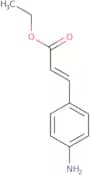
CAS:<p>Ethyl 4-aminocinnamate is a supramolecular, homologous, activated, linear polymer. It is used as an amine and phosphazene ligand in mesomorphic solid-state chemistry. It has a reversible covalent bond that can be thermally broken and re-formed. This property allows for the synthesis of polymers with functional groups on both ends of the molecule. The nitro group on this compound can be reduced to amine to give another functional group. Ethyl 4-aminocinnamate has been shown to have pharmacokinetic properties that are similar to those of ethyl 4-aminobenzoate (EB). EB is an inhibitor of NS5B polymerase that blocks RNA synthesis and leads to inhibition of viral replication. EB also inhibits ring opening reactions in the presence of nitro groups, which may explain its inhibitory effect on HIV RNA synthesis.</p>Formula:C11H13NO2Purity:Min. 95%Color and Shape:PowderMolecular weight:191.23 g/molEthyl 4-nitrobenzoate
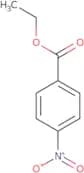
CAS:<p>Ethyl 4-nitrobenzoate is a compound that is used to synthesize other drugs, such as erythromycin. It is also an intermediate in the synthesis of some pesticides and dyes. The second-order rate constant for the reaction of ethyl 4-nitrobenzoate with phosphotungstic acid has been measured at 0.058/min at 25°C. This reaction is catalyzed by recombinant cytochrome P450 (P450) enzymes from human liver preparations and cationic surfactants such as nitrobenzene or sodium carbonate, which are known to form hydrogen bonds with the protonated nitrogen atom on the aromatic ring of ethyl 4-nitrobenzoate. Ethyl 4-nitrobenzoate is also used clinically to treat gastric ulcers, although it can be toxic if taken in large doses or over a long period of time.</p>Formula:C9H9NO4Purity:Min. 95%Color and Shape:PowderMolecular weight:195.17 g/mol4-Methylmorpholine N-oxide monohydrate
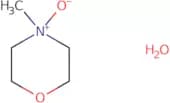
CAS:<p>Intermediate for organic syntheses</p>Formula:C5H13NO3Color and Shape:PowderMolecular weight:135.16 g/mol4-Ethoxy-3-methoxybenzaldehyde
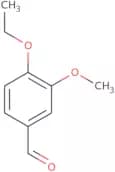
CAS:<p>4-Ethoxy-3-methoxybenzaldehyde is an organic compound that can be found in plants, such as in the leaves of the nutmeg plant. It is a cleavage product of 4-hydroxycoumarin. 4-Ethoxy-3-methoxybenzaldehyde is a dicarboxylic acid by substructure and it has been shown to be an intermediate in the synthesis of ethylene acetal and hydrogen peroxide. It is also postulated to react with chloride to form 4-chloroacetophenone and chloride ions, which are then reacted with hydrogen peroxide to form hydrochloric acid. The acute toxicity of this compound has not been determined but it may cause toxic effects on extracellular cells, such as radical species. The toxicities of 4-ethoxy-3-methoxybenzaldehyde have been observed in biphenyl which causes skin irritation, liver toxicity, kidney damage, and respiratory irritation</p>Formula:C10H12O3Purity:Min. 95%Color and Shape:PowderMolecular weight:180.2 g/molO-Methyl-D-threonine
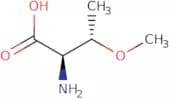
CAS:O-Methyl-D-threonine is an amino acid that is biosynthesized from O-methylserine and D-threonine. It belongs to the class of β-lactam antibiotics and inhibits peptidoglycan synthesis by binding to the catalytic site of the enzyme synthase, which is required for the formation of β-lactam rings in peptidoglycan. The crystal structure of O-methylserine has been determined and analyzed. Mutations in the catalytic tripeptide have been shown to affect its activity, as well as protonation state and carboxylate groups.Formula:C5H11NO3Purity:Min. 98 Area-%Color and Shape:White Off-White PowderMolecular weight:133.15 g/mol






![5-Amino-1-[2,6-dichloro-4-(trifluoromethyl)phenyl]-4-[(trifluoromethyl)sulfinyl]-1H-pyrazole-3-car…](/_next/image/?url=https%3A%2Fstatic.cymitquimica.com%2Fproducts%2F3D%2Fthumb-webp%2FFA23290.webp&w=3840&q=75)