Building Blocks
This section contains fundamental products for the synthesis of organic and biological compounds. Building blocks are the essential starting materials used to construct complex molecules through various chemical reactions. They play a critical role in drug discovery, material science, and chemical research. At CymitQuimica, we offer a diverse range of high-quality building blocks to support your innovative research and industrial projects, ensuring you have the essential components for successful synthesis.
Subcategories of "Building Blocks"
- Boronic Acids & Boronic Acid Derivatives(5,756 products)
- Chiral Building Blocks(1,242 products)
- Hydrocarbon Building Blocks(6,095 products)
- Organic Building Blocks(61,055 products)
Found 199650 products of "Building Blocks"
Sort by
Purity (%)
0
100
|
0
|
50
|
90
|
95
|
100
trans-4-Hydroxy-L-proline
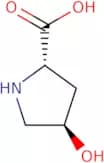
CAS:<p>Proline is a non-essential amino acid that is found in the basic structure of collagen. Proline has been shown to have physiological effects, including a protective effect on the myocardium, and can be used as an analytical method for detecting proline residues in biological samples. Trans-4-Hydroxy-L-proline is a proline derivative that has been shown to inhibit collagenase activity in vitro. It was also shown to have an optimum concentration of 1 mM and a matrix effect at pH 6.5. The model system used to study trans-4-hydroxy-l-proline was the enzyme extracted from rat liver.</p>Formula:C5H9NO3Color and Shape:White PowderMolecular weight:131.13 g/mol4D-Hydroxysphinganine
CAS:<p>Sphingolipid; cell membrane component; anti-inflammatory agent</p>Formula:C18H39NO3Purity:Min. 97 Area-%Color and Shape:White PowderMolecular weight:317.51 g/mol4-Hydroxy-2-methoxybenzaldehyde
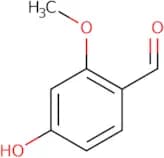
CAS:<p>Echinatin is a benzaldehyde derivative that is found in the roots of Echinacea purpurea. It is a phenolic compound with a carbonyl group and two benzyl groups. 4-Hydroxy-2-methoxybenzaldehyde has been shown to have photophysical, cell culture, and functional group properties. This compound is used as a precursor for the production of echinatin and other plant polyphenols such as malonic acid. The biosynthesis of 4-hydroxy-2-methoxybenzaldehyde begins with the oxidation of cinnamic acid by cytochrome P450 monooxygenase to form cinnamoyl CoA. The enzyme cinnamate decarboxylase then converts this intermediate to p-hydroxybenzoic acid, which is then hydroxylated to form 4-hydroxy-2-methoxybenzaldehyde.</p>Formula:C8H8O3Purity:Min. 95%Color and Shape:PowderMolecular weight:152.15 g/mol1-Hydroxy-2-naphthoic acid
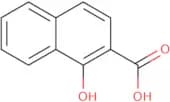
CAS:<p>1-Hydroxy-2-naphthoic acid is a chemical compound that belongs to the group of carboxylic acids. It is used in the treatment of malonic acidemia and as a reagent for the structural analysis of organic compounds. 1-Hydroxy-2-naphthoic acid has been shown to react with protonated malonic acid in a synchronous fluorescence experiment. The reaction mechanism involves an intramolecular hydrogen transfer from the carboxylate group to the naphthalene ring, leading to formation of a methyl ethyl cation. This cation can then either react with another malonic acid molecule or be deprotonated by water, depending on pH and concentration. 1-Hydroxy-2-naphthoic acid has also shown photochemical properties and can be used for wastewater treatment due to its ability to degrade organic pollutants such as phenols and amines.</p>Formula:C11H8O3Purity:Min. 98 Area-%Color and Shape:PowderMolecular weight:188.18 g/mol4-Hydroxy-3-nitrophenylacetic acid
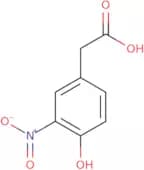
CAS:<p>4-Hydroxy-3-nitrophenylacetic acid is a metabolite of caproic acid in the mouse. It is also an analytical marker for caproic acid in human serum and a biochemical marker for 4-hydroxybenzoic acid in human urine. The affinity of 4-hydroxy-3-nitrophenylacetic acid to antibodies has been shown by its ability to be titrated calorimetrically with antibodies, which are used as a model system. The antibody response has been studied by immunizing mice with 4-hydroxybenzoic acid, which resulted in the production of antibodies that had the same reactivity as those against 4-hydoxy-3-nitrophenylacetic acid. The reaction mechanism of hydrolysis of 4-hydroxybenzoic acid by monoclonal antibodies has been proposed and was supported by the results obtained from titration calorimetry experiments.</p>Formula:C8H7NO5Purity:Min. 95%Color and Shape:Off-White PowderMolecular weight:197.14 g/mol2,5-Thiophenedicarboxaldehyde
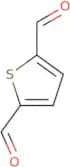
CAS:<p>2,5-Thiophenedicarboxaldehyde (2,5-TDA) is a macrocyclic nitrogen heterocycle that activates the protein kinase cAMP-dependent protein kinase A. This activation leads to increased transcription of genes controlled by this pathway and may be involved in tumor treatment. 2,5-TDA has been shown to be toxic to amines and can be used as an analytical chemistry reagent. It is also used as a starting material for the synthesis of other compounds. 2,5-TDA is prepared by oxidation of thiophene with hydrochloric acid or trifluoroacetic acid. The reaction results in an irreversible oxidation that proceeds via a radical mechanism. The isolated yield is low because 2,5-TDA is thermodynamically unstable and decomposes at higher temperatures.</p>Formula:C6H4O2SPurity:Min. 95%Color and Shape:PowderMolecular weight:140.16 g/molFerulic acid
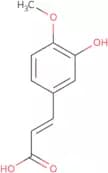
CAS:<p>Ferulic acid is a plant polyphenol that has been shown to induce apoptosis in human leukemia cells and inhibit the production of tumor necrosis factor-α (TNF-α), thereby improving glucose tolerance. Ferulic acid inhibits the mitochondrial membrane potential by binding to the Mcl-1 protein and inducing its degradation, leading to anion radical scavenging. This compound also has significant cytotoxicity in a model system and has been shown to have hypoglycemic effects in animal studies. Ferulic acid also induces cell cycle arrest by inhibiting the expression of cyclin D1, which is involved in regulating the G1 phase of the cell cycle.</p>Formula:C10H10O4Purity:Min. 95%Color and Shape:PowderMolecular weight:194.18 g/mol2-Hydroxy-4-nitrobenzaldehyde
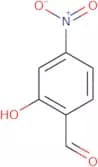
CAS:<p>2-Hydroxy-4-nitrobenzaldehyde is a molecule that reacts with kinase receptors in cancer cells and causes oxidative carbonylation. It has been shown to react with chloride, salicylaldehyde and dobutamine to form a fluorescent compound, which can be used as a probe for fluorescence studies. The fluorescence properties of 2-hydroxy-4-nitrobenzaldehyde have also been exploited for the development of pyrazoles as potential anti-cancer agents.</p>Formula:C7H5NO4Purity:Min. 98 Area-%Color and Shape:PowderMolecular weight:167.12 g/mol3-Hydroxy-2-methoxybenzoic acid
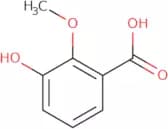
CAS:<p>3-Hydroxy-2-methoxybenzoic acid (3HMB) is a phenolic compound that is found in the heartwood of Eucalyptus trees, fruits such as apples and cherries, and some vegetables. 3HMB has been shown to inhibit tumor necrosis factor-α (TNF-α) production by proinflammatory cytokines such as IL-1β and IL-6, which are produced by cells in response to infection or tissue injury. 3HMB also inhibits the activity of tyrosol oxygenase, which converts tyrosol to vanillic acid. Vanillic acid can be converted into vanillin, an important precursor for the synthesis of pigments that give fruits their color. 3HMB has been shown to inhibit the growth of cancer cells in vitro.</p>Formula:C8H8O4Purity:Min. 95%Color and Shape:PowderMolecular weight:168.15 g/mol3-Hydroxycinnamic acid
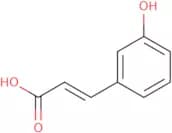
CAS:<p>3-Hydroxycinnamic acid is a natural compound that belongs to the group of caffeic acids. It is found in many plants, including coffee beans and tea leaves. 3-Hydroxycinnamic acid has been shown to inhibit the proliferation of 3T3-L1 preadipocytes and HL-60 cells by inhibiting mitochondrial membrane potential. This compound also inhibits the activity of 4-hydroxyphenylacetic acid (4HPA) hydroxylase, which converts phenylalanine into tyrosine and 4HPA, an intermediate in the synthesis of melanin. 3-Hydroxycinnamic acid can be used as a model system for studying caffeic acids in vitro. Structural analysis has demonstrated that 3-hydroxycinnamic acid contains nitrogen atoms, which may be essential for its anti-inflammatory activities.</p>Formula:C9H8O3Purity:Min. 95%Color and Shape:PowderMolecular weight:164.16 g/mol3-Hydroxybenzoic acid
CAS:3-Hydroxybenzoic acid is a ferroelectric compound that can be found in water vapor, plants, and bacteria. It has been shown to have structural properties that are very similar to those of p-hydroxybenzoic acid. The redox potential of 3-hydroxybenzoic acid is around -0.8 volts versus the standard hydrogen electrode (p-hydroxybenzoic acid is -1.2 volts). 3-Hydroxybenzoic acid has been shown to inhibit some bacterial enzymes such as esterase and transaminase, but not others such as dehydrogenase or oxidoreductase. It also shows activity against fungal enzymes such as aminopeptidases and serine proteases. The compound can exist in two forms: the metastable form or a stable form. The metastable form can be obtained by crystallizing the compound from a solution containing copper chloride or x-ray diffraction data from wild type strainsFormula:C7H6O3Color and Shape:PowderMolecular weight:138.12 g/mol4-Amino-3-chloro-N-[2-(diethylamino)ethyl]benzamide
CAS:<p>4-Amino-3-chloro-N-[2-(diethylamino)ethyl]benzamide (4ACB) is a benzoquinone analog that has been shown to inhibit the proliferation of muscle cells. It has also been found to be reactive with reactive functional groups, such as the fatty acids found in the liver and bowel. 4ACB suppresses mitochondrial functions, which may contribute to its anti-inflammatory effects. This drug is also a pharmacological agent that inhibits bowel disease by reducing the secretion of inflammatory substances from cells in the bowel.</p>Formula:C13H20ClN3OPurity:Min. 95%Color and Shape:PowderMolecular weight:269.77 g/molHexadecyl pyridinium bromide
CAS:<p>Cationic surfactant; antiseptic</p>Formula:C21H38BrNColor and Shape:White PowderMolecular weight:384.44 g/molPiperitone
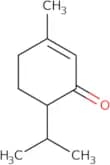
CAS:<p>Piperitone is a natural product that is isolated from the roots of Piper aduncum L. It has shown antimicrobial activity against Gram-positive and Gram-negative bacteria, fungi, and protozoa. The compound has been used as a broad-spectrum antimicrobial agent to treat infectious diseases such as malaria, leishmaniasis, and trypanosomiasis. Piperitone's mechanism of action is not well understood but it may be due to its ability to inhibit fatty acid synthesis or by inhibiting the biosynthesis of hepg2 in human erythrocytes.</p>Formula:C10H16OPurity:Min. 95%Color and Shape:Clear LiquidMolecular weight:152.23 g/molL-Histidine methyl ester dihydrochloride
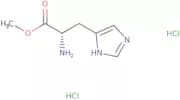
CAS:<p>L-Histidine methyl ester dihydrochloride is a β-amino acid with the chemical formula HNCH2CH(CH3)CO2H. It has the functional group of an isopropyl group and a chloride ion. L-Histidine methyl ester dihydrochloride has been shown to bind to receptors in the central nervous system that are involved in pain perception. As a result, it can be used for the treatment of neuropathic pain, chronic pain, and cancer pain. This drug also inhibits nitric oxide production by binding to iron ions or copper ions. L-Histidine methyl ester dihydrochloride has been shown to have antiinflammatory effects as well as antioxidant properties.</p>Formula:C7H11N3O2•(HCl)2Purity:Min. 95%Color and Shape:PowderMolecular weight:242.1 g/molVioluric acid
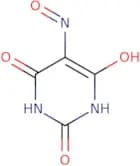
CAS:<p>Violuric acid is a chemical compound that is used in biological treatment. It has a hydroxyl group and UV absorption, which makes it reactive. Violuric acid undergoes protonation and deprotonation to form an acid complex with water. The nitrogen atoms in violuric acid can react with the oxygen atoms of water molecules to form nitrous acid, which then reacts with hydrogen peroxide to form an oxidizing agent. Violuric acid is synthesized by chain reactions between organic acids and inorganic acids. Violuric acid has a redox potential of −0.35 volts, making it an excellent reducing agent for organic compounds. In organic chemistry, violuric acid is used as a reducing agent for esters or amides.</p>Formula:C4H3N3O4Purity:Min. 95%Color and Shape:PowderMolecular weight:157.08 g/molPenicillin V
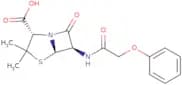
CAS:<p>Penicillin V is an antibiotic that belongs to the class of penicillins. It is used in the treatment of bacterial infections, such as streptococcal pharyngitis and infectious diseases. Penicillin V binds to the penicillin-binding proteins, which are located on the outer surface of the bacterial membrane and prevent cell wall synthesis. This binding inhibits cell wall biosynthesis by preventing transpeptidation and transglycosylation reactions and leads to cell death. Penicillin V also inhibits the production of certain cytokines, including interleukin-1β (IL-1β) and tumor necrosis factor α (TNFα), which may be a result of its ability to inhibit Toll-like receptor 4 (TLR4). The solubility data for penicillin V was obtained from experiments conducted with experimental animals. The oral cephalosporins were shown to have a greater affinity for penicillin-binding proteins than pen</p>Formula:C16H18N2O5SPurity:Min. 95%Molecular weight:350.39 g/mol4-Hydroxyquinoline
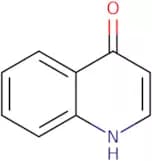
CAS:<p>4-Hydroxyquinoline is a chemical compound that has been shown to have anticancer, anti-inflammatory, and antiviral properties. It is an inhibitor of the enzyme tyrosinase, which is required for the production of melanin. 4-Hydroxyquinoline has also been shown to suppress bowel inflammation by inhibiting the synthesis of 3-hydroxyanthranilic acid in cells. 4-Hydroxyquinoline has been found to be effective against Herpes Simplex Virus Type 1 (HSV1) in cell culture and in vitro assays. <br>4-Hydroxyquinoline's photochemical properties make it a useful precursor for the synthesis of other biologically active compounds. This chemical undergoes a reaction with trifluoroacetic acid to form diazonium salt intermediate, which then reacts with hydrogen peroxide to form an active oxygen species that damages DNA and kills cells.</p>Formula:C9H7NOPurity:Min. 95%Color and Shape:White PowderMolecular weight:145.16 g/molβ-Ionone
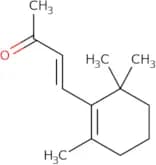
CAS:<p>2-Ionone is a carotenoid that is an intermediate in the biosynthesis of vitamin A. It is also used as a flavoring and fragrance additive and has been shown to have cancer-preventing properties. 2-Ionone inhibits the NADP-cytochrome P450 reductase, which prevents formation of NADPH, an essential cofactor in cellular respiration and biosynthesis of fatty acids. 2-Ionone also inhibits cell growth in vitro by interacting with the polymerase chain reaction (PCR) process. The physiological function of 2-Ionone is not well understood, but it has been shown to inhibit steric interactions between DNA molecules. 2-Ionone can be prepared industrially by photolysis or by thermal decomposition of acetophenone.</p>Formula:C13H20OPurity:Min. 95%Color and Shape:Clear LiquidMolecular weight:192.3 g/mol2-(3-Hydroxypropyl)benzimidazole
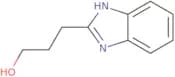
CAS:<p>2-(3-Hydroxypropyl)benzimidazole is a chloroform extract of the bark of the tree, Pongamia pinnata. It has been shown to have antibacterial and antitumor activity. 2-(3-Hydroxypropyl)benzimidazole has been found to be active against methicillin-resistant Staphylococcus aureus (MRSA), showing strong inhibitory effects on bacterial cell growth in vitro. The mechanism of action may be due to its ability to bind to DNA and RNA, preventing transcription and replication. 2-(3-Hydroxypropyl)benzimidazole also inhibits protein synthesis by binding to ribosomes and interfering with the function of enzymes that are involved in this process such as cytochrome c reductase, glutathione reductase, and 3-ketoacyl coenzyme A thiolase.</p>Formula:C10H12N2OPurity:Min. 95%Color and Shape:White PowderMolecular weight:176.22 g/mol



![4-Amino-3-chloro-N-[2-(diethylamino)ethyl]benzamide](/_next/image/?url=https%3A%2Fstatic.cymitquimica.com%2Fproducts%2F3D%2Fthumb-webp%2FAAA89160.webp&w=3840&q=75)